Classic cocktail · Guided recipe
Blood and Sand
Start makingOne of the few classics built on Scotch: whisky, sweet vermouth, cherry and orange in equal measure. Named for a bullfighting film.
In the glassScotch whisky · Sweet vermouth · Cherry liqueur (Cherry Heering) · Orange juice
See exact amounts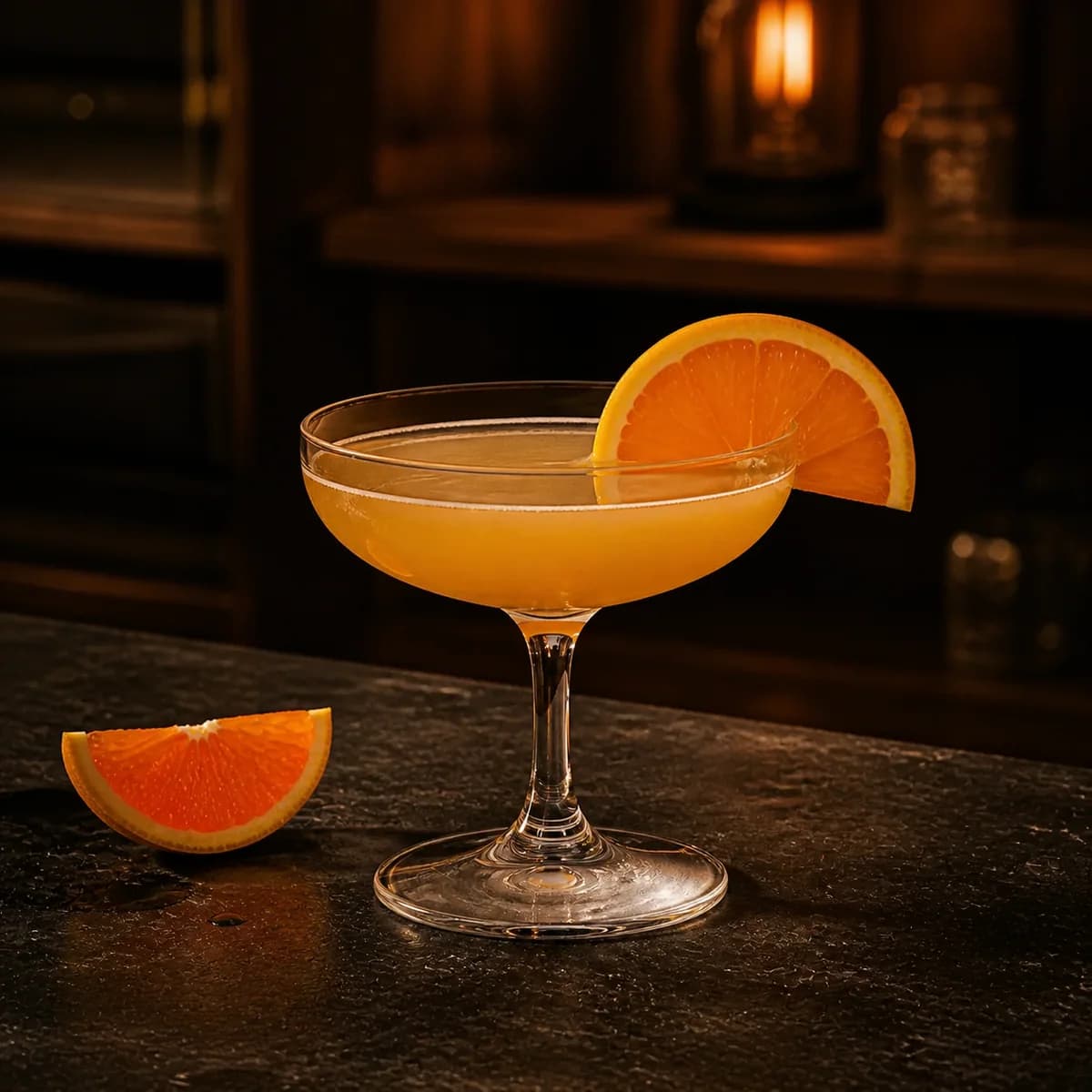
What goes in
Ingredients
Set up before you pour
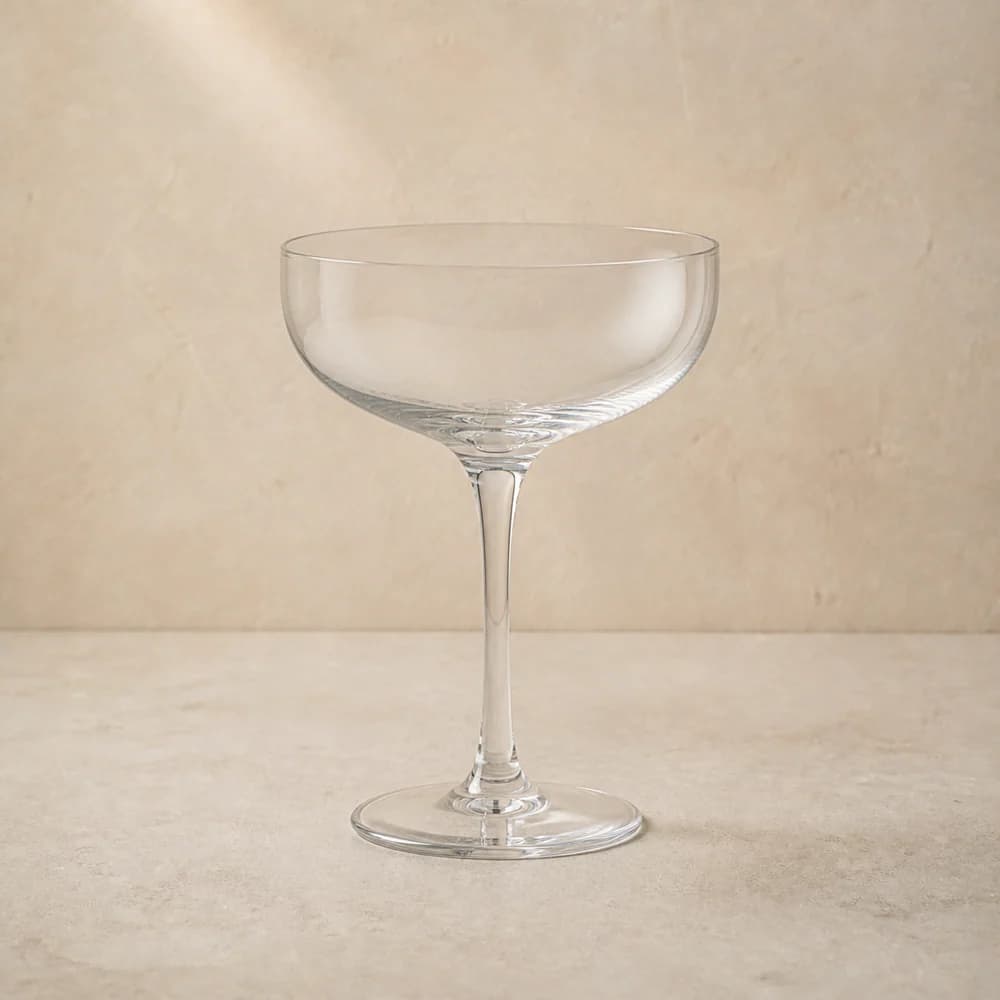
Use a coupe glass.
The stem keeps your hand away from a cold drink, while the rounded bowl makes an up serve easy to sip.
- Standard size
- 200 ml6¾ oz
- Ice & serve
- Chill it first; serve without ice.
- If you don’t own one
- Use a small martini glass or stemmed dessert glass.
- cocktail shaker
- strainer (or a small sieve)
- jigger or measuring spoon
- Scotch whisky22 ml
- Sweet vermouth22 ml
- Cherry liqueur (Cherry Heering)22 ml
- Orange juice22 ml
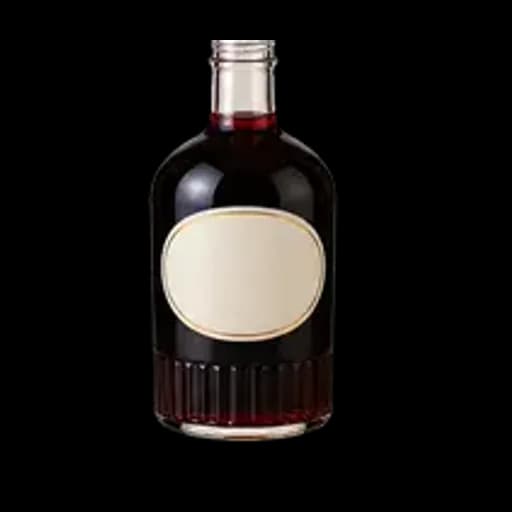
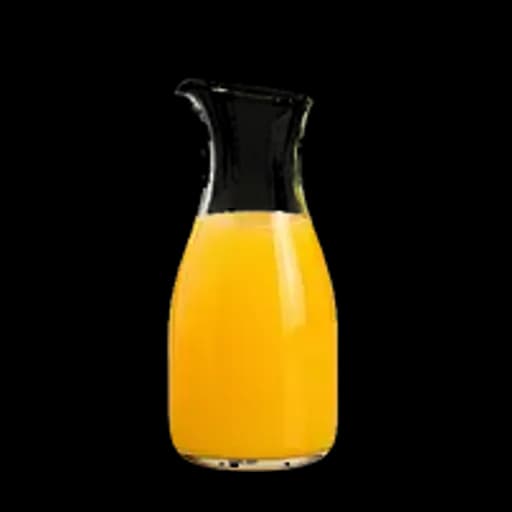
From bottle to glass
Method
- 01
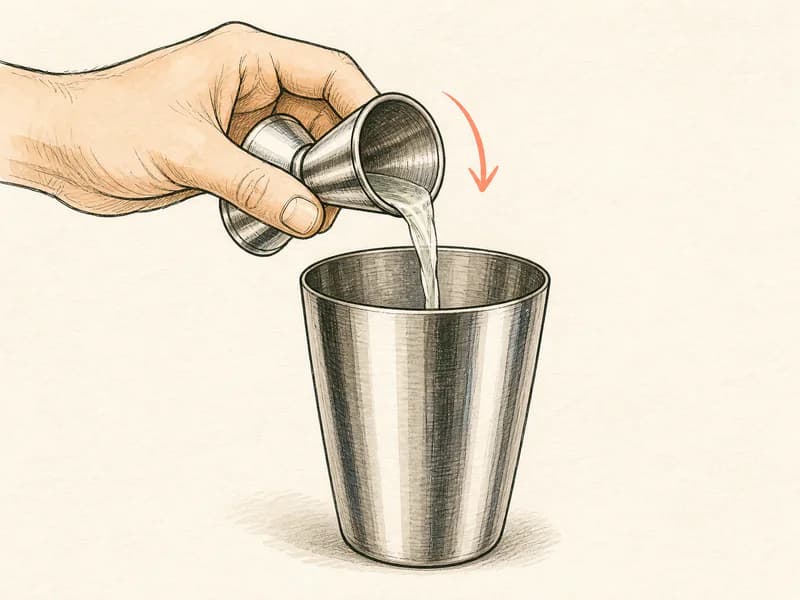
Measure into the shaker Pour 22 ml scotch whisky into your shaker
 Scotch whisky
- 02
Measure into the shaker Add 22 ml sweet vermouth
 Sweet vermouth
- 03
Measure into the shaker Add 22 ml cherry liqueur
 Cherry liqueur (Cherry Heering)
- 04
Measure into the shaker Add 22 ml orange juice
 Orange juice
- 05
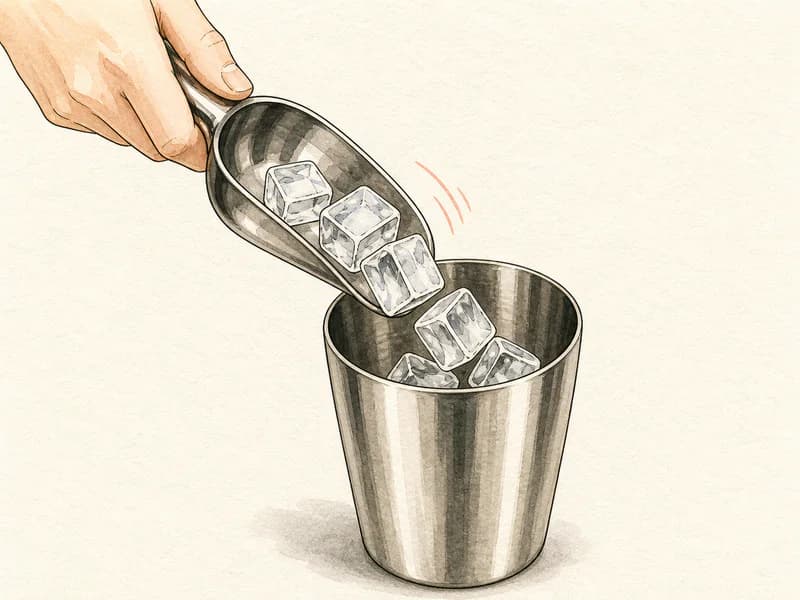
Ice the shaker Fill the shaker with ice
- 06
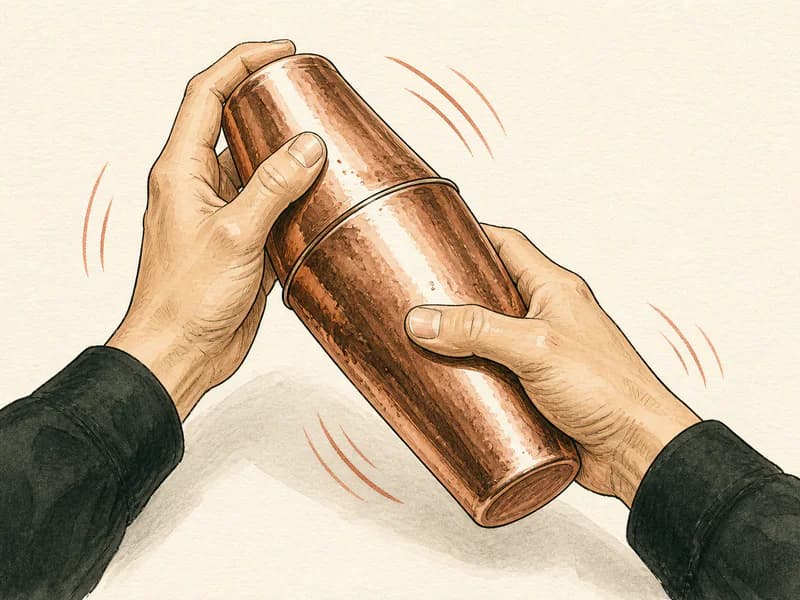
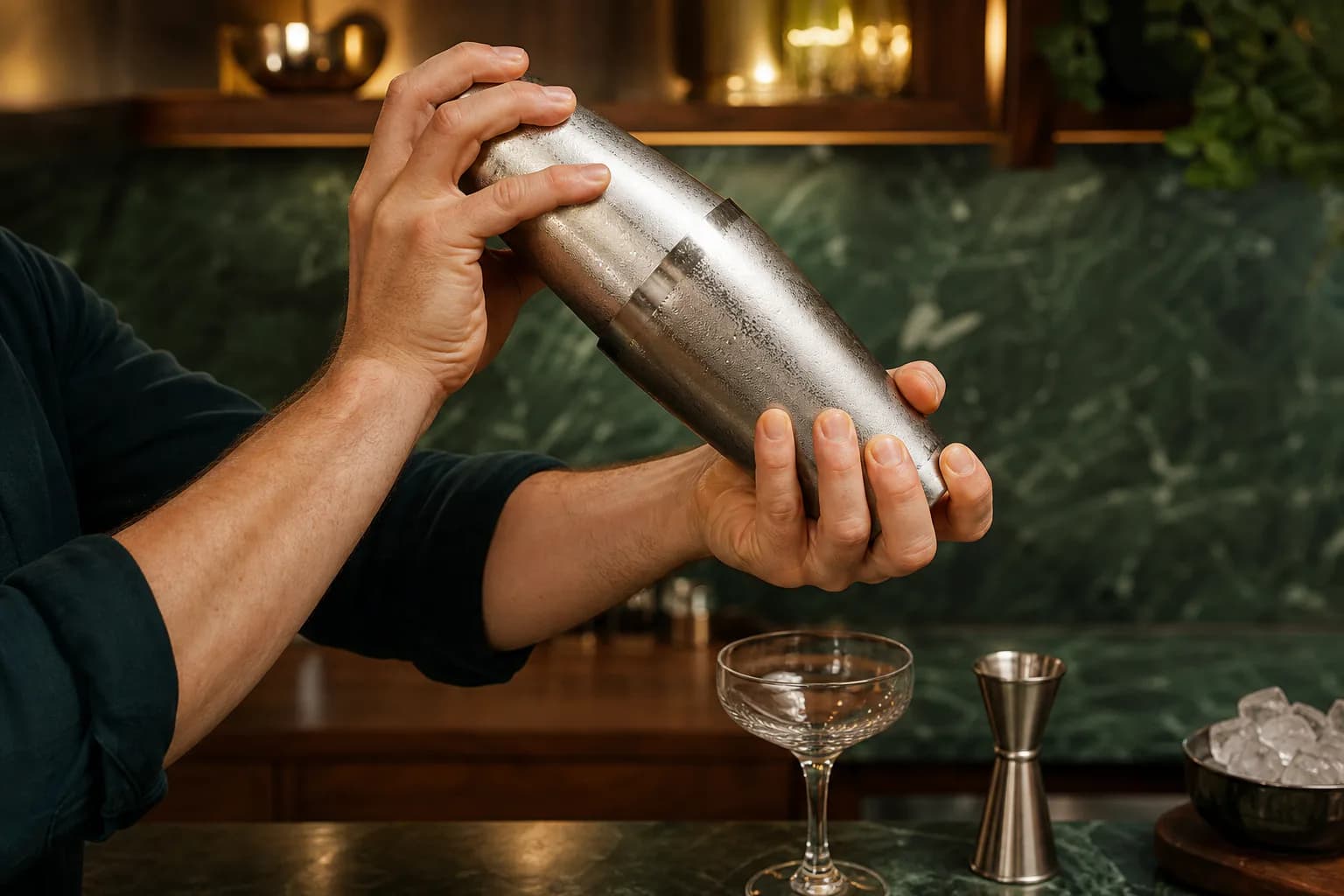
Seal and shake Seal and shake hard
- 07
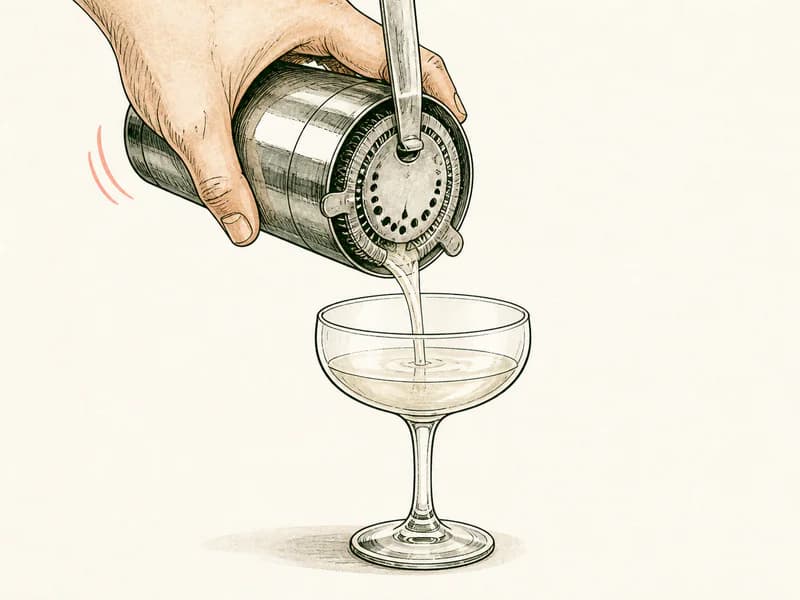
Strain cleanly Strain into a chilled glass — no ice
- 08
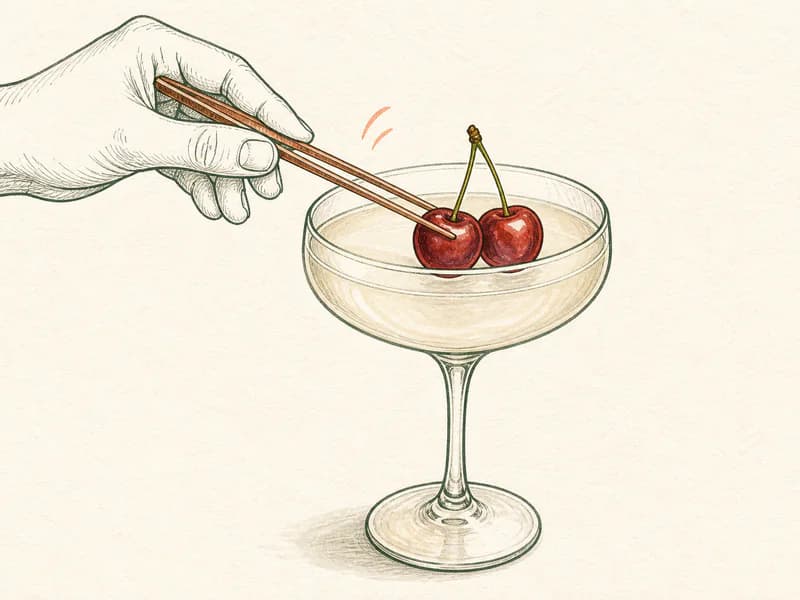
Finish the drink Finish it — add two brandied cherries on a pick
Know your drink
About the Blood and Sand
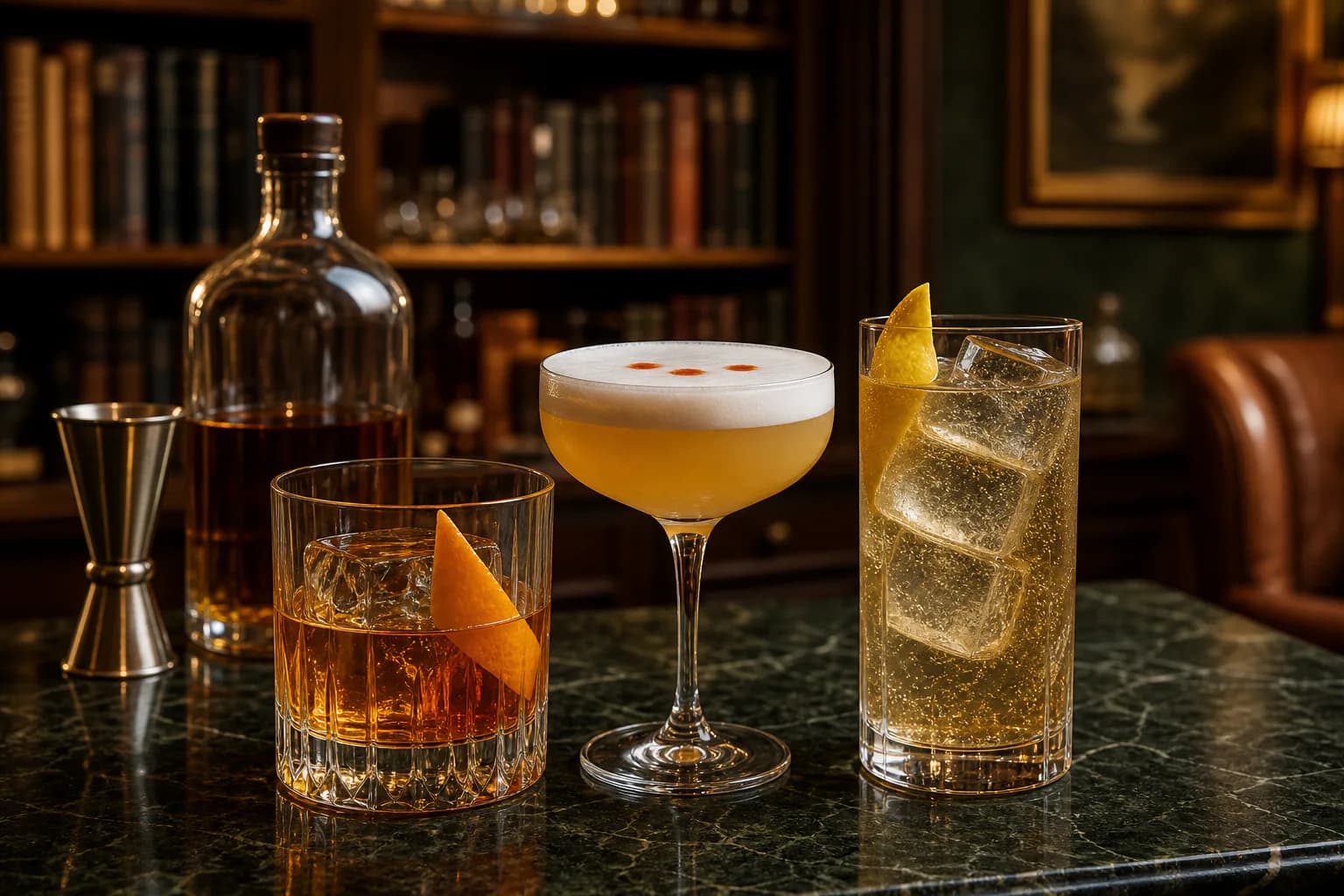
Named for a Valentino film
Blood and Sand was a 1922 bullfighting picture starring Rudolph Valentino, and the drink borrowed both the name and the color. Printed recipes turn up in the standard London books a few years later. That much is reliable. The bullfighting imagery gets stretched a long way in modern write-ups, usually further than the evidence supports.
Orange is doing more than sweetening. Its acidity is what keeps four sweet-leaning ingredients from collapsing into jam, which explains why the drink falls apart with carton juice and comes alive with fresh. Blood oranges, if you can find them in winter, give the color the name promises and a little more tartness besides.
Common questions
Blood and Sand FAQ
Should the orange juice be fresh?
Yes, and it's the difference between a good version and a dull one. Carton juice is sweeter and flatter than fresh, and at a full 22 ml it takes the drink over. Squeeze to order. If your oranges are very sweet, cut the juice to 15 ml and give the difference to the Scotch.
Can I give the Scotch a bigger pour?
It's the printed ratio and a fair place to begin, though plenty of bartenders shift it. The usual adjustment is 30 ml of Scotch against 15 ml each of the other three, which keeps the fruit while stopping the whisky from vanishing. Make it both ways before you decide.
Cherry Heering or a raspberry liqueur?
Cherry Heering is the older specification and gives a darker, almost stone-fruit depth. Raspberry liqueur makes the drink brighter and more obviously red-fruited, which some people prefer against malt. Steer clear of anything labeled cherry brandy that turns out to be sweetened syrup; it flattens everything.
Which Scotch holds up against the other three?
Something with body. A light blend gets swallowed whole by the fruit, so a malt-heavy blend or an entry-level Highland malt is the safer call. A trace of smoke works surprisingly well against the sweetness, but full Islay peat turns the glass into an argument between four things.
What ingredients are in a Blood and Sand?
A classic Blood and Sand calls for 22 ml (0.75 oz) Scotch whisky, 22 ml (0.75 oz) Sweet vermouth, 22 ml (0.75 oz) Cherry liqueur, 22 ml (0.75 oz) Orange juice. That single-serve spec scales cleanly — the recipe above converts it to oz and multiplies it for 2–4 drinks.
How strong is a Blood and Sand?
A standard Blood and Sand is roughly 21% ABV once mixed (before ice melt softens it further). That makes it spirit-forward — closer to a Martini than to a beer, so sip it slowly.
Is a Blood and Sand shaken or stirred?
A Blood and Sand is shaken. About 13 seconds with plenty of ice chills and dilutes it correctly.
Sharpen the technique
Skills used in this recipe
Where to go next
If you like the Blood and Sand, try these.
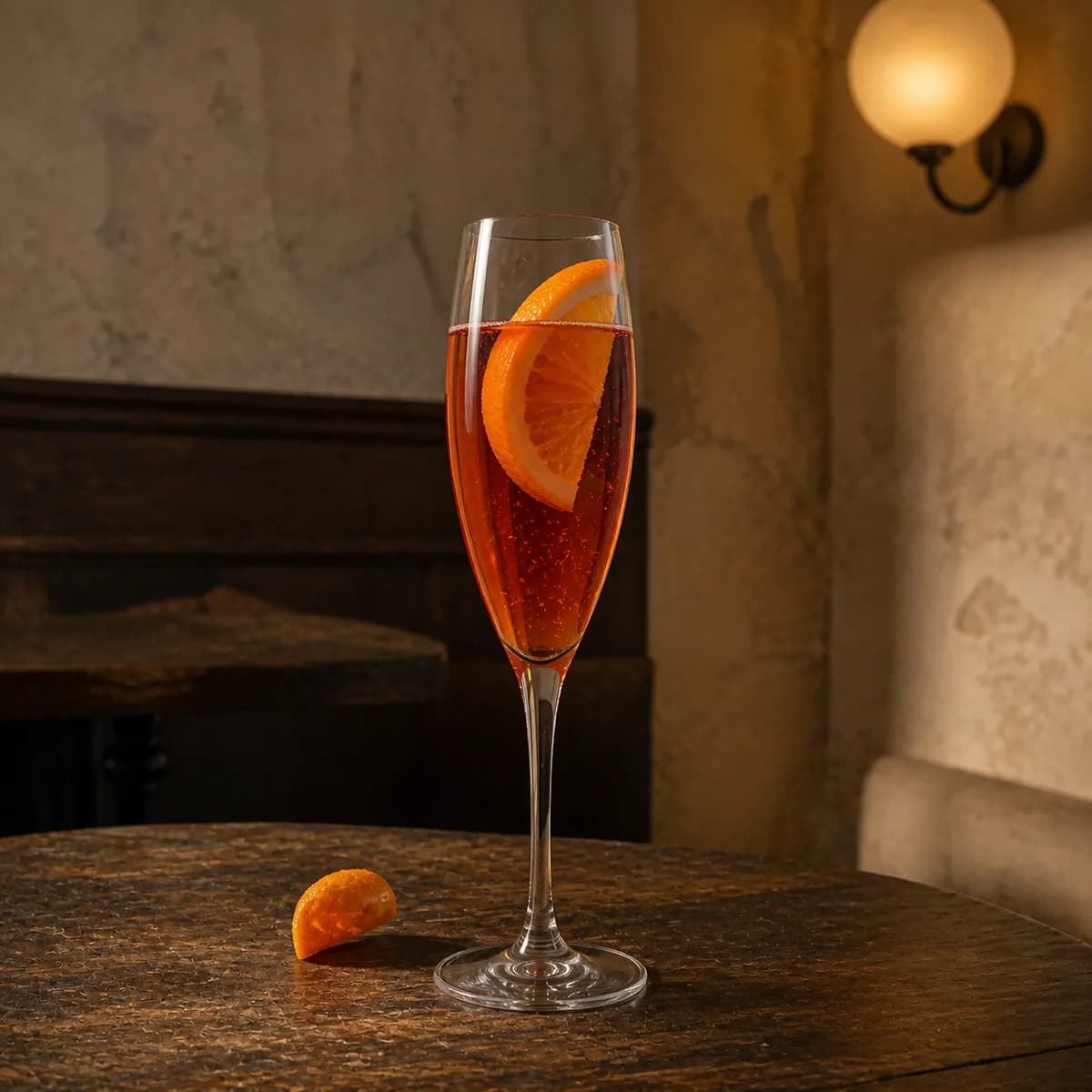
Nelson's Blood
Ruby port under a flute of champagne sounds like it should be sweet, and it isn't. Bubbles strip the fruit back to something dark and dry, and the drink is finished in two ingredients.
View recipe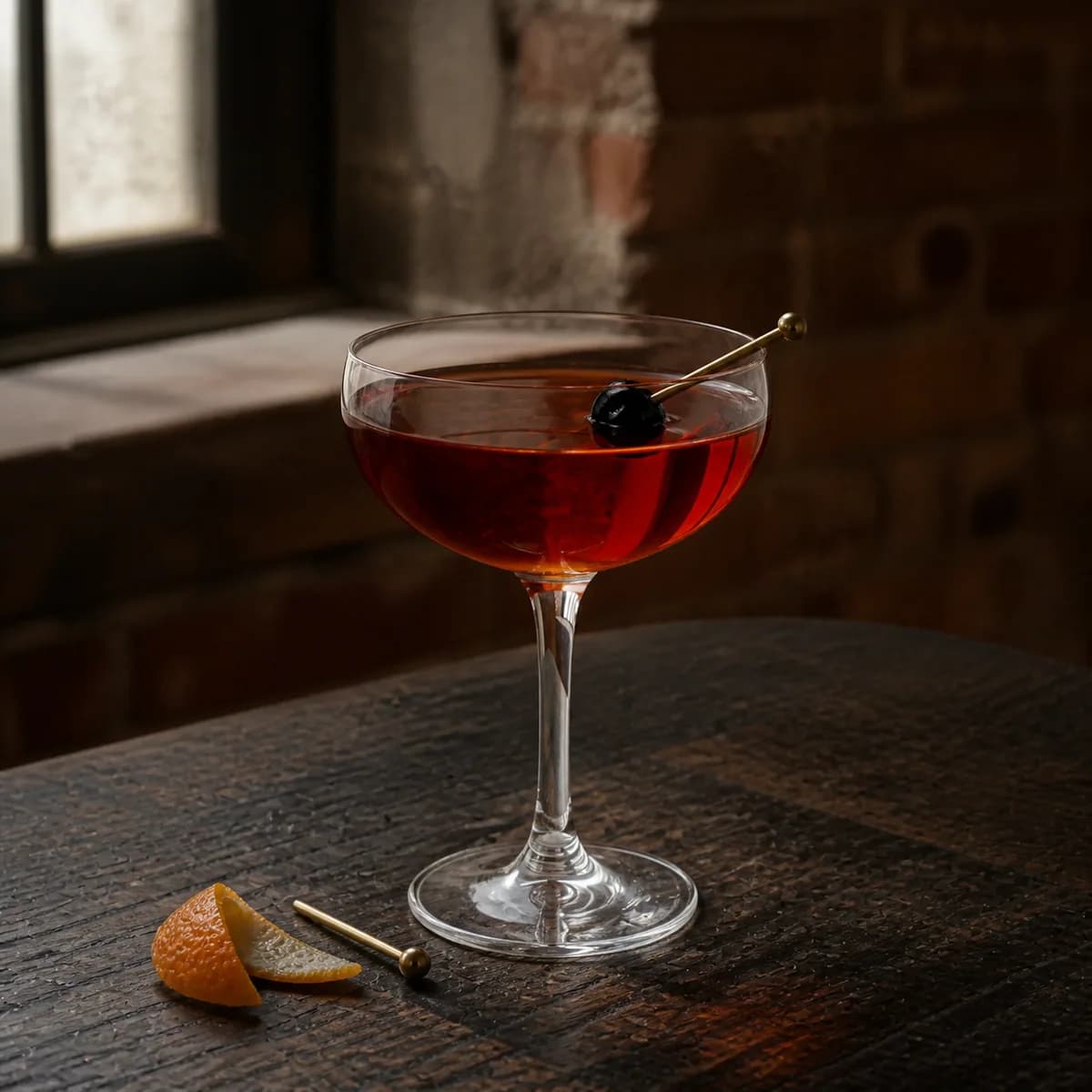
Rob Roy
A Manhattan made with Scotch — smoky, malty and a little softer. Sweet vermouth and bitters round it out.
View recipe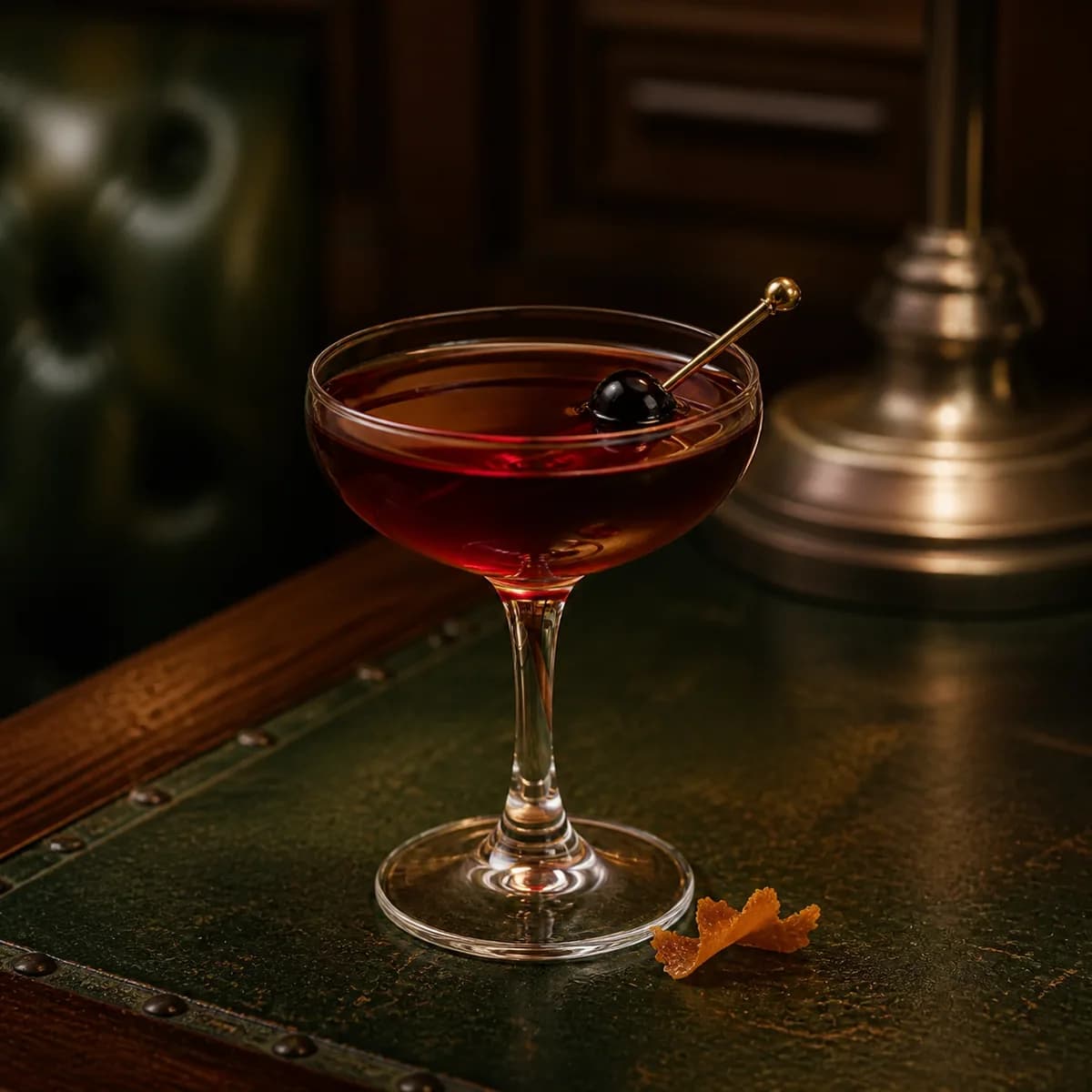
Bobby Burns
A Scotch Manhattan with a herbal Bénédictine lift — malty, honeyed and warming.
View recipe