Classic cocktail · Guided recipe
Ford Cocktail
Start makingHalf of this is dry vermouth, which puts it nearer a turn-of-the-century Martini than a modern one. Benedictine adds honey and dried herb at the edges, and the whole thing lands lower and softer than the gin count suggests.
In the glassGin · Dry vermouth · Bénédictine · Orange bitters
See exact amounts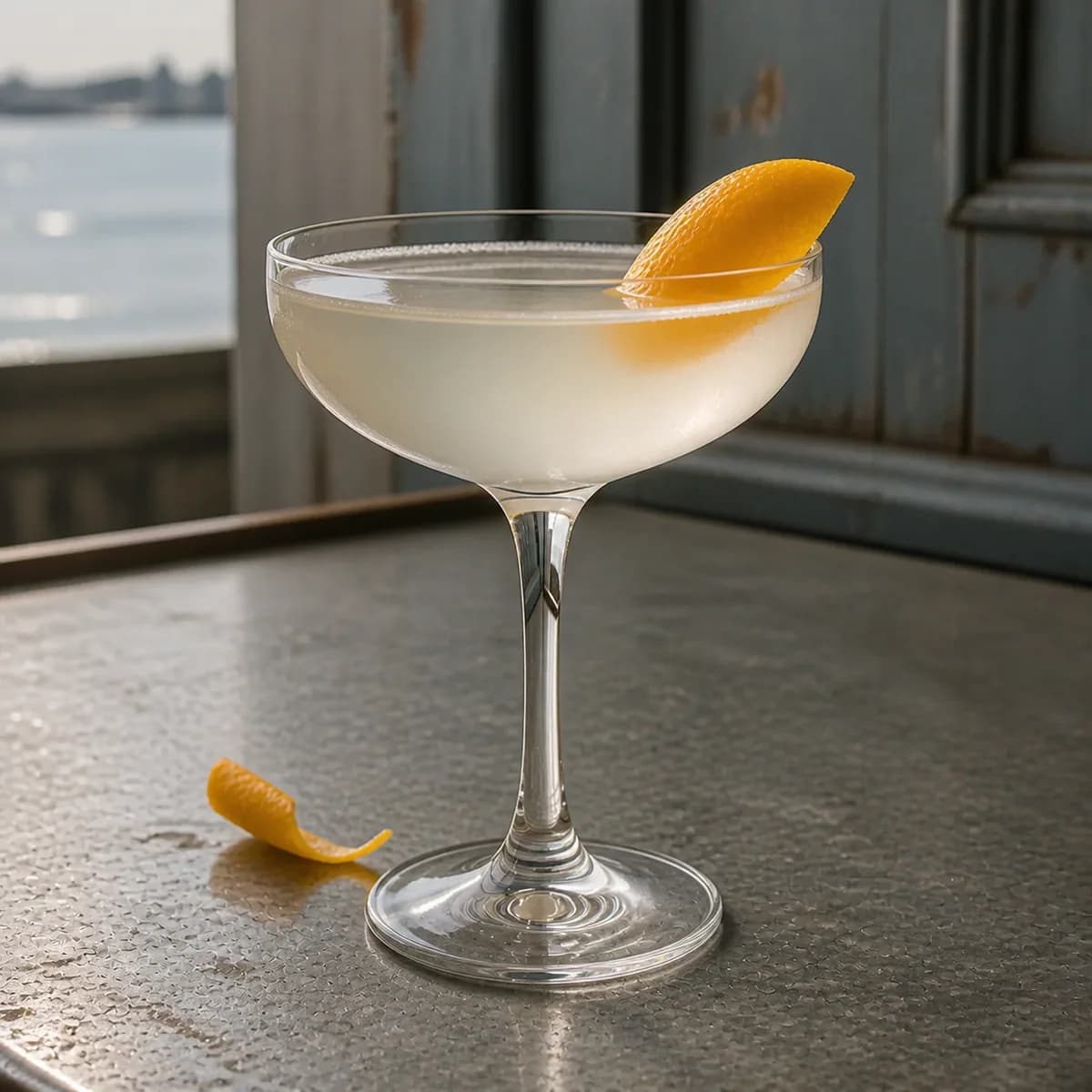
What goes in
Ingredients
Set up before you pour
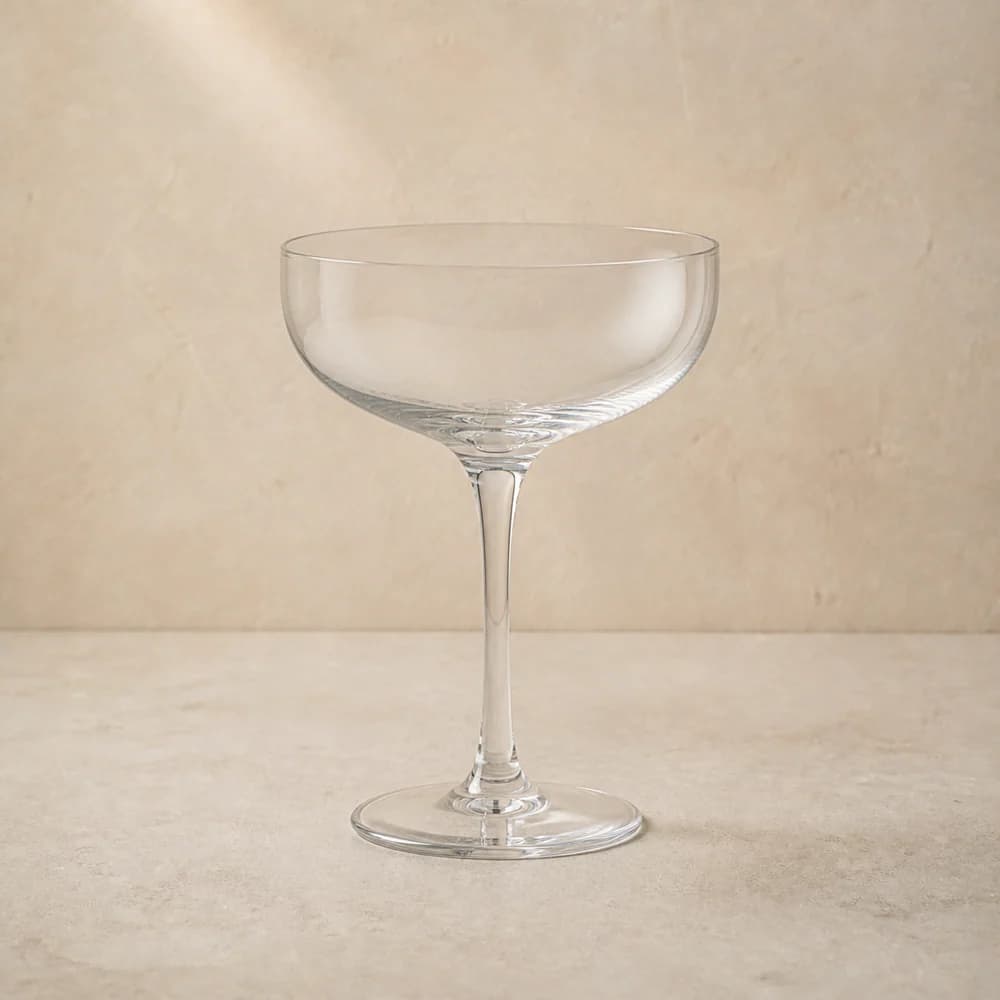
Use a coupe glass.
The stem keeps your hand away from a cold drink, while the rounded bowl makes an up serve easy to sip.
- Standard size
- 200 ml6¾ oz
- Ice & serve
- Chill it first; serve without ice.
- If you don’t own one
- Use a small martini glass or stemmed dessert glass.
- cocktail shaker
- strainer (or a small sieve)
- jigger or measuring spoon
- Gin45 ml
- Dry vermouth45 ml
- Bénédictine8 ml
- Orange bitters2 dashes
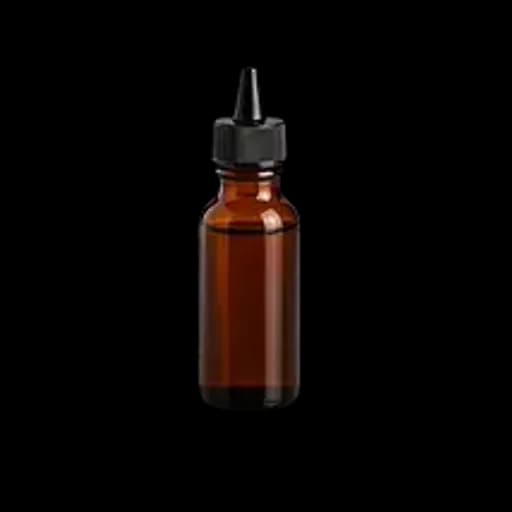
From bottle to glass
Method
- 01
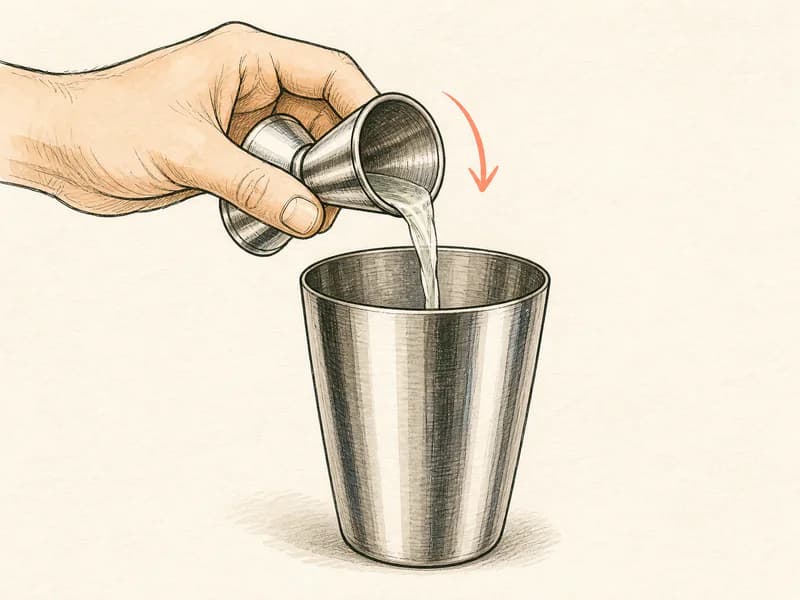
Measure into the shaker Pour 45 ml gin into your shaker
 Gin
Gin
- 02
Measure into the shaker Add 45 ml dry vermouth
 Dry vermouth
- 03
Measure into the shaker Add 8 ml bénédictine
- Bénédictine
- 04
Measure into the shaker Add 2 dashes orange bitters
 Orange bitters
- 05
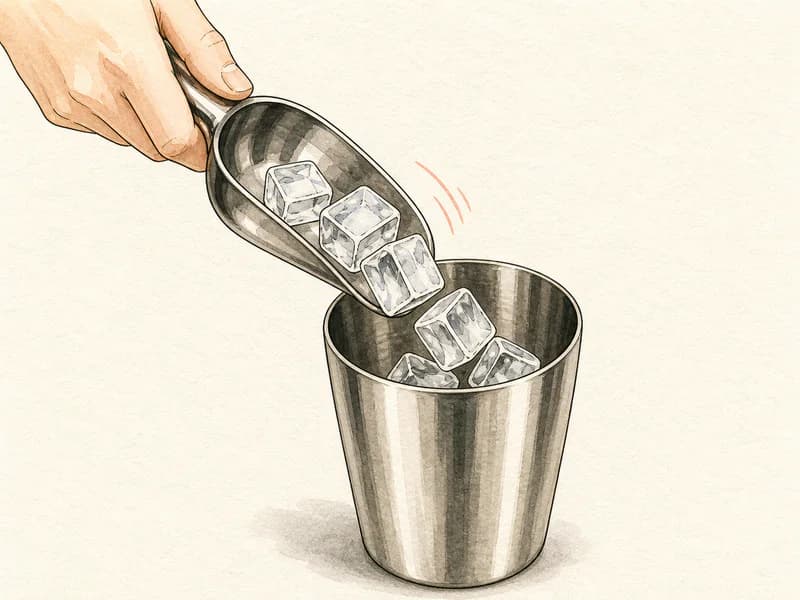
Ice the shaker Fill the shaker with ice
- 06
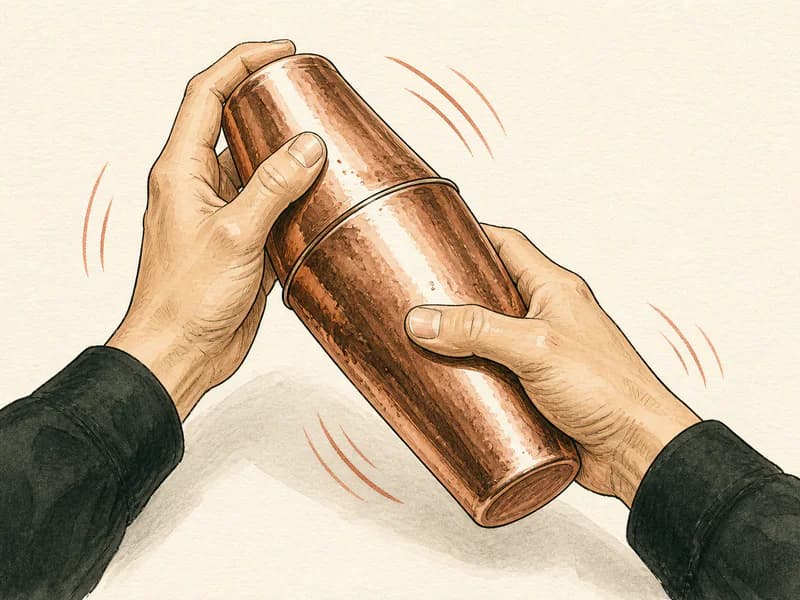
Seal and shake Seal and shake hard
- 07
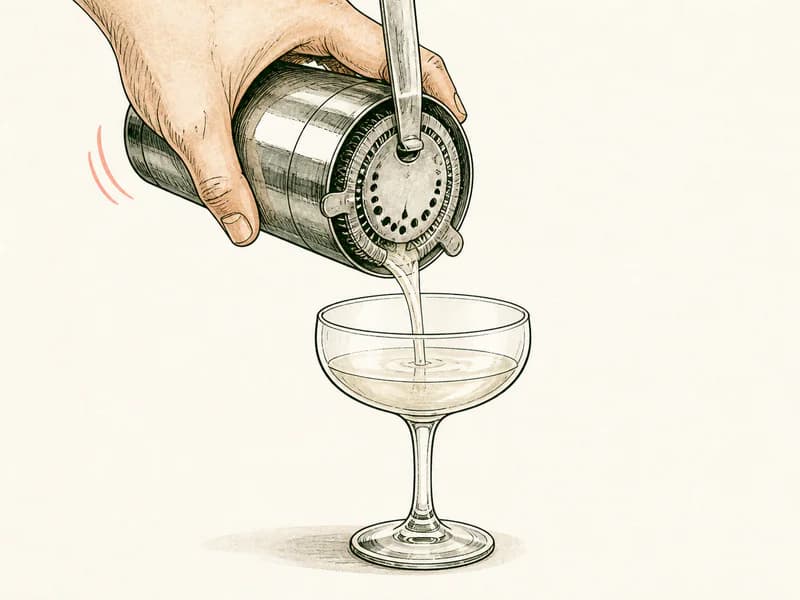
Strain cleanly Strain into a chilled glass — no ice
- 08
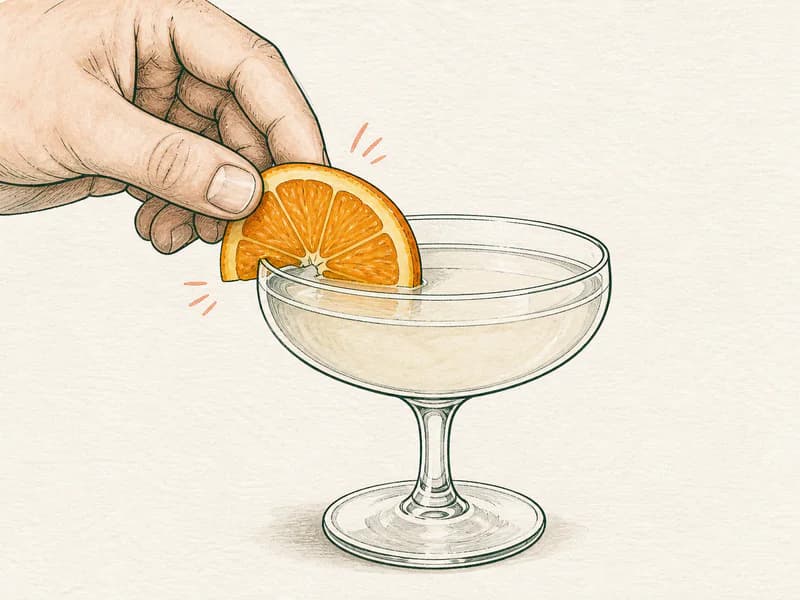
Finish the drink Finish it — add an orange slice
Know your drink
About the Ford Cocktail
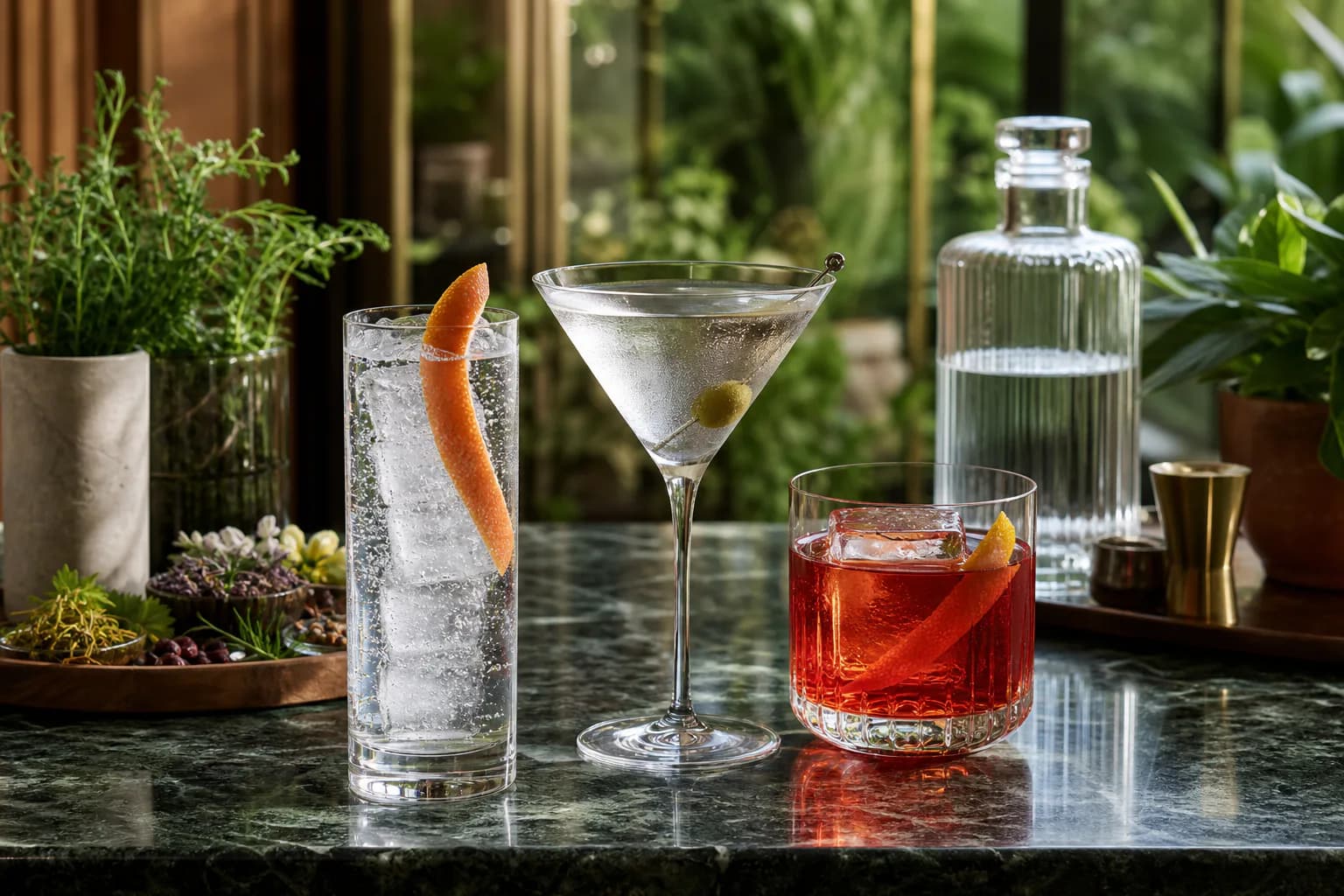
Vermouth doing half the work
Forty-five milliliters of dry vermouth against 45 of gin looks extreme now, when a Martini often runs six to one or drier. Before Prohibition that split was ordinary, and drinks in this family were built to be sipped over a longer stretch at lower strength. Read this as an aperitif rather than a weakened Martini and it makes far more sense.
Benedictine is a French herbal liqueur built on honey, with saffron, angelica and a long list of botanicals behind it. At 8 ml it functions the way a modifier should: you notice its absence more than its presence. Anyone who finds Chartreuse too assertive usually gets on with Benedictine, which does similar work several volumes quieter.
Common questions
Ford Cocktail FAQ
Does a tired bottle of vermouth show more here than in a Martini?
Much more, and it is arithmetic. A Martini hides 10 or 15 ml behind a full pour of gin. Here it is 45 against 45, so oxidized vermouth brings bruised apple and flat caramel to half the drink. Pour a little neat and taste it first: if it reads like sherry left open, it is finished.
How dry does it actually end up?
Drier than the sweetness of Benedictine implies. French dry vermouth brings acidity and a bitter herbal finish, and 8 ml of liqueur only rounds the corners. Expect something closer to a soft aperitif than a dessert drink, with the honey note sitting in the aroma more than on the tongue.
Do a couple of dashes of orange bitters really register?
More than any other component per drop. Bitters work on the nose, and orange peel oil is what stops the gin and vermouth reading as flat. Leave them out and the drink loses its top end. If you only own one bottle of bitters, this is the drink that wants it to be orange.
Would an Old Tom or a softer gin suit it better?
Old Tom pushes it sweet, which fights the vermouth's job here. A firm London dry gives the herbs something to argue with. If your gin is very citrus-forward, cut the gin to 40 ml and let the vermouth lead, which is closer to how this was drunk originally.
What ingredients are in a Ford Cocktail?
A classic Ford Cocktail calls for 45 ml (1.5 oz) Gin, 45 ml (1.5 oz) Dry vermouth, 8 ml (0.25 oz) Bénédictine, 2 dashes orange bitters Orange bitters. That single-serve spec scales cleanly — the recipe above converts it to oz and multiplies it for 2–4 drinks.
How strong is a Ford Cocktail?
A standard Ford Cocktail is roughly 29% ABV once mixed (before ice melt softens it further). That makes it spirit-forward — closer to a Martini than to a beer, so sip it slowly.
Is a Ford Cocktail shaken or stirred?
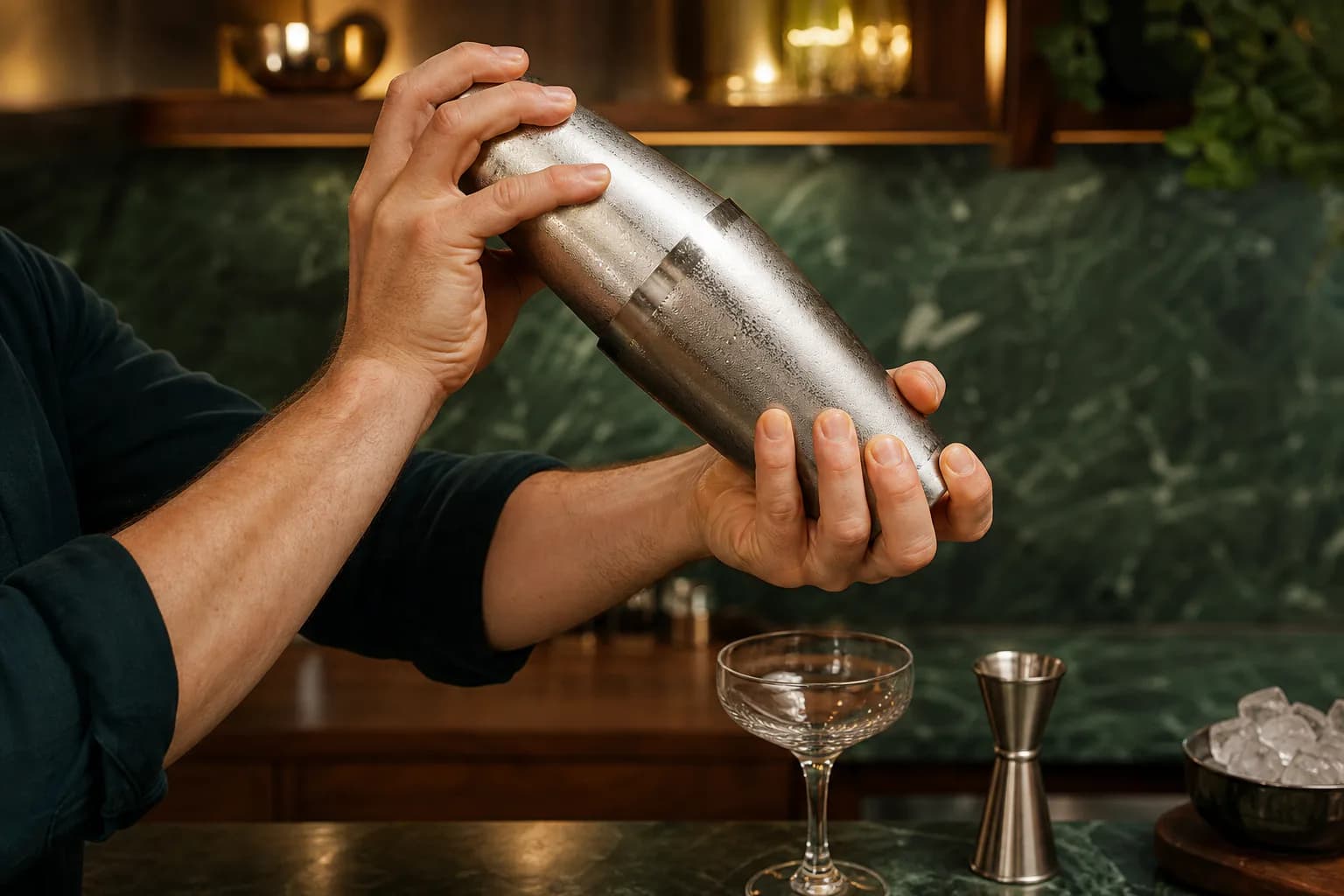
A Ford Cocktail is shaken. About 13 seconds with plenty of ice chills and dilutes it correctly.
Sharpen the technique
Skills used in this recipe
Where to go next
If you like the Ford Cocktail, try these.
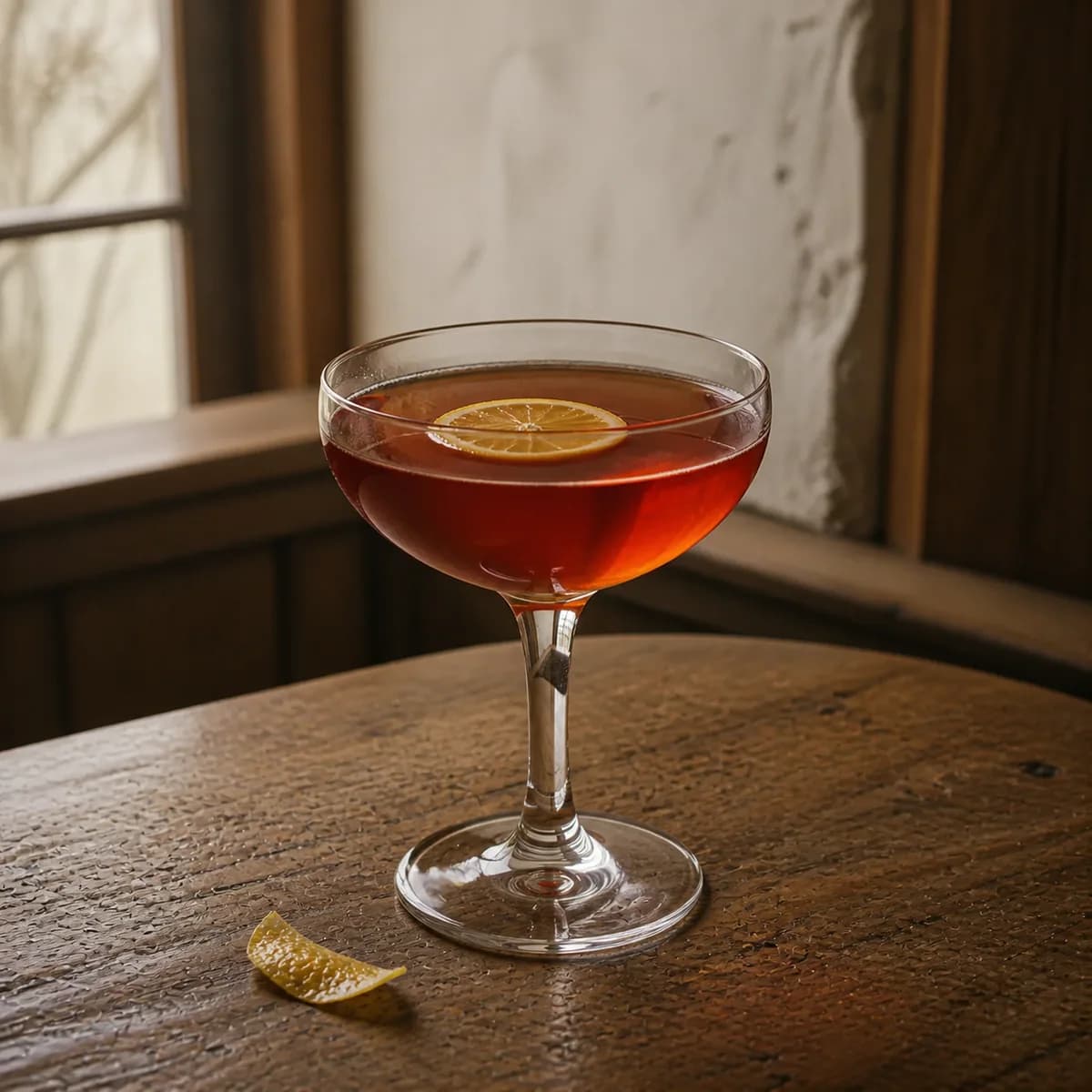
Japanese Cocktail
One of the oldest cocktails on record: brandy sweetened with almondy orgeat and bittered with a couple of dashes. Simple and elegant.
View recipe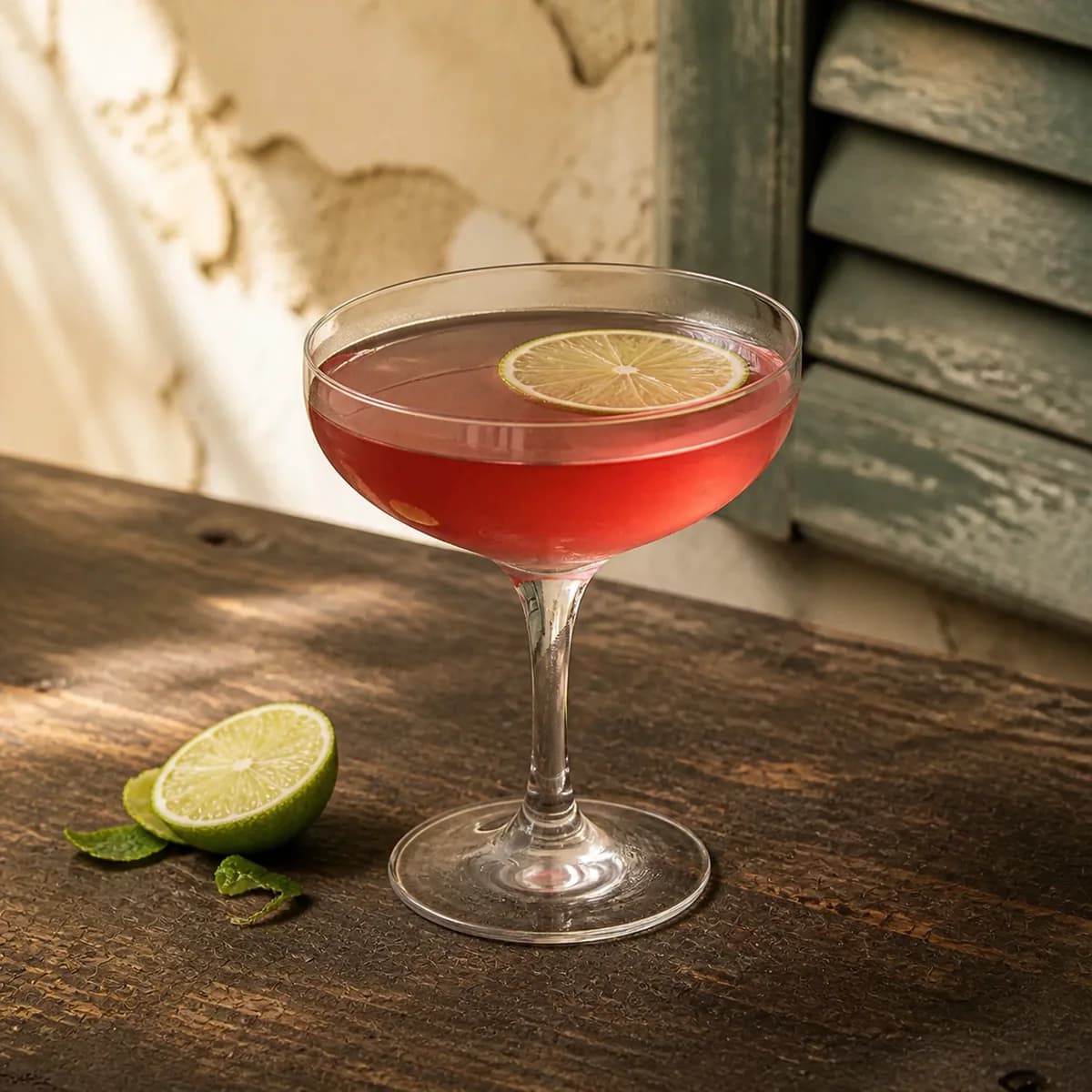
Bacardi Cocktail
Pink and sharply limey, this is a Daiquiri with grenadine where the sugar should be. Which makes the syrup you pour the entire difference between a good one and cough medicine.
View recipe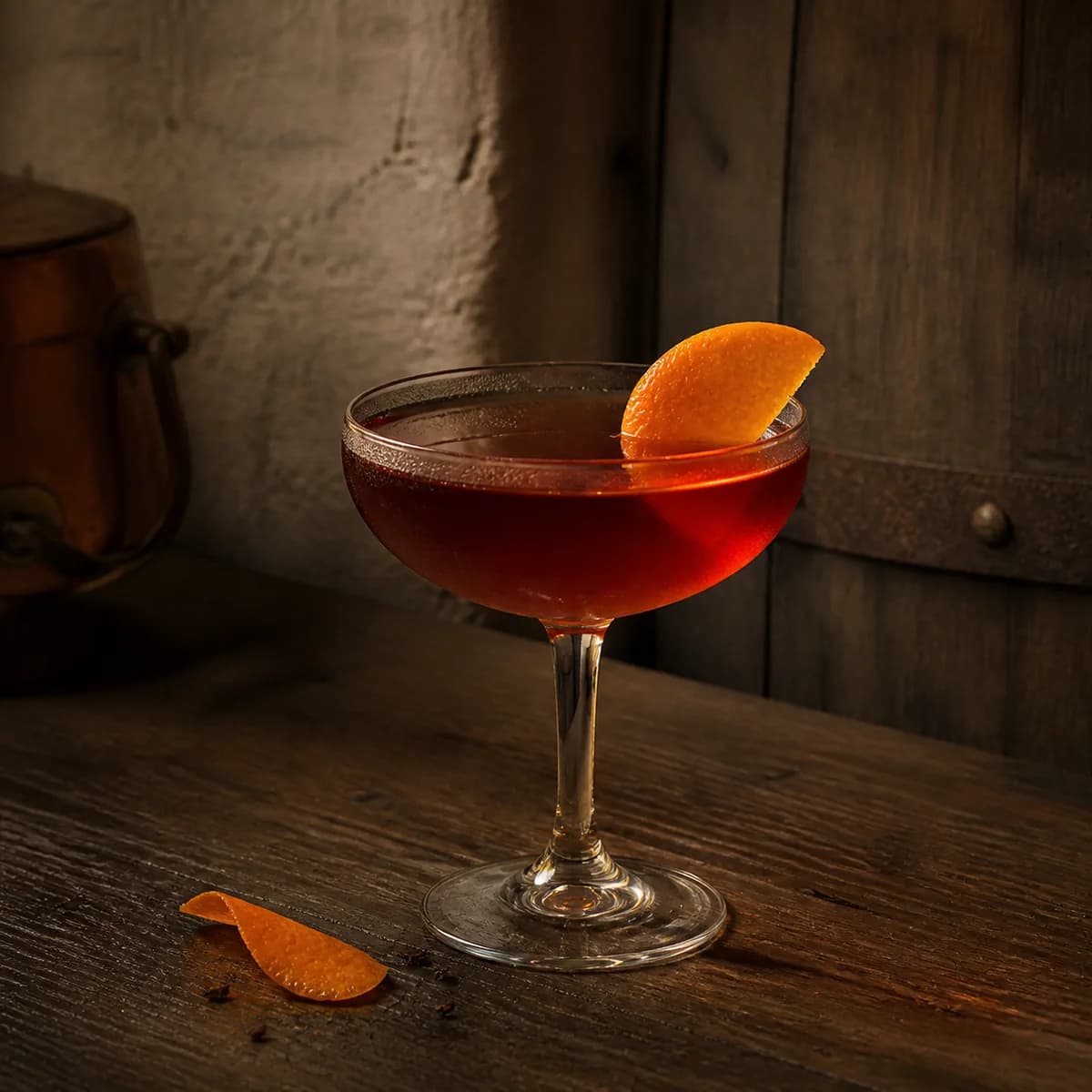
Star Cocktail
Apple brandy where the whiskey would be, sweet vermouth in equal measure and bitters holding the seam together, making a Manhattan that tastes of orchard fruit and baking spice rather than grain.
View recipe