Classic cocktail · Guided recipe
Kamikaze
Start makingEqual parts vodka, triple sec and lime — sharp, clean and quick. The Cosmo without the cranberry.
In the glassVodka · Triple sec / Cointreau · Fresh lime juice
See exact amounts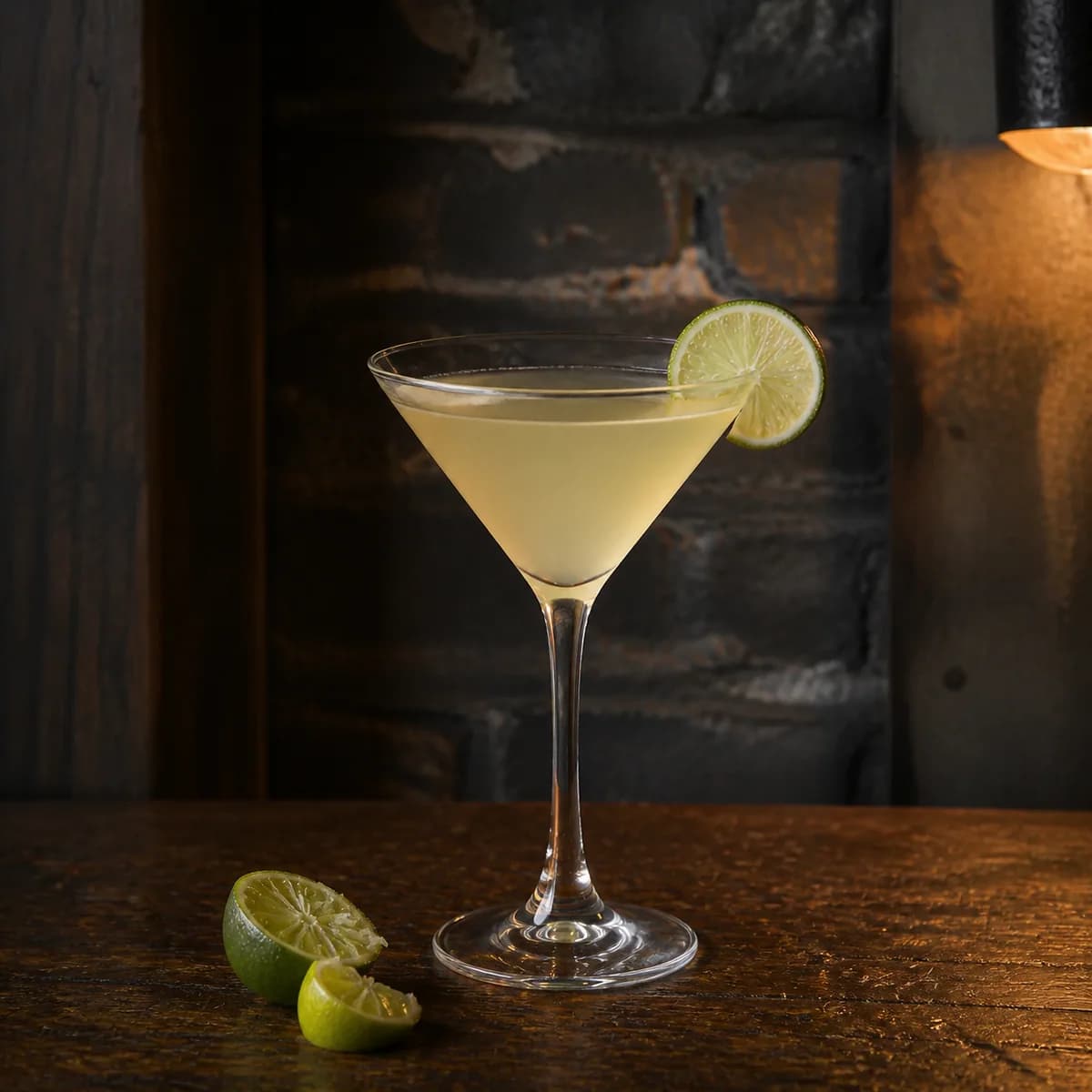
What goes in
Ingredients
Set up before you pour
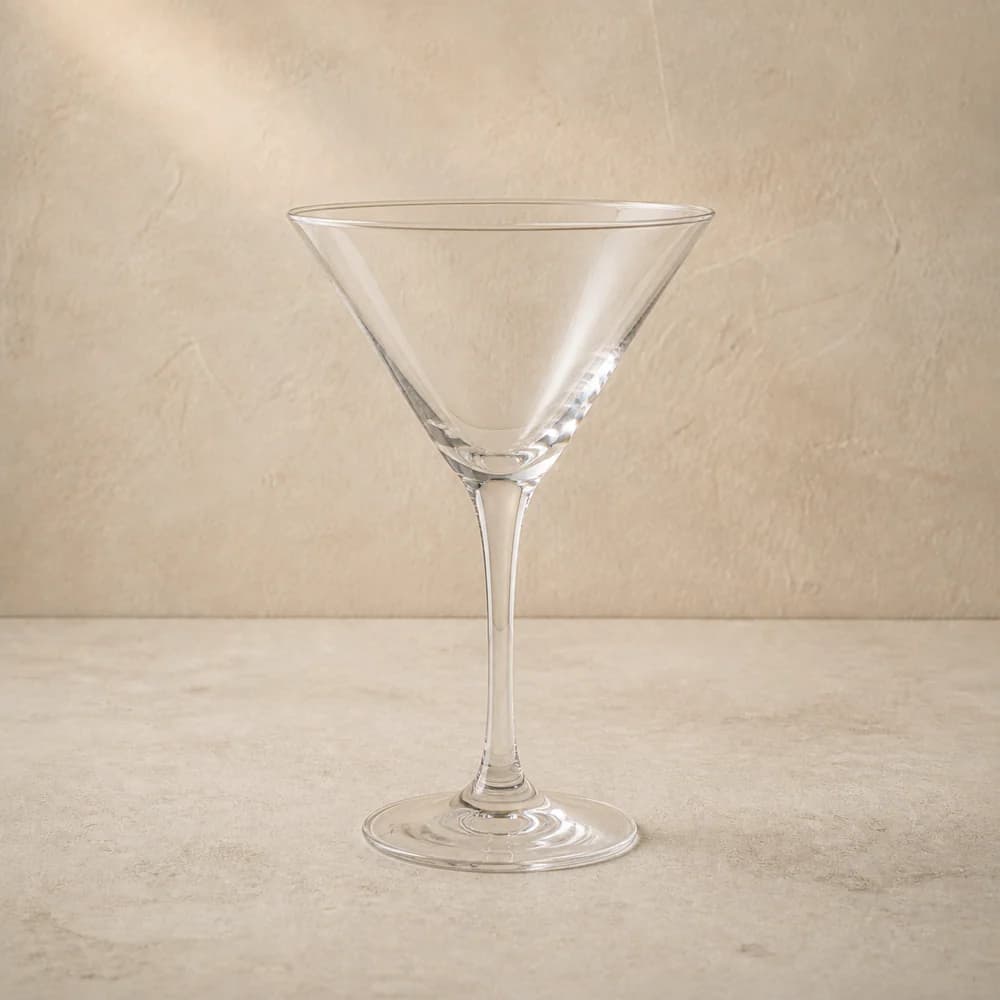
Use a martini glass.
The stem protects a cold up drink from your hand; the open V-shaped bowl presents its aroma immediately.
- Standard size
- 180 ml6 oz
- Ice & serve
- Chill it first; serve without ice.
- If you don’t own one
- Use a coupe or another small stemmed cocktail glass.
- cocktail shaker
- strainer (or a small sieve)
- jigger or measuring spoon
- Vodka30 ml
- Triple sec / Cointreau30 ml
- Fresh lime juice30 ml
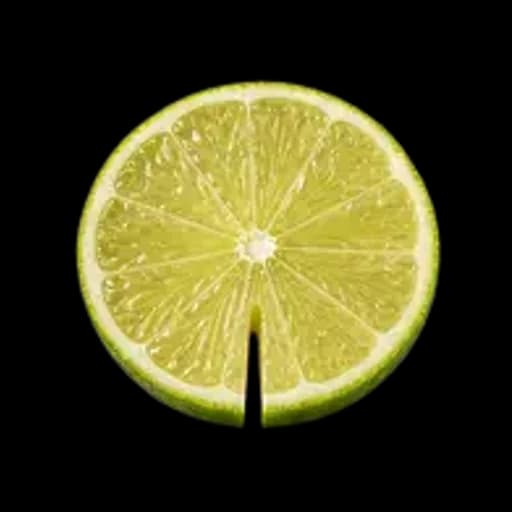
From bottle to glass
Method
- 01
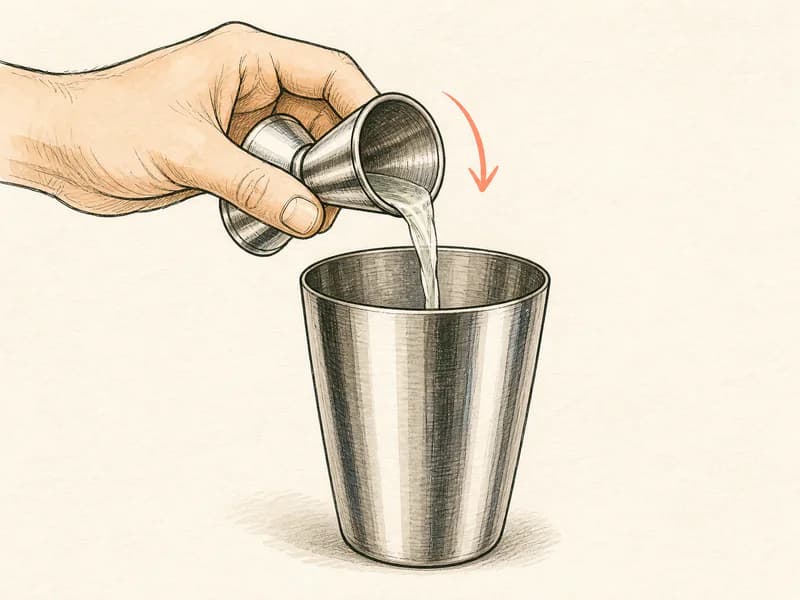
Measure into the shaker Pour 30 ml vodka into your shaker
 Vodka
Vodka
- 02
Measure into the shaker Add 30 ml triple sec / cointreau
 Triple sec / Cointreau
- 03
Measure into the shaker Add 30 ml fresh lime juice
 Fresh lime juice
- 04
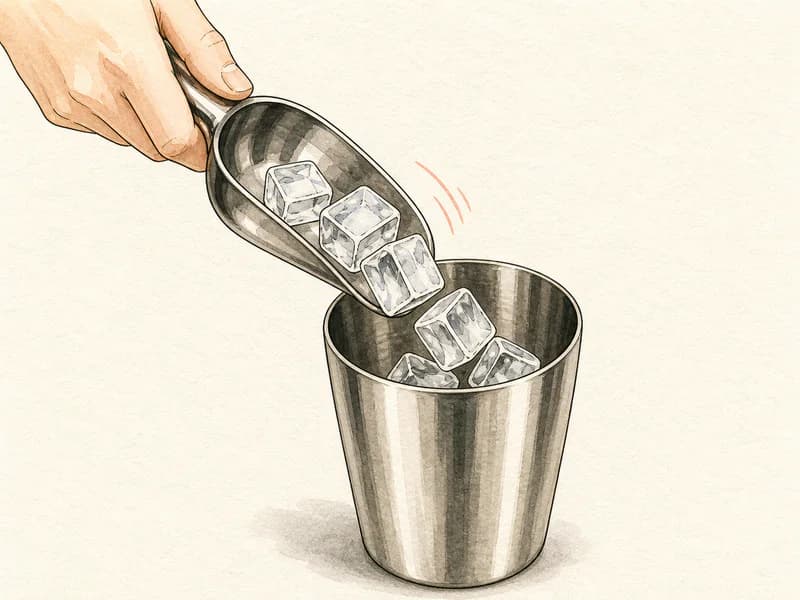
Ice the shaker Fill the shaker with ice
- 05
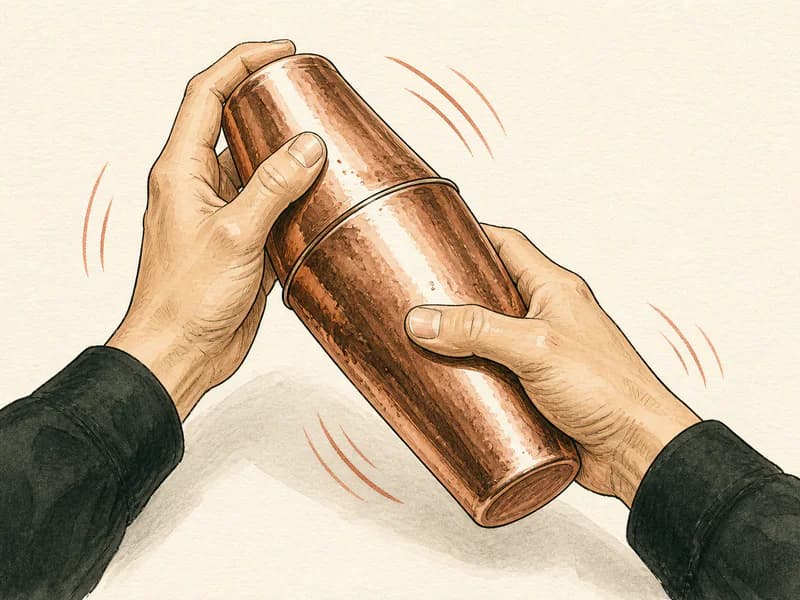
Seal and shake Seal and shake hard
- 06
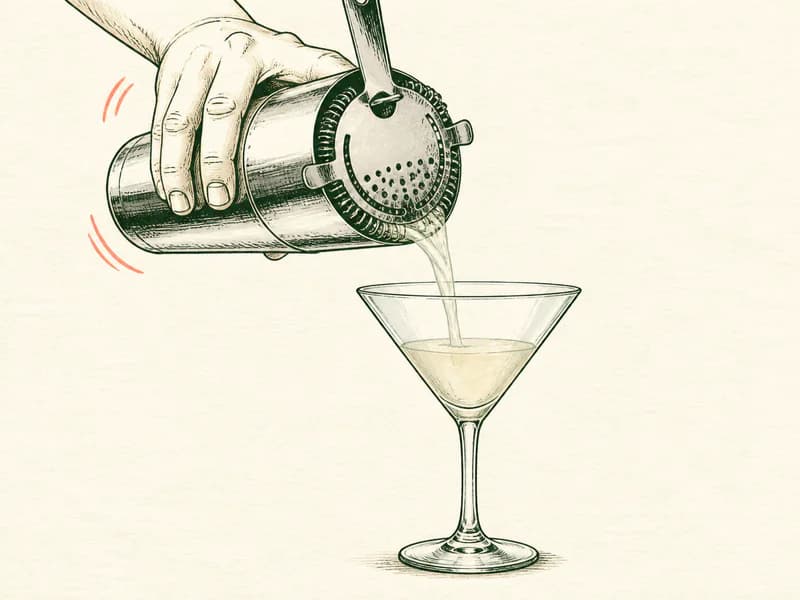
Strain cleanly Strain into a chilled glass — no ice
- 07
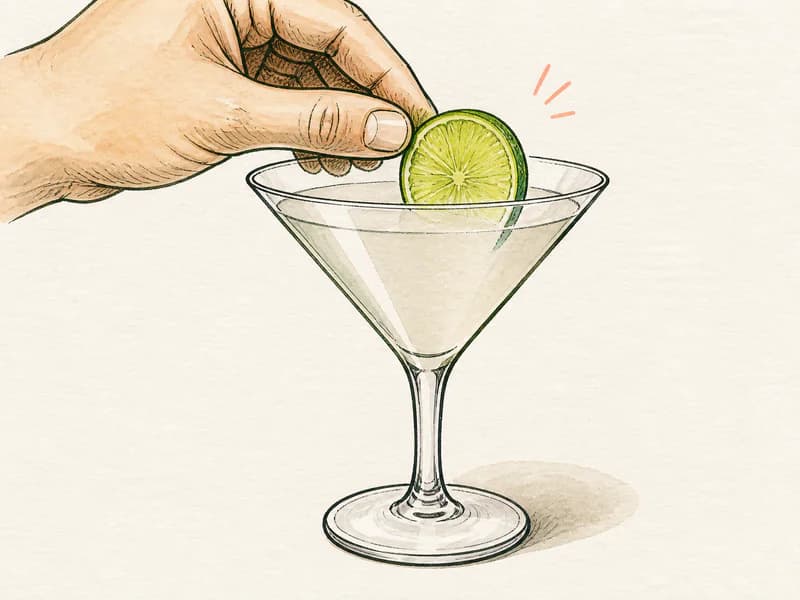
Finish the drink Finish it — add a lime wheel
Know your drink
About the Kamikaze
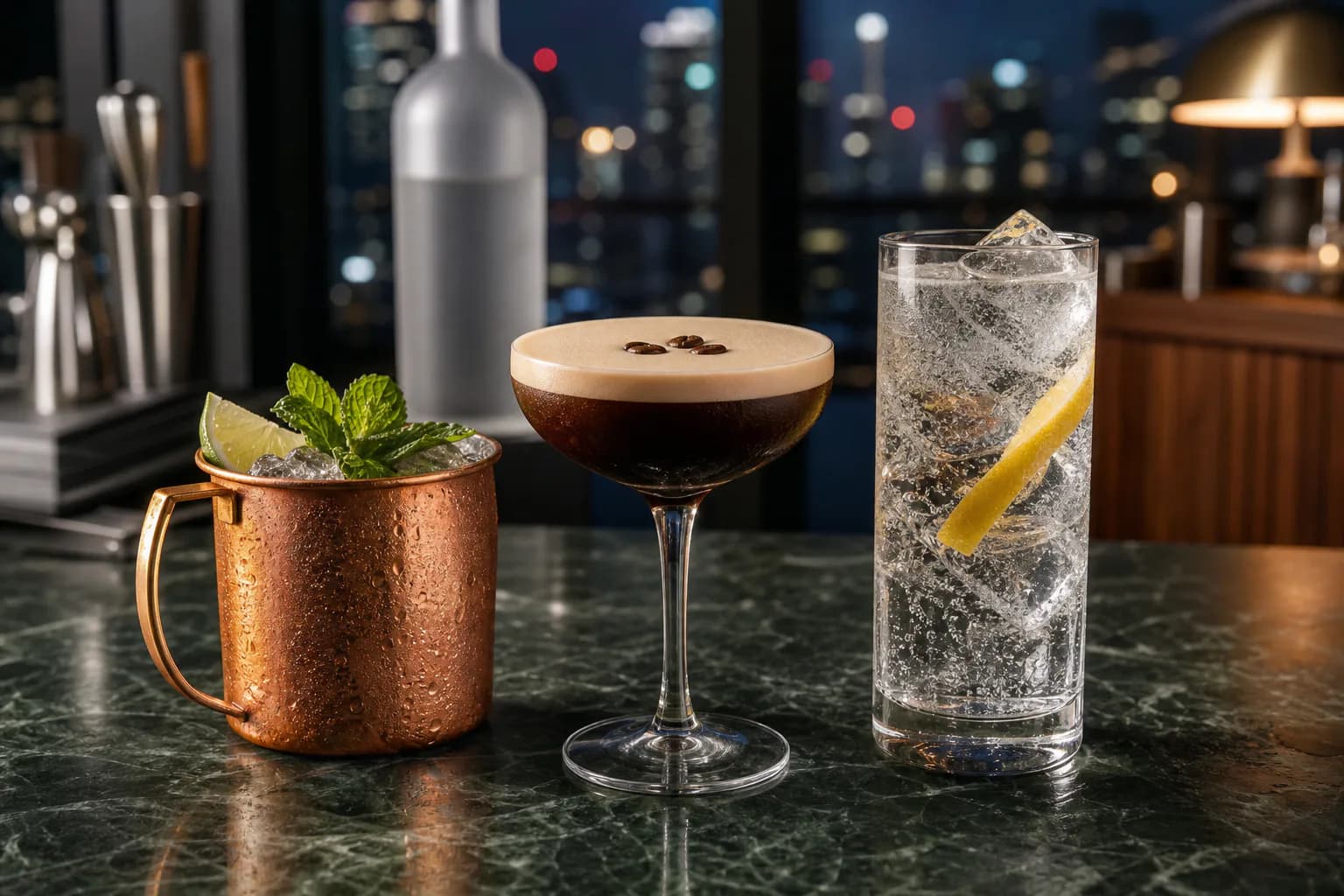
Equal parts and their limits
Equal-parts drinks are easy to remember and unforgiving in practice. The Kamikaze, the Corpse Reviver No. 2 and the Last Word all run on the same idea, and all three depend entirely on the sugar level of whichever liqueur you're pouring. Change brands and the balance moves under you. Taste before you strain, every time.
Its origins are murky, and the usual claims about naval bars in postwar Japan have never been substantiated, so treat them as folklore. What isn't in doubt is what happened in the 1980s, when it turned into a bottom-shelf shot and lost thirty years of goodwill. The recipe never changed. The ingredients did.
Common questions
Kamikaze FAQ
Does equal parts really work, or is it too sour?
It balances only if your orange liqueur carries enough sugar. Cointreau is drier than cheap triple sec but has the sweetness to do the job, where a very dry curacao does not. If yours comes out biting, 5 ml of simple syrup puts it back in line.
Is it meant to be a shot?
It became one in the 1980s, which is most of what people remember about it. Built properly and served in a chilled glass it's a full drink, closer to a Margarita with vodka standing in for tequila. The shot version skipped fresh lime, hence the reputation.
What separates this from a Margarita?
The base spirit, and that's the whole of it. Tequila brings pepper and vegetal weight; vodka brings nothing, so lime and orange sit right at the front with no distraction behind them. Same architecture, cleaner and less interesting depending on your mood. No salt rim.
Does citron vodka work here?
It's the common shortcut and it doubles up on what the lime already does. If you go that way, drop the orange liqueur to 22 ml and add a barspoon of syrup to compensate. Plain vodka leaves more room for the lime to be the thing you actually taste.
What ingredients are in a Kamikaze?
A classic Kamikaze calls for 30 ml (1 oz) Vodka, 30 ml (1 oz) Triple sec / Cointreau, 30 ml (1 oz) Fresh lime juice. That single-serve spec scales cleanly — the recipe above converts it to oz and multiplies it for 2–4 drinks.
How strong is a Kamikaze?
A standard Kamikaze is roughly 26% ABV once mixed (before ice melt softens it further). That makes it spirit-forward — closer to a Martini than to a beer, so sip it slowly.
Is a Kamikaze shaken or stirred?
A Kamikaze is shaken — the rule of thumb is to shake anything with citrus juice. About 13 seconds with plenty of ice chills and dilutes it correctly.
Sharpen the technique
Skills used in this recipe
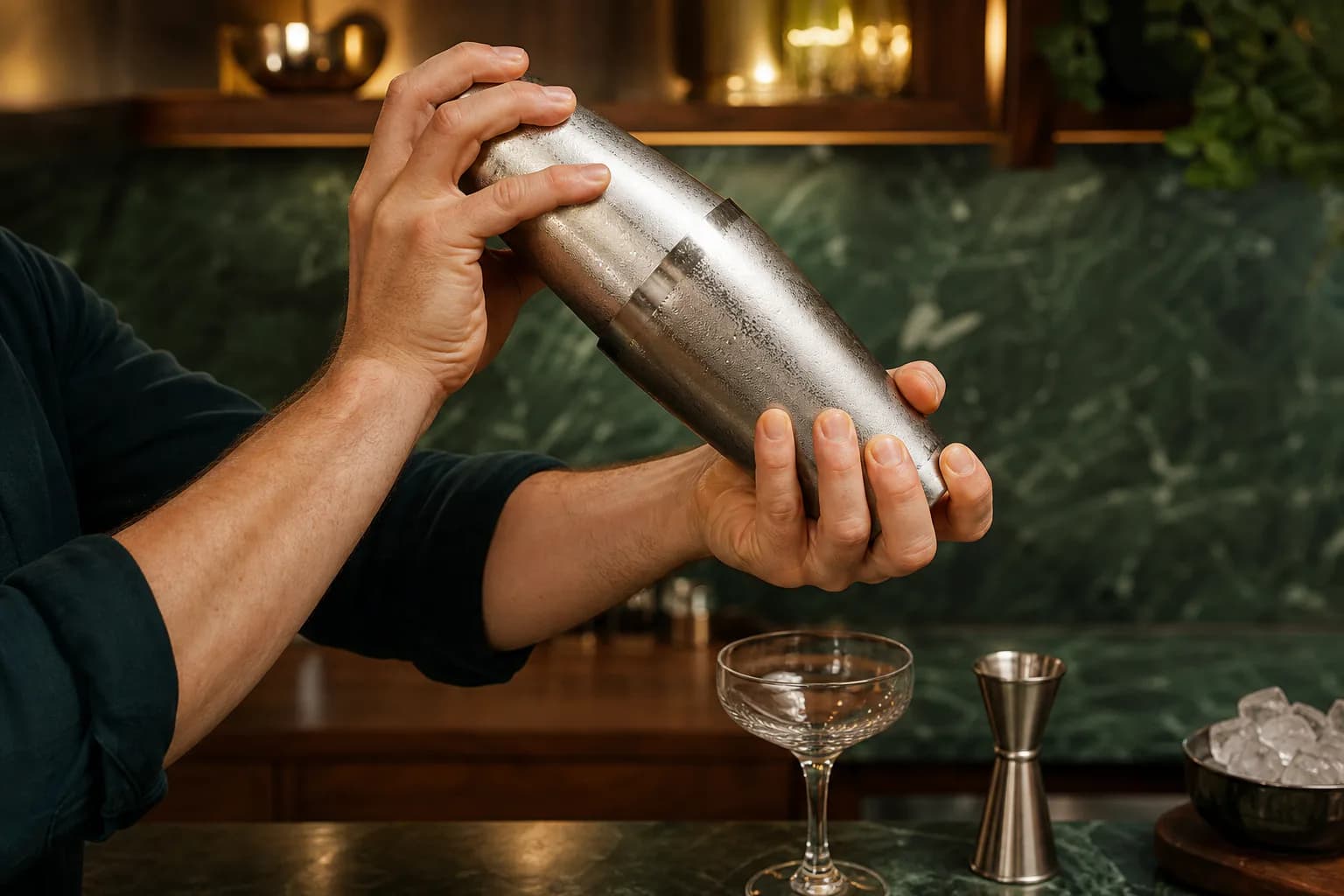
How to shake a cocktail properly
The grip, timing, ice and visual cues that make shaken drinks colder and brighter.
Read the guide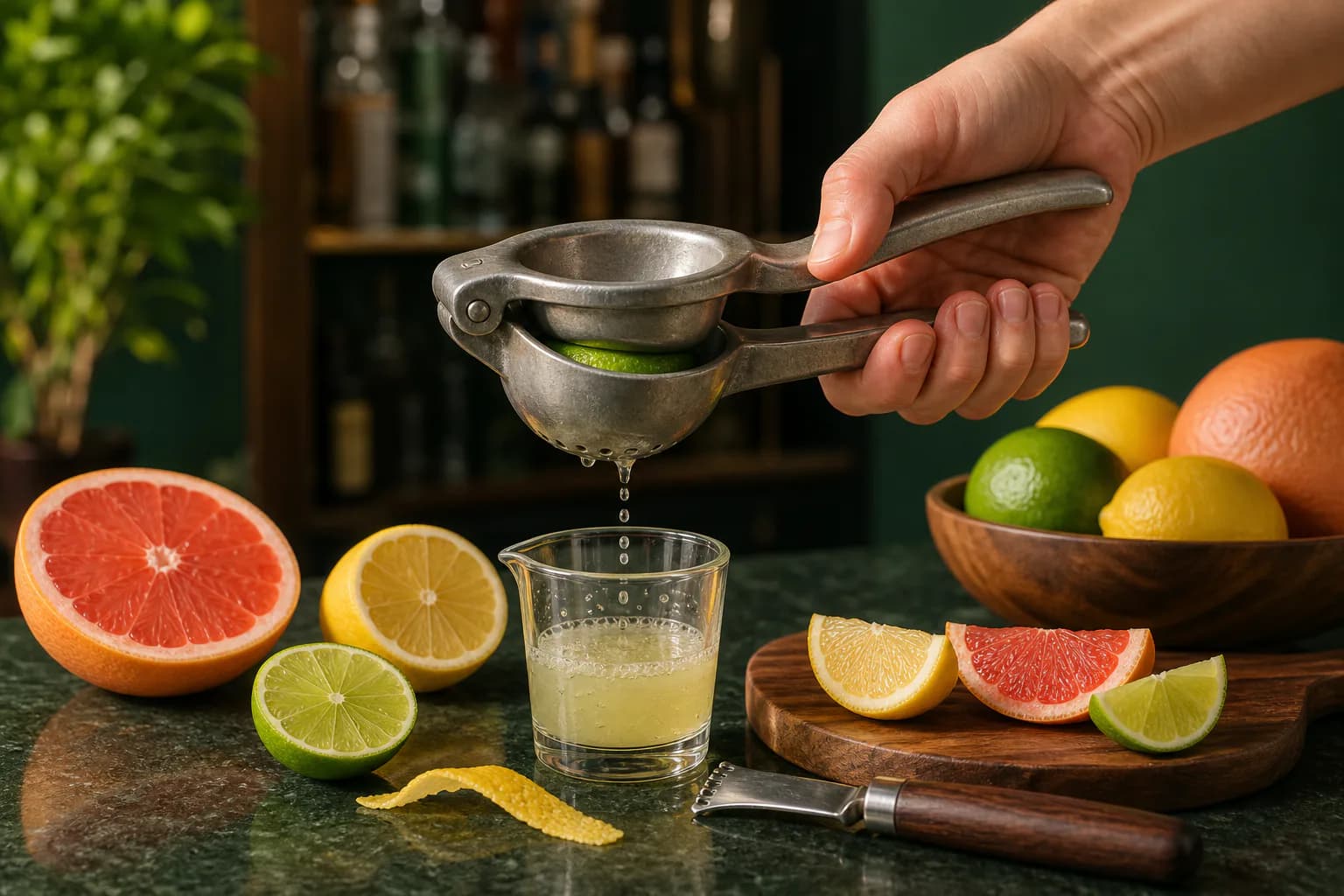
Fresh citrus for cocktails: juice, wedges and balance
Get brighter lime, lemon and grapefruit flavor with better prep and storage.
Read the guideWhere to go next
If you like the Kamikaze, try these.
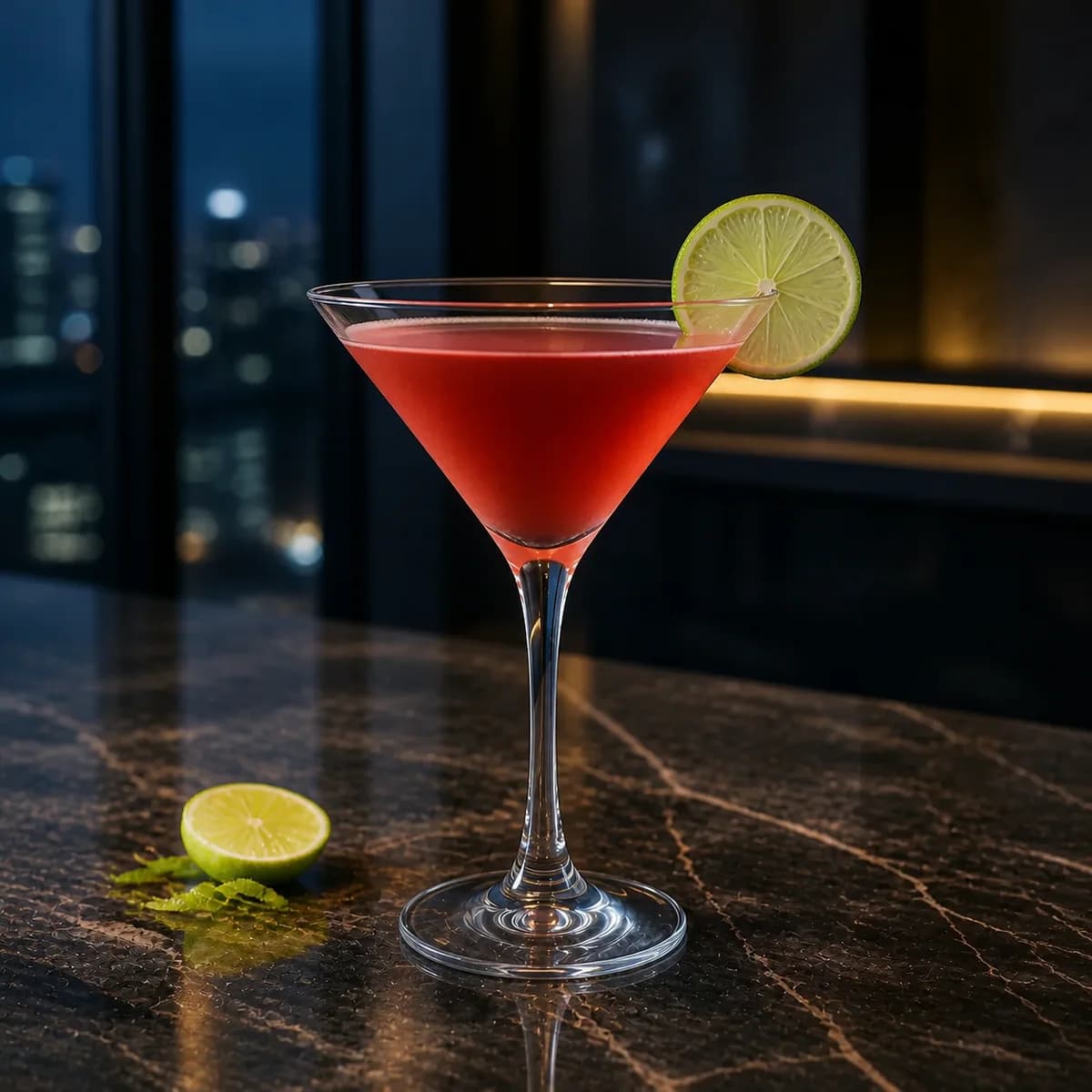
Cosmopolitan
Citrus vodka, triple sec, lime and a splash of cranberry, shaken hard and served up. Tart, pink and unapologetically fun.
View recipe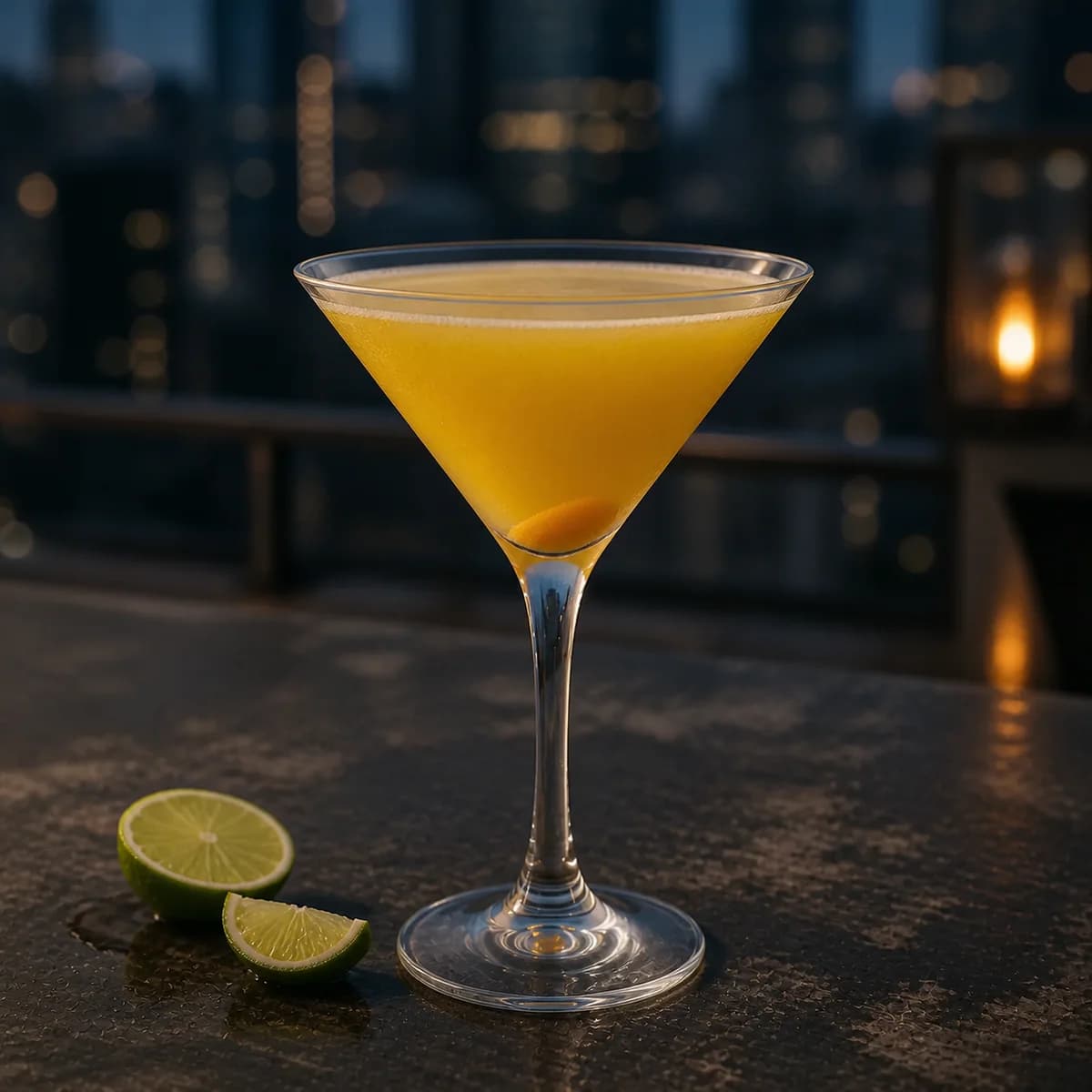
Pornstar Martini
A modern smash hit: vanilla-scented vodka shaken with passion fruit and lime, served with a sidecar of fizz. Fruity, tart and fun.
View recipe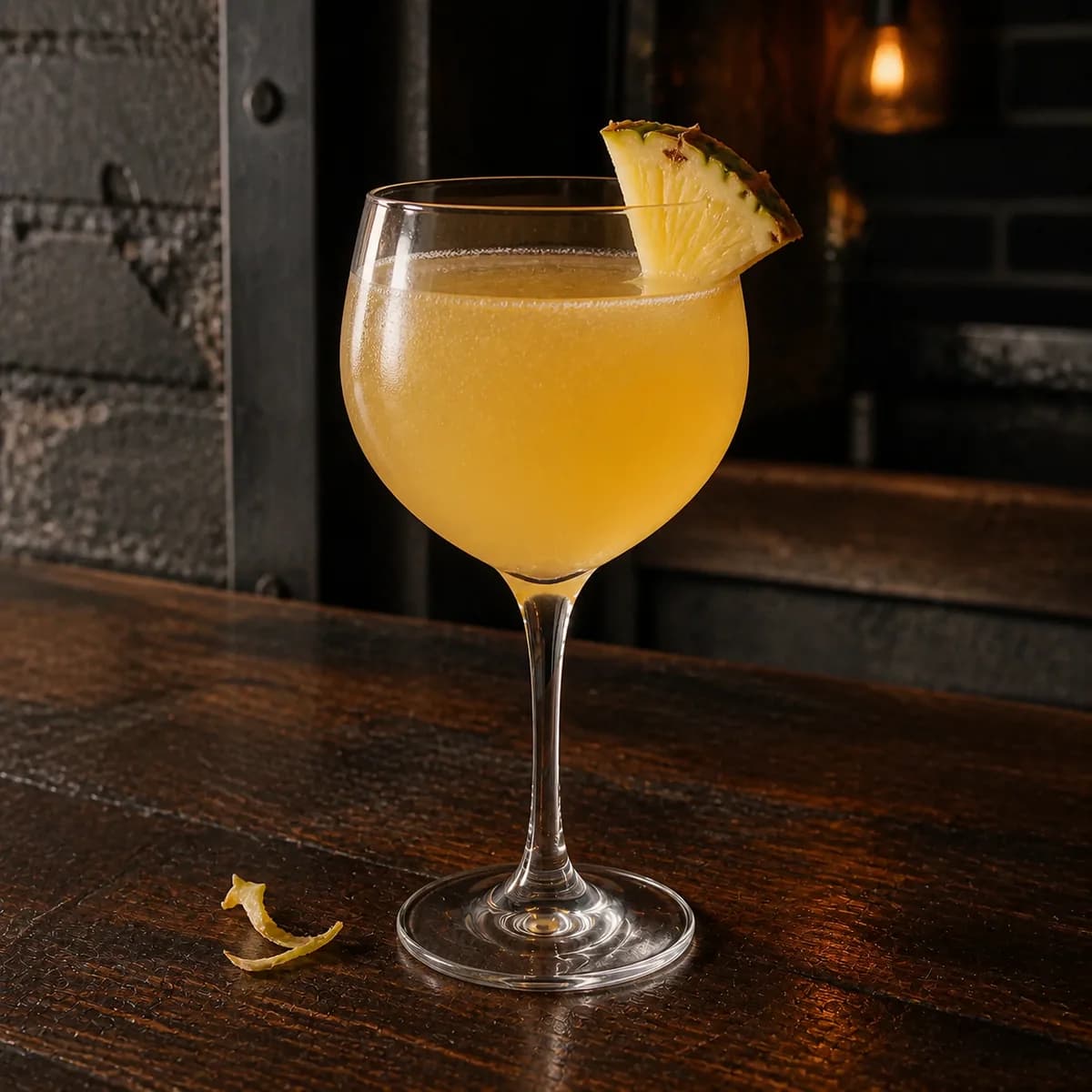
Flirtini
A turn-of-the-millennium party favourite: vodka and pineapple with a splash of orange liqueur, topped with champagne. Fizzy and fun.
View recipe