Classic cocktail · Guided recipe
Knickerbocker
Start makingRaspberry and orange liqueur ride on a base of gold rum, with lime doing the cutting. It reads fruity for a second and then turns dry, because there is barely a splash of each sweetener. Older than most drinks people call classic.
In the glassGold rum · Triple sec / Cointreau · Raspberry liqueur · Fresh lime juice · Orange juice
See exact amounts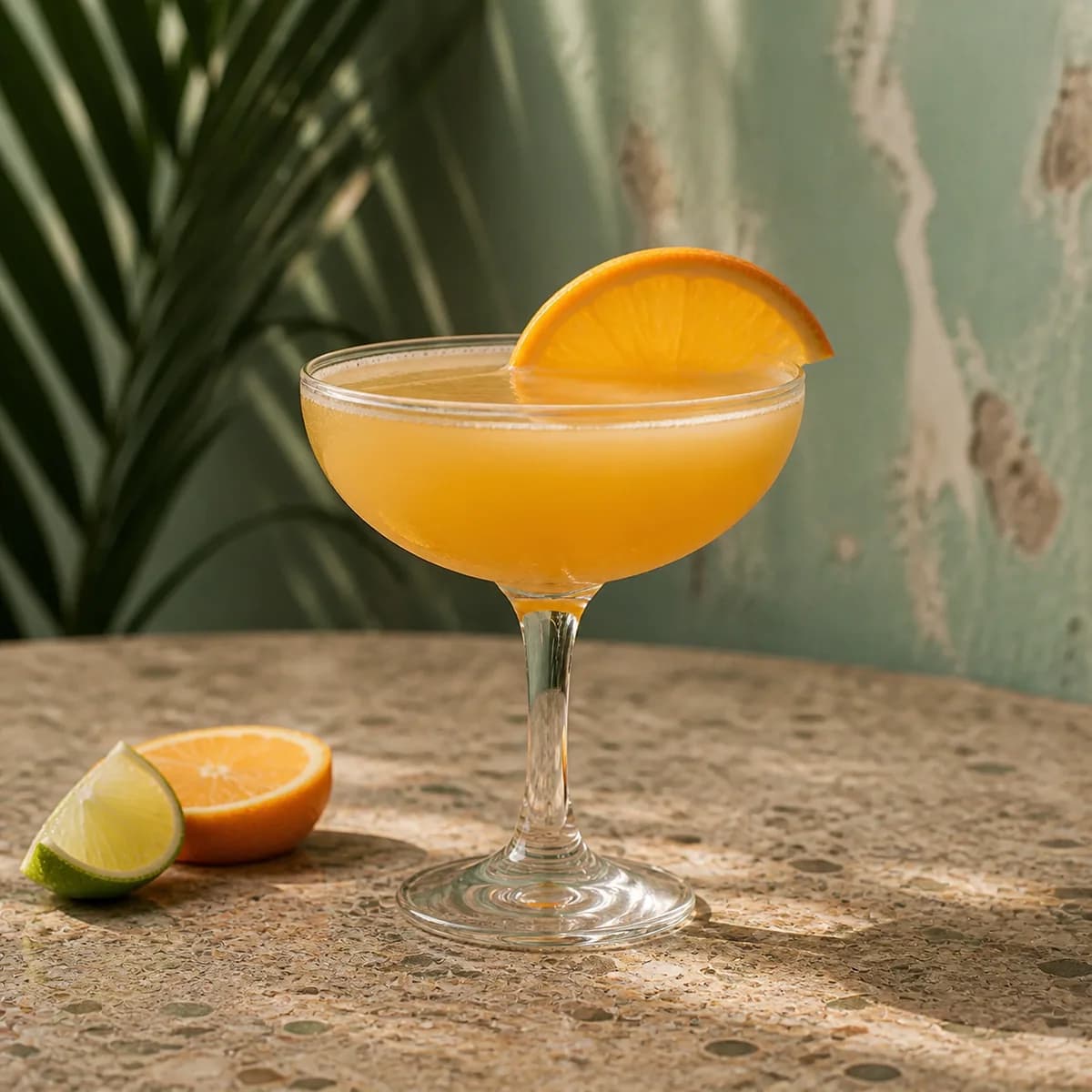
What goes in
Ingredients
Set up before you pour
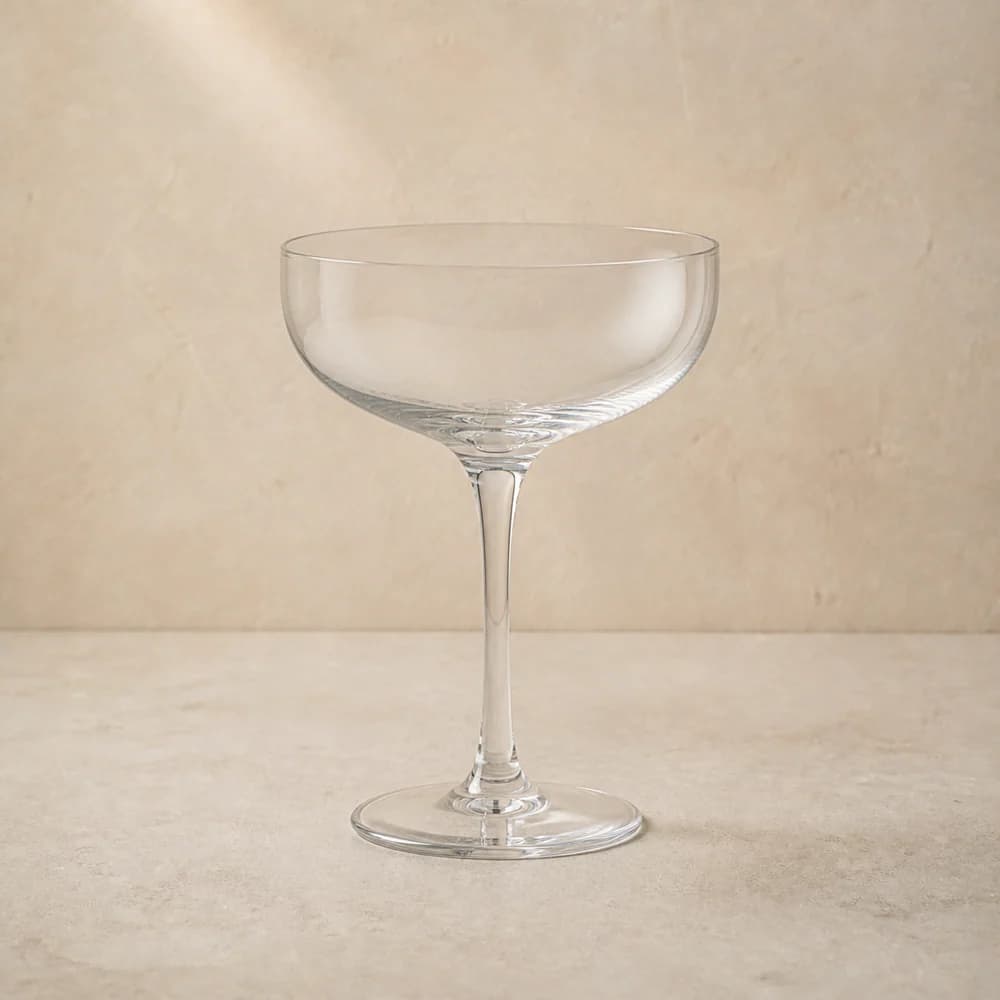
Use a coupe glass.
The stem keeps your hand away from a cold drink, while the rounded bowl makes an up serve easy to sip.
- Standard size
- 200 ml6¾ oz
- Ice & serve
- Chill it first; serve without ice.
- If you don’t own one
- Use a small martini glass or stemmed dessert glass.
- cocktail shaker
- strainer (or a small sieve)
- jigger or measuring spoon
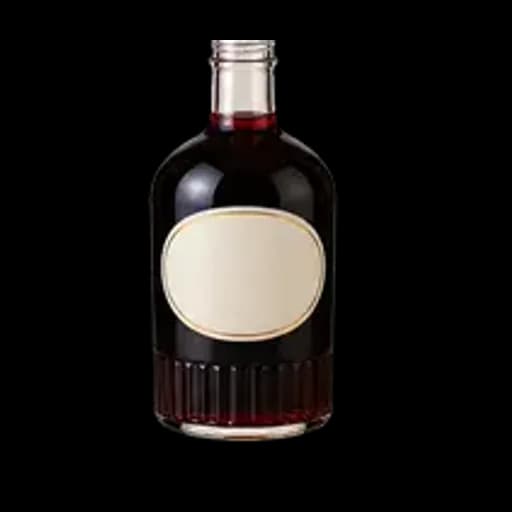
- Gold rum60 ml
- Triple sec / Cointreau8 ml
- Raspberry liqueur8 ml
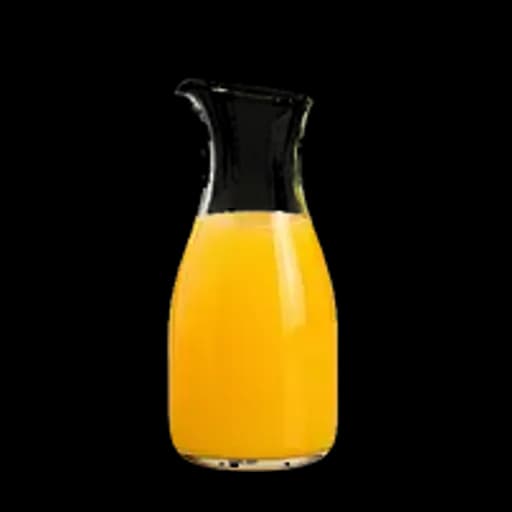
- Orange juice8 ml
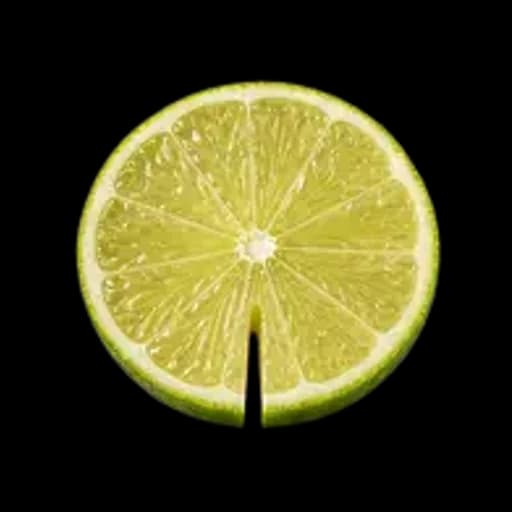
- Fresh lime juice15 ml
From bottle to glass
Method
- 01
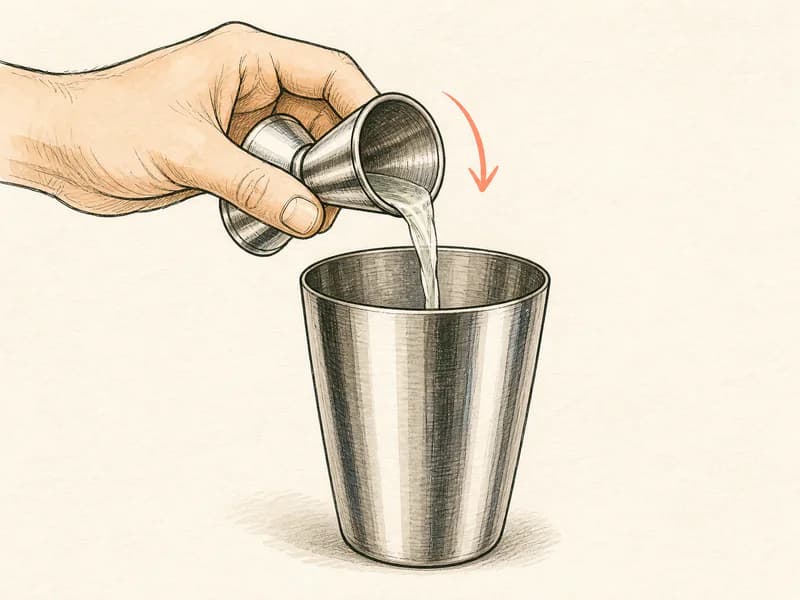
Measure into the shaker Pour 60 ml gold rum into your shaker
 Gold rum
- 02
Measure into the shaker Add 8 ml triple sec / cointreau
 Triple sec / Cointreau
- 03
Measure into the shaker Add 8 ml raspberry liqueur
 Raspberry liqueur
- 04
Measure into the shaker Add 15 ml fresh lime juice
 Fresh lime juice
- 05
Measure into the shaker Add 8 ml orange juice
 Orange juice
- 06
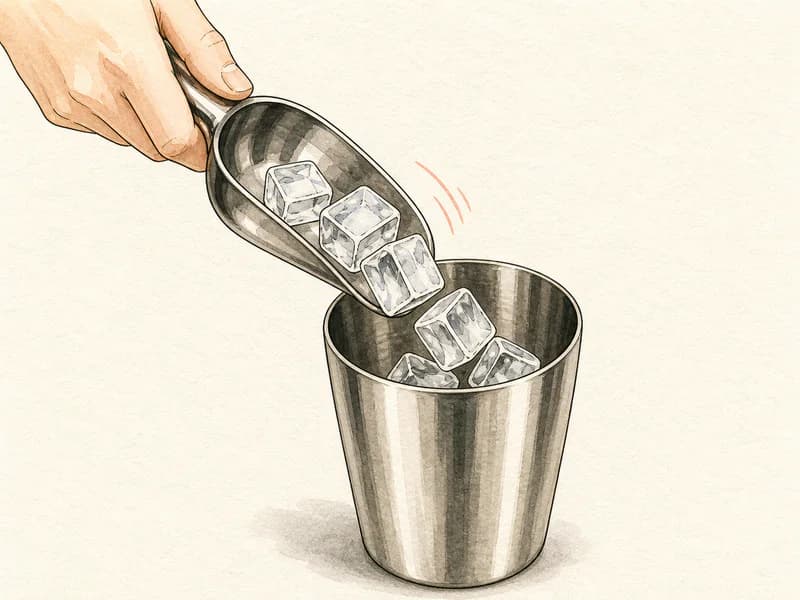
Ice the shaker Fill the shaker with ice
- 07
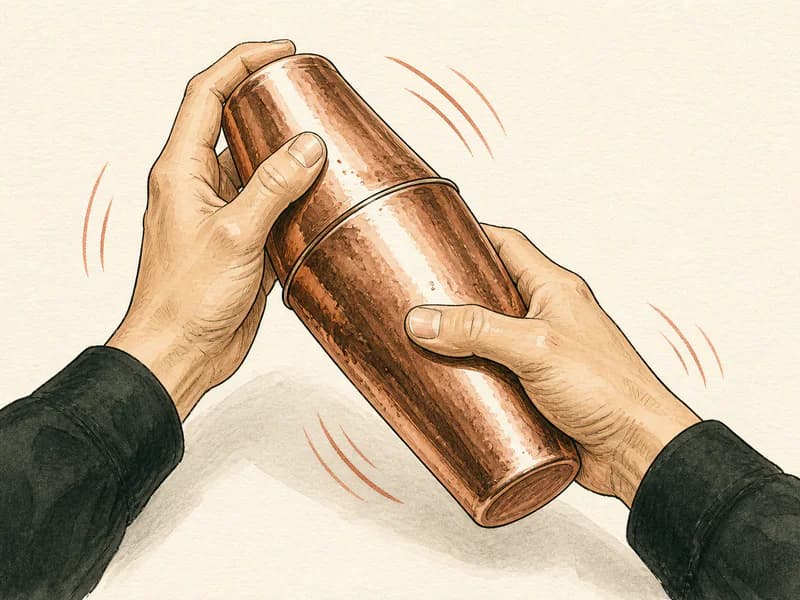
Seal and shake Seal and shake hard
- 08
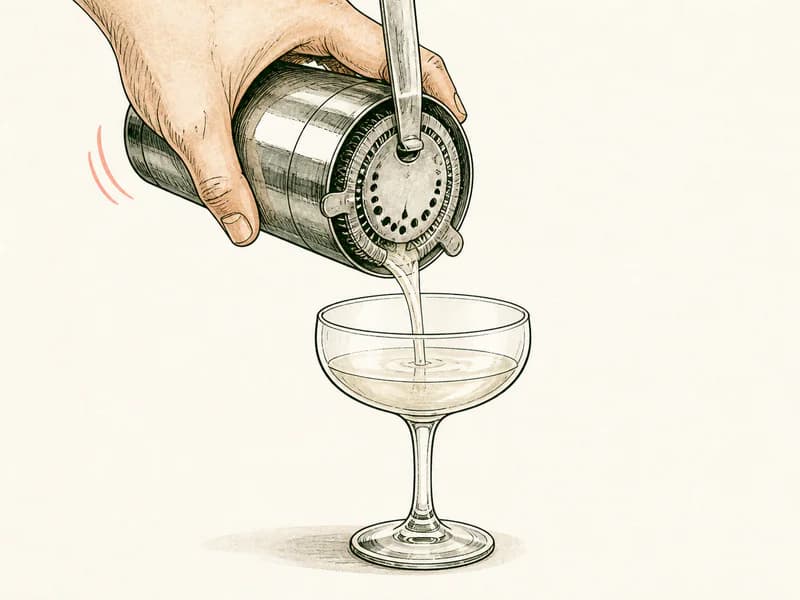
Strain cleanly Strain into a chilled glass — no ice
- 09
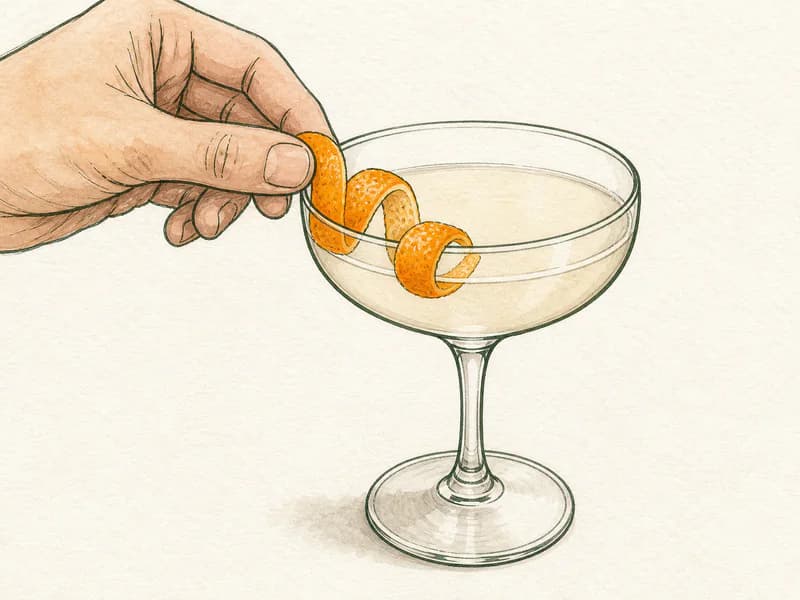
Finish the drink Finish it — add an orange twist
Know your drink
About the Knickerbocker
An 1862 fruit sour
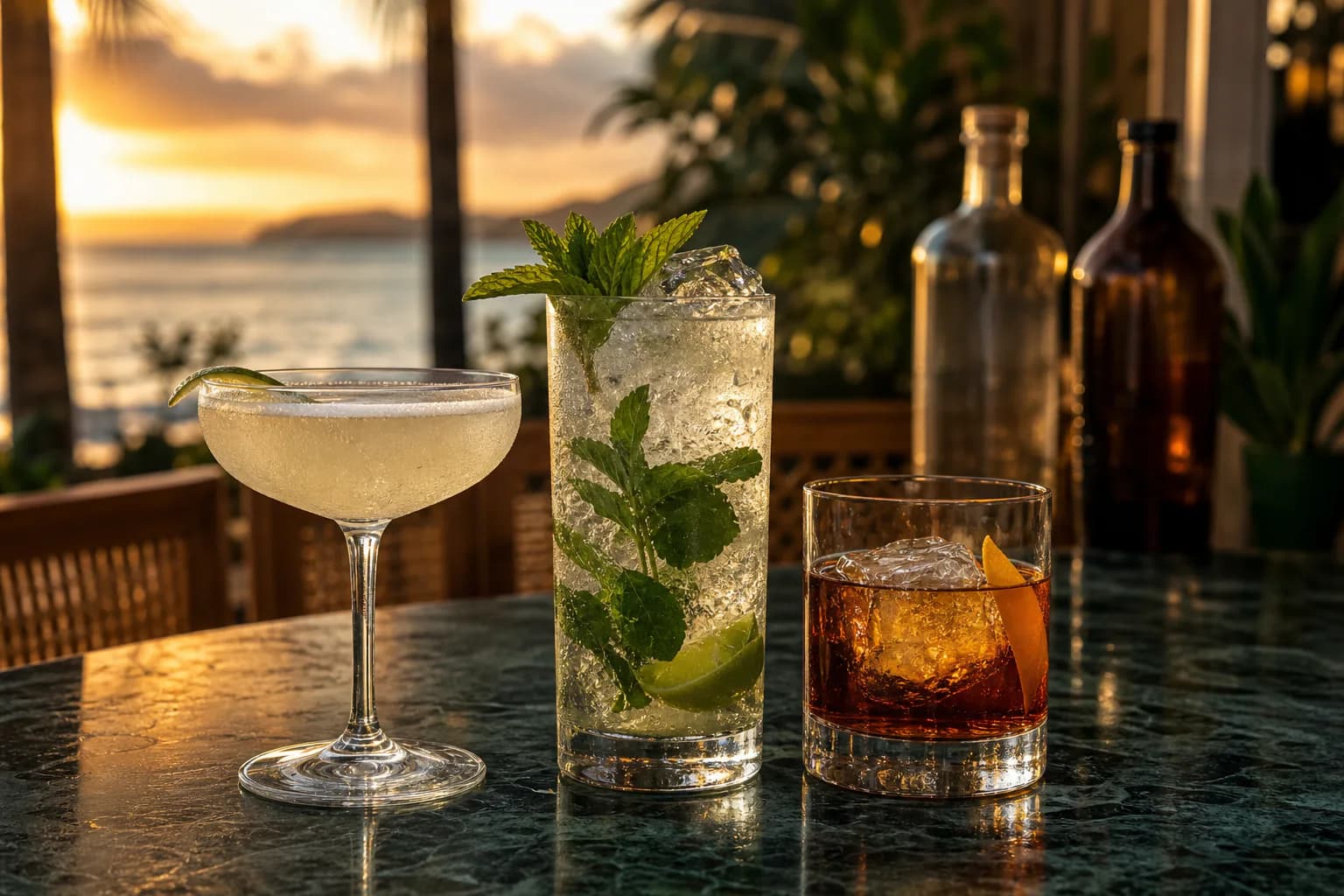
Printed in Jerry Thomas's 1862 bar guide, the Knickerbocker called for Santa Cruz rum, raspberry syrup, curaçao and lime, and it went to the table with berries piled on top. Modern versions swap the syrup for liqueur and add a little orange juice, which softens the edges. Either way it sits in the family of fruited rum sours that ran the bar long before the Daiquiri turned up.
Common questions
Knickerbocker FAQ
Jerry Thomas called for raspberry syrup. What changes if I use it?
Sugar, mostly. The 1862 syrup was fruit and sugar with no alcohol, so 8 ml of it sweetens considerably harder than 8 ml of liqueur and the drink lands rounder and closer to dessert. Working from syrup, drop it to 5 ml and let the lime do more.
Eight milliliters of orange liqueur seems like nothing.
It is meant as seasoning. Its job is to link the raspberry to the lime and lay a dry orange edge underneath; at 20 ml it takes over and the drink goes sticky. Same logic applies to the orange juice, which corrects rather than flavors.
Mine came out muddy brown, not red.
Gold rum and orange juice will do that, since a lot of amber is fighting a small amount of red. A lighter rum helps, and so does a raspberry liqueur with real fruit color rather than a dark cooked one. Chilling the coupe first keeps it looking sharper.
Santa Cruz rum is in the old recipe. What stands in for it now?
Santa Cruz meant an aged rum from St. Croix with real weight to it, and nothing sold today is quite the same thing. Anything lightly aged from the Spanish-speaking Caribbean gets you close. White rum makes a thinner, sharper version that some people prefer, while a heavy Jamaican pot still bulldozes the raspberry entirely.
What ingredients are in a Knickerbocker?
A classic Knickerbocker calls for 60 ml (2 oz) Gold rum, 8 ml (0.25 oz) Triple sec / Cointreau, 8 ml (0.25 oz) Raspberry liqueur, 15 ml (0.5 oz) Fresh lime juice, 8 ml (0.25 oz) Orange juice. That single-serve spec scales cleanly — the recipe above converts it to oz and multiplies it for 2–4 drinks.
How strong is a Knickerbocker?
A standard Knickerbocker is roughly 29% ABV once mixed (before ice melt softens it further). That makes it spirit-forward — closer to a Martini than to a beer, so sip it slowly.
Is a Knickerbocker shaken or stirred?
A Knickerbocker is shaken — the rule of thumb is to shake anything with citrus juice. About 13 seconds with plenty of ice chills and dilutes it correctly.
Sharpen the technique
Skills used in this recipe
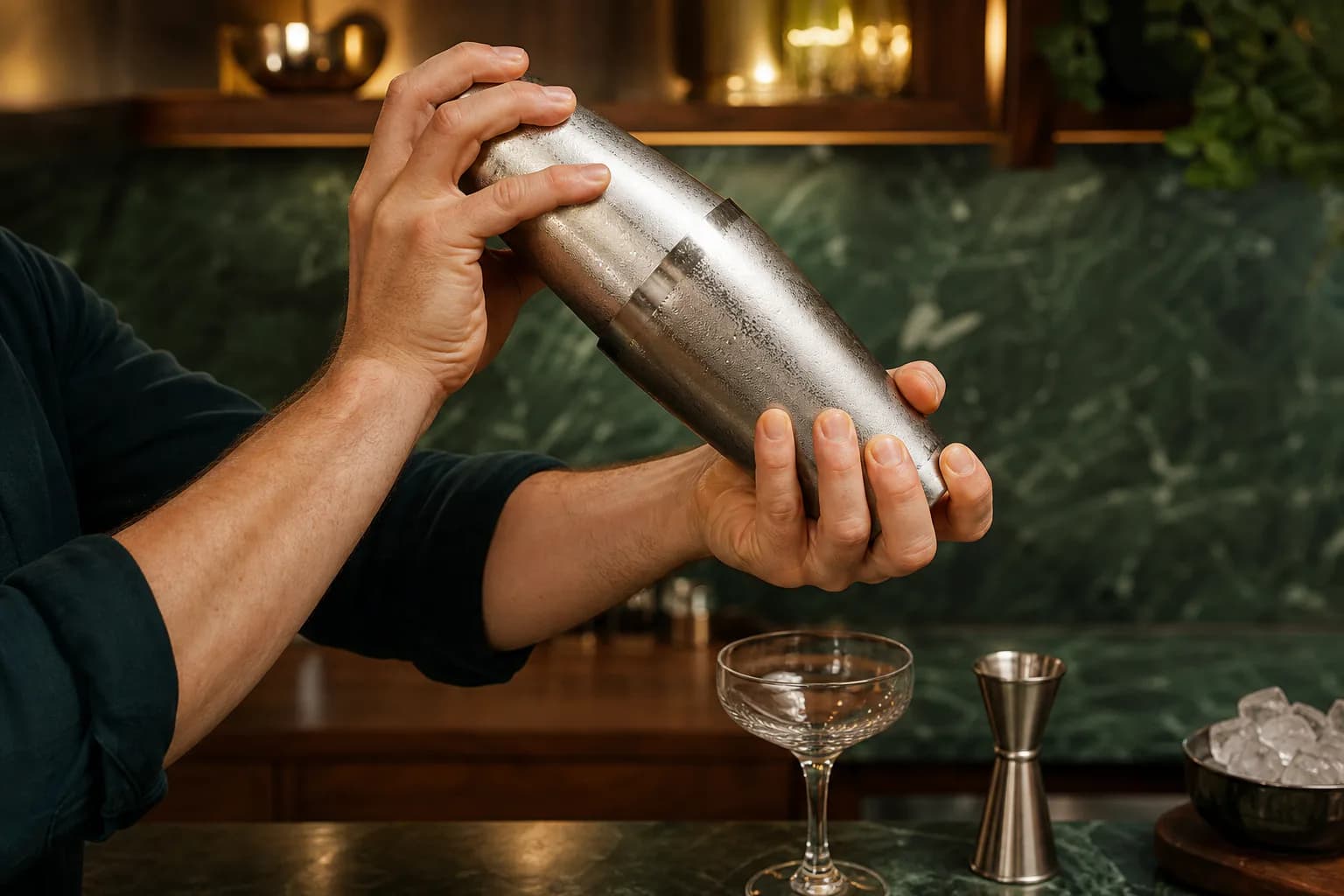
How to shake a cocktail properly
The grip, timing, ice and visual cues that make shaken drinks colder and brighter.
Read the guide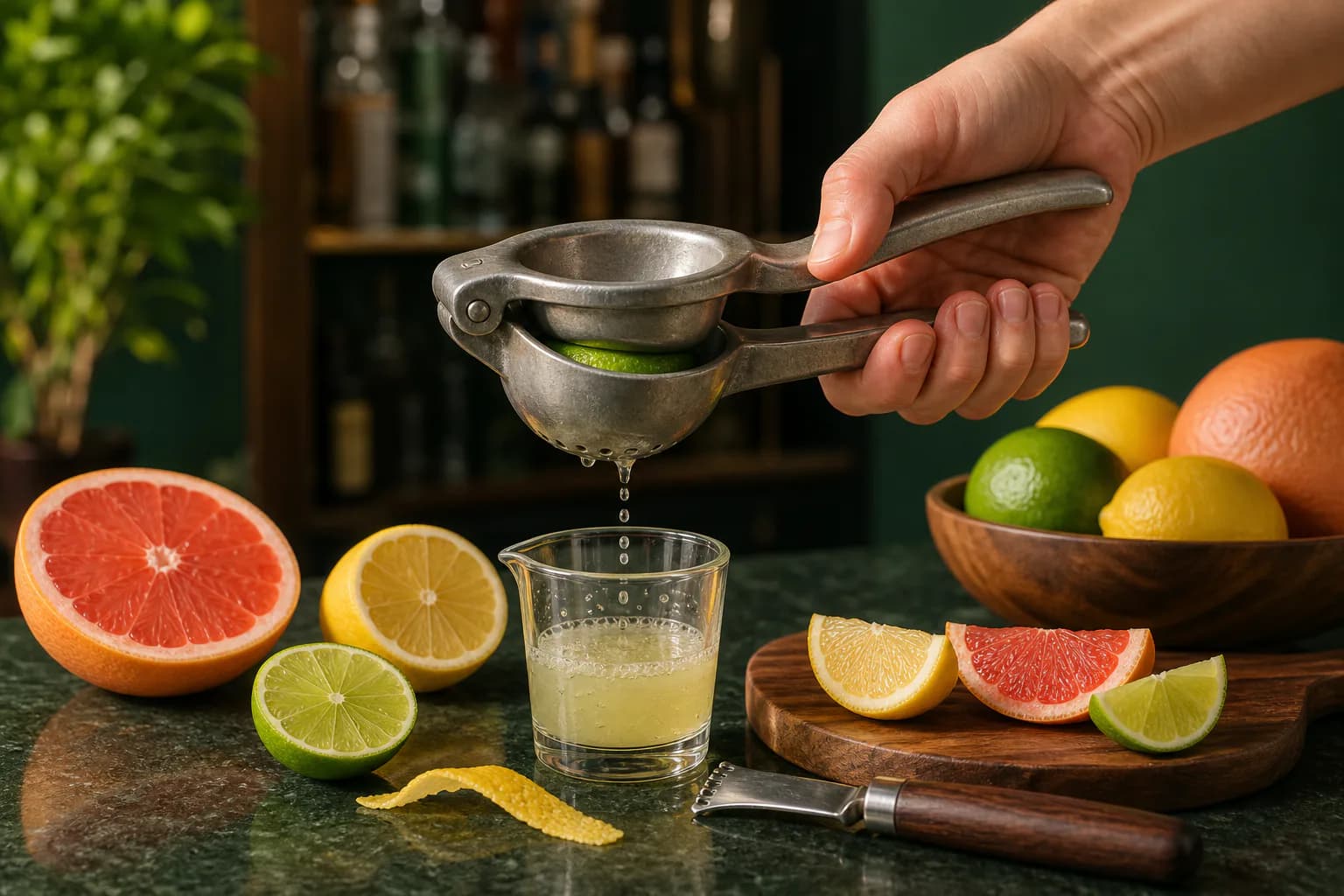
Fresh citrus for cocktails: juice, wedges and balance
Get brighter lime, lemon and grapefruit flavor with better prep and storage.
Read the guideWhere to go next
If you like the Knickerbocker, try these.
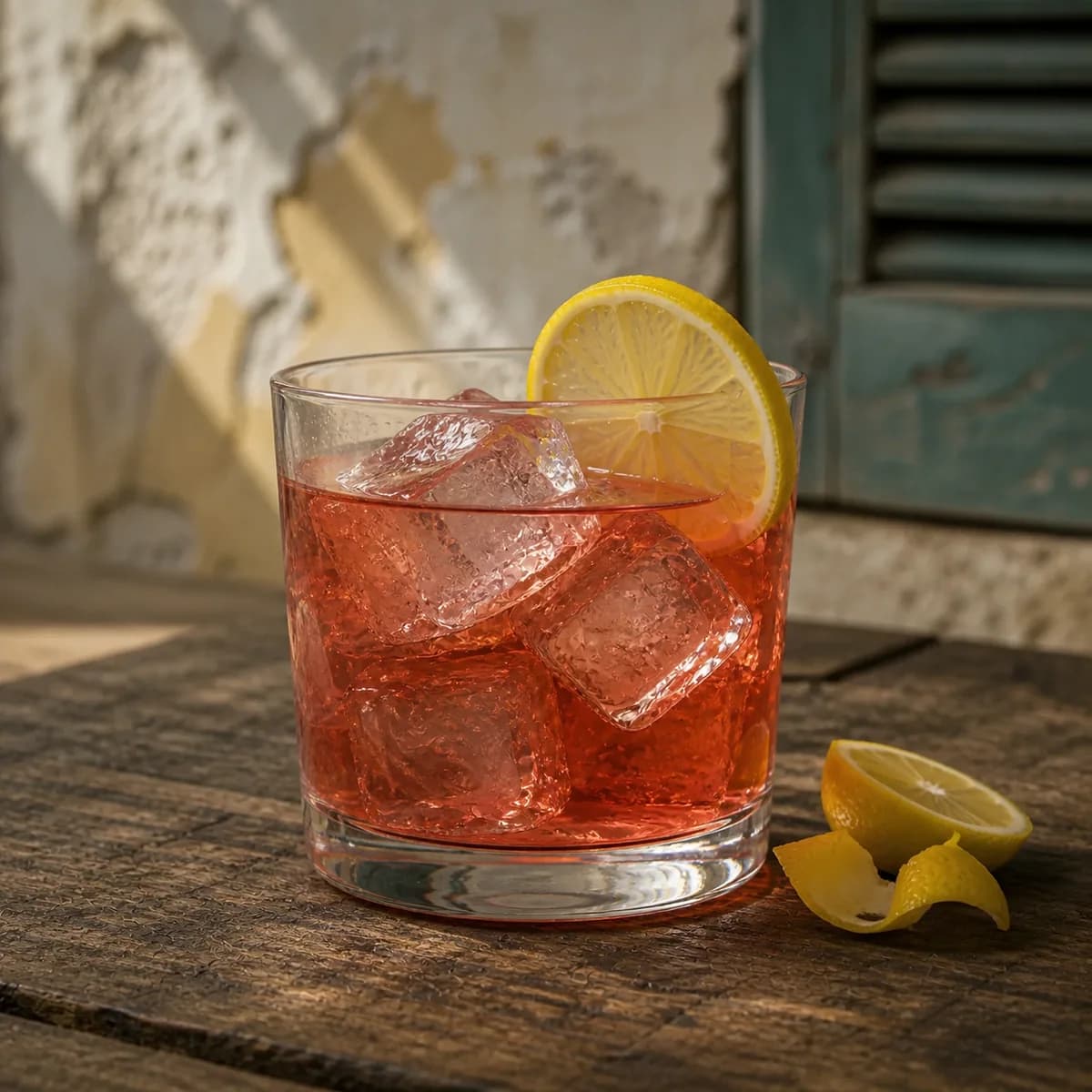
Rum Daisy
Grenadine and a splash of orange liqueur turn a plain rum sour red and take the corners off it, which is all a daisy ever was: a sour with something sweet and brightly colored standing in for the sugar.
View recipe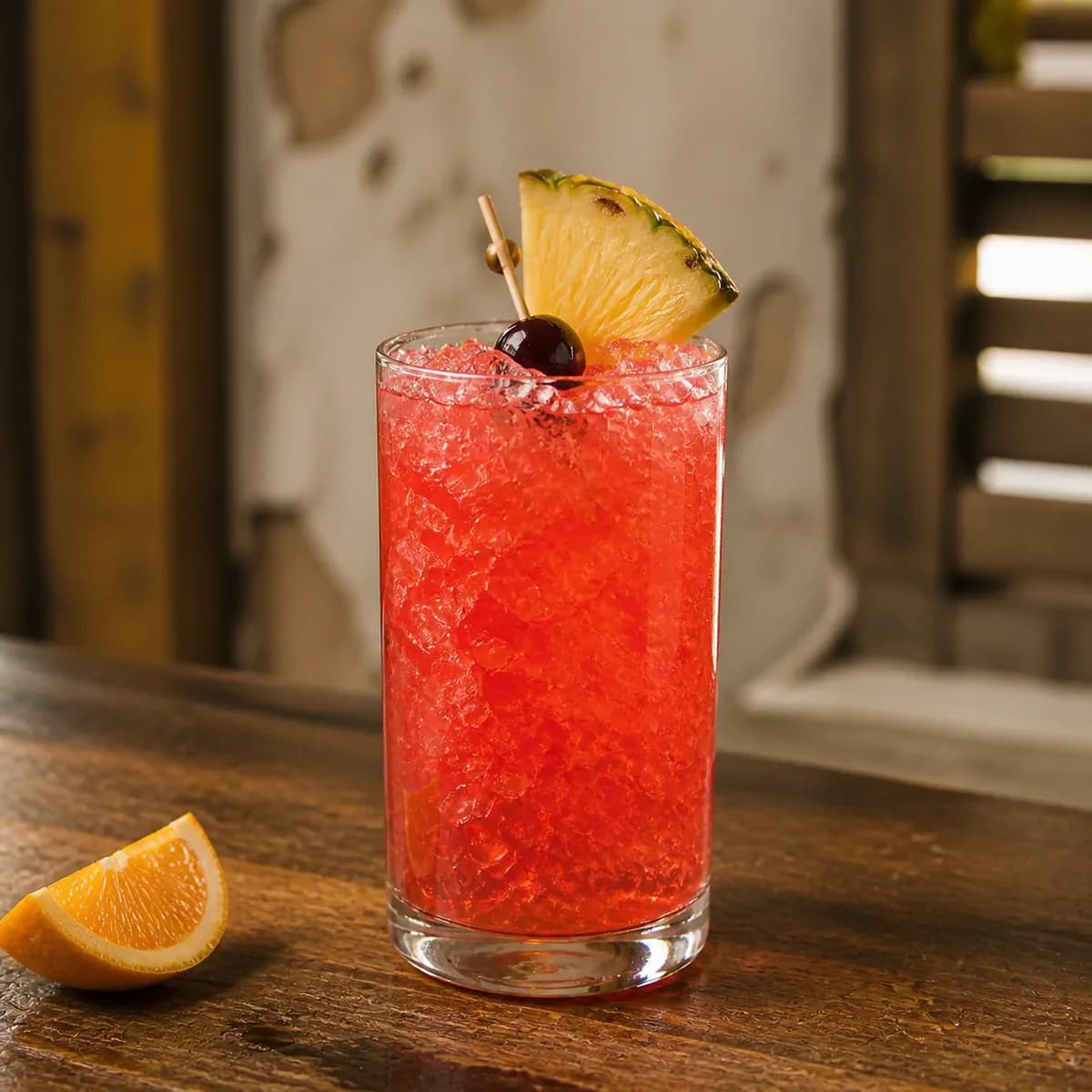
Rum Runner
Fruit does the talking here, but the 30 ml of gold rum and 22 ml of raspberry liqueur are doing the work. Sweet, and stronger than the color lets on.
View recipe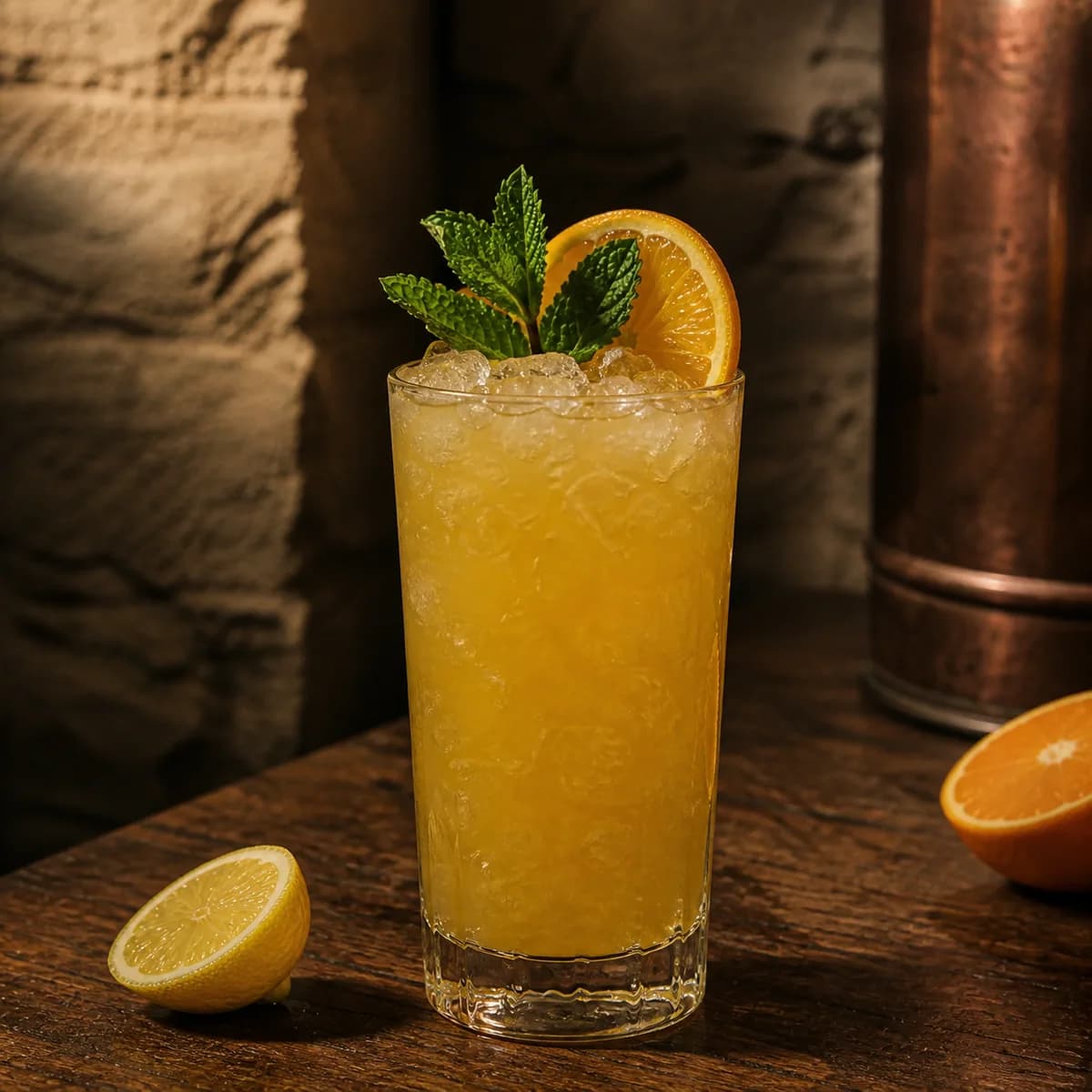
Fog Cutter
Rum, cognac and gin in one glass sounds like a dare. Orange, lemon and orgeat smooth it over so completely that the first sip tastes like breakfast juice. That is the trap, and Trader Vic said as much himself.
View recipe