Classic cocktail · Guided recipe
Seelbach
Start makingBourbon and orange liqueur with a startling number of bitters, topped with champagne. Rich, spiced and sparkling.
In the glassBourbon · Triple sec / Cointreau · Angostura bitters · Peychaud's bitters · Champagne
See exact amounts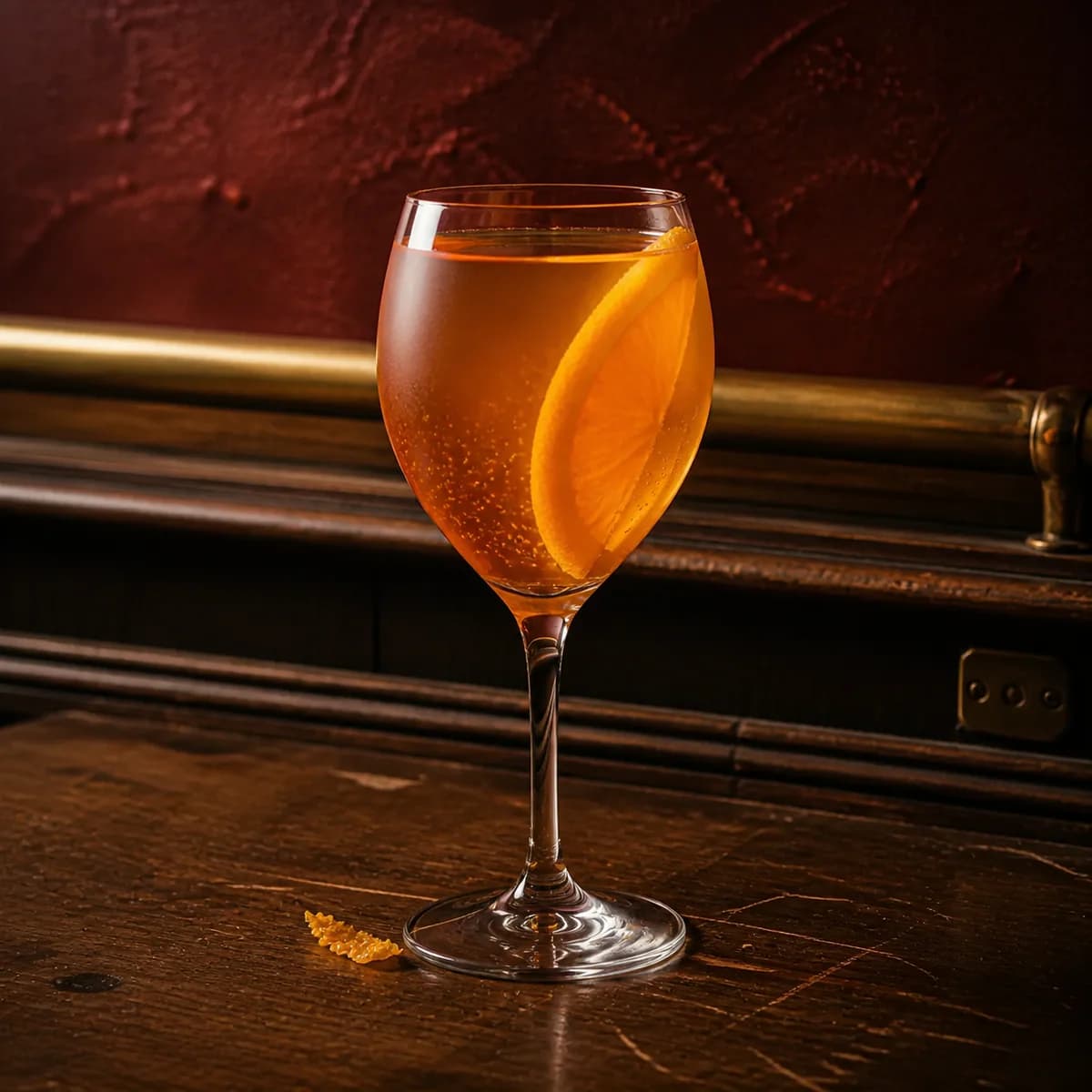
What goes in
Ingredients
Set up before you pour
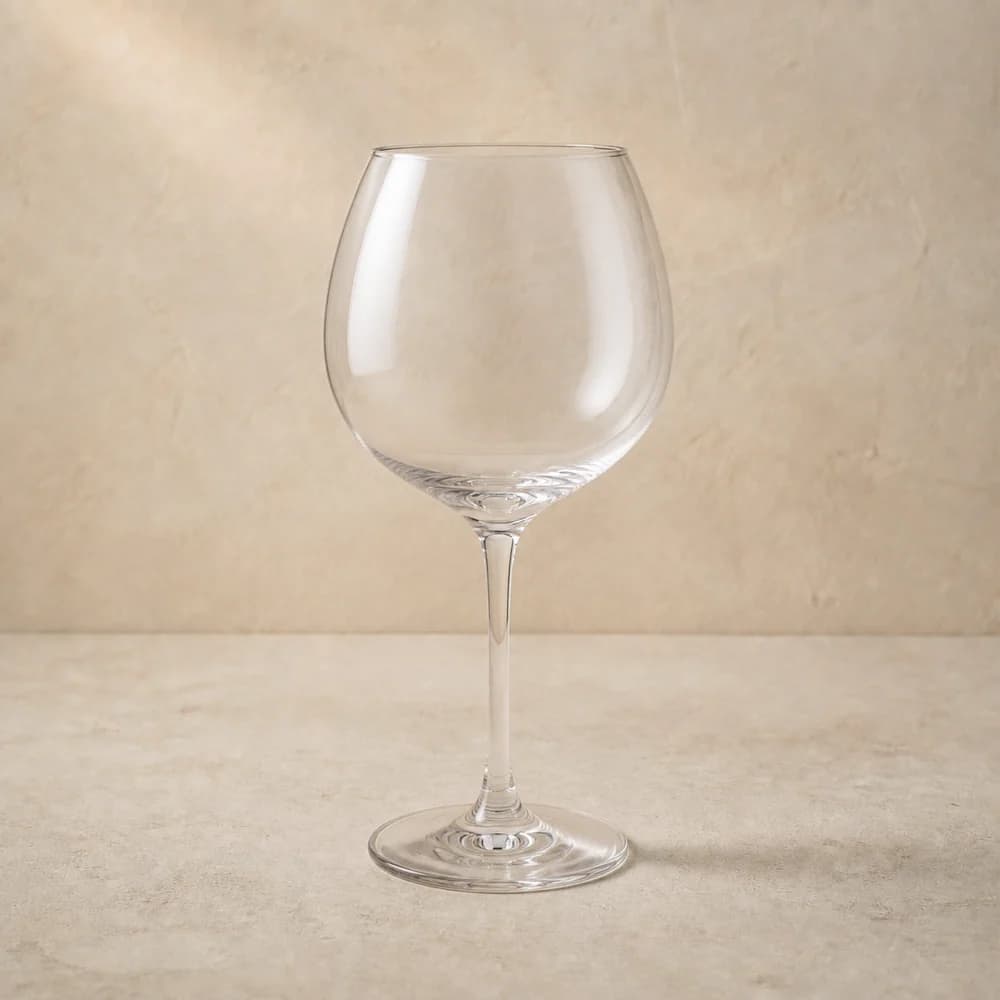
Use a large wine glass.
The generous bowl gives a spritz enough space for ice, fruit and sparkling mixer without crowding.
- Standard size
- 400 ml13½ oz
- Ice & serve
- Chill it first; serve without ice.
- If you don’t own one
- Use a stemless wine glass or roomy tumbler.
- jigger or measuring spoon
- Bourbon30 ml
- Triple sec / Cointreau15 ml
- Champagne90 ml
- Angostura bitters7 dashes
- Peychaud's bitters7 dashes
From bottle to glass
Method
- 01
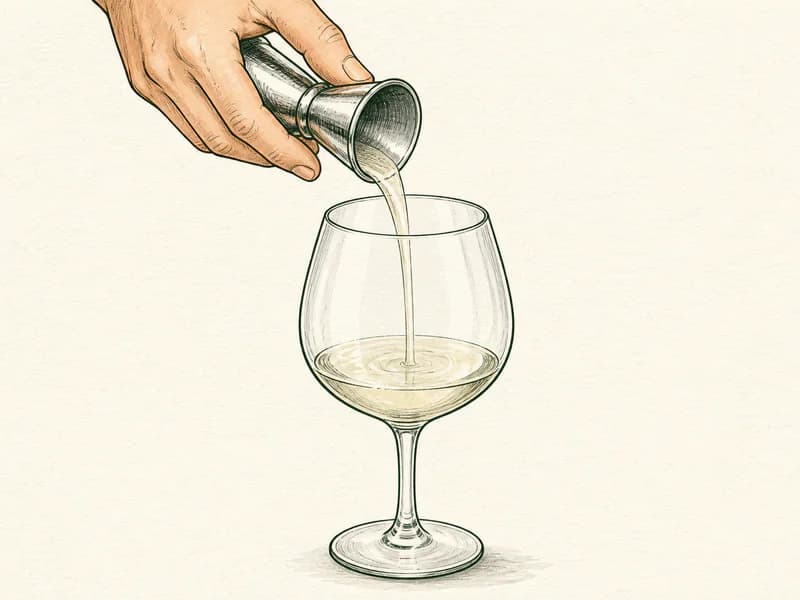
Measure and pour Pour 30 ml bourbon
 Bourbon
- 02
Measure and pour Add 15 ml triple sec / cointreau
 Triple sec / Cointreau
- 03
Measure and pour Add 7 dashes Angostura
 Angostura bitters
- 04
Measure and pour Add 7 dashes Peychaud's
- Peychaud's bitters
- 05
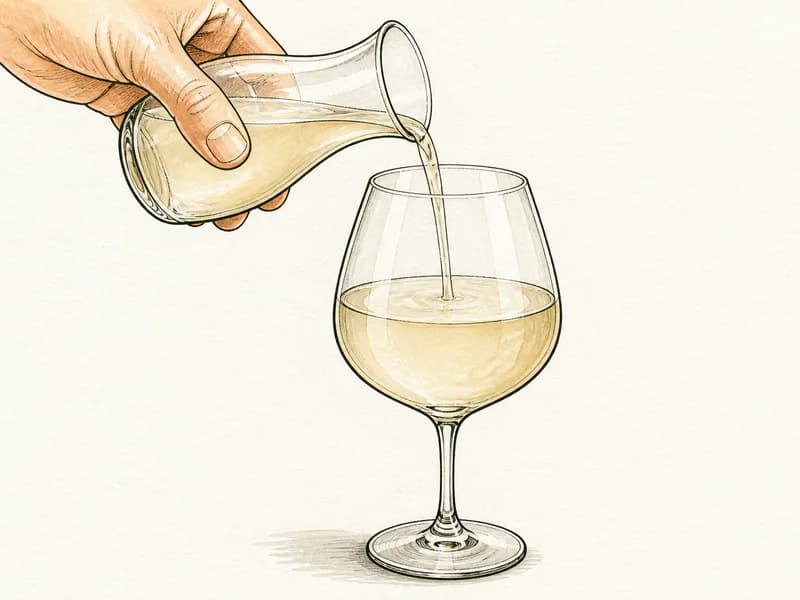
Top gently Top with 90 ml champagne
 Champagne
- 06
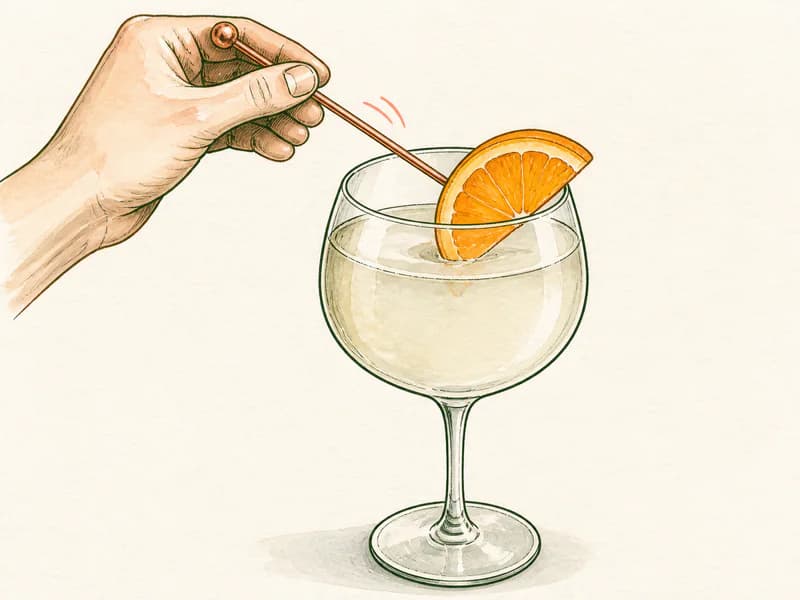
Finish the drink Finish it — add an orange slice
Know your drink
About the Seelbach
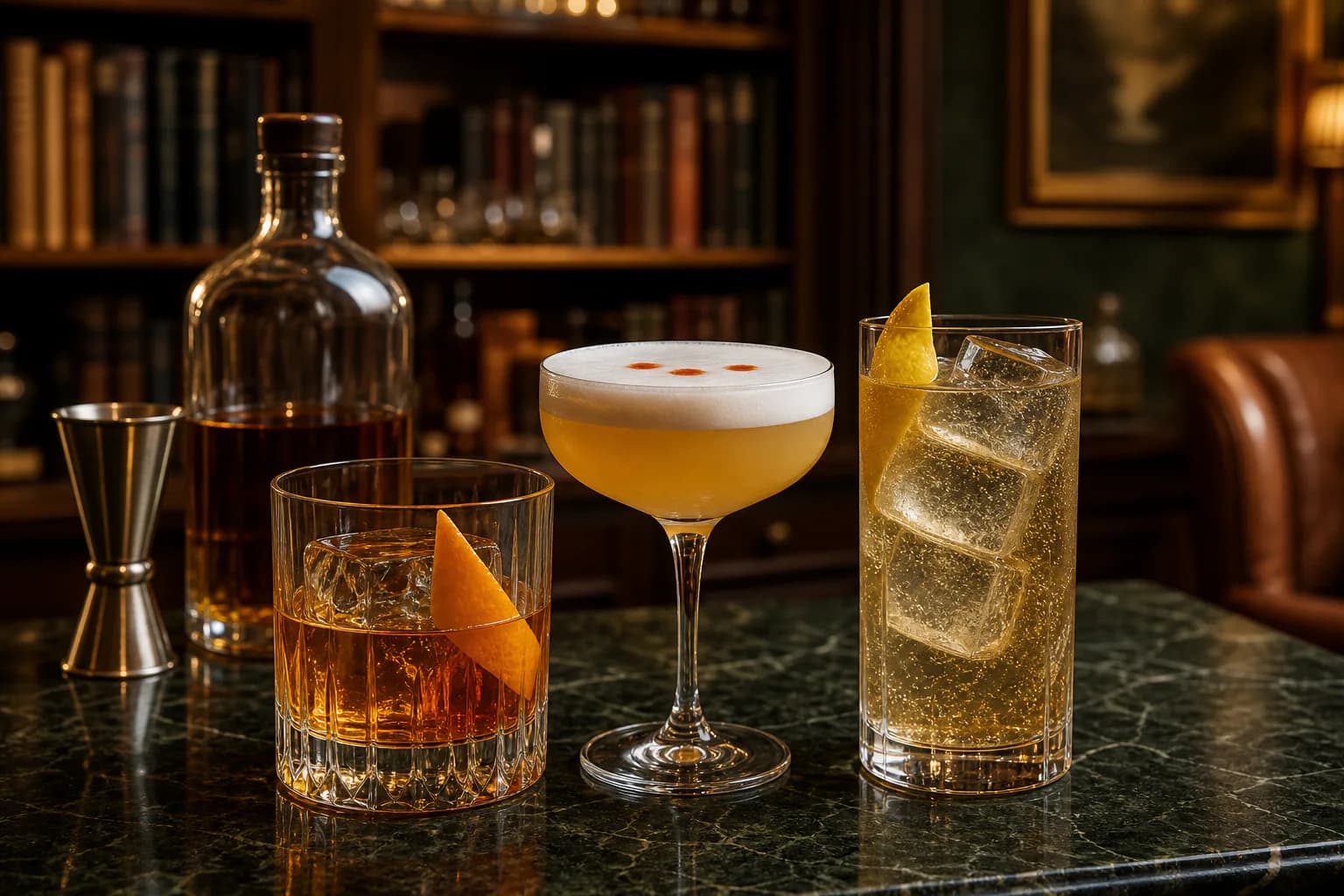
A very good hoax
The Seelbach Hotel in Louisville put this on its menu in the mid-1990s as a lost house recipe from 1917, supposedly rediscovered in an old ledger. The story travelled for two decades and the drink turned up in books as a Prohibition-era survivor. In 2016 Adam Seger, the bartender who had introduced it, admitted he had written the whole thing himself.
It says something that the drink survived the confession intact. Fourteen dashes of bitters is not a plausible historical accident. It is a deliberate piece of design by somebody who understood that champagne needs something loud to push against, and it works better than plenty of drinks with genuine paperwork behind them.
Common questions
Seelbach FAQ
Is fourteen dashes of bitters a mistake?
No. Seven Angostura and seven Peychaud's is the recipe, and it is the whole idea. Here the bitters work as an ingredient rather than a seasoning, supplying the clove-and-anise spine and the pink cast. Use fewer and you have bourbon with fizz on top.
Do I need actual Champagne?
Not remotely. The wine is doing 90 ml of duty as a lengthener against a very assertive base, so a dry cava or cremant handles it at a third of the price. Go brut. Anything with real toasty complexity is simply wasted in here.
Can I make these ahead for a crowd?
That is the strongest argument for the drink. Mix the bourbon, orange liqueur and both bitters in a bottle, keep it in the fridge, then pour 45 ml per glass and top with sparkling wine. Nobody should be counting dashes fourteen times at a party.
What if I only have Angostura?
Drinkable, and noticeably duller. Peychaud's brings anise and a floral, almost cherry sweetness along with the color, and it offsets Angostura's baking spice. Doubling the Angostura instead makes the whole thing taste like a clove cigarette. Buy the small bottle.
What ingredients are in a Seelbach?
A classic Seelbach calls for 30 ml (1 oz) Bourbon, 15 ml (0.5 oz) Triple sec / Cointreau, 7 dashes Angostura Angostura bitters, 7 dashes Peychaud's Peychaud's bitters, 90 ml (3 oz) Champagne. That single-serve spec scales cleanly — the recipe above converts it to oz and multiplies it for 2–4 drinks.
How strong is a Seelbach?
A standard Seelbach is roughly 22% ABV once mixed (before ice melt softens it further). That makes it spirit-forward — closer to a Martini than to a beer, so sip it slowly.
Is a Seelbach shaken or stirred?
A Seelbach is built directly in the glass over ice — no shaker required. Add the ingredients in order and give it a brief, gentle stir.
Sharpen the technique
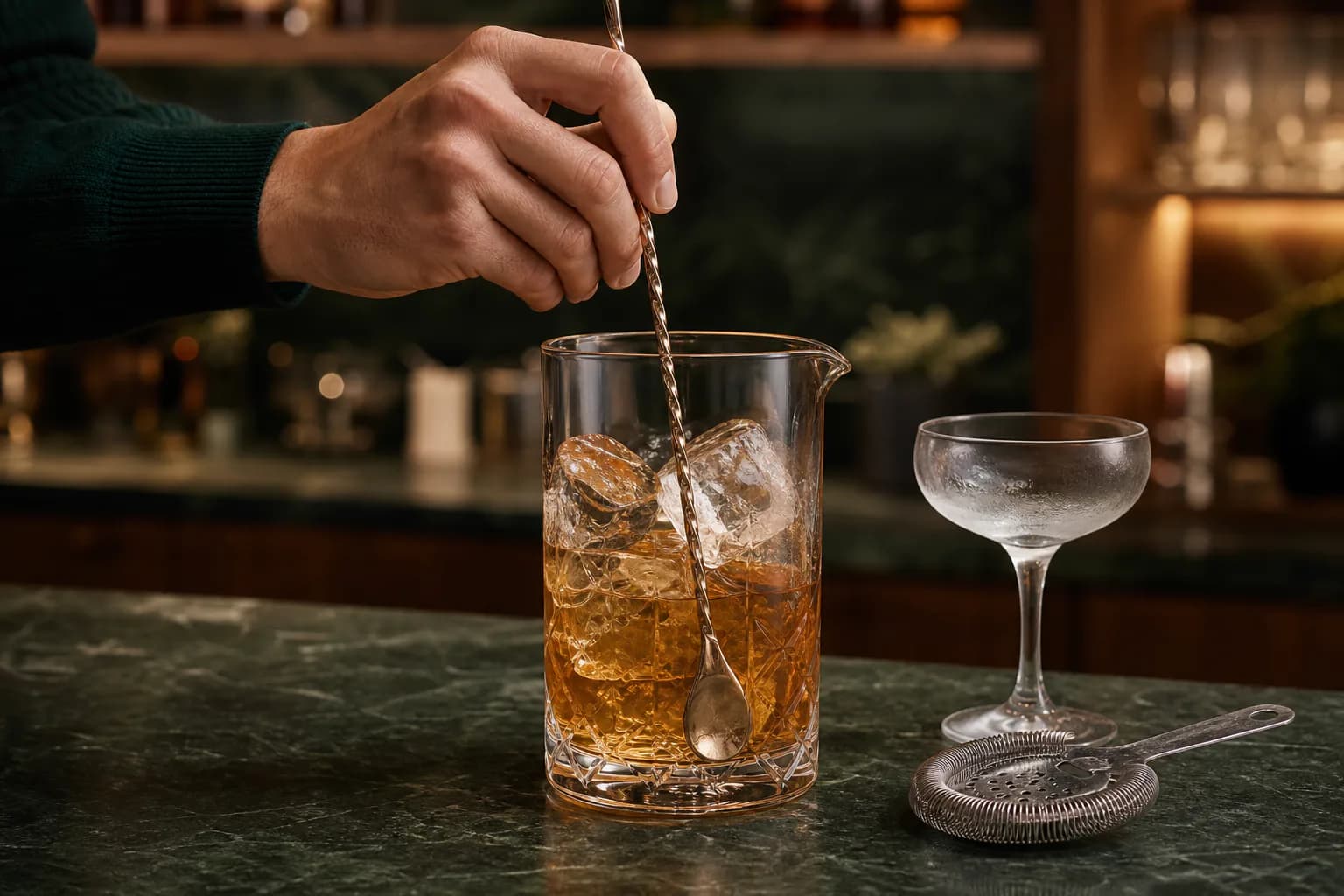
Skills used in this recipe
Where to go next
If you like the Seelbach, try these.
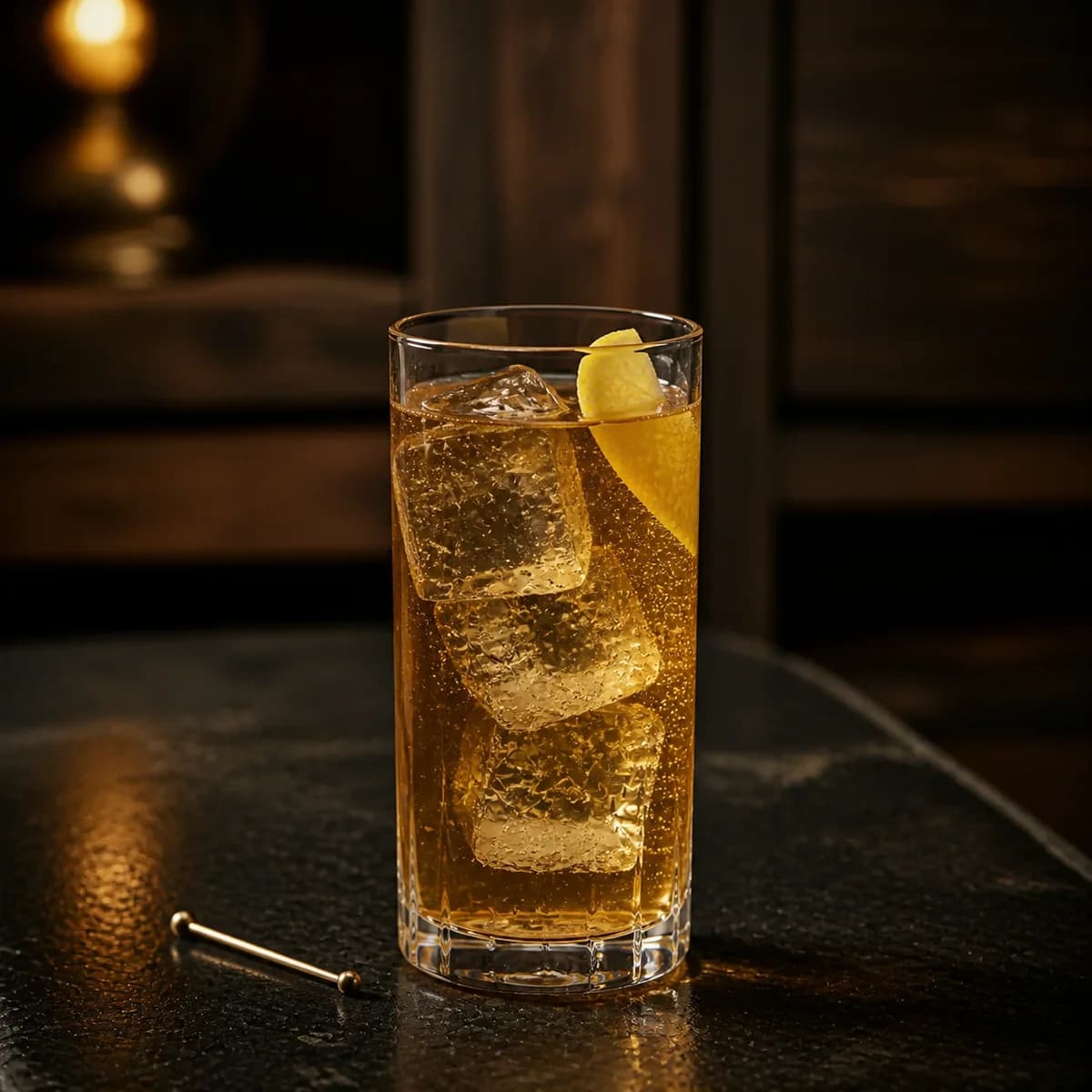
Horse’s Neck
Bourbon and ginger ale with a long spiral of lemon peel and a dash of bitters — a spicy, old-school cooler.
View recipe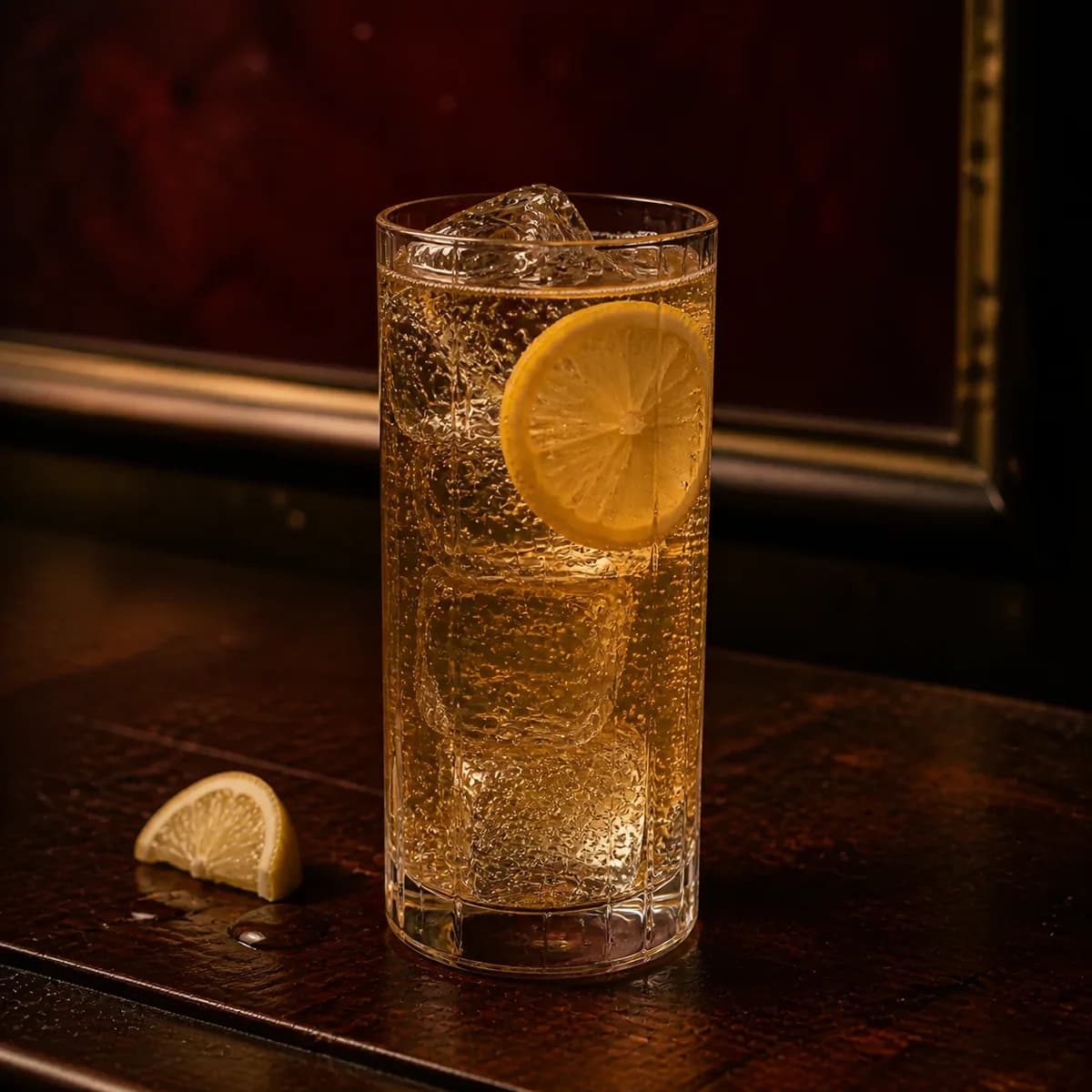
Lynchburg Lemonade
Lynchburg is the Tennessee town where Jack Daniel's is distilled, which tells you what whiskey the drink was built around. Bourbon works fine. What matters more is keeping the soda to about twice the whiskey, or it stops tasting like whiskey at all.
View recipe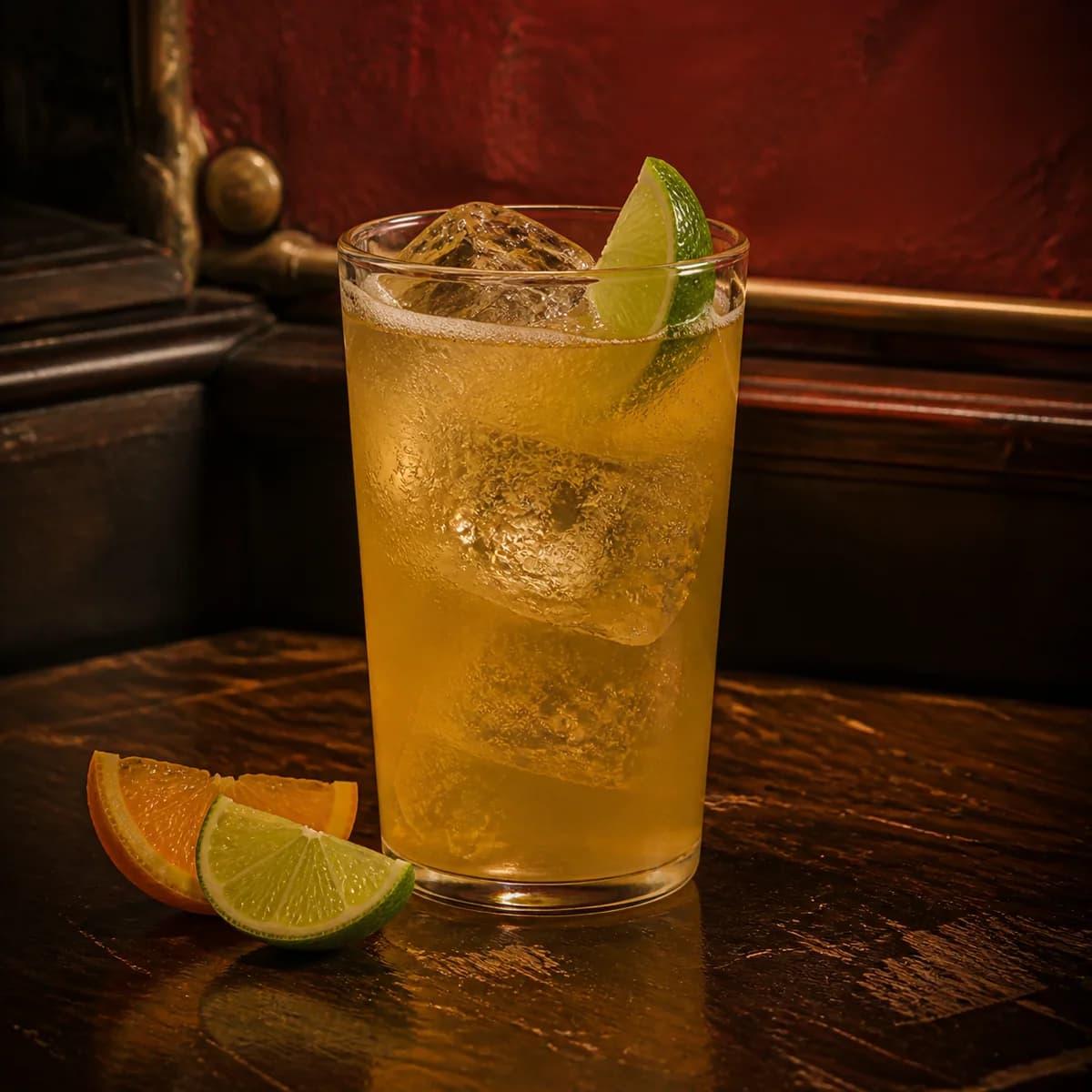
New Orleans Buck
Bourbon with orange and lime under it and ginger ale over the top. Juicier than a whiskey and ginger, softer than a Mule. One dash of Angostura is what keeps it from reading as a soft drink with whiskey in it.
View recipe