Classic cocktail · Guided recipe
Tipperary
Start makingGreen Chartreuse at 15 ml isn't a modifier, it's a co-star, and this is one of very few whiskey drinks that lets it be one. Irish whiskey and sweet vermouth underneath, a hundred and thirty-odd botanicals over the top, and no room for a careless pour.
In the glassIrish whiskey · Sweet vermouth · Green Chartreuse
See exact amounts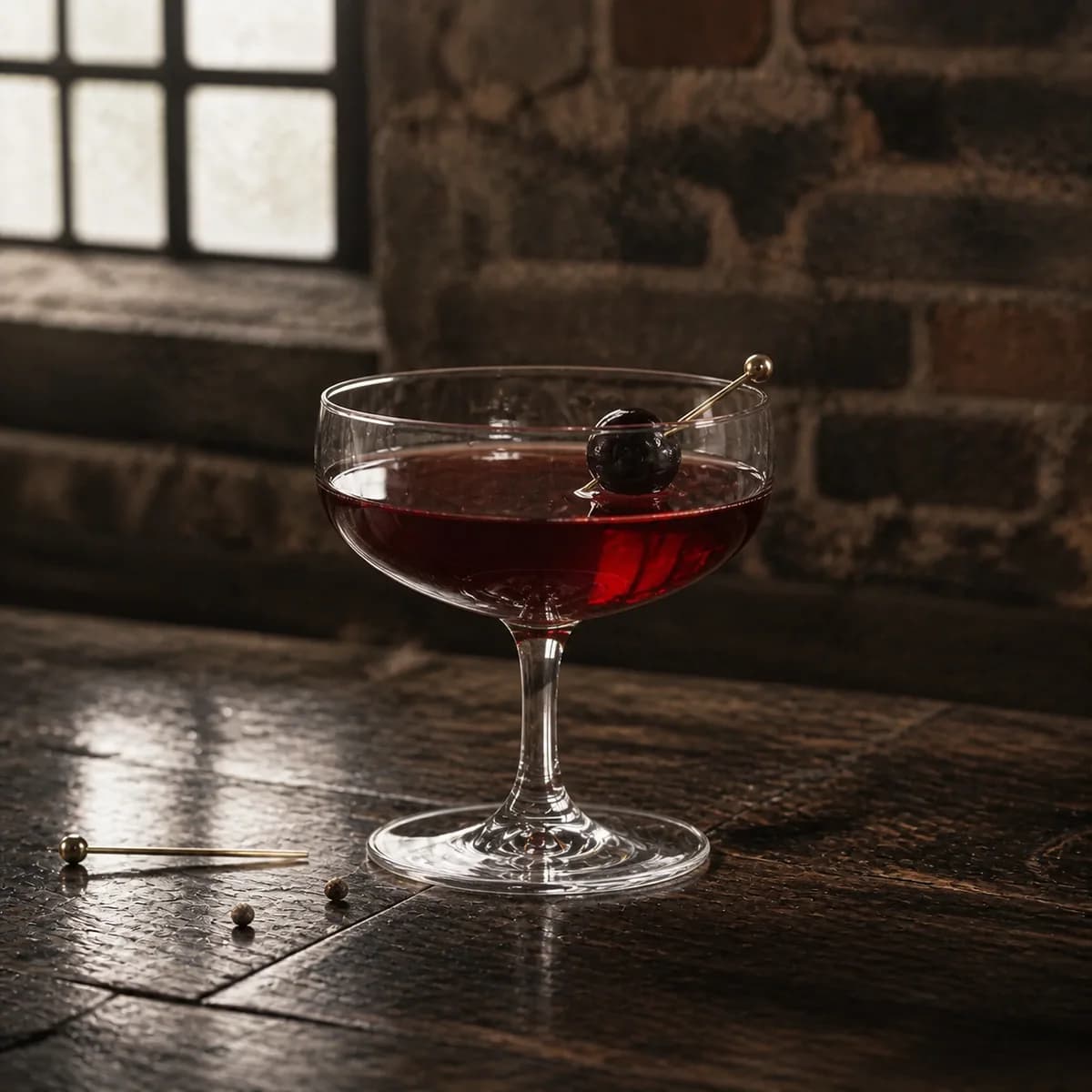
What goes in
Ingredients
Set up before you pour
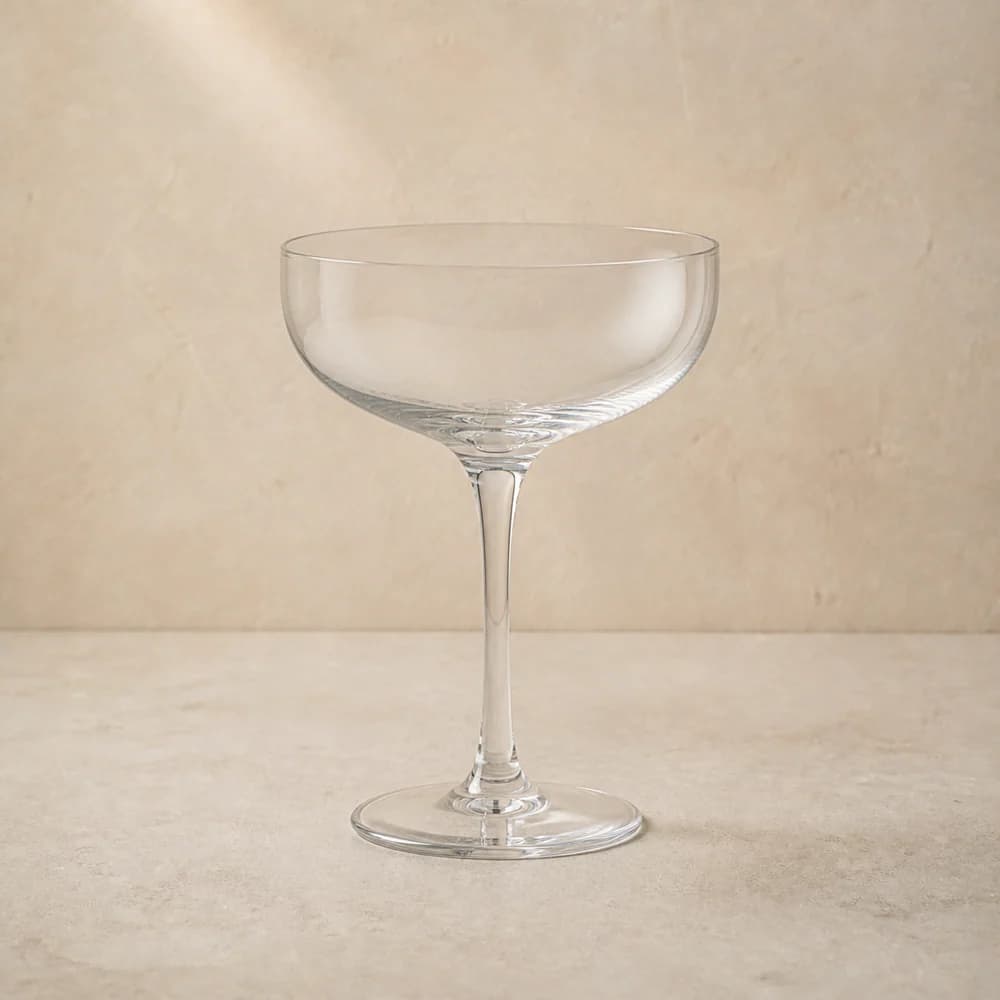
Use a coupe glass.
The stem keeps your hand away from a cold drink, while the rounded bowl makes an up serve easy to sip.
- Standard size
- 200 ml6¾ oz
- Ice & serve
- Chill it first; serve without ice.
- If you don’t own one
- Use a small martini glass or stemmed dessert glass.
- cocktail shaker
- strainer (or a small sieve)
- jigger or measuring spoon
- Irish whiskey45 ml
- Sweet vermouth22 ml
- Green Chartreuse15 ml
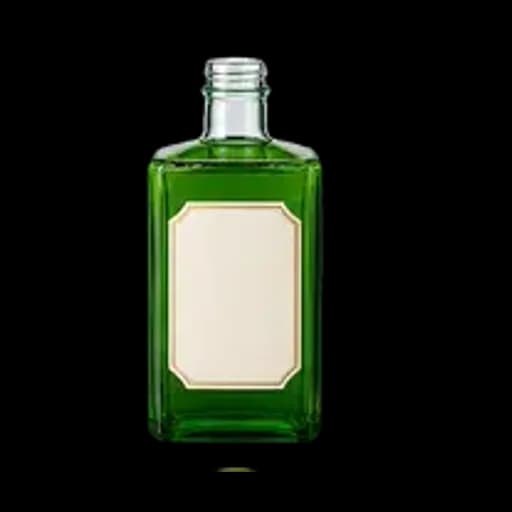
From bottle to glass
Method
- 01
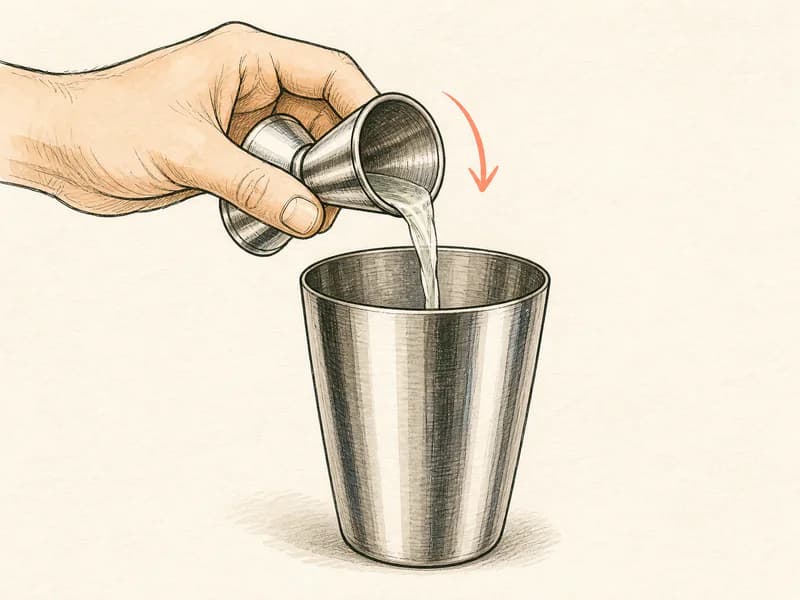
Measure into the shaker Pour 45 ml irish whiskey into your shaker
 Irish whiskey
- 02
Measure into the shaker Add 22 ml sweet vermouth
 Sweet vermouth
- 03
Measure into the shaker Add 15 ml green chartreuse
 Green Chartreuse
- 04
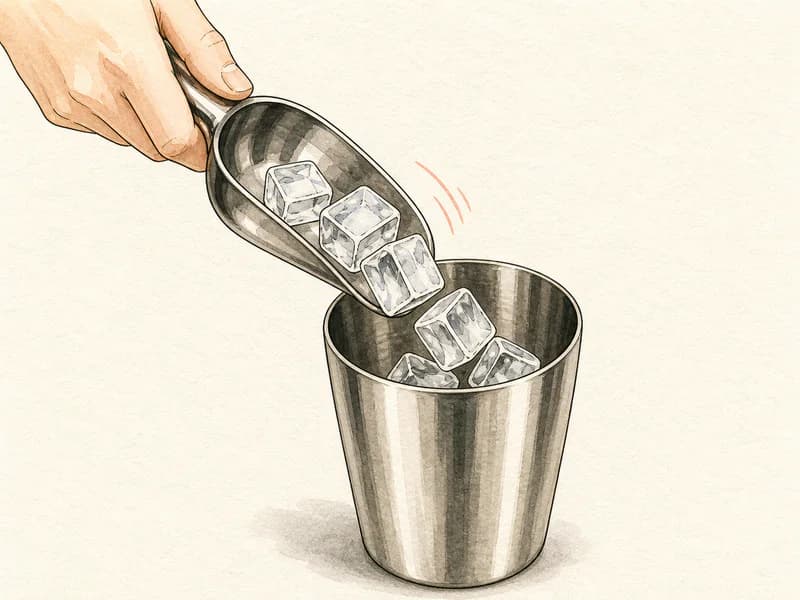
Ice the shaker Fill the shaker with ice
- 05
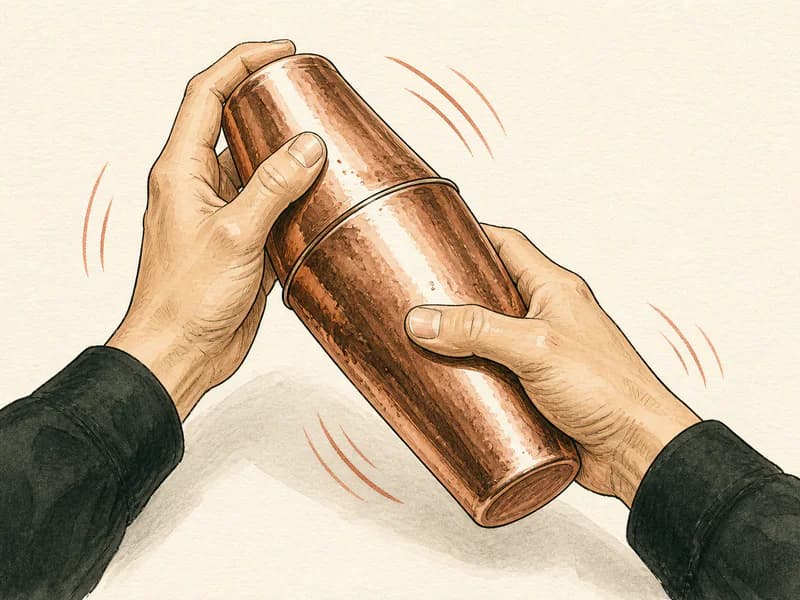
Seal and shake Seal and shake hard
- 06
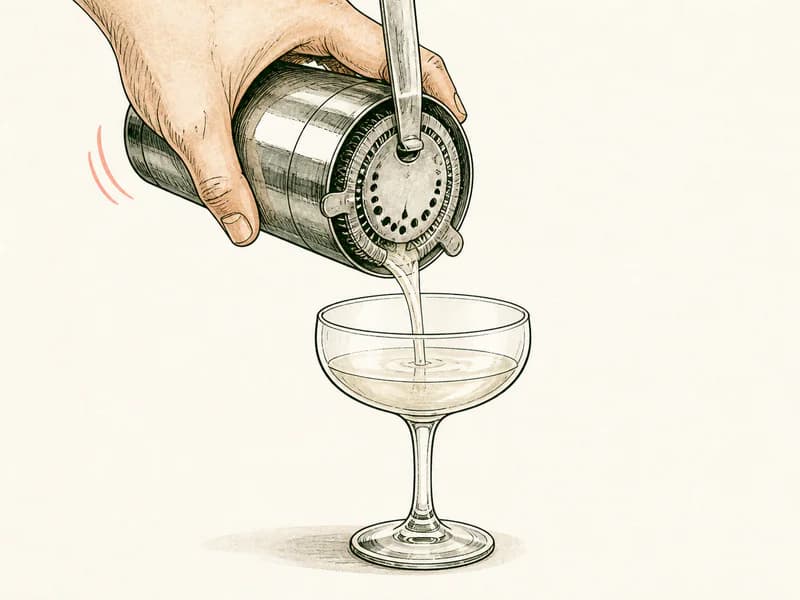
Strain cleanly Strain into a chilled glass — no ice
- 07
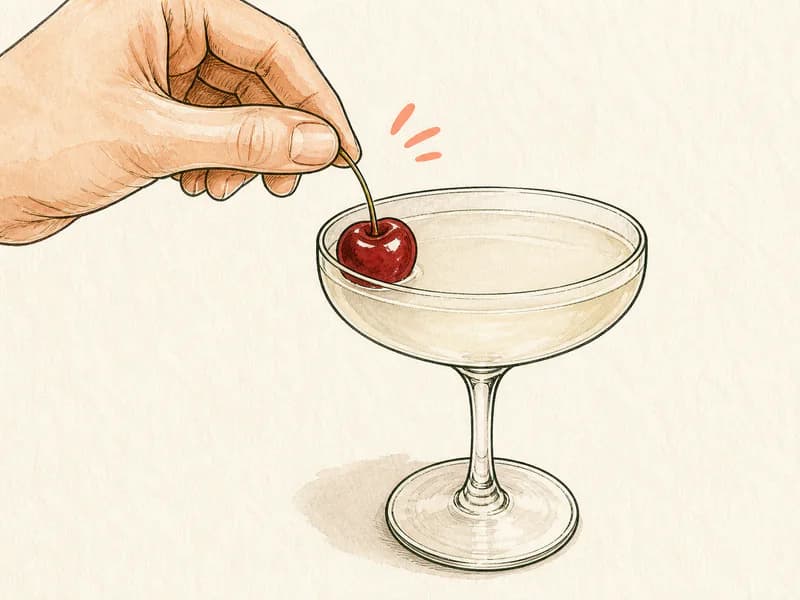
Finish the drink Finish it — add a cocktail cherry
Know your drink
About the Tipperary
How the ratio shrank
Equal parts is how this was written down in the bar books of the 1910s and 1920s, one third each of Irish whiskey, sweet vermouth and green Chartreuse. It reads as a period piece now. Modern bars pull the Chartreuse down to a quarter of the drink or less, which is the version you see here, and it is a better drink for the change.
Made by Carthusian monks from a plant list only a couple of people are said to know, green Chartreuse runs at 55 percent and ages remarkably well in the bottle. Supply has been tight since the order capped production, so there's no hurry to finish an open bottle but there may well be a hurry to replace it.
Common questions
Tipperary FAQ
Does 45 ml of Irish whiskey survive 15 ml of green Chartreuse?
Just about, and it depends on the bottle. A light grain-heavy blend is gone under the herbs. A pot-still Irish with body, Redbreast or Powers John's Lane, keeps its malt and honey in view. If yours vanishes, take the Chartreuse to 10 ml before you consider changing whiskey.
Old recipes say equal parts. Should I?
Only if you already drink Chartreuse neat and enjoy it. Equal thirds is a wall of herbs with whiskey somewhere behind it. The 45, 22, 15 here keeps the whiskey in charge. Make the old ratio once so you know exactly what you're turning down.
Why does mine taste medicinal?
Warm Chartreuse. Its top notes tip into eucalyptus and camphor as temperature climbs, so a drink that's merely cool tastes like a chest rub. Get it genuinely cold and put the coupe in the freezer beforehand. The cherry helps too, giving the palate somewhere sweet to land.
Does it work with Scotch instead?
A blended Scotch is fine, a smoky Islay is not: peat and Chartreuse fight rather than combine. If you're substituting, a soft Speyside malt sits closest to Irish whiskey's grain sweetness. Bourbon works as well, though the corn makes the finished drink noticeably sweeter.
What ingredients are in a Tipperary?
A classic Tipperary calls for 45 ml (1.5 oz) Irish whiskey, 22 ml (0.75 oz) Sweet vermouth, 15 ml (0.5 oz) Green Chartreuse. That single-serve spec scales cleanly — the recipe above converts it to oz and multiplies it for 2–4 drinks.
How strong is a Tipperary?
A standard Tipperary is roughly 36% ABV once mixed (before ice melt softens it further). That makes it spirit-forward — closer to a Martini than to a beer, so sip it slowly.
Is a Tipperary shaken or stirred?
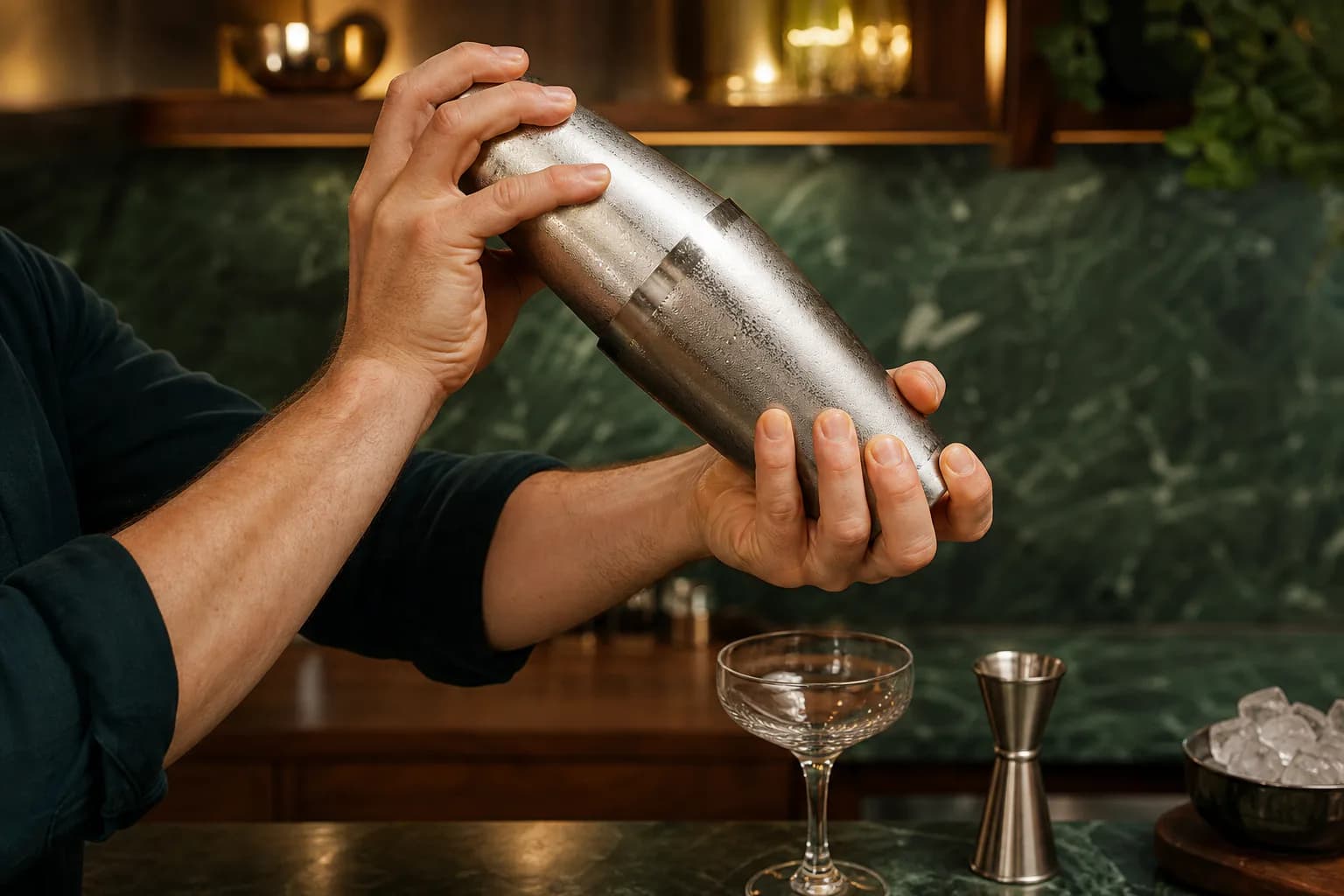
A Tipperary is shaken. About 13 seconds with plenty of ice chills and dilutes it correctly.
Sharpen the technique
Skills used in this recipe
Where to go next
If you like the Tipperary, try these.
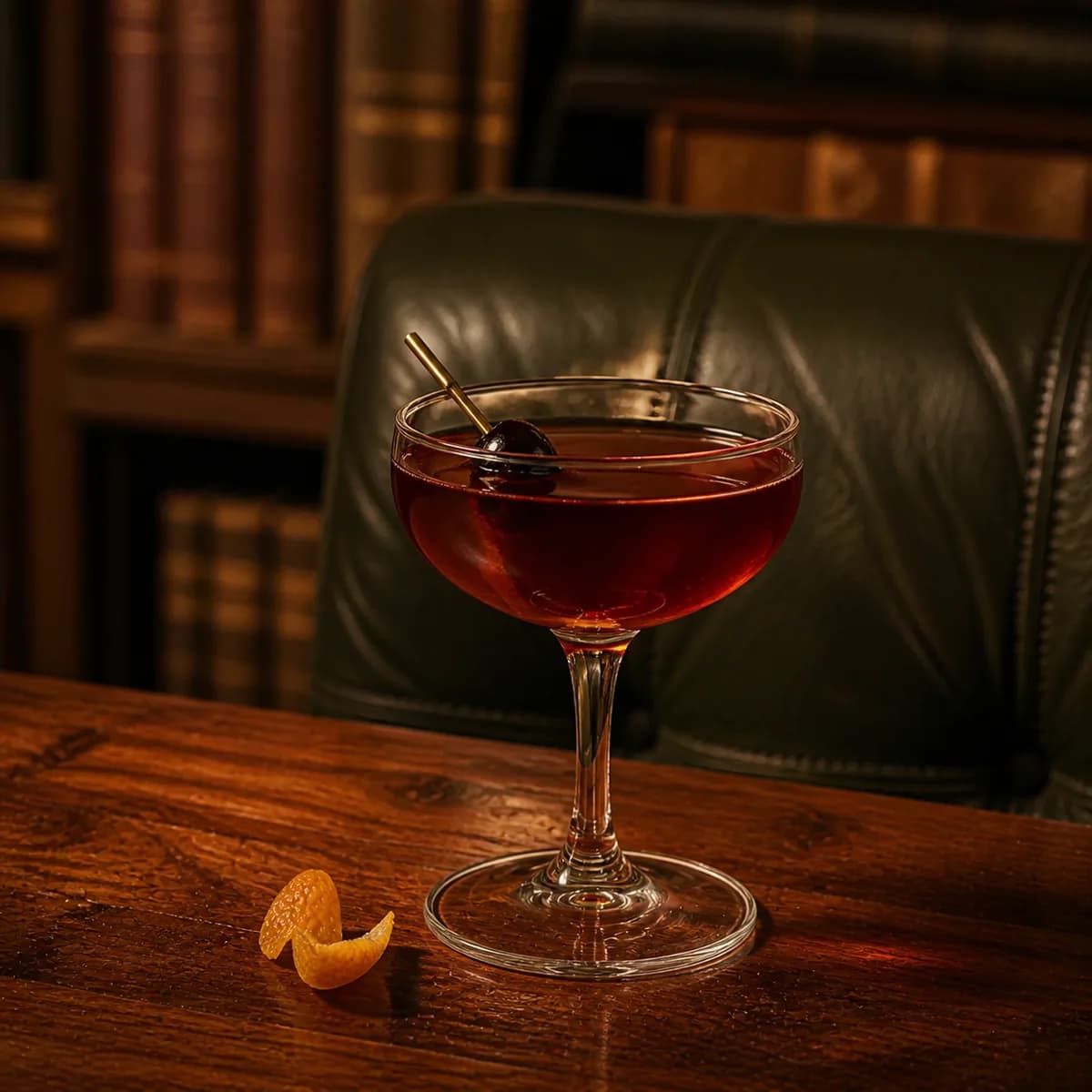
Emerald
An Irish Manhattan: Irish whiskey with sweet vermouth and bitters, stirred down. Softer and greener than its rye cousin.
View recipe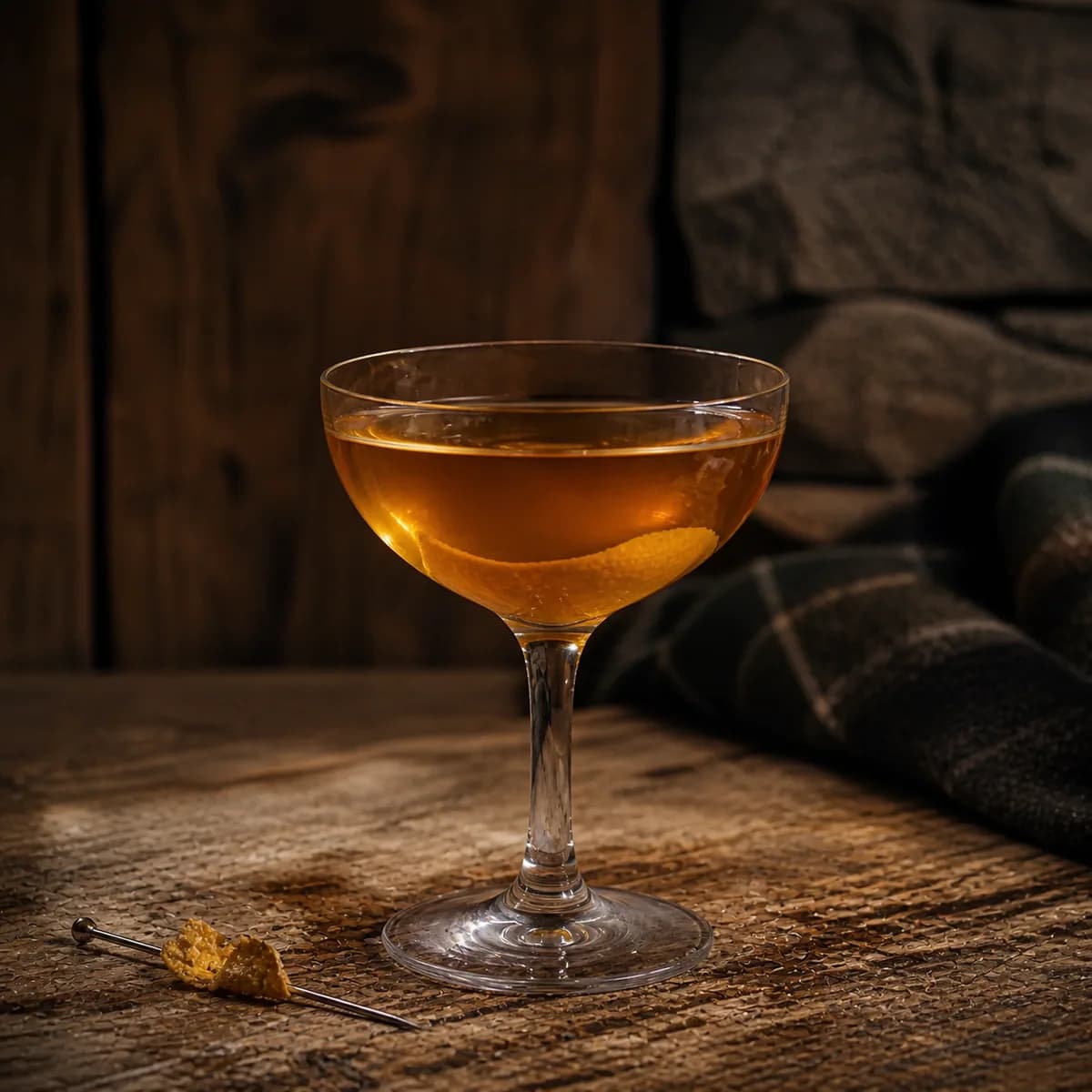
Blackthorn
Equal measures of Irish whiskey and dry vermouth put this much closer to a Martini than to anything in the Manhattan family. Angostura and a dash of absinthe do all the seasoning. Malt and dried herbs, dry the whole way through.
View recipe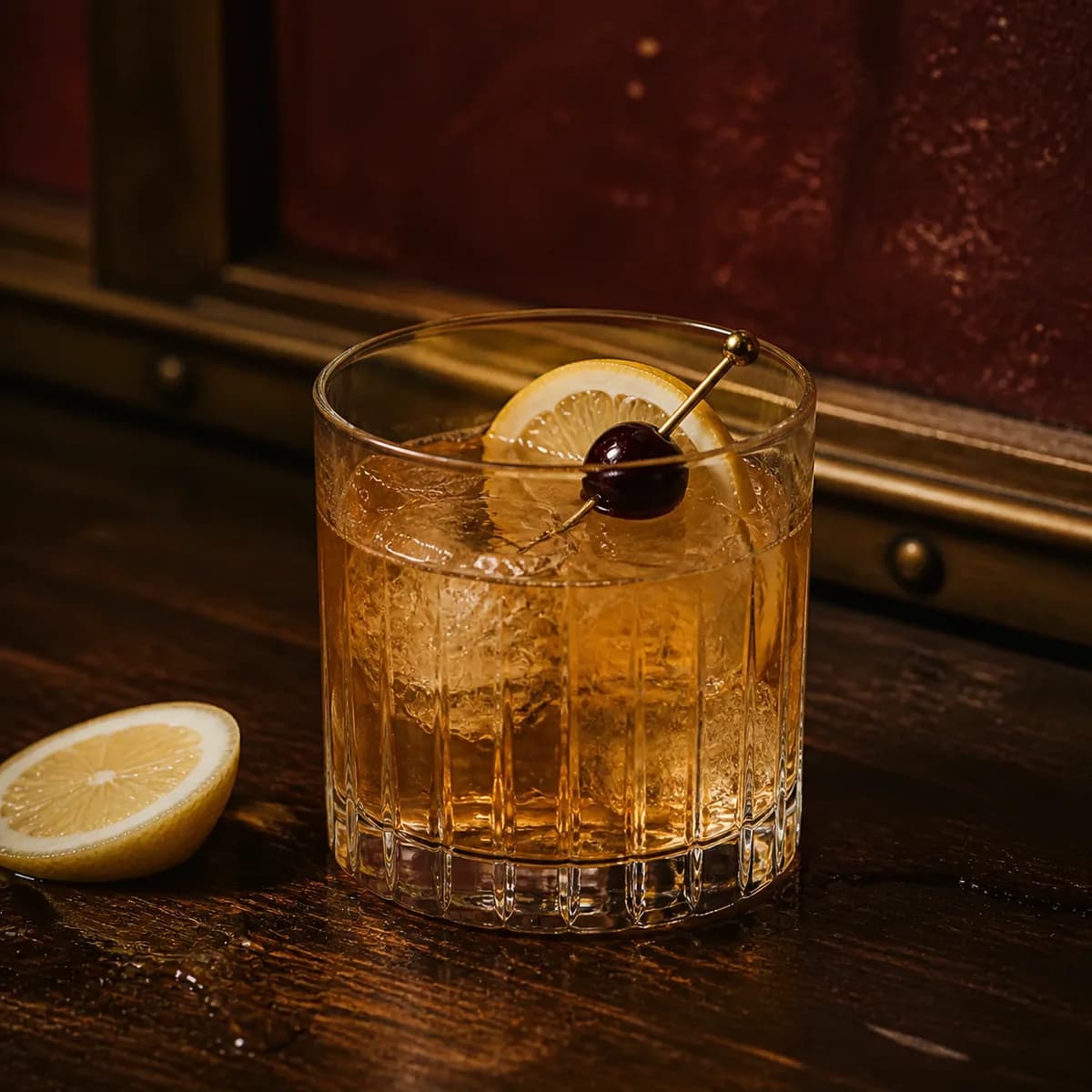
Irish Whiskey Sour
Grain sweetness instead of rye pepper, and no smoke at all. The lemon has less to fight here, so the drink comes out rounder and easier than a bourbon sour, which makes it the one to hand somebody who says they don't like whiskey.
View recipe