Classic cocktail · Guided recipe
Vodka Martini
Start makingCold vodka with a whisper of dry vermouth — the shaken, ice-cold Martini Bond made famous.
In the glassVodka · Dry vermouth
See exact amounts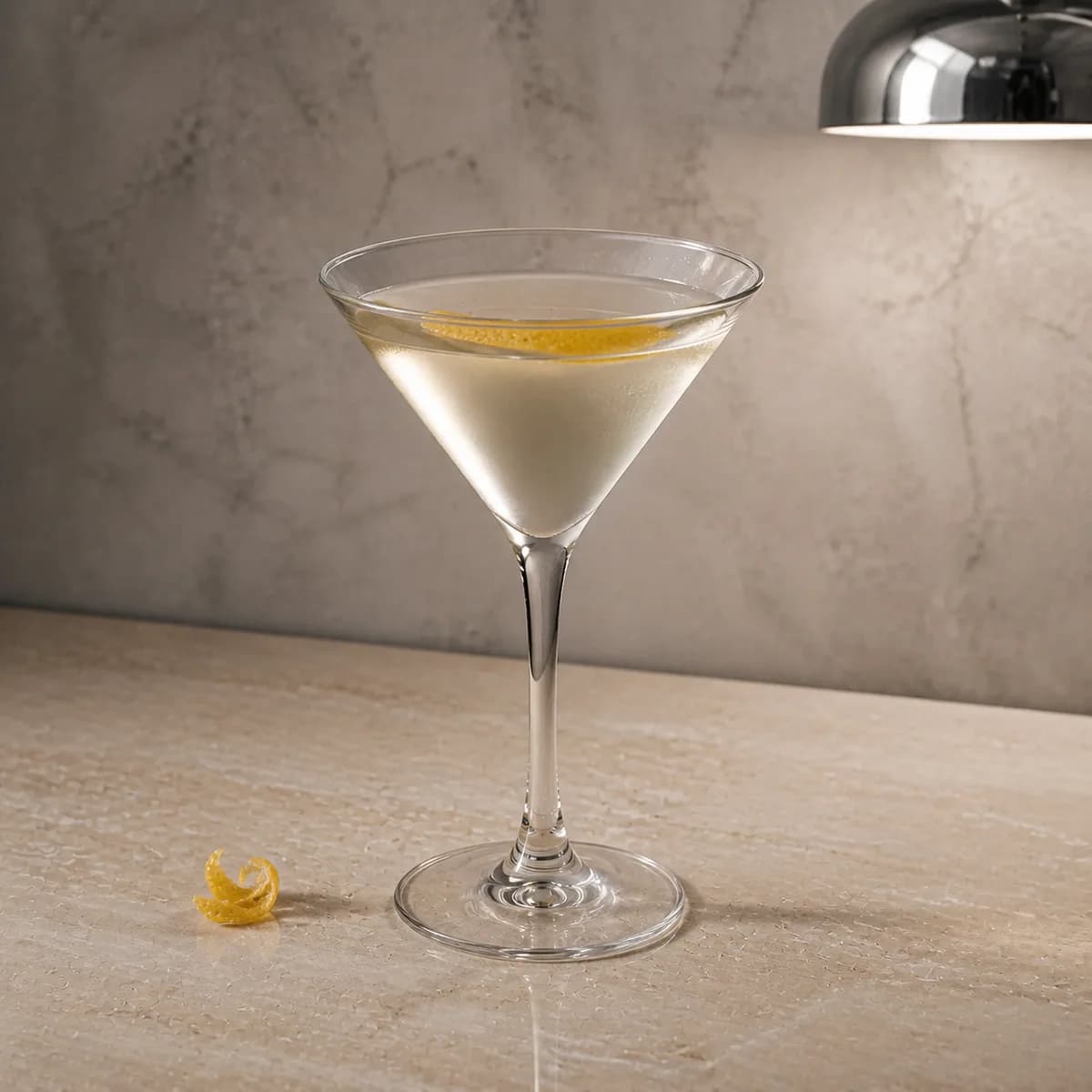
What goes in
Ingredients
Set up before you pour
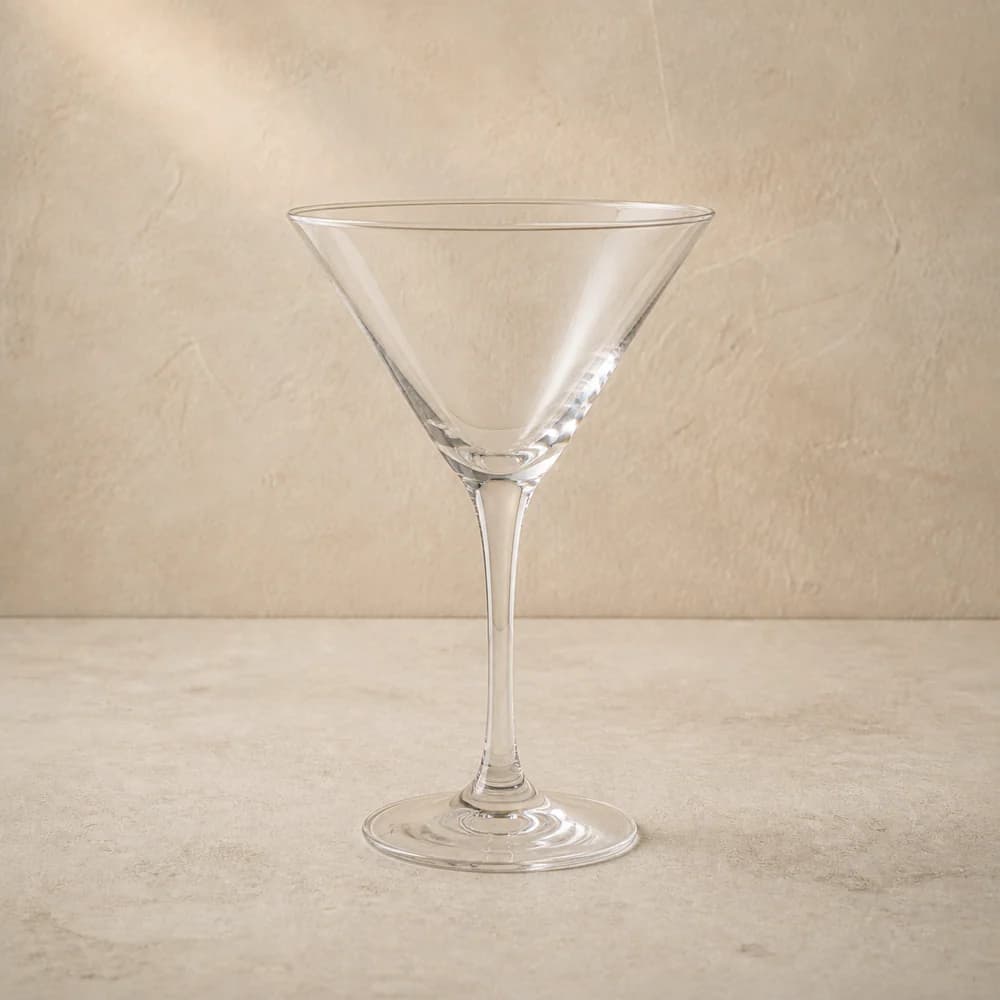
Use a martini glass.
The stem protects a cold up drink from your hand; the open V-shaped bowl presents its aroma immediately.
- Standard size
- 180 ml6 oz
- Ice & serve
- Chill it first; serve without ice.
- If you don’t own one
- Use a coupe or another small stemmed cocktail glass.
- cocktail shaker
- strainer (or a small sieve)
- jigger or measuring spoon
- Vodka60 ml
- Dry vermouth10 ml
From bottle to glass
Method
- 01
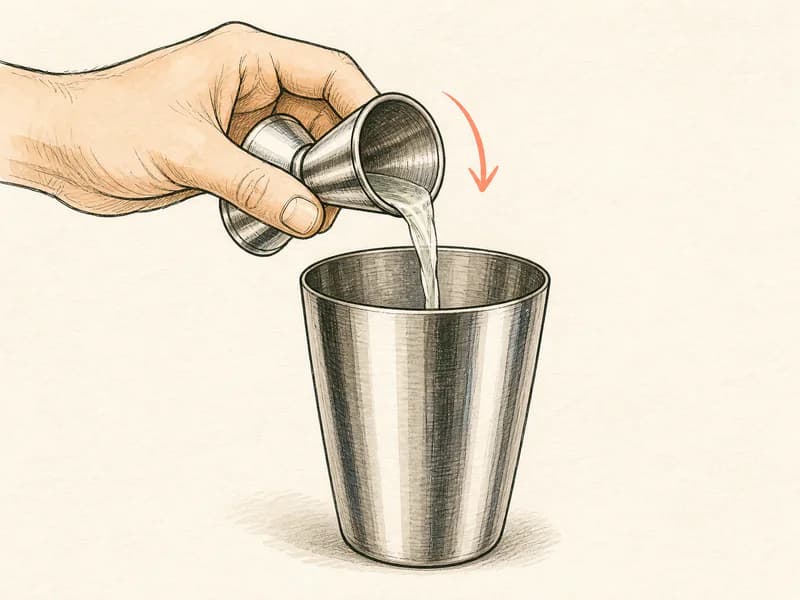
Measure into the shaker Pour 60 ml vodka into your shaker
 Vodka
Vodka
- 02
Measure into the shaker Add 10 ml dry vermouth
 Dry vermouth
- 03
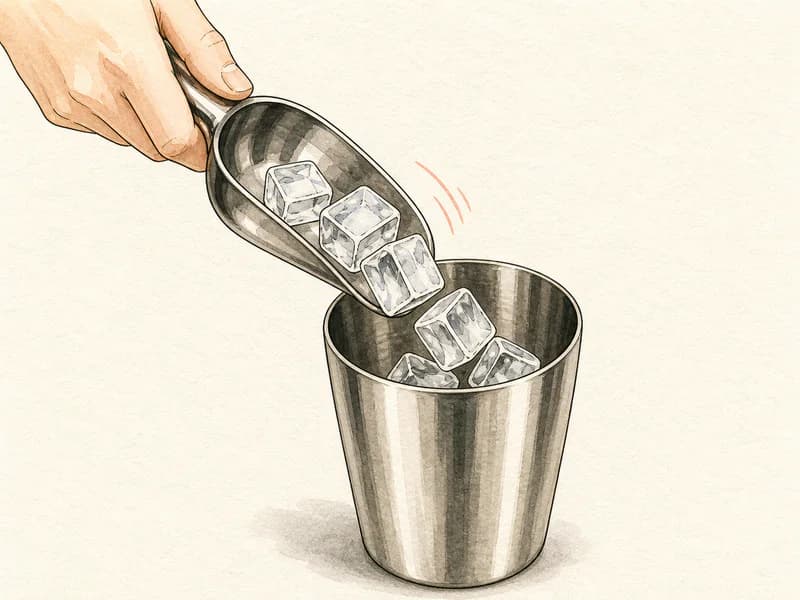
Ice the shaker Fill the shaker with ice
- 04
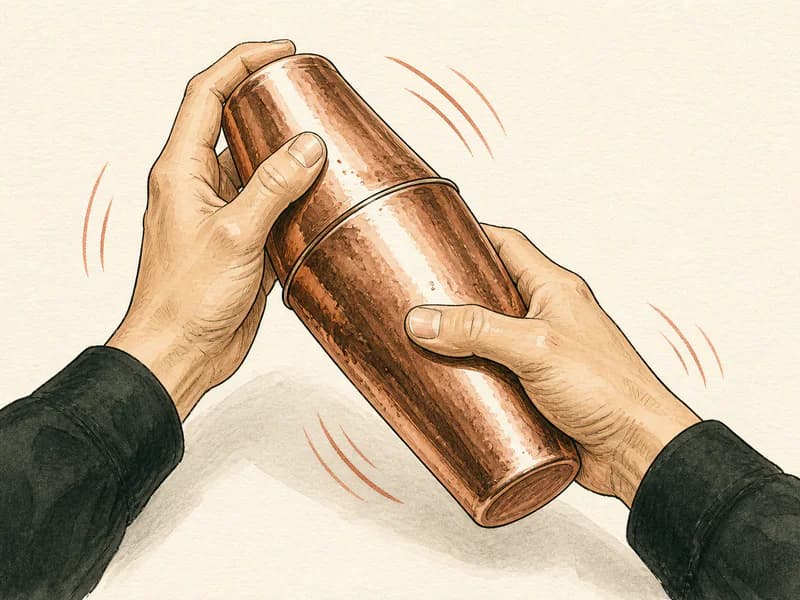
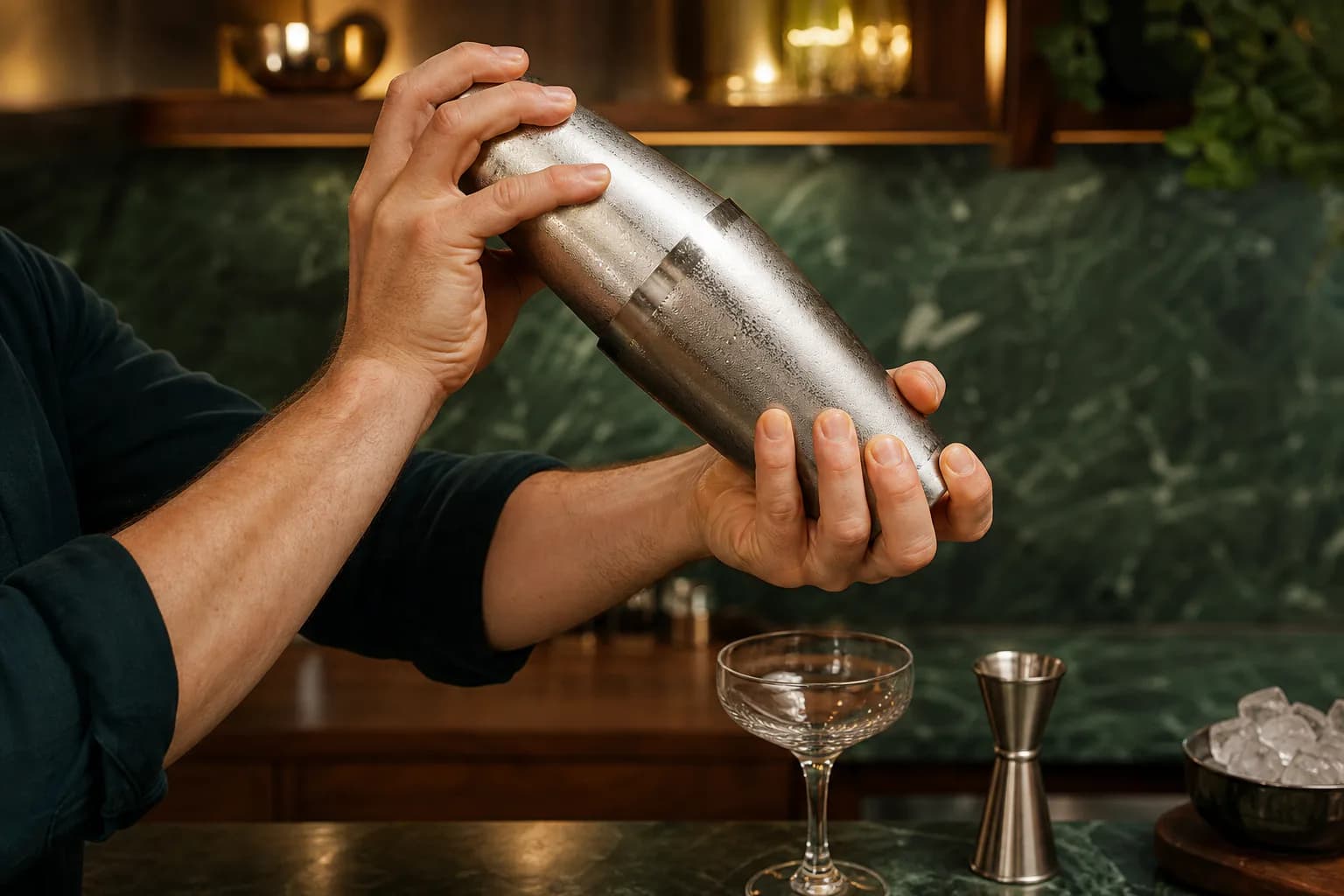
Seal and shake Seal and shake hard
- 05
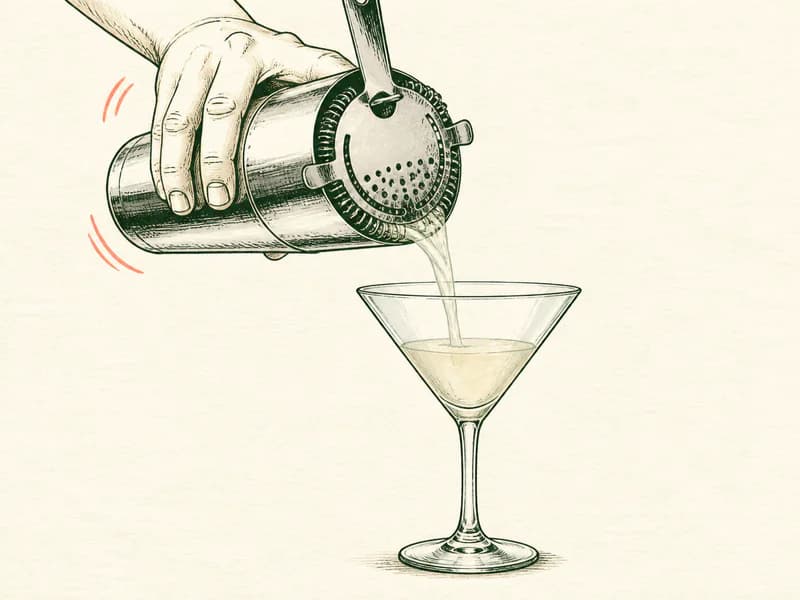
Strain cleanly Strain into a chilled glass — no ice
- 06
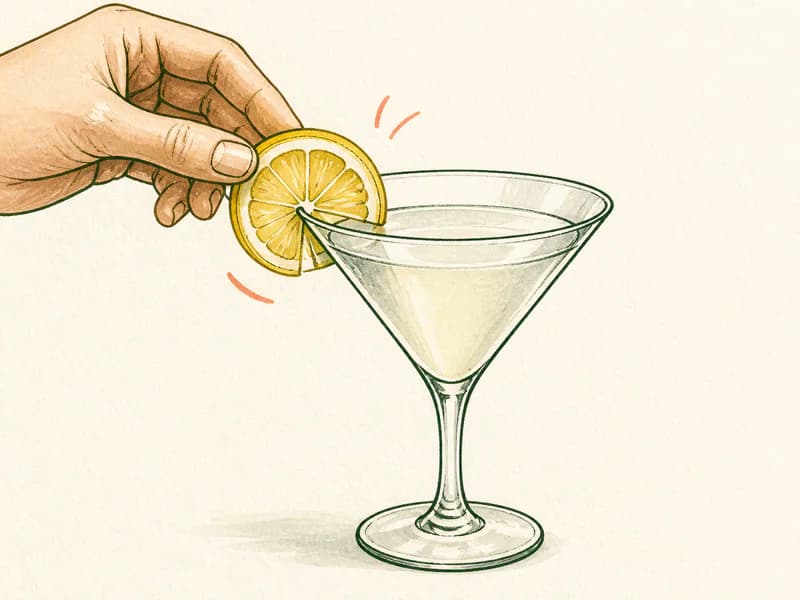
Finish the drink Finish it — add a lemon slice
Know your drink
About the Vodka Martini
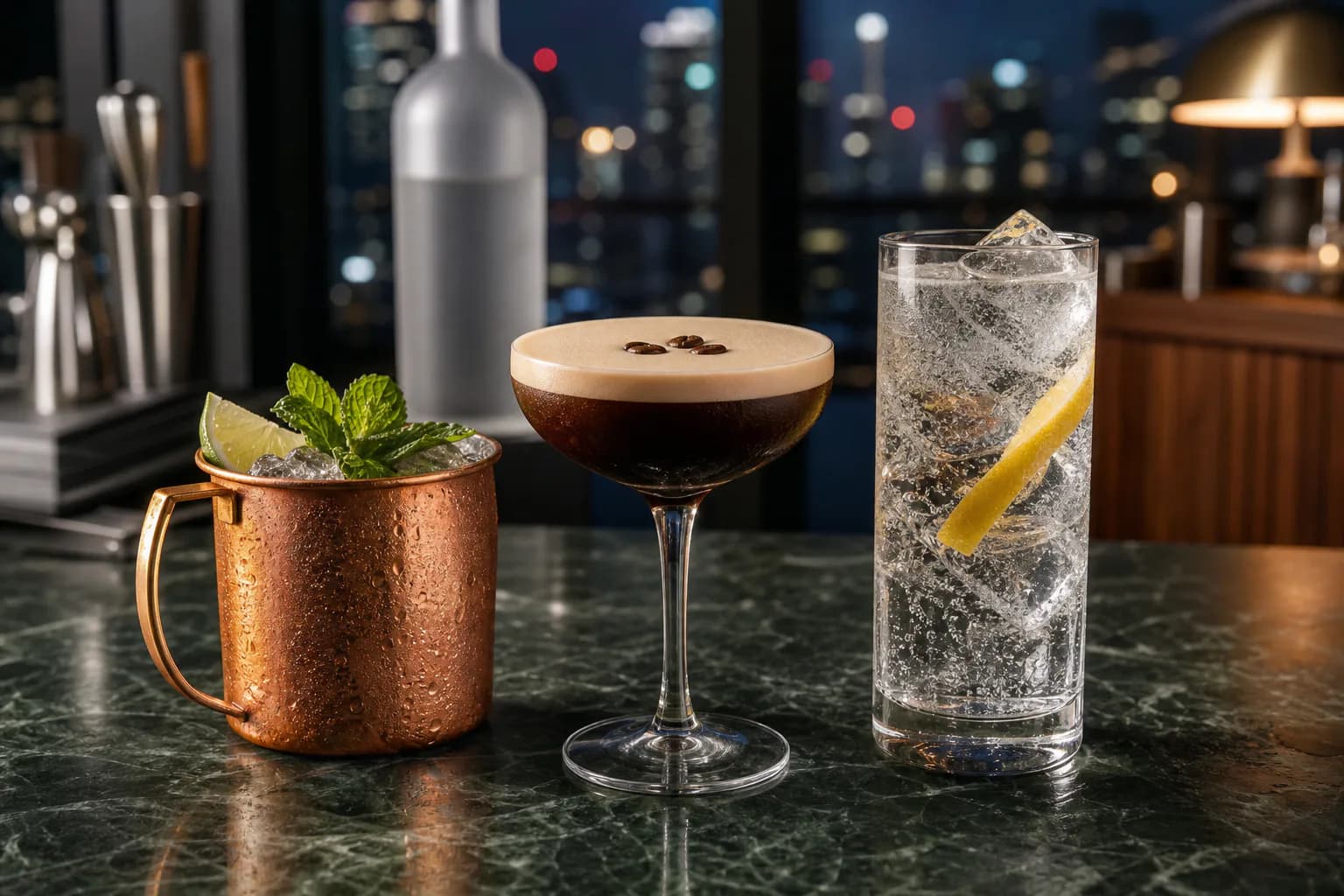
Temperature is the recipe
Two ingredients and no sugar means there is nowhere for a mistake to hide, and the mistake is nearly always heat. Vodka at room temperature tastes thin and hot. The same vodka at minus eighteen tastes viscous and almost sweet, because cold suppresses the volatile compounds your nose reads as burn. Freezer, always.
Dilution matters just as much and gets discussed far less. However this reaches the table, roughly a fifth of what ends up in the glass should be water, and getting there without warming it is the entire skill. Under-diluted, it tastes sharp and spirity. Properly diluted, it tastes like a drink.
Common questions
Vodka Martini FAQ
How dry is 10 ml of vermouth, really?
That works out around six to one, which counts as dry today and would have looked positively wet in 1930. Want it drier? Rinse the glass with vermouth and tip it out. If the vodka tastes raw instead, go the other way and use 15 ml.
Does the vodka brand matter here?
More than people admit, because nothing else is in the glass. Wheat vodkas read soft and faintly sweet, rye ones peppery, potato ones thick and oily. Buy mid-shelf, keep the bottle in the freezer, and understand that price above that point mostly buys packaging.
Where do most people go wrong with this?
Almost always temperature. There is no sugar, no citrus and no bitters here to cover for anything, so the drink has to arrive painfully cold. Bottle in the freezer, glass in the freezer, served the second it is poured. A lukewarm one tastes like fumes.
Lemon or an olive?
Citrus oil sprayed across the surface makes the drink smell brighter than it tastes, which flatters a neutral spirit. An olive makes it savory and faintly saline, and gives you something to eat. Pick one. Doing both muddles the only two flavors present.
Is it weaker than a gin Martini?
No. Most vodka and most gin land between 40 and 47 percent, so the strength is near enough identical. Gin only tastes stronger because juniper and spice give your palate something to flinch at. Vodka just arrives without announcing itself.
What ingredients are in a Vodka Martini?
A classic Vodka Martini calls for 60 ml (2 oz) Vodka, 10 ml (0.25 oz) Dry vermouth. That single-serve spec scales cleanly — the recipe above converts it to oz and multiplies it for 2–4 drinks.
How strong is a Vodka Martini?
A standard Vodka Martini is roughly 37% ABV once mixed (before ice melt softens it further). That makes it spirit-forward — closer to a Martini than to a beer, so sip it slowly.
Sharpen the technique
Skills used in this recipe
Where to go next
If you like the Vodka Martini, try these.
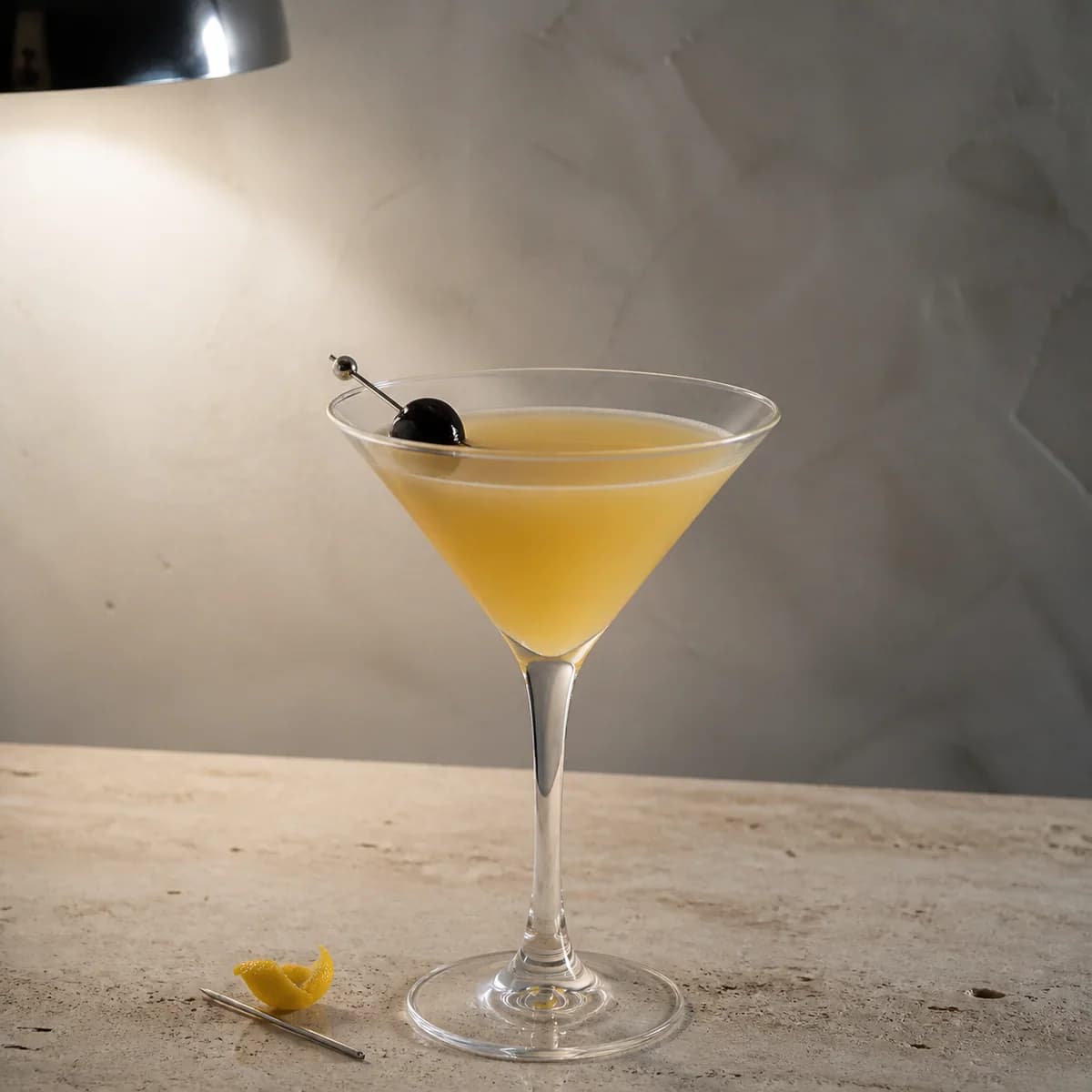
French Martini
Vodka, raspberry liqueur and pineapple juice, shaken to a silky foam. Fruity, elegant and very easy to like.
View recipe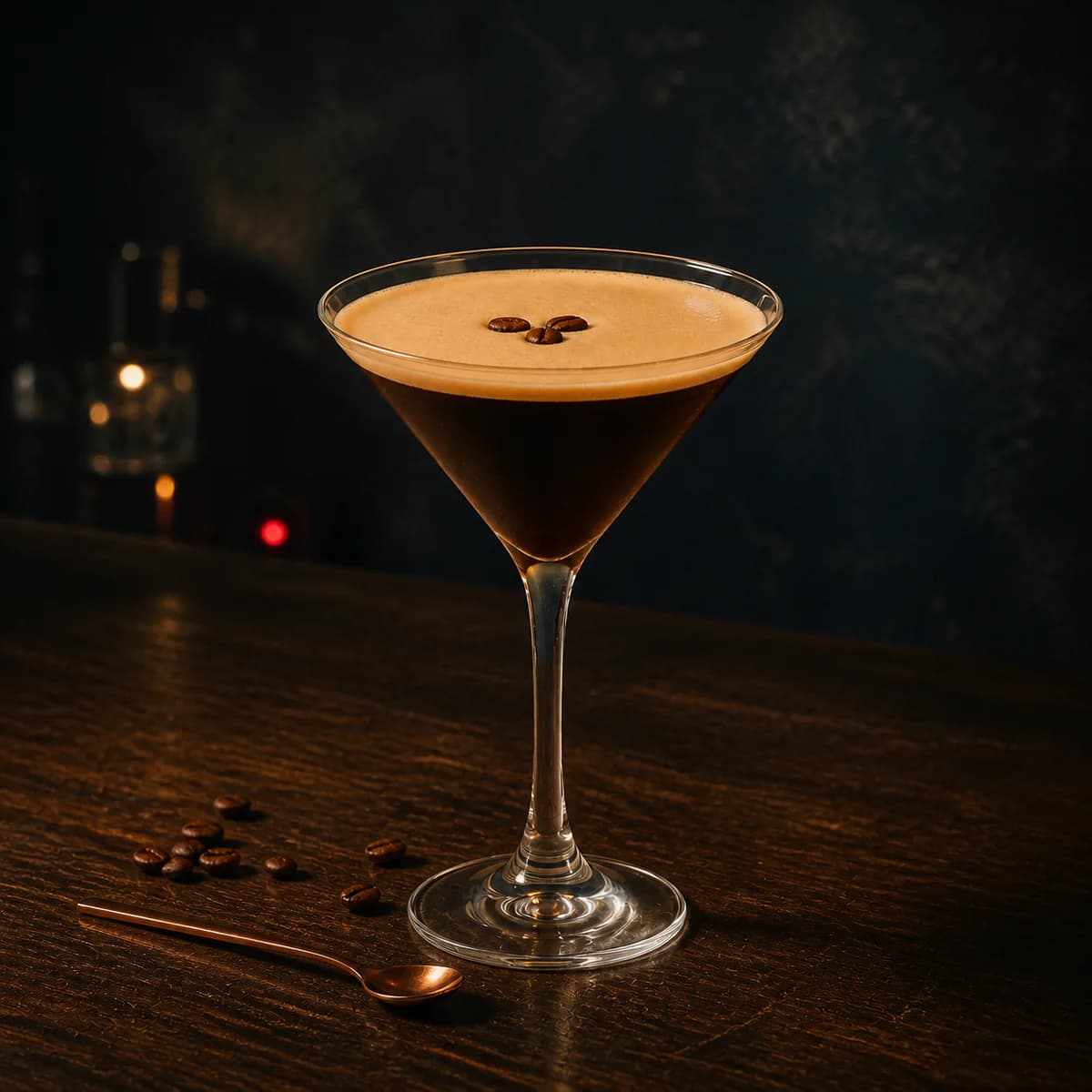
Espresso Martini
Vodka, coffee liqueur and a shot of fresh espresso, shaken to a thick foam. The drink that wakes you up and sits you down at once.
View recipe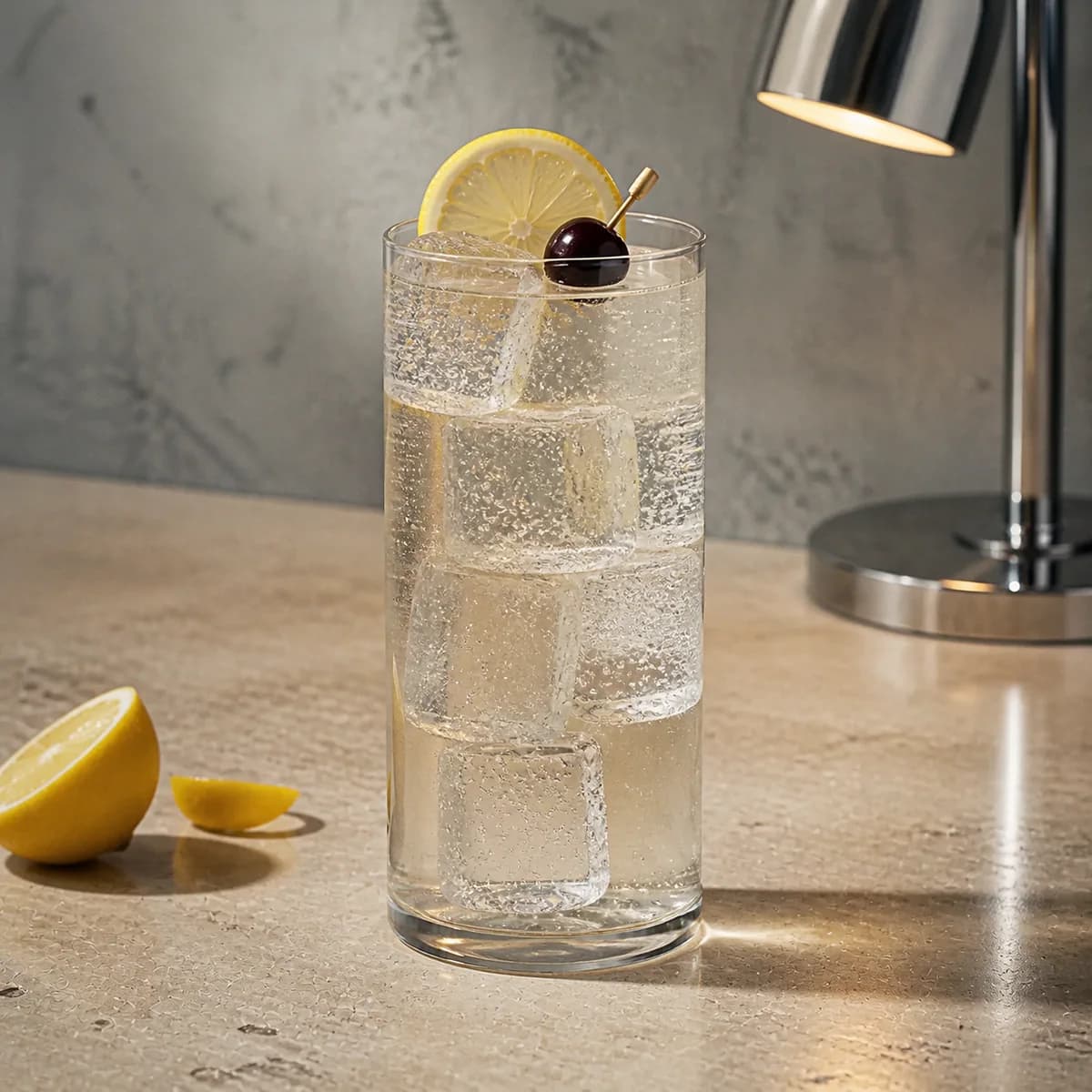
Vodka Collins
Same build as a Tom Collins with the gin taken out, which means the botanicals go with it. What's left is lemonade with a spine, and it disappears faster than 45 ml of vodka ought to.
View recipe