Classic cocktail · Guided recipe
Waldorf
Start makingAnise is the whole difference here. Take a Manhattan, add a single dash of absinthe, and the drink turns darker and slightly medicinal without the rye losing any ground. Sweet vermouth and Angostura hold their usual places.
In the glassRye whiskey · Sweet vermouth · Absinthe · Angostura bitters
See exact amounts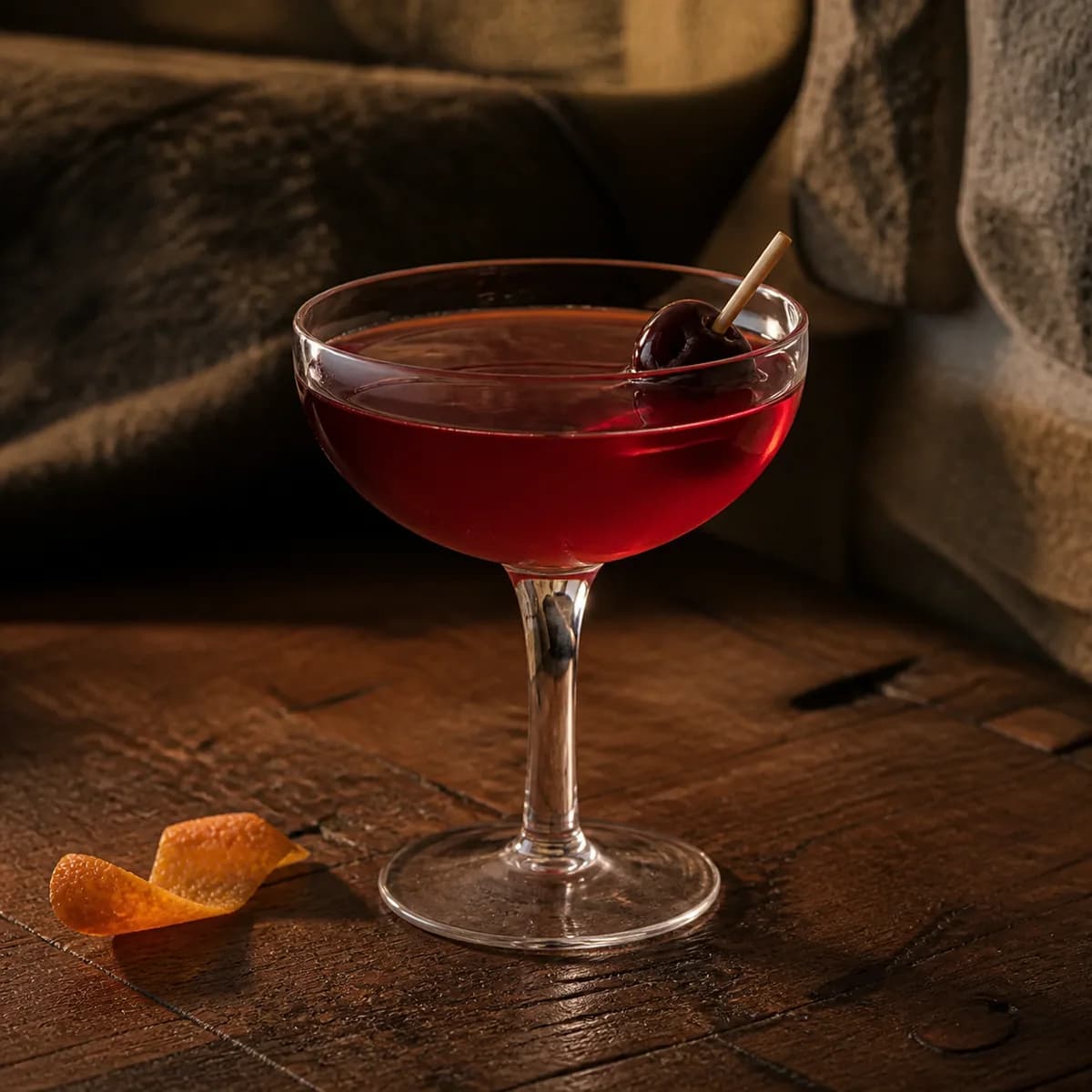
What goes in
Ingredients
Set up before you pour
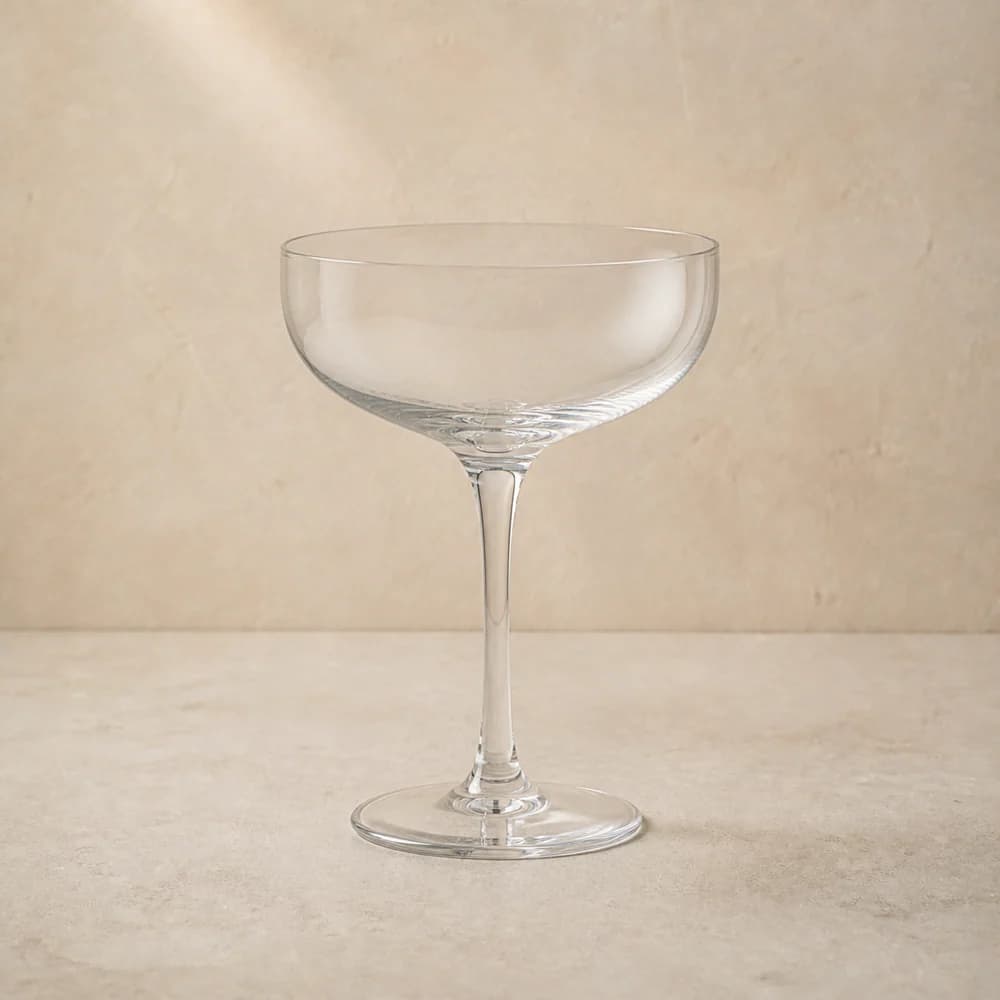
Use a coupe glass.
The stem keeps your hand away from a cold drink, while the rounded bowl makes an up serve easy to sip.
- Standard size
- 200 ml6¾ oz
- Ice & serve
- Chill it first; serve without ice.
- If you don’t own one
- Use a small martini glass or stemmed dessert glass.
- cocktail shaker
- strainer (or a small sieve)
- jigger or measuring spoon
- Rye whiskey45 ml
- Sweet vermouth22 ml
- Absinthe1 dash
- Angostura bitters2 dashes
From bottle to glass
Method
- 01
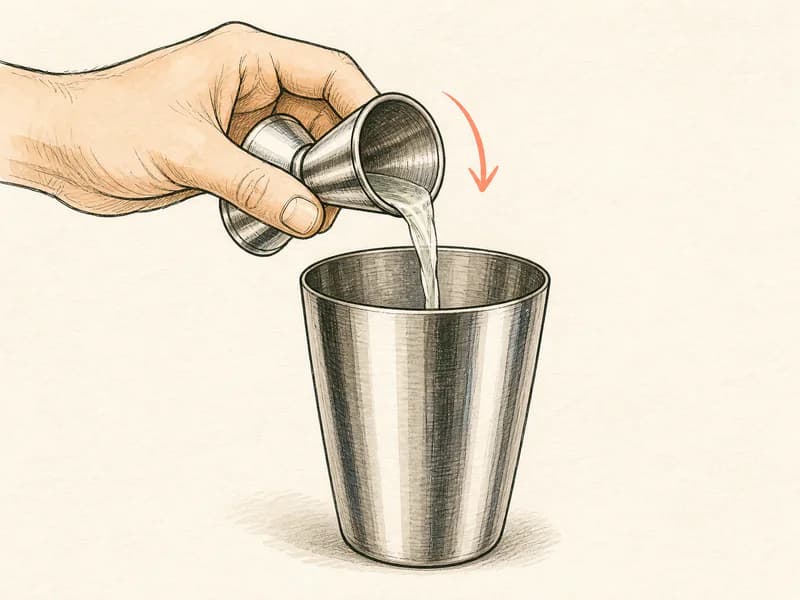
Measure into the shaker Pour 45 ml rye whiskey into your shaker
 Rye whiskey
- 02
Measure into the shaker Add 22 ml sweet vermouth
 Sweet vermouth
- 03
Measure into the shaker Add 1 dash absinthe
 Absinthe
- 04
Measure into the shaker Add 2 dashes Angostura
 Angostura bitters
- 05
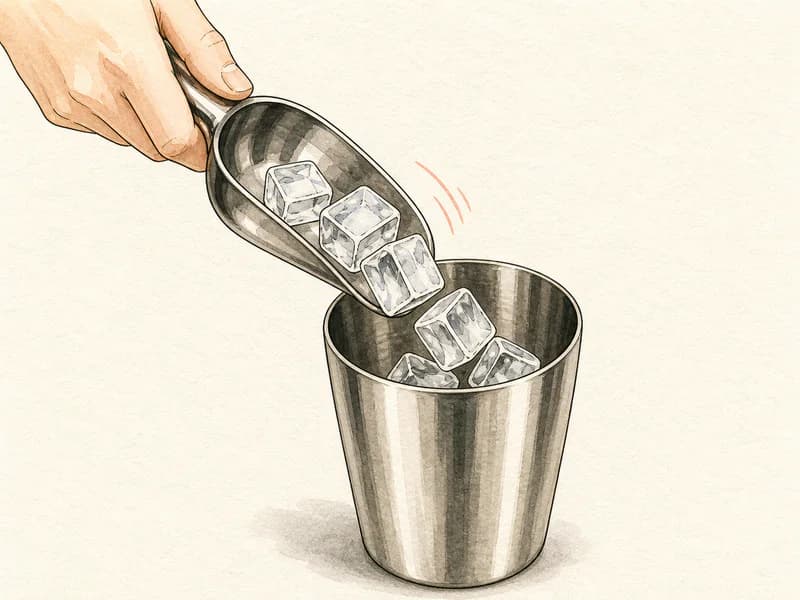
Ice the shaker Fill the shaker with ice
- 06
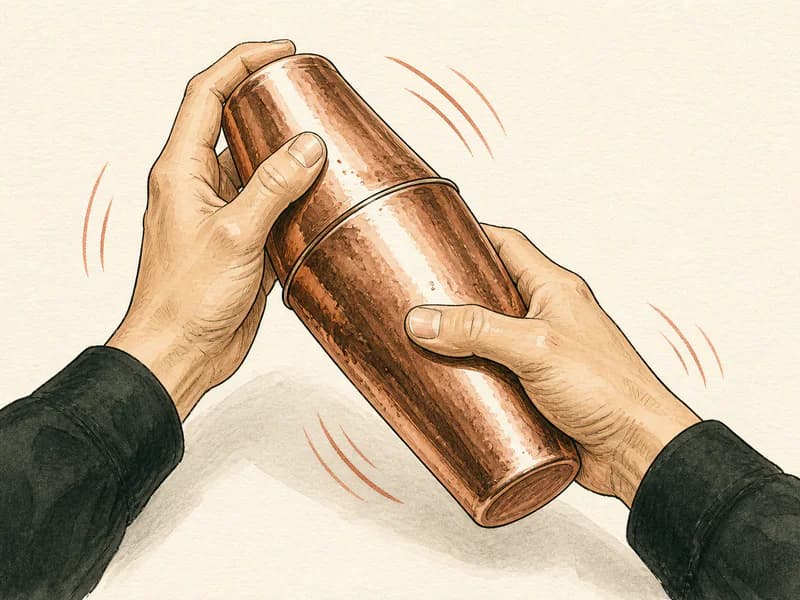
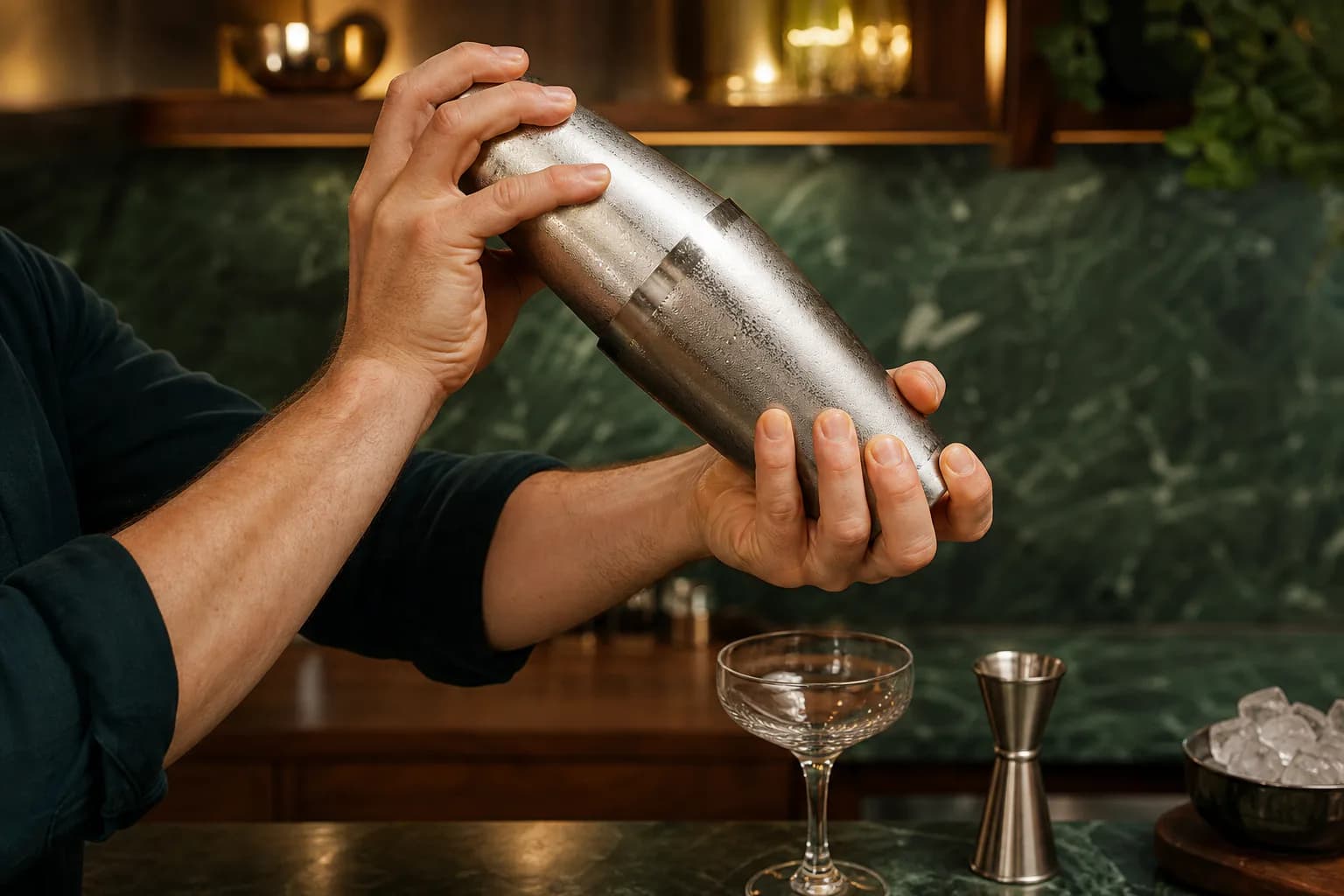
Seal and shake Seal and shake hard
- 07
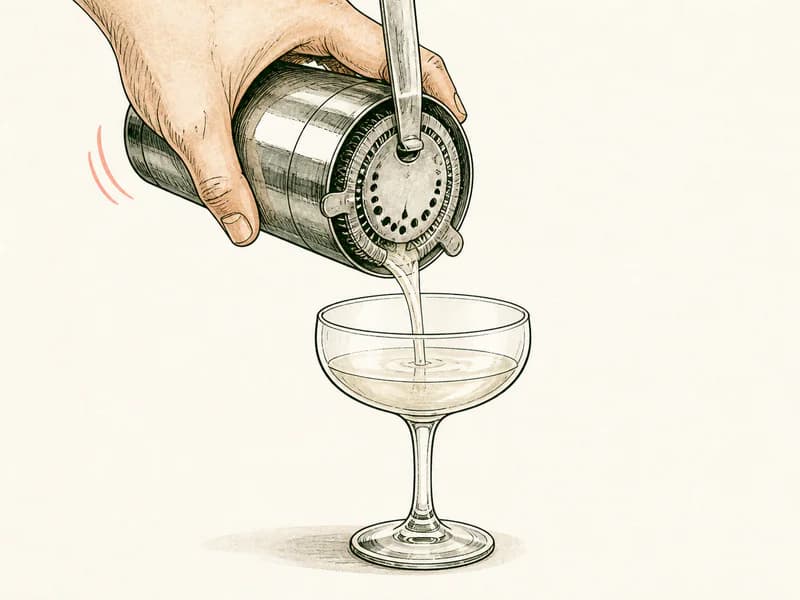
Strain cleanly Strain into a chilled glass — no ice
- 08
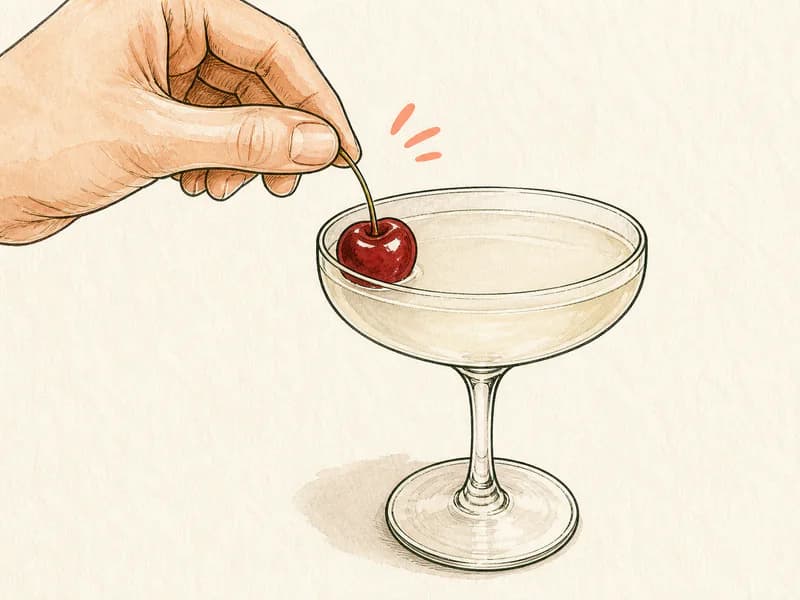
Finish the drink Finish it — add a cocktail cherry
Know your drink
About the Waldorf
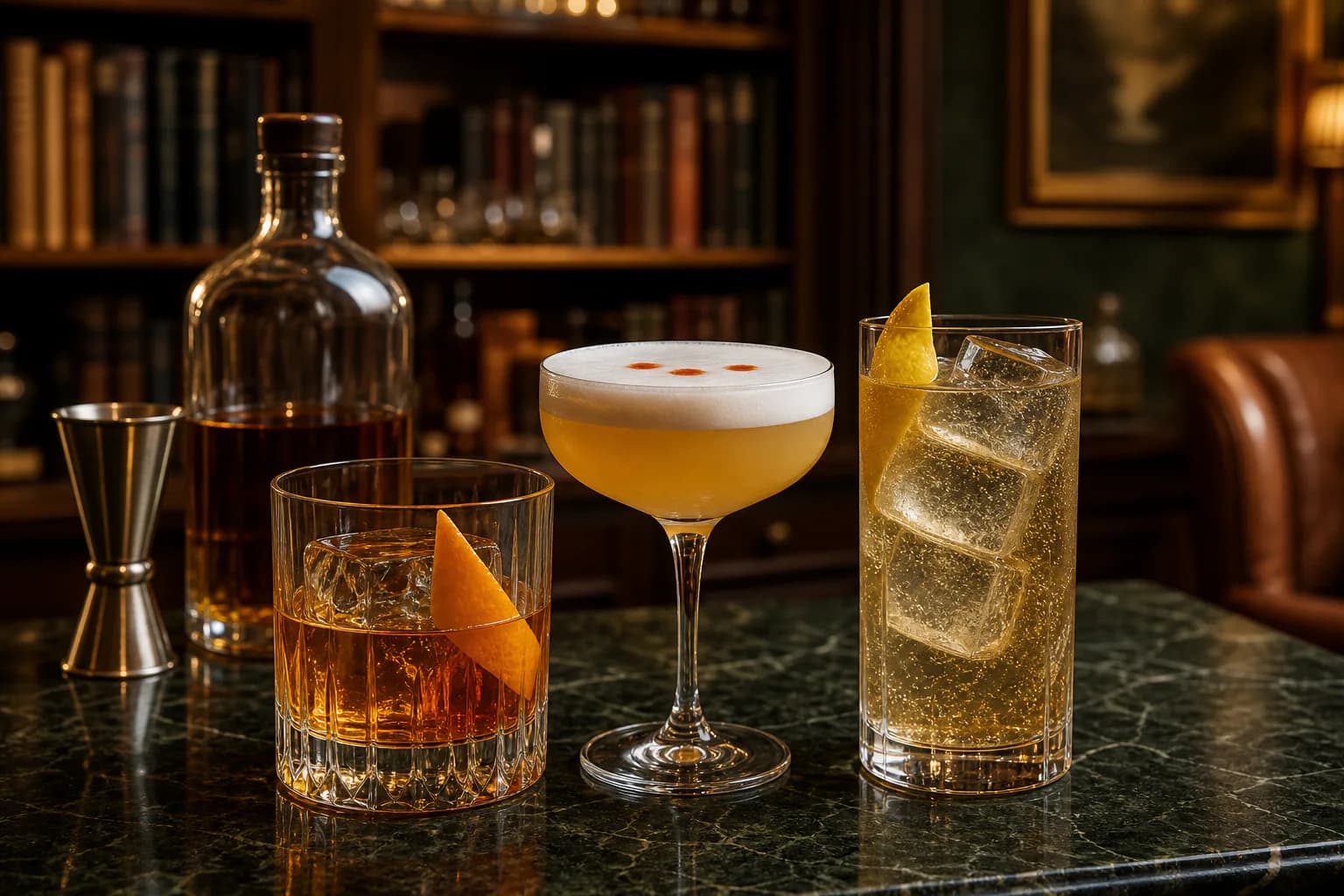
Between Manhattan and Sazerac
Rye, sweetness, bitters and anise are also the four working parts of a Sazerac. What separates them is where the sweetness comes from: a sugar cube in one, a third of a glass of vermouth in the other, which is the difference between a sharp drink and a soft one. Line them up on the same evening and the family resemblance is hard to miss.
Common questions
Waldorf FAQ
One dash of absinthe against 45 ml of rye. Can you actually taste it?
On the nose, immediately. Anise is light and volatile, so it sits across the top of the glass while the whiskey and vermouth work underneath. Go to two dashes and the balance flips: you end up with a licorice drink that happens to contain rye.
Isn't this a Remember the Maine without the cherry liqueur?
Same skeleton, different flesh. Both run rye, sweet vermouth and absinthe. The Maine adds cherry liqueur, which sweetens it and pushes it toward dark fruit. Without that, this one stays leaner and lets the Angostura's clove and cinnamon show more clearly.
What is the Angostura doing that the absinthe is not?
Weight, mostly. Angostura pushes the vermouth toward dried fruit and clove, which is what makes the drink read as a Manhattan at all, while the absinthe works up on the nose. Swap in orange bitters and you lift the anise but thin out the middle.
The vermouth stays at 22 ml. What else pulls the sugar back?
Push the Angostura to three dashes and switch away from the richer vermouths. Carpano Antica carries noticeably more sugar than a Dolin Rouge or a Cocchi. Temperature matters just as much: a lukewarm whiskey drink always tastes sweeter than a properly cold one.
What ingredients are in a Waldorf?
A classic Waldorf calls for 45 ml (1.5 oz) Rye whiskey, 22 ml (0.75 oz) Sweet vermouth, 1 dash absinthe Absinthe, 2 dashes Angostura Angostura bitters. That single-serve spec scales cleanly — the recipe above converts it to oz and multiplies it for 2–4 drinks.
How strong is a Waldorf?
A standard Waldorf is roughly 35% ABV once mixed (before ice melt softens it further). That makes it spirit-forward — closer to a Martini than to a beer, so sip it slowly.
Is a Waldorf shaken or stirred?
A Waldorf is shaken. About 13 seconds with plenty of ice chills and dilutes it correctly.
Sharpen the technique
Skills used in this recipe
Where to go next
If you like the Waldorf, try these.
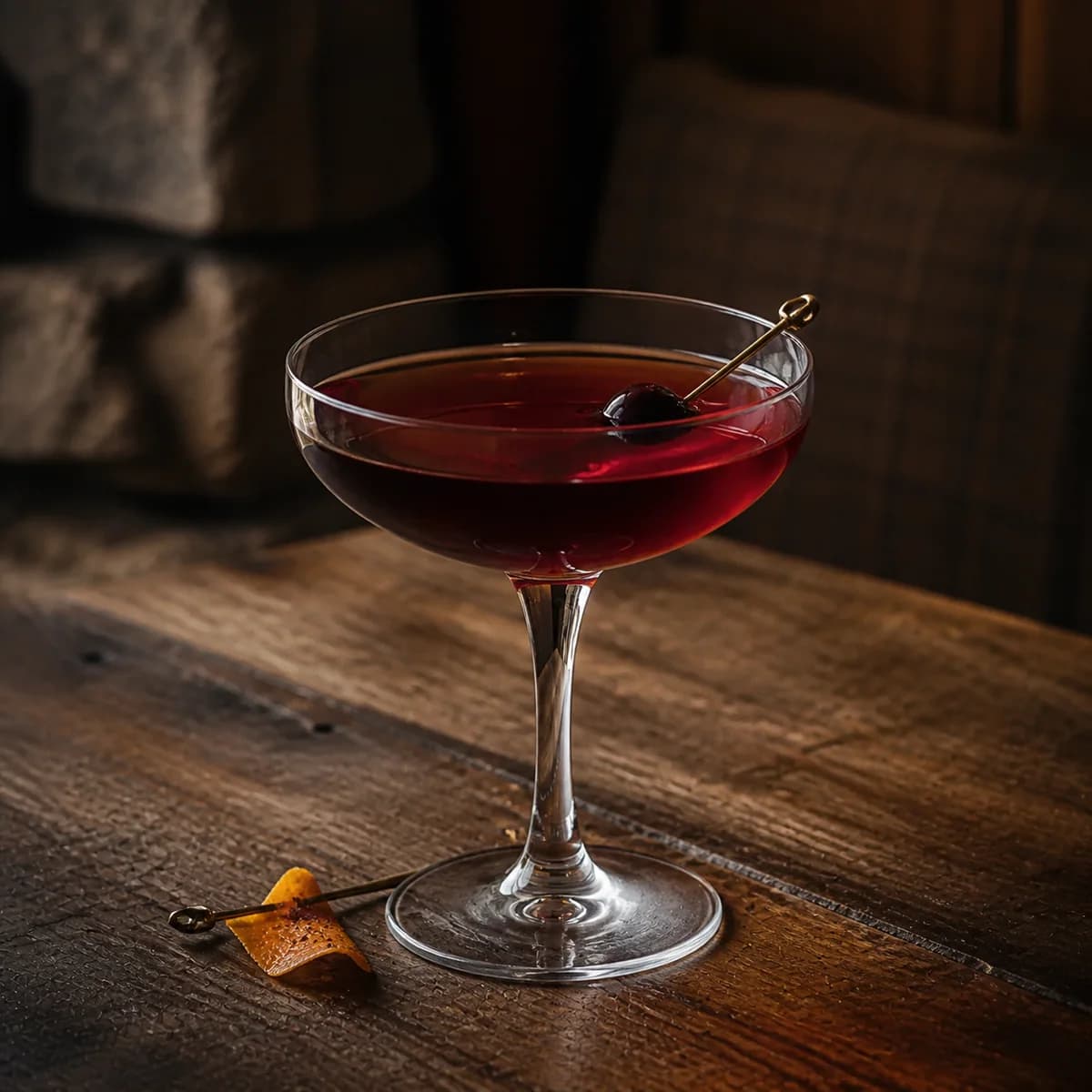
De La Louisiane
A rich New Orleans classic: rye, sweet vermouth and Bénédictine with a whisper of absinthe. Deep and spiced.
View recipe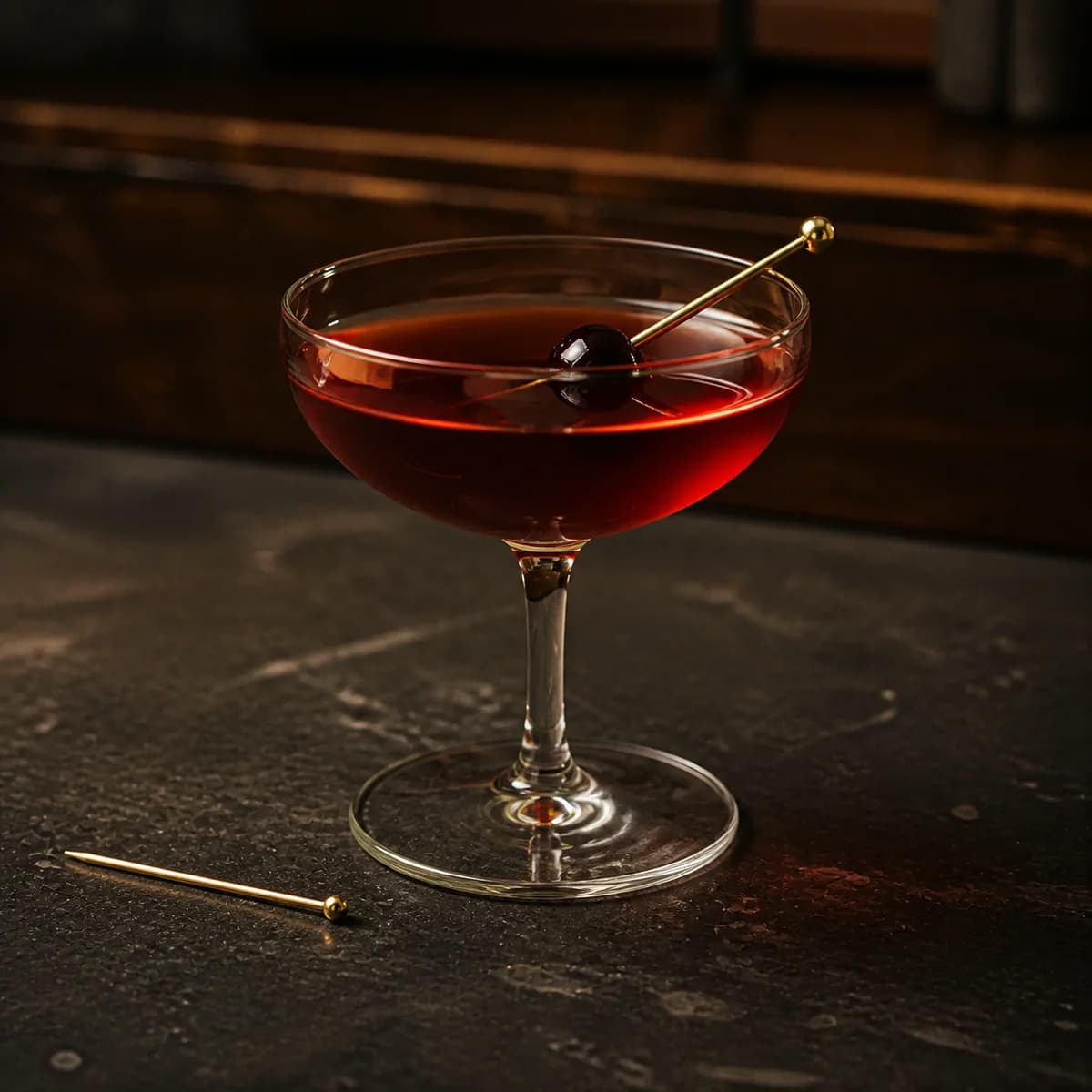
Manhattan
Rye whiskey, sweet vermouth and a couple of dashes of bitters, served up with a cherry. The definitive whiskey cocktail — purists stir it, but a hard shake chills it just as cold.
View recipe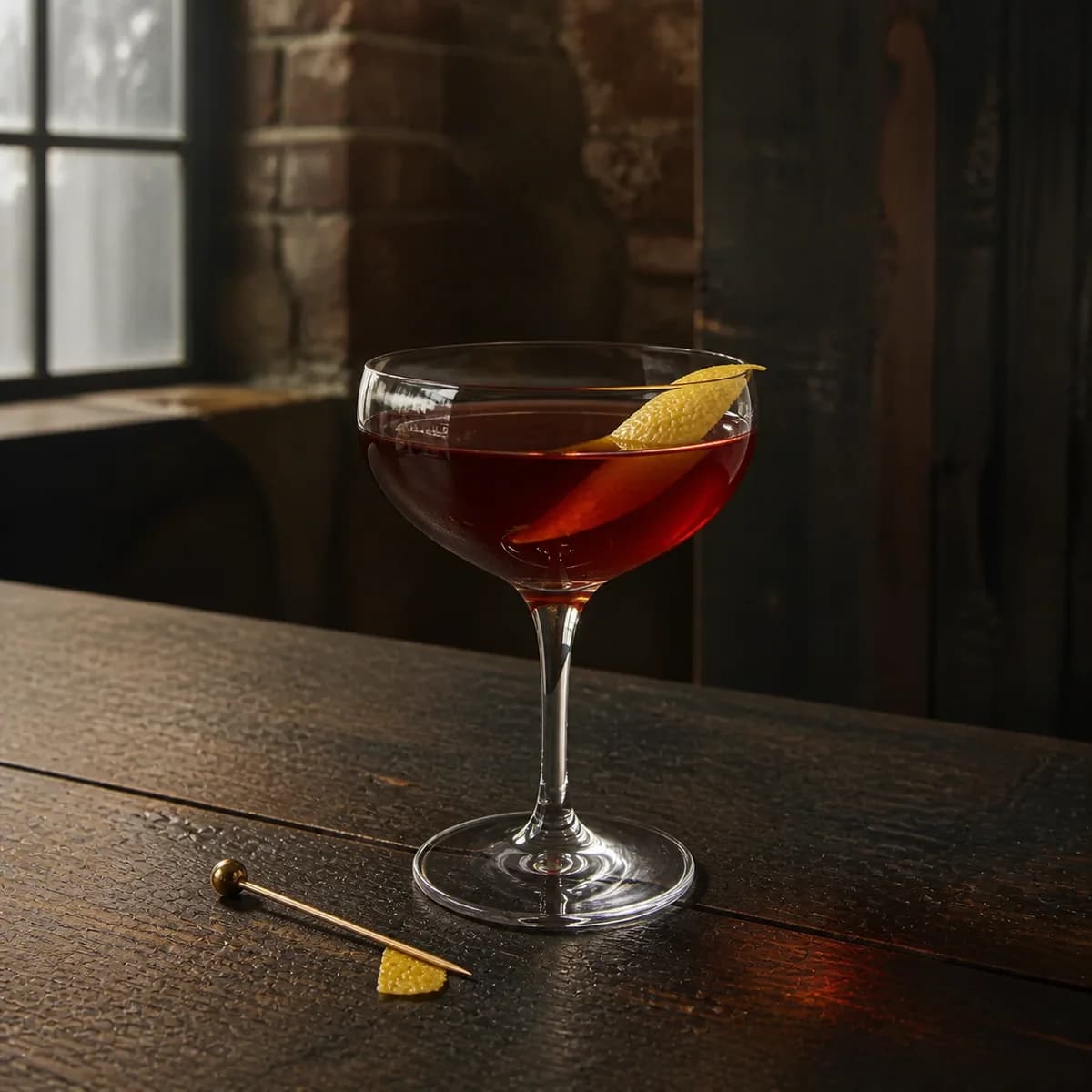
Greenpoint
A Brooklyn cousin with yellow Chartreuse: rye, sweet vermouth and herbal liqueur with a double hit of bitters.
View recipe