Classic cocktail · Guided recipe
Perfect Manhattan
Start makingA Manhattan split between sweet and dry vermouth — a touch drier and more aromatic than the original.
In the glassRye whiskey · Sweet vermouth · Dry vermouth · Angostura bitters
See exact amounts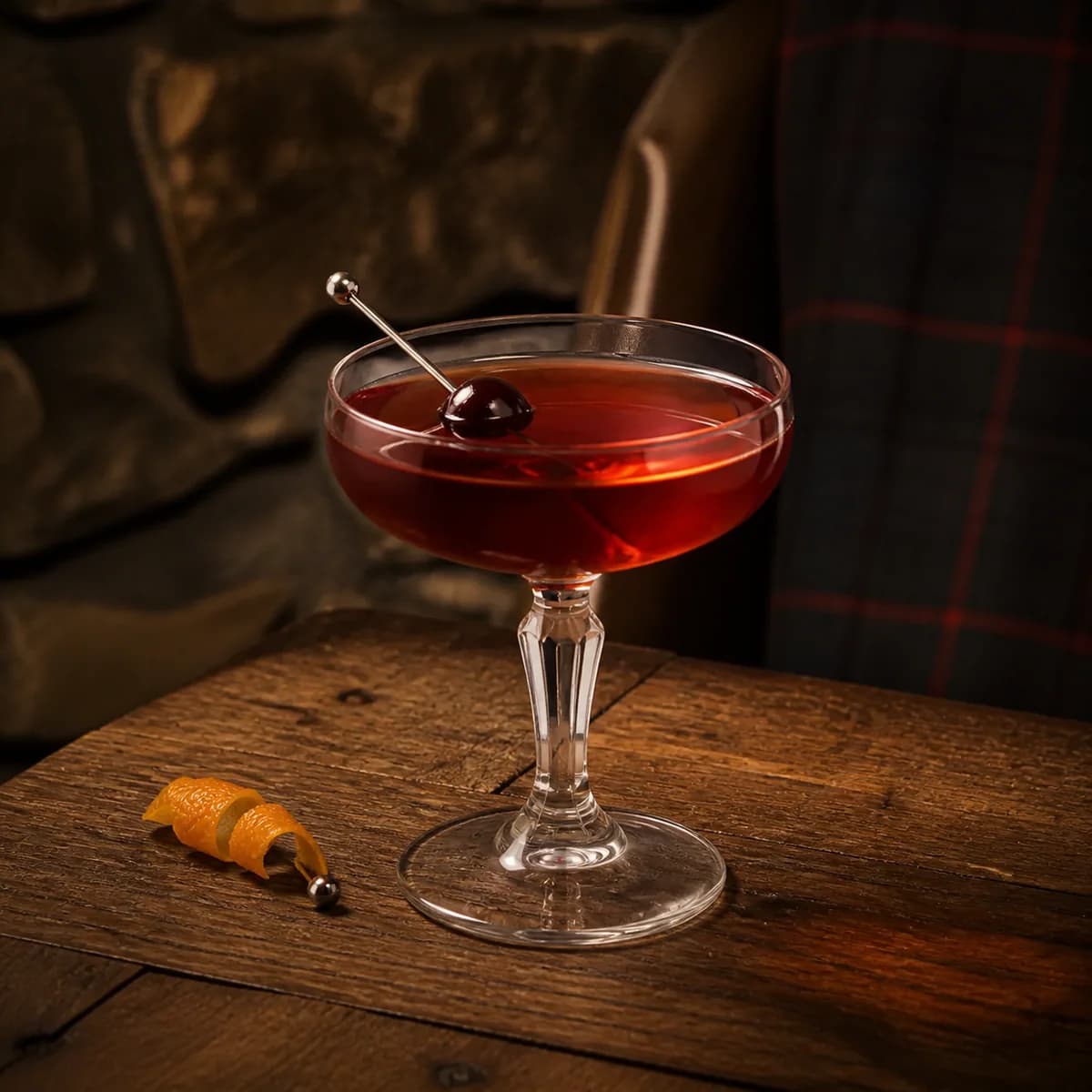
What goes in
Ingredients
Set up before you pour
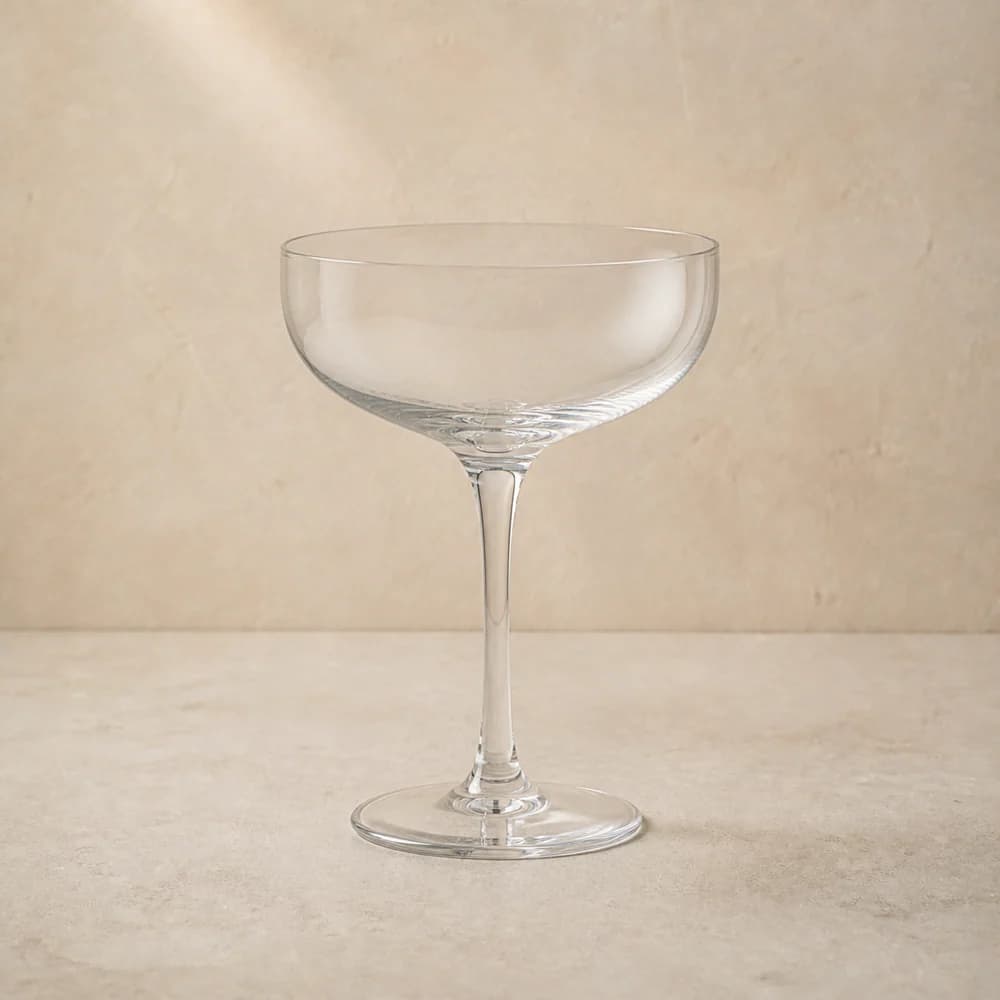
Use a coupe glass.
The stem keeps your hand away from a cold drink, while the rounded bowl makes an up serve easy to sip.
- Standard size
- 200 ml6¾ oz
- Ice & serve
- Chill it first; serve without ice.
- If you don’t own one
- Use a small martini glass or stemmed dessert glass.
- cocktail shaker
- strainer (or a small sieve)
- jigger or measuring spoon
- Rye whiskey60 ml
- Sweet vermouth15 ml
- Dry vermouth15 ml
- Angostura bitters2 dashes
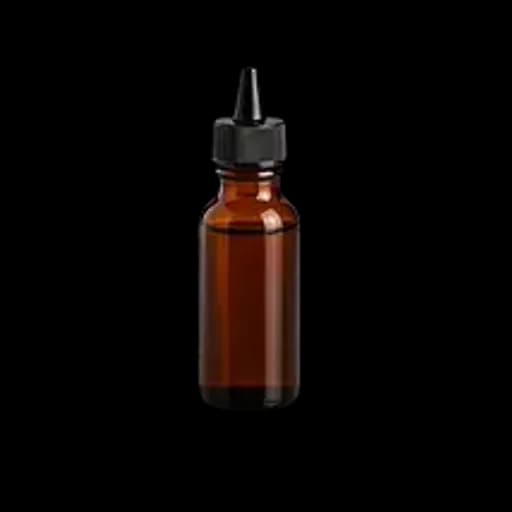
From bottle to glass
Method
- 01
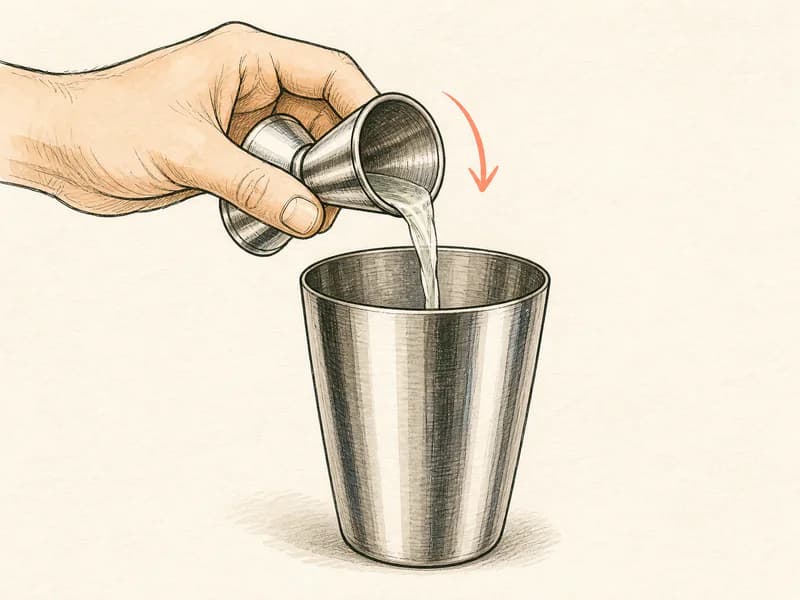
Measure into the shaker Pour 60 ml rye whiskey into your shaker
 Rye whiskey
- 02
Measure into the shaker Add 15 ml sweet vermouth
 Sweet vermouth
- 03
Measure into the shaker Add 15 ml dry vermouth
- Dry vermouth
- 04
Measure into the shaker Add 2 dashes Angostura
 Angostura bitters
- 05
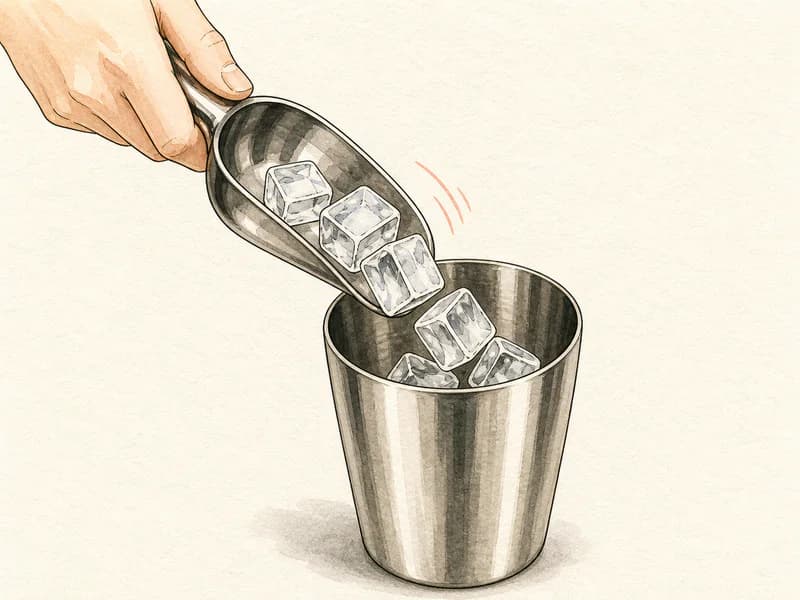
Ice the shaker Fill the shaker with ice
- 06
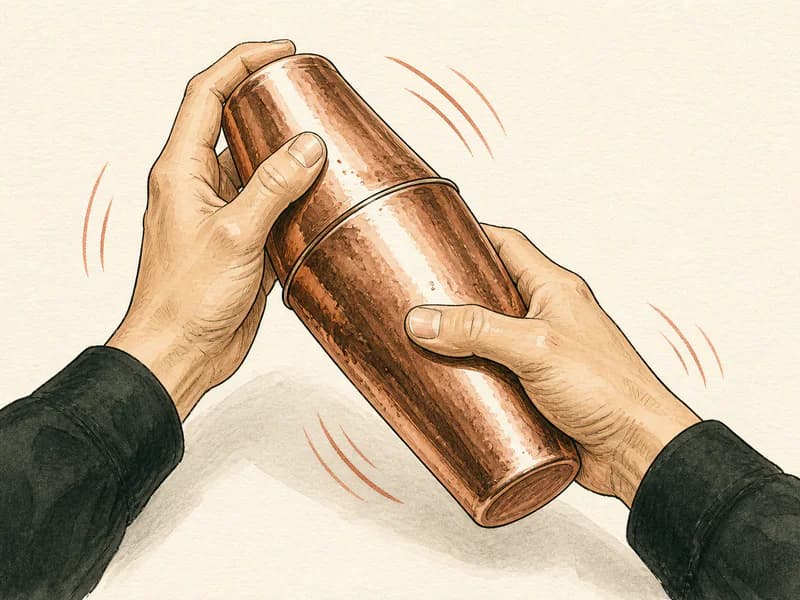
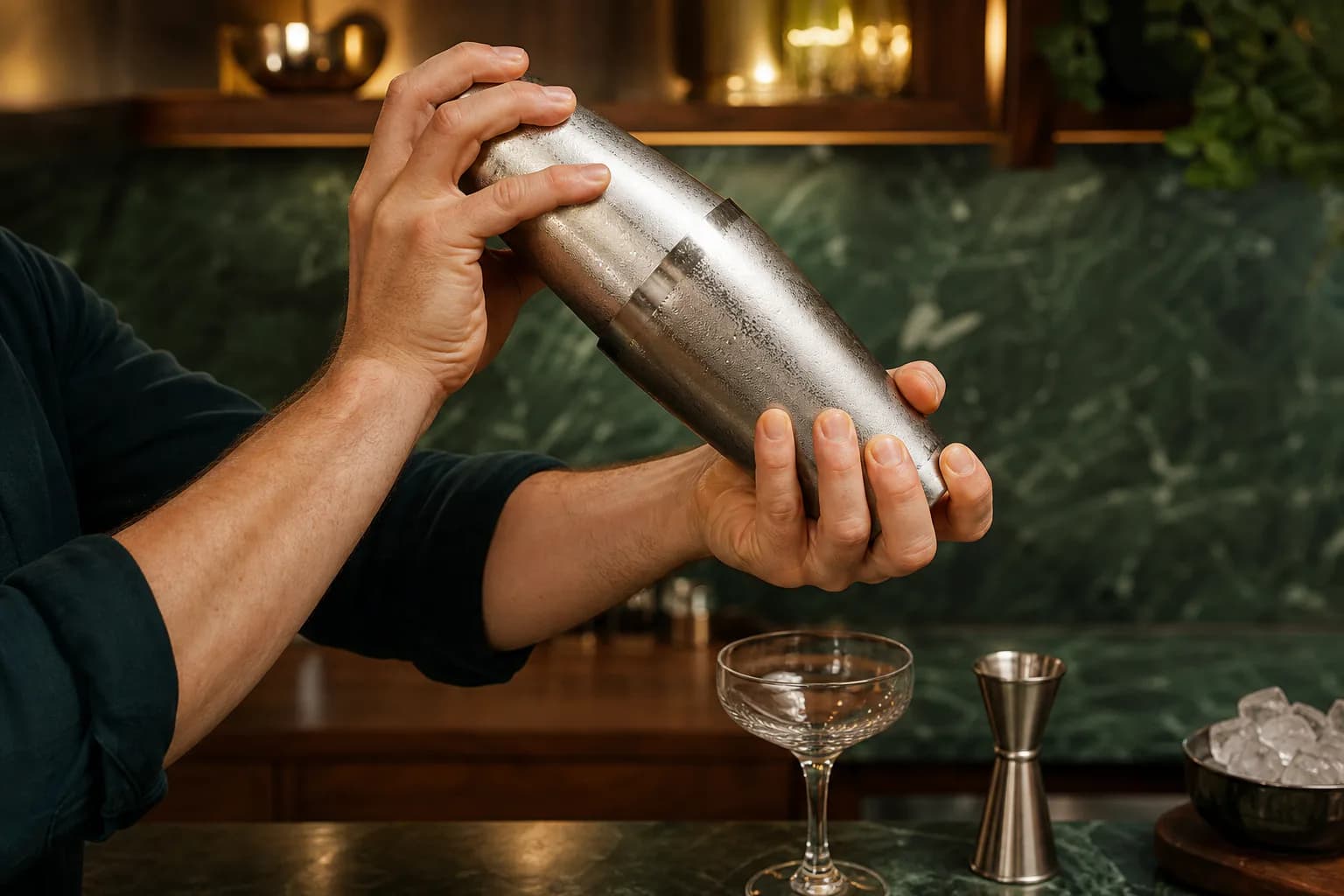
Seal and shake Seal and shake hard
- 07
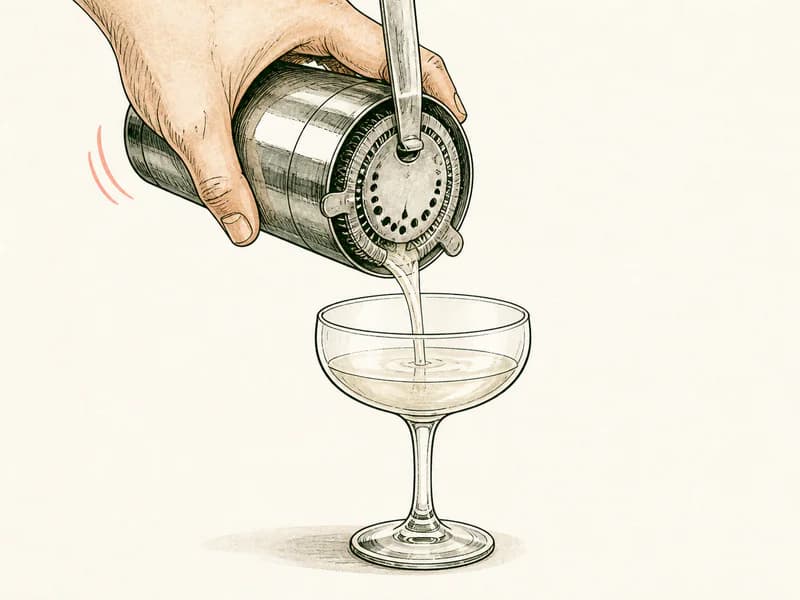
Strain cleanly Strain into a chilled glass — no ice
- 08
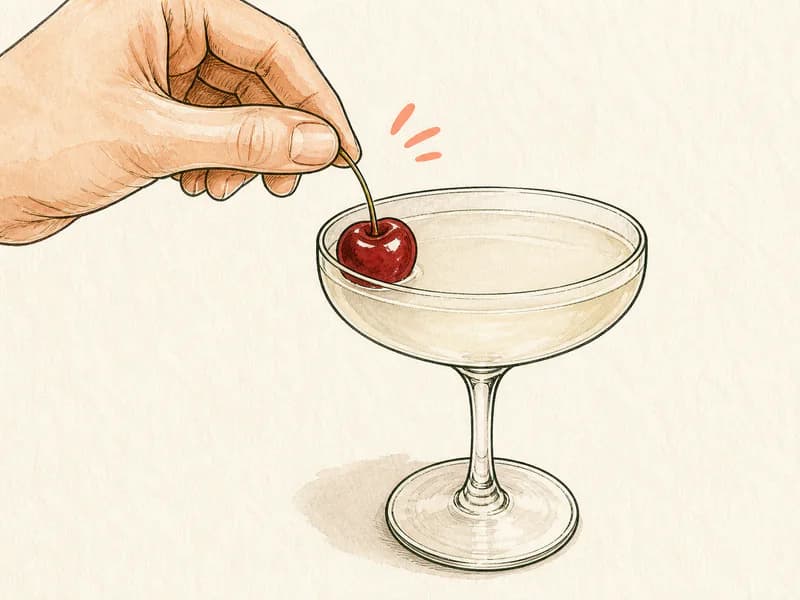
Finish the drink Finish it — add a cocktail cherry
Know your drink
About the Perfect Manhattan
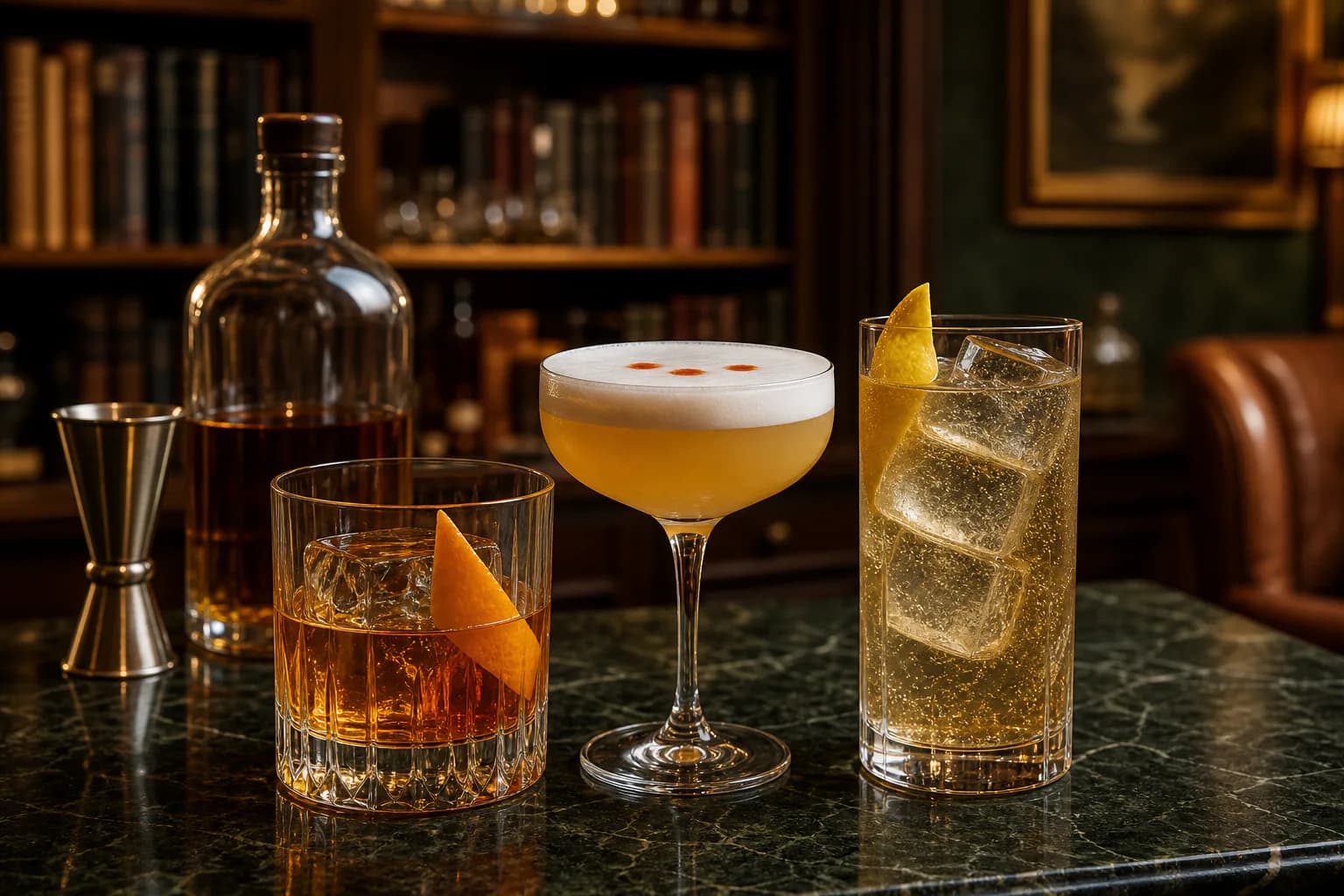
The split-vermouth family
Split vermouth is an old convention, not a modern flourish. A Perfect Martini, a Perfect Rob Roy, a Perfect Manhattan: in each case half the vermouth is dry and half is sweet, and in each case the result sits between the two parent drinks rather than replacing either. It's the closest thing cocktails have to a dimmer switch.
The part most people get wrong is storage. Two open bottles of vermouth means twice the chance one has gone stale, and stale vermouth is the single most common reason a Manhattan of any kind tastes dull. Both belong in the fridge, both are wine rather than spirit, and both are finished inside a month or thrown out without guilt.
Common questions
Perfect Manhattan FAQ
What does 'perfect' mean in a drink's name?
It means the vermouth is split half sweet and half dry. Nothing to do with quality. The same convention gives you a Perfect Martini and a Perfect Rob Roy, and it's one of the few pieces of old bar shorthand that survived intact onto modern menus.
Cherry or lemon twist?
Both are defensible and the split vermouth is why. Dry vermouth pulls the drink toward citrus and herbs, which a twist of lemon flatters. The cherry is the inherited garnish and leans on the sweet side. Plenty of bars serve a twist here and a cherry on the standard version.
Which two vermouths work together?
Something restrained on the sweet side, since it only has 15 ml to say its piece. Cocchi Storico or Martini Riserva Rubino pair cleanly with Dolin Dry. Carpano Antica is a poor choice here despite being excellent elsewhere, because its vanilla swamps the dry half and you lose the reason for splitting at all.
Is it stronger than the standard version?
Barely different. The vermouth still totals 30 ml either way, and dry vermouth runs about a point lower in alcohol than sweet, so the number in the glass hardly moves. It tastes stronger because the sugar drops, and sweetness is what usually disguises proof.
Can I make it with bourbon?
You can, and it comes out softer and rounder. Rye is the better match because its pepper gives the dry vermouth something to push against, where bourbon's sweetness fills the gap the split was meant to open. If you use bourbon, tilt the vermouth toward dry, say 18 ml to 12.
What ingredients are in a Perfect Manhattan?
A classic Perfect Manhattan calls for 60 ml (2 oz) Rye whiskey, 15 ml (0.5 oz) Sweet vermouth, 15 ml (0.5 oz) Dry vermouth, 2 dashes Angostura Angostura bitters. That single-serve spec scales cleanly — the recipe above converts it to oz and multiplies it for 2–4 drinks.
How strong is a Perfect Manhattan?
A standard Perfect Manhattan is roughly 36% ABV once mixed (before ice melt softens it further). That makes it spirit-forward — closer to a Martini than to a beer, so sip it slowly.
Sharpen the technique
Skills used in this recipe
Where to go next
If you like the Perfect Manhattan, try these.
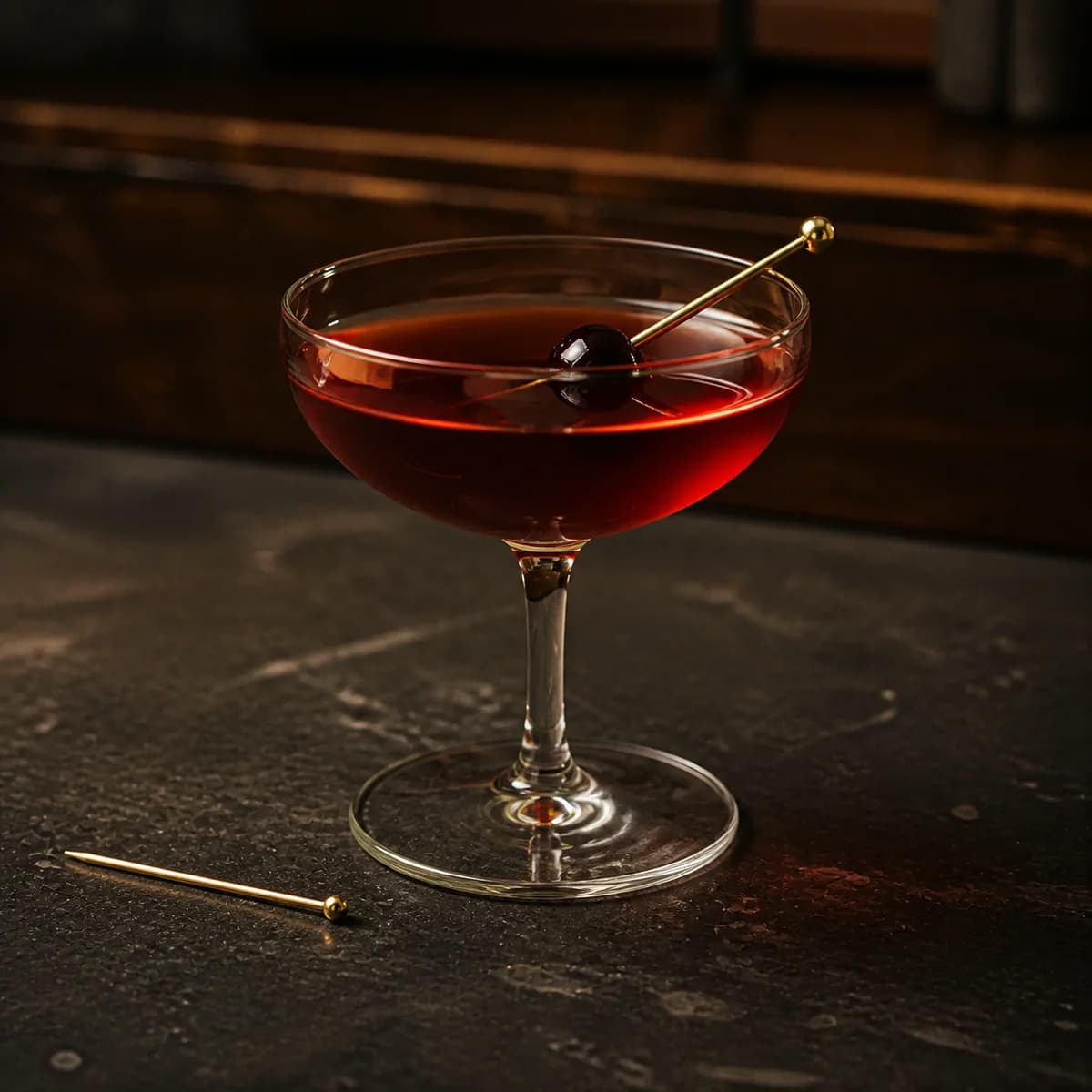
Manhattan
Rye whiskey, sweet vermouth and a couple of dashes of bitters, served up with a cherry. The definitive whiskey cocktail — purists stir it, but a hard shake chills it just as cold.
View recipe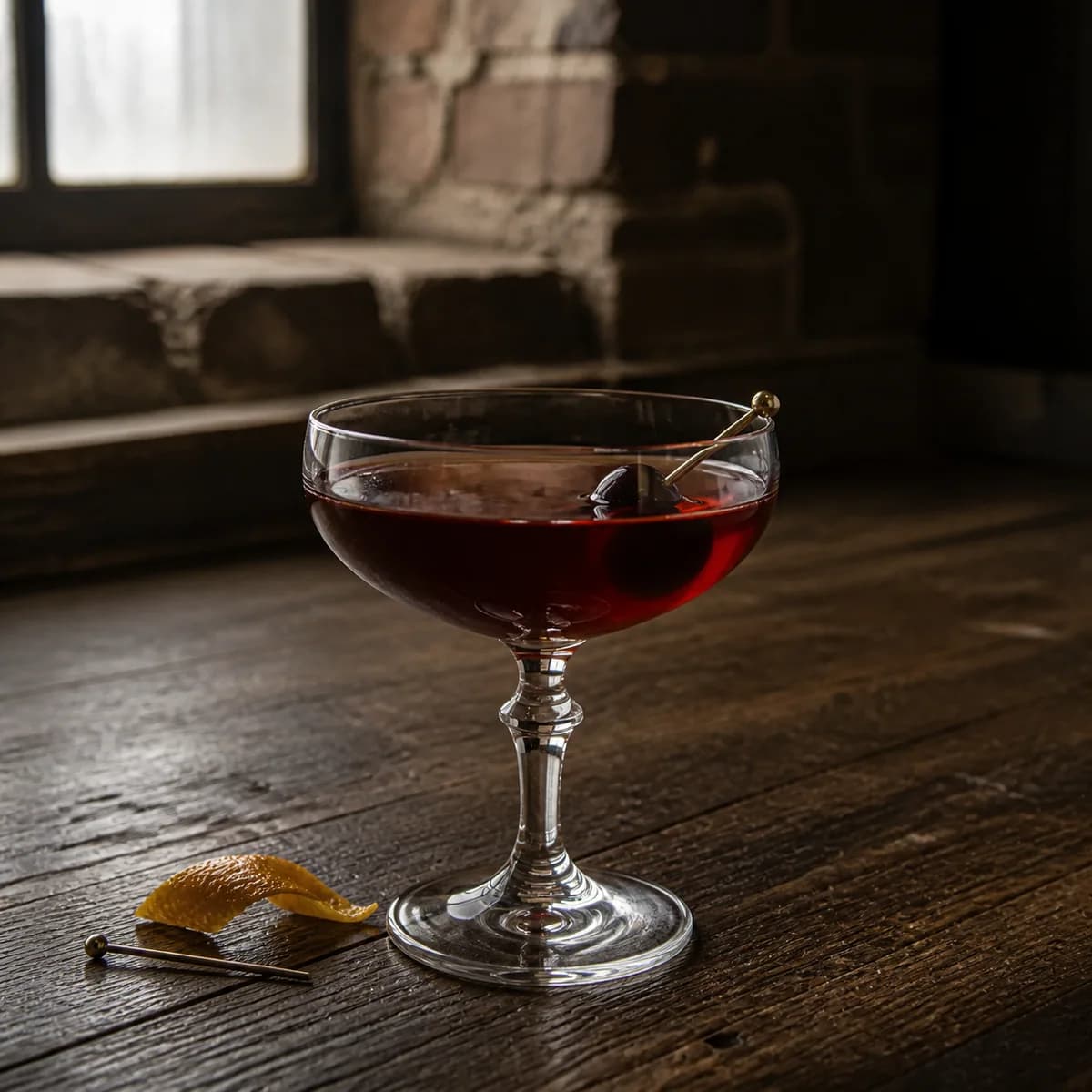
Reverse Manhattan
A Manhattan flipped: vermouth leads and whiskey supports, for a lower-proof, aromatic sipper that’s all about the wine.
View recipe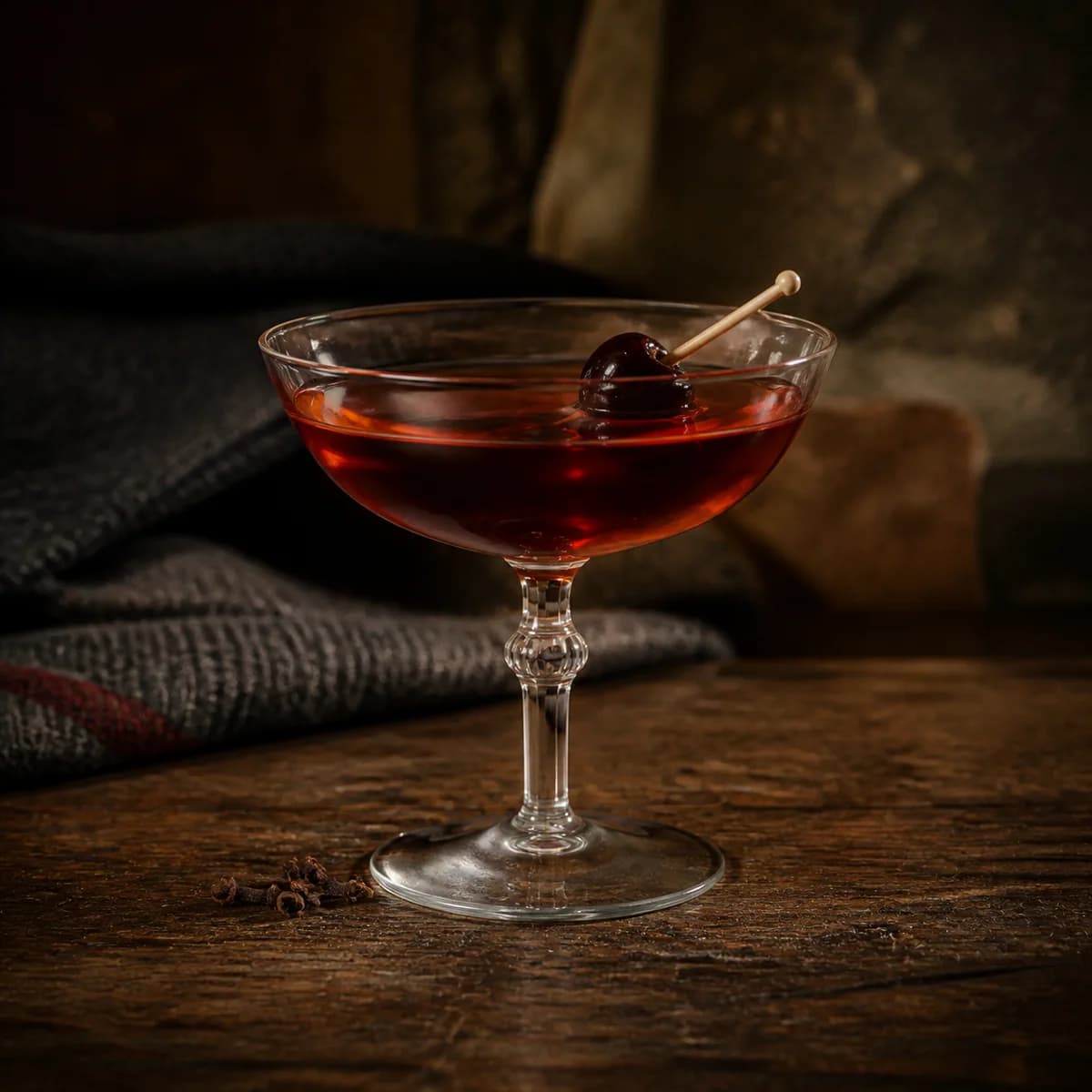
Black Manhattan
A Manhattan with amaro standing in for the vermouth — darker, bittersweet and coffee-edged. A modern bartender favourite.
View recipe