Classic cocktail · Guided recipe
Widow's Kiss
Start makingA rich autumnal classic: apple brandy fortified with both Chartreuse and Bénédictine. Sweet, herbal and warming — a dessert in a glass.
In the glassApple brandy · Yellow Chartreuse · Bénédictine · Angostura bitters
See exact amounts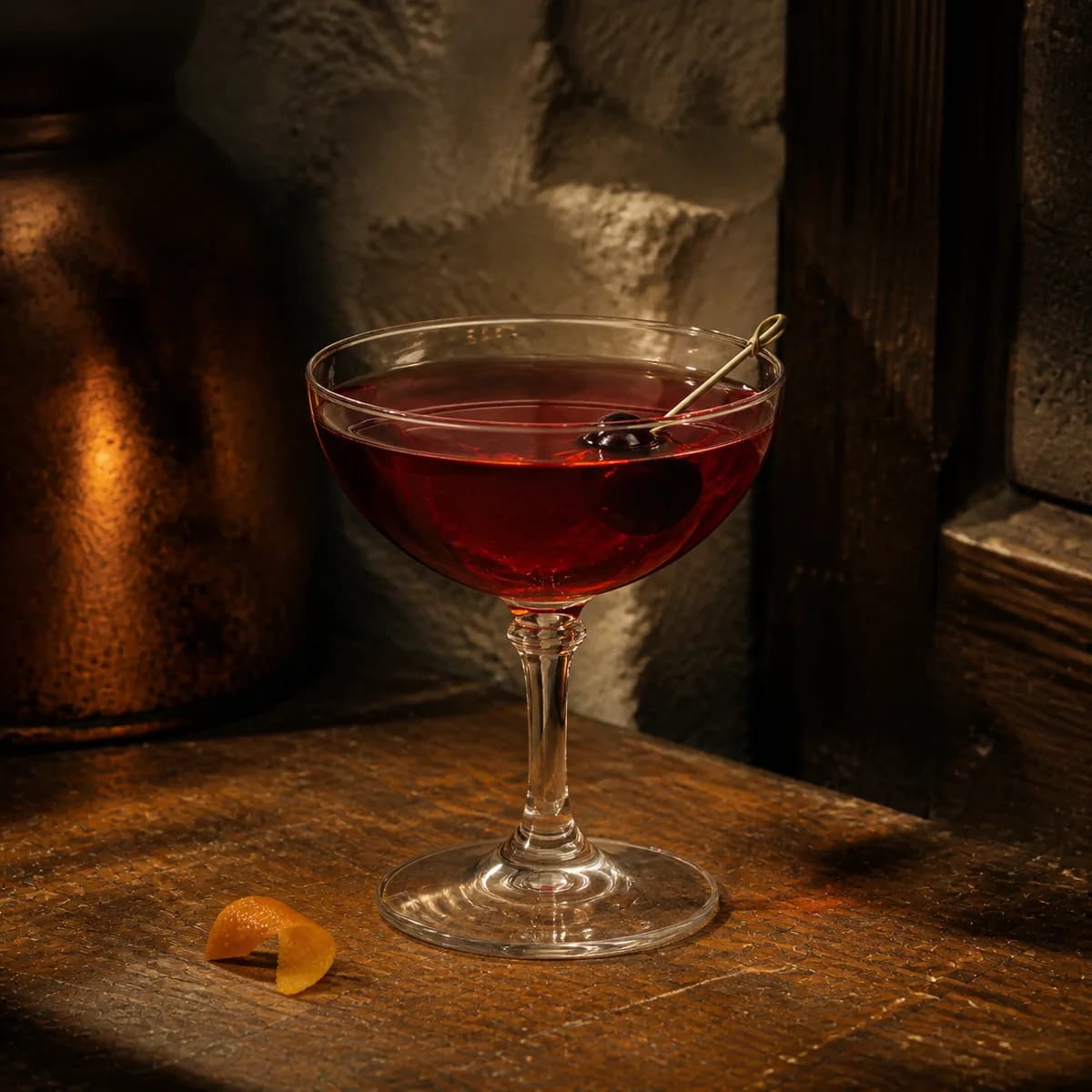
What goes in
Ingredients
Set up before you pour
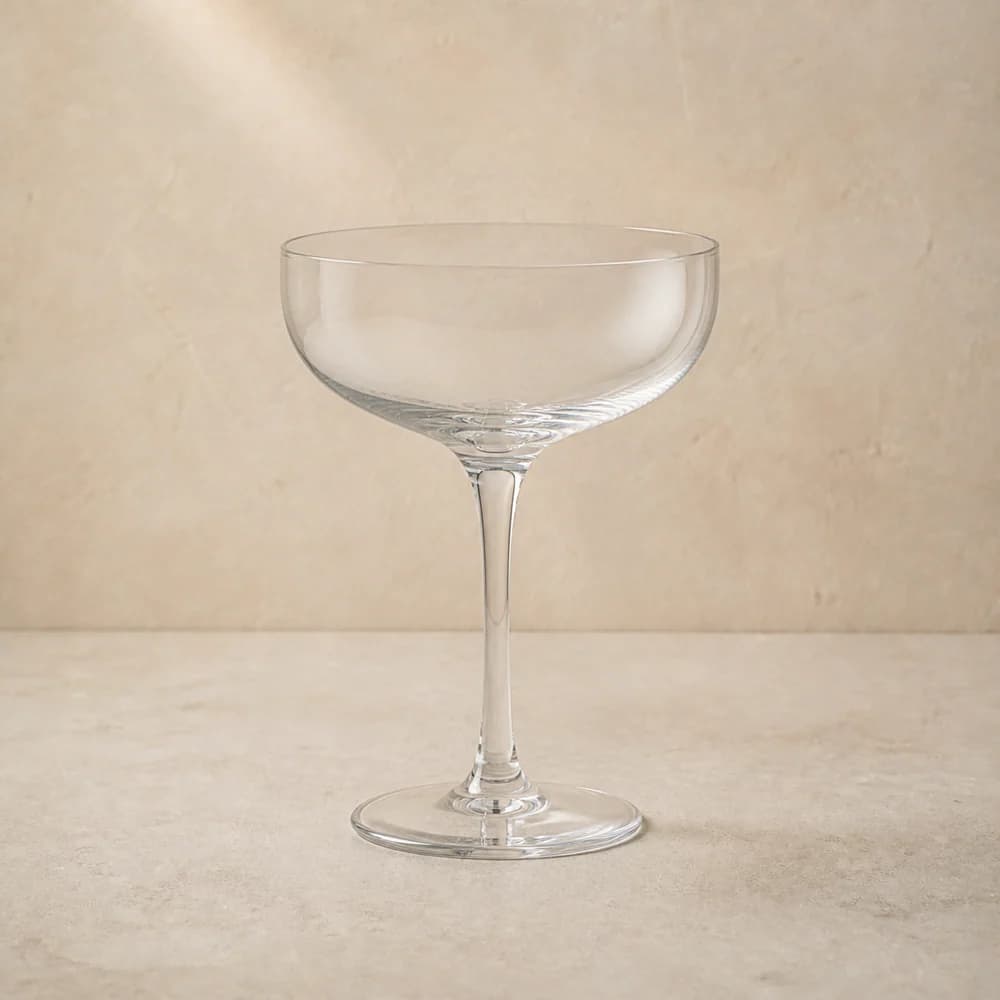
Use a coupe glass.
The stem keeps your hand away from a cold drink, while the rounded bowl makes an up serve easy to sip.
- Standard size
- 200 ml6¾ oz
- Ice & serve
- Chill it first; serve without ice.
- If you don’t own one
- Use a small martini glass or stemmed dessert glass.
- cocktail shaker
- strainer (or a small sieve)
- jigger or measuring spoon
- Apple brandy45 ml
- Yellow Chartreuse15 ml
- Bénédictine15 ml
- Angostura bitters2 dashes
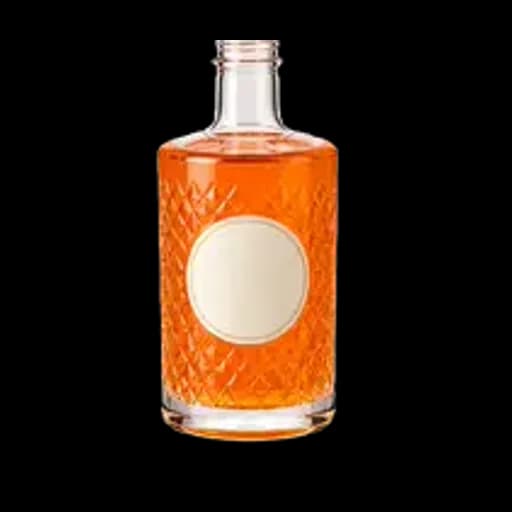
From bottle to glass
Method
- 01
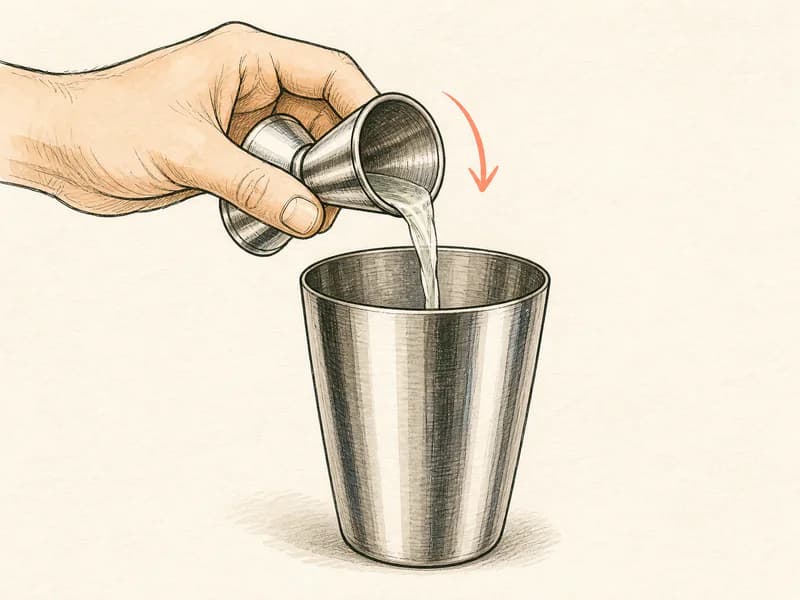
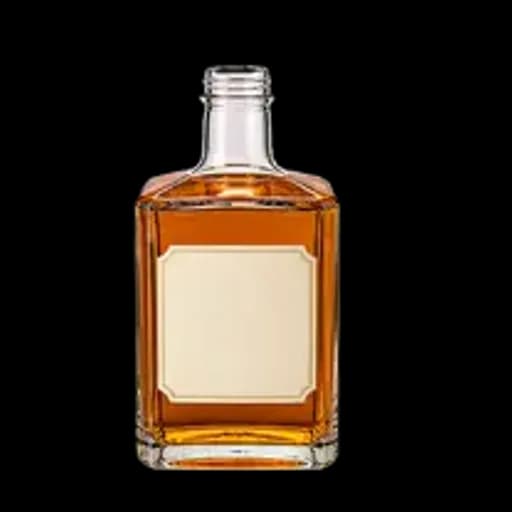
Measure into the shaker Pour 45 ml apple brandy into your shaker
 Apple brandy
- 02
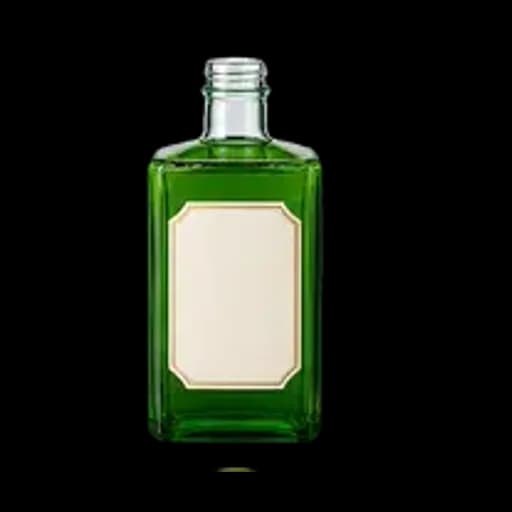
Measure into the shaker Add 15 ml yellow chartreuse
 Yellow Chartreuse
- 03
Measure into the shaker Add 15 ml bénédictine
 Bénédictine
- 04
Measure into the shaker Add 2 dashes Angostura
 Angostura bitters
- 05
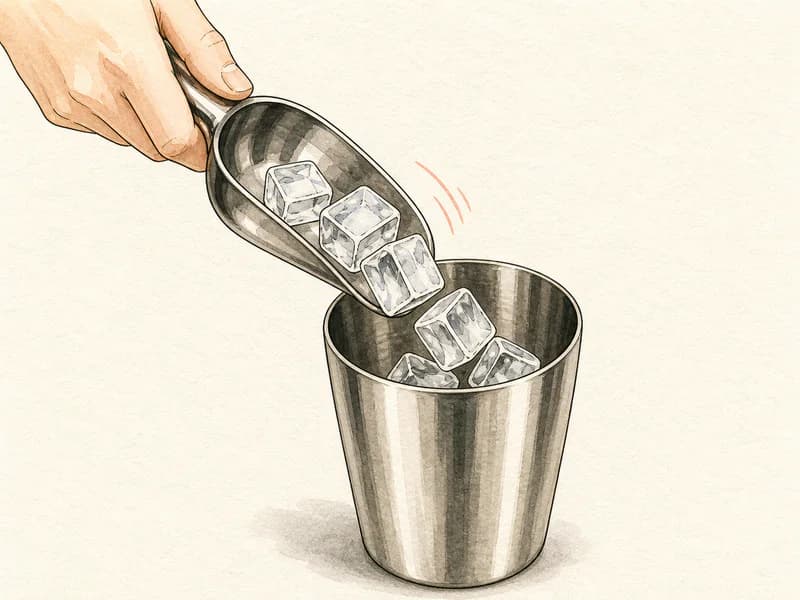
Ice the shaker Fill the shaker with ice
- 06
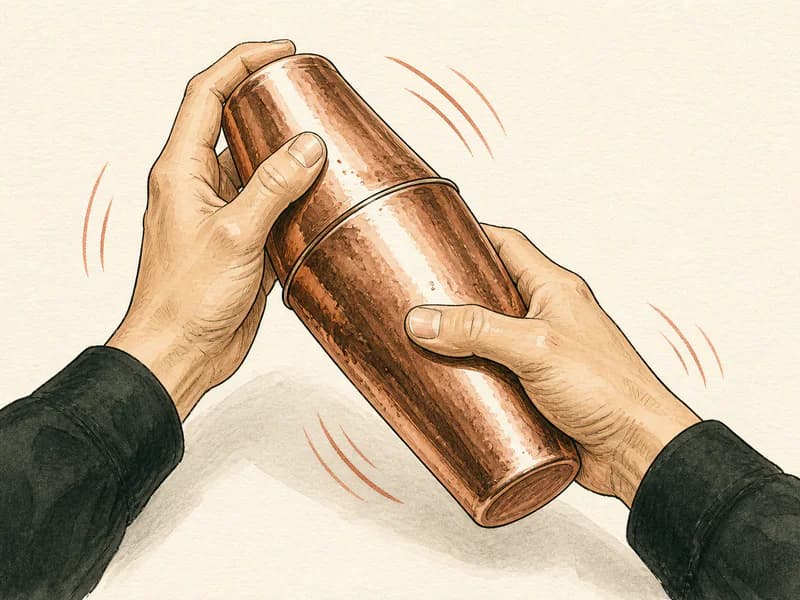
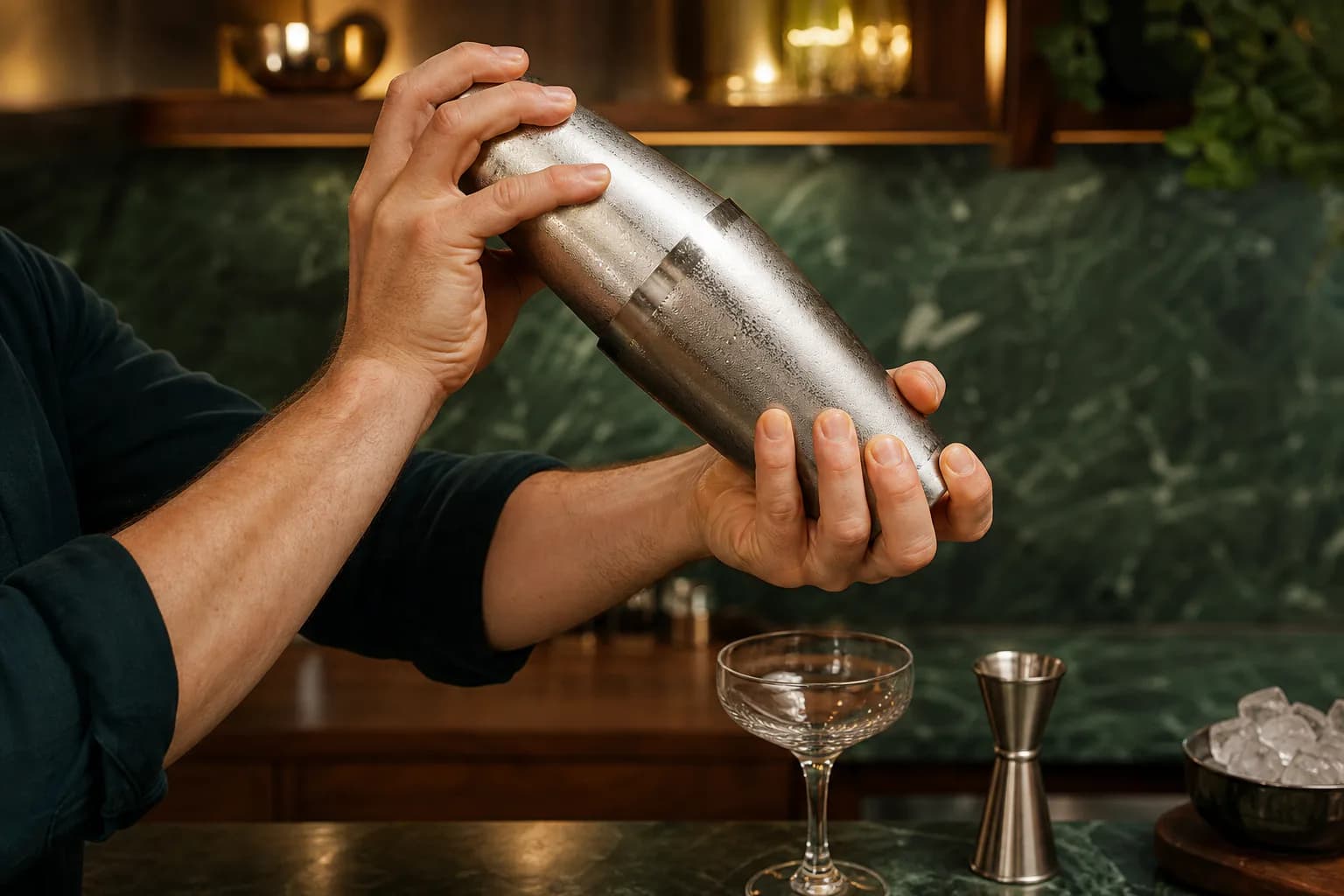
Seal and shake Seal and shake hard
- 07
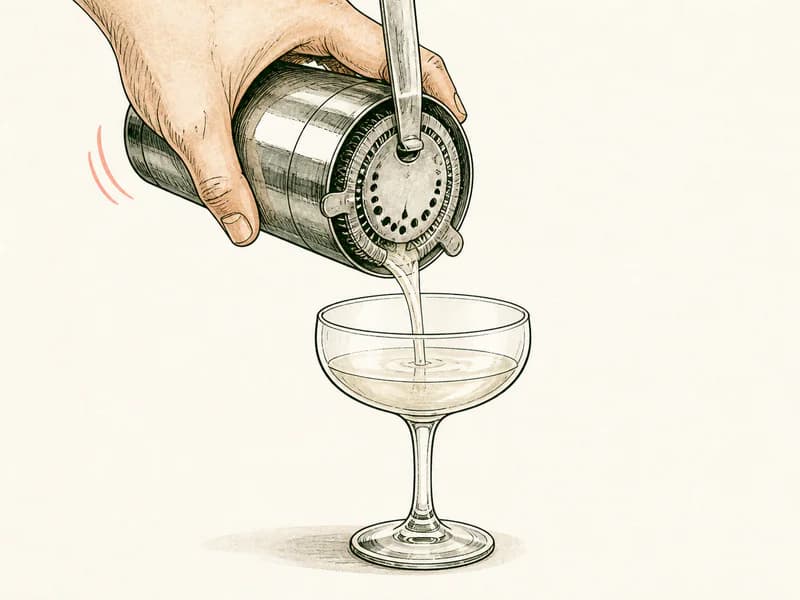
Strain cleanly Strain into a chilled glass — no ice
- 08
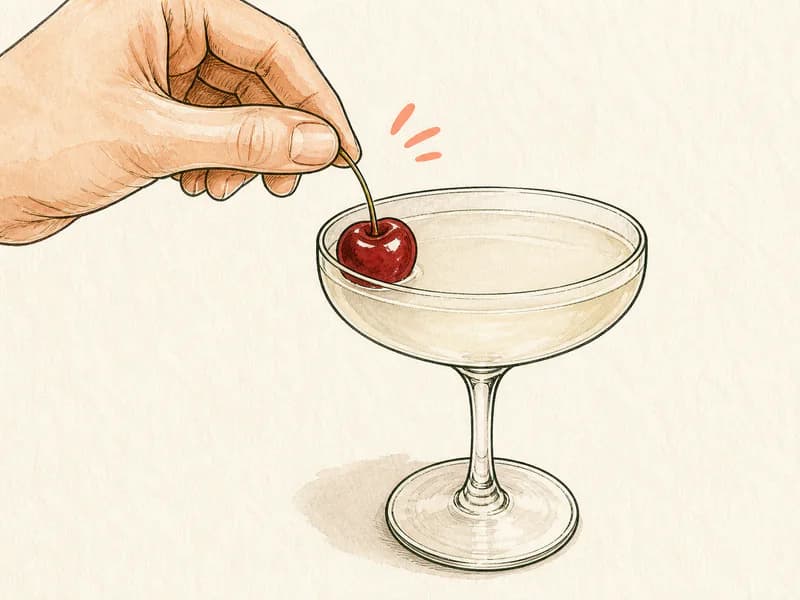
Finish the drink Finish it — add a cocktail cherry
Know your drink
About the Widow's Kiss
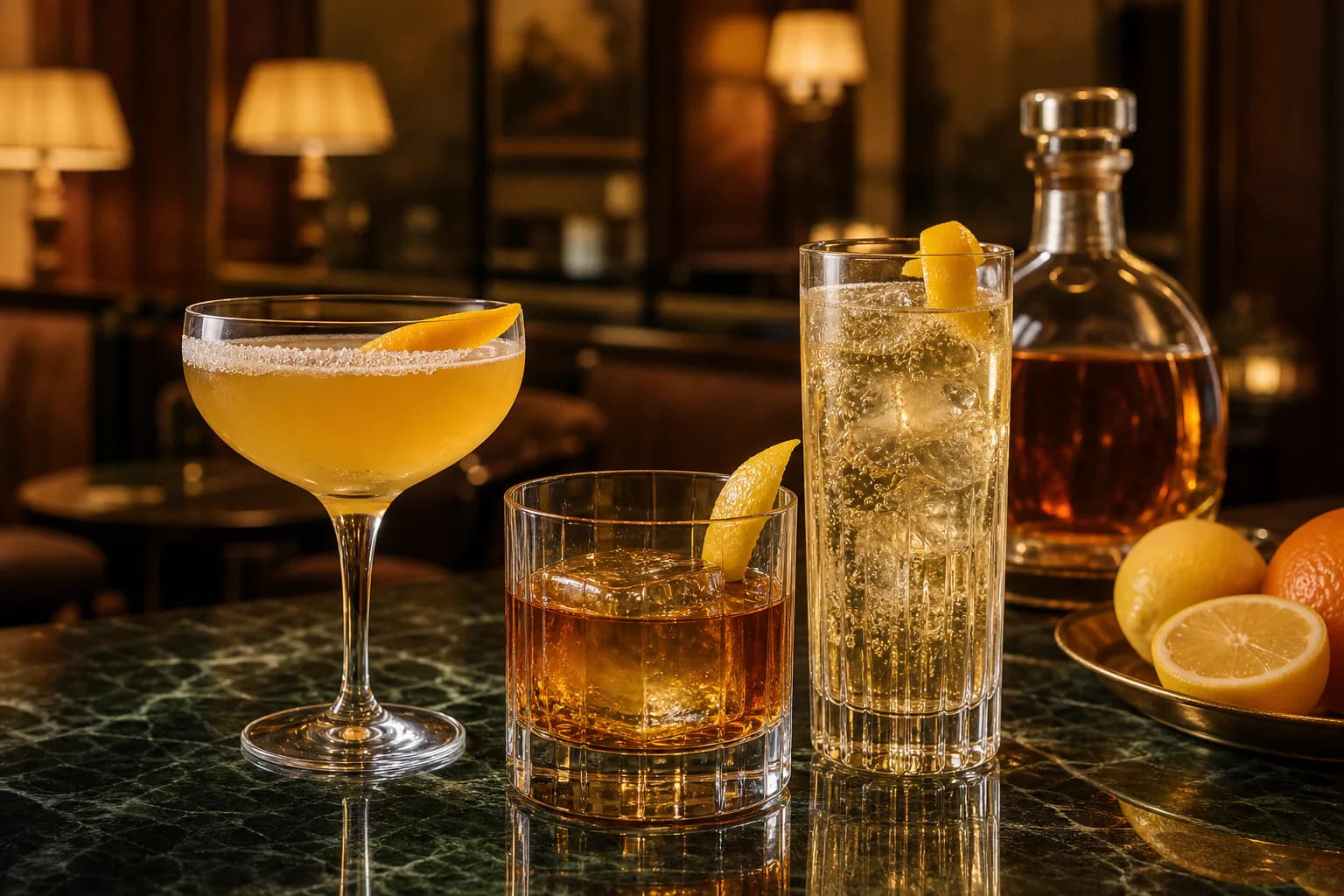
What the Savoy printed
George Kappeler published a Widow's Kiss in Modern American Drinks in 1895, and Harry Craddock carried it into the Savoy Cocktail Book thirty-five years later. Both call for apple brandy with the two French liqueurs and bitters, in much these proportions. What nobody bothered to explain was the name. Whatever the joke had been, it belonged to the 1890s and left with them.
Bonded apple brandy at 50% is the bottle to use. Blended applejack, which is largely neutral grain spirit with a little real apple brandy blended in, gets swallowed whole here and leaves you drinking sweetened Chartreuse. Calvados works too and brings more fresh orchard and less baked pie, though you'll pay more for the same effect.
Common questions
Widow's Kiss FAQ
My apple brandy is 40 percent. Is that enough here?
It'll be quieter. Two liqueurs at 15 ml each are doing a lot of talking, and the ten percentage points between a bonded bottle and a standard one is the difference between apple leading and apple accompanying. If 40 is what you have, take the Bénédictine down to 10 ml to give it room.
Aren't Bénédictine and yellow Chartreuse doing the same job?
They overlap deliberately. Bénédictine leans honey, saffron and warm baking spice; yellow Chartreuse is brighter and more floral, with a mineral edge underneath. Remove either and the drink loses a dimension. Remove both and you have an apple brandy Old Fashioned, which is a thinner pleasure.
I own Bénédictine but no yellow Chartreuse. What then?
Pour 22 ml of Bénédictine rather than 30 and add a dash more bitters. You get a rounder, honeyed drink that misses the floral lift, but it works. Chartreuse alone is the harder direction, since nothing else in the glass supplies warmth. Add a bar spoon of honey syrup if you go that way.
Should this be as cold as a Martini?
No, and over-chilling is the usual mistake. Honey, saffron and the herbal top notes in both liqueurs go mute when the glass is genuinely ice-cold, which is a lot to throw away. Let a finished coupe stand a minute before you drink it. A degree or two warmer and it smells like an orchard in October.
What ingredients are in a Widow's Kiss?
A classic Widow's Kiss calls for 45 ml (1.5 oz) Apple brandy, 15 ml (0.5 oz) Yellow Chartreuse, 15 ml (0.5 oz) Bénédictine, 2 dashes Angostura Angostura bitters. That single-serve spec scales cleanly — the recipe above converts it to oz and multiplies it for 2–4 drinks.
How strong is a Widow's Kiss?
A standard Widow's Kiss is roughly 41% ABV once mixed (before ice melt softens it further). That makes it spirit-forward — closer to a Martini than to a beer, so sip it slowly.
Is a Widow's Kiss shaken or stirred?
A Widow's Kiss is shaken. About 13 seconds with plenty of ice chills and dilutes it correctly.
Sharpen the technique
Skills used in this recipe
Where to go next
If you like the Widow's Kiss, try these.
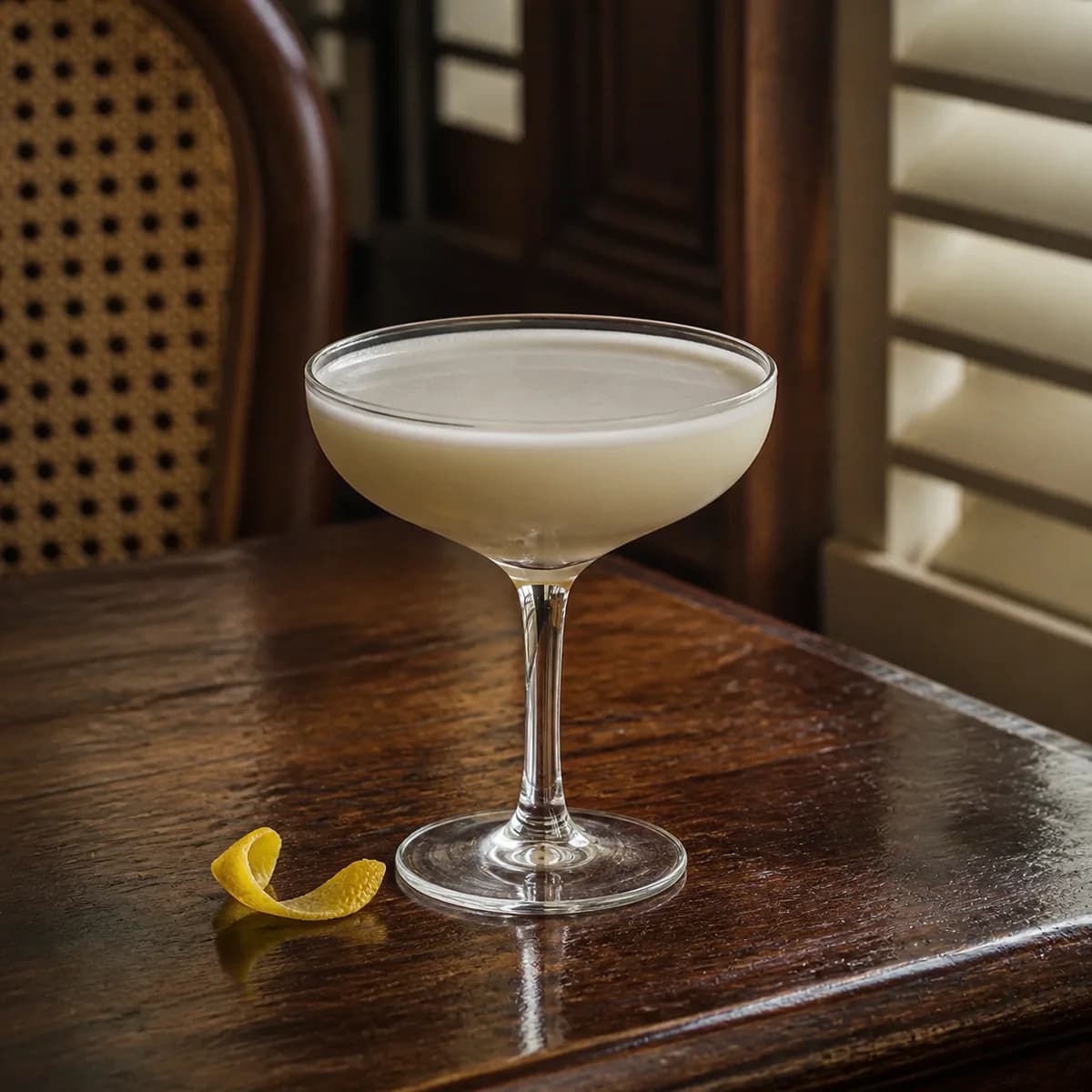
Bee’s Kiss
A silky rum flip without the egg: white rum shaken with cream and honey. A gentle, dessert-like sipper.
View recipe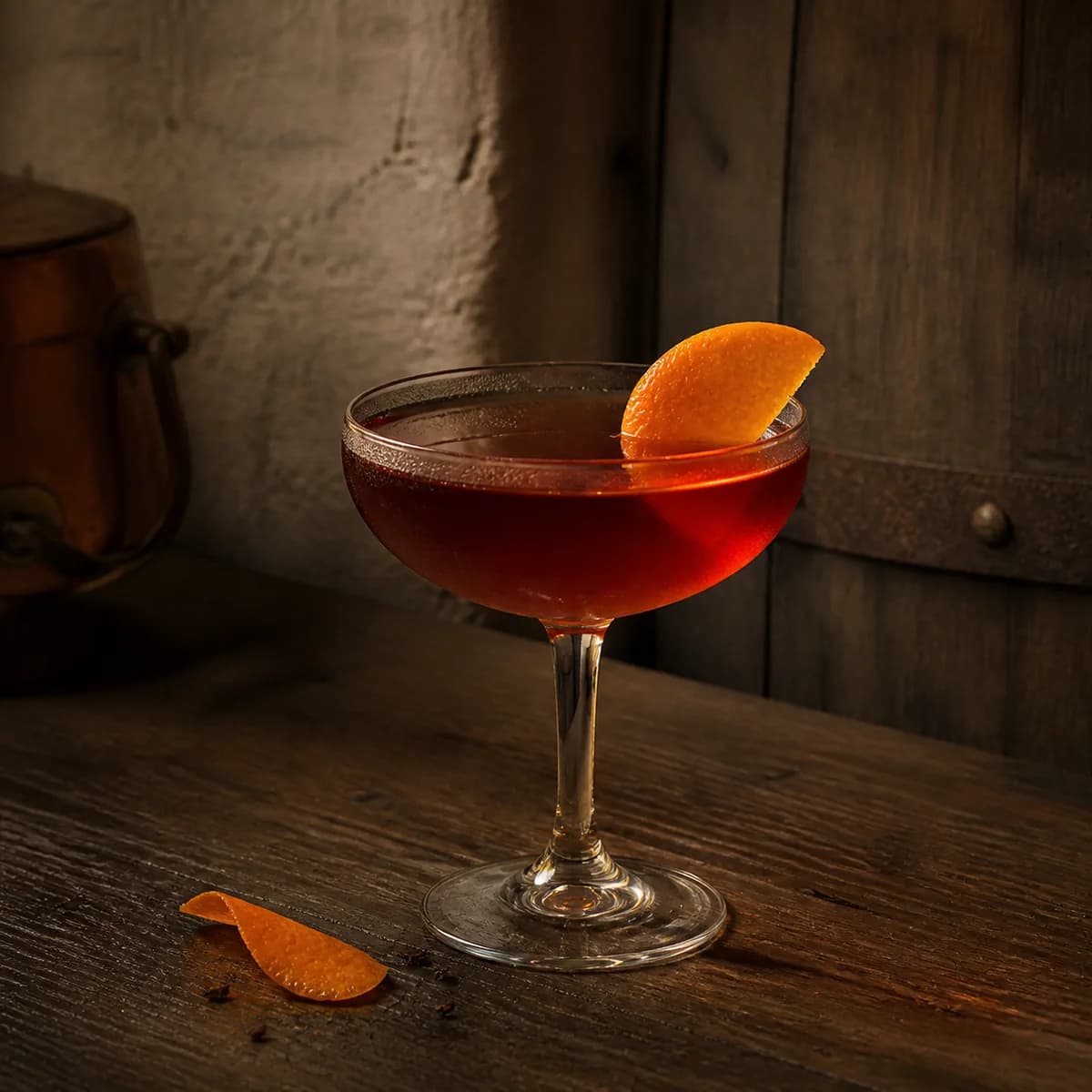
Star Cocktail
Apple brandy where the whiskey would be, sweet vermouth in equal measure and bitters holding the seam together, making a Manhattan that tastes of orchard fruit and baking spice rather than grain.
View recipe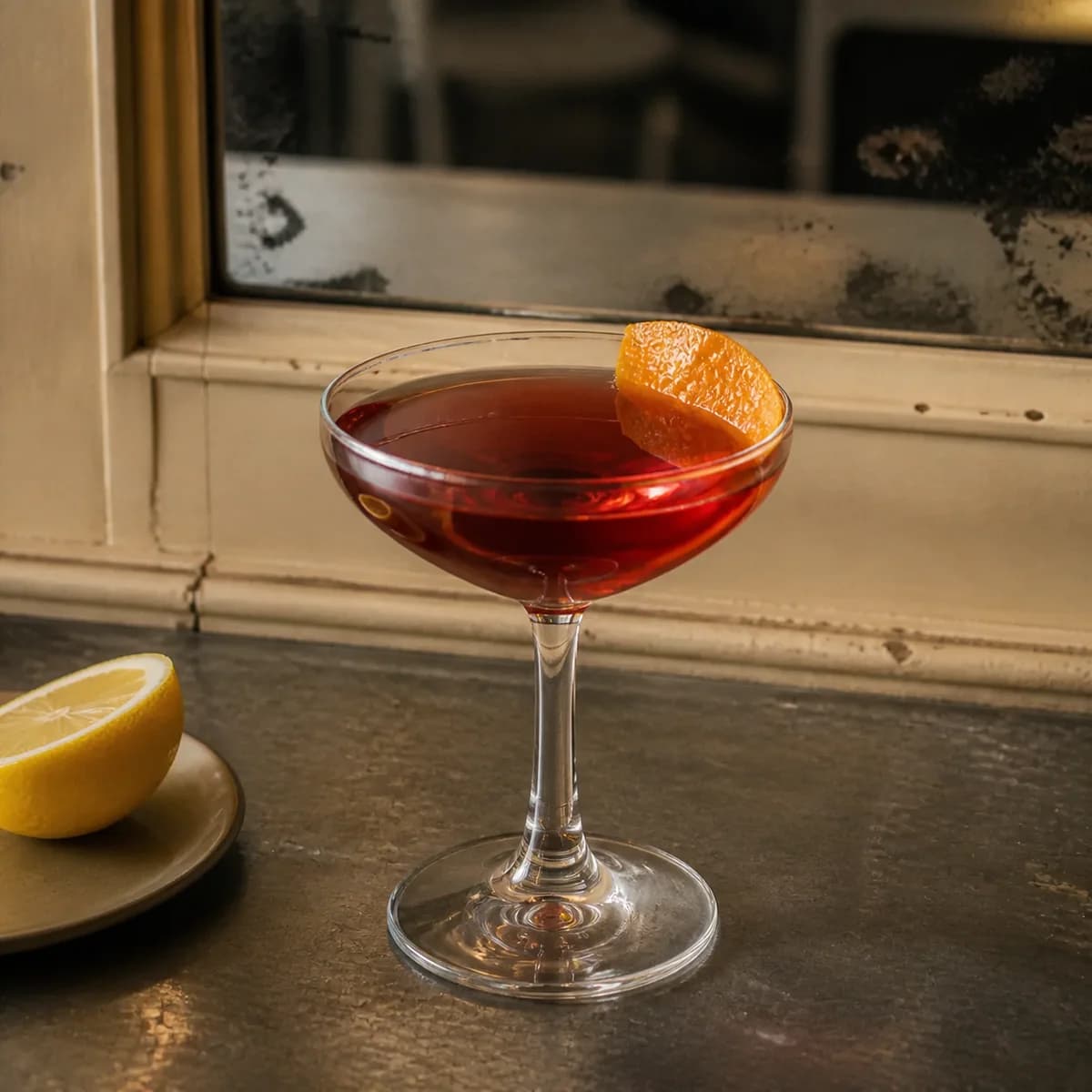
Honeymoon
Bénédictine is the whole personality of this one. Fifteen milliliters against apple brandy reads as honey and dried herbs, with lemon stopping the sweetness from settling in. Push the liqueur higher and you get syrup.
View recipe