Classic cocktail · Guided recipe
Bijou
Start making“Jewel” in French — equal parts gin, green Chartreuse and sweet vermouth, named for the gem colors of its ingredients. Herbal, bold and beautiful.
In the glassGin · Green Chartreuse · Sweet vermouth · Orange bitters
See exact amounts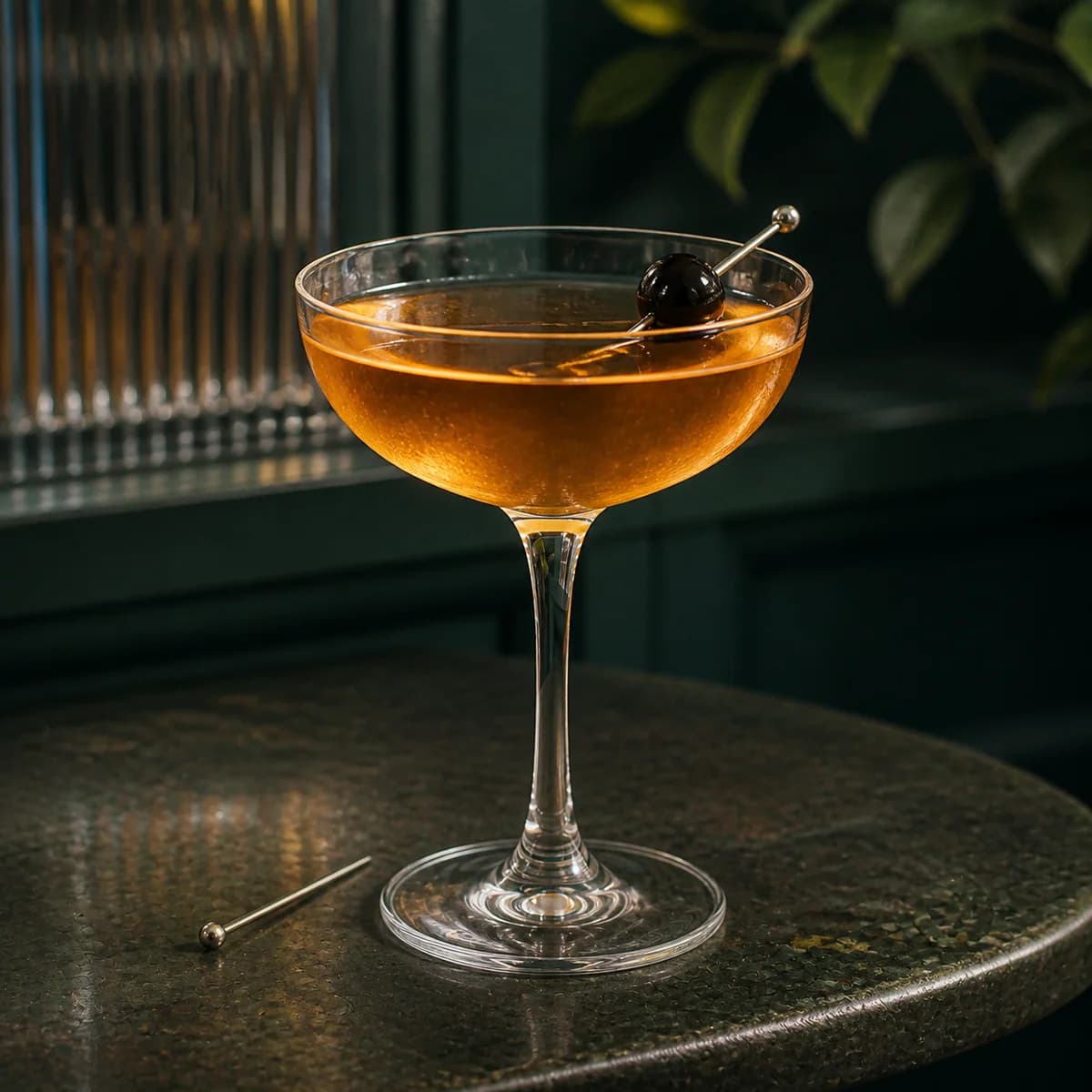
What goes in
Ingredients
Set up before you pour
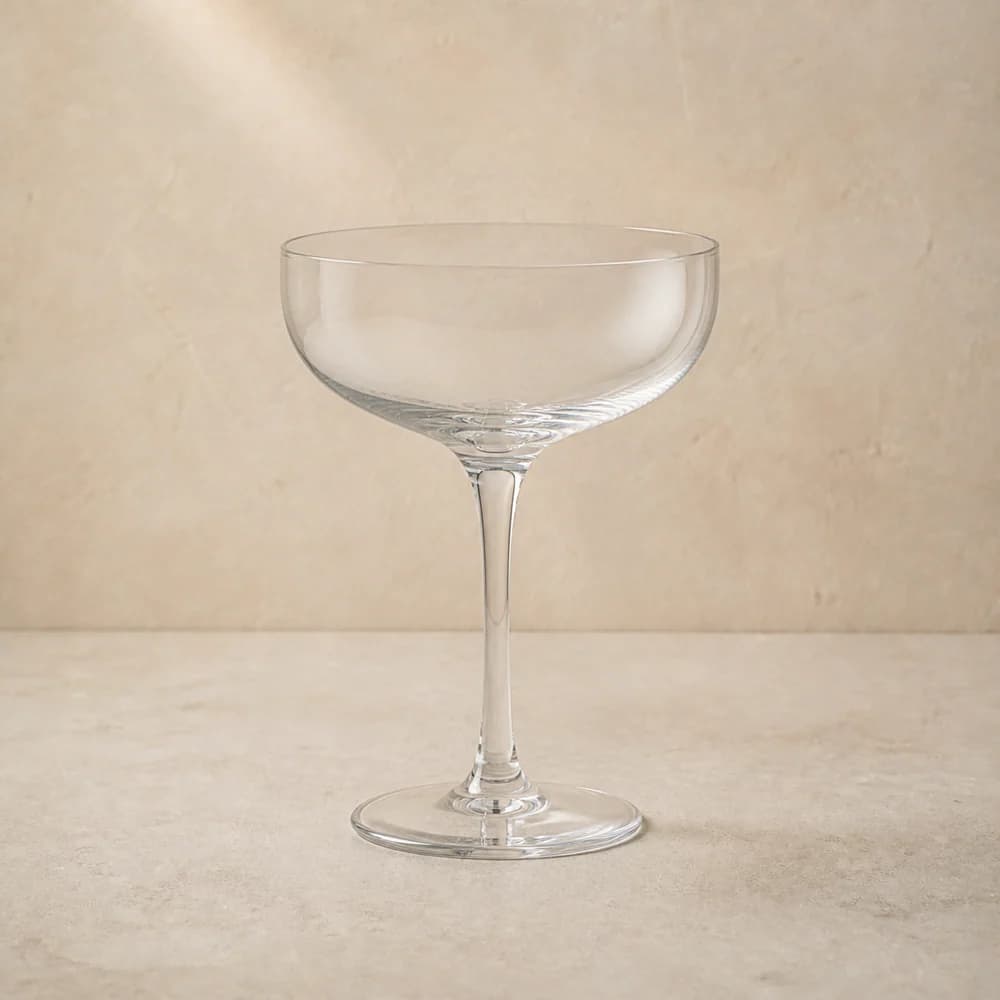
Use a coupe glass.
The stem keeps your hand away from a cold drink, while the rounded bowl makes an up serve easy to sip.
- Standard size
- 200 ml6¾ oz
- Ice & serve
- Chill it first; serve without ice.
- If you don’t own one
- Use a small martini glass or stemmed dessert glass.
- cocktail shaker
- strainer (or a small sieve)
- jigger or measuring spoon
- Gin30 ml
- Green Chartreuse30 ml
- Sweet vermouth30 ml
- Orange bitters1 dash
From bottle to glass
Method
- 01
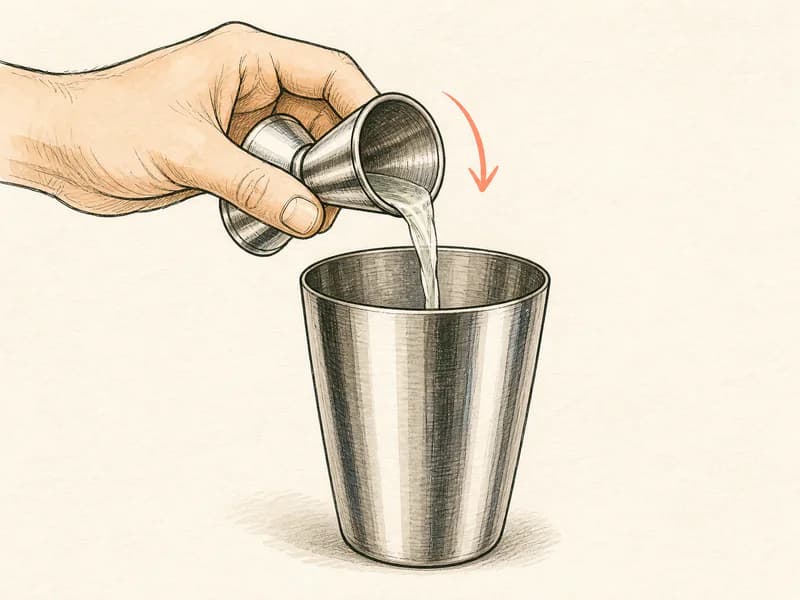
Measure into the shaker Pour 30 ml gin into your shaker
 Gin
Gin
- 02
Measure into the shaker Add 30 ml green chartreuse
 Green Chartreuse
- 03
Measure into the shaker Add 30 ml sweet vermouth
 Sweet vermouth
- 04
Measure into the shaker Add 1 dash orange bitters
 Orange bitters
- 05
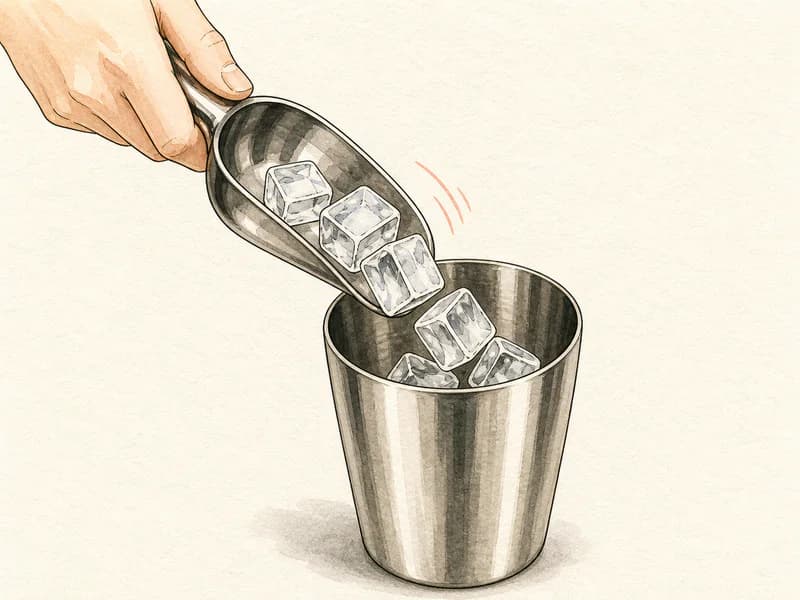
Ice the shaker Fill the shaker with ice
- 06
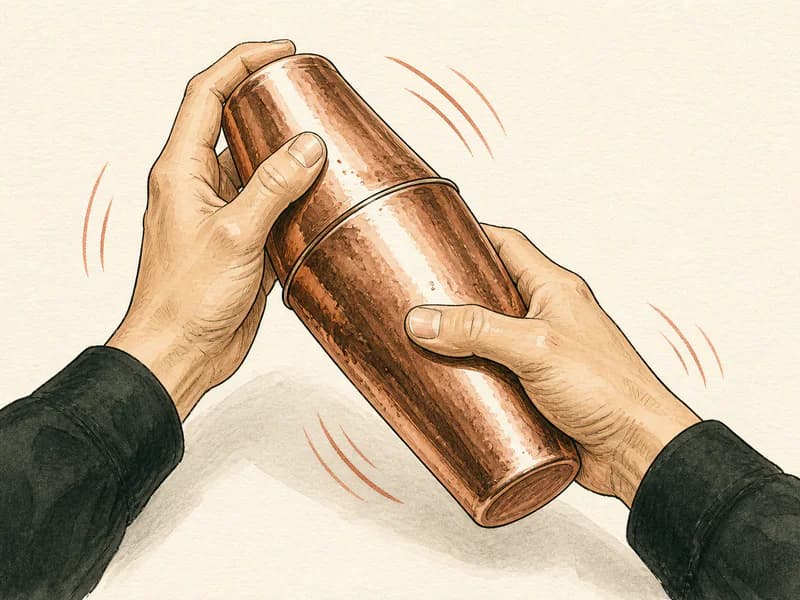
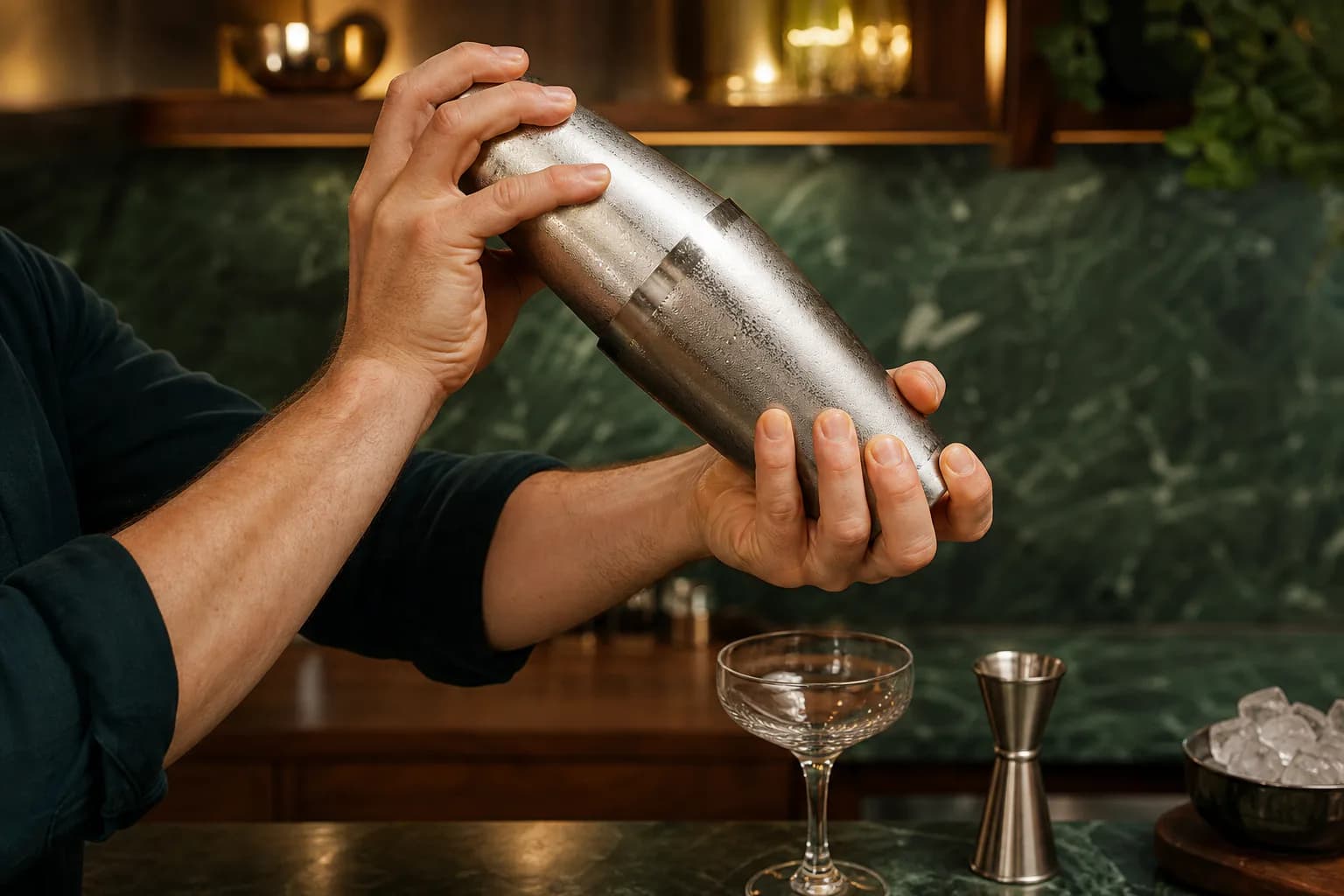
Seal and shake Seal and shake hard
- 07
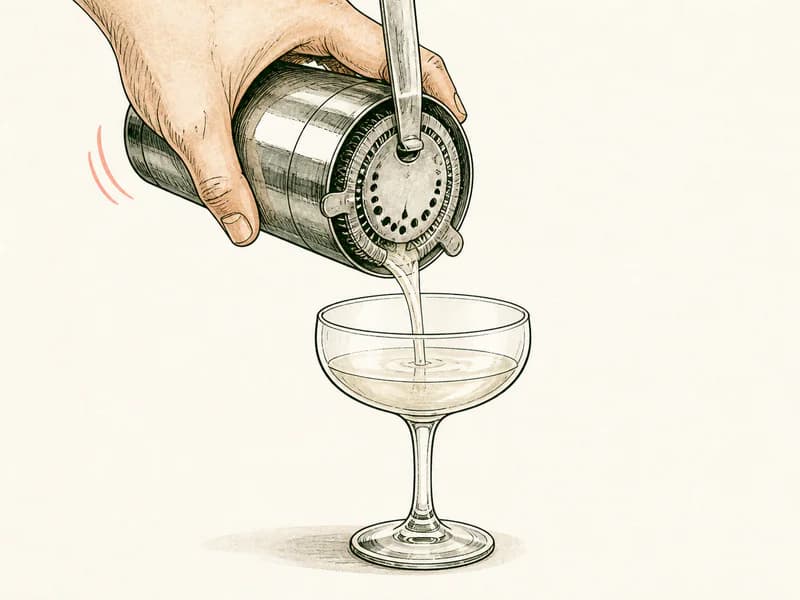
Strain cleanly Strain into a chilled glass — no ice
- 08
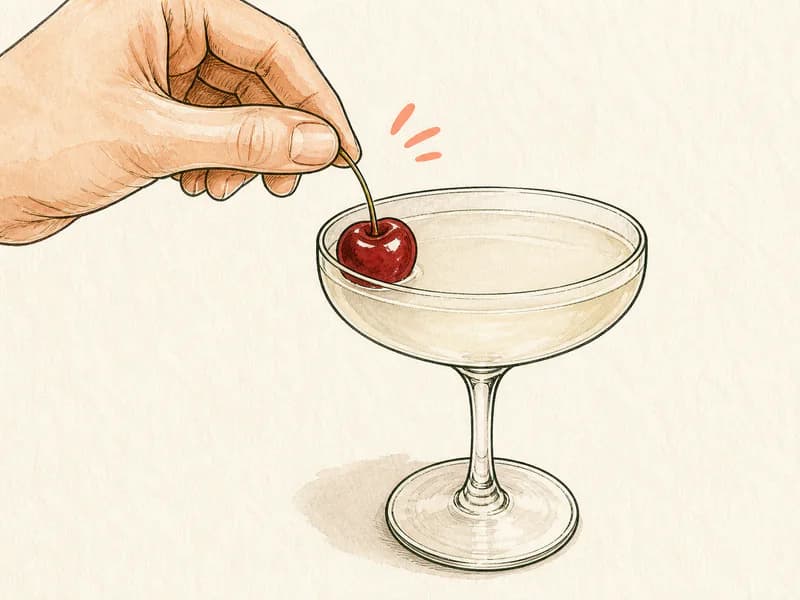
Finish the drink Finish it — add a cocktail cherry
Know your drink
About the Bijou
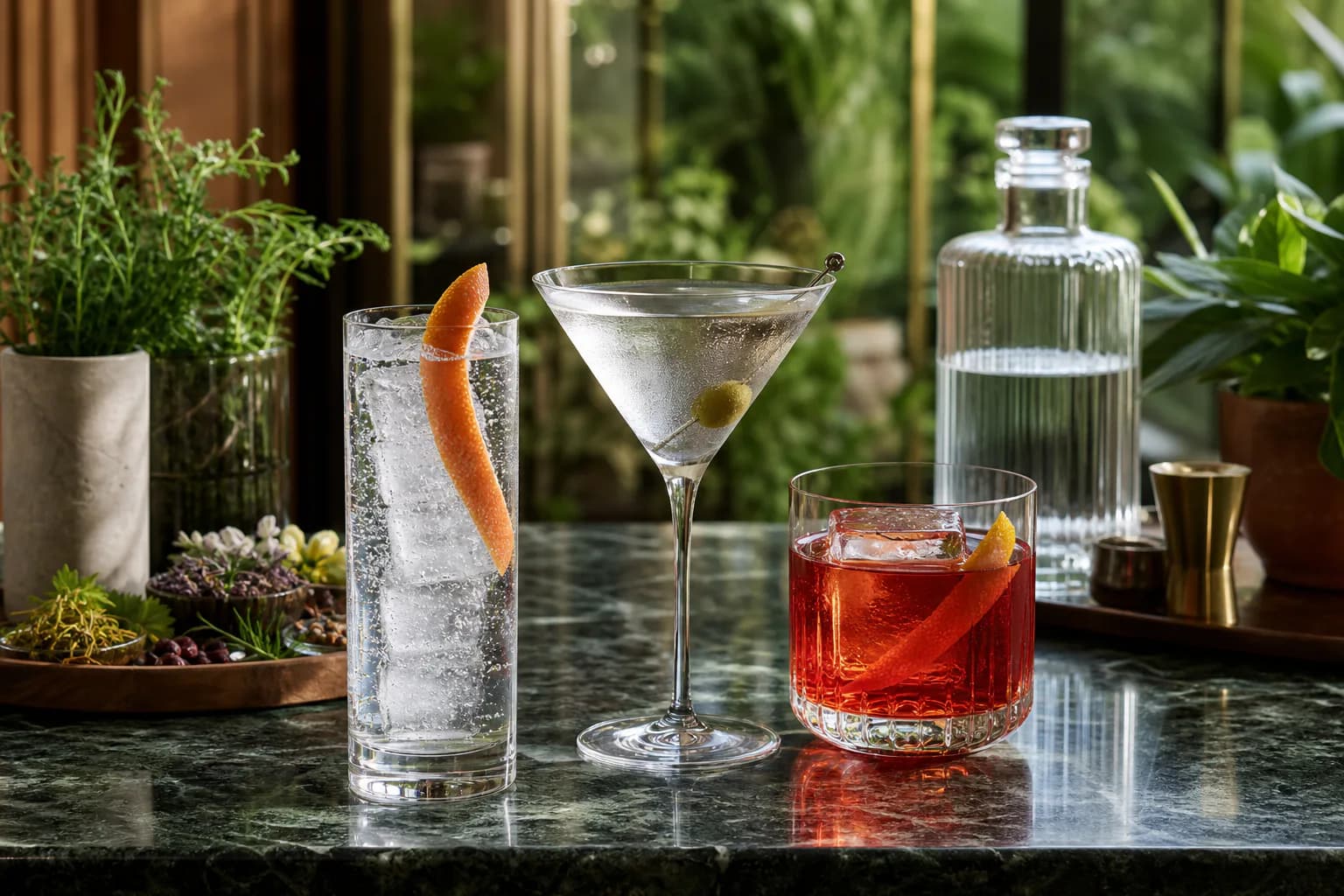
Chartreuse, and a missing dash
One bottle of green Chartreuse opens up a lot of drinks. It goes into the Last Word, the Champs-Élysées, the Bijou and a Chartreuse Swizzle, and a bar spoon of it rescues a dull gin sour. At 55 percent it keeps essentially forever once opened, so the price per drink is better than the shelf price suggests.
Harry Johnson printed a Bijou in his 1900 manual with orange bitters in it, and that dash still earns its place even though it rarely appears on modern spec sheets. It sharpens the seam between the gin and the vermouth. Without it the drink can go slightly flabby in the middle, sweet on the front and herbal on the back with nothing joining them.
Common questions
Bijou FAQ
A third of the glass is Chartreuse. Can I use the yellow one there?
You can, and it makes a gentler drink. Yellow is 40 percent alcohol against green's 55, sweeter, and more honeyed than piney. The result is closer to a herbal Martinez than to the original. Keep the equal-parts ratio if you go yellow; it needs the volume to register.
How do I make it less overwhelming?
Go to 45 ml gin, 22 ml Chartreuse, 22 ml sweet vermouth. That keeps the pine and the medicinal herbs present without letting them take the whole glass, and the gin gets room to show its own botanicals. Plenty of bars pour it this way and still call it a Bijou.
Is there a cheaper stand-in for Chartreuse?
Not really. Green Chartreuse is made by a religious order from a recipe nobody outside it has, and supply has been tight since they capped production. Génépy des Alpes is the nearest thing on a shelf, lighter and less sweet, and it works if you add a few milliliters more.
What does the name mean?
French for jewel. The old accounts read the three main ingredients as gemstones, gin for diamond, Chartreuse for emerald, vermouth for ruby, which is charming and also explains why the proportions are equal. Nobody bothers with the conceit at the bar, but it does tell you the drink was meant to look striking.
What ingredients are in a Bijou?
A classic Bijou calls for 30 ml (1 oz) Gin, 30 ml (1 oz) Green Chartreuse, 30 ml (1 oz) Sweet vermouth, 1 dash orange bitters Orange bitters. That single-serve spec scales cleanly — the recipe above converts it to oz and multiplies it for 2–4 drinks.
How strong is a Bijou?
A standard Bijou is roughly 37% ABV once mixed (before ice melt softens it further). That makes it spirit-forward — closer to a Martini than to a beer, so sip it slowly.
Is a Bijou shaken or stirred?
A Bijou is shaken. About 13 seconds with plenty of ice chills and dilutes it correctly.
Sharpen the technique
Skills used in this recipe
Where to go next
If you like the Bijou, try these.
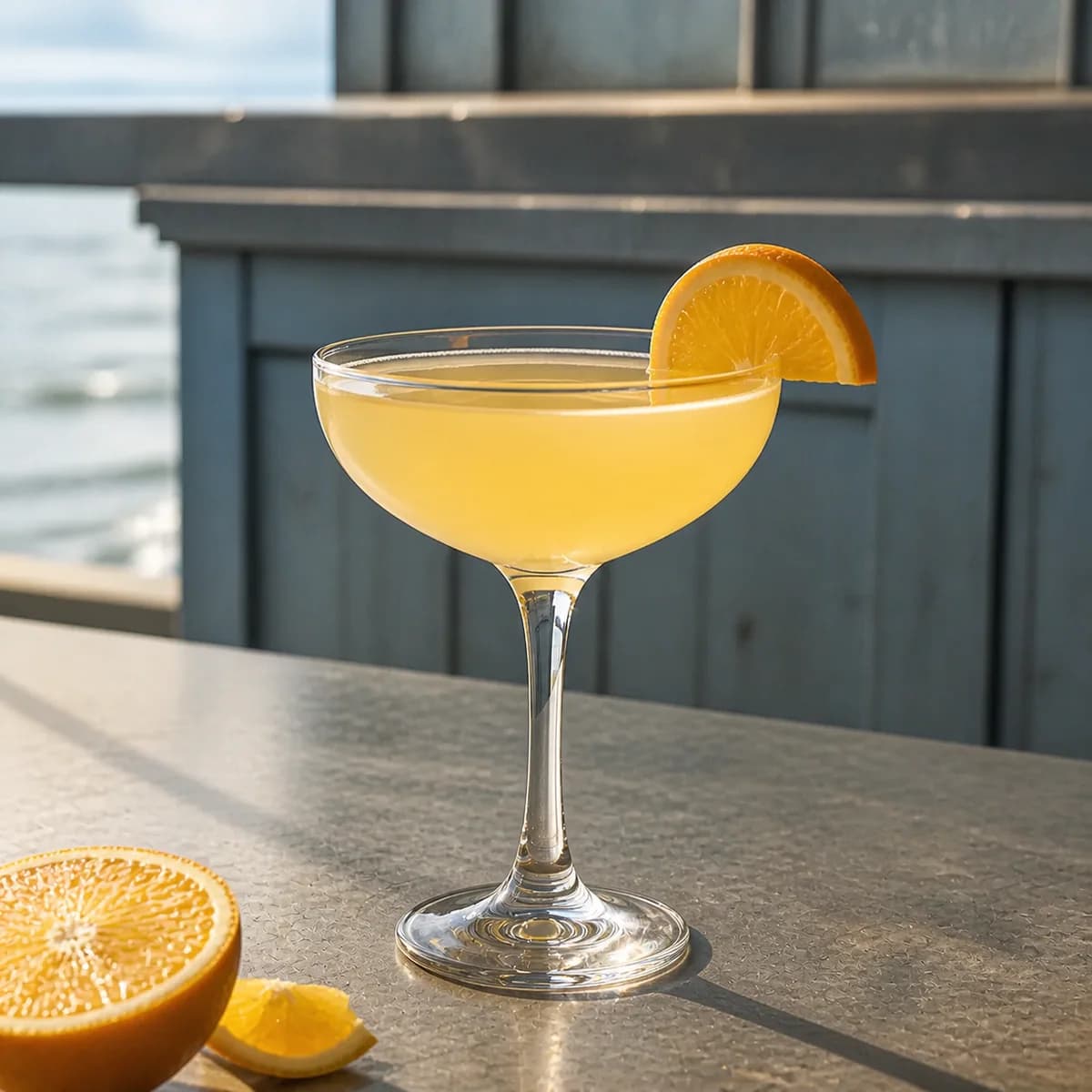
Satan's Whiskers
Five ingredients in equal measure, which sounds like a mess and isn't. Gin, both vermouths, orange juice and Grand Marnier land somewhere between a Bronx and marmalade. Orange bitters are what keep it from sliding into fruit punch.
View recipe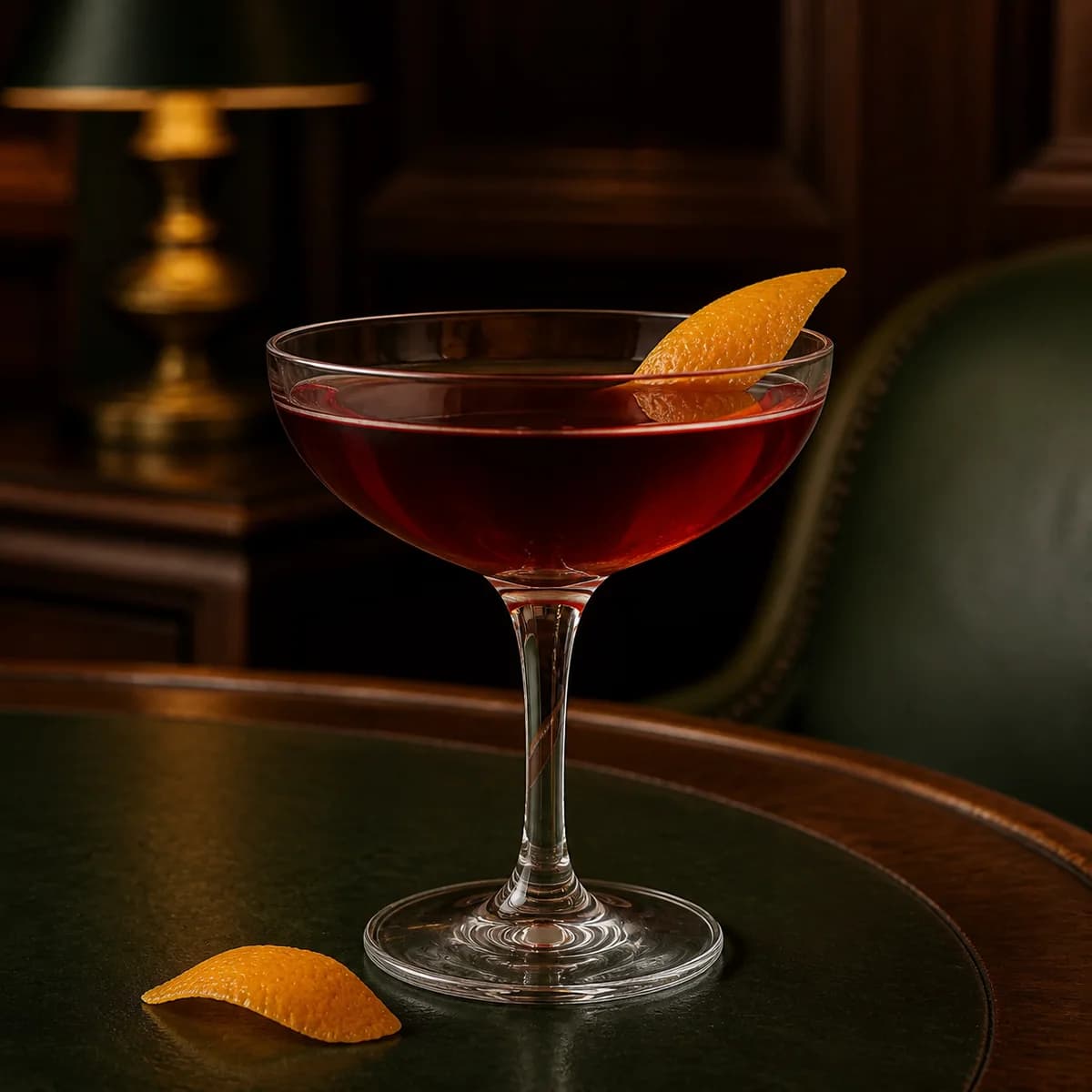
Hanky Panky
A Martini with a bitter secret: gin and sweet vermouth lifted by a small pour of Fernet. Created by Ada Coleman at the Savoy.
View recipe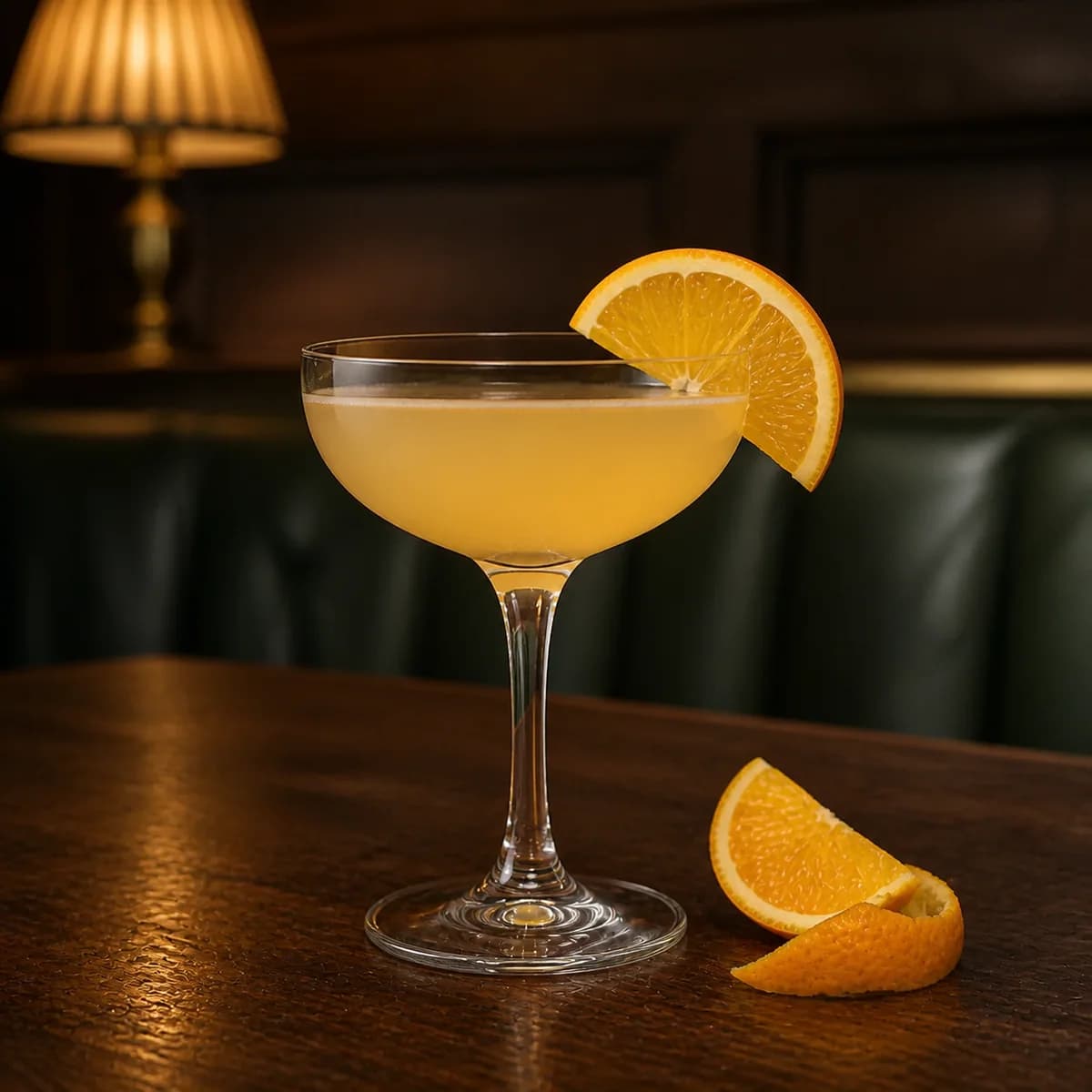
Bronx
A Perfect Martini with a splash of orange juice — gin, both vermouths and fresh orange. A forgotten member of the pre-Prohibition royalty.
View recipe