Classic cocktail · Guided recipe
Alaska
Start makingNothing about this suggests the Arctic. Yellow Chartreuse against a dry London gin with a dash of orange bitters, gold in the glass and honeyed on the palate, the monastery's hundred-odd botanicals arguing quietly underneath.
In the glassGin · Yellow Chartreuse · Orange bitters
See exact amounts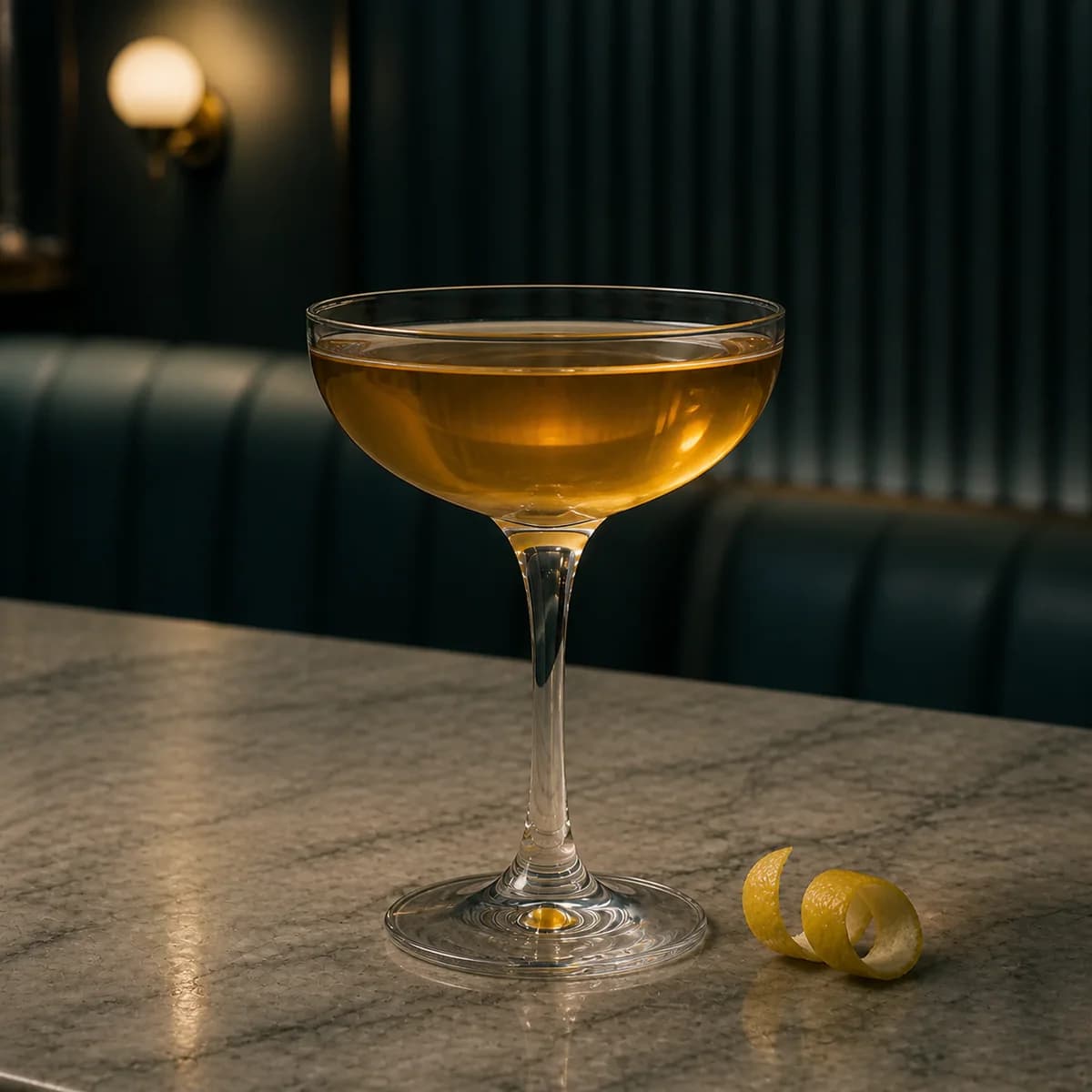
What goes in
Ingredients
Set up before you pour
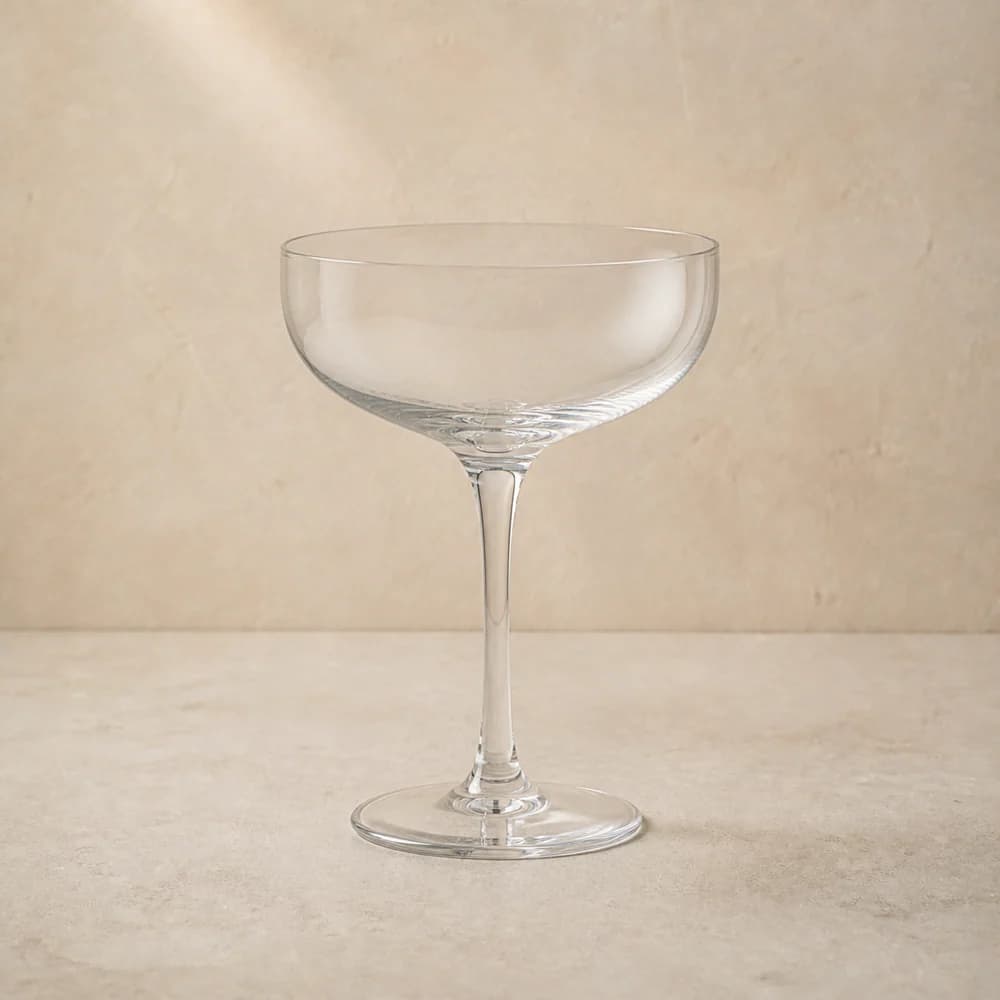
Use a coupe glass.
The stem keeps your hand away from a cold drink, while the rounded bowl makes an up serve easy to sip.
- Standard size
- 200 ml6¾ oz
- Ice & serve
- Chill it first; serve without ice.
- If you don’t own one
- Use a small martini glass or stemmed dessert glass.
- cocktail shaker
- strainer (or a small sieve)
- jigger or measuring spoon
- Gin60 ml
- Yellow Chartreuse22 ml
- Orange bitters2 dashes
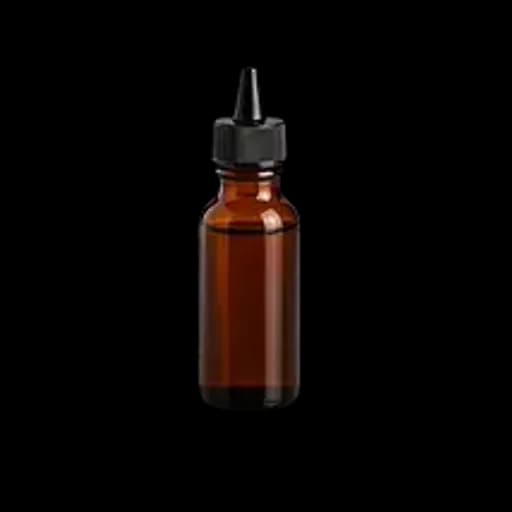
From bottle to glass
Method
- 01
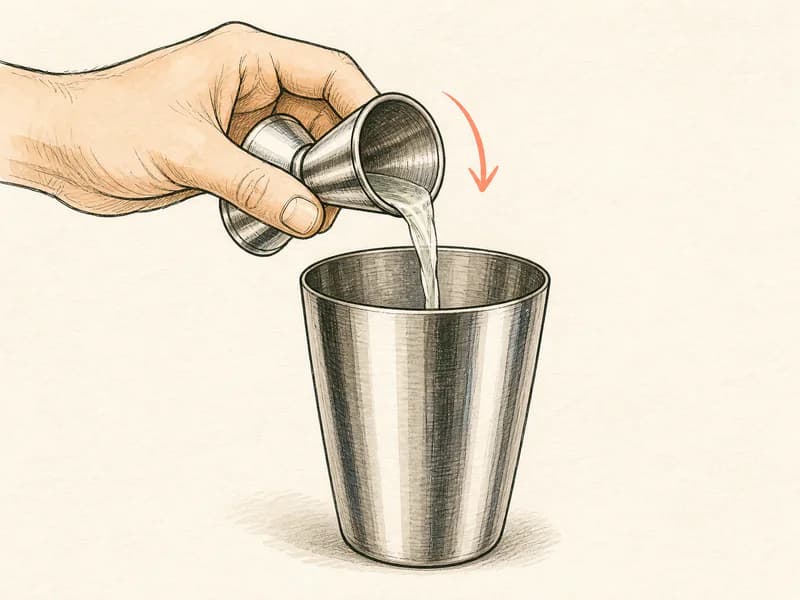
Measure into the shaker Pour 60 ml gin into your shaker
 Gin
Gin
- 02
Measure into the shaker Add 22 ml yellow chartreuse
 Yellow Chartreuse
- 03
Measure into the shaker Add 2 dashes orange bitters
 Orange bitters
- 04
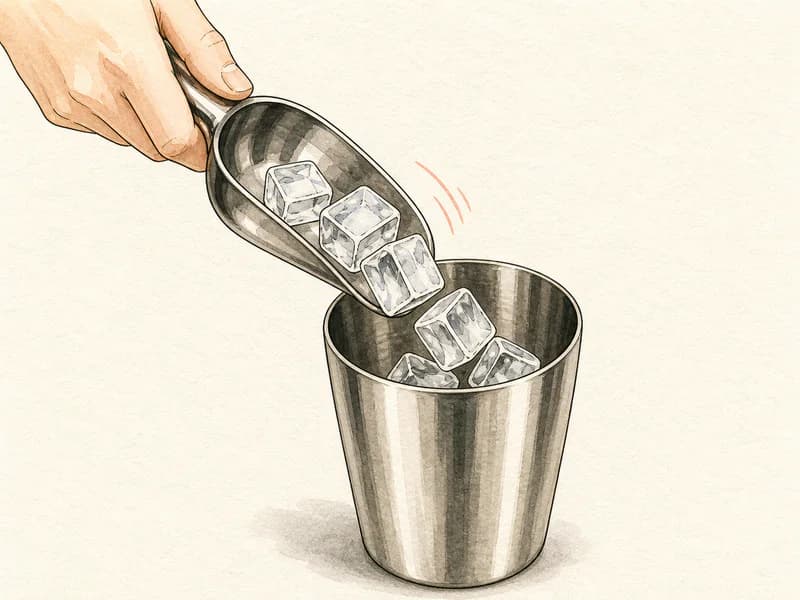
Ice the shaker Fill the shaker with ice
- 05
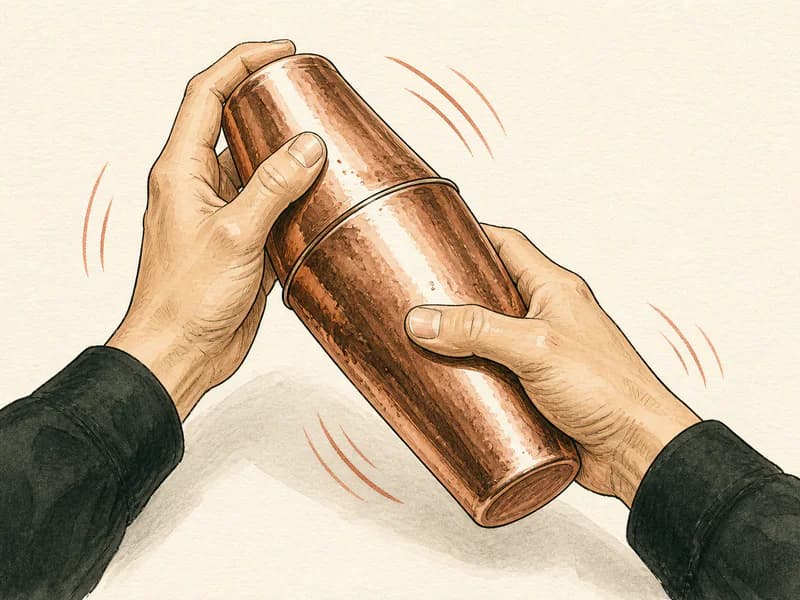
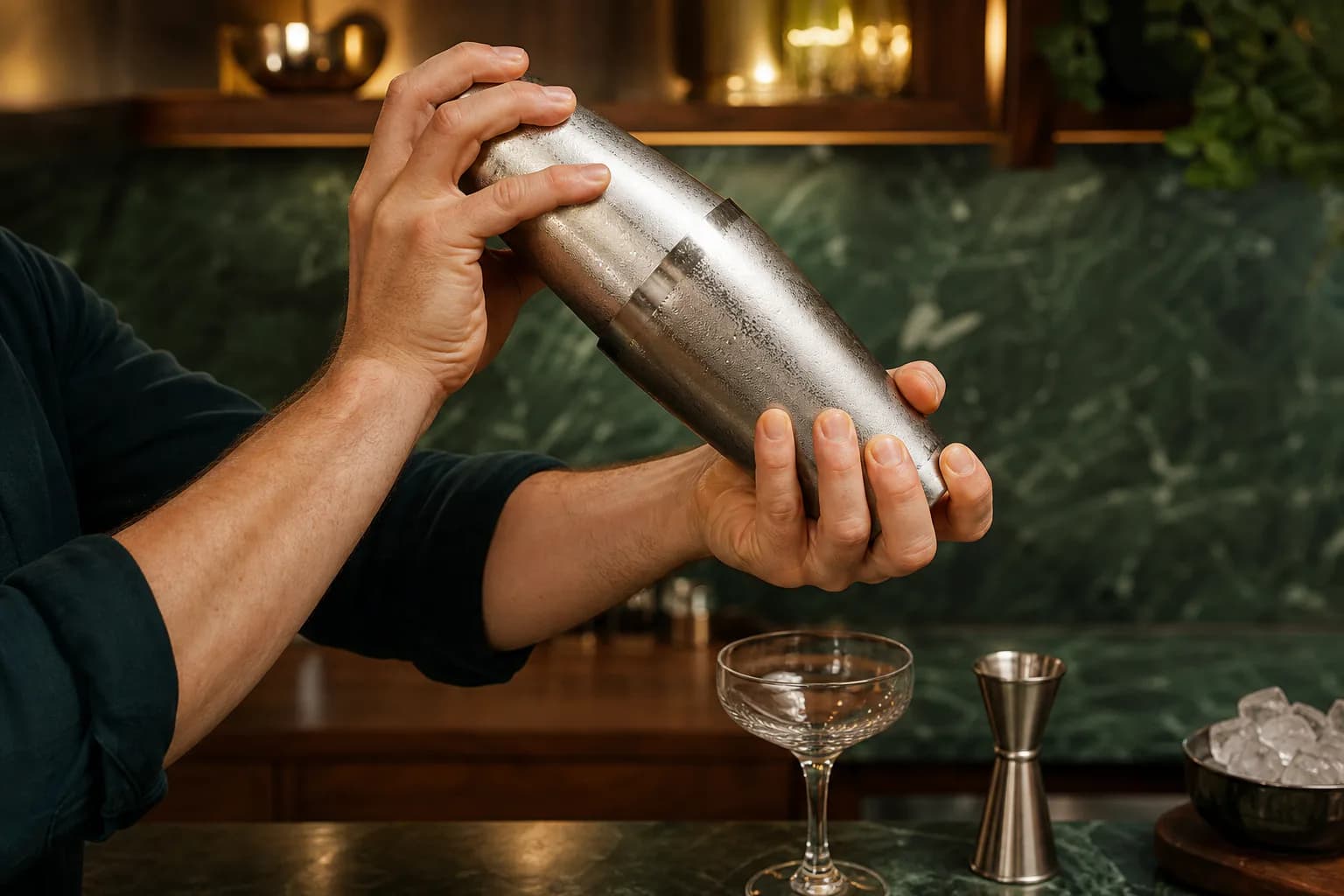
Seal and shake Seal and shake hard
- 06
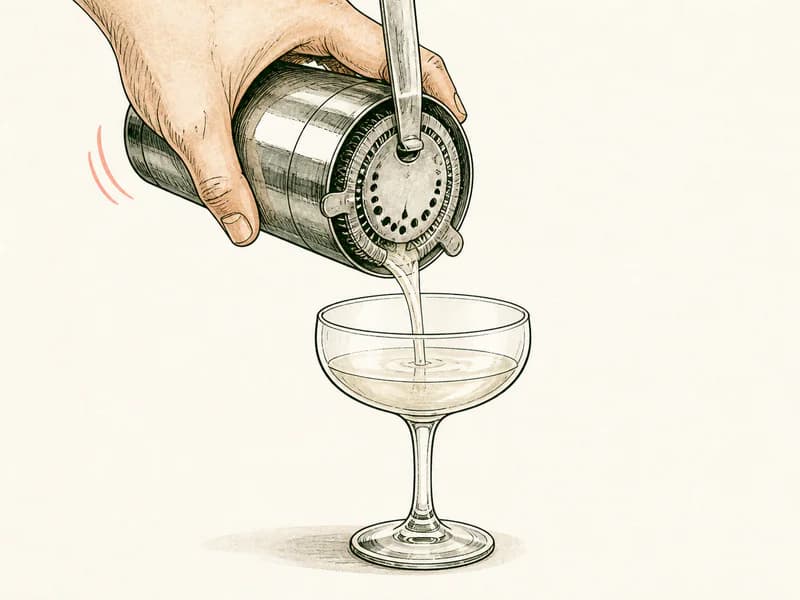
Strain cleanly Strain into a chilled glass — no ice
Know your drink
About the Alaska
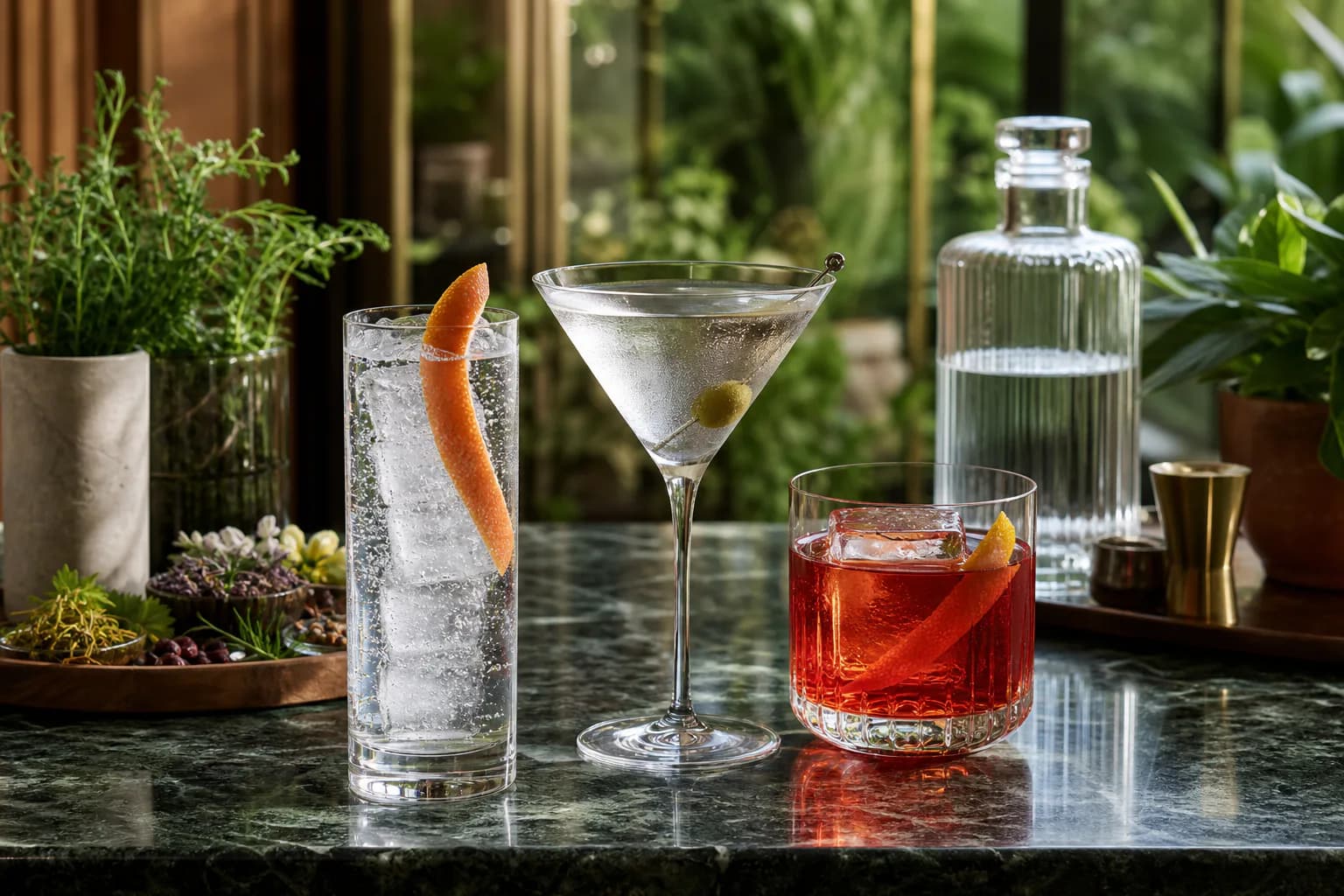
What the Savoy said
The Alaska appears in Harry Craddock's Savoy Cocktail Book in 1930, where the entry carries a dry aside pointing out that the drink is not, in fact, what people in Alaska live on. Craddock's book is full of that tone. The recipe had already been printed more than a decade earlier, so the Savoy popularized it rather than invented it.
Chartreuse has been made by Carthusian monks for more than two centuries, and the yellow bottling is the gentler of the two: lower proof, sweeter, colored by saffron rather than by chlorophyll. Supply has been tight since the order chose to cap production. If you find a bottle, this and the Last Word are the two best reasons to open it.
Common questions
Alaska FAQ
Green Chartreuse instead of yellow?
A different and much more aggressive drink. Green runs 55 percent and tastes of pine and mint; yellow is 40 percent, sweeter, carrying honey and saffron. If you only have green, drop it to 15 ml against the gin or the herbs flatten everything else.
Is there a cheaper substitute for Chartreuse?
Not really. Génépy comes closest and costs less, though it's lighter and drier, so add a few milliliters of syrup to compensate. Strega is sweeter and heavy on saffron. Nothing else in the herbal liqueur aisle carries the same weight on the palate.
Should it be three parts gin or four?
Older printings go as high as four to one, which is very dry indeed. This page sits closer to three to one, where most people end up. Tighten the Chartreuse if your gin is soft; loosen it if you're pouring a big juniper bomb.
Craddock's version is two ingredients. Does it want a third?
It needs something. Gin and Chartreuse overlap heavily and the drink goes one-note without a third voice in there. Orange bitters open up the citrus side of both. A grapefruit twist expressed over the top does a similar job if that's what's in the kitchen.
How strong is an Alaska?
A standard Alaska is roughly 40% ABV once mixed (before ice melt softens it further). That makes it spirit-forward — closer to a Martini than to a beer, so sip it slowly.
Is an Alaska shaken or stirred?
An Alaska is shaken. About 13 seconds with plenty of ice chills and dilutes it correctly.
What glass do you serve an Alaska in?
Serve an Alaska in a chilled coupe glass, well chilled — this drink is served without ice, so a cold glass keeps it cold.
Sharpen the technique
Skills used in this recipe
Where to go next
If you like the Alaska, try these.
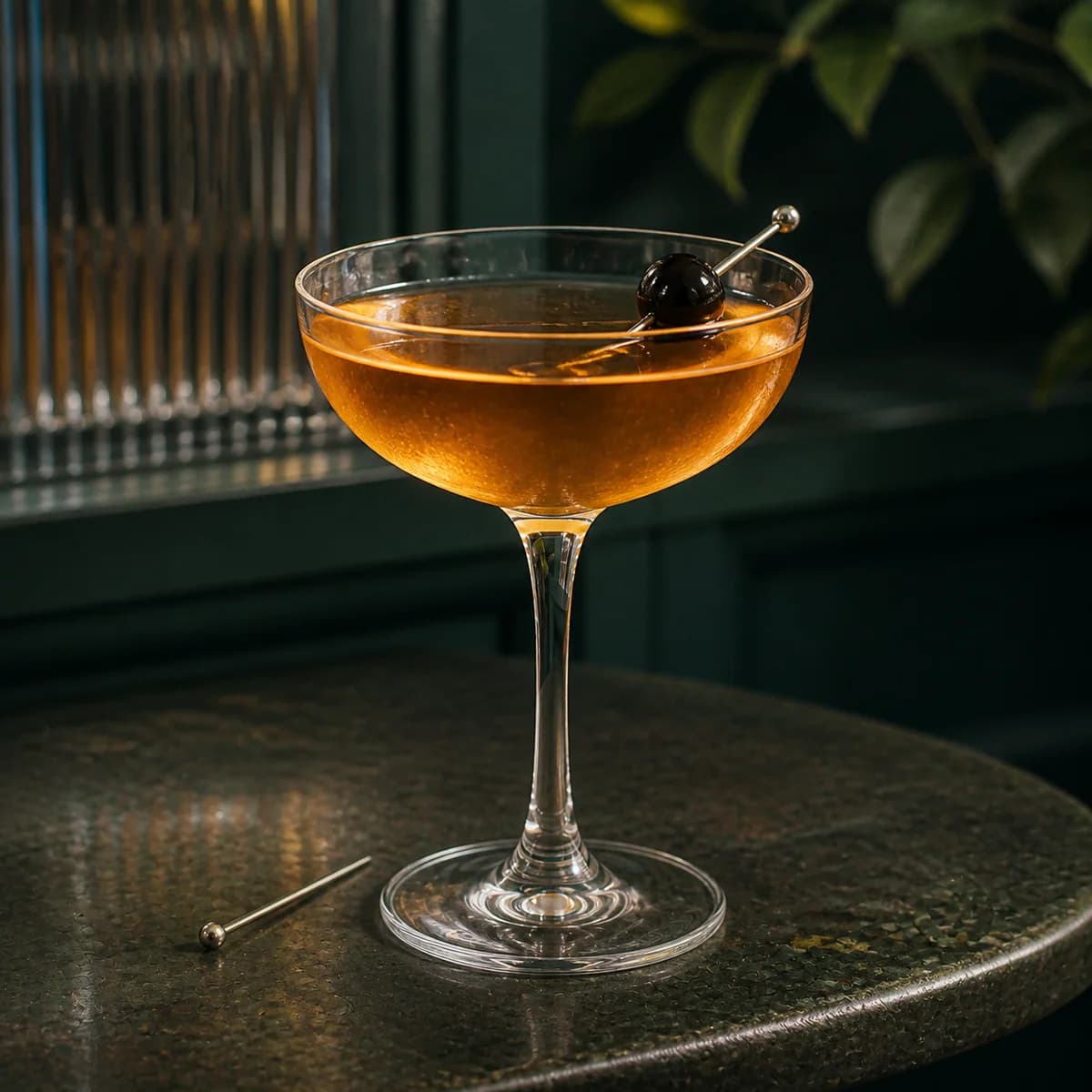
Bijou
“Jewel” in French — equal parts gin, green Chartreuse and sweet vermouth, named for the gem colors of its ingredients. Herbal, bold and beautiful.
View recipe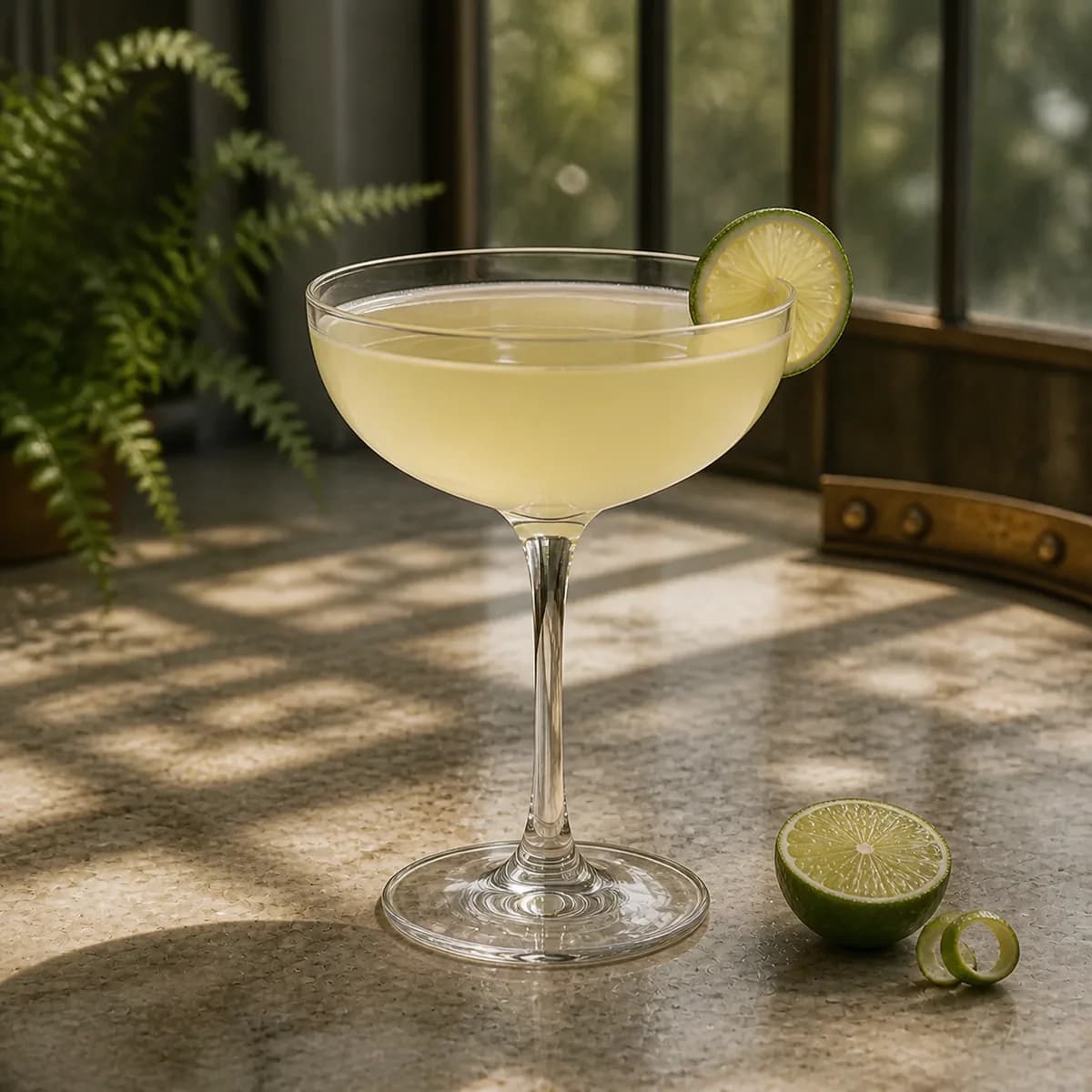
Pegu Club
Gin, orange liqueur and lime with two kinds of bitters — a colonial Burmese club classic, dry and aromatic.
View recipe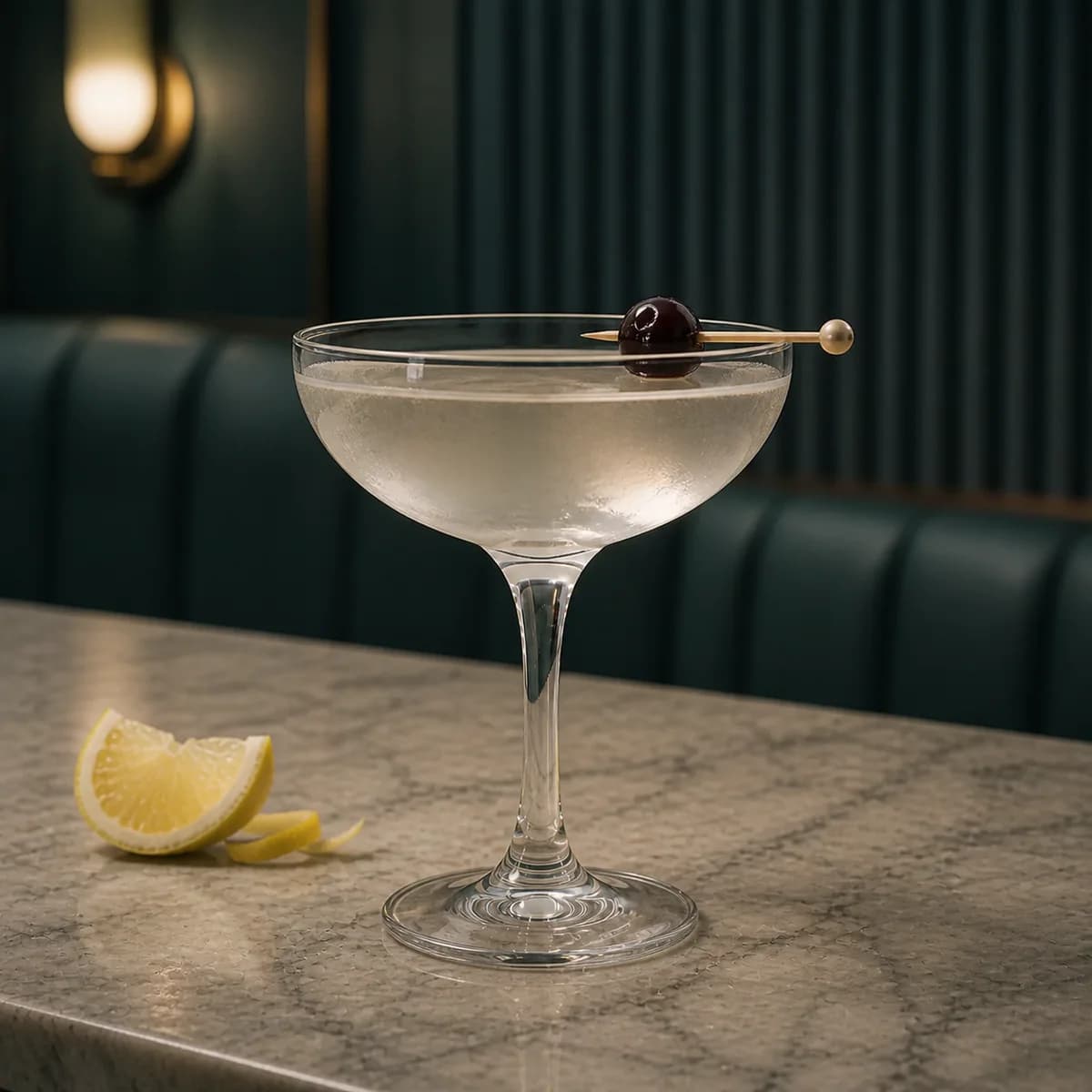
Casino
Cousin to the Aviation, minus the violet and with the maraschino pulled back to a bar spoon or two. What's left is a dry gin sour where the cherry sits underneath the drink rather than on top of it. Orange bitters do the rest.
View recipe