Classic cocktail · Guided recipe
Bitter Giuseppe
Start makingA bartender’s nightcap: Cynar-style amaro with sweet vermouth and a generous hit of orange bitters. Deeply bitter and stirring.
In the glassAmaro · Sweet vermouth · Orange bitters
See exact amounts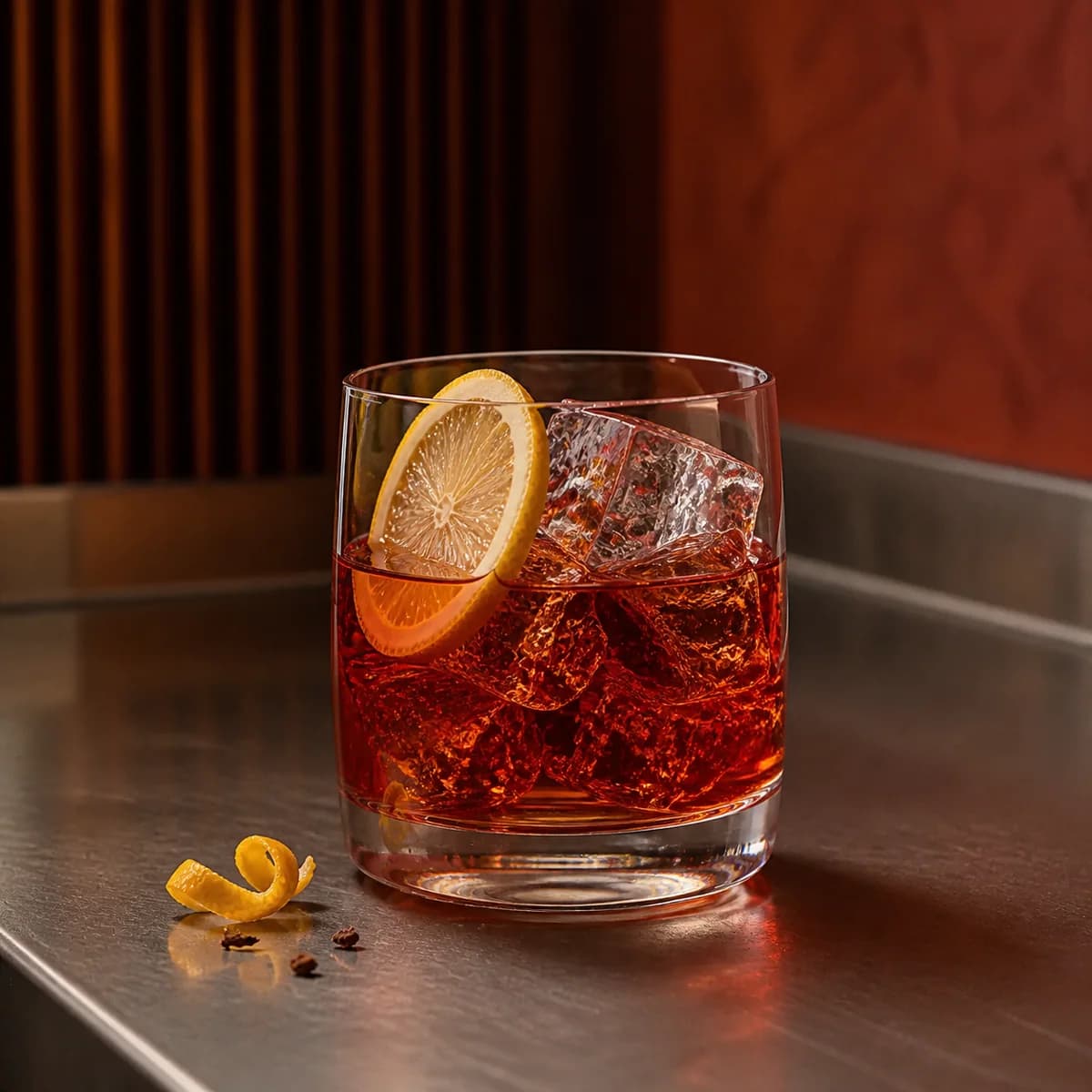
What goes in
Ingredients
Set up before you pour
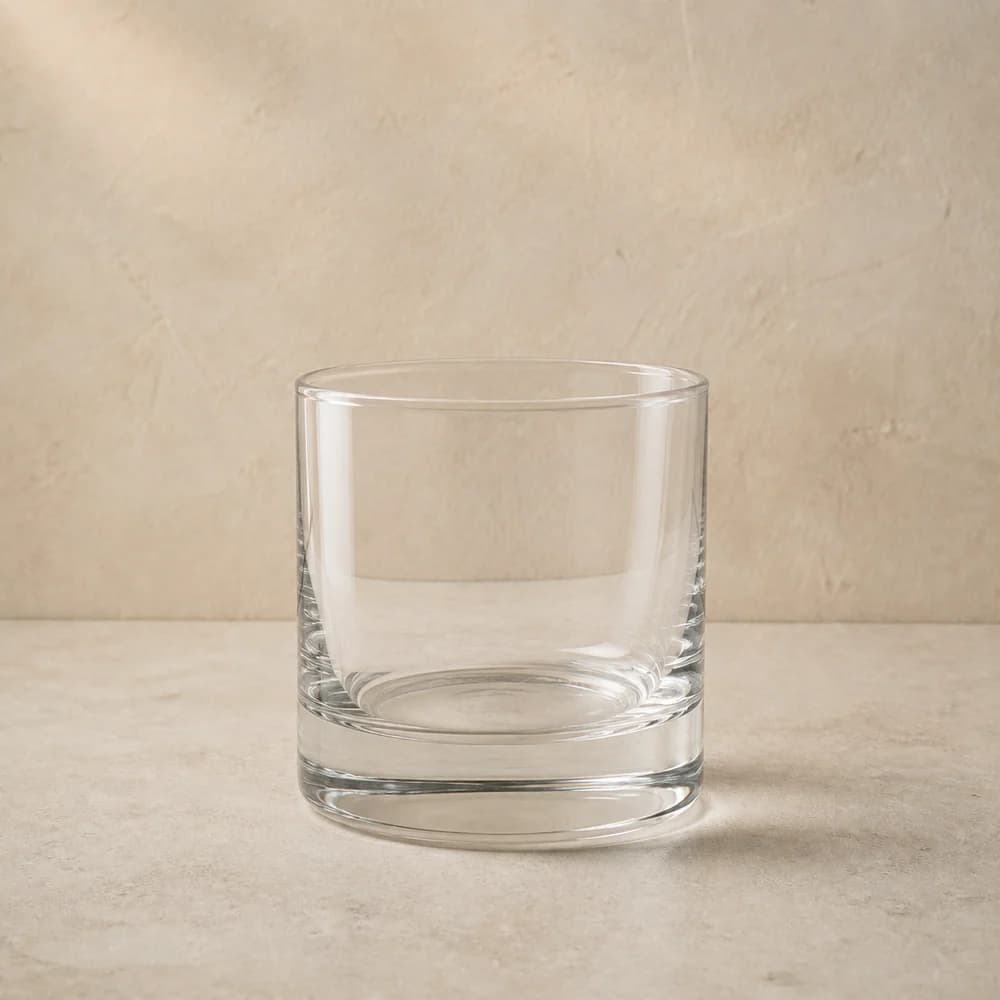
Use a rocks glass.
The low, sturdy bowl suits concentrated drinks and gives one large cube enough width.
- Standard size
- 300 ml10¼ oz
- Ice & serve
- Fill it with fresh ice cubes.
- If you don’t own one
- Use a small water tumbler with a heavy base.
- jigger or measuring spoon
- Amaro60 ml
- Sweet vermouth22 ml
- Orange bitters6 dashes
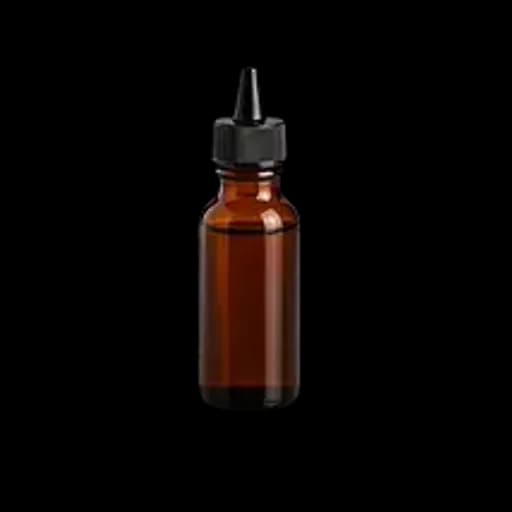
From bottle to glass
Method
- 01
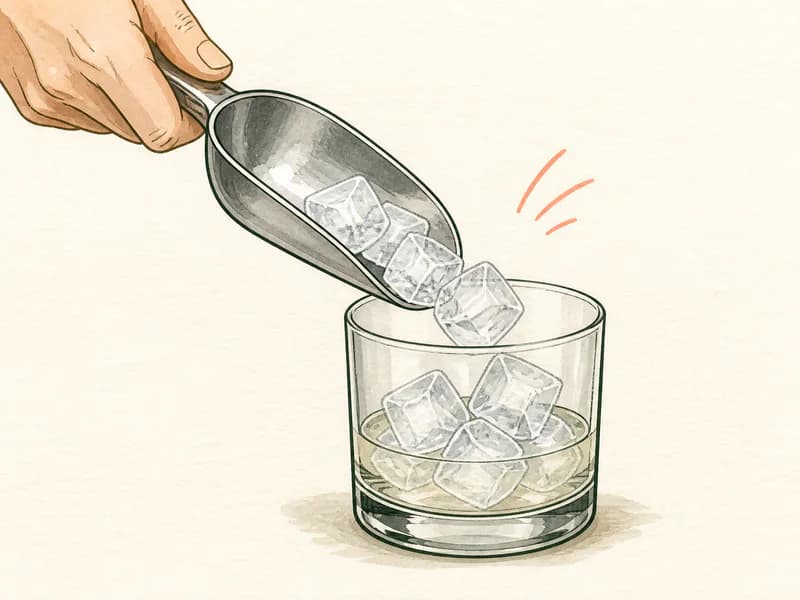
Ice the glass Fill the glass with ice
- 02
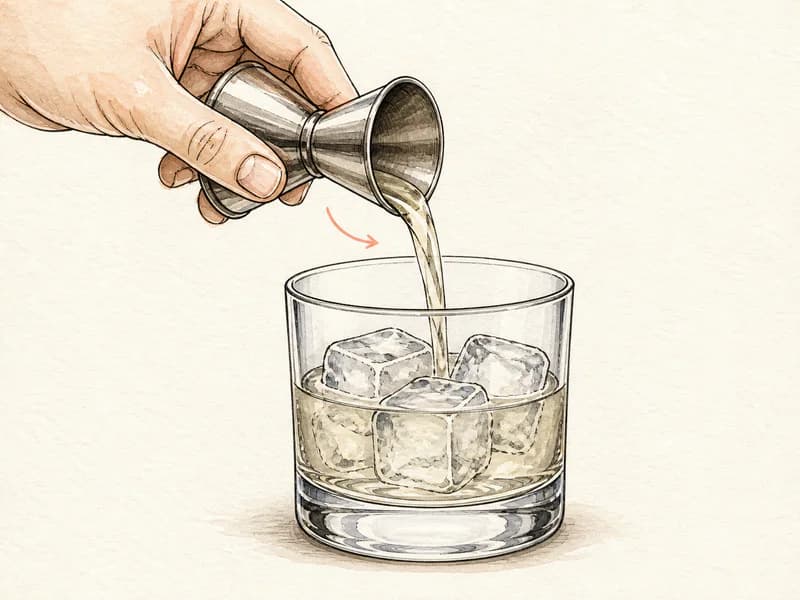
Measure and pour Pour 60 ml amaro
 Amaro
Amaro
- 03
Measure and pour Add 22 ml sweet vermouth
 Sweet vermouth
- 04
Measure and pour Add 6 dashes orange bitters
 Orange bitters
- 05
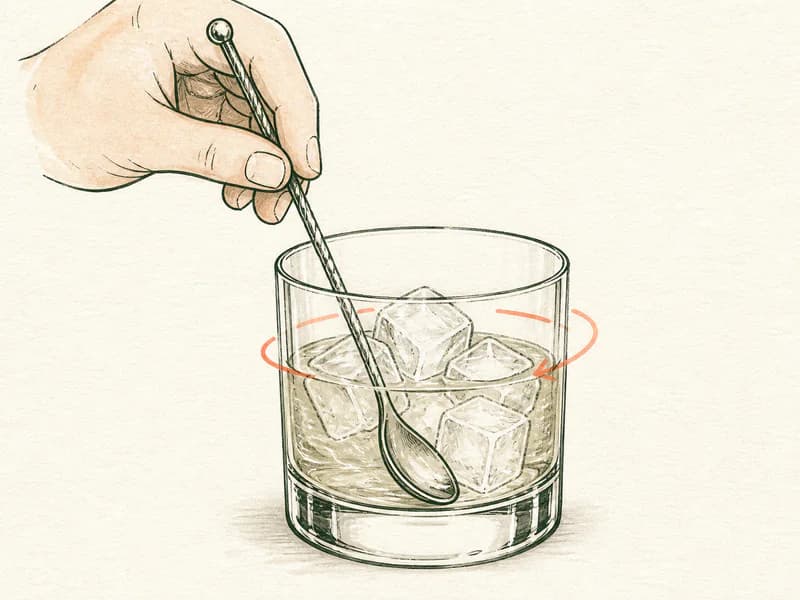
Stir around the ice Stir gently to combine
- 06
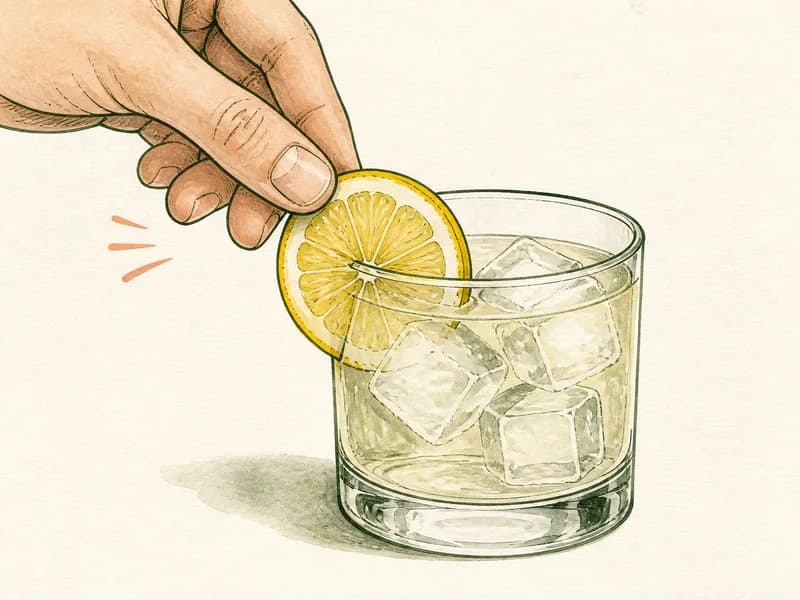
Finish the drink Finish it — add a lemon slice
Know your drink
About the Bitter Giuseppe
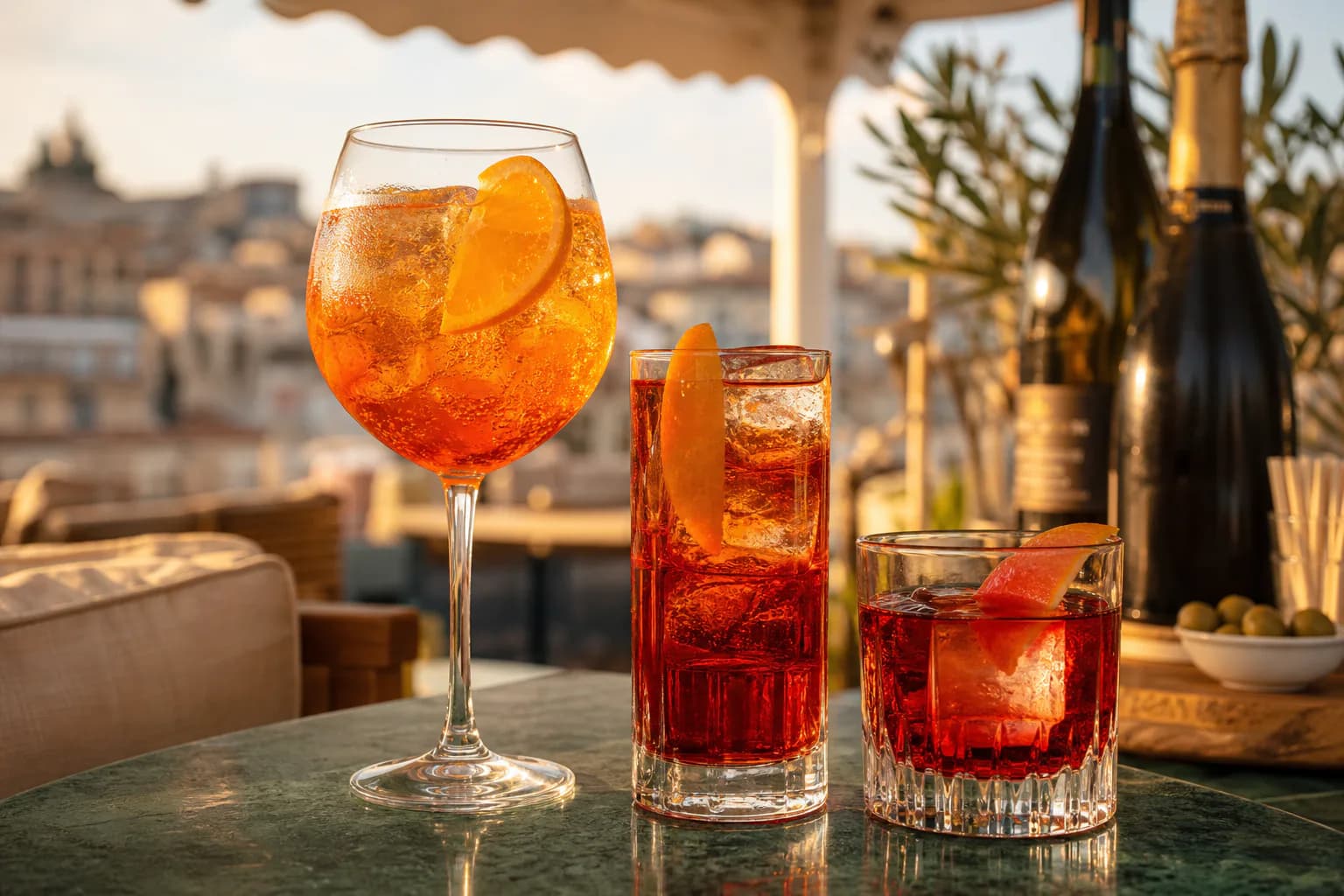
Cynar's best argument
Artichoke is on the Cynar label and it really is in the bottle, though it's one of thirteen herbs and plants rather than the whole story. What the amaro lacks on its own is lift, which is where all those orange bitters come in. Usually credited to Stephen Cole at Chicago's Violet Hour, and now the standard way to convince someone that Cynar deserves shelf space.
Common questions
Bitter Giuseppe FAQ
Does it have to be Cynar?
It's built around Cynar's particular bitterness, which is vegetal rather than medicinal. Averna or Montenegro make a rounder, sweeter version, so drop the vermouth to 15 ml if you go that way. Fernet is a step too far and buries the orange bitters completely.
Six dashes of orange bitters can't be right, surely?
It is right. Cynar is heavy and faintly sweet, and the bitters are what cut through it and give the glass any lift at all. Use a bottle you'd be happy tasting neat, and count the dashes out rather than free-pouring them in.
Am I meant to squeeze the lemon in?
Yes. Give the wheel a firm squeeze over the glass before dropping it in, or add 8 ml of juice outright, which is how the drink is usually written. Without that acid the amaro sits flat and the vermouth's sweetness has nothing pulling against it.
Is it really as low in alcohol as it looks?
More or less. Cynar is 16.5% and vermouth around 16%, so you start at wine strength and finish below it once the ice has done its work. It tastes like a serious spirits drink and behaves like a large glass of red.
What ingredients are in a Bitter Giuseppe?
A classic Bitter Giuseppe calls for 60 ml (2 oz) Amaro, 22 ml (0.75 oz) Sweet vermouth, 6 dashes orange bitters Orange bitters. That single-serve spec scales cleanly — the recipe above converts it to oz and multiplies it for 2–4 drinks.
Is a Bitter Giuseppe shaken or stirred?
A Bitter Giuseppe is stirred, not shaken. It contains no citrus juice, so stirring keeps it crystal clear and silky instead of cloudy and aerated.
What glass do you serve a Bitter Giuseppe in?
Serve a Bitter Giuseppe in a rocks glass (old fashioned glass), over fresh ice cubes.
Sharpen the technique
Skills used in this recipe
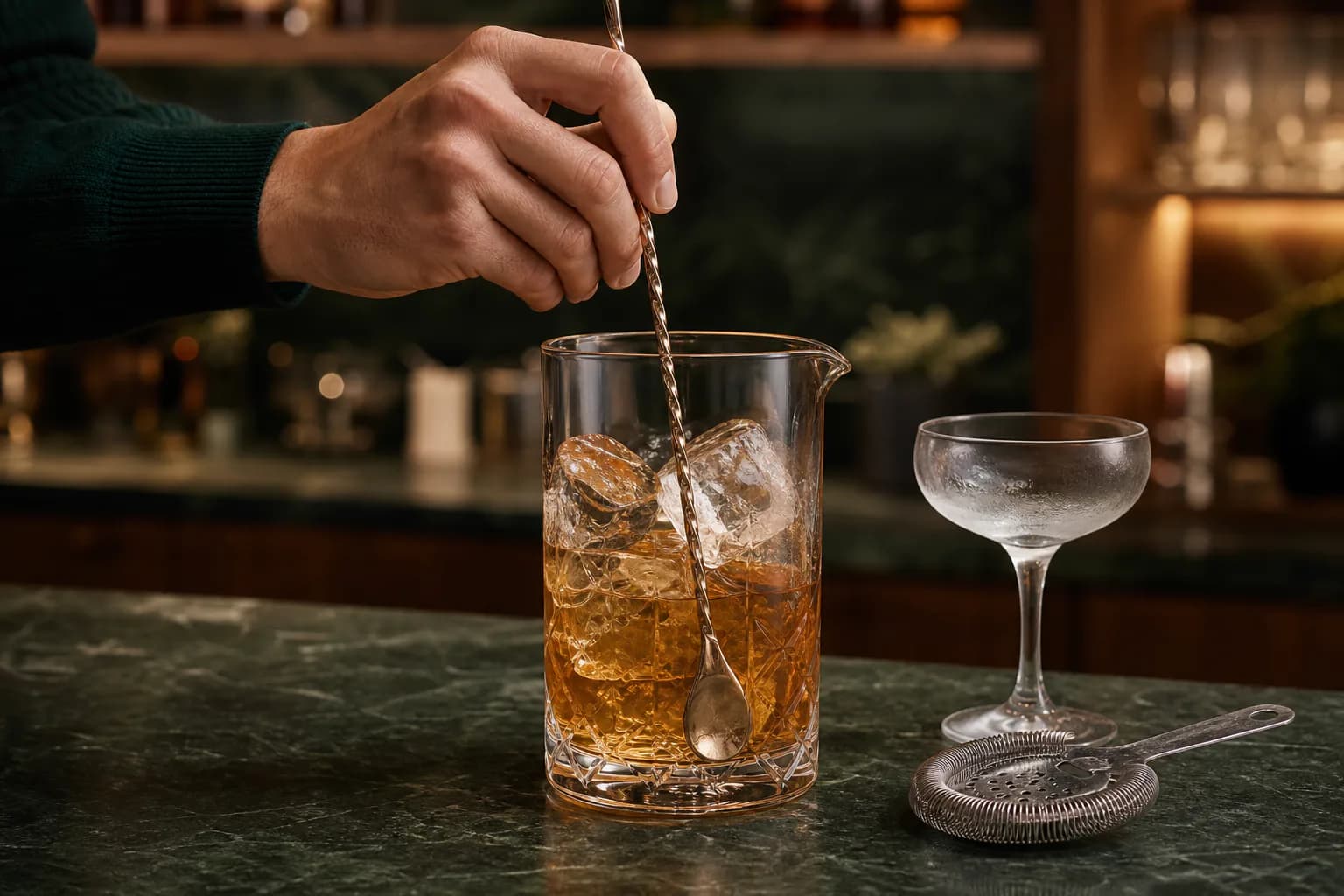
How to stir a cocktail for a silky finish
Control chilling and dilution without adding the bubbles and texture of a shake.
Read the guide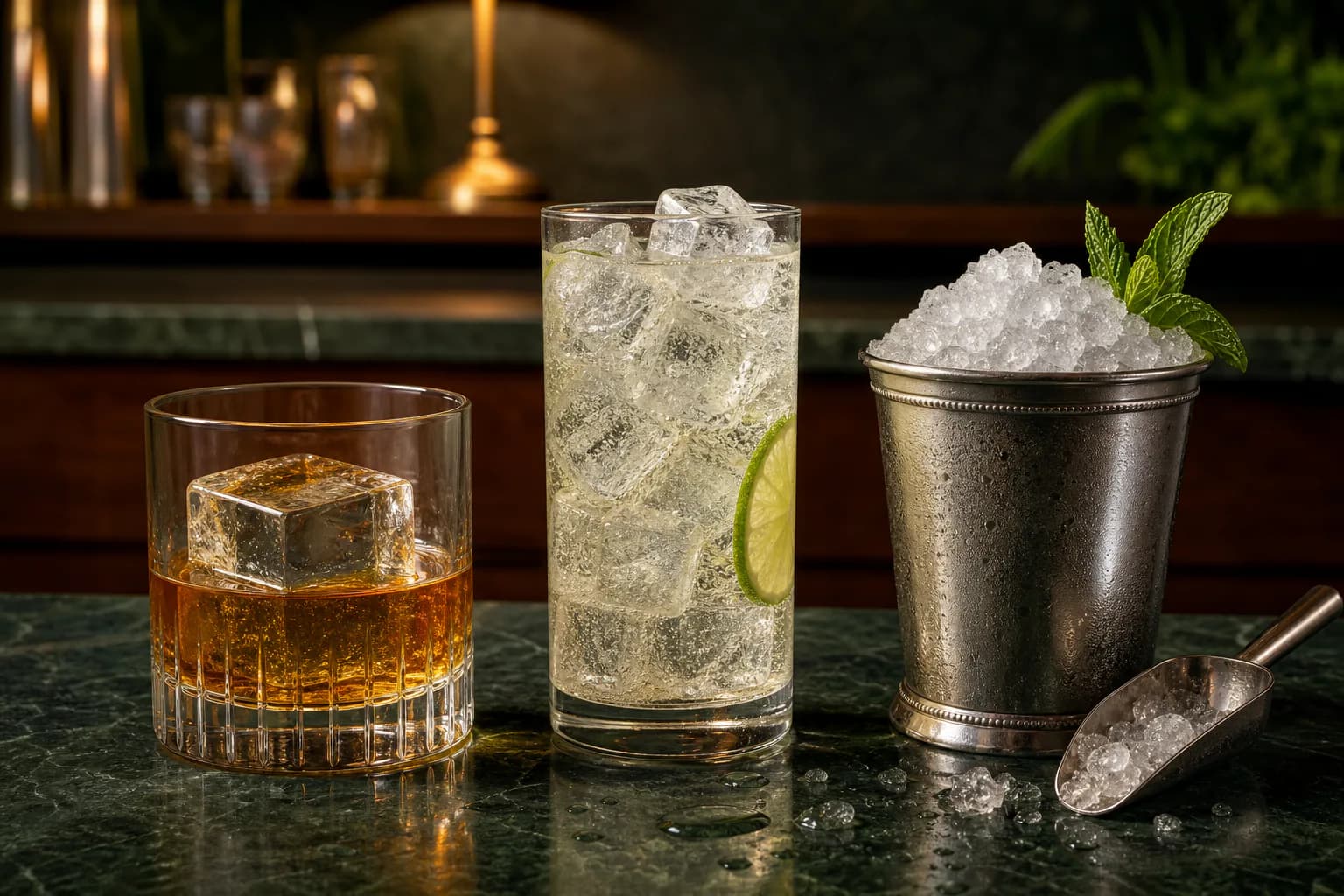
Cocktail ice: cubes, crushed ice and dilution
Understand why ice is an ingredient—and choose the right shape for every drink.
Read the guideWhere to go next
If you like the Bitter Giuseppe, try these.
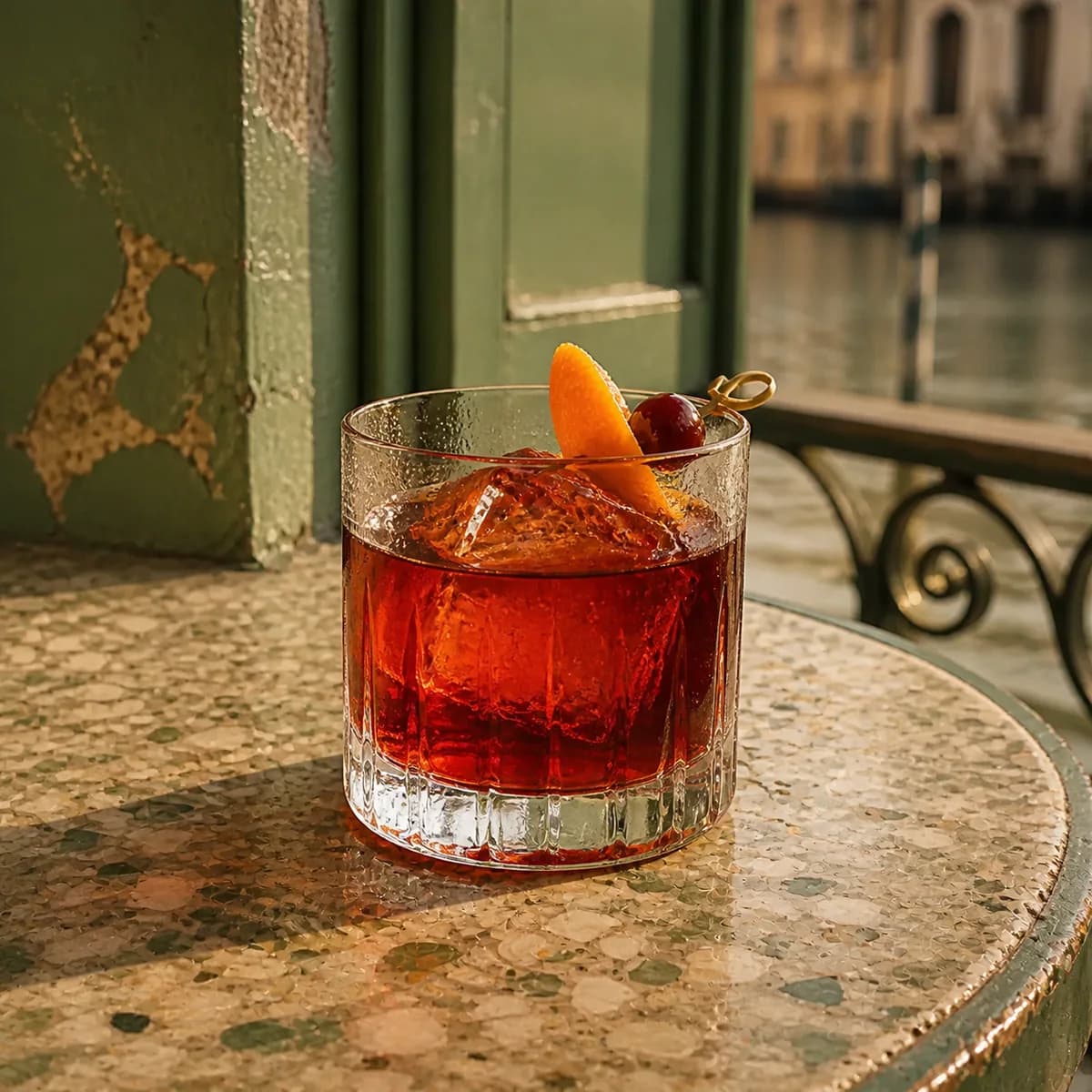
Amaro Sour
Which amaro you open changes the drink completely. Montenegro gives you orange peel and vanilla, Averna is caramel and cola, Nonino is grappa-bright and dry. Taste the bottle first, then decide whether the syrup goes in at all.
View recipe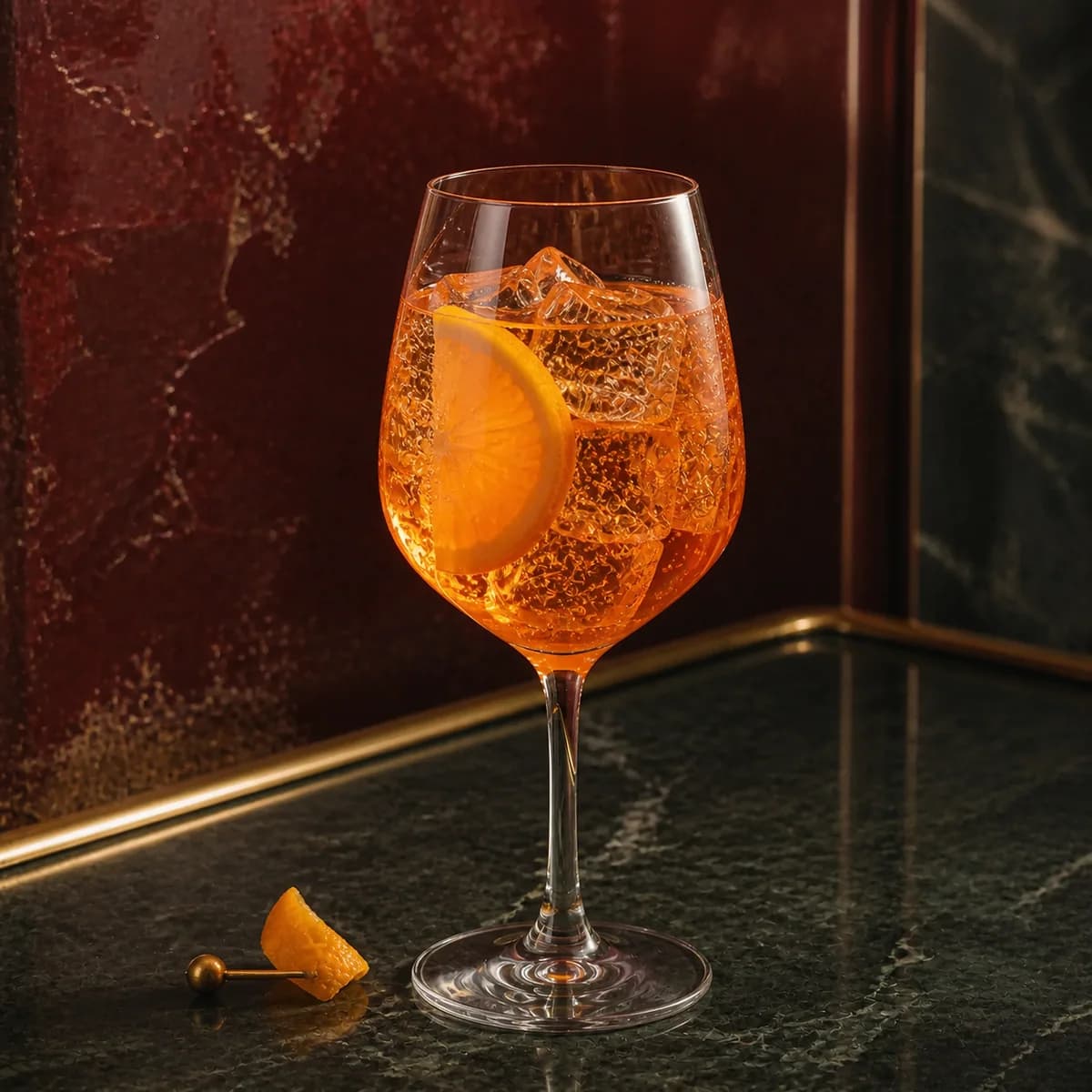
Amaro Spritz
A bittersweet spritz built on amaro instead of Aperol — deeper and more herbal, topped with prosecco and soda.
View recipe