Classic cocktail · Guided recipe
Chancellor
Start makingA robust Scotch sipper: whisky with ruby port and a little dry vermouth, stirred down with bitters. Rich, dark and warming.
In the glassScotch whisky · Ruby port · Dry vermouth · Angostura bitters
See exact amounts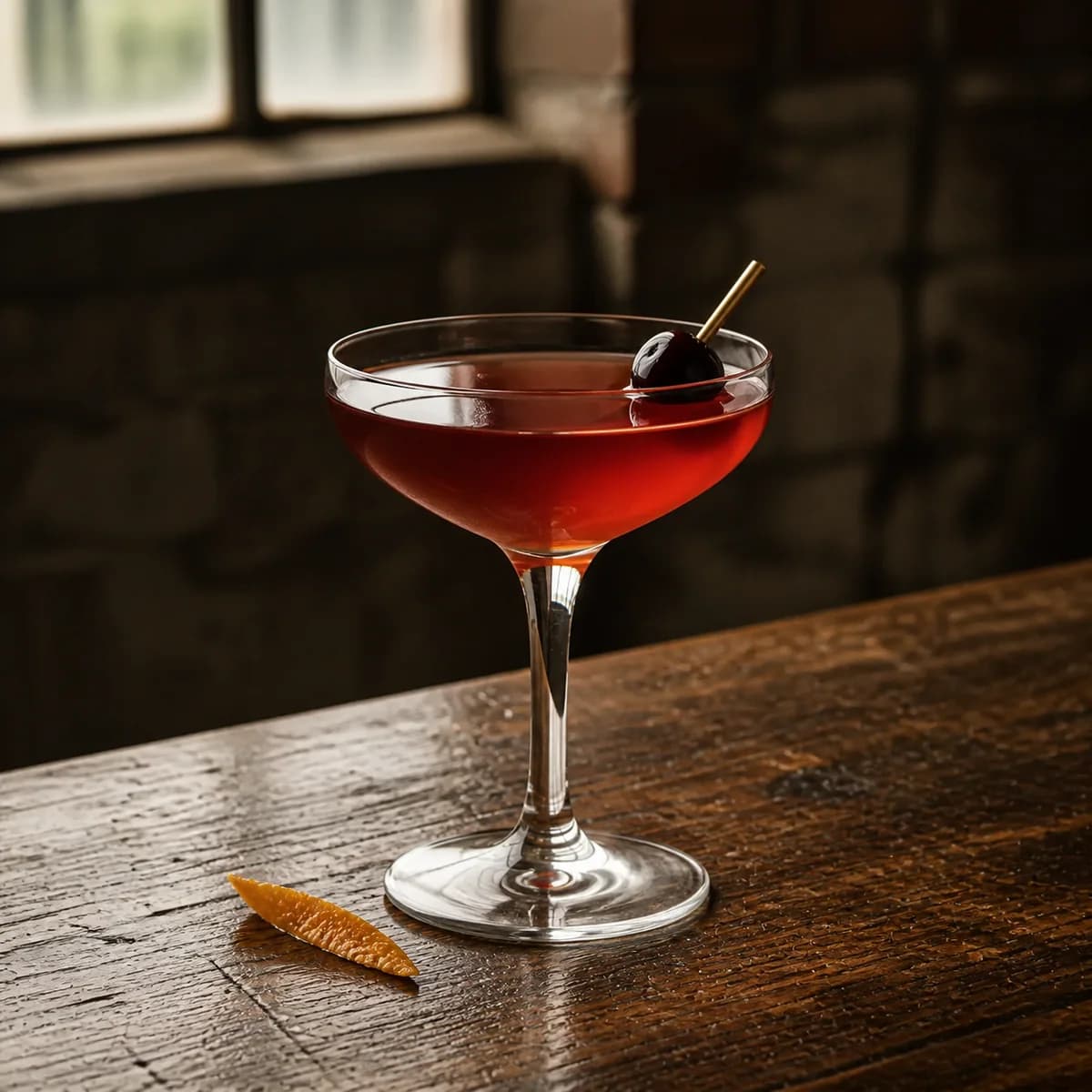
What goes in
Ingredients
Set up before you pour
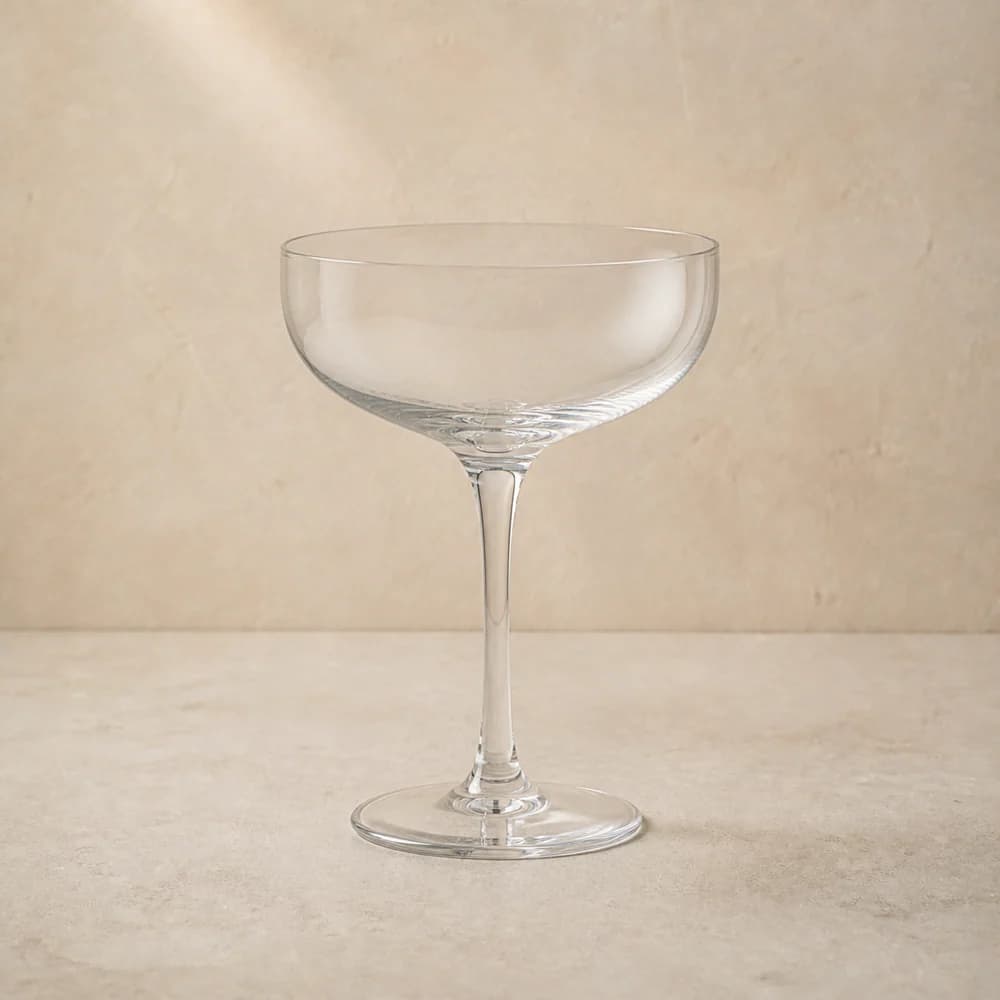
Use a coupe glass.
The stem keeps your hand away from a cold drink, while the rounded bowl makes an up serve easy to sip.
- Standard size
- 200 ml6¾ oz
- Ice & serve
- Chill it first; serve without ice.
- If you don’t own one
- Use a small martini glass or stemmed dessert glass.
- cocktail shaker
- strainer (or a small sieve)
- jigger or measuring spoon
- Scotch whisky45 ml
- Ruby port22 ml
- Dry vermouth8 ml
- Angostura bitters2 dashes
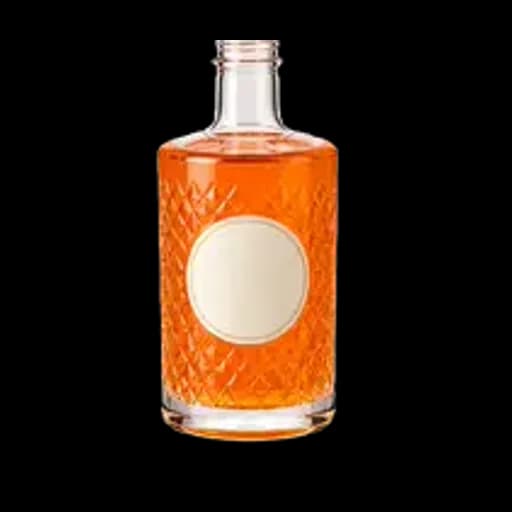
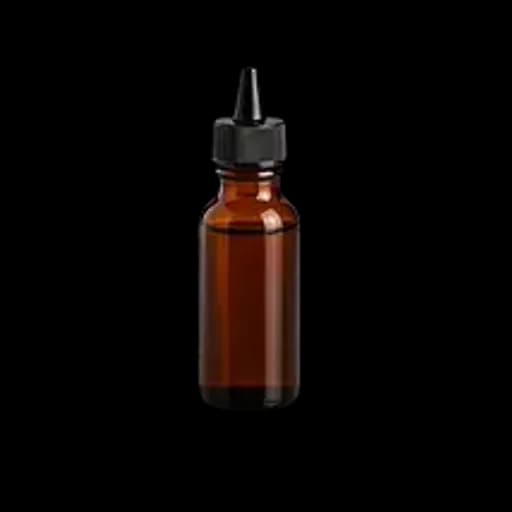
From bottle to glass
Method
- 01
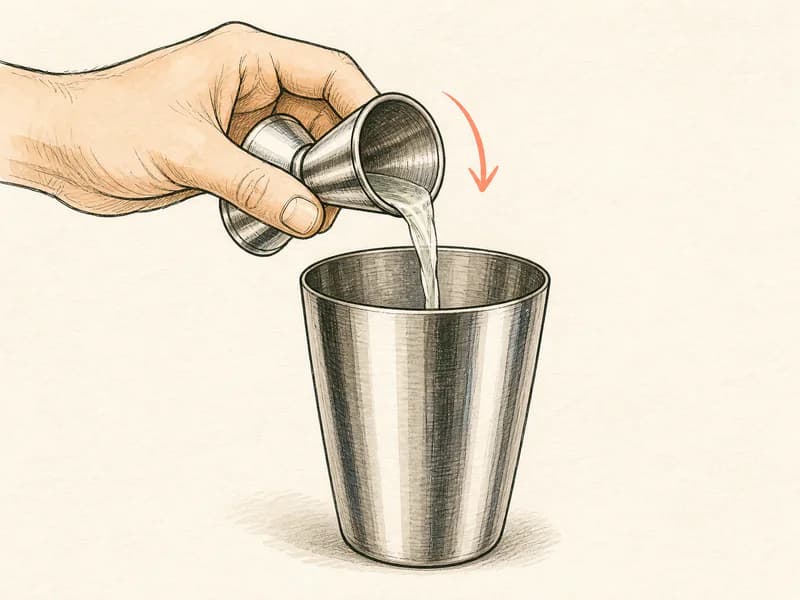
Measure into the shaker Pour 45 ml scotch whisky into your shaker
 Scotch whisky
- 02
Measure into the shaker Add 22 ml ruby port
 Ruby port
- 03
Measure into the shaker Add 8 ml dry vermouth
 Dry vermouth
- 04
Measure into the shaker Add 2 dashes Angostura
 Angostura bitters
- 05
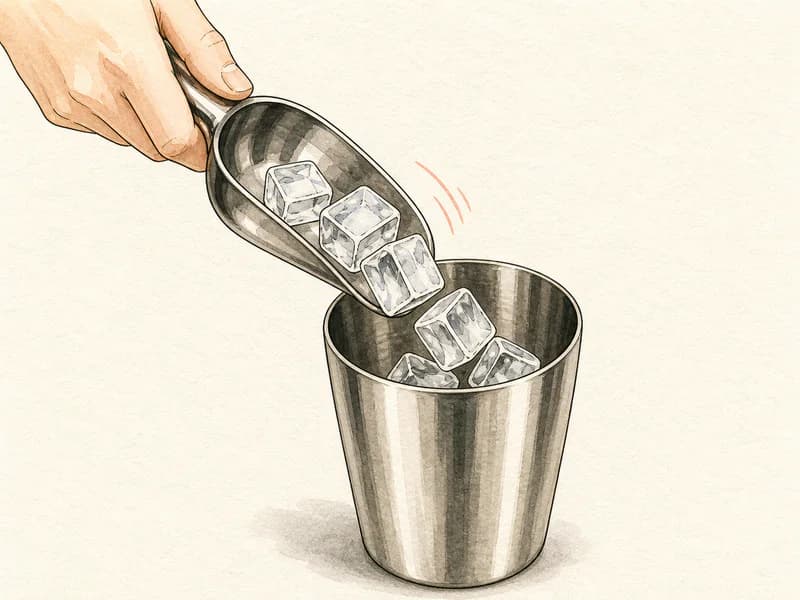
Ice the shaker Fill the shaker with ice
- 06
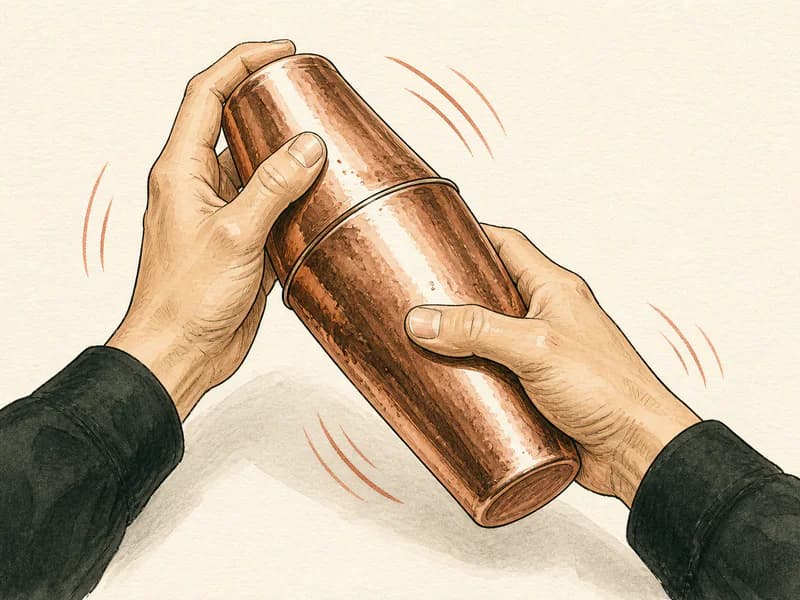
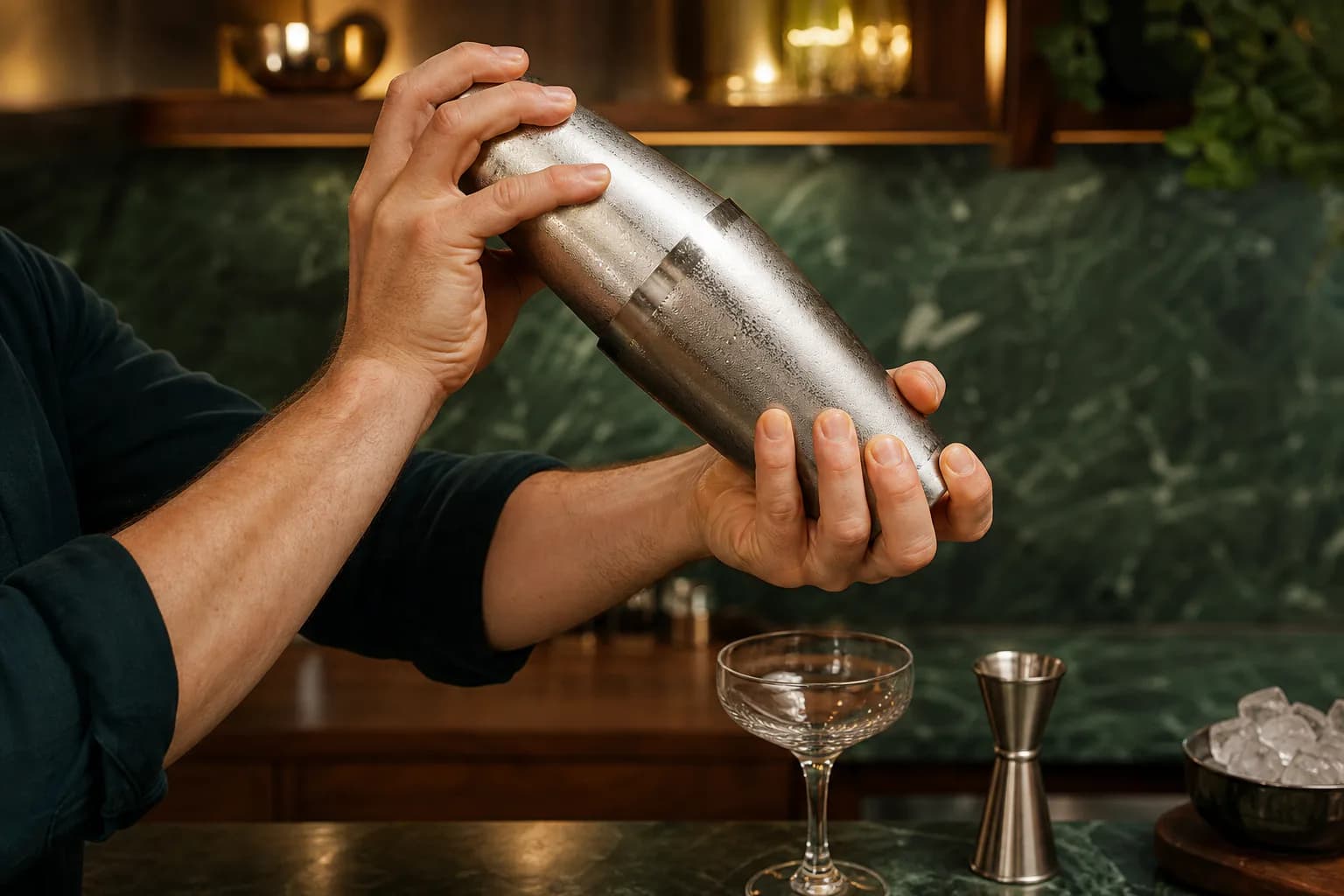
Seal and shake Seal and shake hard
- 07
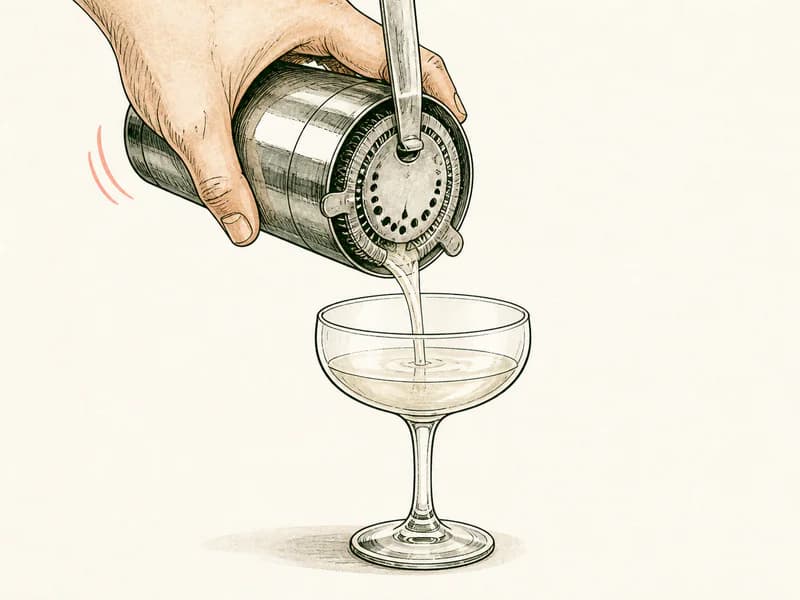
Strain cleanly Strain into a chilled glass — no ice
- 08
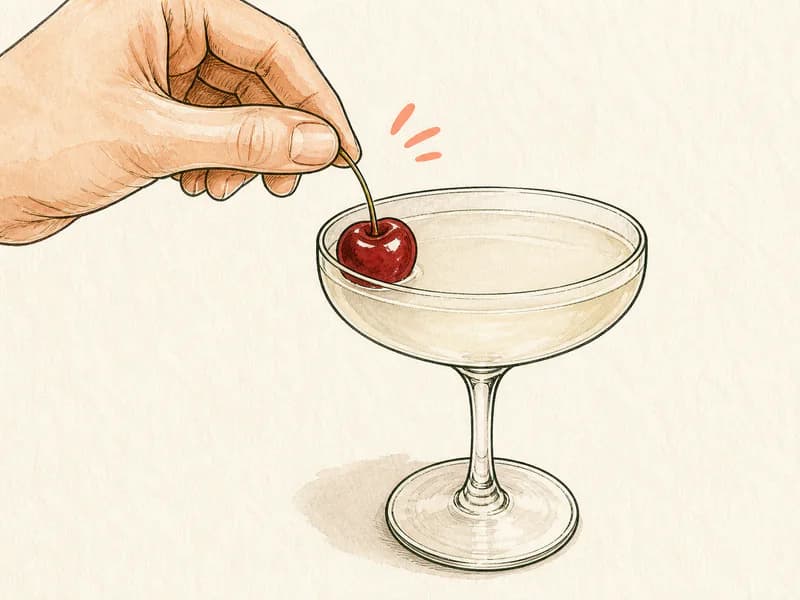
Finish the drink Finish it — add a cocktail cherry
Know your drink
About the Chancellor
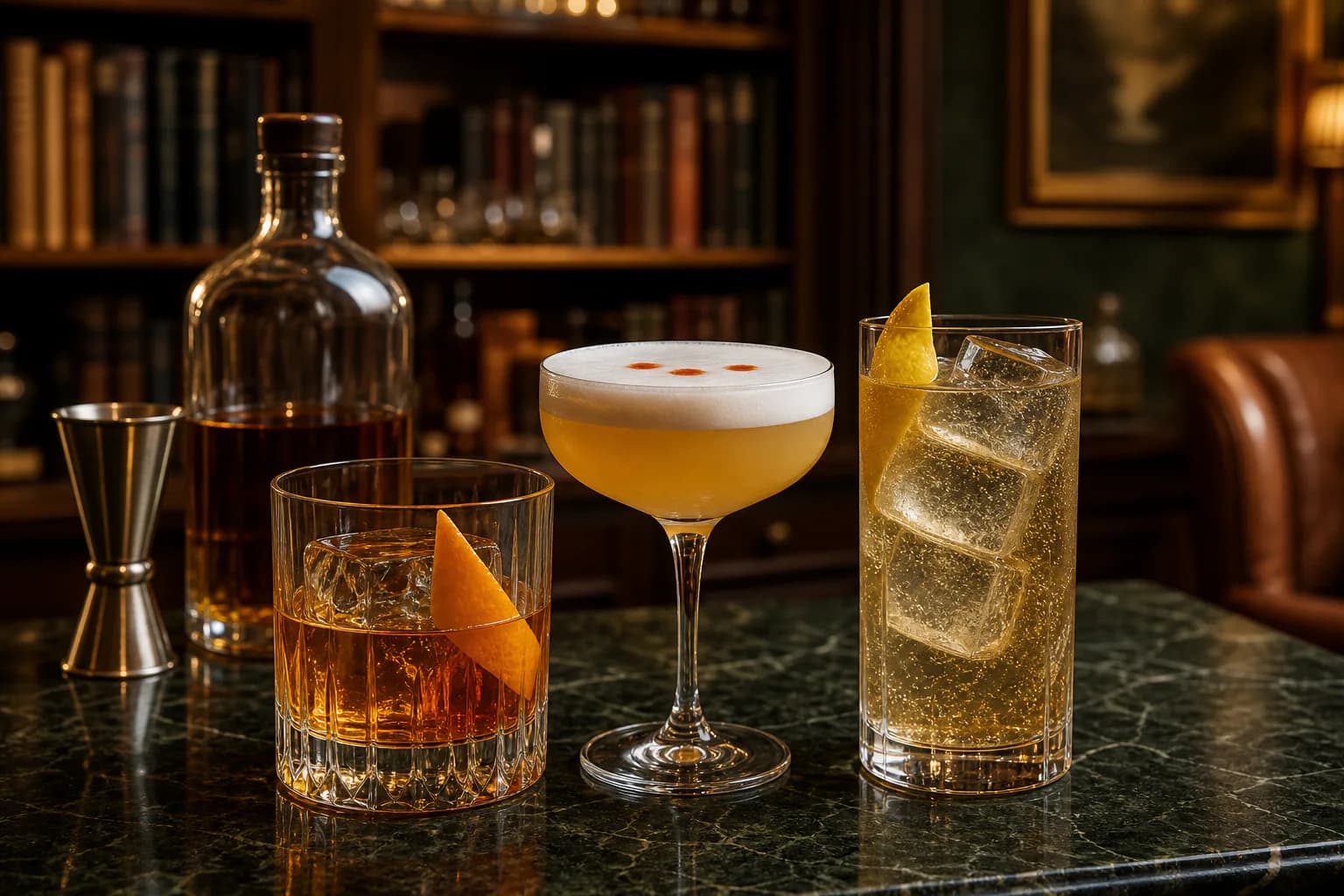
Where the port drinks went
Port was bar equipment long before it was a dessert wine. Nineteenth-century American books are full of it: port sangarees, port cobblers, port flips, and mixtures with whisky along these lines. Tastes moved toward lighter and colder drinks, port went back to being poured after dinner, and most of a category quietly disappeared. The Chancellor is one of the few survivors.
Serve it small. Seventy-five milliliters of whisky, fortified wine and bitters is a full-strength glass with no citrus anywhere to lighten it, which makes this a drink for the end of an evening rather than the start. Cherry in the bottom earns its keep at the finish, when what is left is mostly port and Angostura.
Common questions
Chancellor FAQ
How far is this from a Rob Roy?
Same whisky, different partner. A Rob Roy leans on sweet vermouth and its herbs. Here ruby port takes that seat, bringing grape sweetness and more body but none of the wormwood bitterness. The 8 ml of dry vermouth exists to put back some of the dryness the port removed.
Eight milliliters of dry vermouth looks pointless. Is it?
Leave it out once and you will see. Without it the port coats everything and the finish turns jammy. That small measure is dry and acidic enough to cut a line through the middle, the way a squeeze of lemon rescues a rich sauce. With a sweeter port, push it to 10.
One drink, and most of a bottle of port left. Now what?
Recork it and keep it in the fridge, where ruby port holds about three weeks, far longer than table wine and far shorter than a spirit. After that it flattens and turns slightly stewed. A fading bottle is better poured into this than drunk on its own, since whisky and bitters cover a lot.
Mine drank like liquid fruitcake. What do I pull back?
Port first. Twenty-two milliliters against 45 of whisky is already generous and ruby ports vary a lot in sugar, so drop to 15 and add a third dash of Angostura. If it is still heavy, the whisky is too gentle: something with more grain bite holds its ground.
What ingredients are in a Chancellor?
A classic Chancellor calls for 45 ml (1.5 oz) Scotch whisky, 22 ml (0.75 oz) Ruby port, 8 ml (0.25 oz) Dry vermouth, 2 dashes Angostura Angostura bitters. That single-serve spec scales cleanly — the recipe above converts it to oz and multiplies it for 2–4 drinks.
How strong is a Chancellor?
A standard Chancellor is roughly 33% ABV once mixed (before ice melt softens it further). That makes it spirit-forward — closer to a Martini than to a beer, so sip it slowly.
Is a Chancellor shaken or stirred?
A Chancellor is shaken. About 13 seconds with plenty of ice chills and dilutes it correctly.
Sharpen the technique
Skills used in this recipe
Where to go next
If you like the Chancellor, try these.
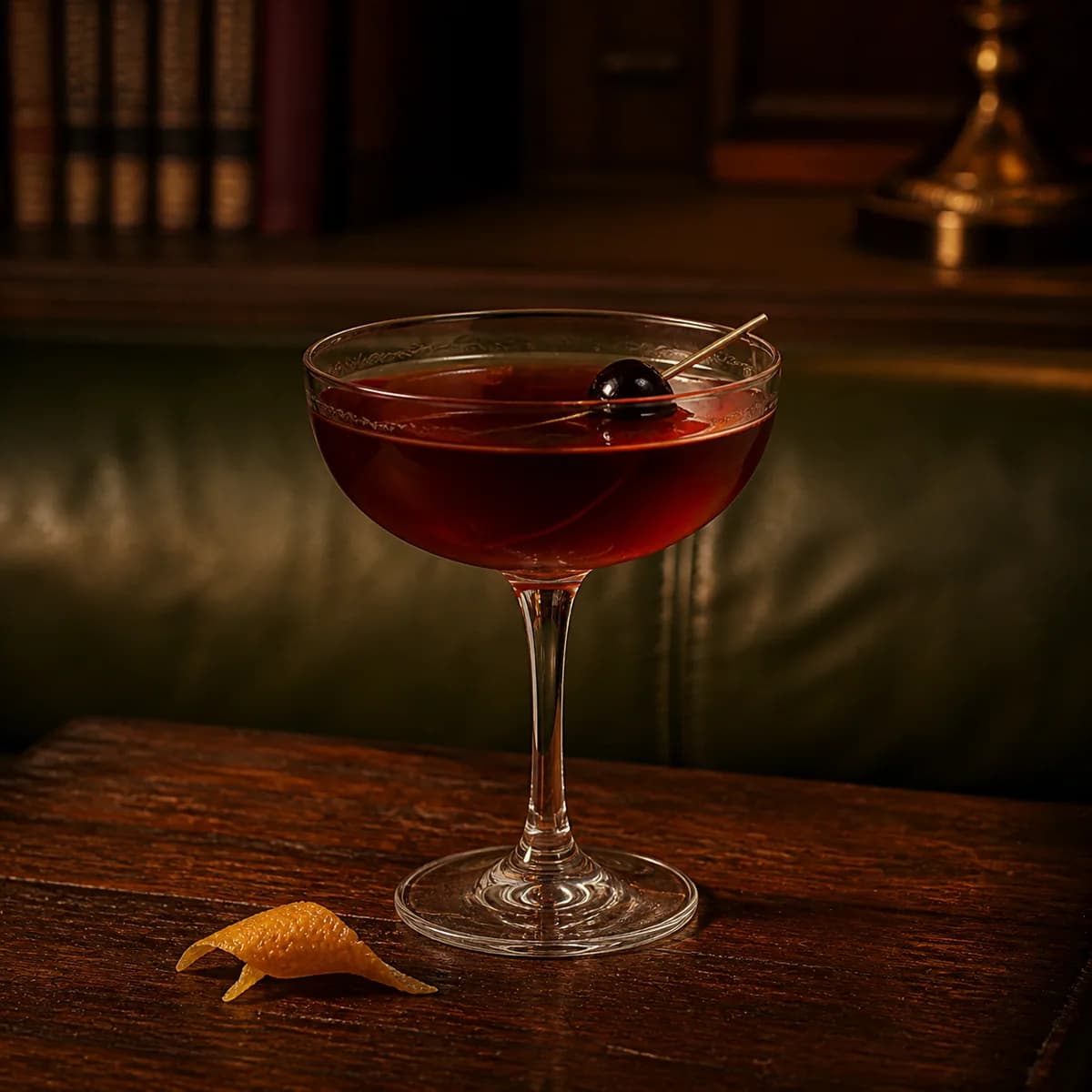
Affinity
A Scotch “perfect” Rob Roy: whisky split evenly between sweet and dry vermouth, with a dash of bitters. Smoky, round and balanced.
View recipe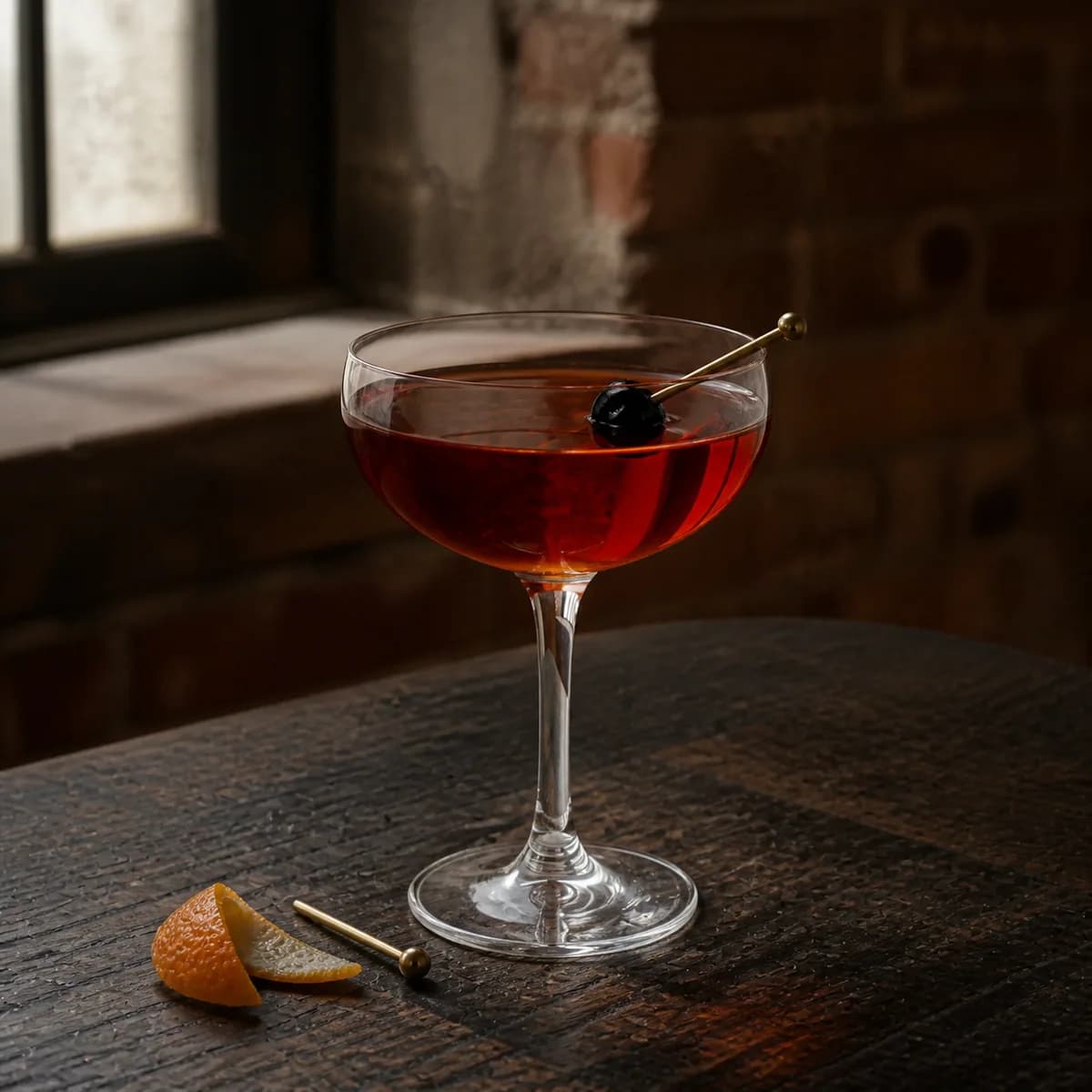
Rob Roy
A Manhattan made with Scotch — smoky, malty and a little softer. Sweet vermouth and bitters round it out.
View recipe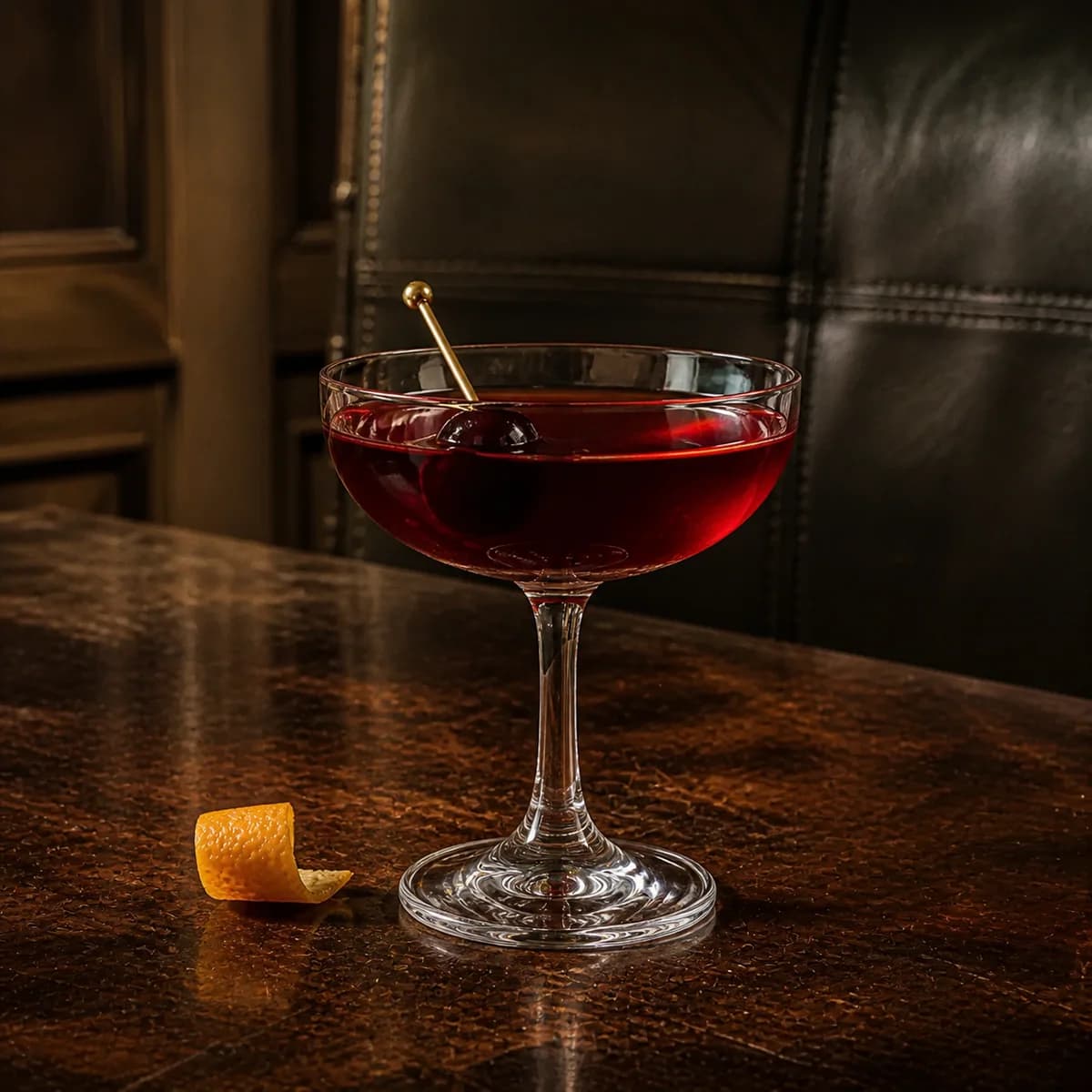
Thistle
Scotch and sweet vermouth in equal measure, which is twice the vermouth a Rob Roy carries, and it shows. Sweeter and more herbal than you expect, with the malt sitting well back and two dashes of Angostura the only thing pulling the other way.
View recipe