Classic cocktail · Guided recipe
Daiquiri No. 2
Start makingOrange juice does something odd to a Daiquiri. It pushes the lime into the background and lets the rum's sweetness sit forward, so what you get is less bracing than the original and rather better suited to the middle of the afternoon.
In the glassWhite rum · Triple sec / Cointreau · Orange juice · Fresh lime juice
See exact amounts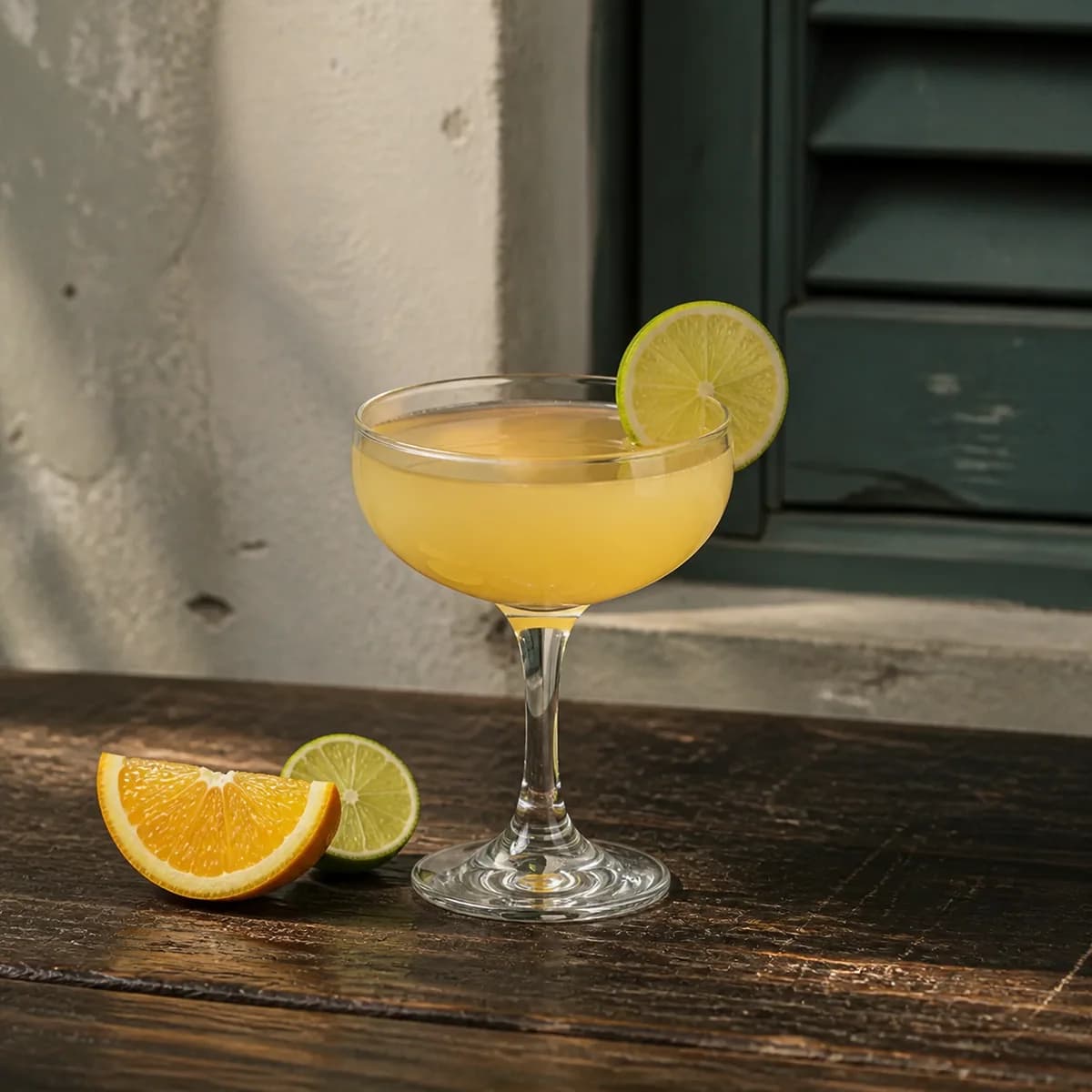
What goes in
Ingredients
Set up before you pour
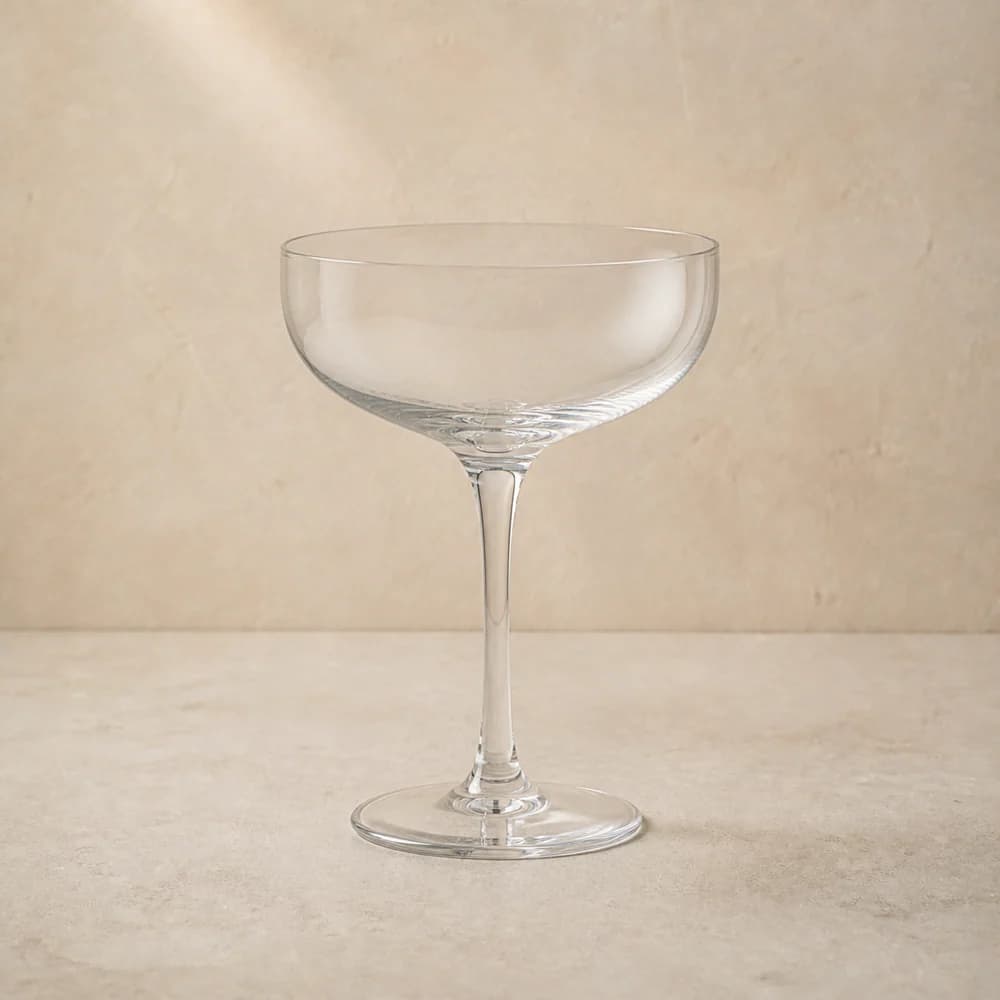
Use a coupe glass.
The stem keeps your hand away from a cold drink, while the rounded bowl makes an up serve easy to sip.
- Standard size
- 200 ml6¾ oz
- Ice & serve
- Chill it first; serve without ice.
- If you don’t own one
- Use a small martini glass or stemmed dessert glass.
- cocktail shaker
- strainer (or a small sieve)
- jigger or measuring spoon
- White rum60 ml
- Triple sec / Cointreau8 ml
- Orange juice15 ml
- Fresh lime juice8 ml
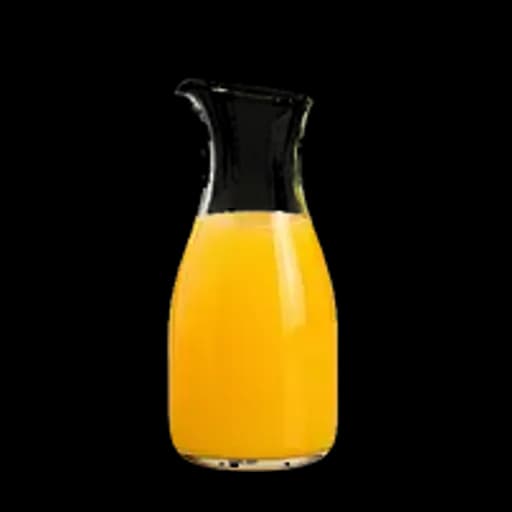
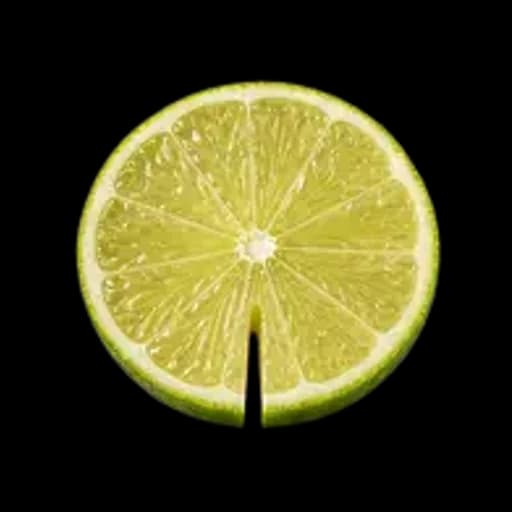
From bottle to glass
Method
- 01
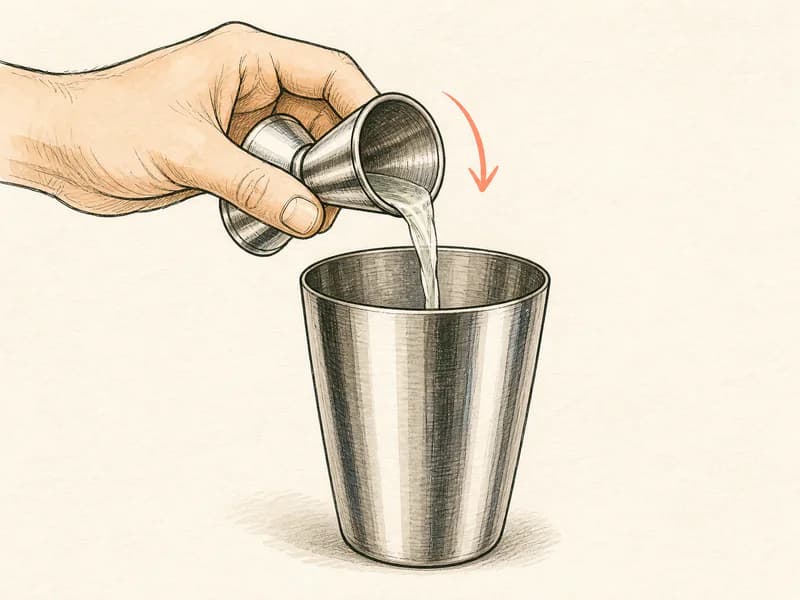
Measure into the shaker Pour 60 ml white rum into your shaker
 White rum
- 02
Measure into the shaker Add 8 ml triple sec / cointreau
 Triple sec / Cointreau
- 03
Measure into the shaker Add 15 ml orange juice
 Orange juice
- 04
Measure into the shaker Add 8 ml fresh lime juice
 Fresh lime juice
- 05
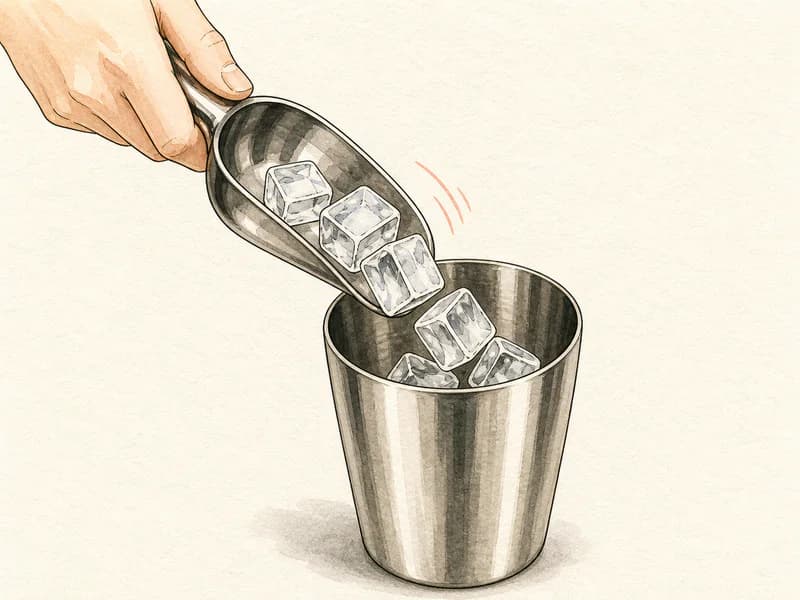
Ice the shaker Fill the shaker with ice
- 06
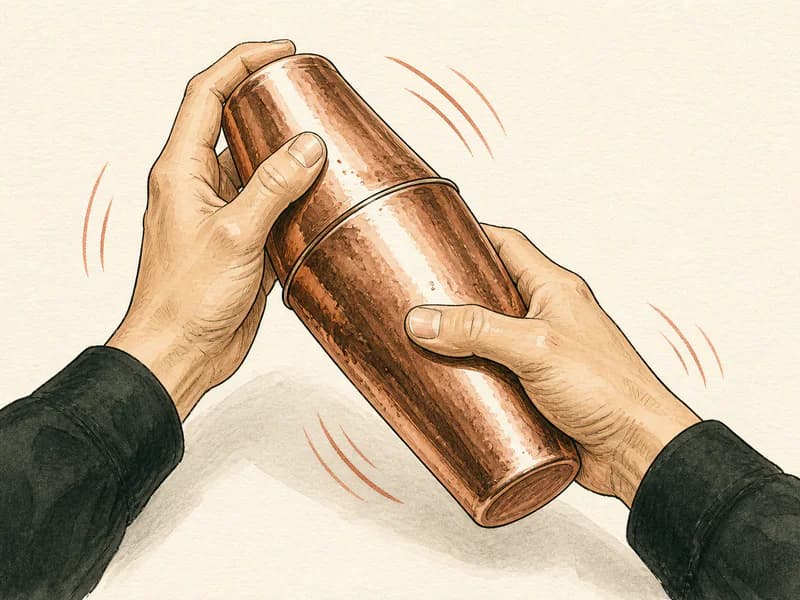
Seal and shake Seal and shake hard
- 07
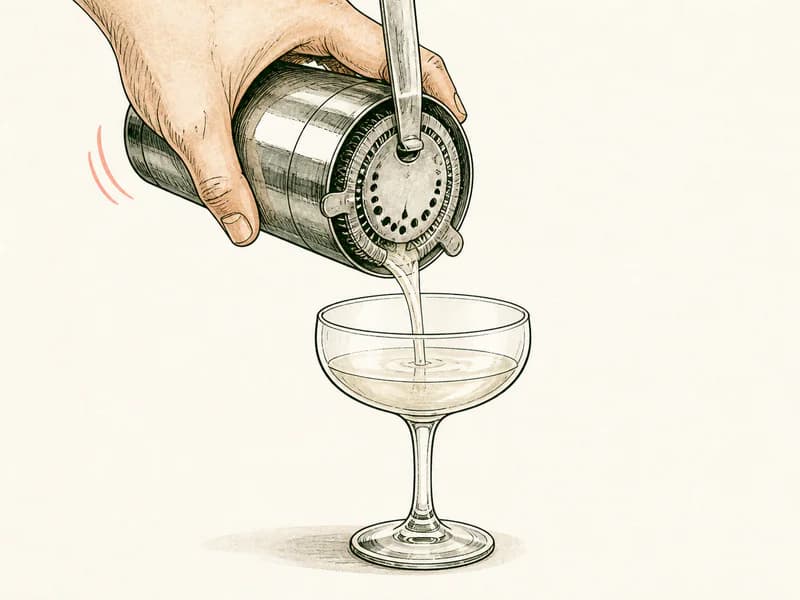
Strain cleanly Strain into a chilled glass — no ice
- 08
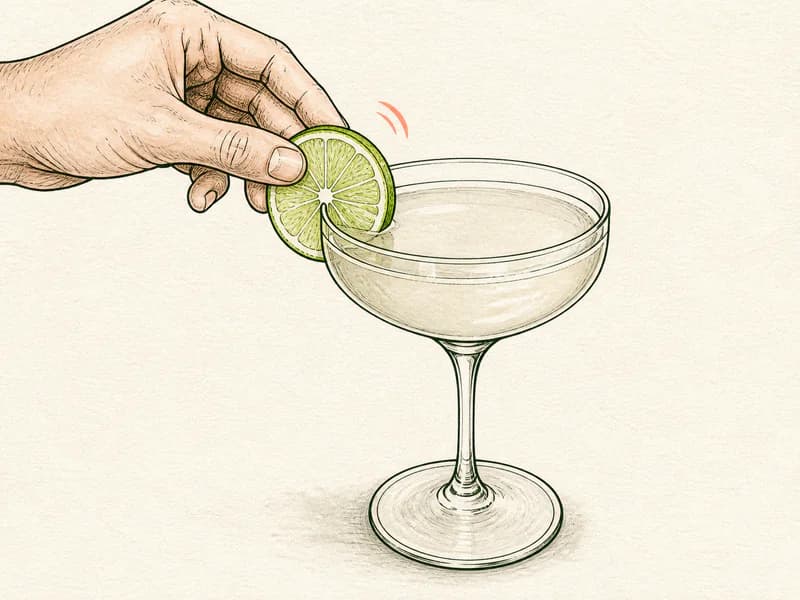
Finish the drink Finish it — add a lime wheel
Know your drink
About the Daiquiri No. 2
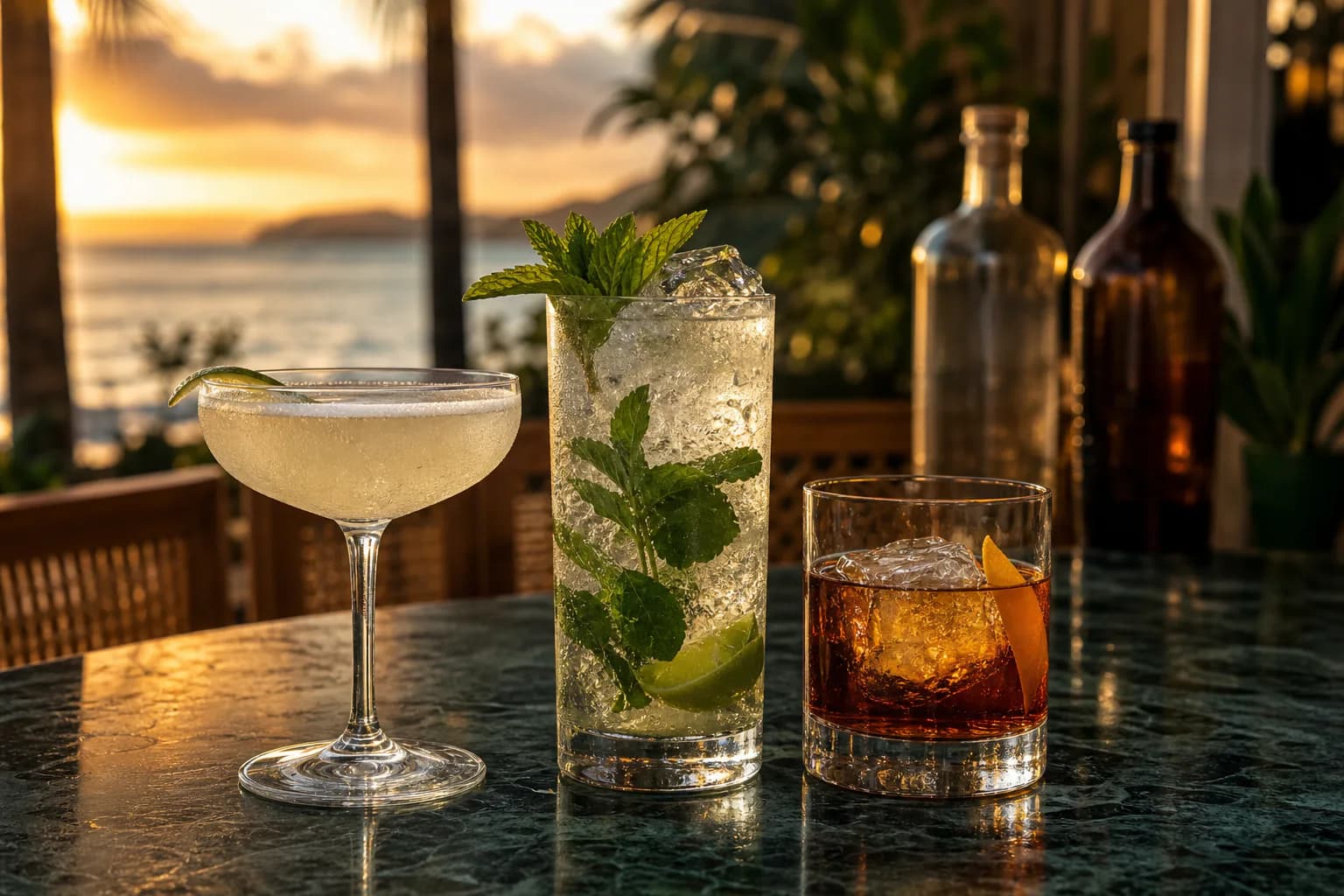
Daiquiris by the number
Havana bars ran their Daiquiris as a numbered series rather than as separate cocktails, which is why No. 2 carries a name that sounds like a filing system. Bar La Florida's own recipe book from the 1930s lists several of them. Number one is plain rum, lime and sugar; the later ones add orange, grapefruit, maraschino and so on, each a small argument about what the drink could be.
Common questions
Daiquiri No. 2 FAQ
Why is there so little lime compared to a standard Daiquiri?
Because orange juice brings its own sweetness and only a fraction of lime's acidity, so the drink is deliberately softer. If it reads flat to you, take the lime back up to 15 ml and trim the orange to 10. That adjustment breaks nothing.
What makes this No. 2 rather than No. 1 or No. 3?
No. 1 is the plain one: rum, lime, sugar. No. 2 adds orange juice and a little curaçao, which is the drink in front of you. No. 3 usually means the grapefruit-and-maraschino build people now order as a Hemingway. Sources shuffle the numbers, so treat the list as a rough map.
Is Cointreau interchangeable with cheap triple sec?
Not quite. Cointreau is 40 percent and dry; supermarket triple sec often sits at 20 to 25 percent and much sweeter. At only 8 ml the gap is small, but with the sweeter bottle you will want a little extra lime. Curaçao is closer to the original intent.
Should the curaçao come out entirely?
It can, and you'd still have a drink — rum, lime and orange juice, which is a Daiquiri with the sugar coming entirely from the fruit. What you lose is the dry peel edge that keeps the orange from reading as breakfast. Drop it and add 5 ml of syrup, or the glass goes hollow rather than dry.
What ingredients are in a Daiquiri No. 2?
A classic Daiquiri No. 2 calls for 60 ml (2 oz) White rum, 8 ml (0.25 oz) Triple sec / Cointreau, 15 ml (0.5 oz) Orange juice, 8 ml (0.25 oz) Fresh lime juice. That single-serve spec scales cleanly — the recipe above converts it to oz and multiplies it for 2–4 drinks.
How strong is a Daiquiri No. 2?
A standard Daiquiri No. 2 is roughly 30% ABV once mixed (before ice melt softens it further). That makes it spirit-forward — closer to a Martini than to a beer, so sip it slowly.
Is a Daiquiri No. 2 shaken or stirred?
A Daiquiri No. 2 is shaken — the rule of thumb is to shake anything with citrus juice. About 13 seconds with plenty of ice chills and dilutes it correctly.
Sharpen the technique
Skills used in this recipe
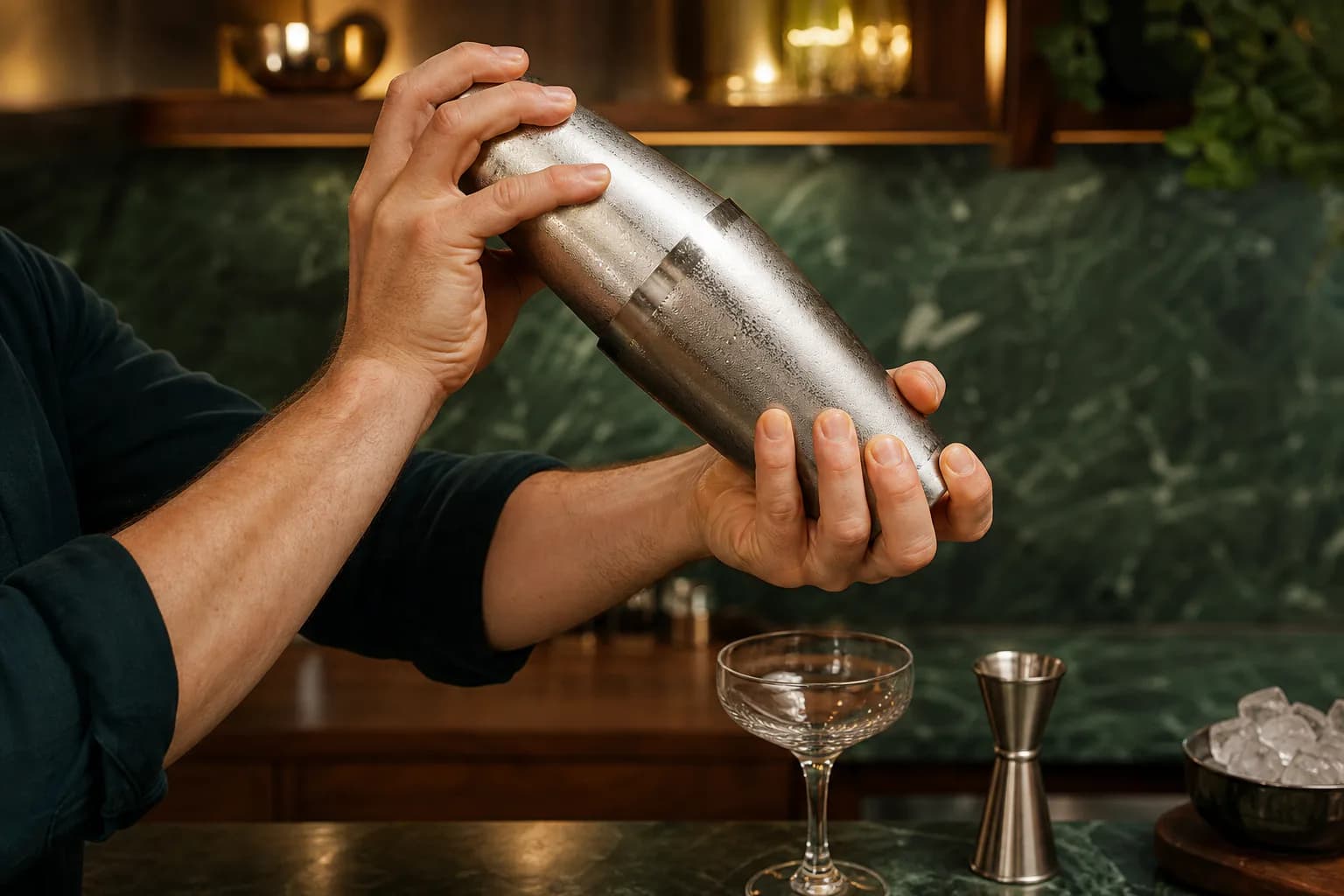
How to shake a cocktail properly
The grip, timing, ice and visual cues that make shaken drinks colder and brighter.
Read the guide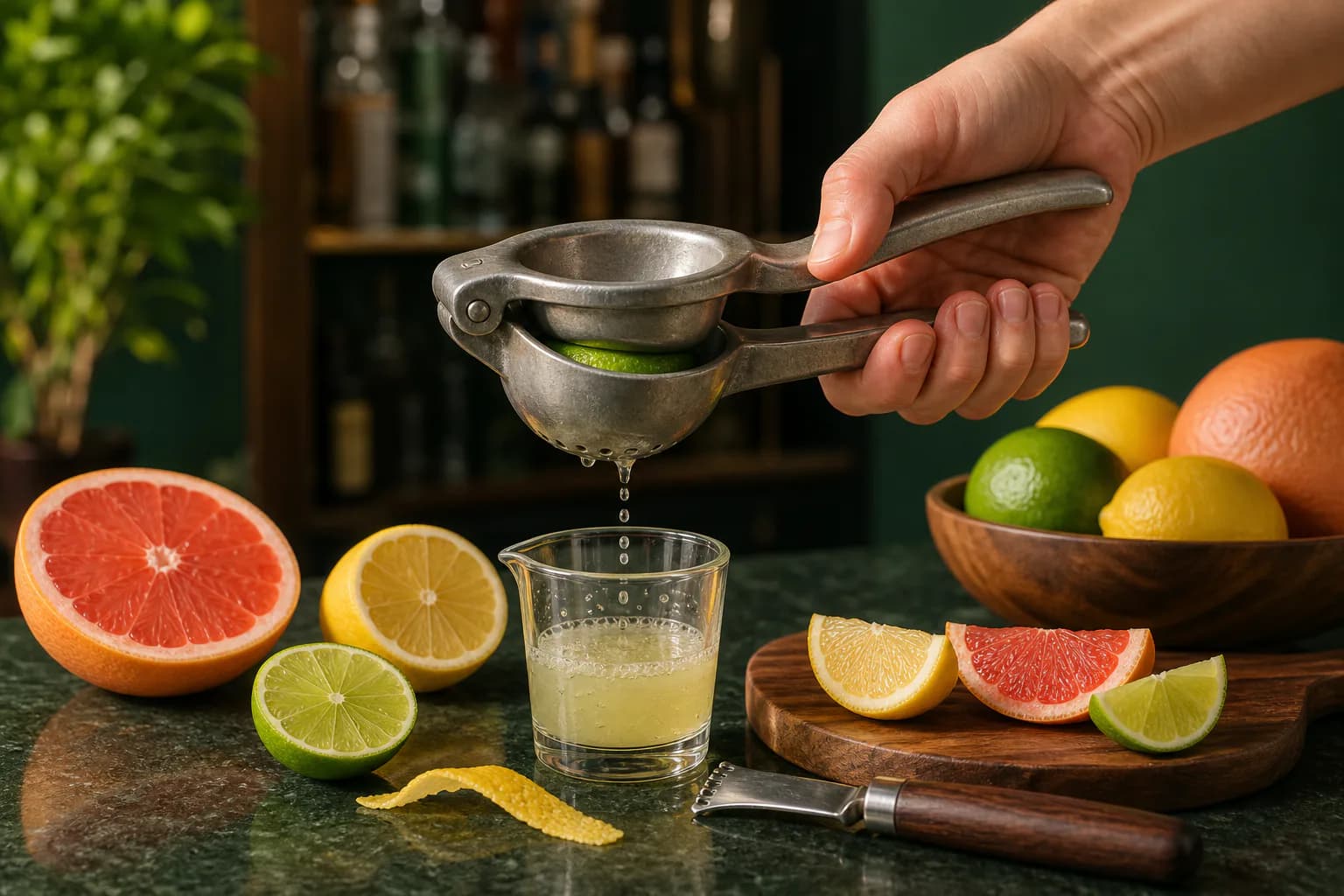
Fresh citrus for cocktails: juice, wedges and balance
Get brighter lime, lemon and grapefruit flavor with better prep and storage.
Read the guideWhere to go next
If you like the Daiquiri No. 2, try these.
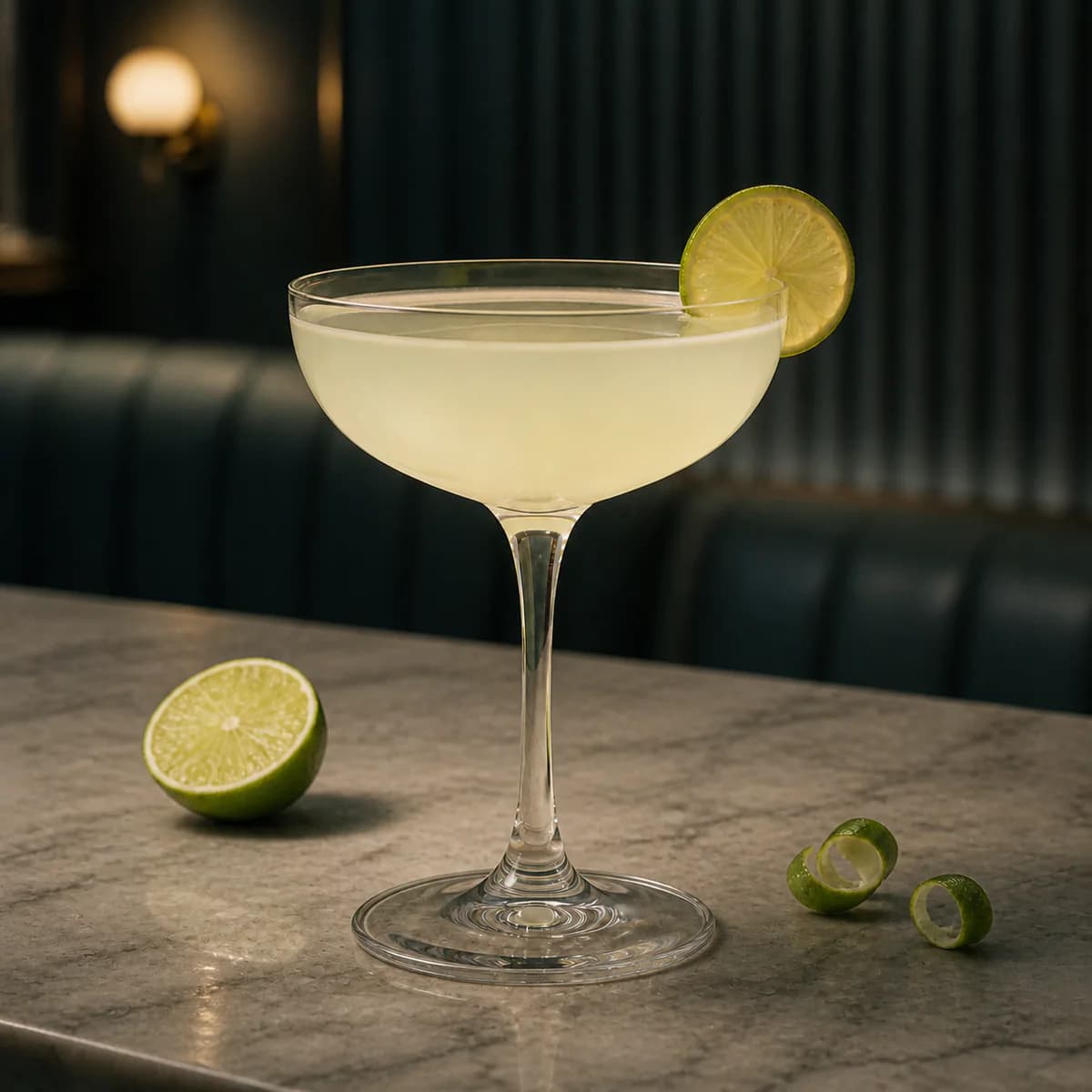
Daiquiri
Forget the frozen slush machine — the real daiquiri is white rum, lime and sugar, shaken ice-cold and served straight up. It is the drink bartenders order to judge other bartenders, and you can make it on your first try.
View recipe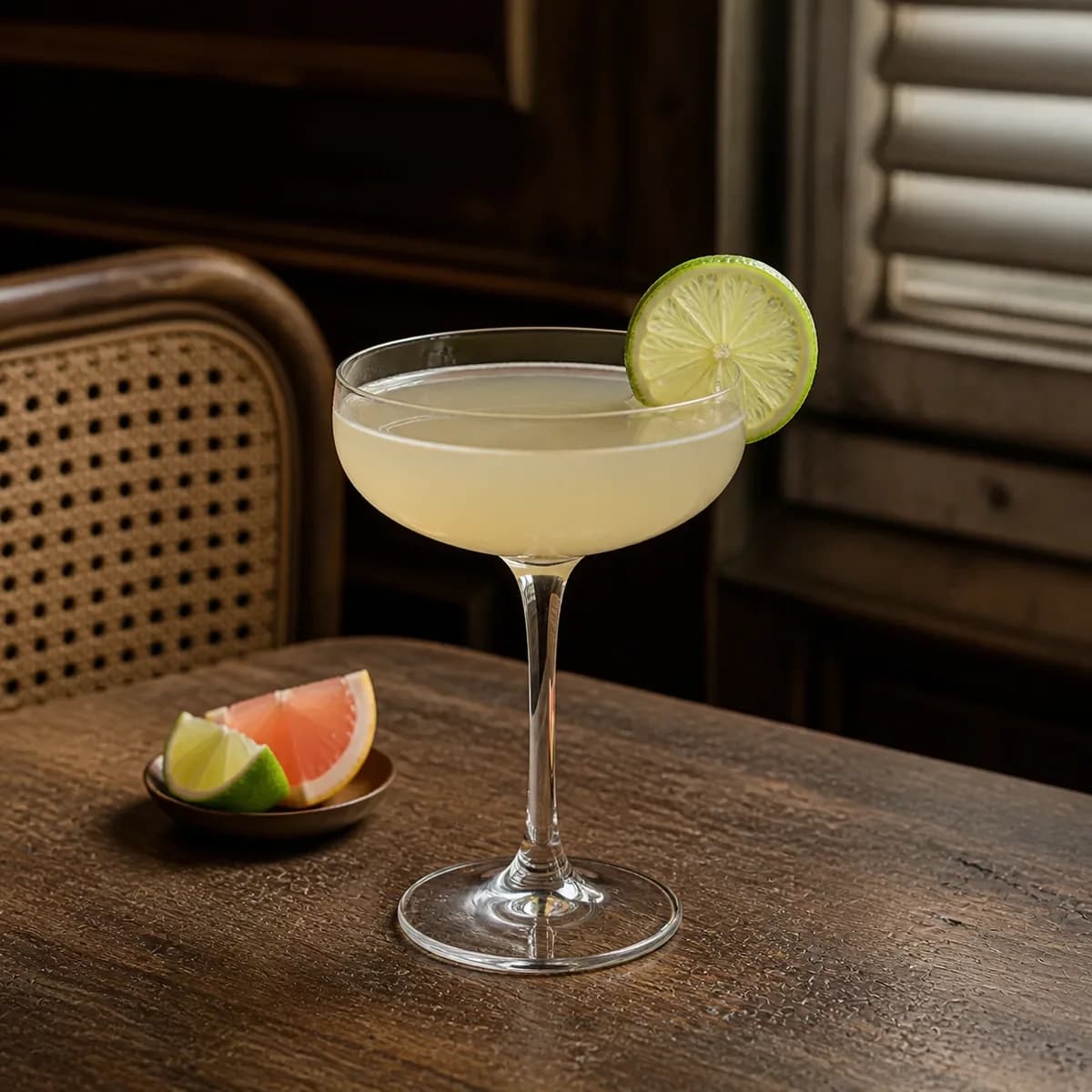
Hemingway Daiquiri
Papa’s daiquiri: white rum with lime, grapefruit and a touch of maraschino — drier and more complex than the original. Also called the Papa Doble.
View recipe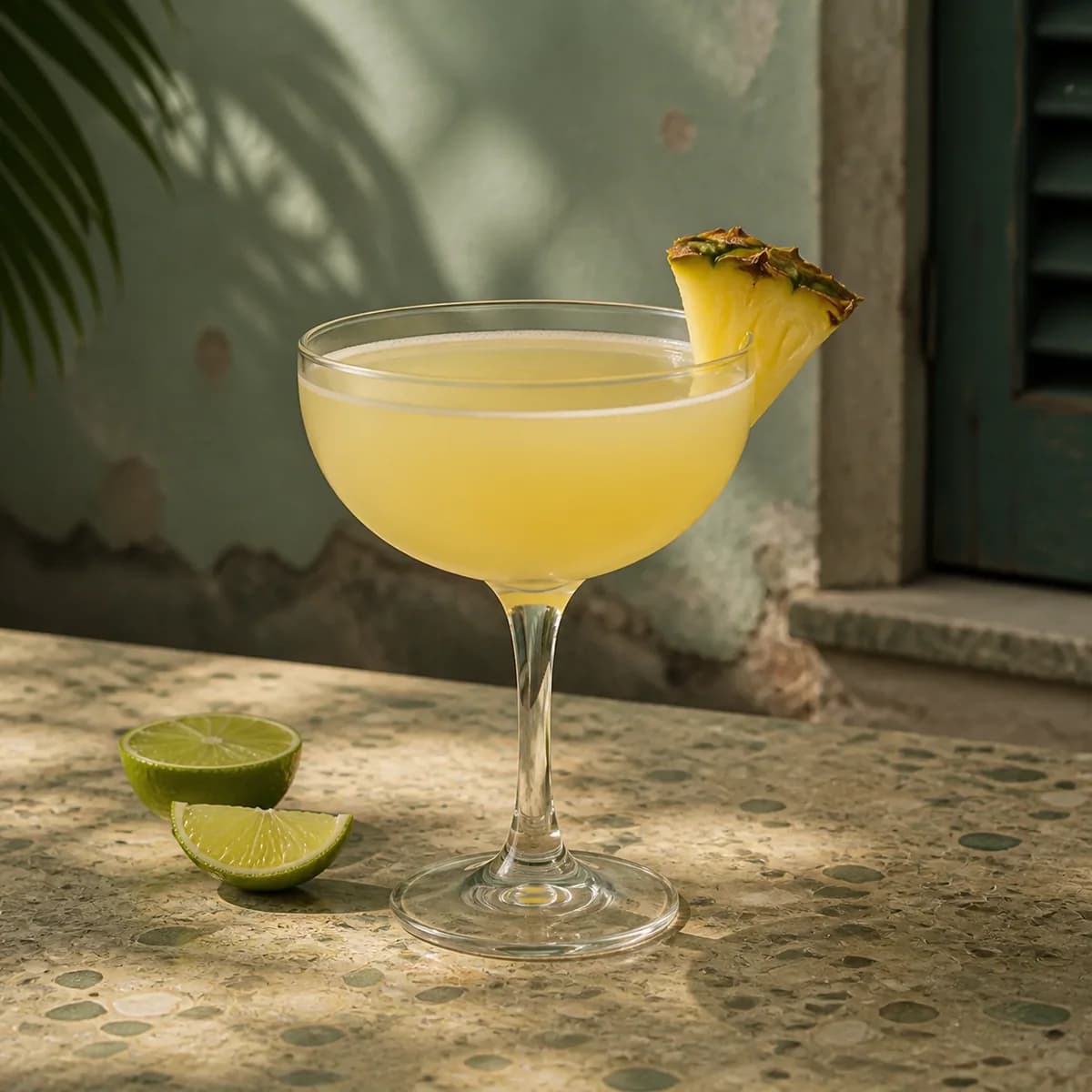
Pineapple Daiquiri
Pineapple juice does two things at once here: it sweetens and it thickens, which is why the lime stays at full measure and the syrup drops to a bar spoon. Use juice you pressed yourself, or a carton with nothing added, never the sugared canned stuff.
View recipe