Classic cocktail · Guided recipe
Palmetto
Start makingOne measure of aged rum, one of sweet vermouth, and orange bitters where a Manhattan would take Angostura. Vermouth gets an equal say, so the drink runs rounder and gentler, brown sugar and dried fruit in place of rye's pepper.
In the glassAged rum · Sweet vermouth · Orange bitters
See exact amounts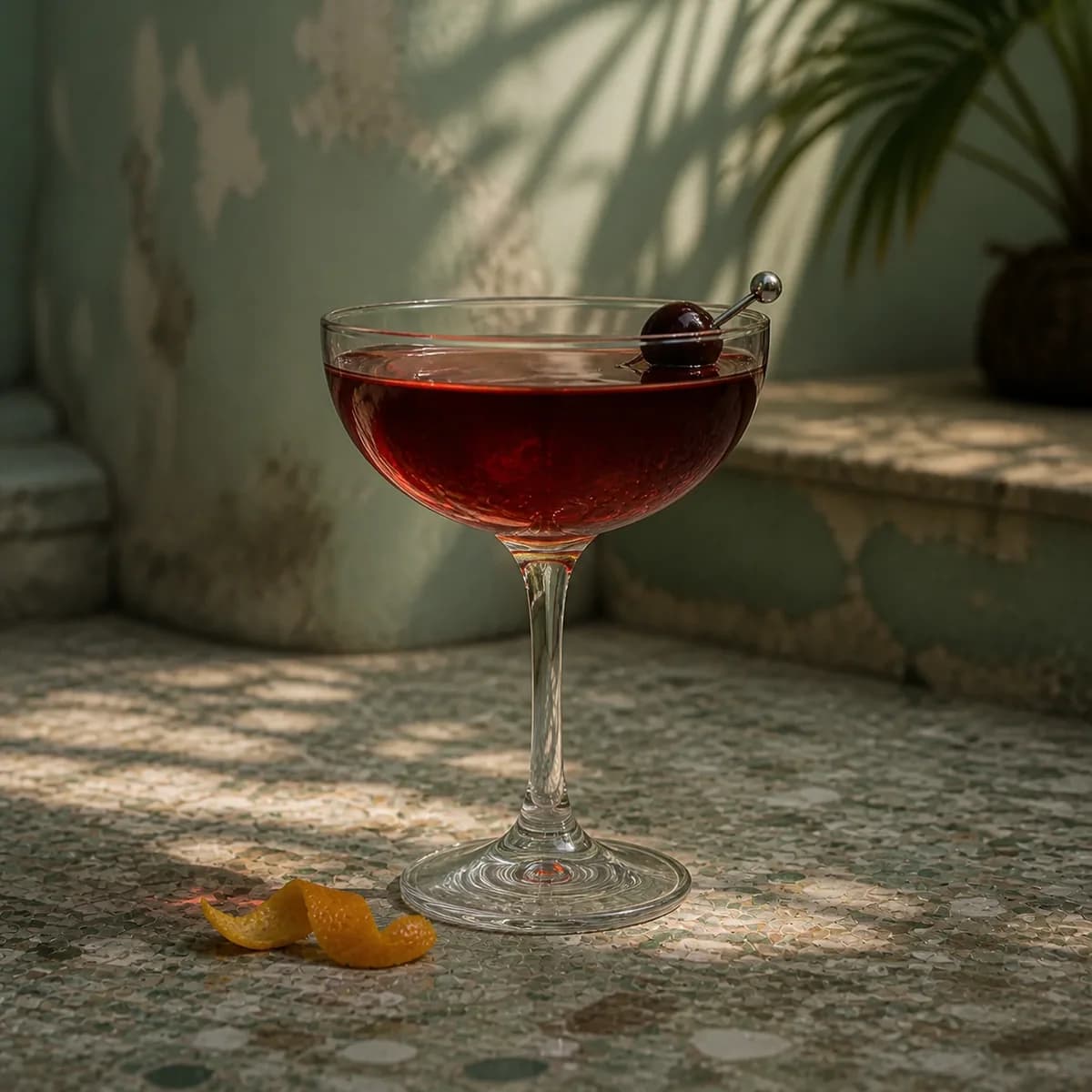
What goes in
Ingredients
Set up before you pour
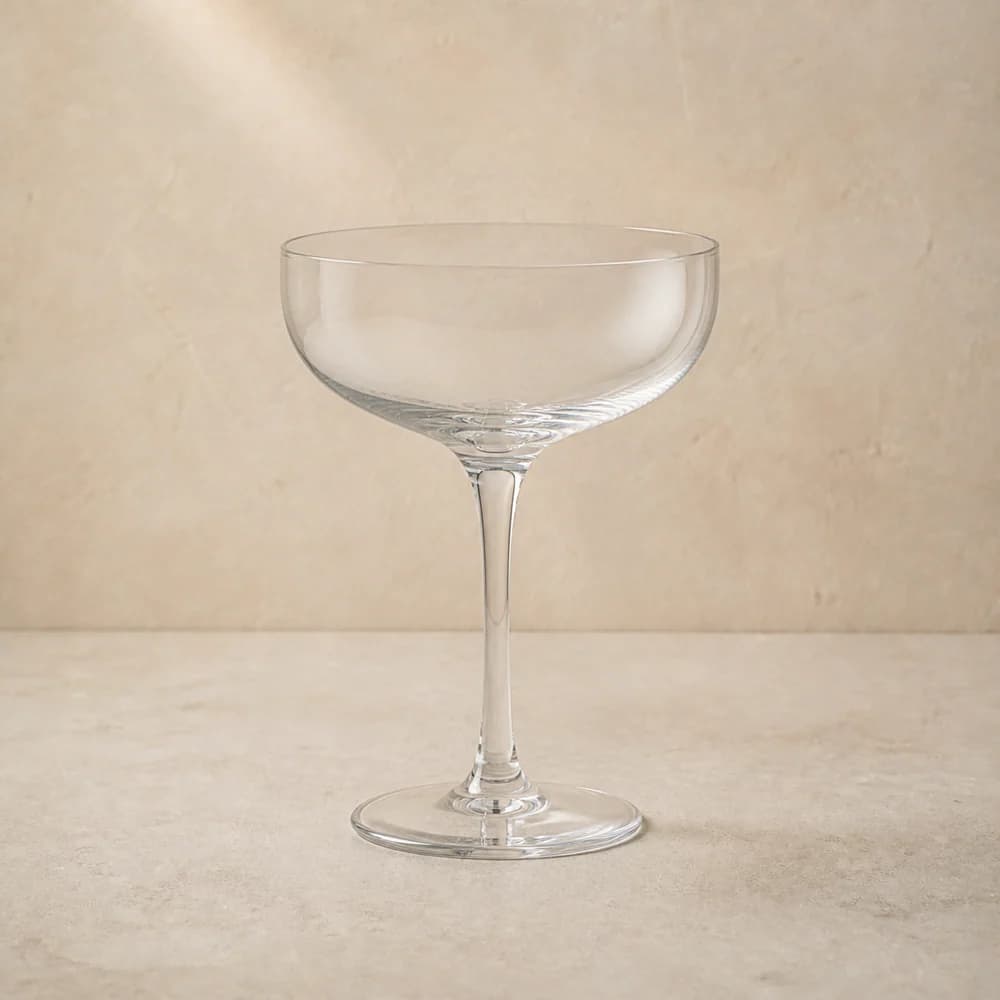
Use a coupe glass.
The stem keeps your hand away from a cold drink, while the rounded bowl makes an up serve easy to sip.
- Standard size
- 200 ml6¾ oz
- Ice & serve
- Chill it first; serve without ice.
- If you don’t own one
- Use a small martini glass or stemmed dessert glass.
- cocktail shaker
- strainer (or a small sieve)
- jigger or measuring spoon
- Aged rum45 ml
- Sweet vermouth45 ml
- Orange bitters2 dashes
From bottle to glass
Method
- 01
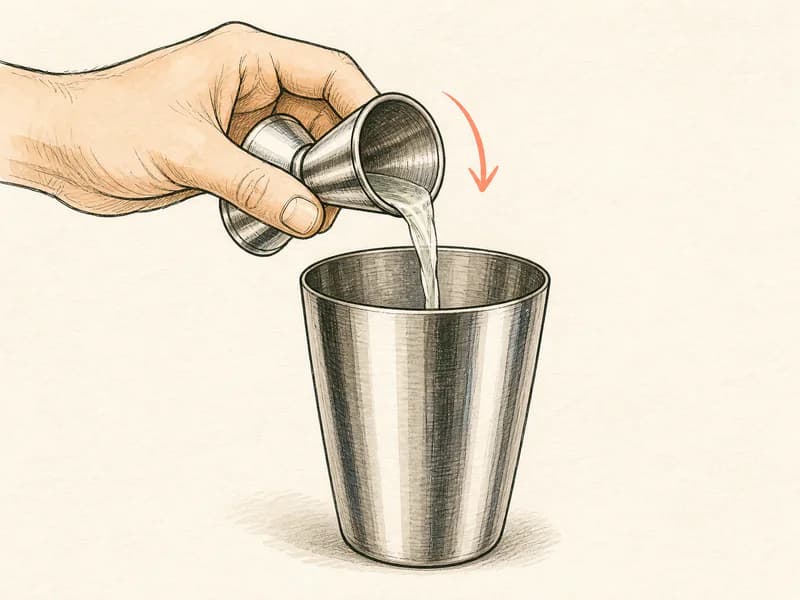
Measure into the shaker Pour 45 ml aged rum into your shaker
 Aged rum
- 02
Measure into the shaker Add 45 ml sweet vermouth
 Sweet vermouth
- 03
Measure into the shaker Add 2 dashes orange bitters
 Orange bitters
- 04
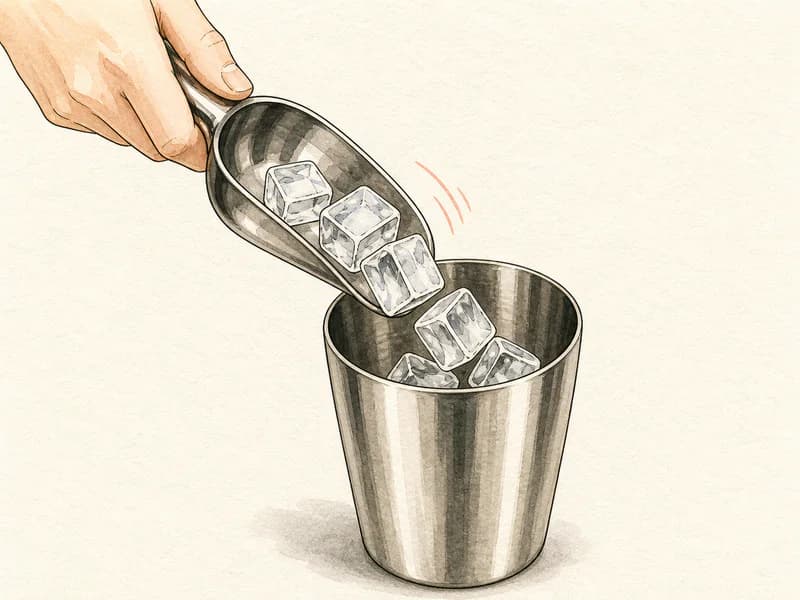
Ice the shaker Fill the shaker with ice
- 05
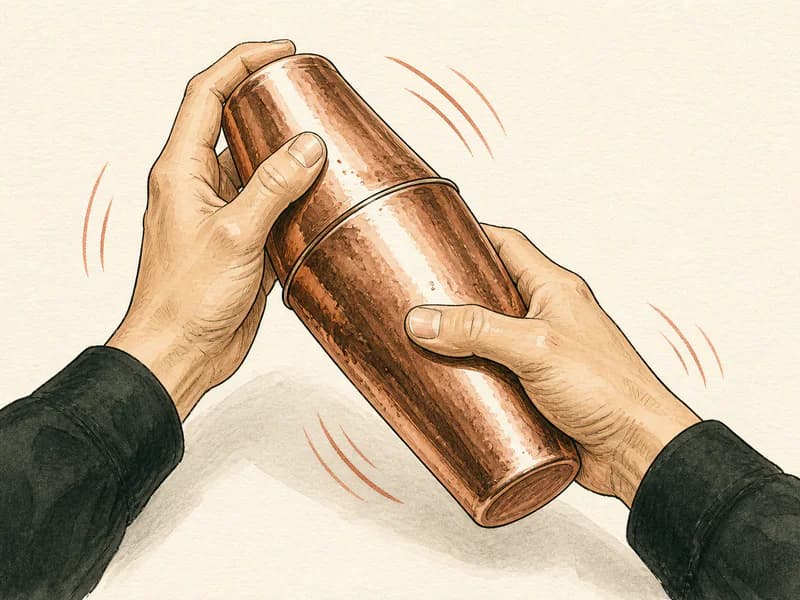
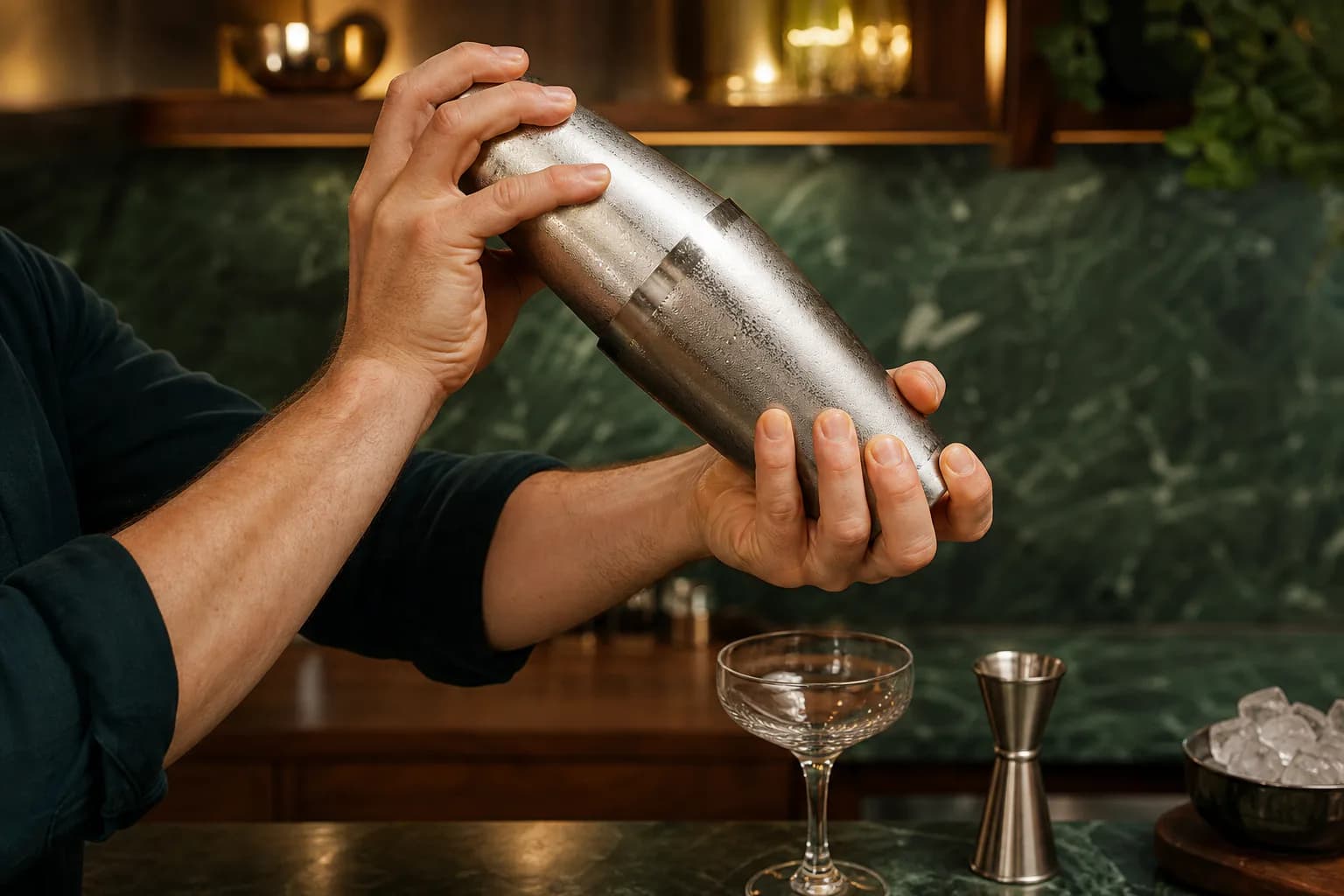
Seal and shake Seal and shake hard
- 06
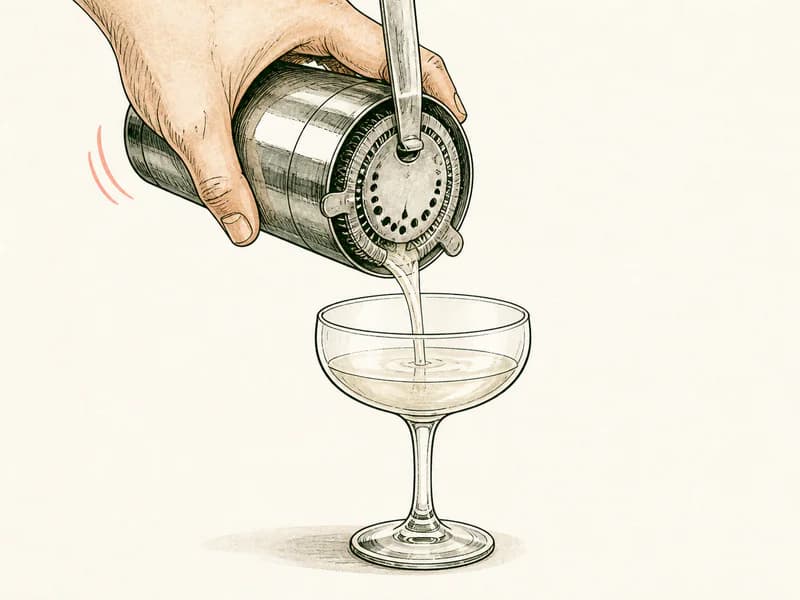
Strain cleanly Strain into a chilled glass — no ice
- 07
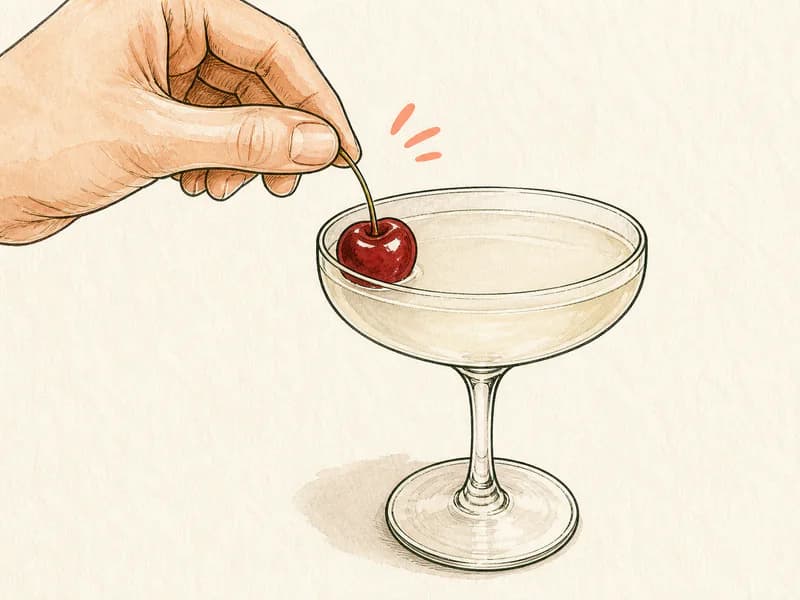
Finish the drink Finish it — add a cocktail cherry
Know your drink
About the Palmetto
Manhattan, moved south
Rum Manhattans were common enough in the early twentieth century to get their own names rather than being written up as substitutions. Palmetto turns up in the Savoy Cocktail Book with St. Croix rum and Italian vermouth, and it sits in the same family as El Presidente, which swaps in dry vermouth and curaçao and heads somewhere drier.
Vermouth is the variable. At 45 ml it is half the drink, so a bottle that has stood open on a warm shelf for three months will taste like the recipe's fault rather than yours. Refrigerate after opening, use it inside a month, and buy small bottles if a month sounds optimistic.
Common questions
Palmetto FAQ
Which rum can handle an equal-parts vermouth pour?
One with age and oak on it. A five to eight year Spanish-style rum from Cuba, Panama or the Dominican Republic has the vanilla and dried-fruit weight to meet the vermouth halfway. Light white rum vanishes, and heavy Jamaican pot still turns the drink into an argument.
Is one-to-one right, or should the rum lead?
Equal parts is the classic ratio and it works when your rum is assertive. With a softer rum, go two to one in the rum's favor and add a second dash of bitters. Tipping the other way, toward more vermouth, lands you closer to a fortified wine.
What do orange bitters change compared to Angostura?
Angostura pushes clove and cinnamon, which drags the drink back into Manhattan territory. Orange bitters do the opposite: they lift the vermouth's citrus peel and let the rum's cane sugar read as fruit. Use both if you like, but keep the orange dominant.
No coupe in the cupboard. What else works?
Any small stemmed glass. A wine glass, a sherry copita, even a flute will do the actual job, which is keeping your hand off the bowl. If all you own is rocks glasses, put one in the freezer for ten minutes and serve without ice.
What ingredients are in a Palmetto?
A classic Palmetto calls for 45 ml (1.5 oz) Aged rum, 45 ml (1.5 oz) Sweet vermouth, 2 dashes orange bitters Orange bitters. That single-serve spec scales cleanly — the recipe above converts it to oz and multiplies it for 2–4 drinks.
How strong is a Palmetto?
A standard Palmetto is roughly 28% ABV once mixed (before ice melt softens it further). That makes it spirit-forward — closer to a Martini than to a beer, so sip it slowly.
Is a Palmetto shaken or stirred?
A Palmetto is shaken. About 13 seconds with plenty of ice chills and dilutes it correctly.
Sharpen the technique
Skills used in this recipe
Where to go next
If you like the Palmetto, try these.
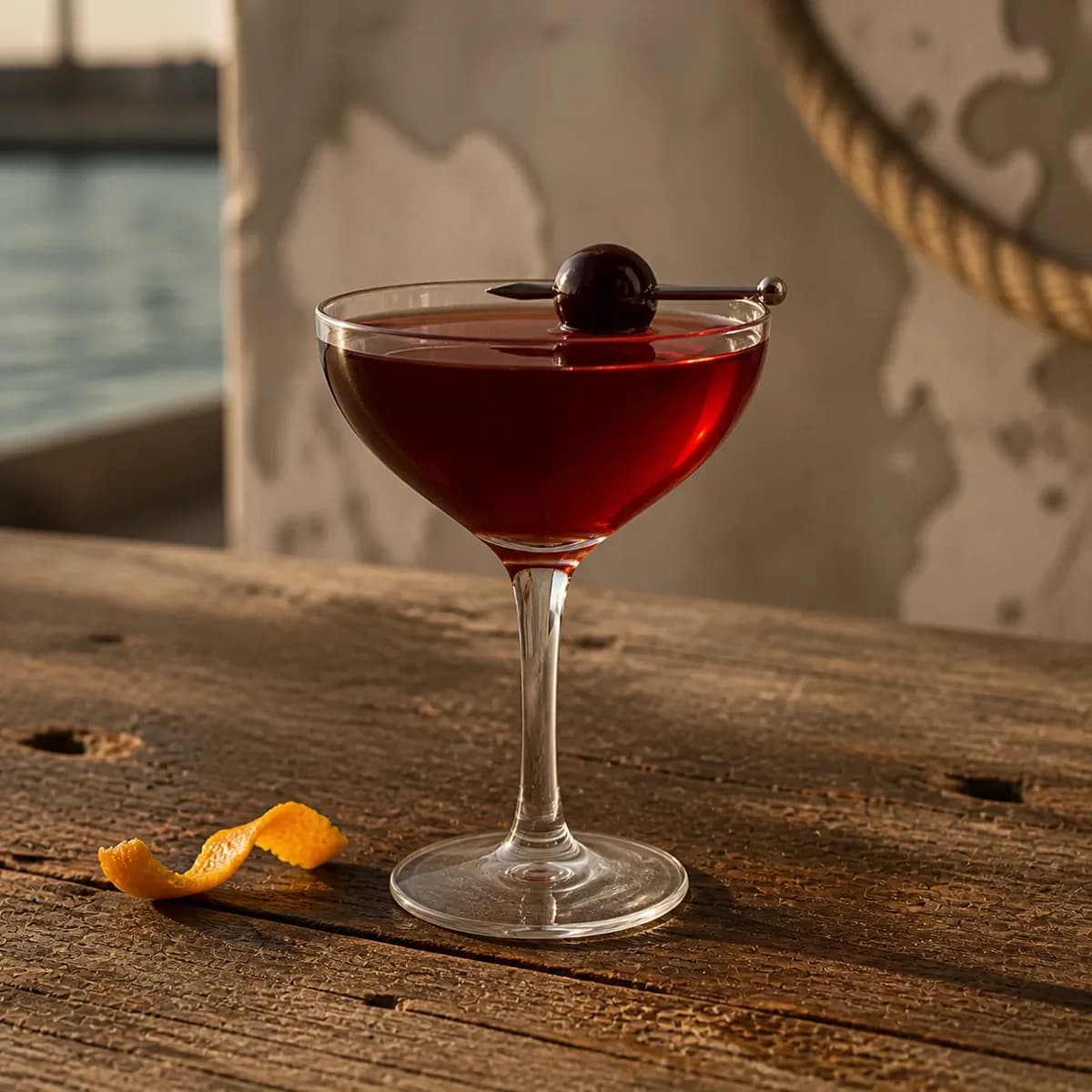
Rum Manhattan
Aged rum at two parts to one of sweet vermouth, the Manhattan's own proportion rather than the equal-parts split a Palmetto takes. Angostura keeps the dry line. Cane sugar and oak stand where the rye's pepper used to be.
View recipe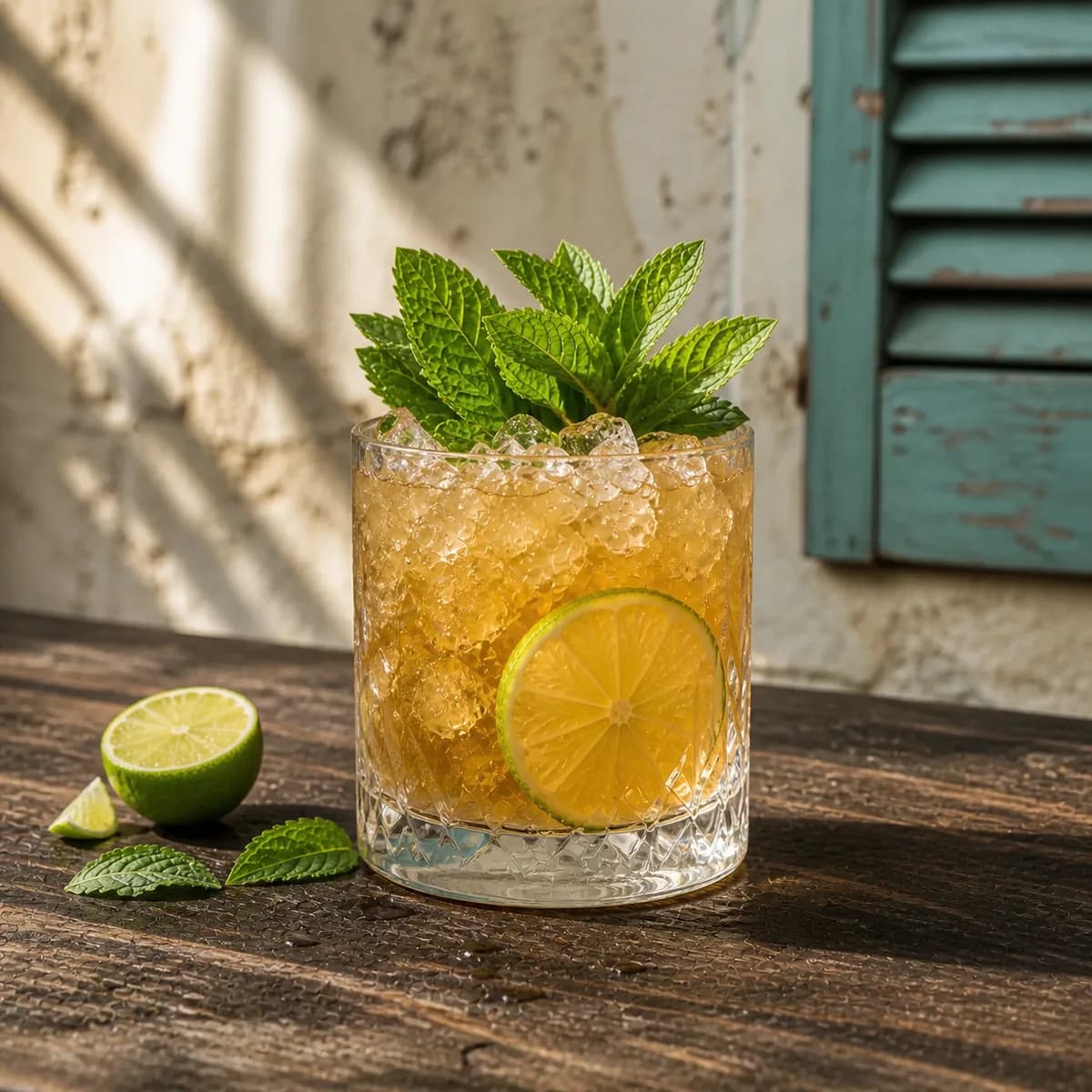
Mai Tai
The tiki icon done right: aged and gold rum, orange liqueur, almondy orgeat and plenty of lime, over crushed ice. Rich, nutty and citrusy — no fruit-juice slush required.
View recipe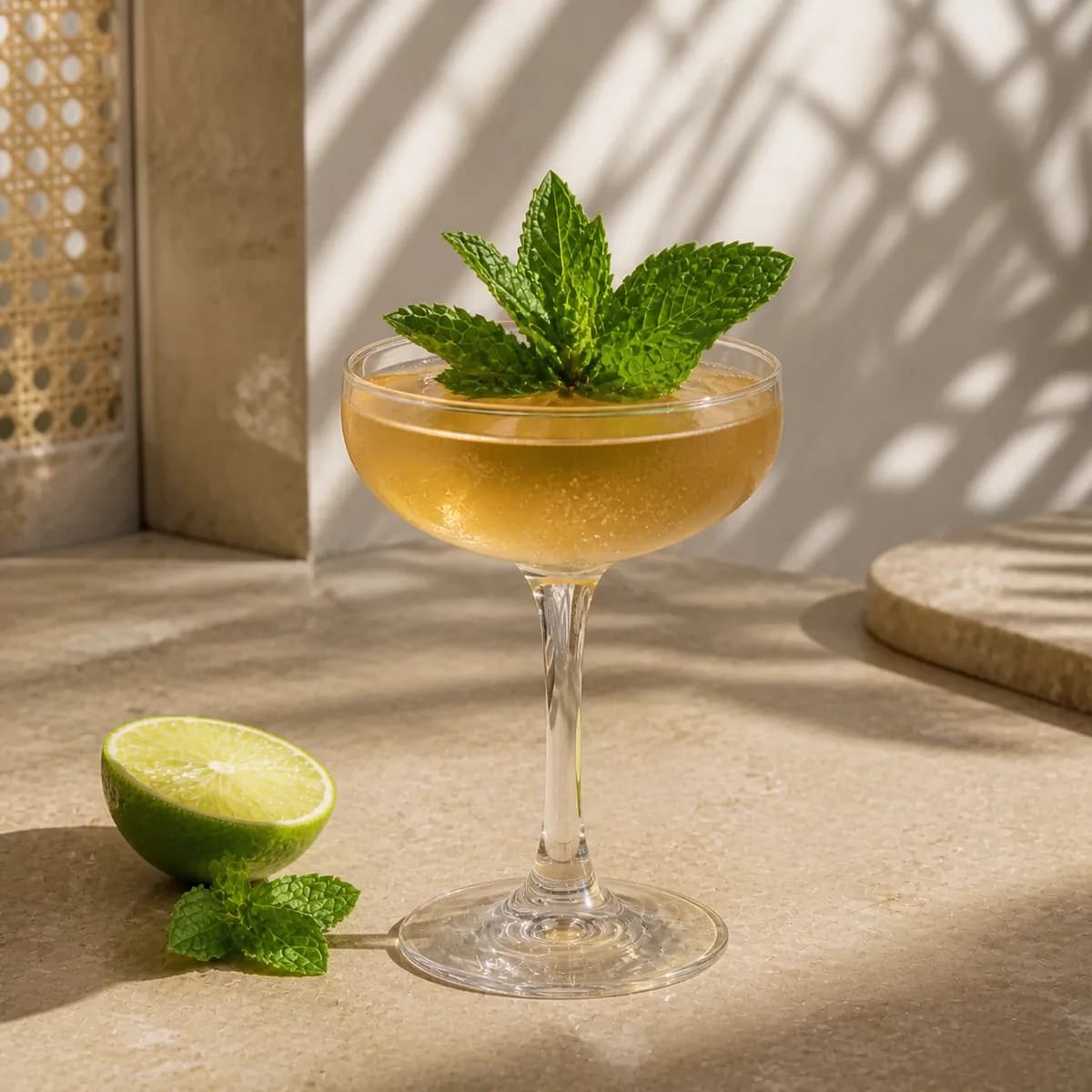
Old Cuban
Audrey Saunders’ dressed-up mojito: aged rum, lime, mint and bitters shaken and topped with champagne. Elegant and sparkling.
View recipe