Classic cocktail · Guided recipe
Reverse Manhattan
Start makingA Manhattan flipped: vermouth leads and whiskey supports, for a lower-proof, aromatic sipper that’s all about the wine.
In the glassSweet vermouth · Rye whiskey · Angostura bitters
See exact amounts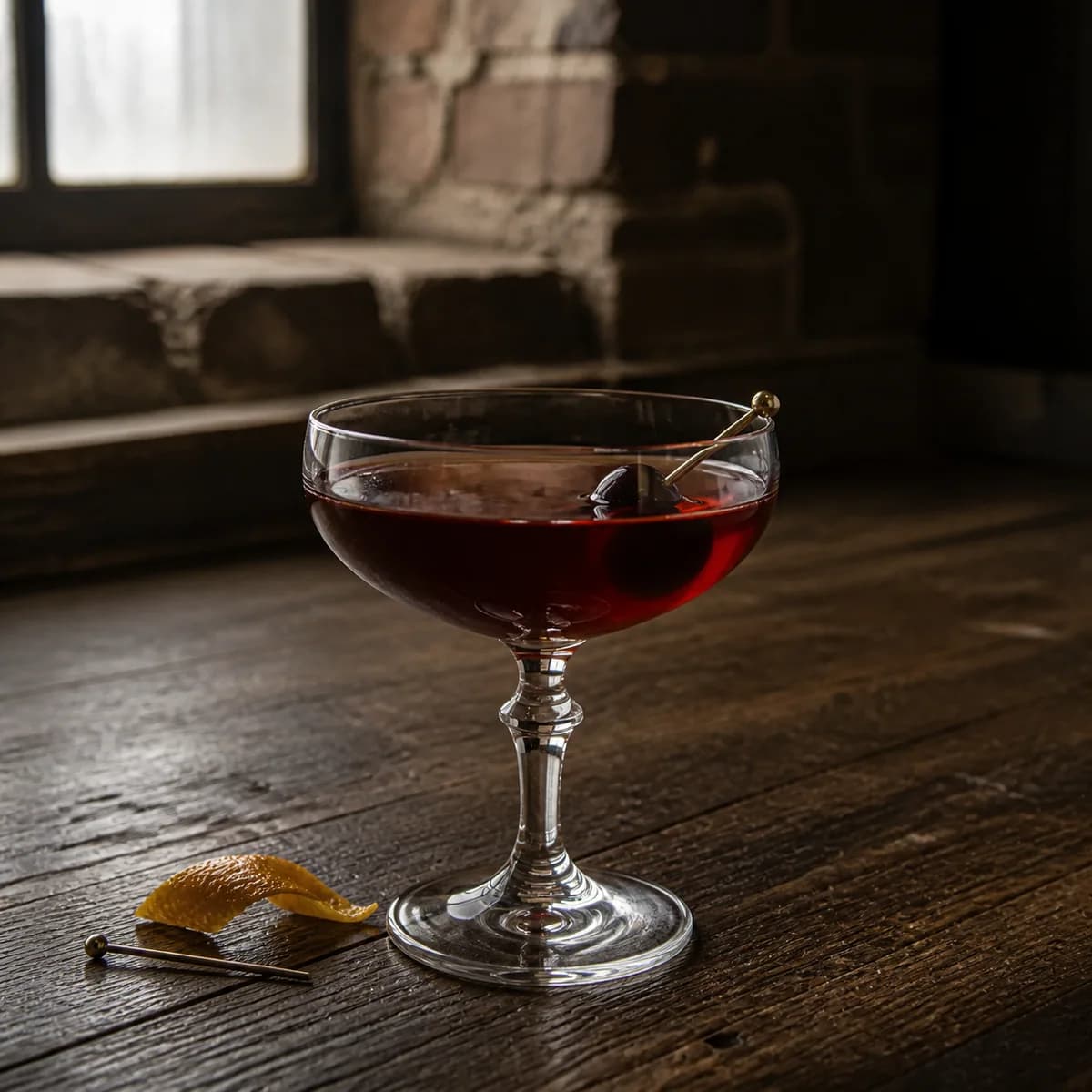
What goes in
Ingredients
Set up before you pour
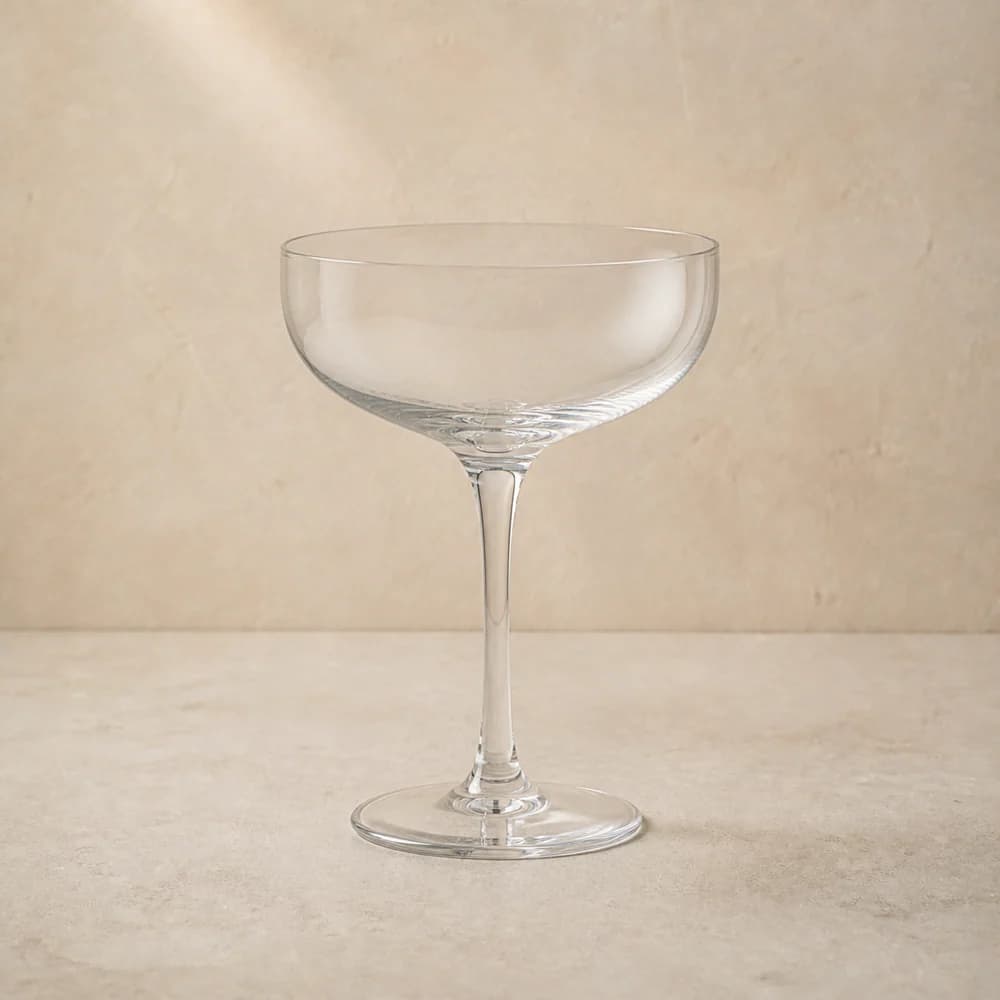
Use a coupe glass.
The stem keeps your hand away from a cold drink, while the rounded bowl makes an up serve easy to sip.
- Standard size
- 200 ml6¾ oz
- Ice & serve
- Chill it first; serve without ice.
- If you don’t own one
- Use a small martini glass or stemmed dessert glass.
- cocktail shaker
- strainer (or a small sieve)
- jigger or measuring spoon
- Sweet vermouth60 ml
- Rye whiskey30 ml
- Angostura bitters2 dashes
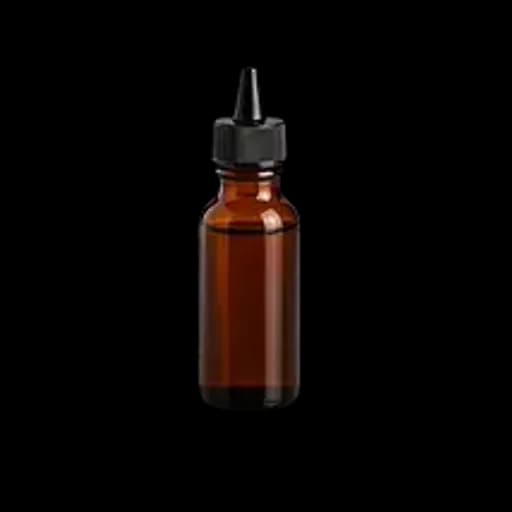
From bottle to glass
Method
- 01
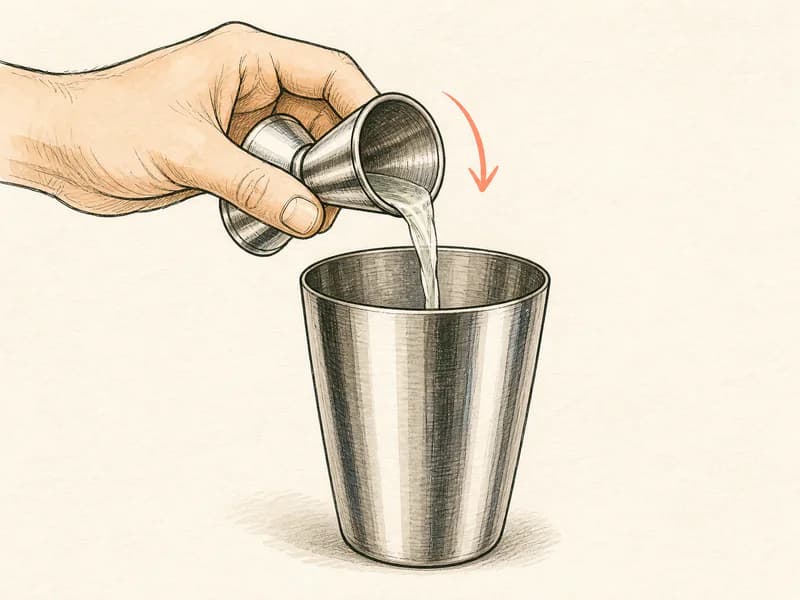
Measure into the shaker Pour 60 ml sweet vermouth into your shaker
 Sweet vermouth
- 02
Measure into the shaker Add 30 ml rye whiskey
 Rye whiskey
- 03
Measure into the shaker Add 2 dashes Angostura
 Angostura bitters
- 04
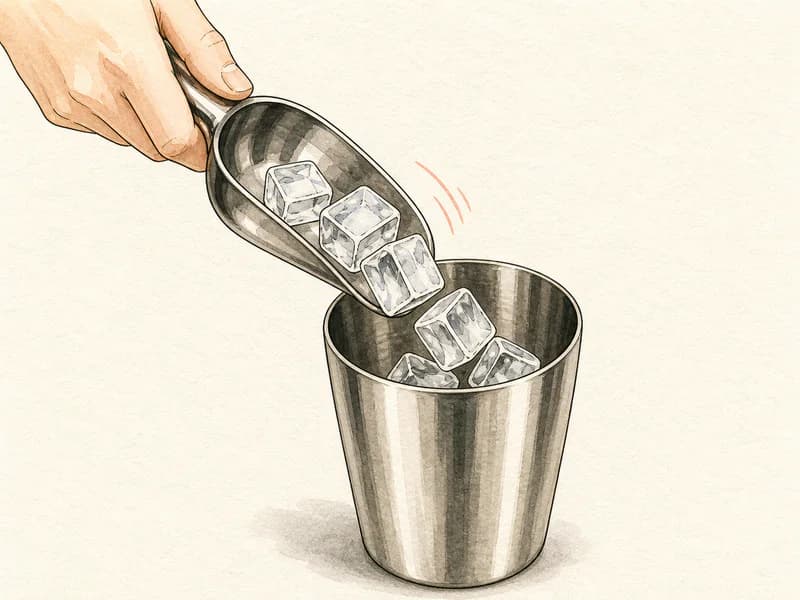
Ice the shaker Fill the shaker with ice
- 05
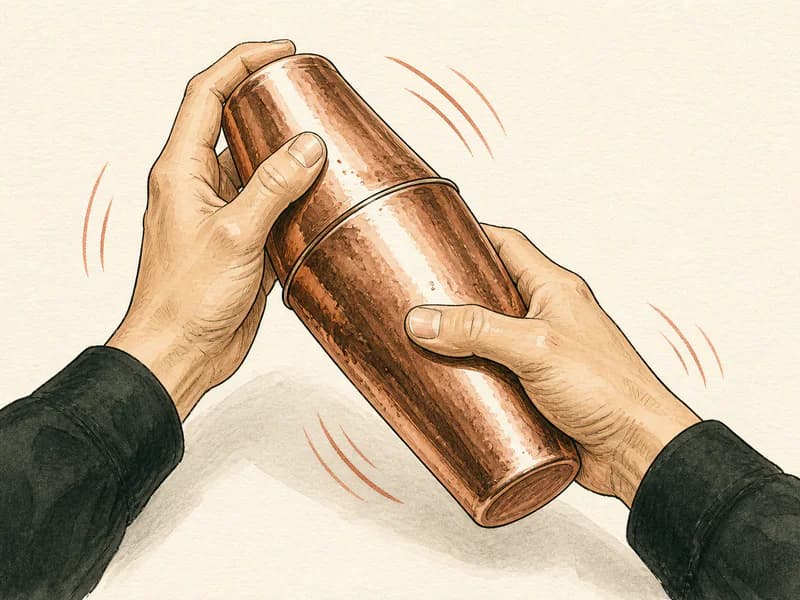
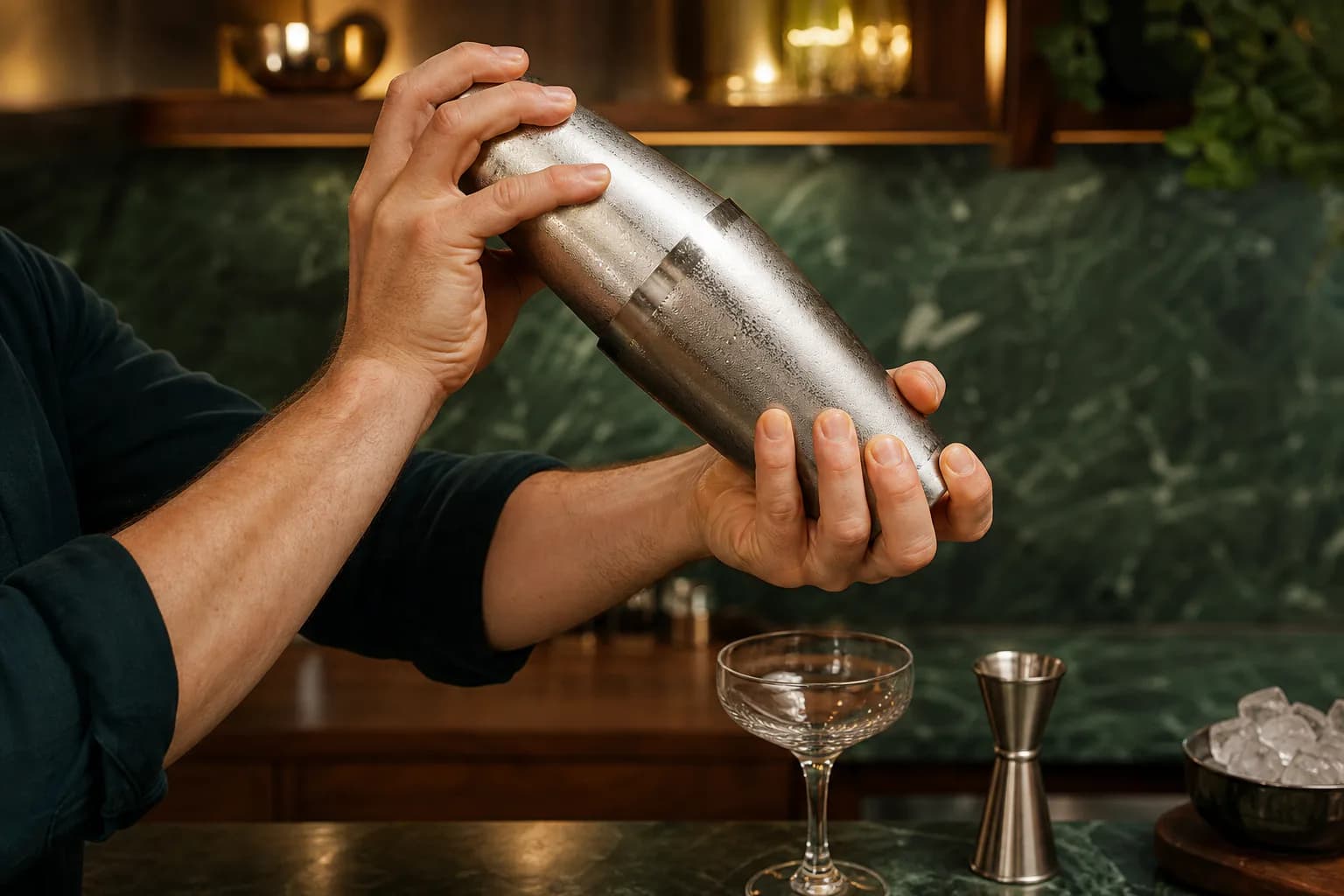
Seal and shake Seal and shake hard
- 06
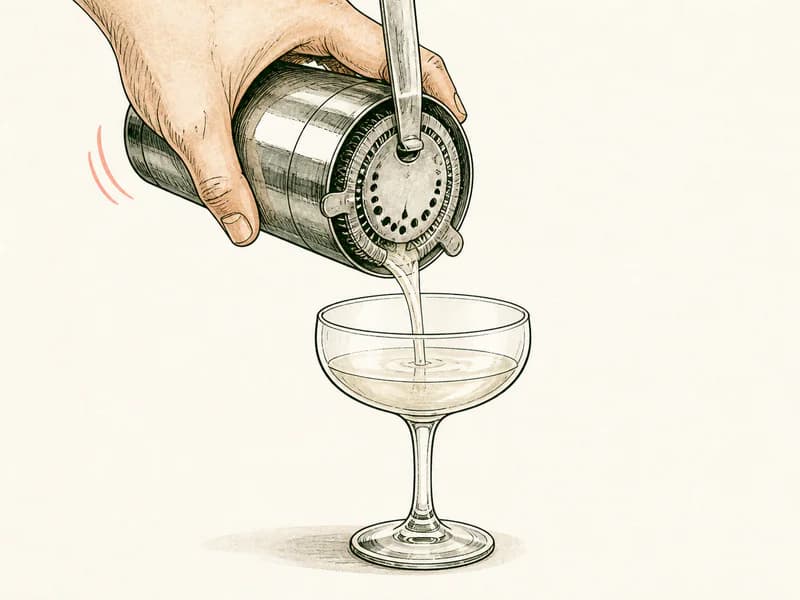
Strain cleanly Strain into a chilled glass — no ice
- 07
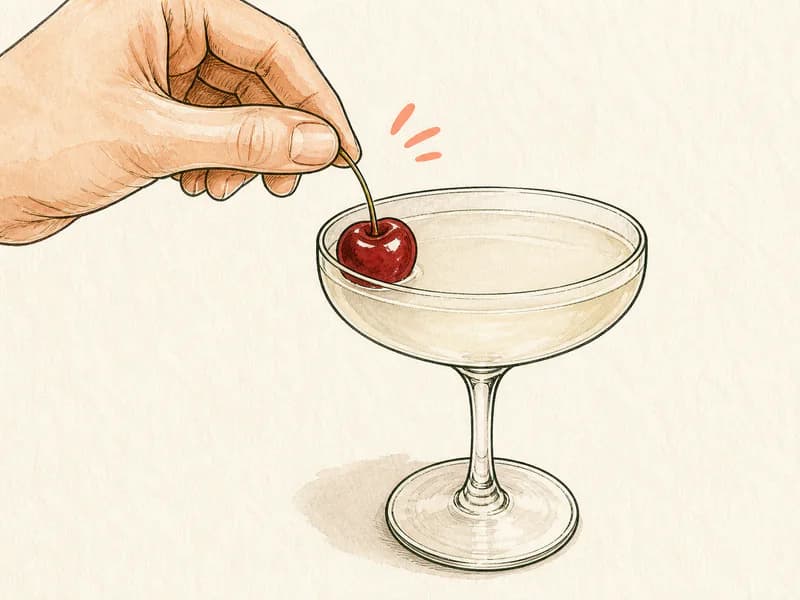
Finish the drink Finish it — add a cocktail cherry
Know your drink
About the Reverse Manhattan
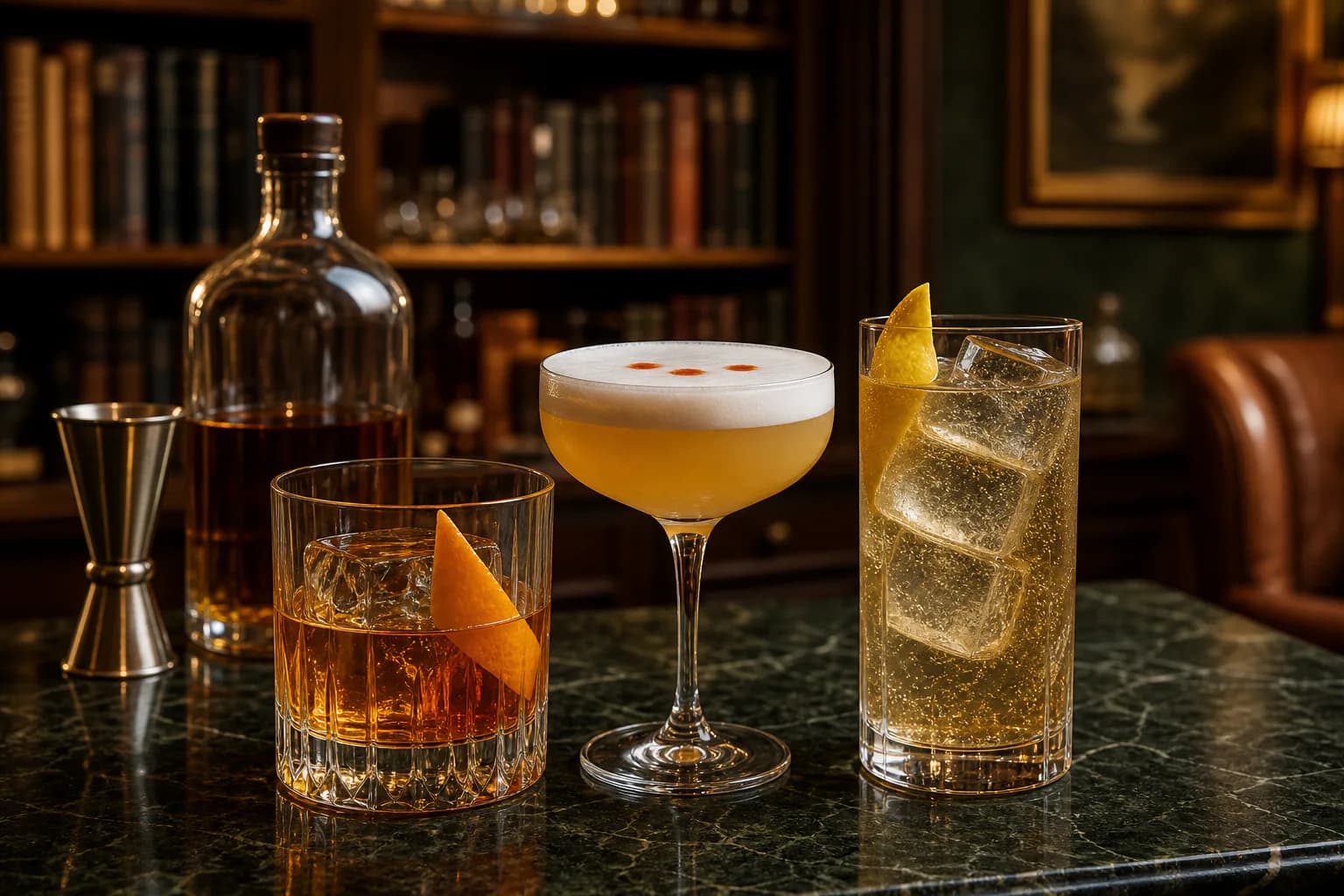
When vermouth leads
Reversing the ratio of a spirit-forward classic is a modern habit with an old justification. Early Manhattan recipes were often built at or near equal parts, and the whiskey-heavy version treated as standard today came later. Pushing past equal parts into vermouth's favor goes a step further, and it only works because the vermouth being made now is a great deal better than what sat on shelves thirty years ago.
Common questions
Reverse Manhattan FAQ
Does the rye still count for anything at 30 ml?
It sets the spine. Vermouth on its own is soft and a little grapey, and the rye returns the dry, peppery grain that keeps this from reading as chilled dessert wine. A high-rye bottling at 45 percent or more shows through where a gentle one disappears.
My vermouth has been in the cupboard since spring. Will that show?
It will show here more than anywhere, since vermouth is two thirds of the glass. Once opened it oxidizes like wine, going flat and stewed within a month or two at room temperature. Keep it in the fridge and buy the small bottle.
Which sweet vermouth is worth spending on here?
Carpano Antica is the rich, vanilla-heavy option and happily dominates. Cocchi Vermouth di Torino is drier and more bitter, which suits anyone finding the reversed ratio too soft. Punt e Mes pushes further into bitterness if you want the drink to bite back.
How much lighter is it than a real Manhattan?
Around ten percentage points. Flipping 60 ml of whiskey and 30 of vermouth the other way takes the glass from roughly 35 percent before dilution to about 25. That is the entire argument for it: an aperitif built out of a drink that normally closes the night.
Is the cherry worth bothering with?
A good one is, because nothing sharp in the glass is competing with it. A dark, dense Luxardo-style cherry adds a bitter almond note that meets the vermouth's spice. The bright red cocktail cherry just adds sugar to a drink already carrying enough.
What ingredients are in a Reverse Manhattan?
A classic Reverse Manhattan calls for 60 ml (2 oz) Sweet vermouth, 30 ml (1 oz) Rye whiskey, 2 dashes Angostura Angostura bitters. That single-serve spec scales cleanly — the recipe above converts it to oz and multiplies it for 2–4 drinks.
How strong is a Reverse Manhattan?
A standard Reverse Manhattan is roughly 26% ABV once mixed (before ice melt softens it further). That makes it spirit-forward — closer to a Martini than to a beer, so sip it slowly.
Sharpen the technique
Skills used in this recipe
Where to go next
If you like the Reverse Manhattan, try these.
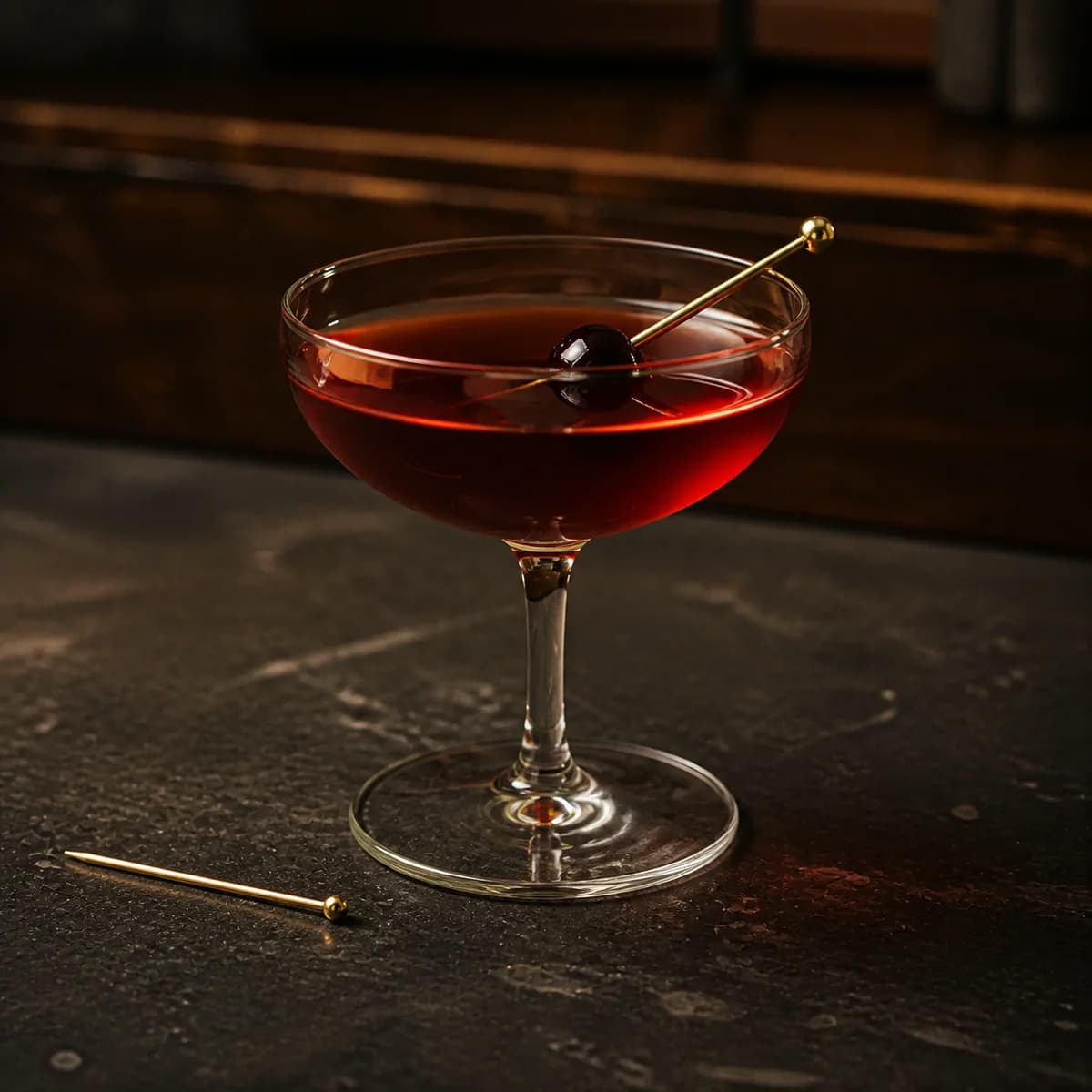
Manhattan
Rye whiskey, sweet vermouth and a couple of dashes of bitters, served up with a cherry. The definitive whiskey cocktail — purists stir it, but a hard shake chills it just as cold.
View recipe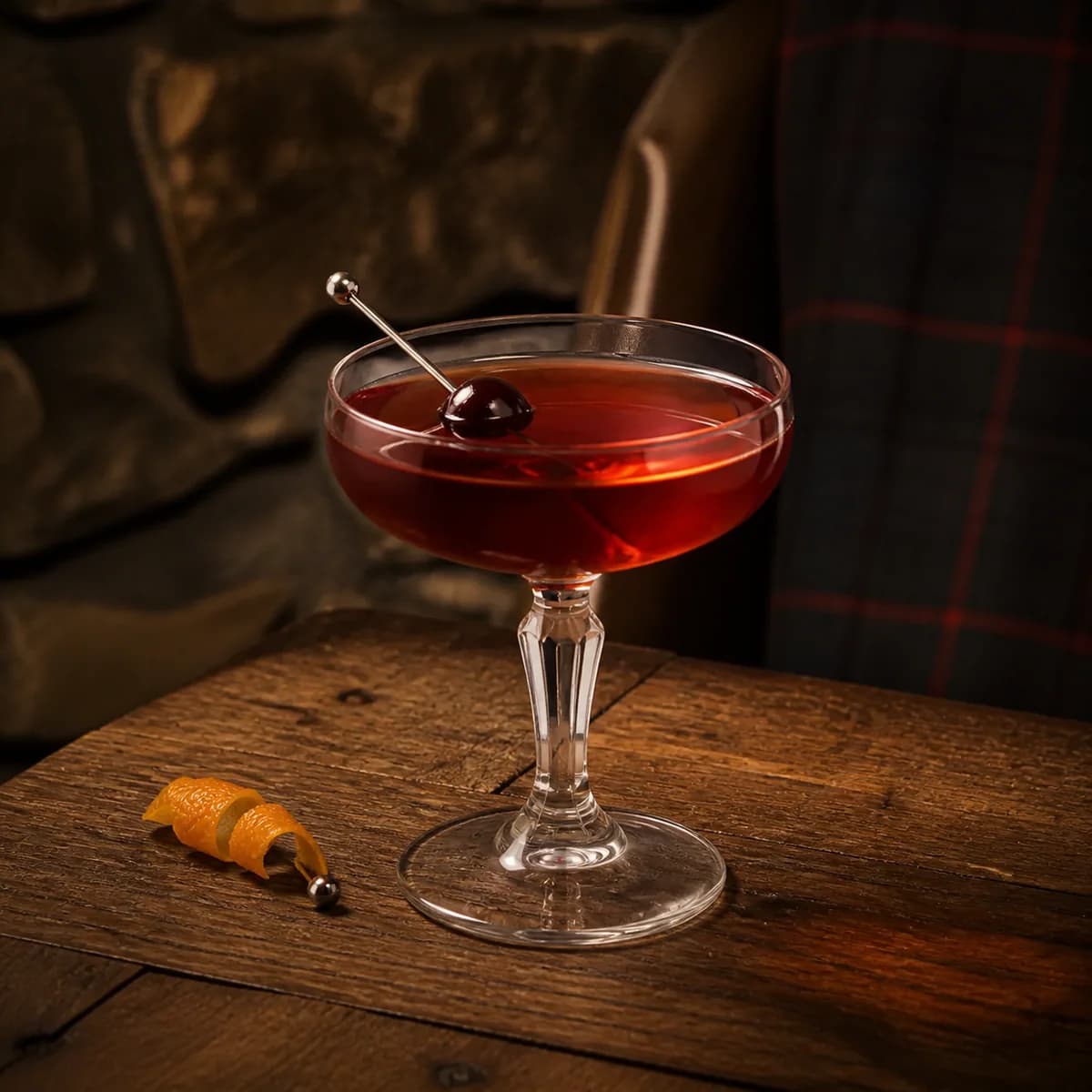
Perfect Manhattan
A Manhattan split between sweet and dry vermouth — a touch drier and more aromatic than the original.
View recipe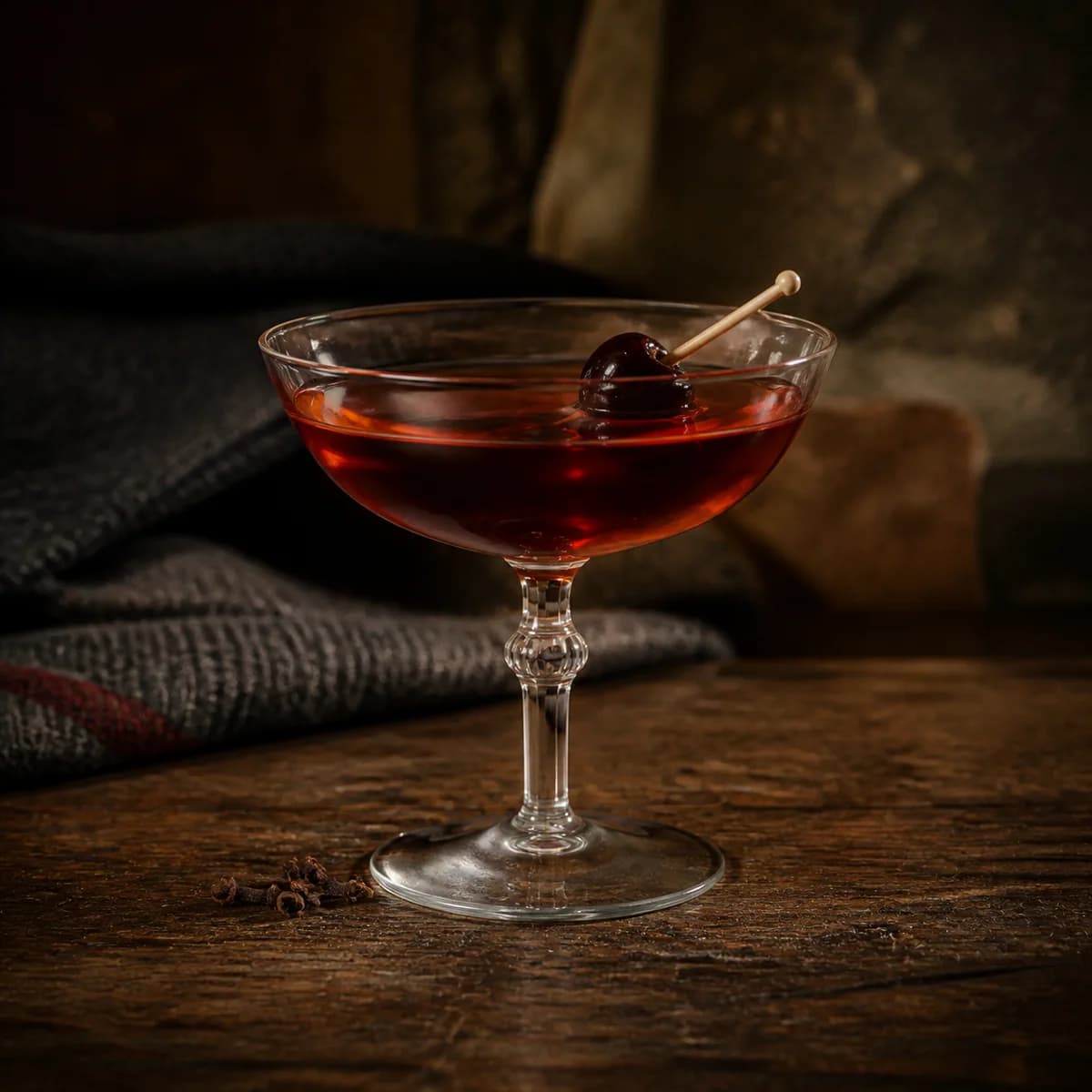
Black Manhattan
A Manhattan with amaro standing in for the vermouth — darker, bittersweet and coffee-edged. A modern bartender favourite.
View recipe