Classic cocktail · Guided recipe
Rattlesnake
Start makingAbsinthe is the whole trick. Under the foam this is a plain rye sour running slightly short on sugar, until the anise arrives late and spreads itself across the finish.
In the glassRye whiskey · Fresh lemon juice · Simple syrup · Absinthe · Egg white
See exact amounts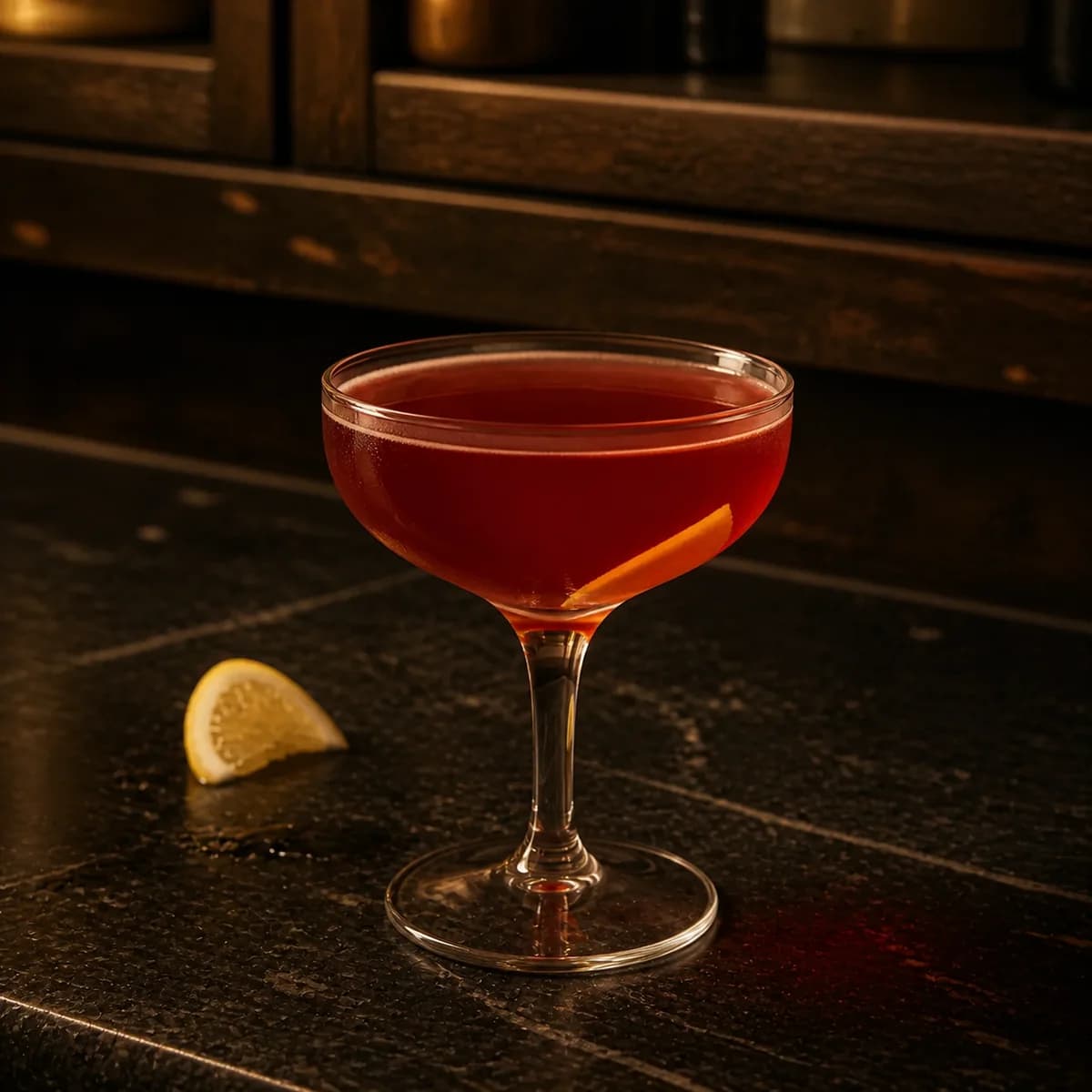
What goes in
Ingredients
Set up before you pour
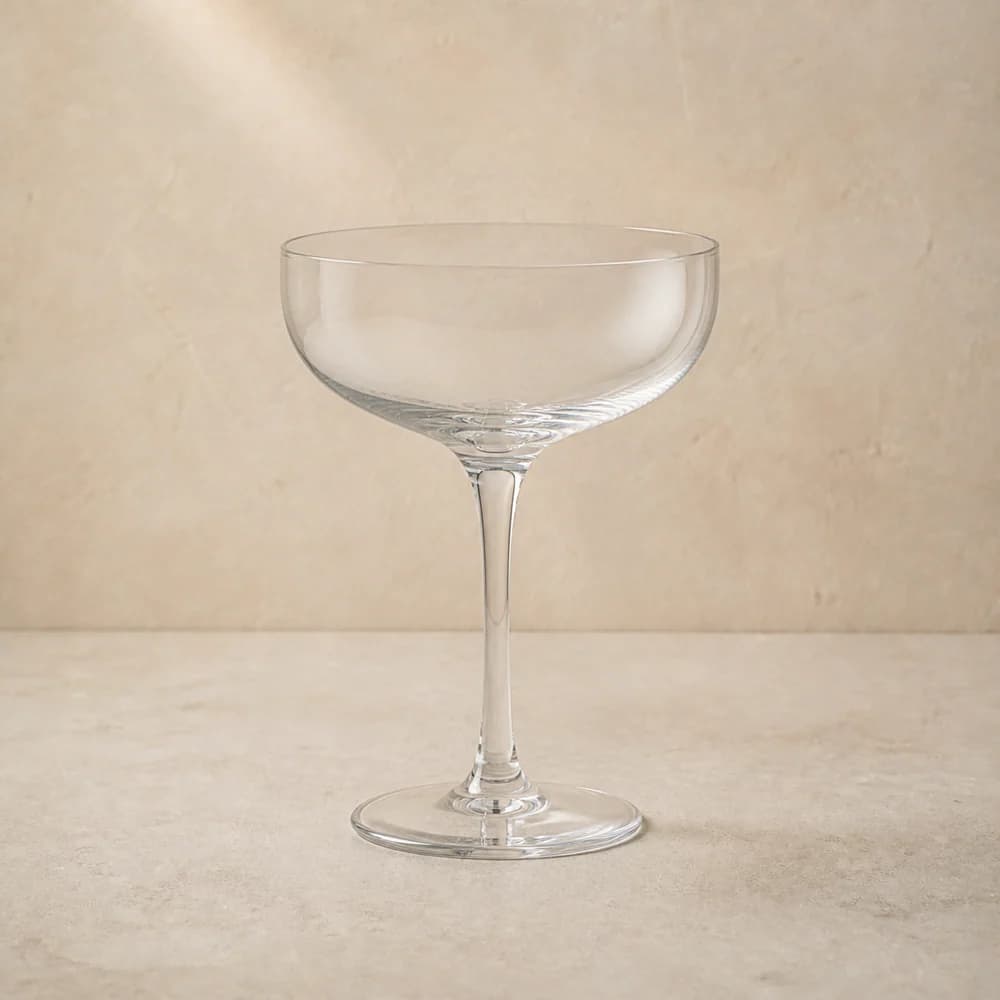
Use a coupe glass.
The stem keeps your hand away from a cold drink, while the rounded bowl makes an up serve easy to sip.
- Standard size
- 200 ml6¾ oz
- Ice & serve
- Chill it first; serve without ice.
- If you don’t own one
- Use a small martini glass or stemmed dessert glass.
- cocktail shaker
- strainer (or a small sieve)
- jigger or measuring spoon
- Rye whiskey60 ml
- Absinthe1 dash
- Fresh lemon juice15 ml
- Simple syrup8 ml
- Egg white1 egg white

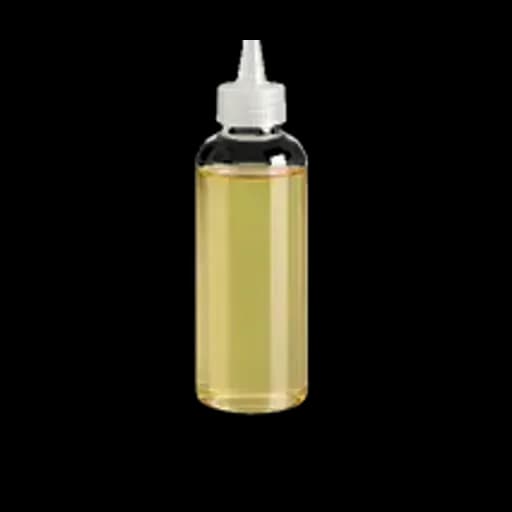
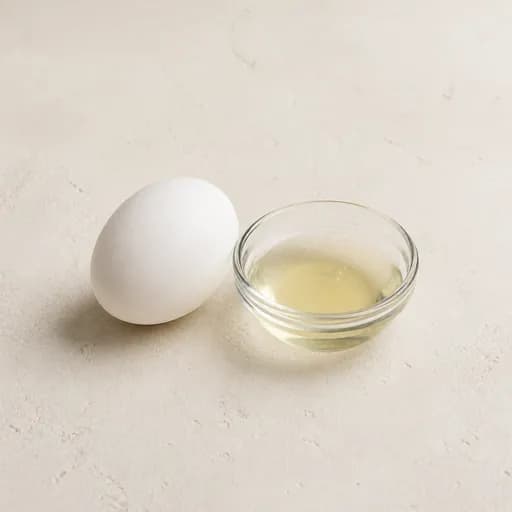
From bottle to glass
Method
- 01
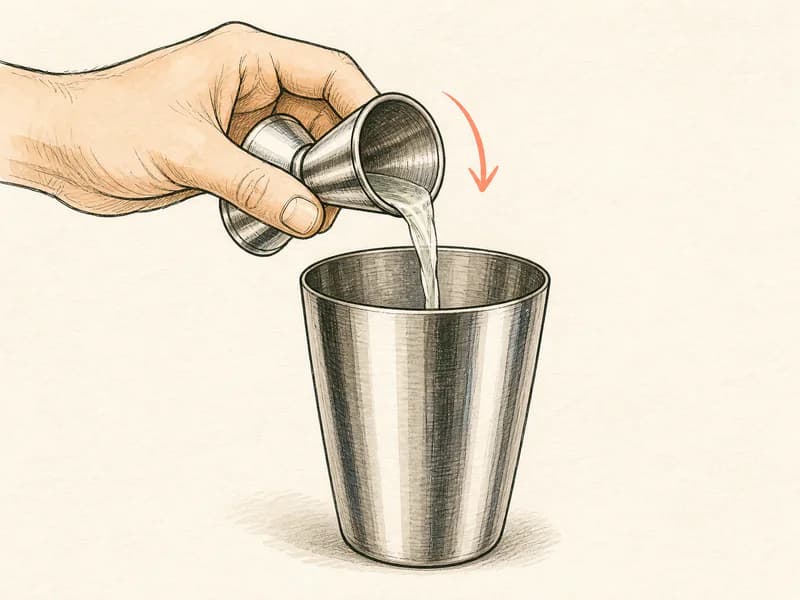
Measure into the shaker Pour 60 ml rye whiskey into your shaker
 Rye whiskey
- 02
Measure into the shaker Add 15 ml fresh lemon juice
 Fresh lemon juice
- 03
Measure into the shaker Add 8 ml simple syrup
 Simple syrup
- 04
Measure into the shaker Add 1 egg white
 Egg white
- 05
Measure into the shaker Add 1 dash absinthe
 Absinthe
- 06
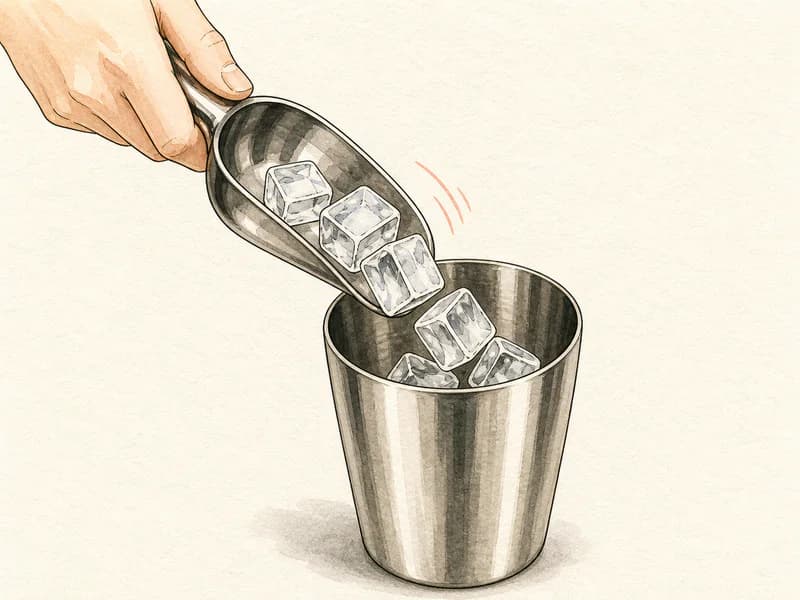
Ice the shaker Fill the shaker with ice
- 07
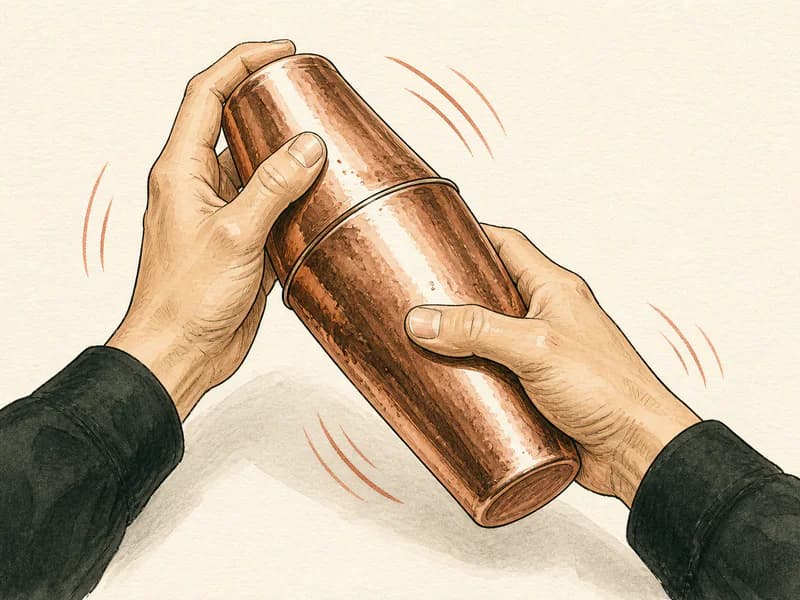
Seal and shake Seal and shake hard
- 08
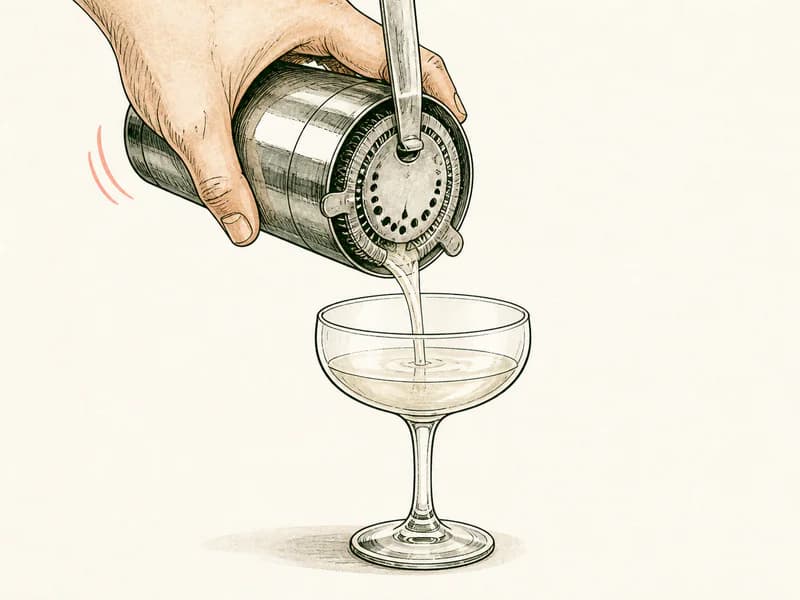
Strain cleanly Strain into a chilled glass — no ice
Know your drink
About the Rattlesnake

How it got its name
Craddock's line in the Savoy Cocktail Book is that it is so called because it will either cure rattlesnake bite, or kill rattlesnakes, or make you see them. That is close to the sum of what anyone knows about the drink's origins.
Rye, lemon, sugar and egg white were standard bar arithmetic by 1930, so nothing about the base was new. Absinthe is what earns the name and the reputation. Two drops read as a warm licorice hum behind the whiskey; four and you are drinking a Sazerac that went wrong somewhere.
Common questions
Rattlesnake FAQ
Do I need a dry shake for the egg white?
Shake hard without ice for about ten seconds, then again with ice. Cold sets the protein before it can foam, so the order matters more than the effort you put in. Dropping the spring from a Hawthorne strainer into the tin does half the work for you.
What can I use instead of egg white?
Aquafaba, the liquid from a can of chickpeas, at roughly 20 ml. It foams nearly as well and tastes of nothing once absinthe is in the glass. The head sets looser than egg, so drink it promptly. Powdered egg white works too and carries no raw-egg worry.
How much absinthe counts as a dash?
Two or three drops, no more. At 60-odd percent it will bulldoze 60 ml of whiskey if you free-pour. Rinsing the chilled glass and discarding the excess is the safer route, since it gives you all the aroma with none of the anise flattening the sugar.
Why is mine grayish and thin?
Wet ice and too long in the tin. Melting ice waters it past the point where foam can hold itself together. Use hard cubes straight from the freezer, keep the second shake under twelve seconds, and strain fine. Gray almost always means dilution, not bad whiskey.
What ingredients are in a Rattlesnake?
A classic Rattlesnake calls for 60 ml (2 oz) Rye whiskey, 15 ml (0.5 oz) Fresh lemon juice, 8 ml (0.25 oz) Simple syrup, 1 dash absinthe Absinthe, 1 egg white Egg white. That single-serve spec scales cleanly — the recipe above converts it to oz and multiplies it for 2–4 drinks.
How strong is a Rattlesnake?
A standard Rattlesnake is roughly 33% ABV once mixed (before ice melt softens it further). That makes it spirit-forward — closer to a Martini than to a beer, so sip it slowly.
What glass do you serve a Rattlesnake in?
Serve a Rattlesnake in a chilled coupe glass, well chilled — this drink is served without ice, so a cold glass keeps it cold.
Sharpen the technique
Skills used in this recipe
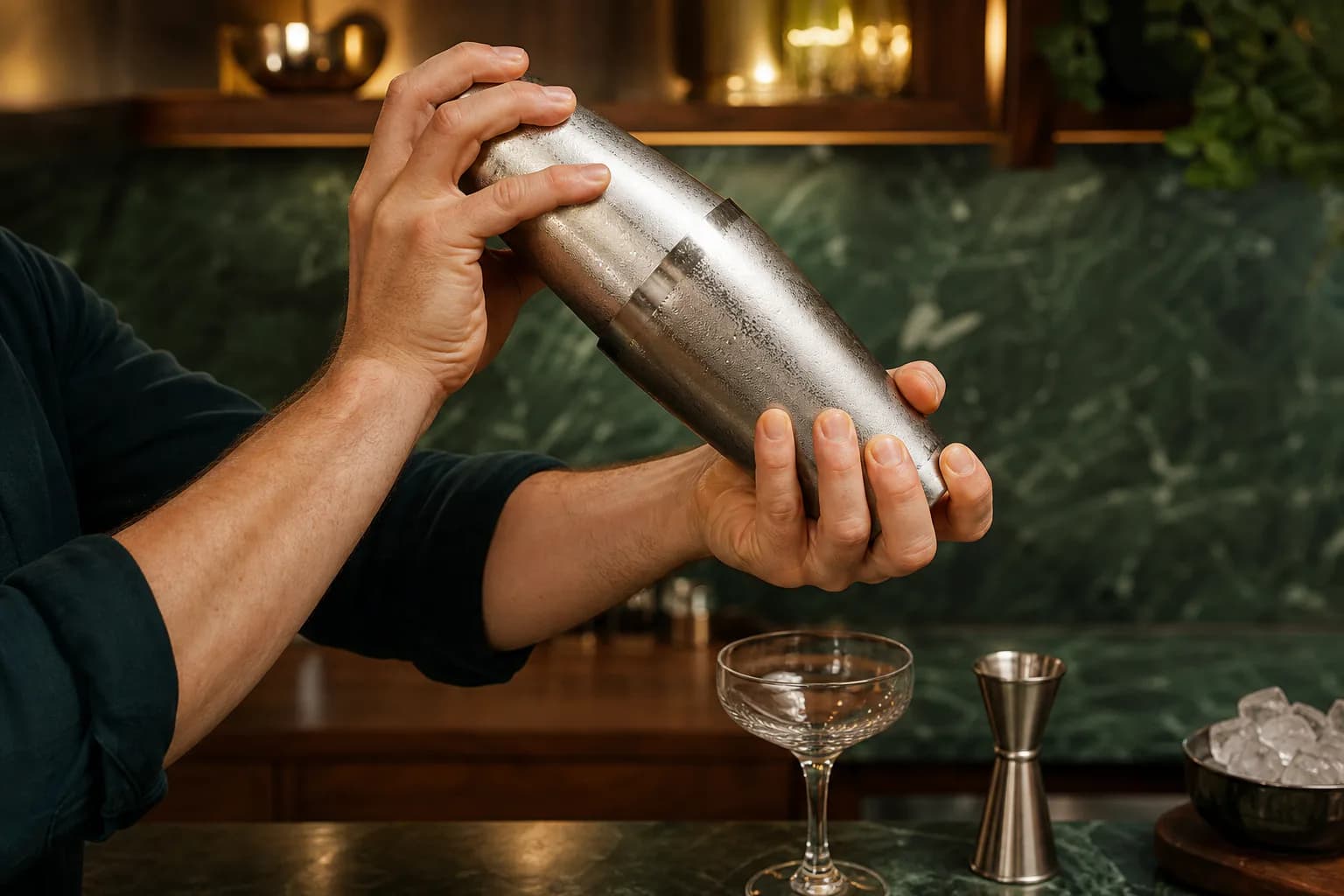
How to shake a cocktail properly
The grip, timing, ice and visual cues that make shaken drinks colder and brighter.
Read the guide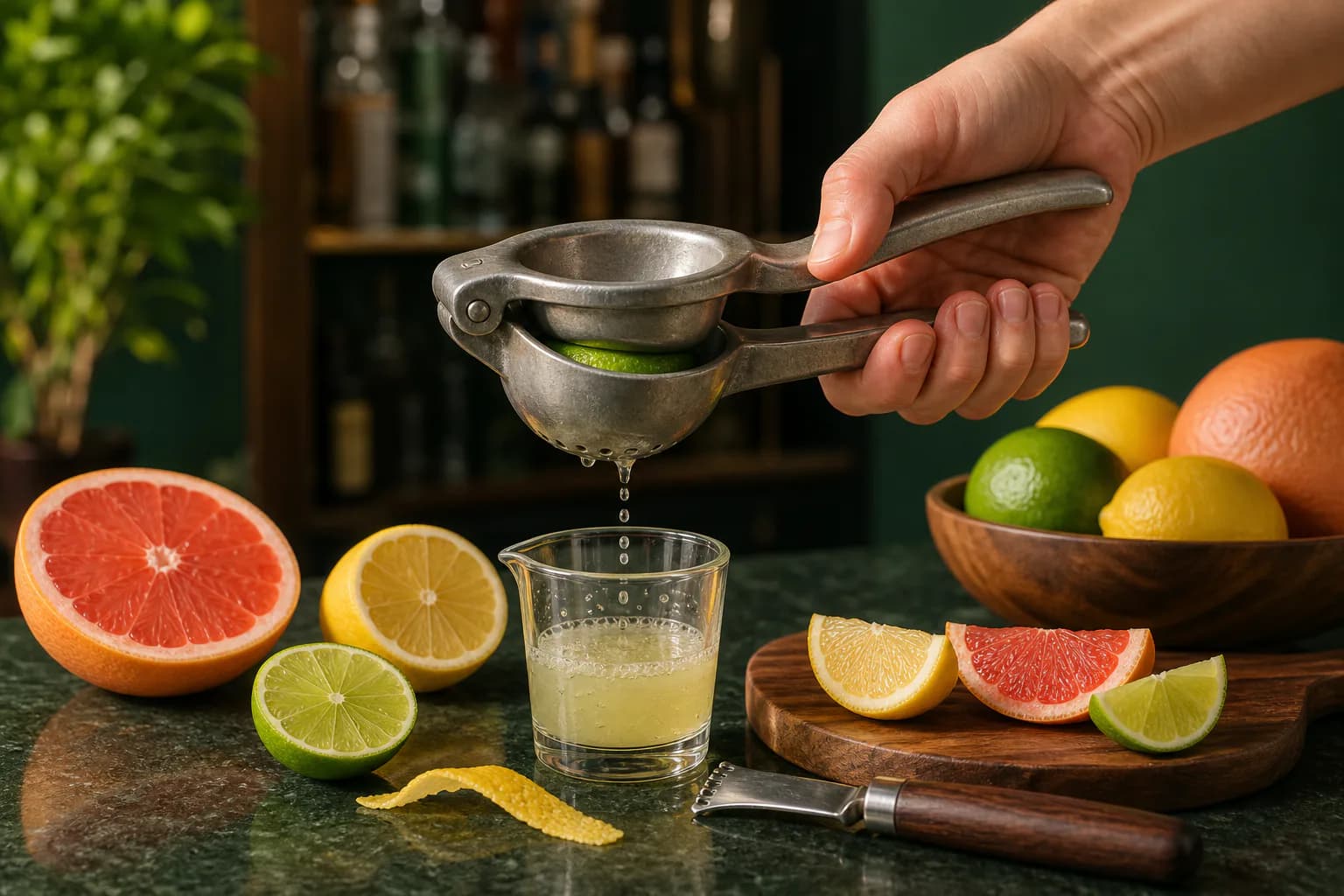
Fresh citrus for cocktails: juice, wedges and balance
Get brighter lime, lemon and grapefruit flavor with better prep and storage.
Read the guide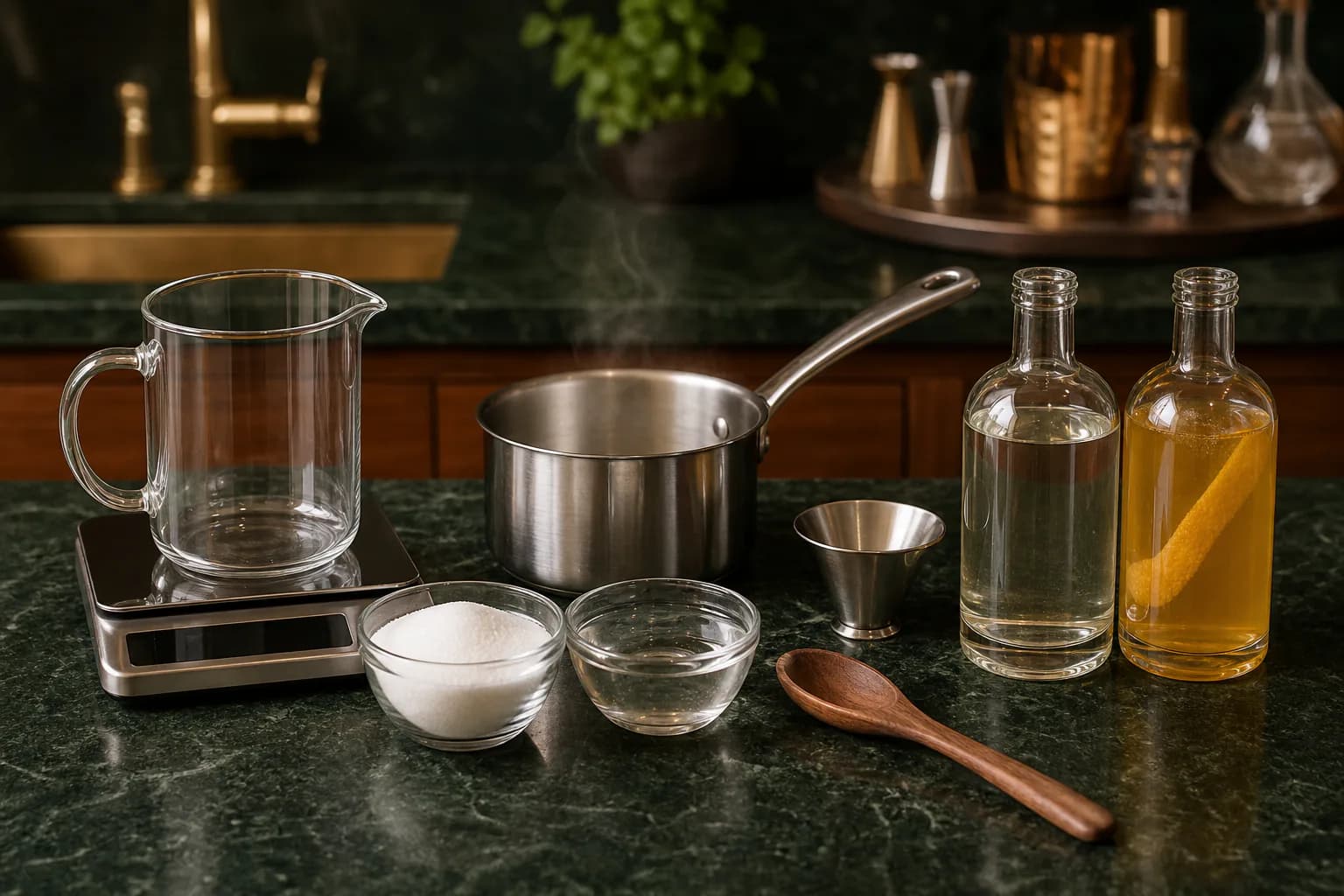
Simple syrup ratios, storage and flavor variations
Make a consistent sweetener and understand when rich syrup changes a recipe.
Read the guideWhere to go next
If you like the Rattlesnake, try these.
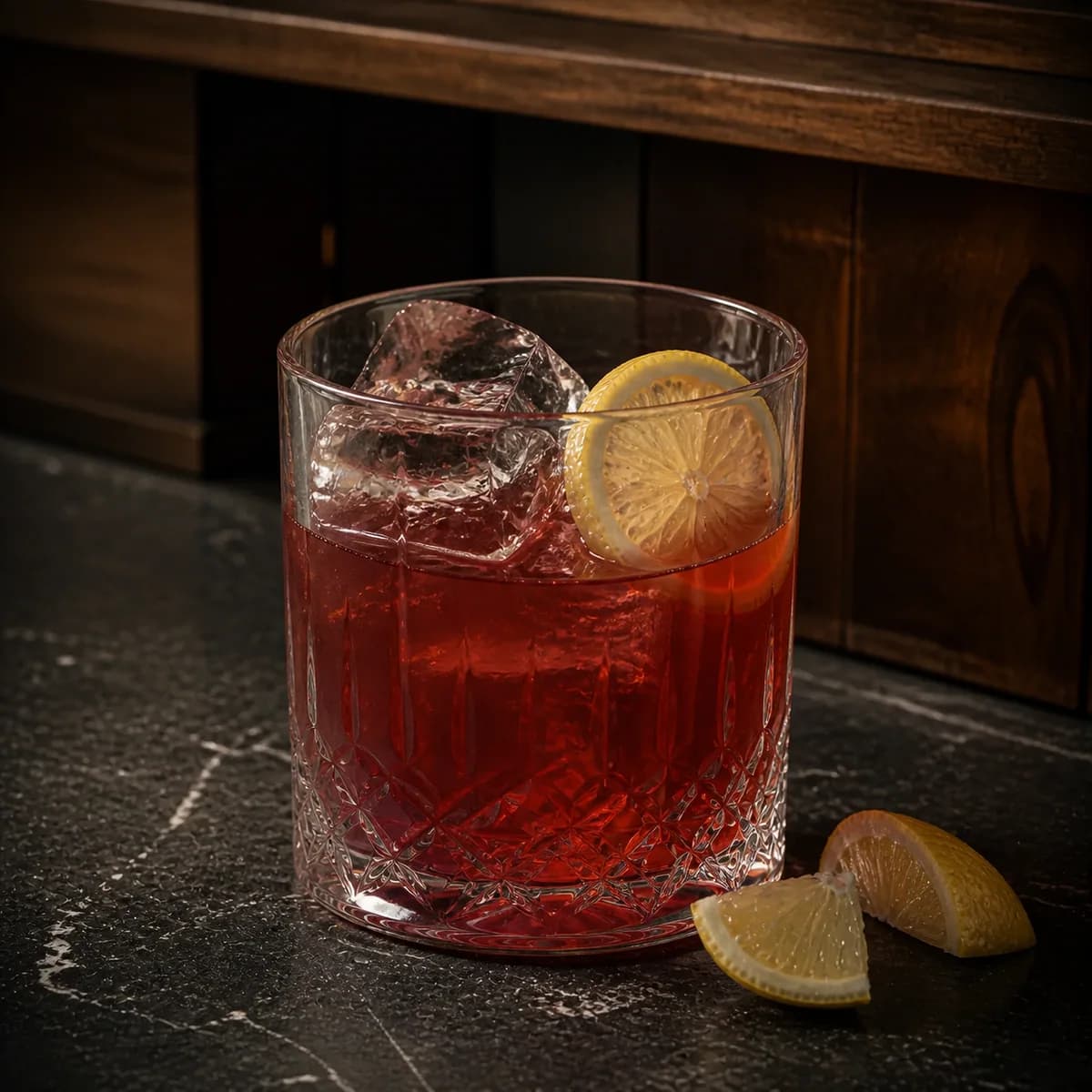
New York Sour
A whiskey sour crowned with a float of red wine that bleeds down through the drink. As beautiful as it is delicious.
View recipe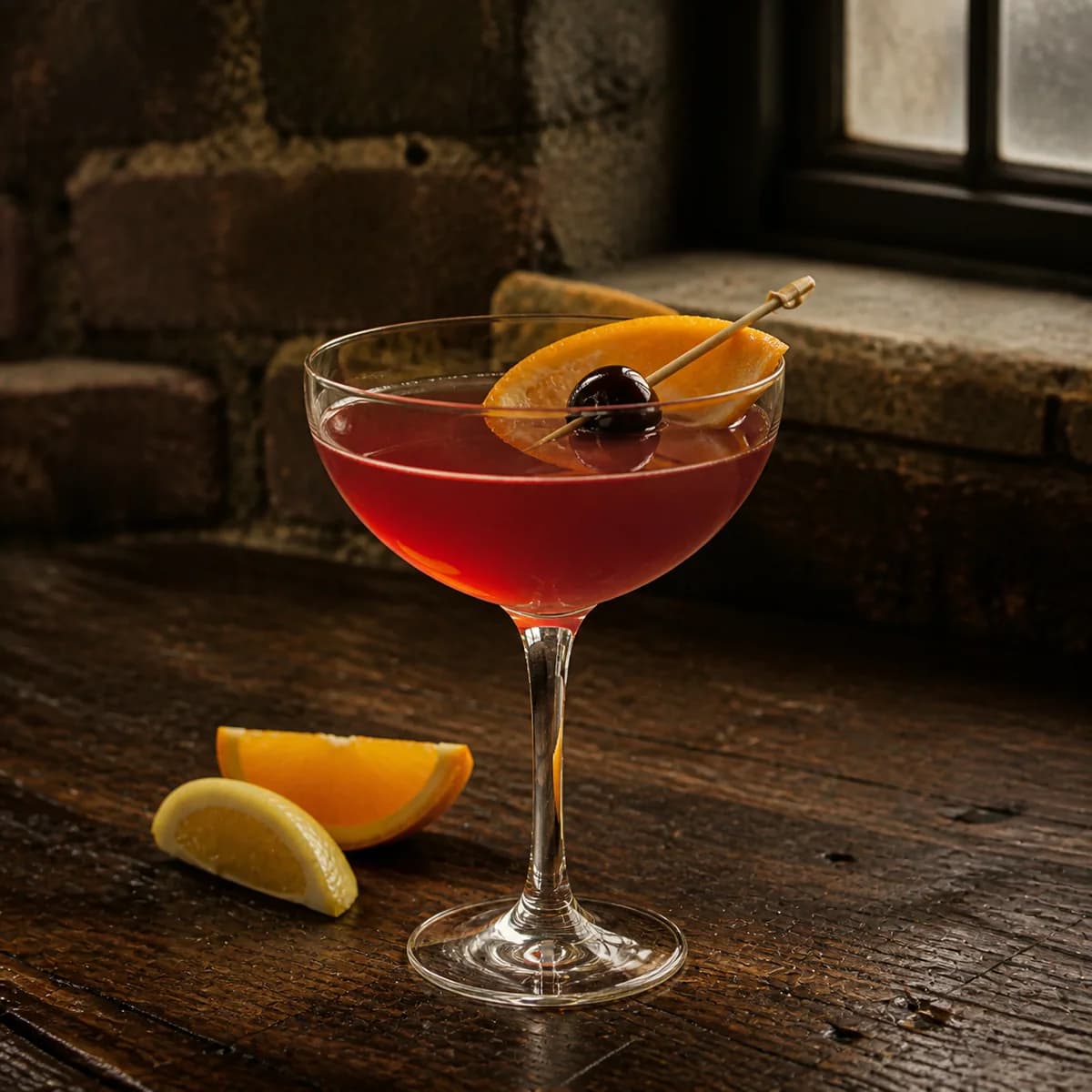
Ward 8
A Boston sour with a political past: rye with lemon, orange and a little grenadine. Bright and rosy.
View recipe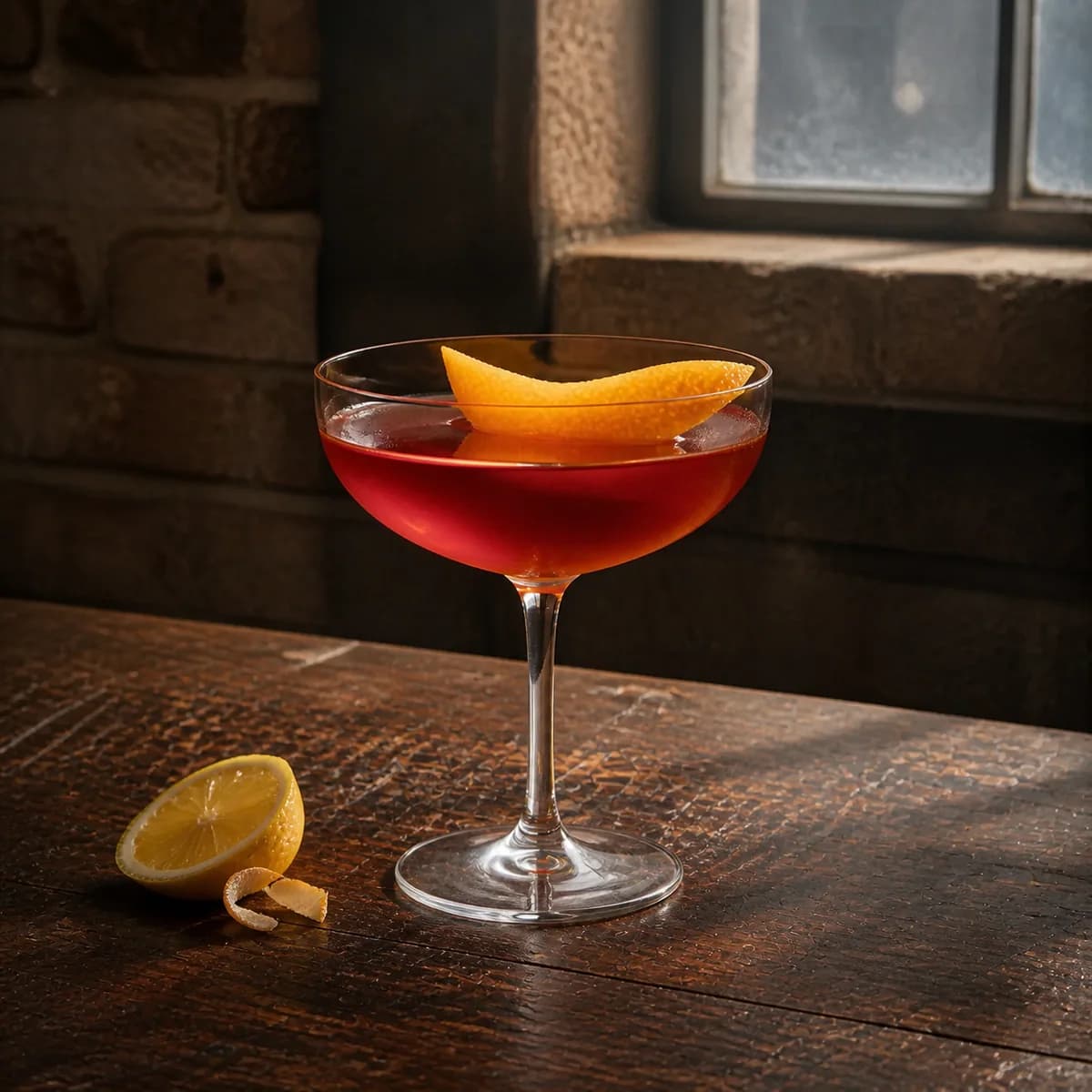
Scofflaw
Dry vermouth is the part people skip, and it's the part that makes this work. It cuts the sugar out of a whiskey sour and leaves something leaner and more savory, with grenadine there for color and a thin line of fruit rather than sweetness.
View recipe