Classic cocktail · Guided recipe
New York Sour
Start makingA whiskey sour crowned with a float of red wine that bleeds down through the drink. As beautiful as it is delicious.
In the glassRye whiskey · Fresh lemon juice · Simple syrup · Dry red wine
See exact amounts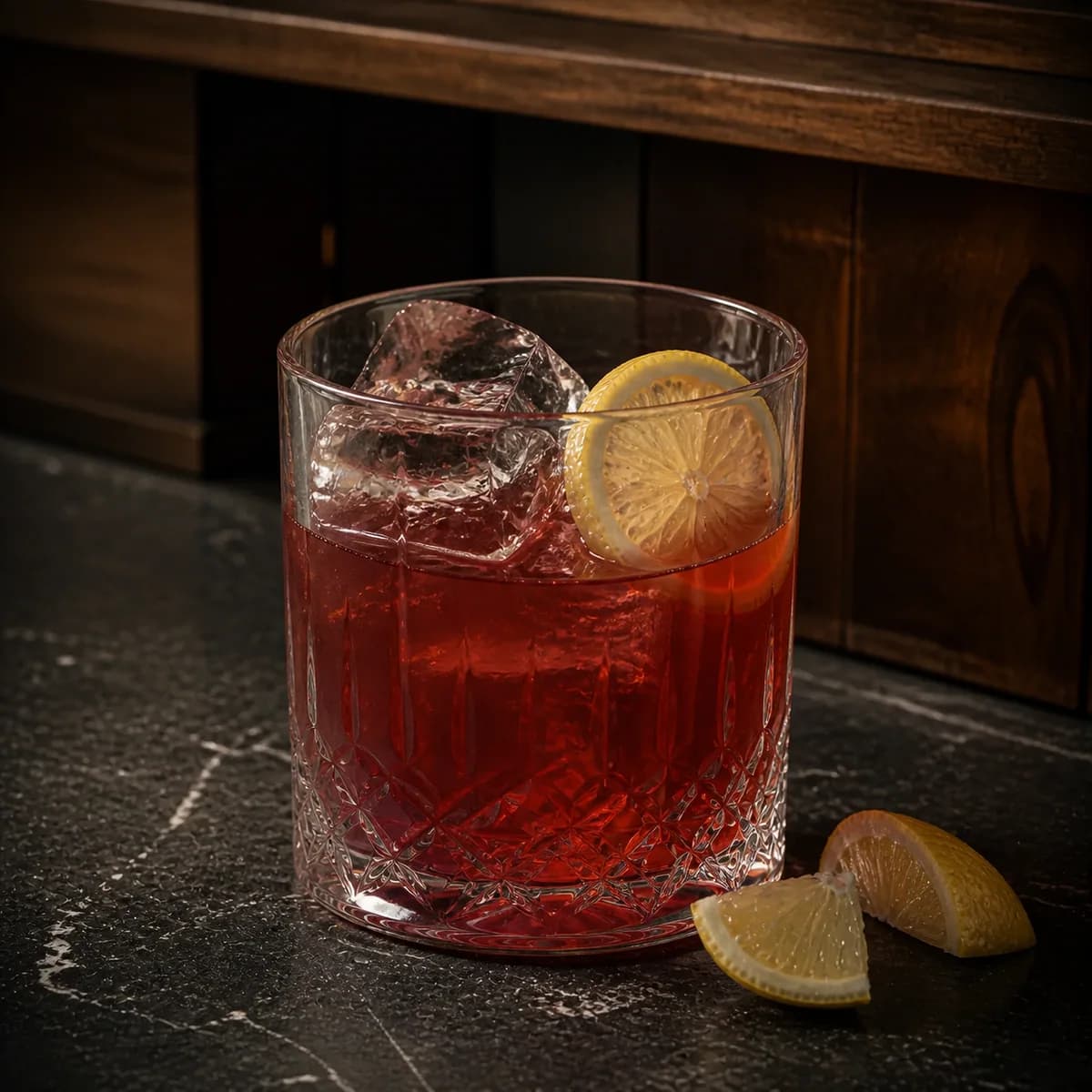
What goes in
Ingredients
Set up before you pour
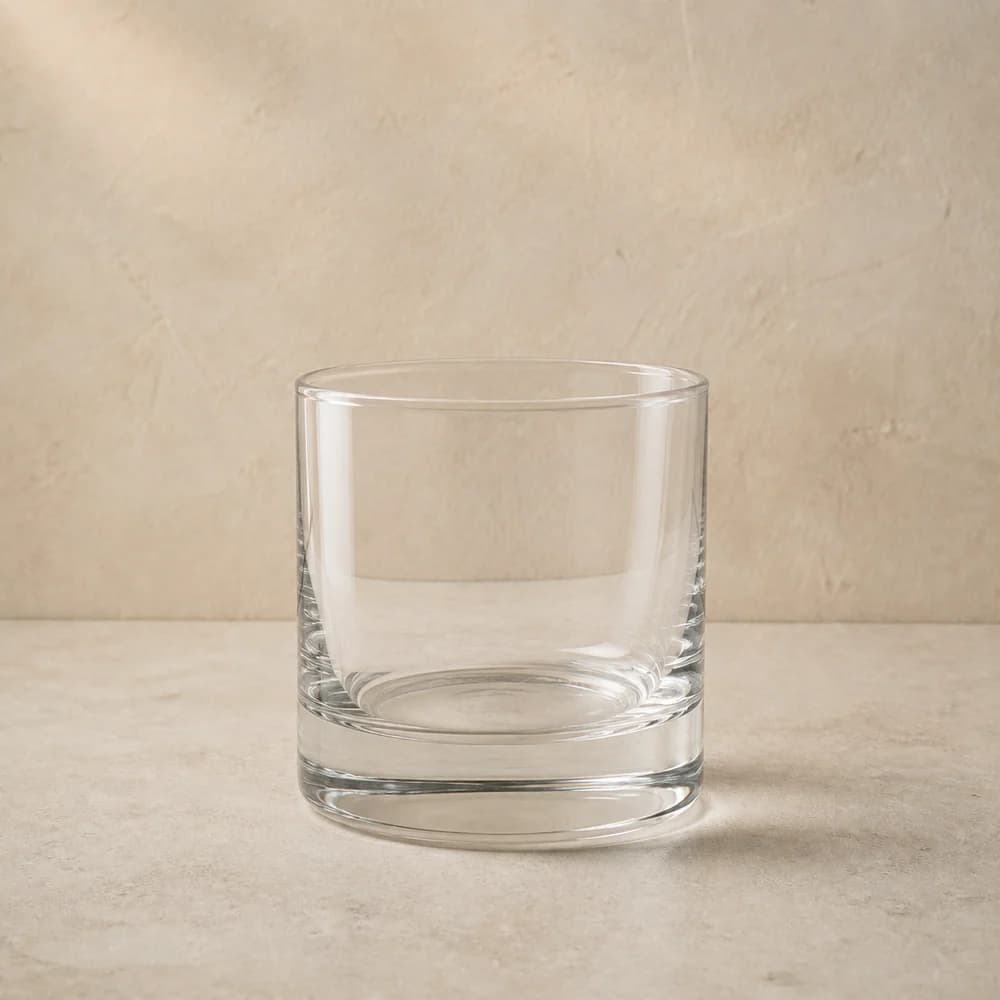
Use a rocks glass.
The low, sturdy bowl suits concentrated drinks and gives one large cube enough width.
- Standard size
- 300 ml10¼ oz
- Ice & serve
- Fill it with fresh ice cubes.
- If you don’t own one
- Use a small water tumbler with a heavy base.
- cocktail shaker
- strainer (or a small sieve)
- jigger or measuring spoon
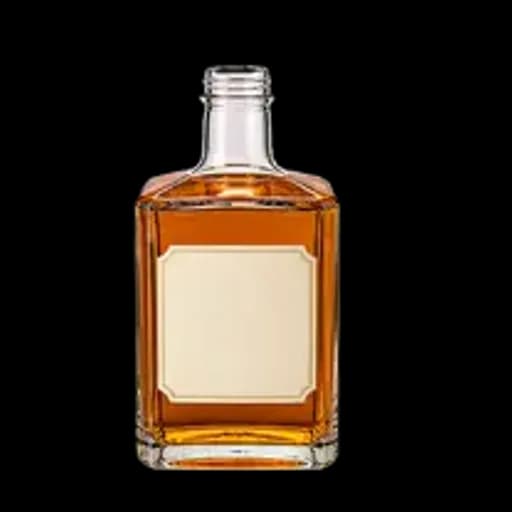
- Rye whiskey60 ml
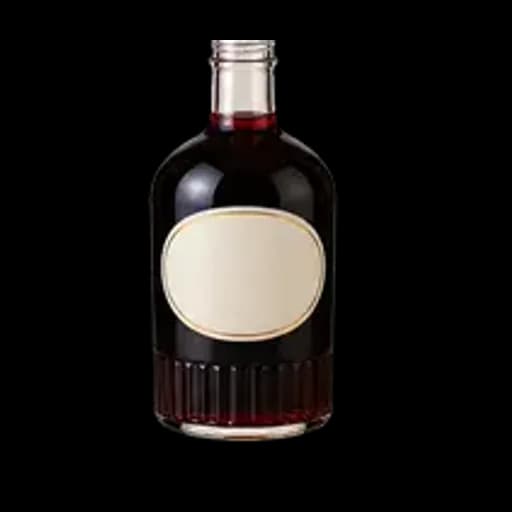
- Dry red wine15 ml
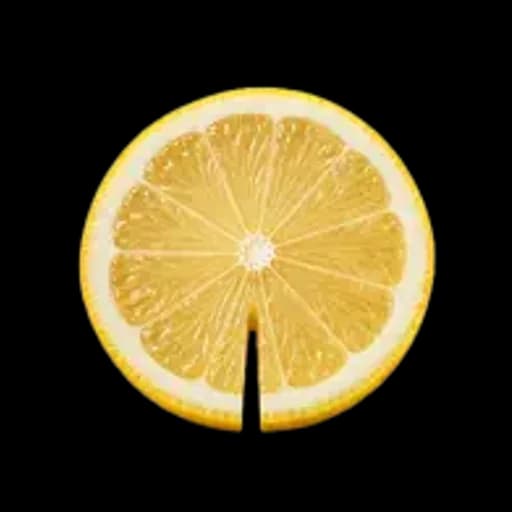
- Fresh lemon juice22 ml
- Simple syrup22 ml
From bottle to glass
Method
- 01
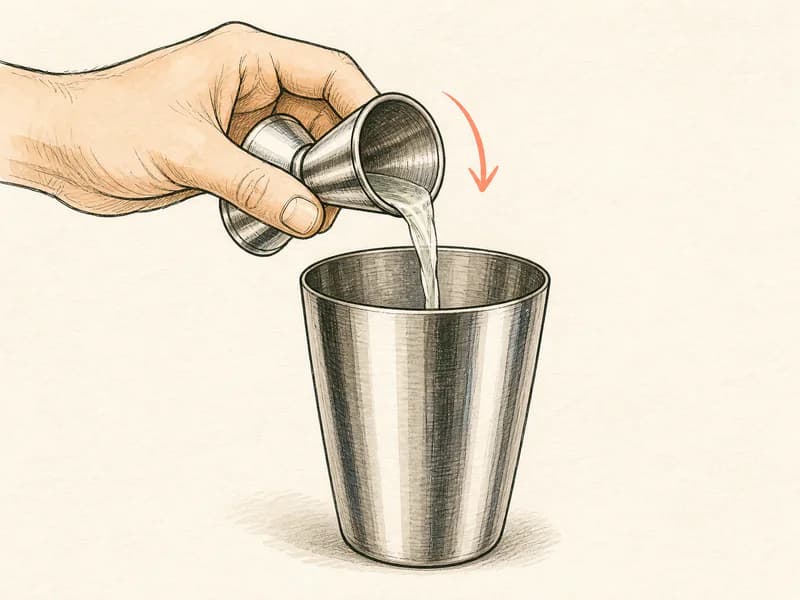
Measure into the shaker Pour 60 ml rye whiskey into your shaker
 Rye whiskey
- 02
Measure into the shaker Add 22 ml fresh lemon juice
 Fresh lemon juice
- 03
Measure into the shaker Add 22 ml simple syrup
 Simple syrup
- 04
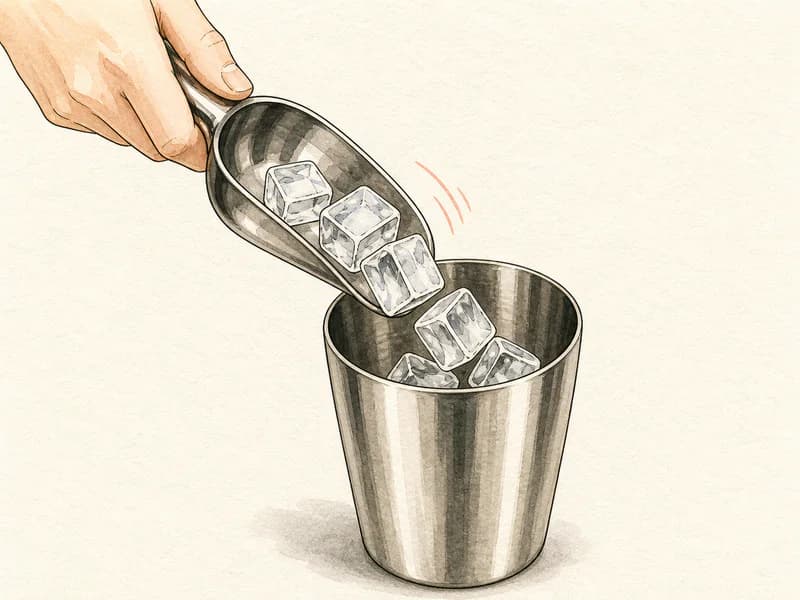
Ice the shaker Fill the shaker with ice
- 05
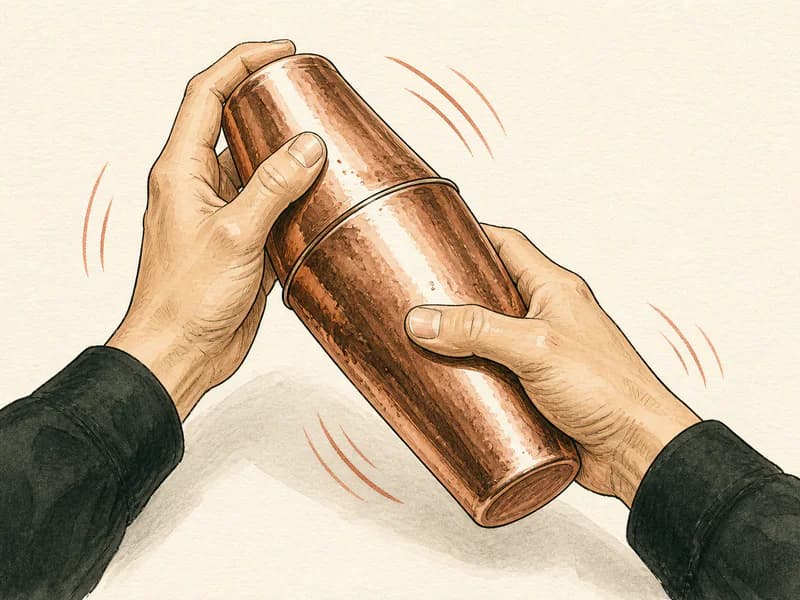
Seal and shake Seal and shake hard
- 06
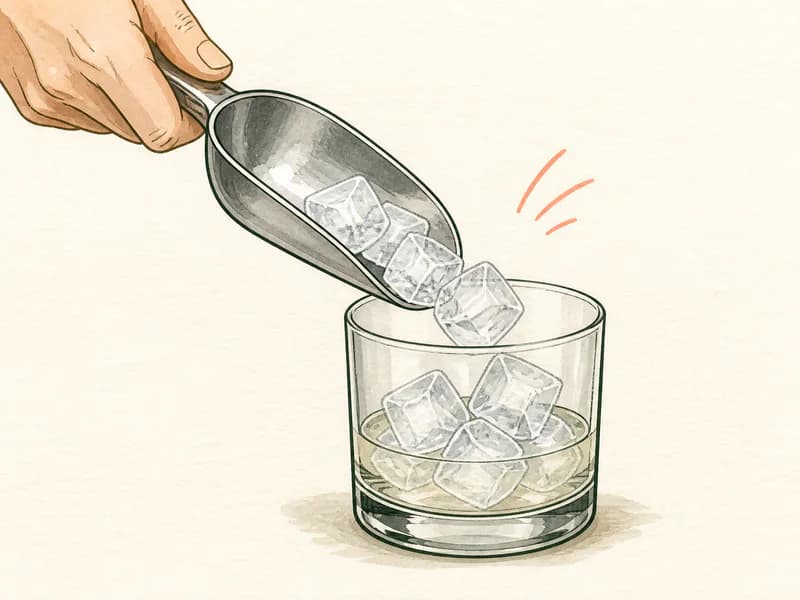
Ice the glass Fill your glass with fresh ice
- 07
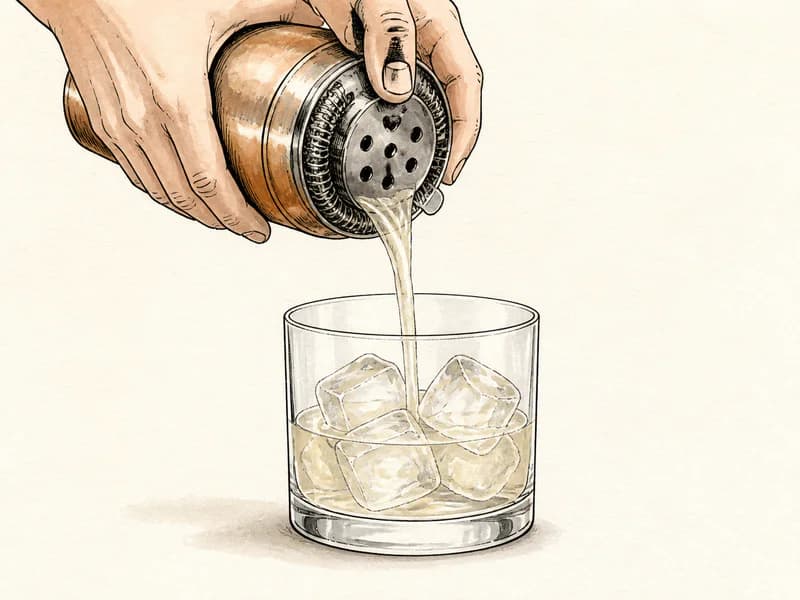
Strain cleanly Strain into your glass
- 08
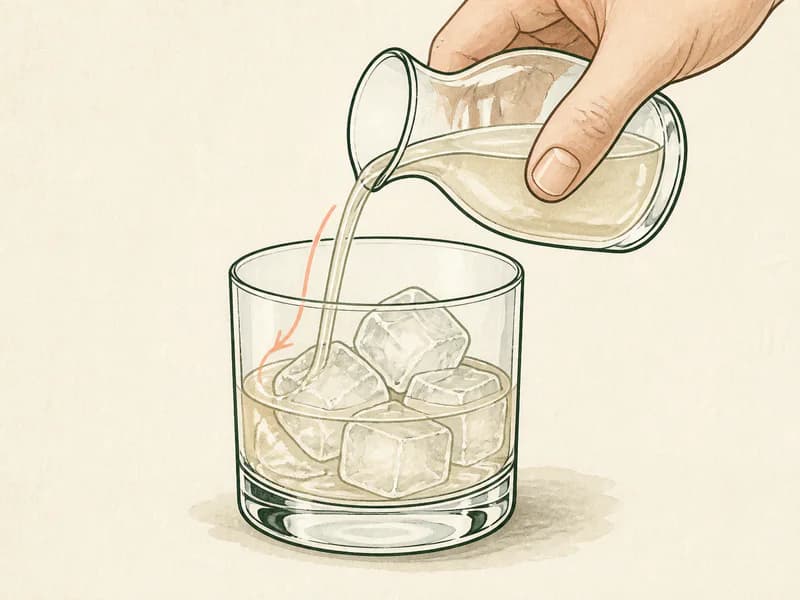
Top gently Top with 15 ml dry red wine
 Dry red wine
- 09
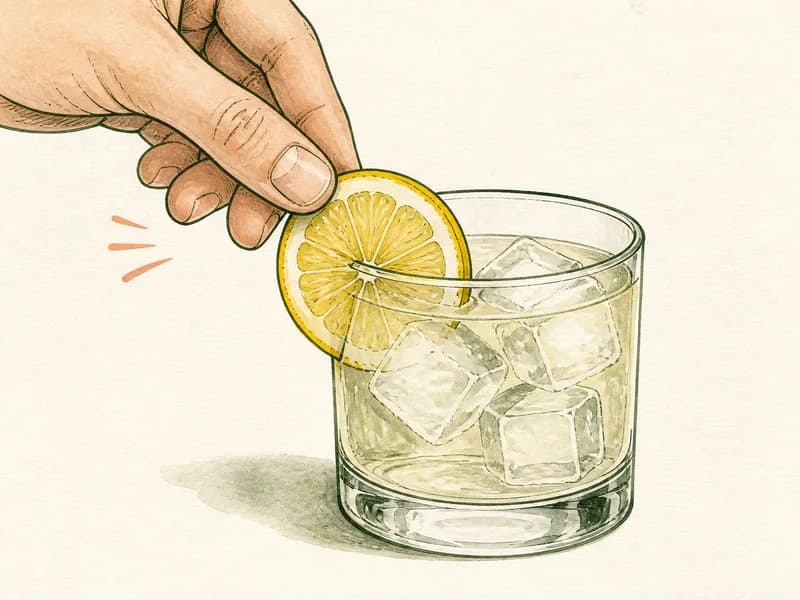
Finish the drink Finish it — add a lemon slice
Know your drink
About the New York Sour
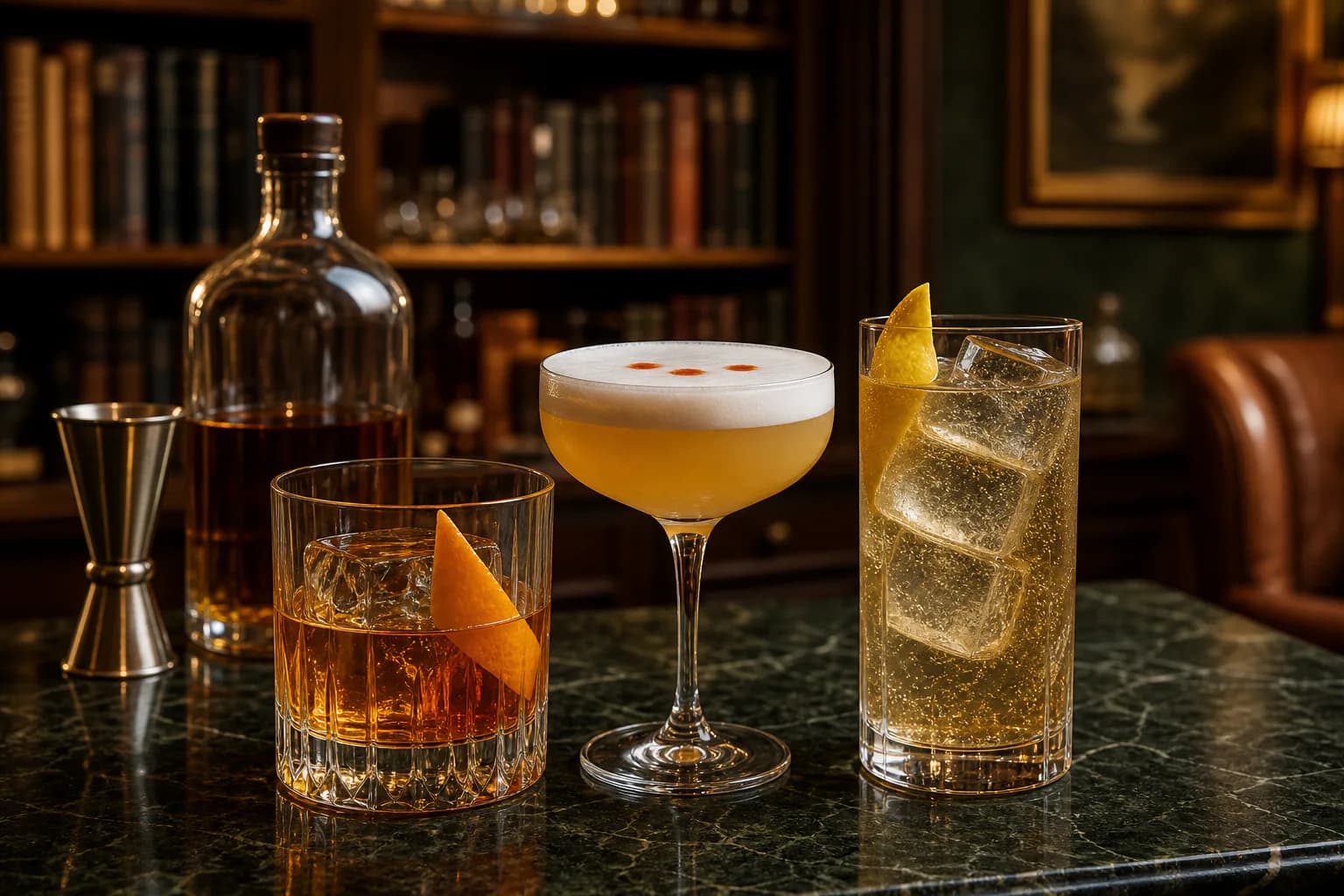
A sour in two halves
The wine float is older than the name. Nineteenth-century American bar books describe sours topped with claret, and the drink circulated as a Continental Sour well before New York got the credit. Nobody has convincingly documented when or why the name changed, so treat the geography as a label rather than an origin story.
The float works on density. A shaken sour carrying 22 ml of sugar syrup is heavier than wine, so the wine sits on top until movement or melting ice pulls it under. Skip the syrup and the layers merge immediately. That's also why the effect reads better in a rocks glass than a coupe: the ice gives the wine something to catch on.
Common questions
New York Sour FAQ
How do I stop the wine from sinking straight in?
Pour it slowly over the back of a barspoon held just above the surface, and make sure the sour underneath is properly cold and properly diluted. Warm, undiluted liquid mixes far too readily. Ice in the glass helps as well, catching the wine on its way down.
Does it have to be port?
No. Most versions call for a dry red, and a fruity Shiraz or Malbec floats just as happily; port is the sweeter modern habit. Dry wine gives sharper contrast against the sugar below. Port gives more weight and a longer finish, at the cost of some tension.
Am I meant to stir it before drinking?
Don't, at least not at first. The point is that the layers meet on their own as you drink, so the last third tastes noticeably different from the first. If you'd rather have it uniform, one stir turns it into a perfectly decent claret sour.
Will bourbon work instead?
It will, but rye is the better fit. Rye's spice and dryness stand up to the wine, whereas bourbon's sweetness stacked on port's sweetness leaves a drink with no edges anywhere. If bourbon is what you own, float a dry red rather than port and cut the syrup.
What ingredients are in a New York Sour?
A classic New York Sour calls for 60 ml (2 oz) Rye whiskey, 22 ml (0.75 oz) Fresh lemon juice, 22 ml (0.75 oz) Simple syrup, 15 ml (0.5 oz) Dry red wine. That single-serve spec scales cleanly — the recipe above converts it to oz and multiplies it for 2–4 drinks.
How strong is a New York Sour?
A standard New York Sour is roughly 24% ABV once mixed (before ice melt softens it further). That makes it spirit-forward — closer to a Martini than to a beer, so sip it slowly.
Is a New York Sour shaken or stirred?
A New York Sour is shaken — the rule of thumb is to shake anything with citrus juice. About 13 seconds with plenty of ice chills and dilutes it correctly.
Sharpen the technique
Skills used in this recipe
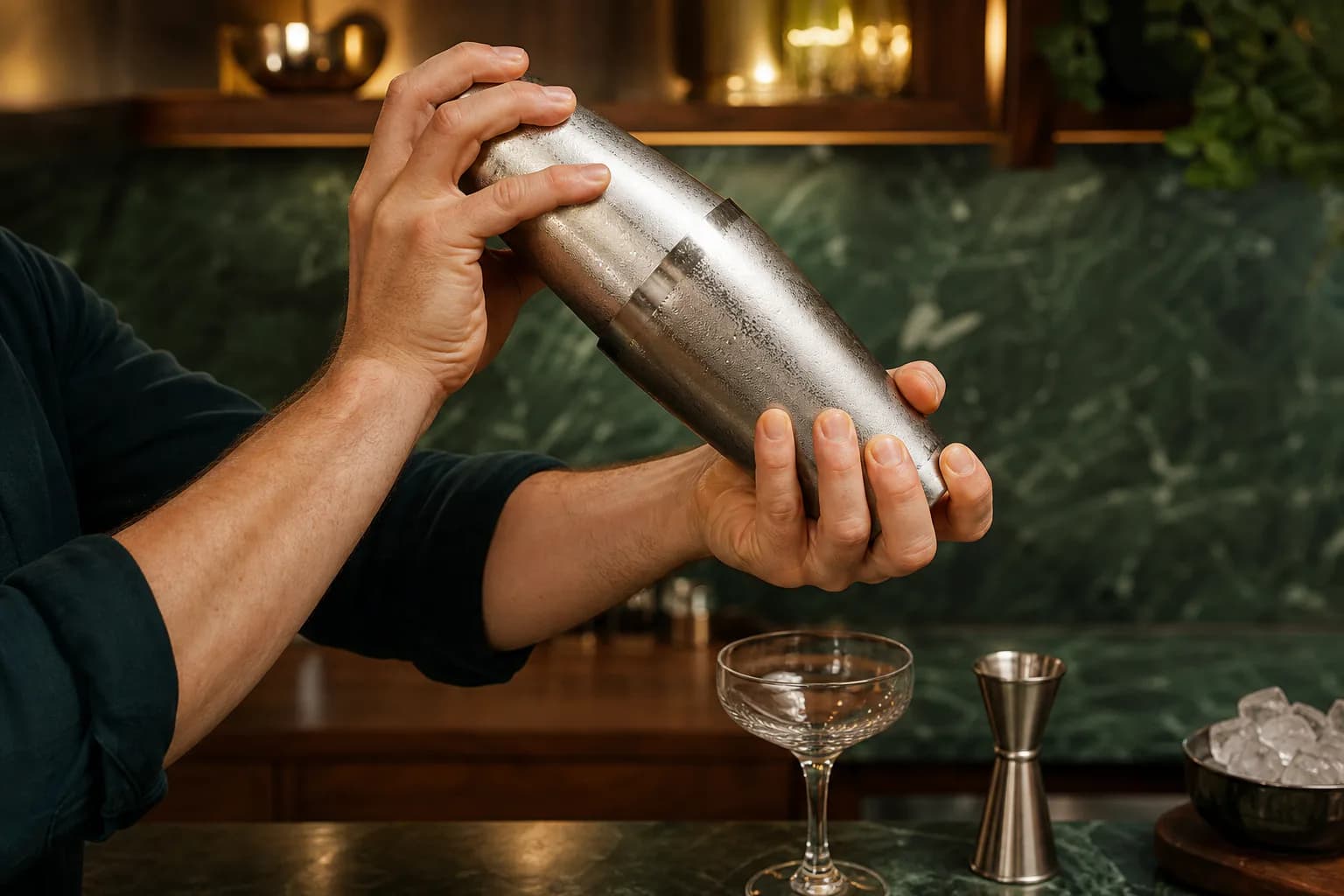
How to shake a cocktail properly
The grip, timing, ice and visual cues that make shaken drinks colder and brighter.
Read the guide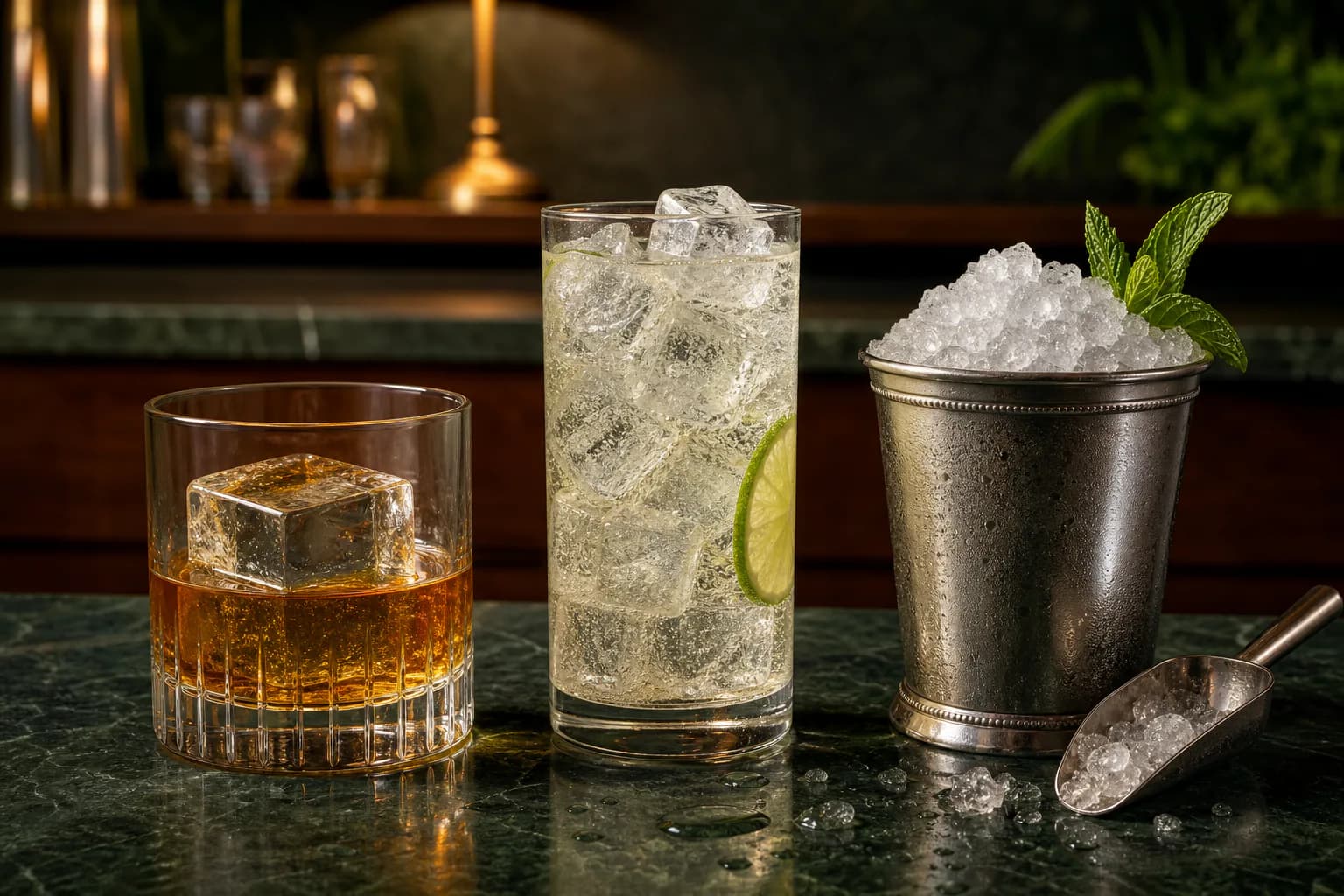
Cocktail ice: cubes, crushed ice and dilution
Understand why ice is an ingredient—and choose the right shape for every drink.
Read the guide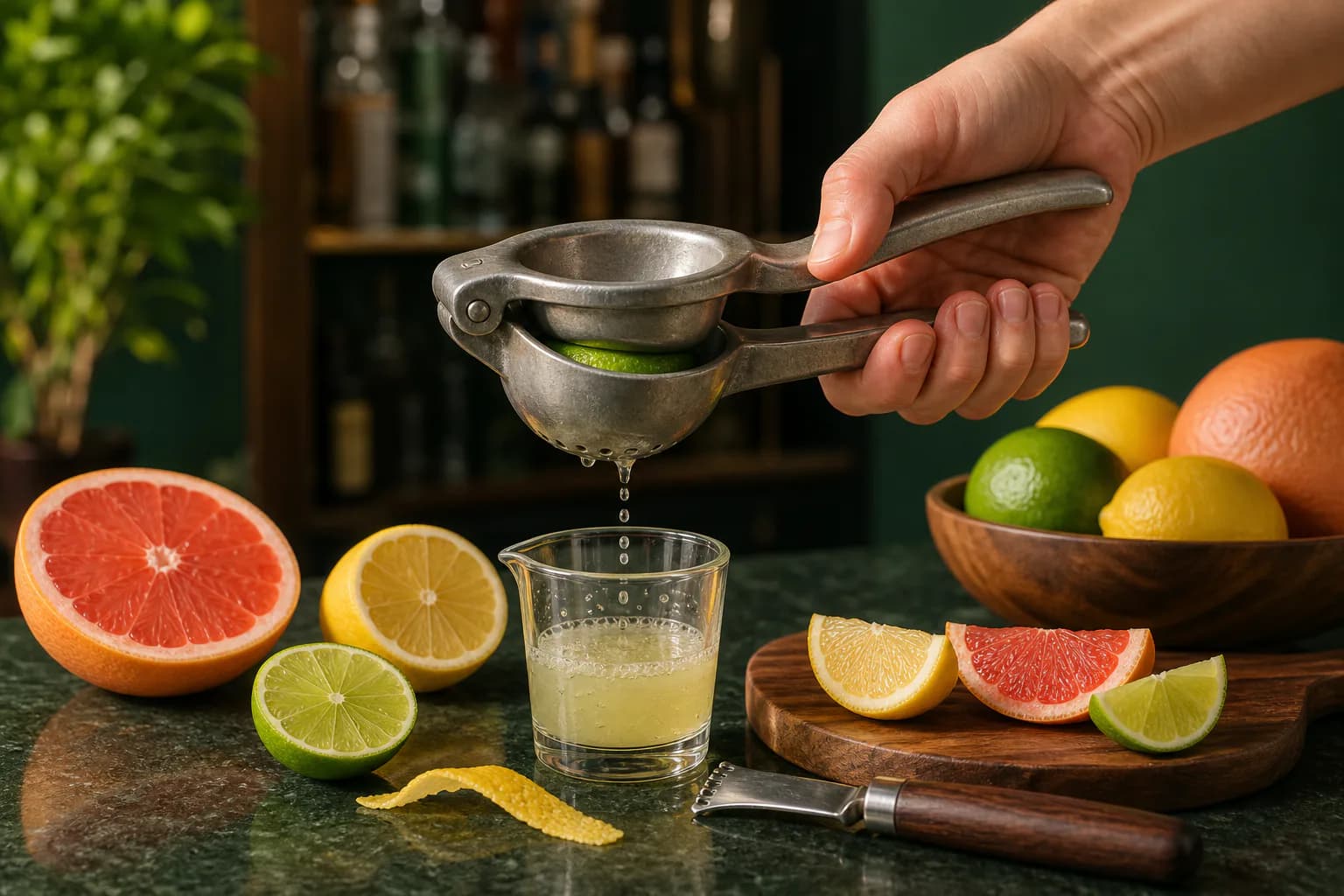
Fresh citrus for cocktails: juice, wedges and balance
Get brighter lime, lemon and grapefruit flavor with better prep and storage.
Read the guideWhere to go next
If you like the New York Sour, try these.
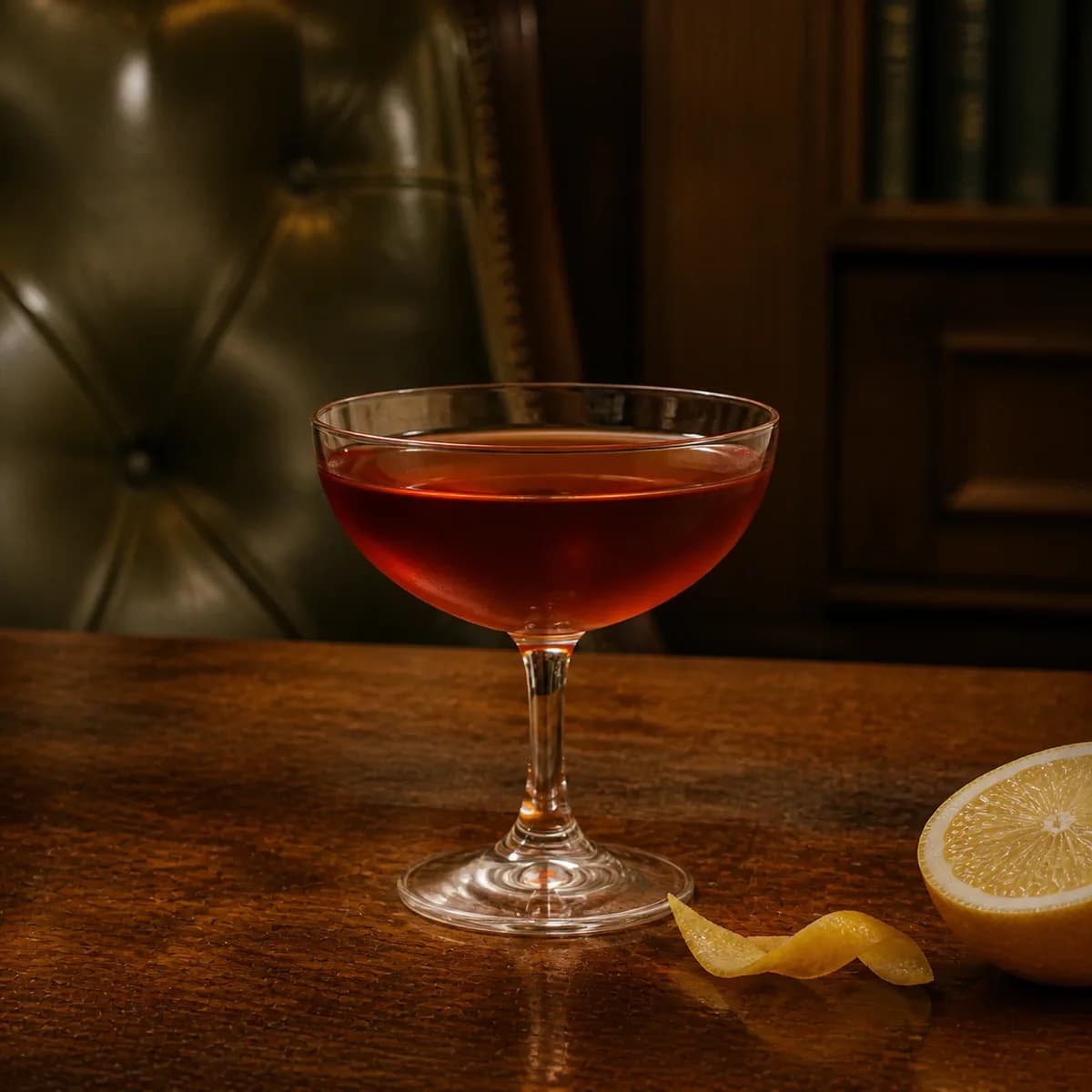
Trinidad Sour
The cocktail that made bitters a base spirit: a whole pour of Angostura balanced by nutty orgeat, lemon and a little rye. Deep red and utterly unique.
View recipe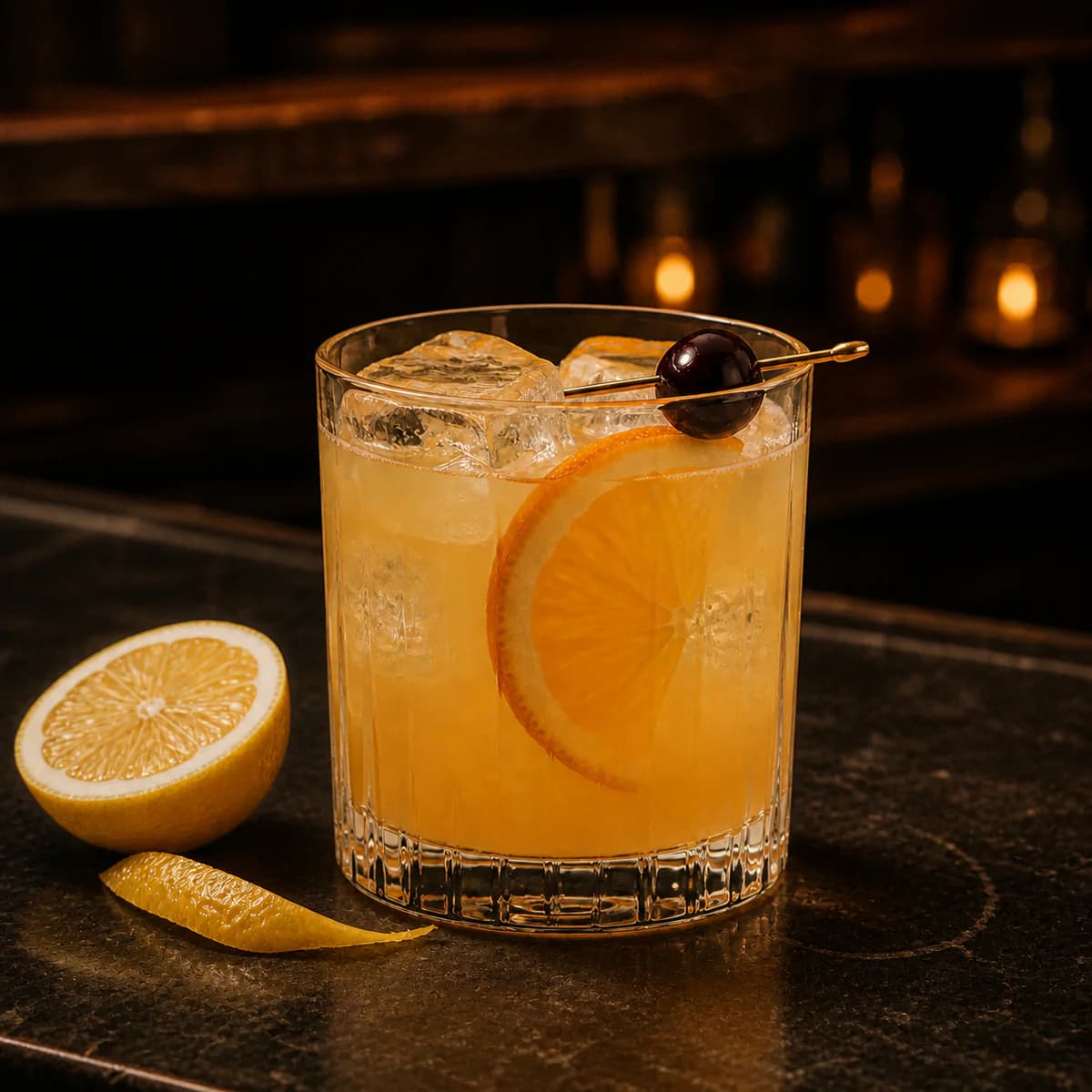
Whiskey Sour
The whiskey sour is bourbon, lemon and sugar — the template every “sour” cocktail is built on. This is the classic no-egg version: bright, balanced, and ready in two minutes.
View recipe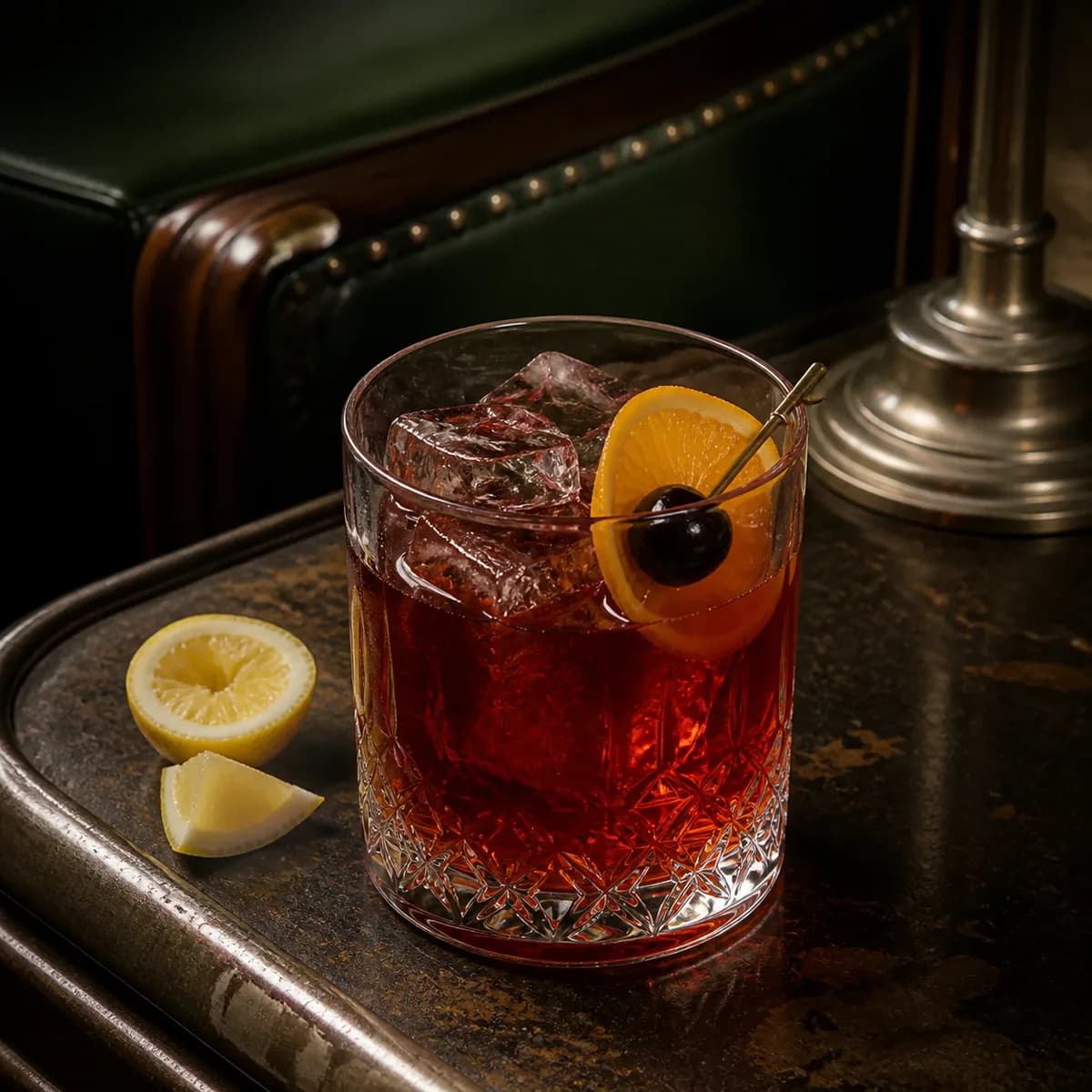
Amaretto Sour
Done right — with a shot of bourbon and egg white for backbone — the Amaretto Sour is nutty, tart and grown-up, not the syrupy version you remember.
View recipe