Classic cocktail · Guided recipe
Sidecar
Start makingCognac, orange liqueur and lemon in balance — the template for every brandy sour. Bright, warming and elegant.
In the glassCognac · Triple sec / Cointreau · Fresh lemon juice
See exact amounts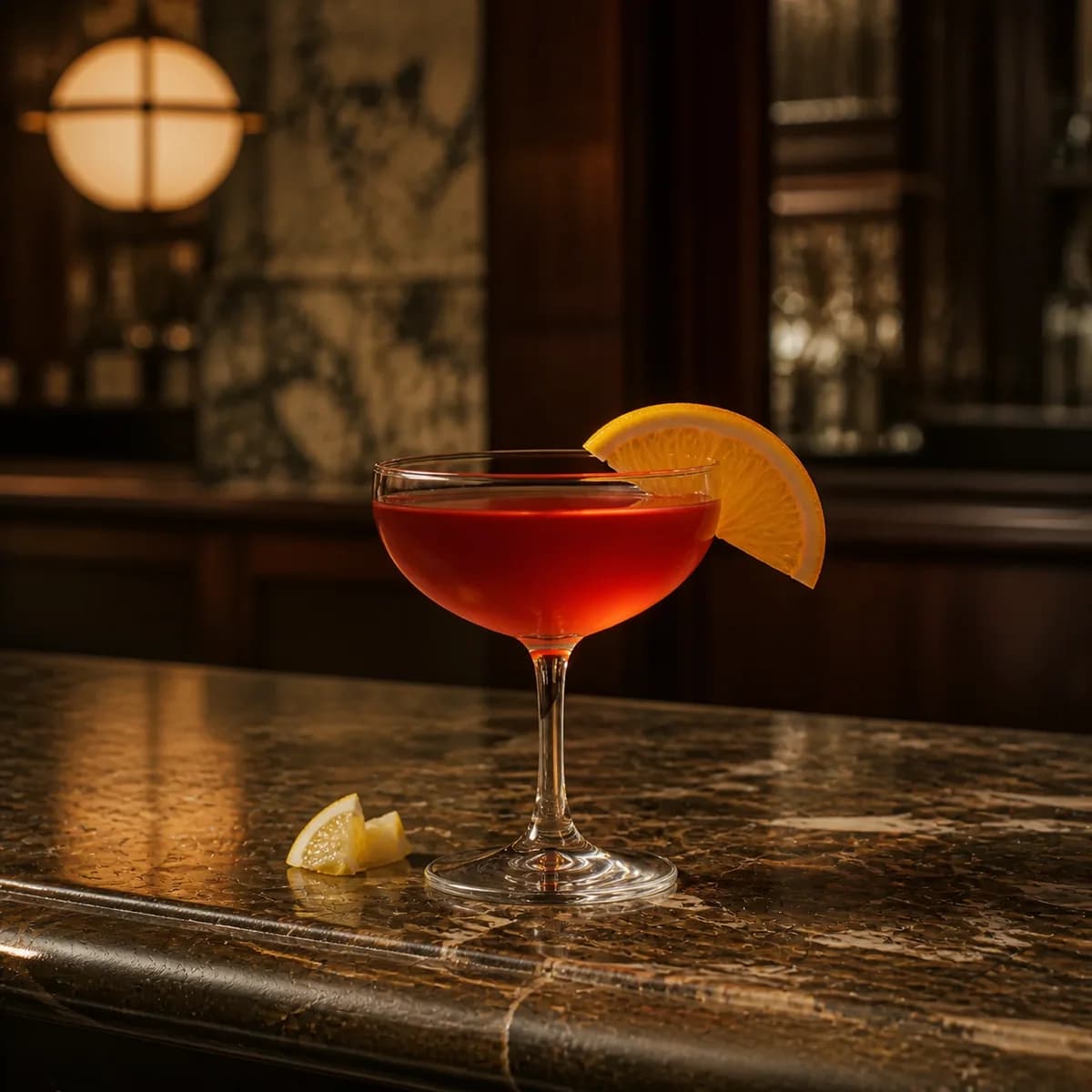
What goes in
Ingredients
Set up before you pour
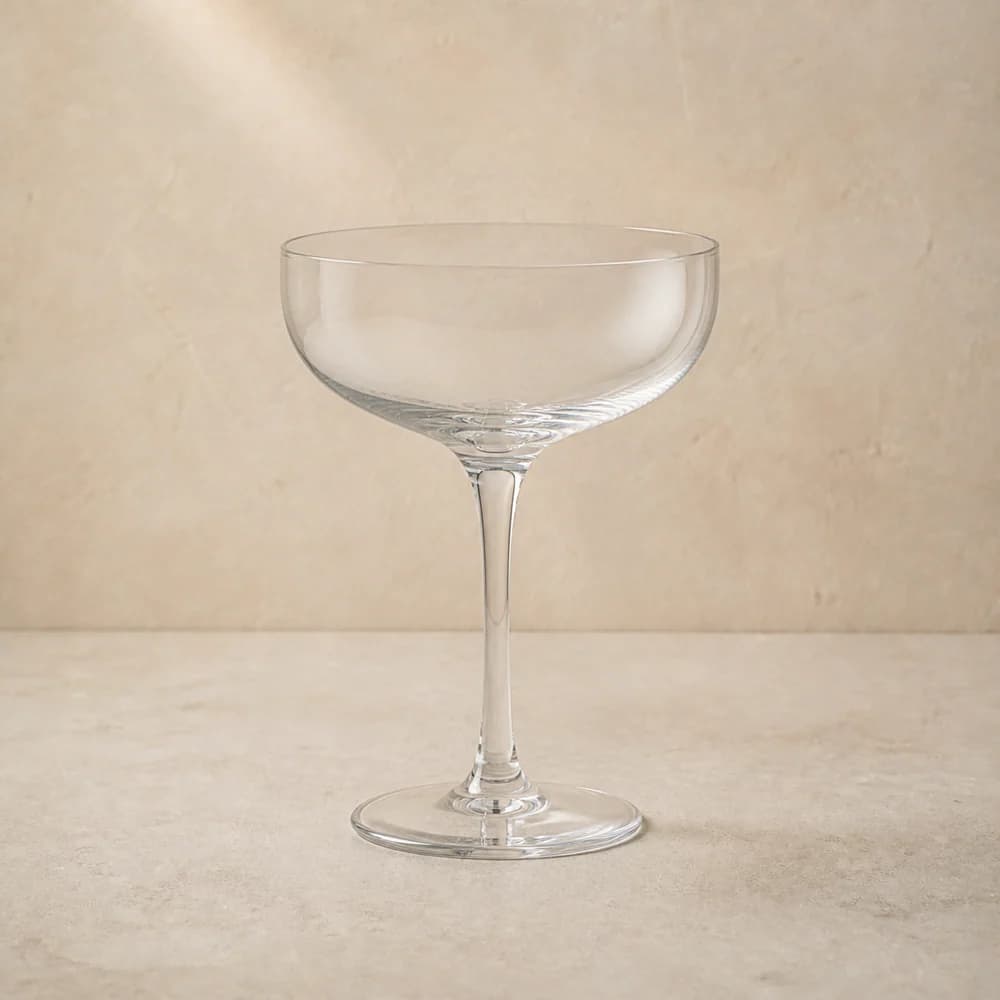
Use a coupe glass.
The stem keeps your hand away from a cold drink, while the rounded bowl makes an up serve easy to sip.
- Standard size
- 200 ml6¾ oz
- Ice & serve
- Chill it first; serve without ice.
- If you don’t own one
- Use a small martini glass or stemmed dessert glass.
- cocktail shaker
- strainer (or a small sieve)
- jigger or measuring spoon
- Cognac50 ml
- Triple sec / Cointreau20 ml
- Fresh lemon juice20 ml
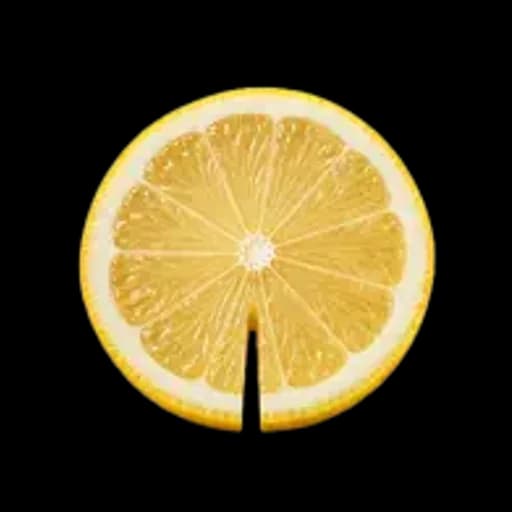
From bottle to glass
Method
- 01
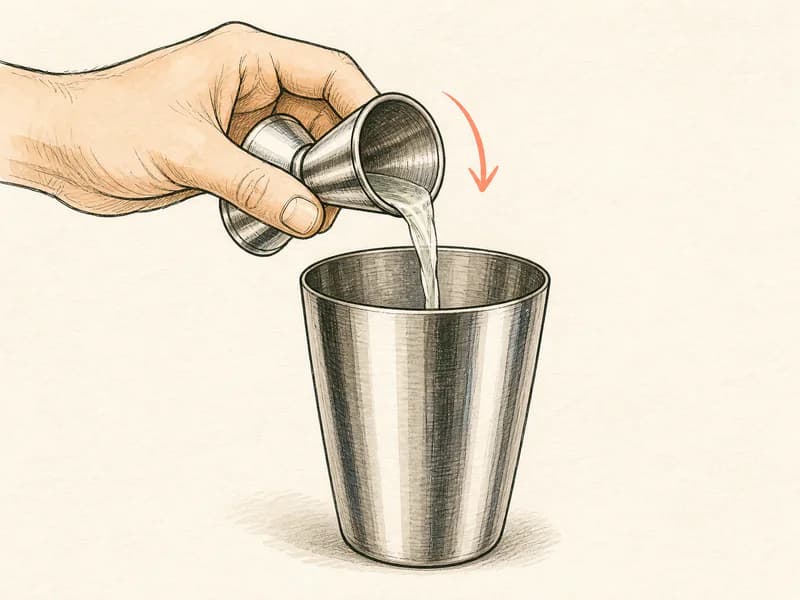
Measure into the shaker Pour 50 ml cognac into your shaker
 Cognac
- 02
Measure into the shaker Add 20 ml triple sec / cointreau
 Triple sec / Cointreau
- 03
Measure into the shaker Add 20 ml fresh lemon juice
 Fresh lemon juice
- 04
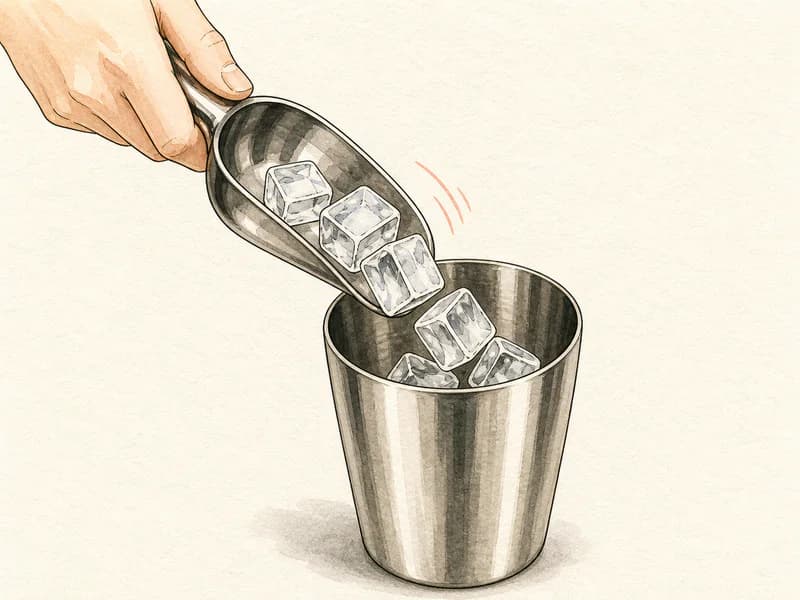
Ice the shaker Fill the shaker with ice
- 05
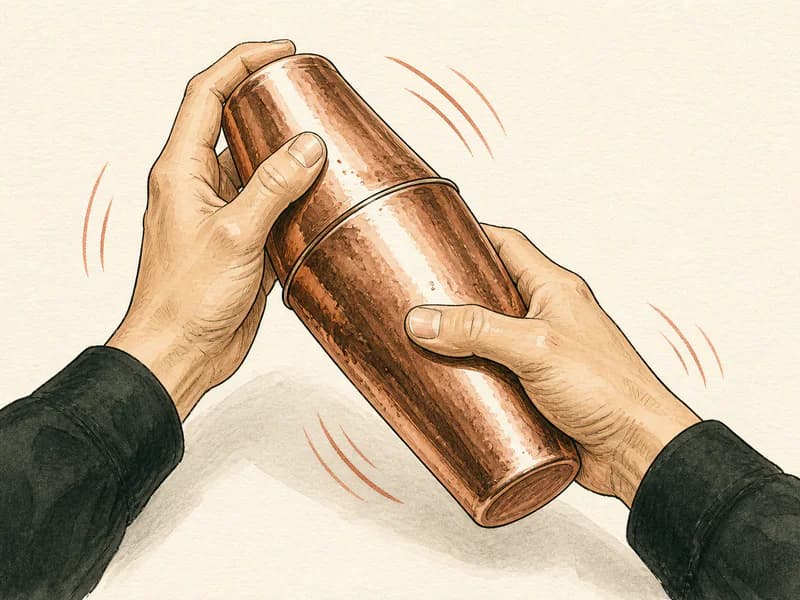
Seal and shake Seal and shake hard
- 06
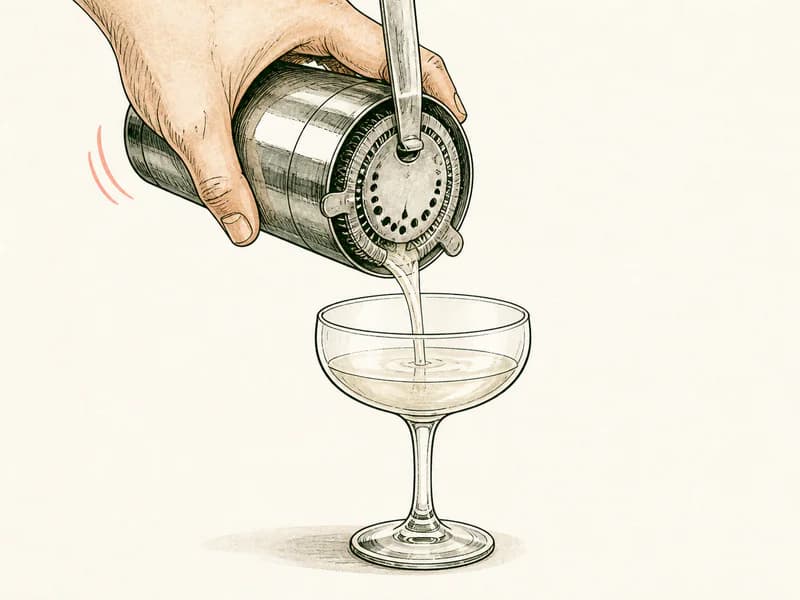
Strain cleanly Strain into a chilled glass — no ice
- 07
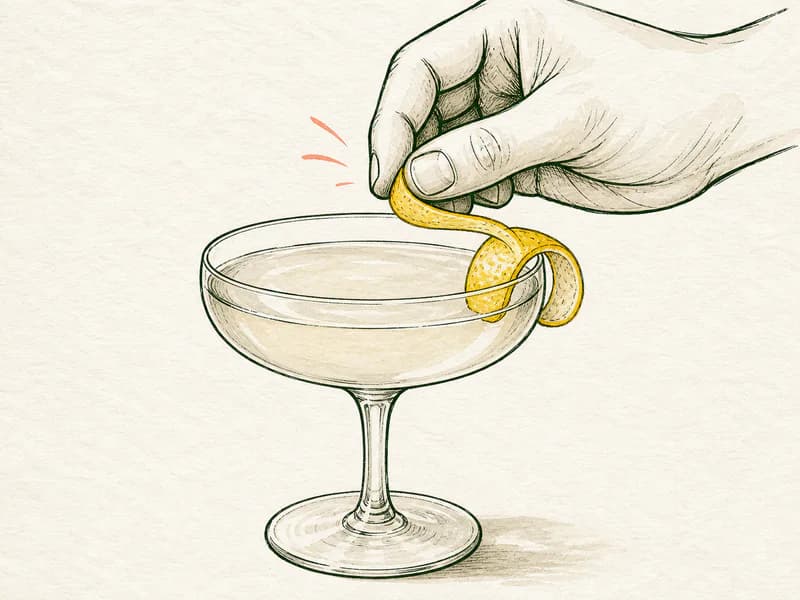
Finish the drink Finish it — add a lemon twist
Know your drink
About the Sidecar
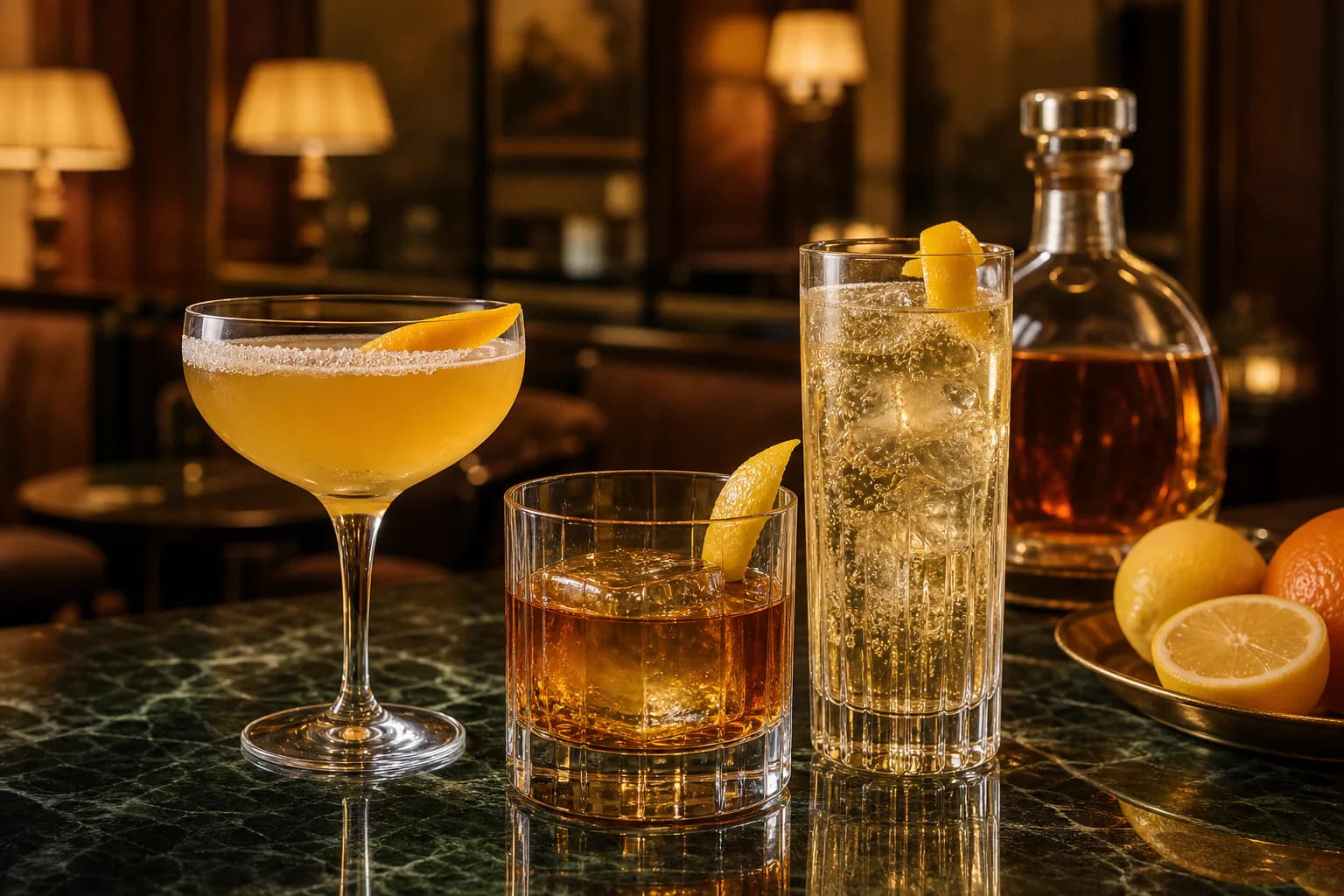
Two 1922 books
Both London and Paris claim this one, and the argument has never been settled. It appears in two cocktail books from 1922. Robert Vermeire's credits a bartender at Buck's Club in London. Harry MacElhone's own book came out that year, and Harry's New York Bar in Paris has claimed the drink for generations. Ratios split along the same line: equal thirds in the French telling, two parts cognac to one each of the others in the English.
Cointreau is the difference between a good Sidecar and a sticky one. At 40% ABV it carries the orange without much sugar behind it, while bargain triple sec runs half that proof and leans on syrup instead, which flattens the whole glass. Cognac can be a plain VS. Older bottlings lose their oak character under lemon, so save the VSOP for a snifter.
Common questions
Sidecar FAQ
Does a sidecar need a sugar rim?
Optional — it began as an American softening of a bracing French drink. Made to modern spec (50/20/20) the balance is already there; try it naked first, and rim half the glass with sugar if you want the dessert edge.
What ingredients are in a Sidecar?
A classic Sidecar calls for 50 ml (1.75 oz) Cognac, 20 ml (0.75 oz) Triple sec / Cointreau, 20 ml (0.75 oz) Fresh lemon juice. That single-serve spec scales cleanly — the recipe above converts it to oz and multiplies it for 2–4 drinks.
How strong is a Sidecar?
A standard Sidecar is roughly 31% ABV once mixed (before ice melt softens it further). That makes it spirit-forward — closer to a Martini than to a beer, so sip it slowly.
Is a Sidecar shaken or stirred?
A Sidecar is shaken — the rule of thumb is to shake anything with citrus juice. About 13 seconds with plenty of ice chills and dilutes it correctly.
What glass do you serve a Sidecar in?
Serve a Sidecar in a chilled coupe glass, well chilled — this drink is served without ice, so a cold glass keeps it cold.
How many calories are in a Sidecar?
One Sidecar has approximately 180 calories, estimated from the standard spec above. Bigger pours, extra syrup or sweetened mixers raise that number quickly.
Sharpen the technique
Skills used in this recipe
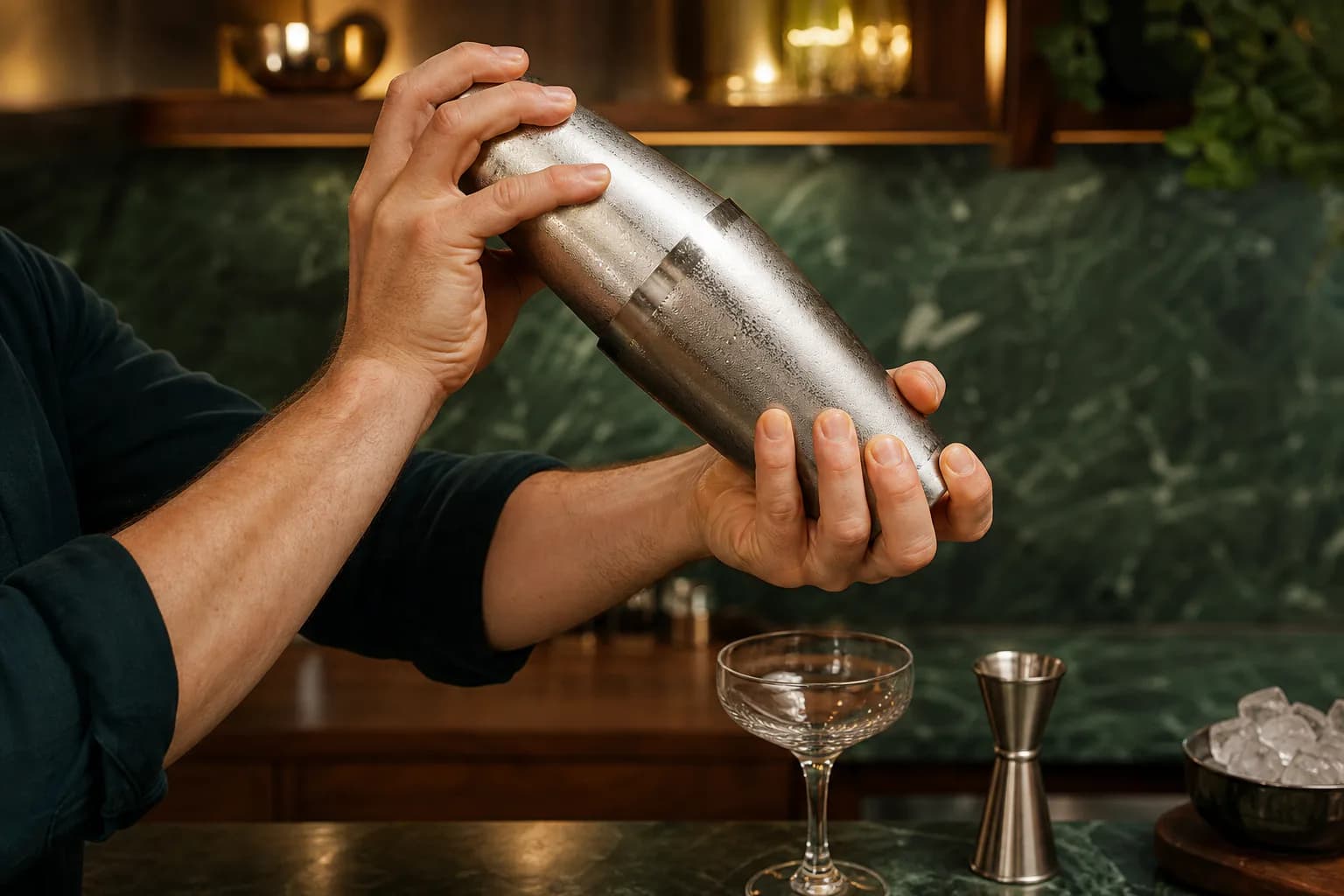
How to shake a cocktail properly
The grip, timing, ice and visual cues that make shaken drinks colder and brighter.
Read the guide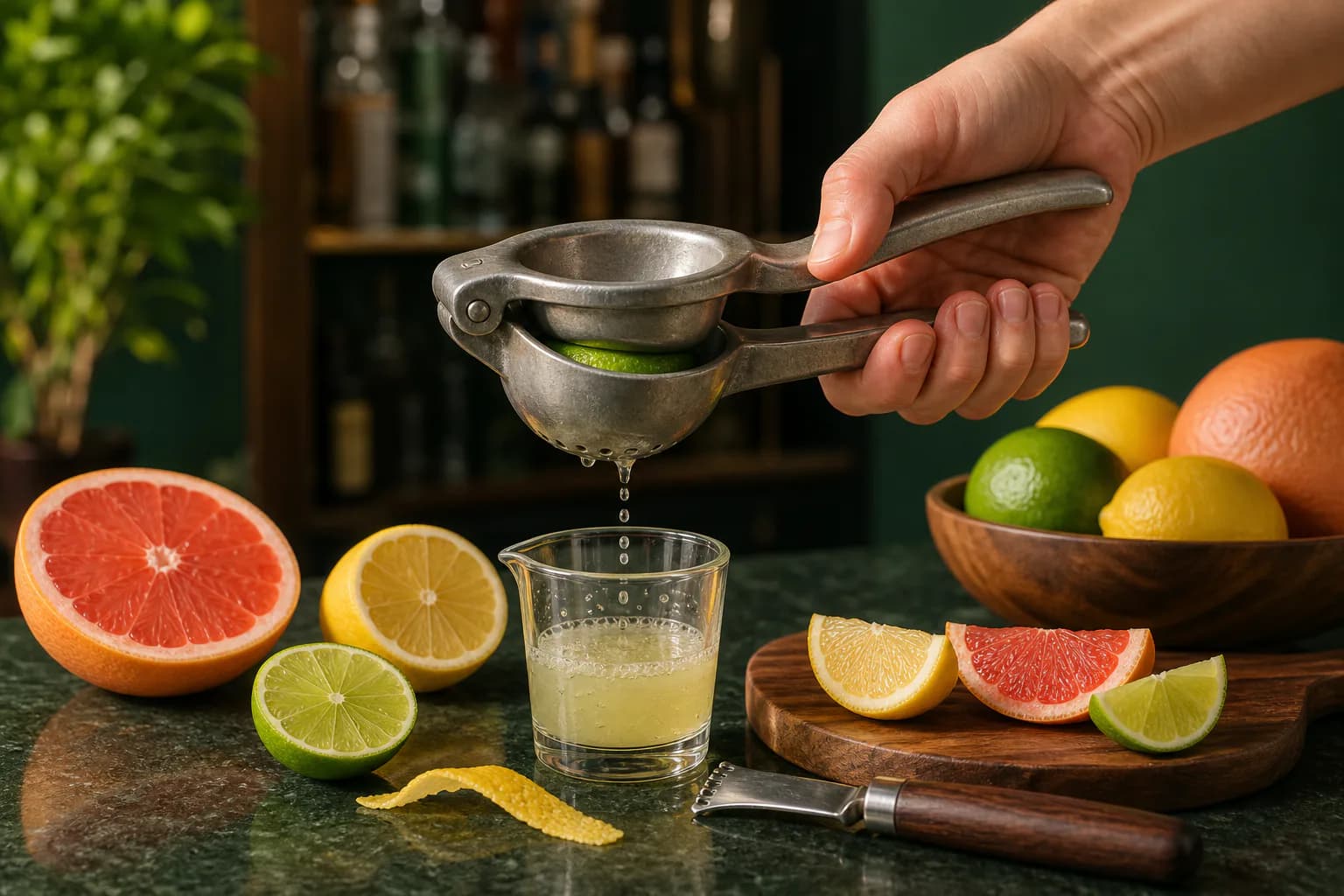
Fresh citrus for cocktails: juice, wedges and balance
Get brighter lime, lemon and grapefruit flavor with better prep and storage.
Read the guideWhere to go next
If you like the Sidecar, try these.
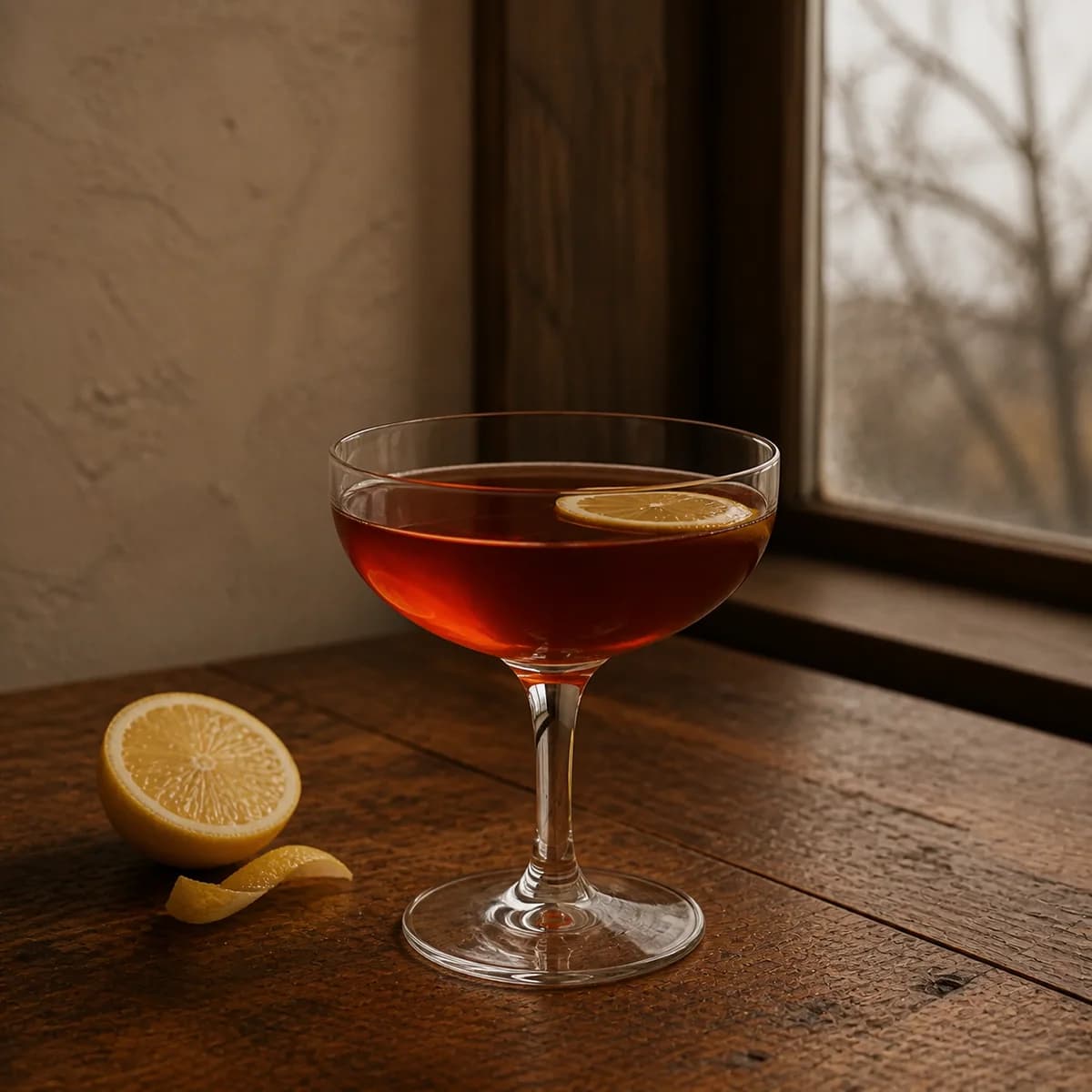
Between the Sheets
A Sidecar with rum: cognac, white rum, orange liqueur and lemon. Bright, boozy and roaring-twenties.
View recipe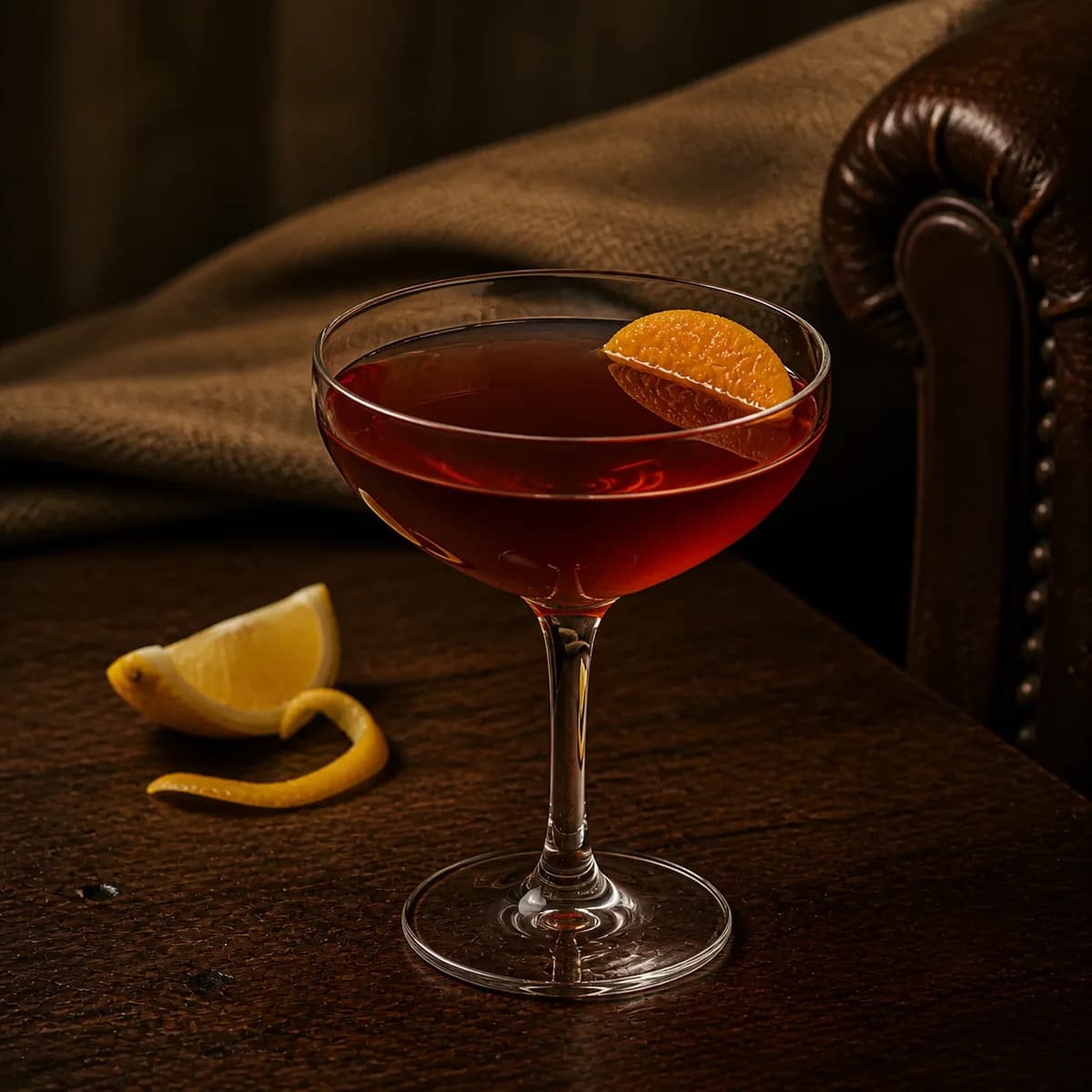
Brandy Crusta
The ancestor of the Sidecar: brandy with orange liqueur, maraschino and lemon in a sugar-rimmed glass. Refined and citrus-bright.
View recipe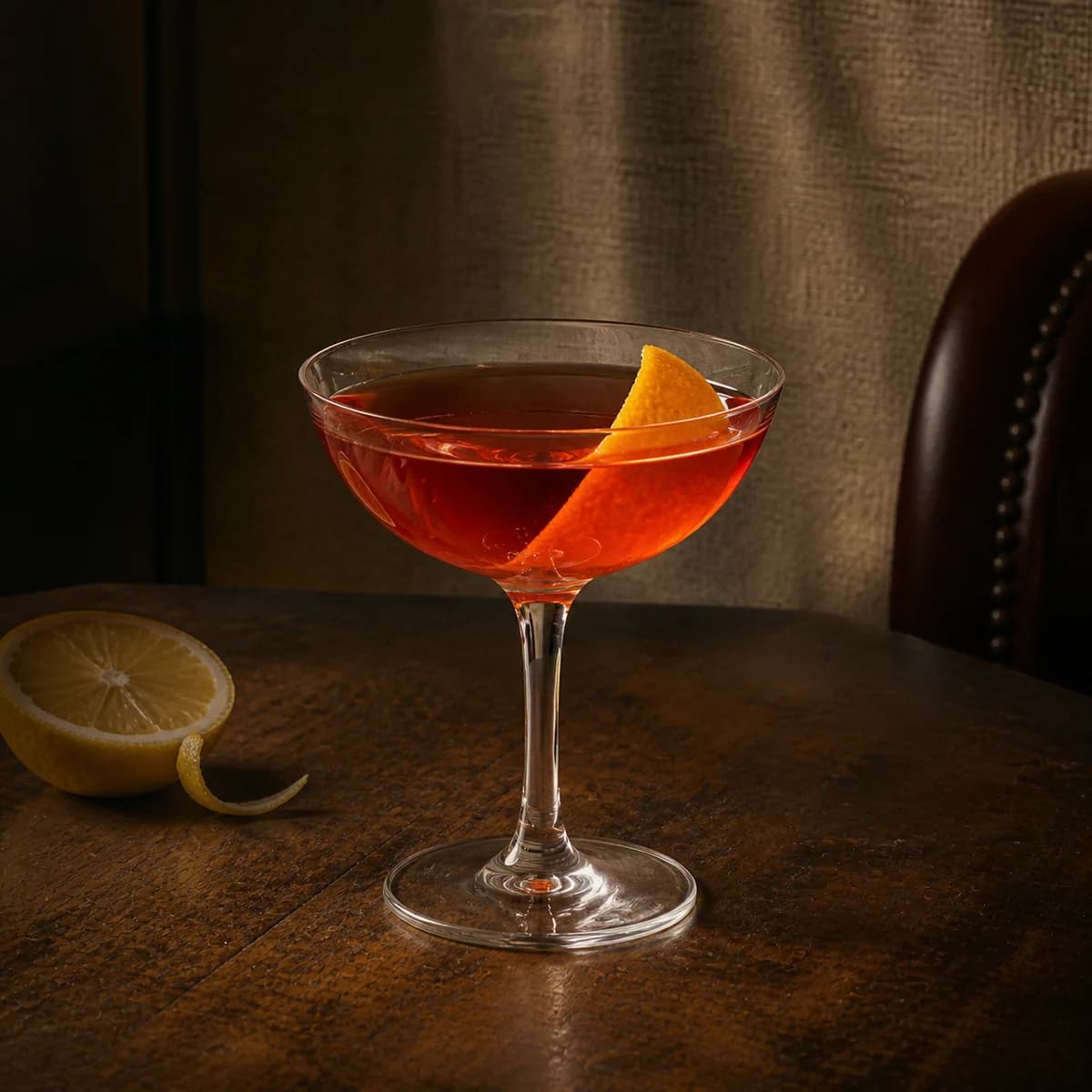
Deauville
Half the cognac in a Sidecar handed over to apple brandy, which turns a citrus drink into an orchard one. Lemon still cuts, orange liqueur still sweetens, but the finish is baked apple and oak.
View recipe