Classic cocktail · Guided recipe
East India
Start makingRaspberry in a cognac drink sounds like a mistake until you notice how little of it there is. Four milliliters, a splash of orange liqueur and a couple of dashes of bitters, and the brandy comes out rounder and more perfumed without ever tasting fruity.
In the glassCognac · Triple sec / Cointreau · Raspberry liqueur · Angostura bitters
See exact amounts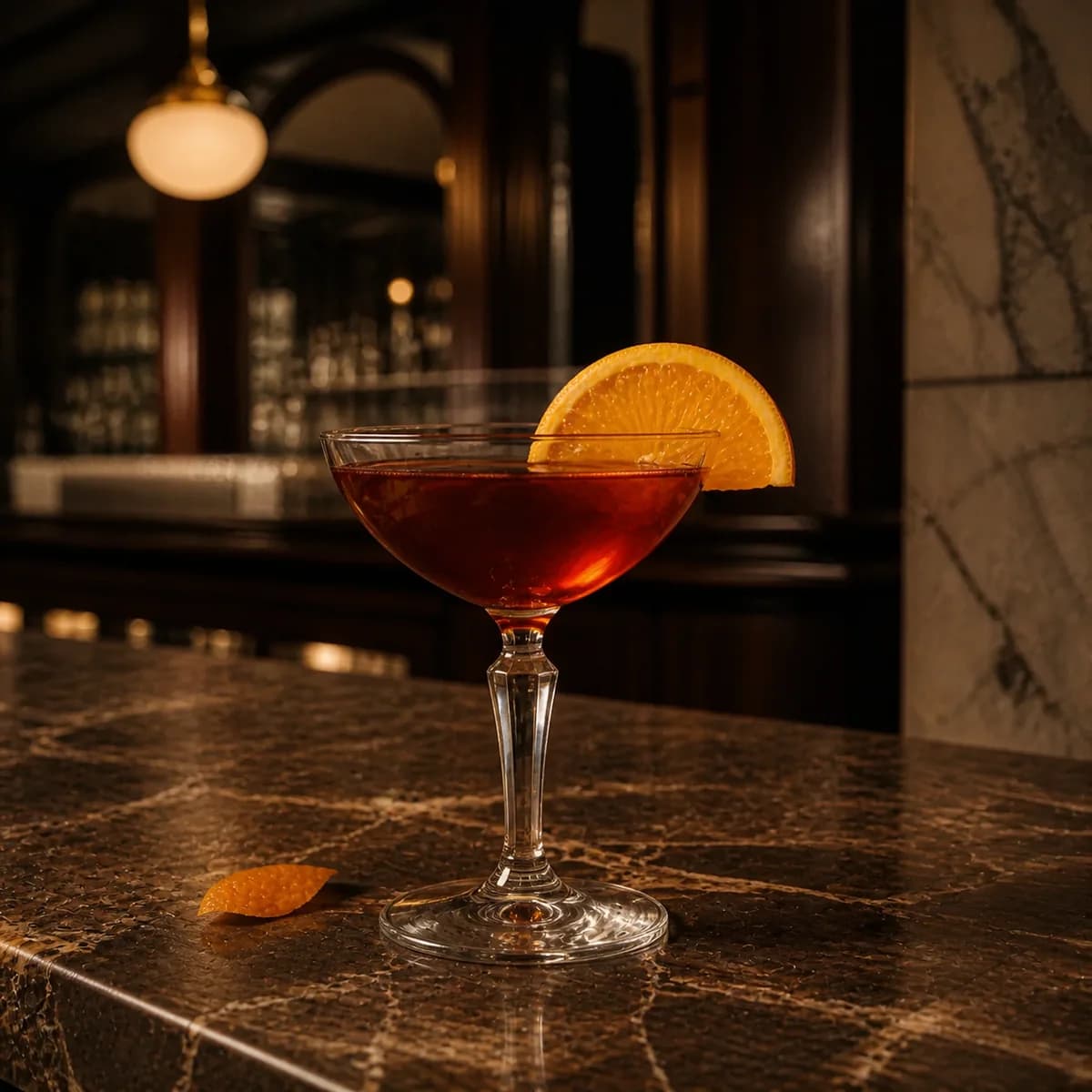
What goes in
Ingredients
Set up before you pour
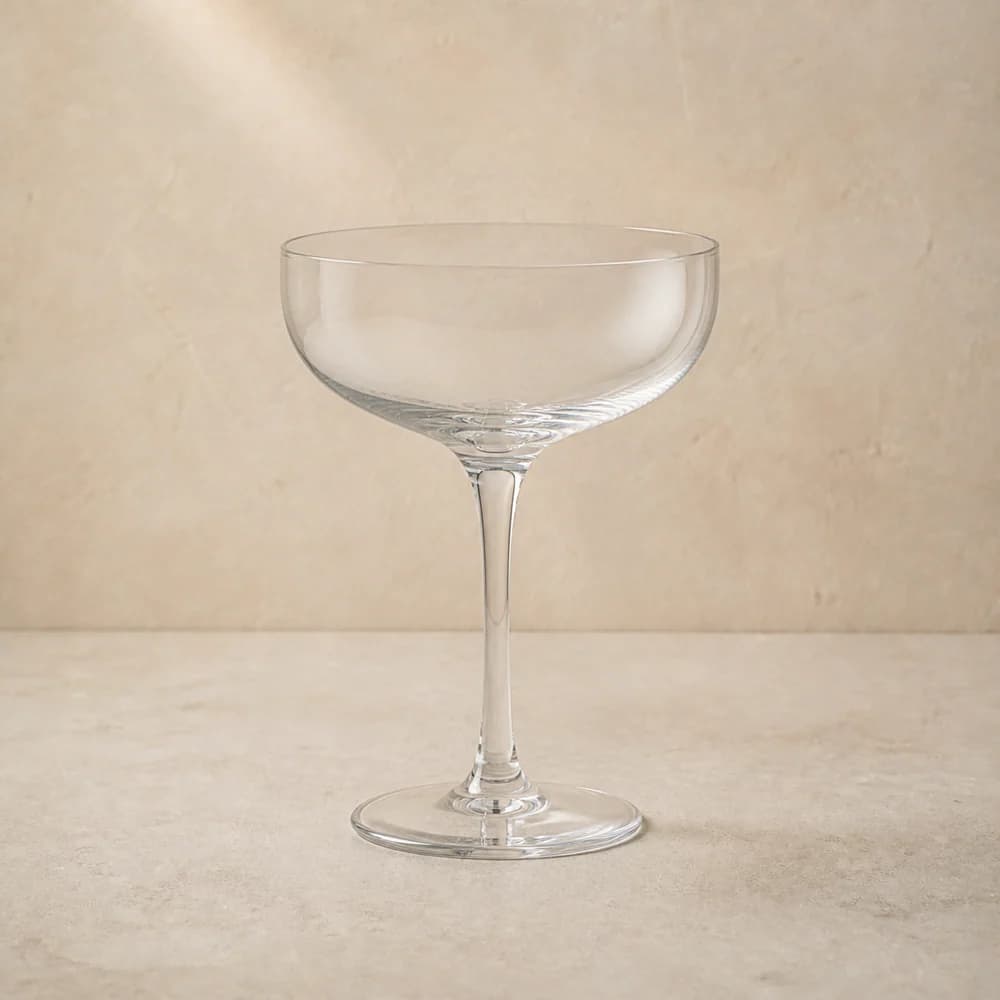
Use a coupe glass.
The stem keeps your hand away from a cold drink, while the rounded bowl makes an up serve easy to sip.
- Standard size
- 200 ml6¾ oz
- Ice & serve
- Chill it first; serve without ice.
- If you don’t own one
- Use a small martini glass or stemmed dessert glass.
- cocktail shaker
- strainer (or a small sieve)
- jigger or measuring spoon
- Cognac60 ml
- Triple sec / Cointreau8 ml
- Raspberry liqueur4 ml
- Angostura bitters2 dashes
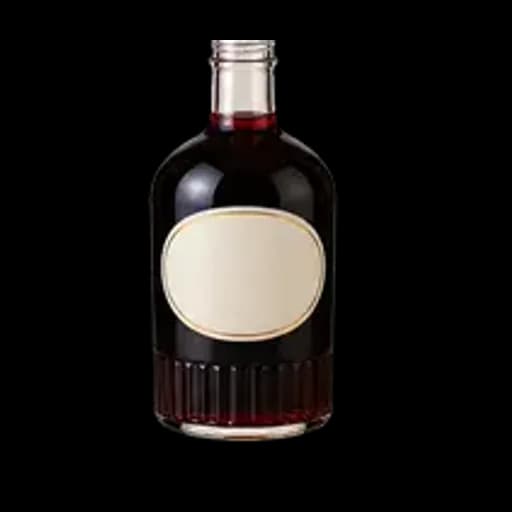
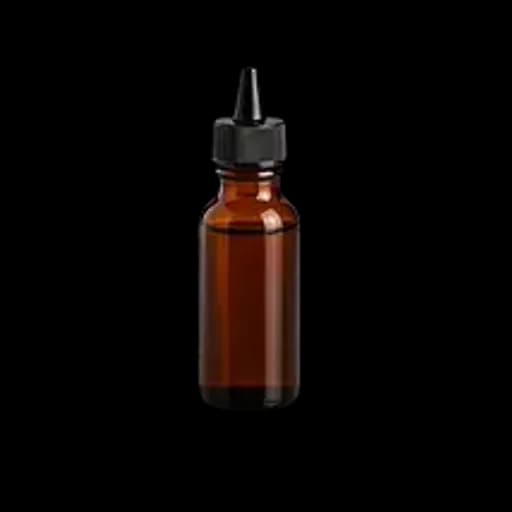
From bottle to glass
Method
- 01
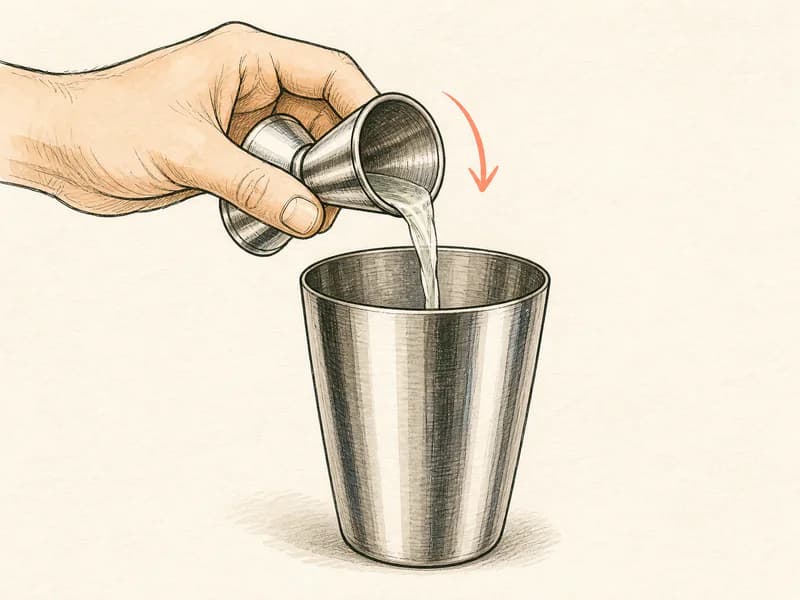
Measure into the shaker Pour 60 ml cognac into your shaker
 Cognac
- 02
Measure into the shaker Add 8 ml triple sec / cointreau
 Triple sec / Cointreau
- 03
Measure into the shaker Add 4 ml raspberry liqueur
 Raspberry liqueur
- 04
Measure into the shaker Add 2 dashes Angostura
 Angostura bitters
- 05
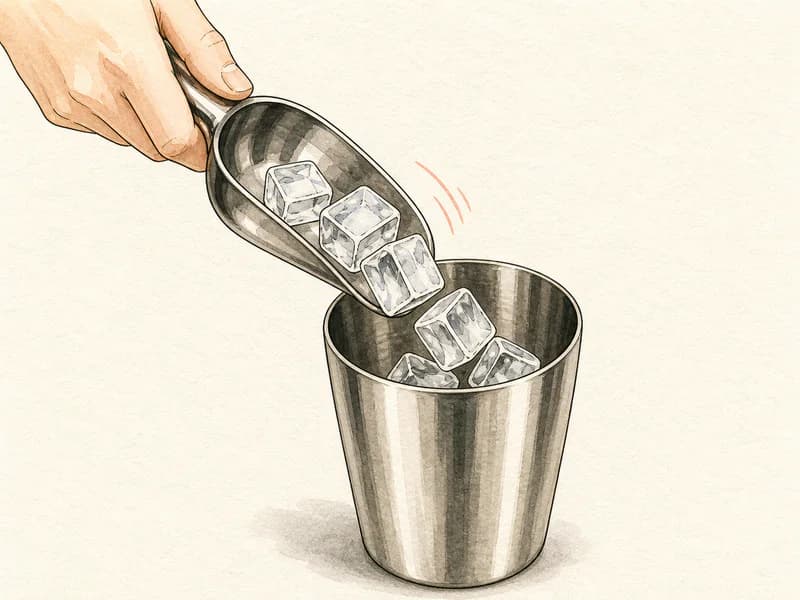
Ice the shaker Fill the shaker with ice
- 06
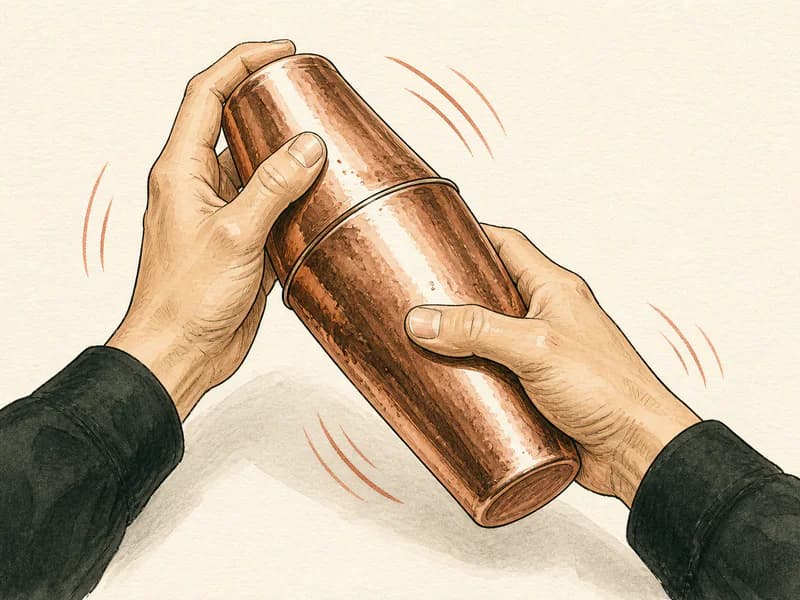
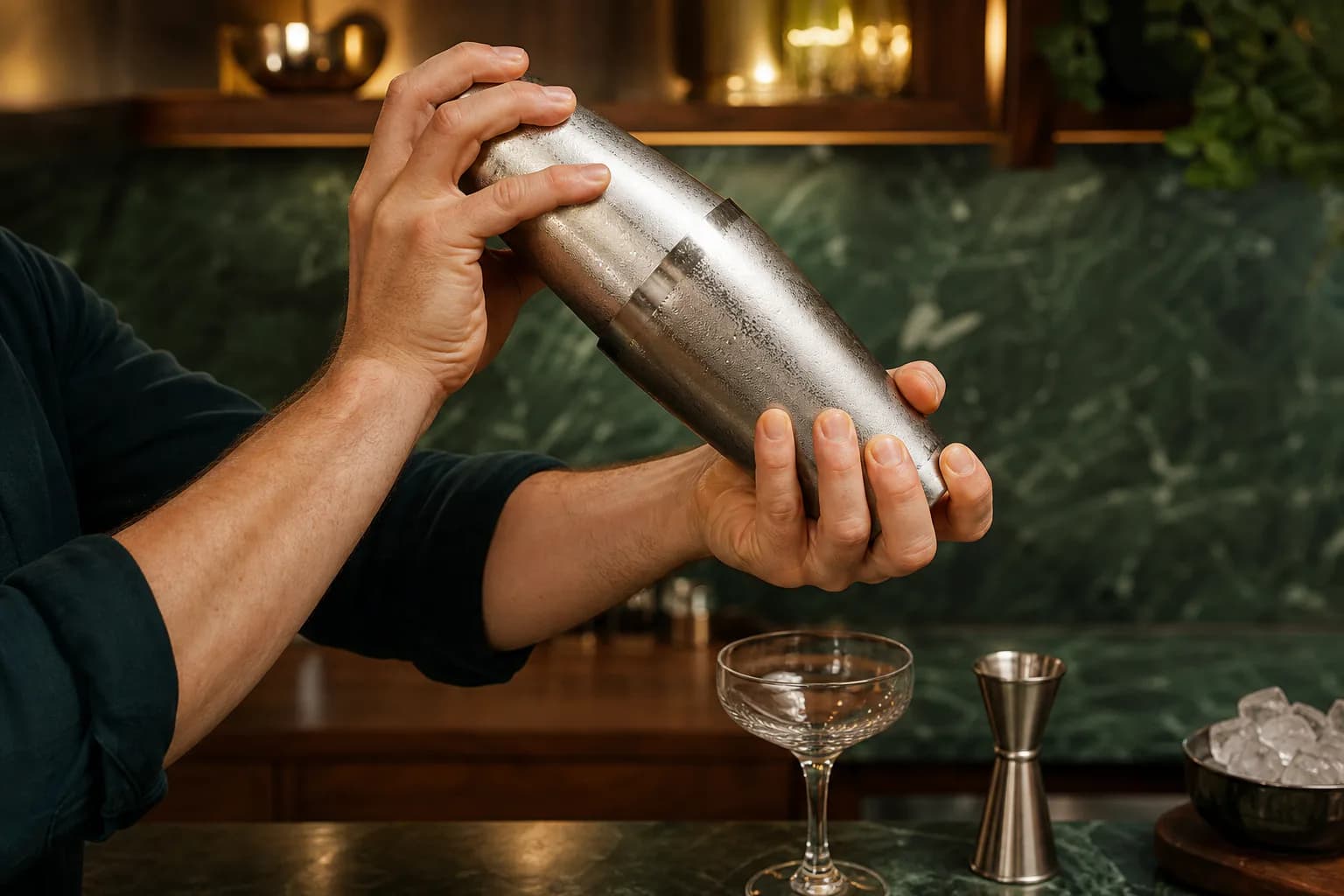
Seal and shake Seal and shake hard
- 07
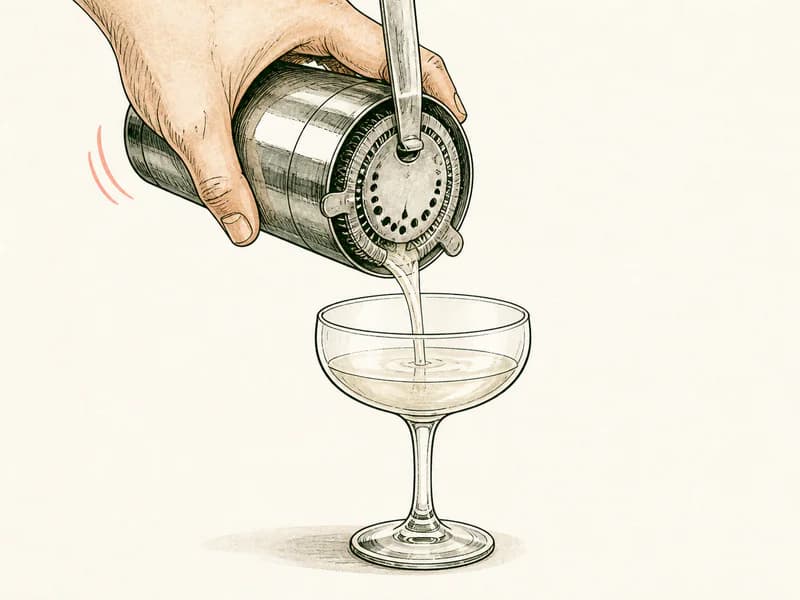
Strain cleanly Strain into a chilled glass — no ice
- 08
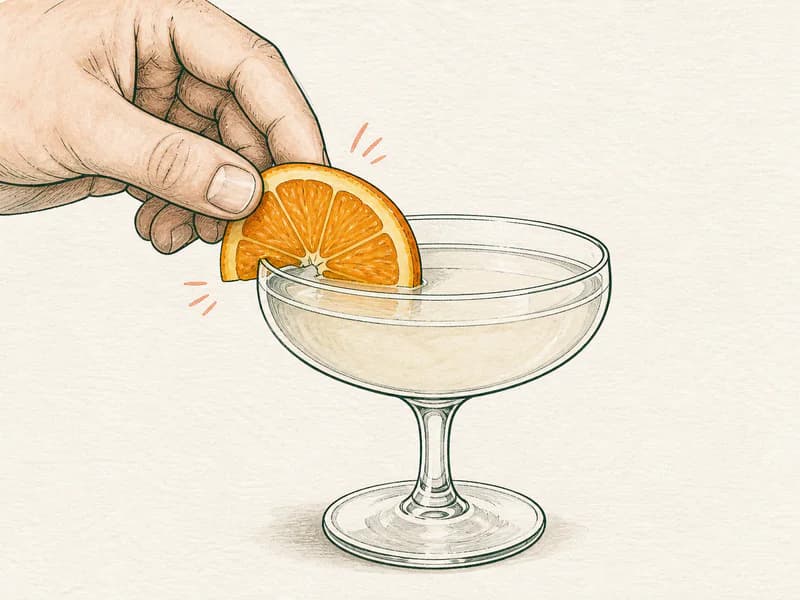
Finish the drink Finish it — add an orange slice
Know your drink
About the East India
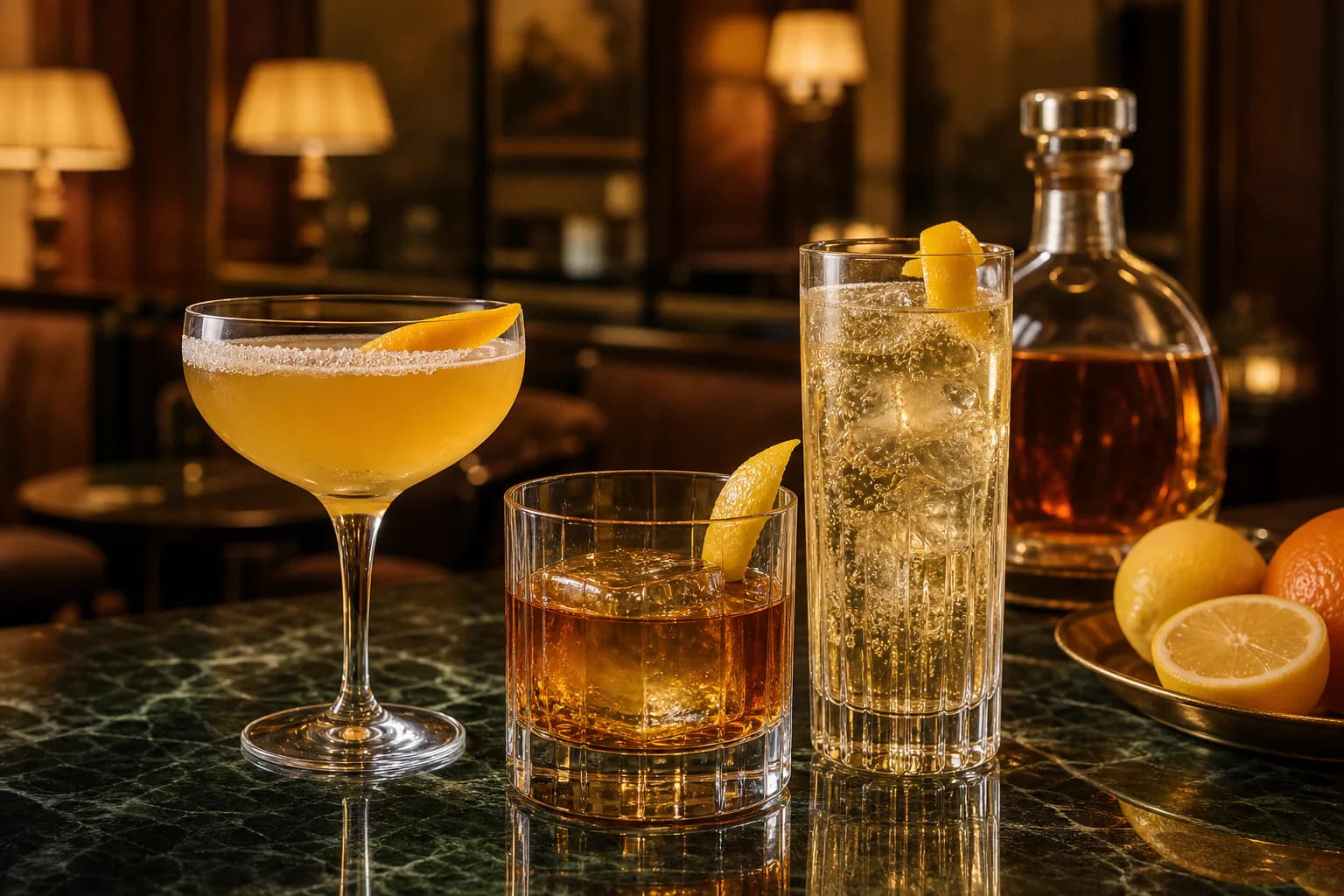
An older kind of sweet
Nineteenth-century cocktails leaned on liqueurs and syrups where we now reach for fresh juice, partly because citrus didn't travel and partly because sweetness was in fashion. East India sits squarely in that world: cognac, a spoon of something orange, a few drops of something red, bitters over the top. Nobody agrees on who wrote it down first, and the surviving versions differ enough that arguing about authenticity wastes an evening.
Common questions
East India FAQ
If 4 ml barely registers, why bother with it at all?
Pull it out and you'll notice the gap. At that volume raspberry doesn't taste of raspberry; it lengthens the cognac's own dark-fruit note and adds a perfumed top the orange liqueur can't reach. It's the difference between brandy with curaçao in it and a drink somebody designed. Measure it, though. Eight and it turns jammy.
I've seen this made with pineapple syrup. Which version is right?
Both are printed in the old manuals, and they taste genuinely different. Pineapple gives a tropical, almost rum-like sweetness; raspberry gives something darker and jammier. Neither is more correct than the other, and a few drops of each is a perfectly reasonable compromise.
Would armagnac work instead of cognac?
More than work. Armagnac is rougher-edged and more rustic, with a prune-and-leather weight that suits the raspberry very well. It changes the character rather than damaging it. Spanish brandy also fits, though it's sweeter, so cut the orange liqueur back to a teaspoon.
Does it need a garnish at all?
The orange earns its place. Everything in the glass is dark and warm, and citrus oil gives your nose something bright to meet first. Without it the drink smells of nothing but brandy, which badly undersells what's actually going on underneath.
What ingredients are in an East India?
A classic East India calls for 60 ml (2 oz) Cognac, 8 ml (0.25 oz) Triple sec / Cointreau, 4 ml (0.25 oz) Raspberry liqueur, 2 dashes Angostura Angostura bitters. That single-serve spec scales cleanly — the recipe above converts it to oz and multiplies it for 2–4 drinks.
How strong is an East India?
A standard East India is roughly 38% ABV once mixed (before ice melt softens it further). That makes it spirit-forward — closer to a Martini than to a beer, so sip it slowly.
Is an East India shaken or stirred?
An East India is shaken. About 13 seconds with plenty of ice chills and dilutes it correctly.
Sharpen the technique
Skills used in this recipe
Where to go next
If you like the East India, try these.
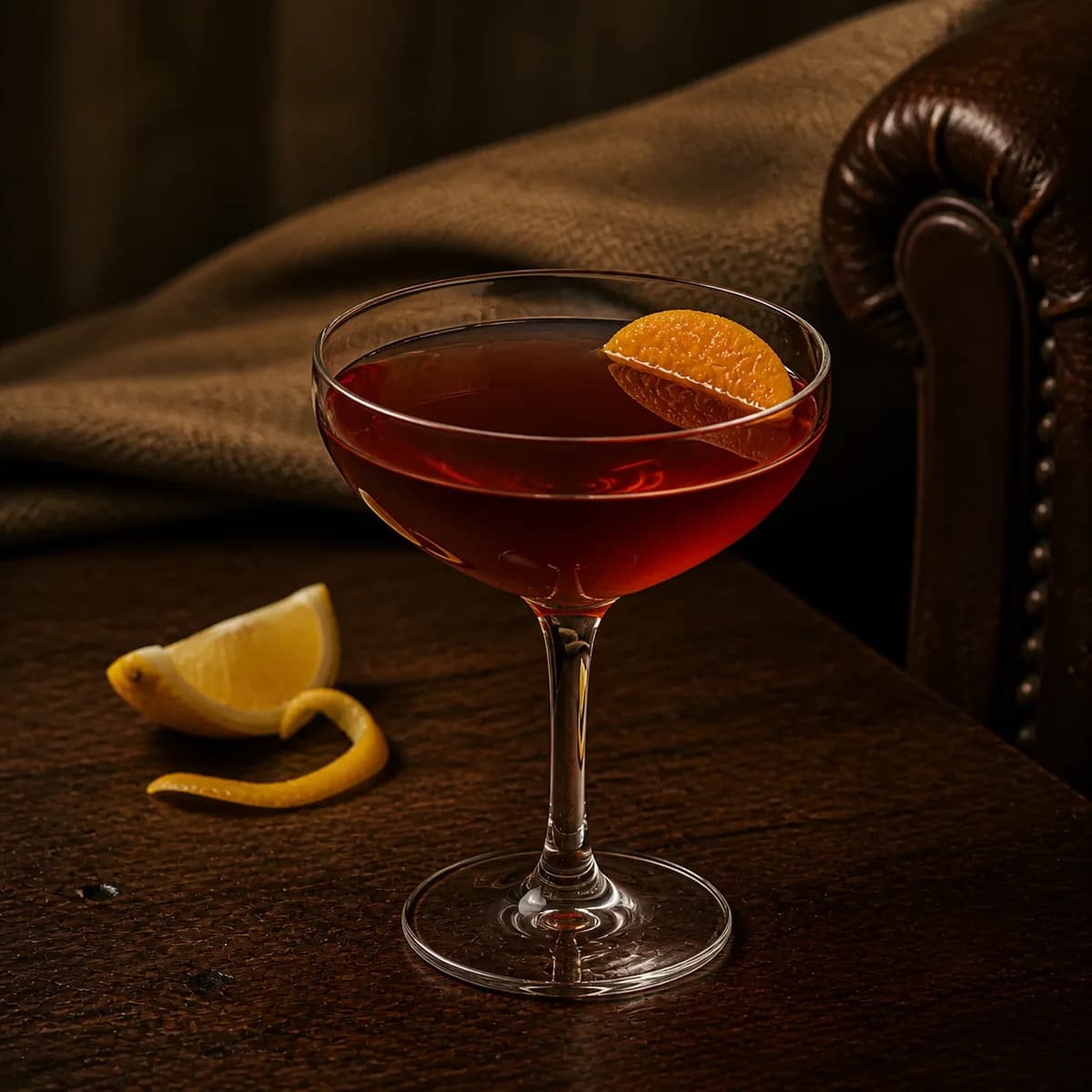
Brandy Crusta
The ancestor of the Sidecar: brandy with orange liqueur, maraschino and lemon in a sugar-rimmed glass. Refined and citrus-bright.
View recipe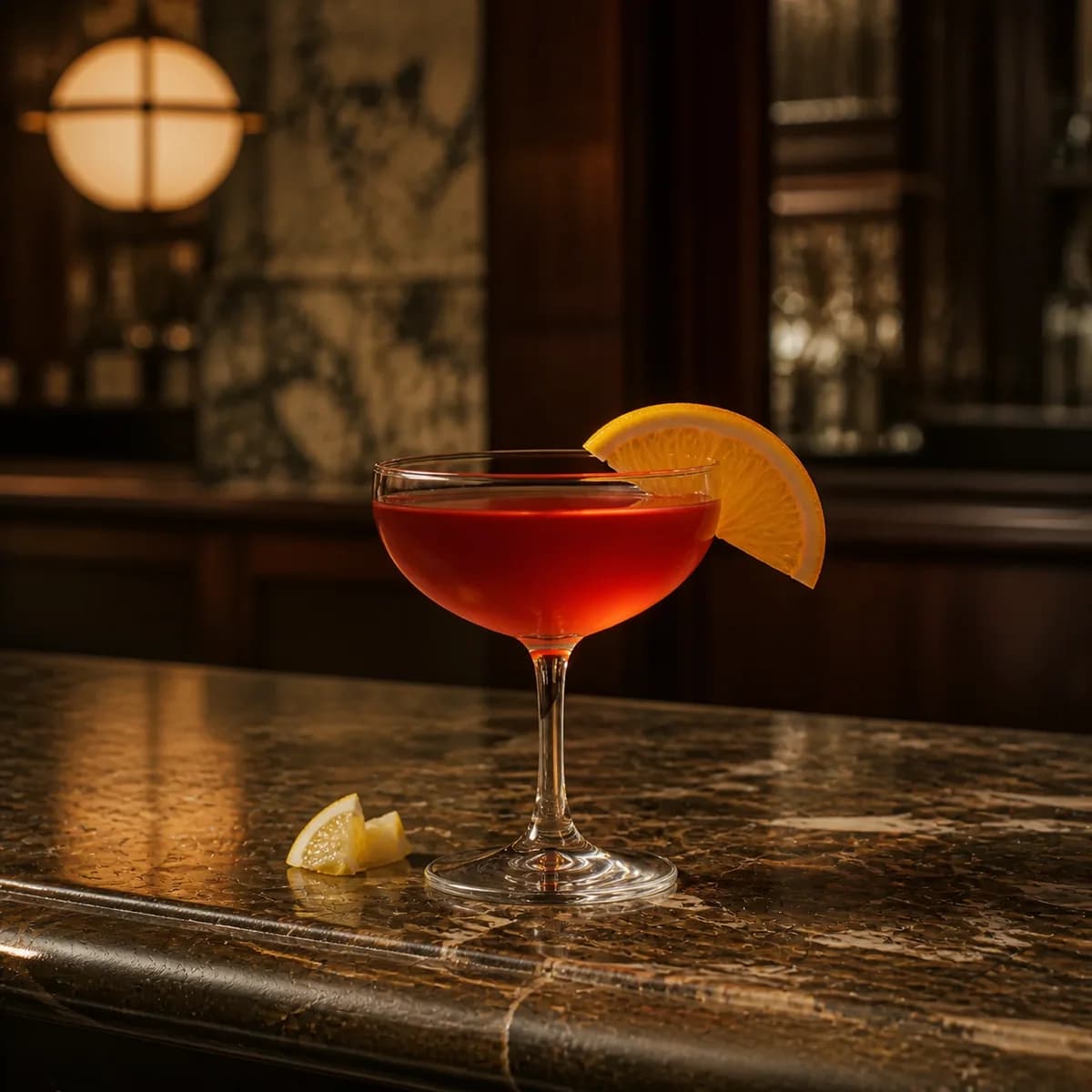
Sidecar
Cognac, orange liqueur and lemon in balance — the template for every brandy sour. Bright, warming and elegant.
View recipe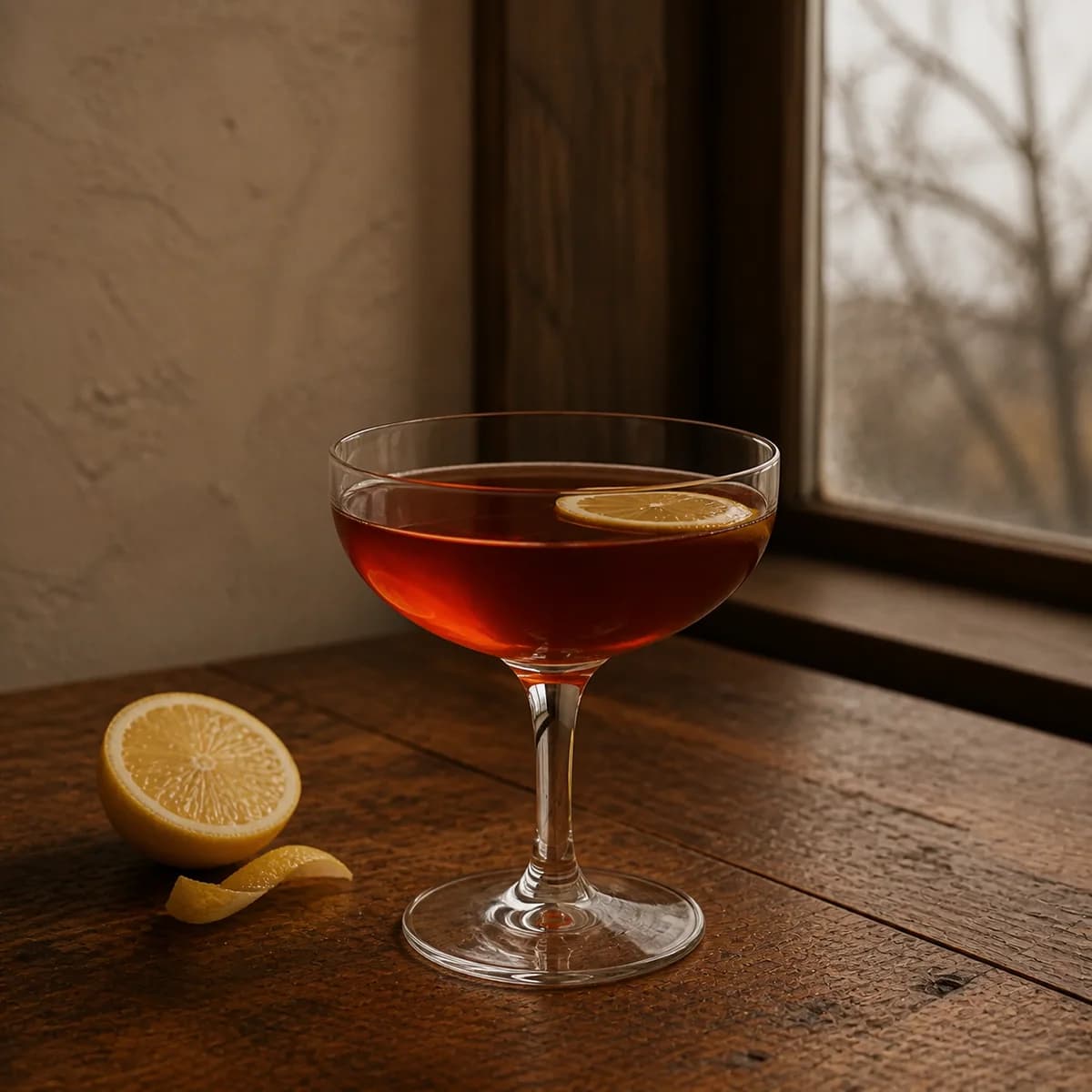
Between the Sheets
A Sidecar with rum: cognac, white rum, orange liqueur and lemon. Bright, boozy and roaring-twenties.
View recipe