Classic cocktail · Guided recipe
Champagne Cocktail
Start makingA sugar cube soaked in bitters under a glass of champagne, with a cognac lift — the oldest of the bubbly classics. Pure occasion.
In the glassCognac · Simple syrup · Angostura bitters · Champagne
See exact amounts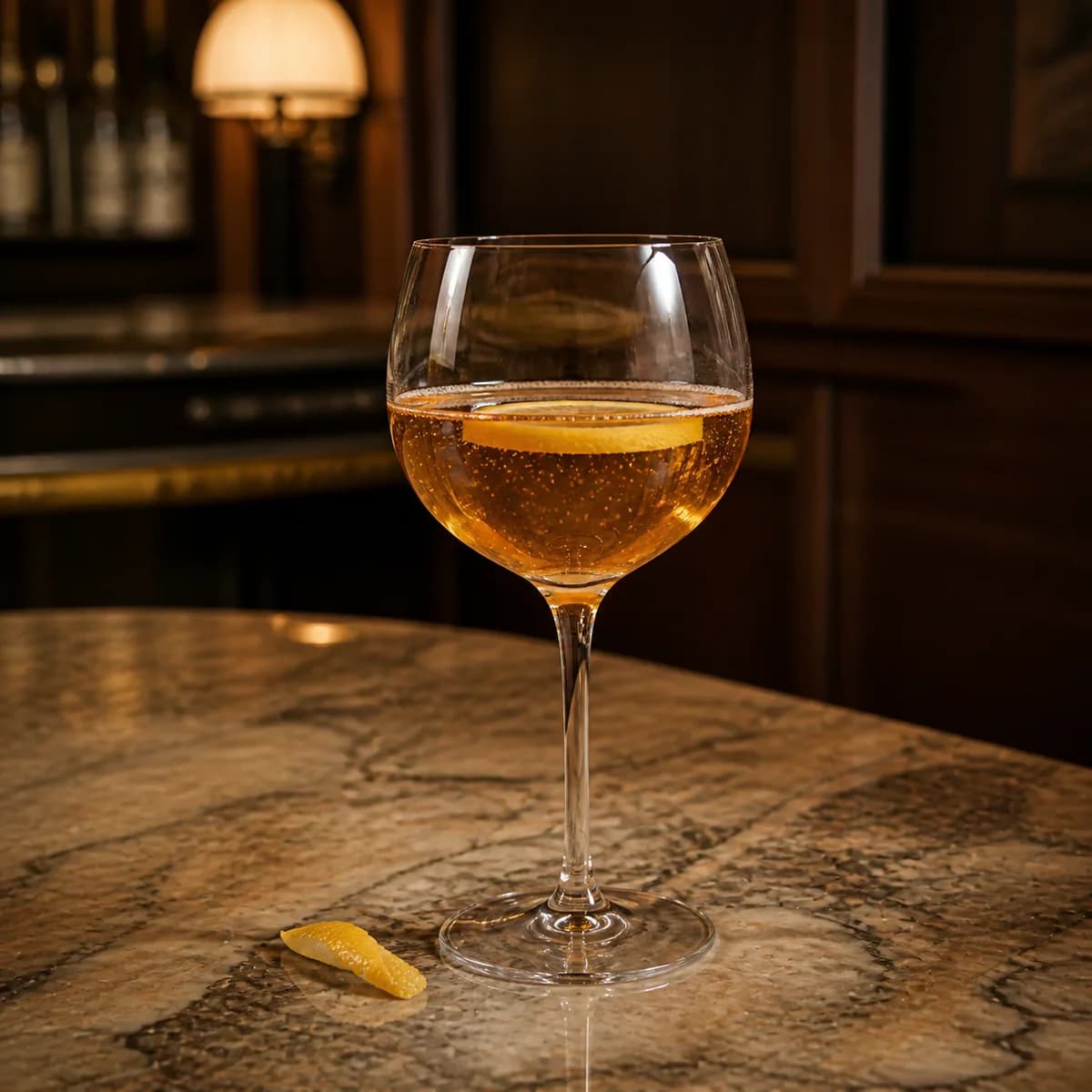
What goes in
Ingredients
Set up before you pour
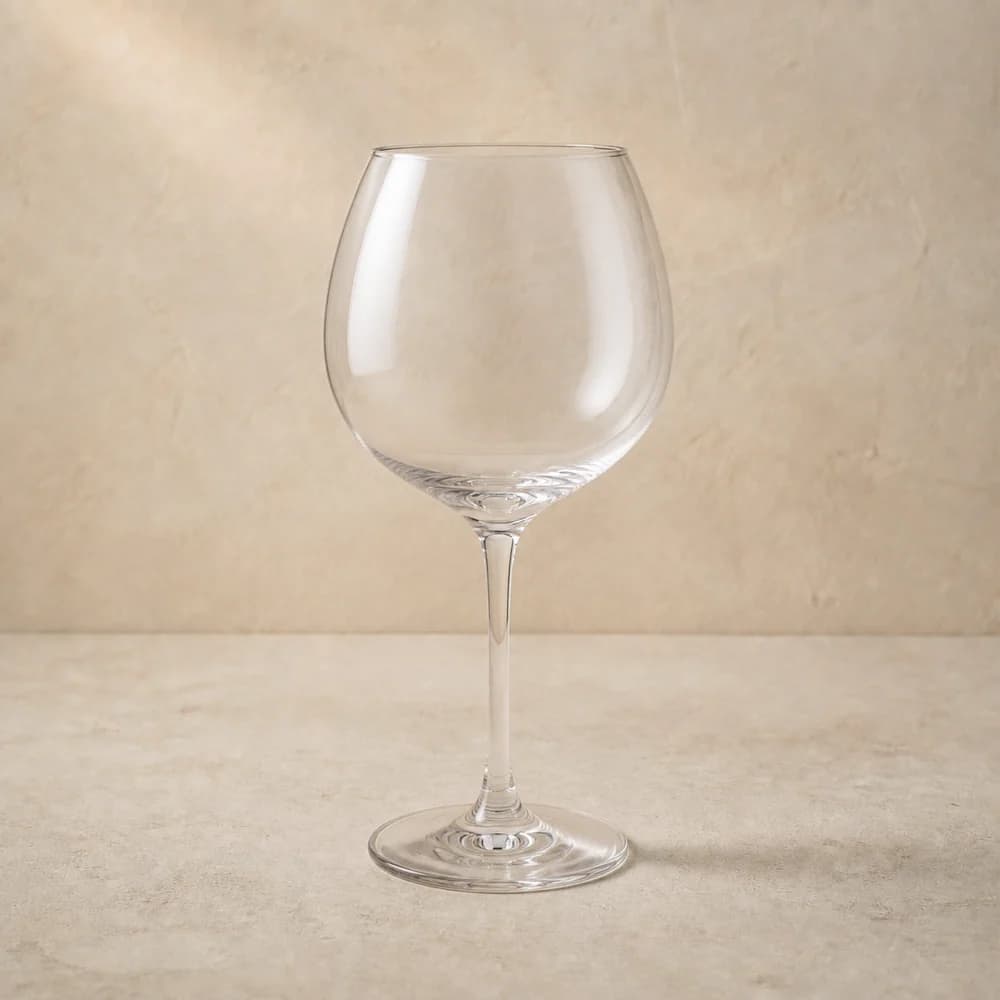
Use a large wine glass.
The generous bowl gives a spritz enough space for ice, fruit and sparkling mixer without crowding.
- Standard size
- 400 ml13½ oz
- Ice & serve
- Chill it first; serve without ice.
- If you don’t own one
- Use a stemless wine glass or roomy tumbler.
- jigger or measuring spoon
- Cognac15 ml
- Champagne100 ml
- Simple syrup6 ml
- Angostura bitters2 dashes
From bottle to glass
Method
- 01
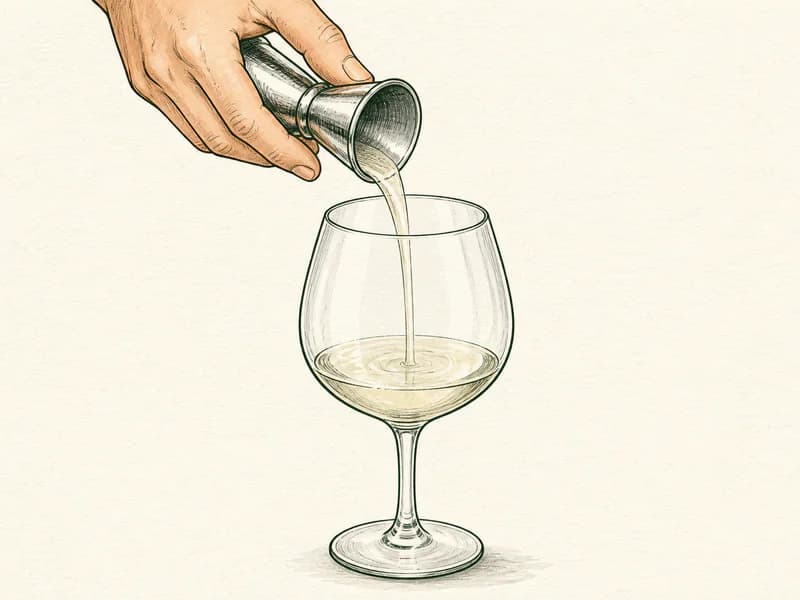
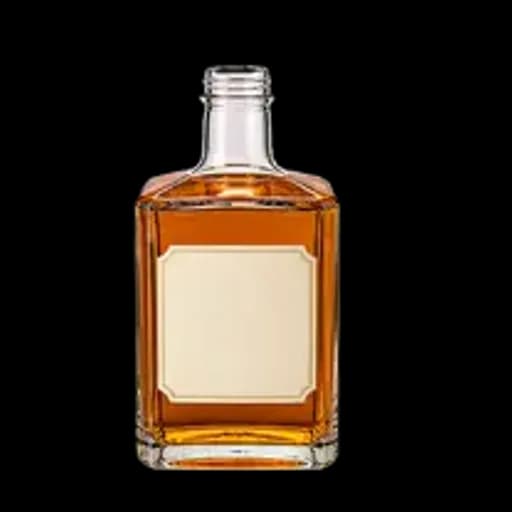
Measure and pour Pour 15 ml cognac
 Cognac
- 02
Measure and pour Add 6 ml simple syrup
 Simple syrup
- 03
Measure and pour Add 2 dashes Angostura
 Angostura bitters
- 04
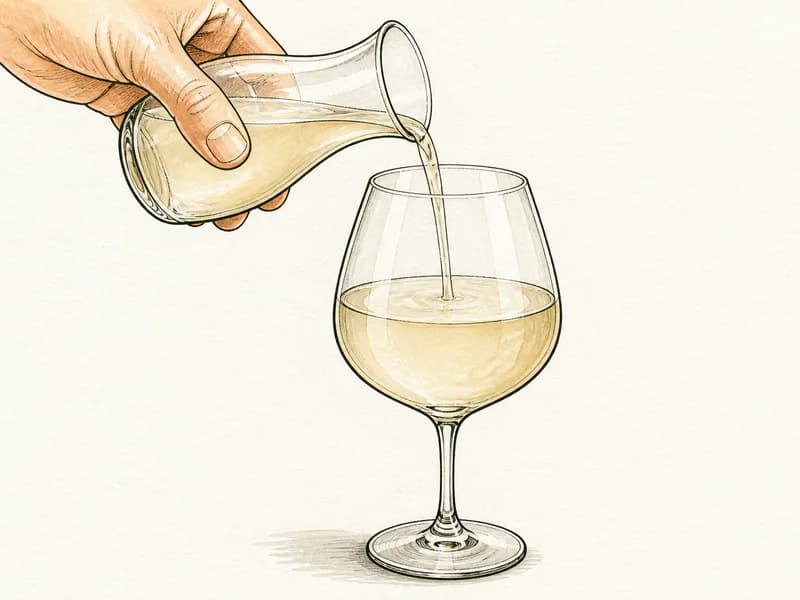
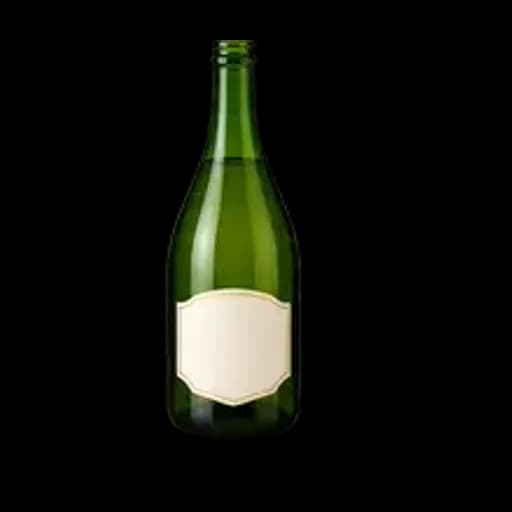
Top gently Top with 100 ml champagne
 Champagne
- 05
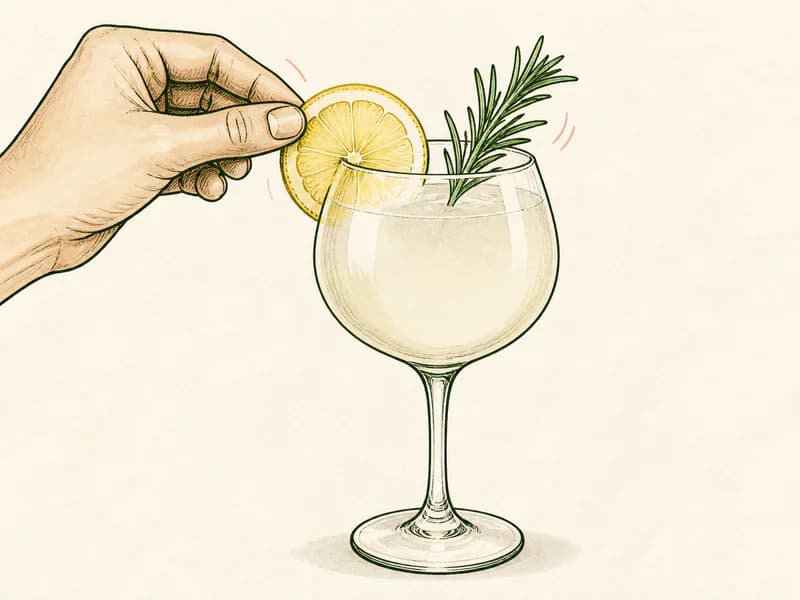
Finish the drink Finish it — add a lemon slice
Know your drink
About the Champagne Cocktail
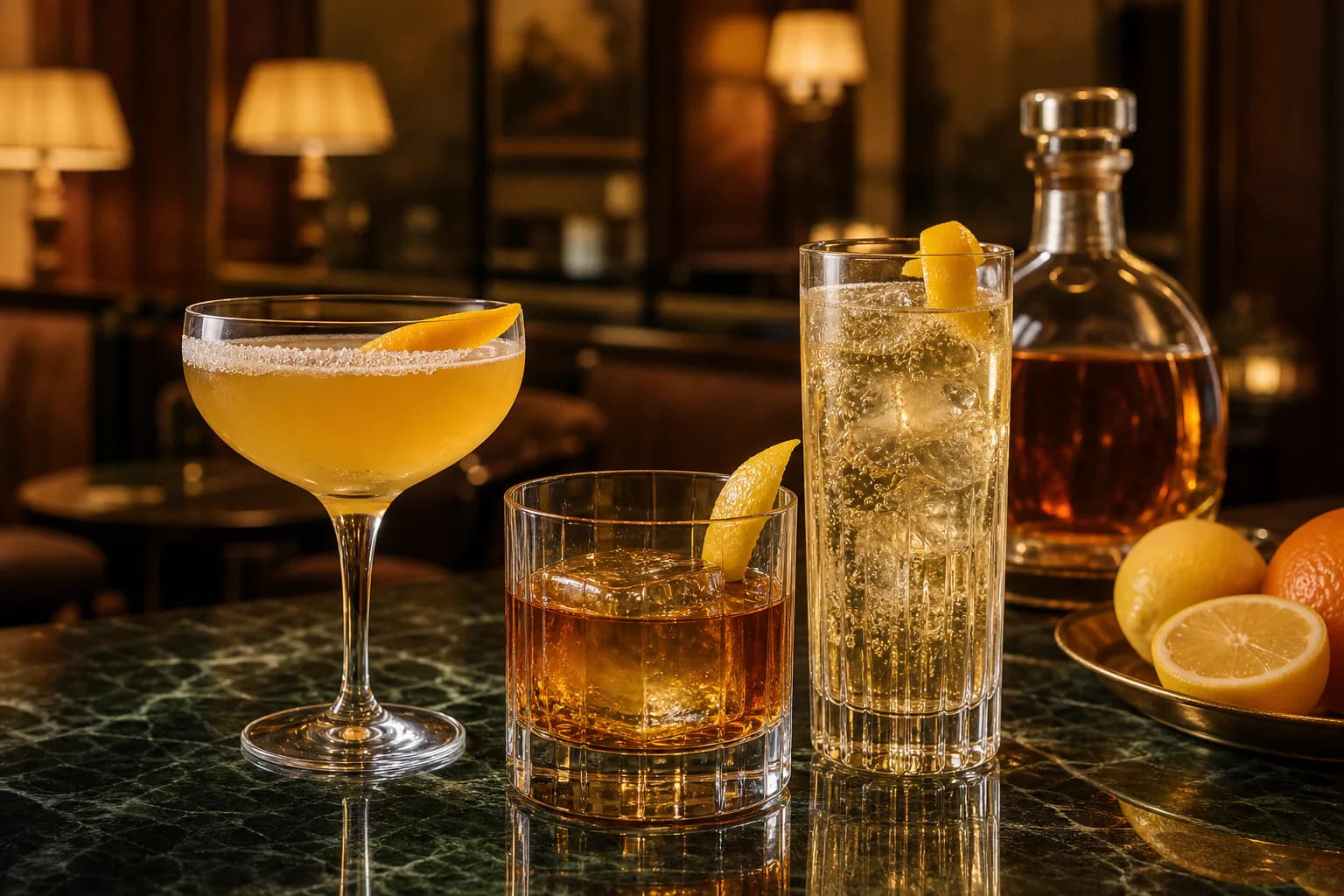
Older than the Martini
Printed in Jerry Thomas's 1862 bar manual, this predates most of what gets called classic. The original is barely a recipe at all: a sugar cube soaked in bitters, a twist of lemon, champagne poured over the top. Cognac is a later addition and a common one. The drink works without it and works better with it, which is about as clear as these arguments ever get.
Common questions
Champagne Cocktail FAQ
Do I need to open something expensive?
No. A dry non-vintage brut is right, and a decent cava or cremant does the job for less money. Sugar and bitters are going in regardless, so the nuance of a good vintage bottle is wasted here. Cold matters far more than pedigree.
What is the cognac actually doing?
Giving the drink a body it otherwise lacks. Fifteen milliliters adds weight and a little oak, and it stretches the finish out once the bubbles have gone. Leave it out and you have sweetened champagne, which is pleasant and forgotten by the second glass.
Sugar cube or simple syrup?
A cube is the older build, and it keeps a slow thread of bubbles rising as it dissolves, which is half the pleasure of the thing. Syrup mixes evenly and spares you an over-sweet last mouthful. If you use a cube, soak it with a few dashes of aromatic bitters first.
Why does mine go flat so fast?
Warm glass, usually. Chill the glass and the bottle properly, then pour down the side rather than straight onto the sugar. Stirring it about finishes the job. This is a drink you assemble and hand over, not one you work on.
What ingredients are in a Champagne Cocktail?
A classic Champagne Cocktail calls for 15 ml (0.5 oz) Cognac, 6 ml (0.25 oz) Simple syrup, 2 dashes Angostura Angostura bitters, 100 ml (3.5 oz) Champagne. That single-serve spec scales cleanly — the recipe above converts it to oz and multiplies it for 2–4 drinks.
How strong is a Champagne Cocktail?
A standard Champagne Cocktail is roughly 15% ABV once mixed (before ice melt softens it further). That makes it about as strong as a glass of wine.
Is a Champagne Cocktail shaken or stirred?
A Champagne Cocktail is built directly in the glass over ice — no shaker required. Add the ingredients in order and give it a brief, gentle stir.
Sharpen the technique
Skills used in this recipe
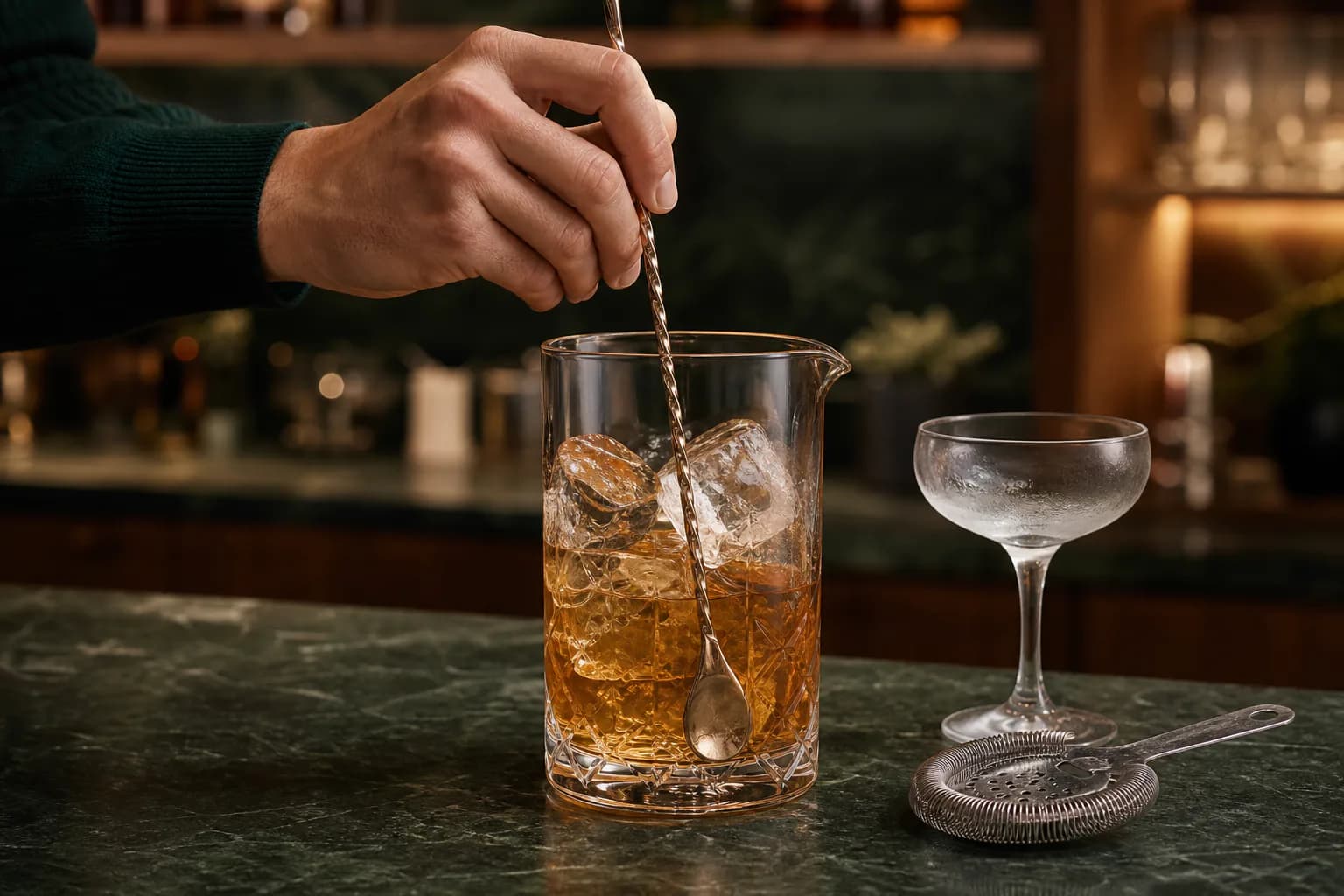
How to stir a cocktail for a silky finish
Control chilling and dilution without adding the bubbles and texture of a shake.
Read the guide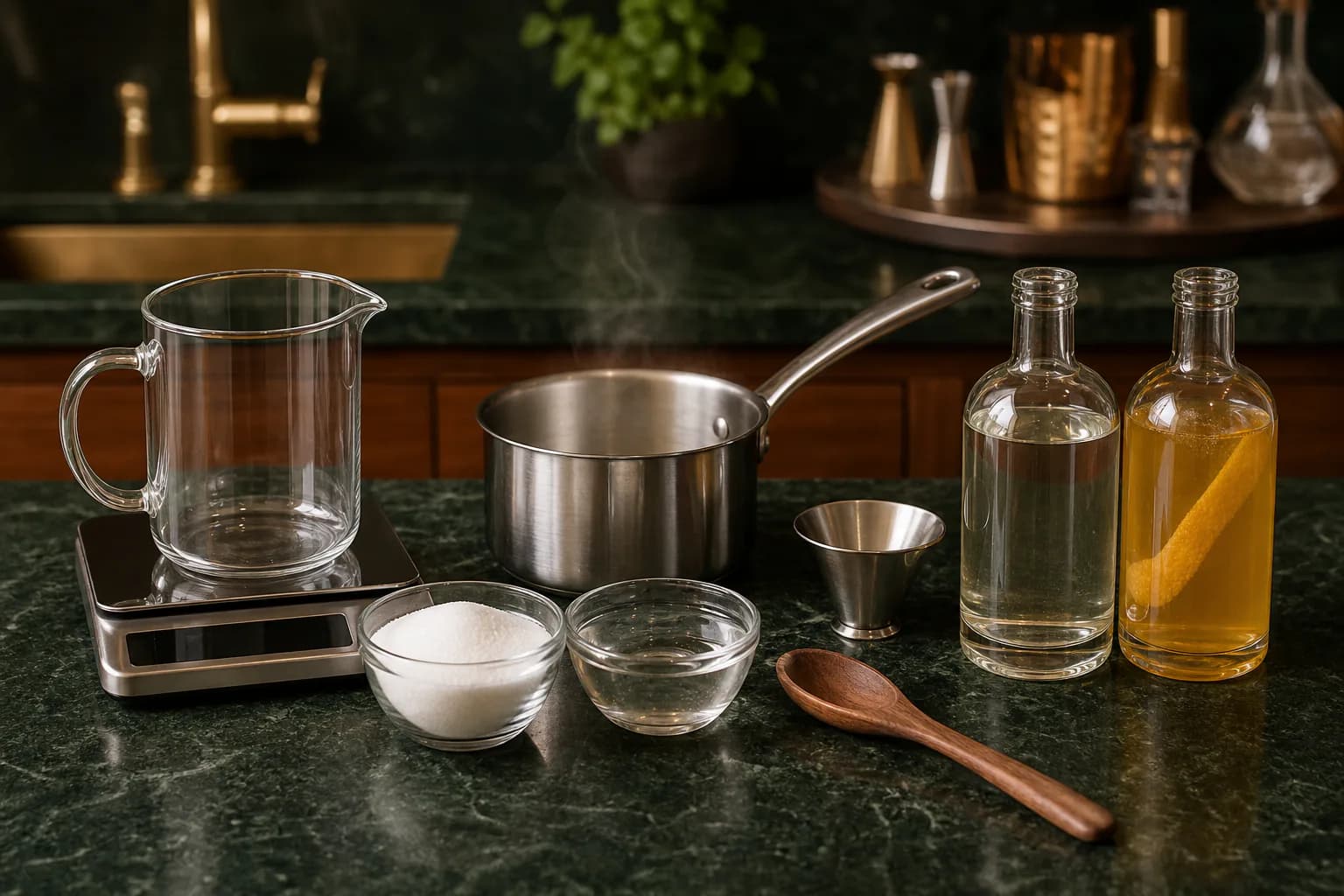
Simple syrup ratios, storage and flavor variations
Make a consistent sweetener and understand when rich syrup changes a recipe.
Read the guideWhere to go next
If you like the Champagne Cocktail, try these.
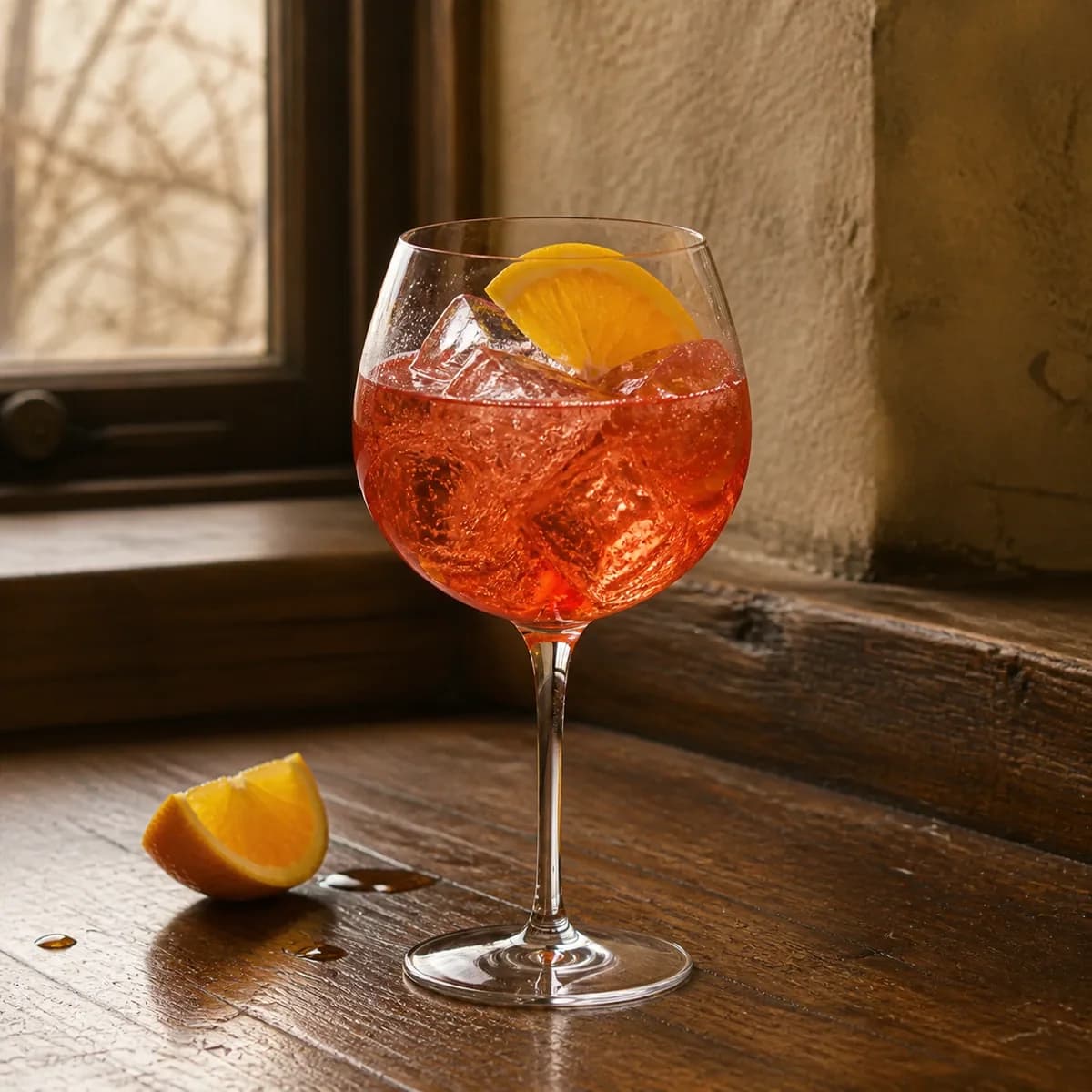
Champagne Pick-Me-Up
Cognac, orange juice and a little grenadine on their own would be a soft, fruity brandy drink. Sixty milliliters of champagne over the top dries it out and gives it lift. Pick-me-up meant a morning drink, and this one still behaves like one.
View recipe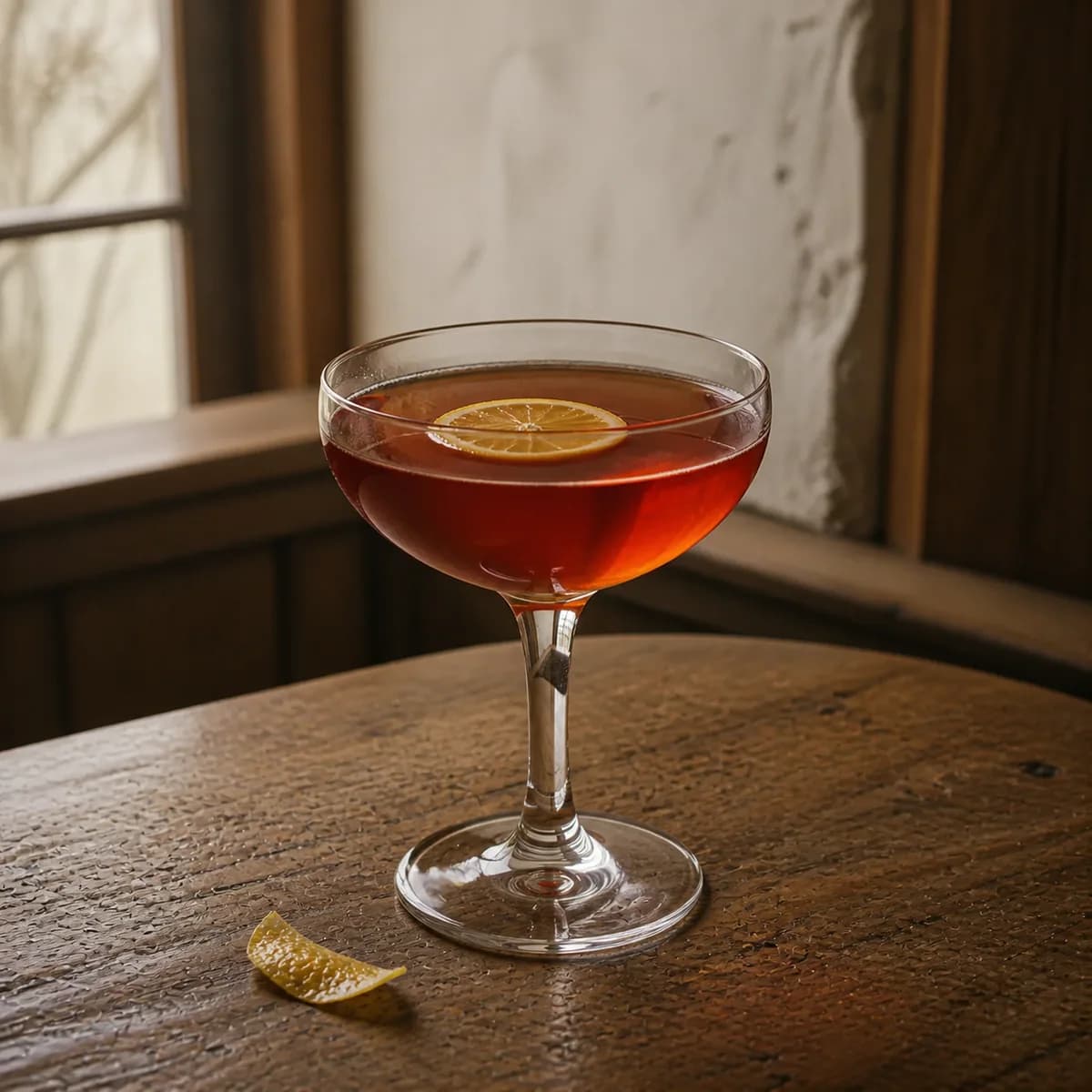
Japanese Cocktail
One of the oldest cocktails on record: brandy sweetened with almondy orgeat and bittered with a couple of dashes. Simple and elegant.
View recipe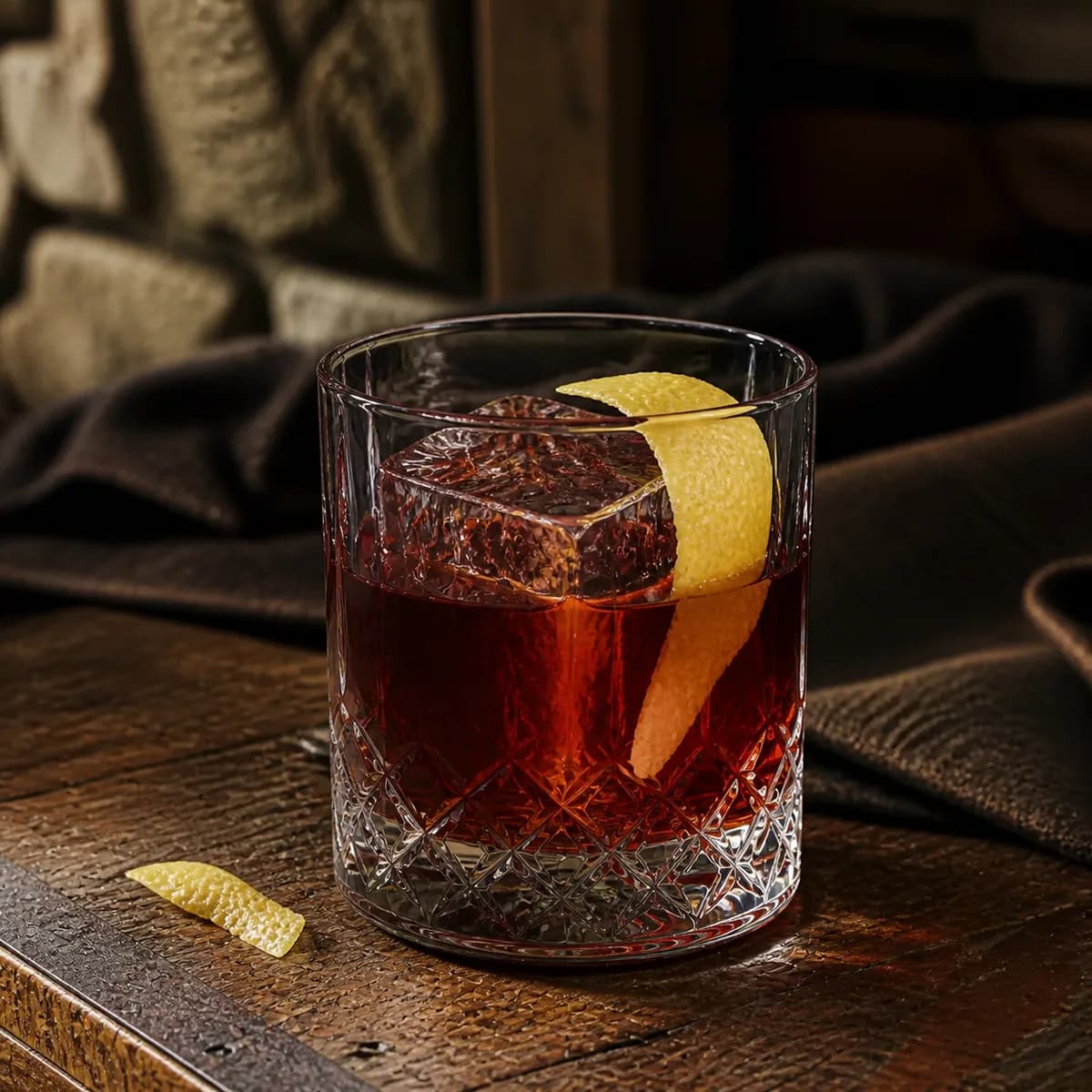
Improved Whiskey Cocktail
An Old Fashioned dressed up with maraschino and a whisper of absinthe — the 19th-century “improved” template. Deep and aromatic.
View recipe