Classic cocktail · Guided recipe
Deauville
Start makingHalf the cognac in a Sidecar handed over to apple brandy, which turns a citrus drink into an orchard one. Lemon still cuts, orange liqueur still sweetens, but the finish is baked apple and oak.
In the glassCognac · Apple brandy · Triple sec / Cointreau · Fresh lemon juice
See exact amounts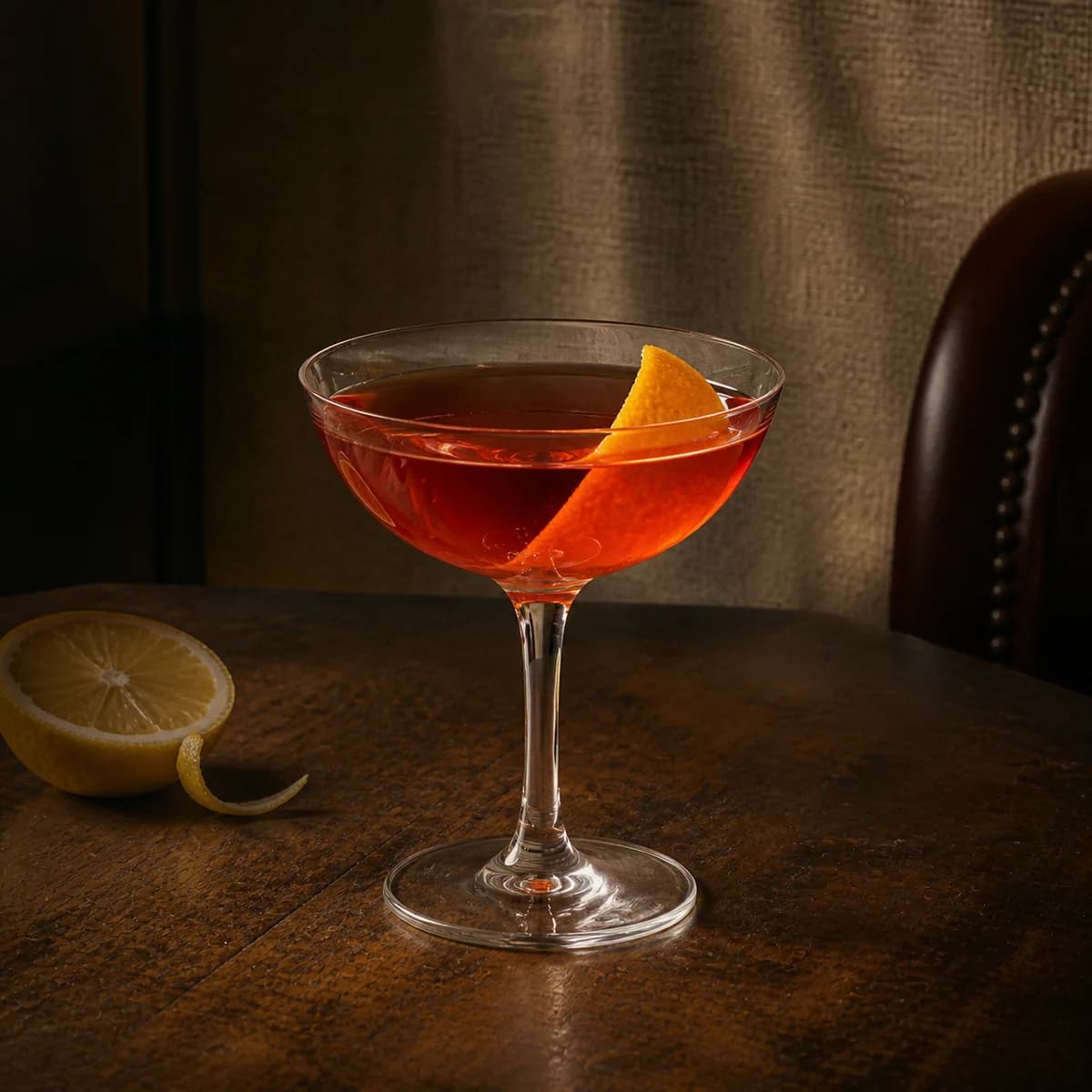
What goes in
Ingredients
Set up before you pour
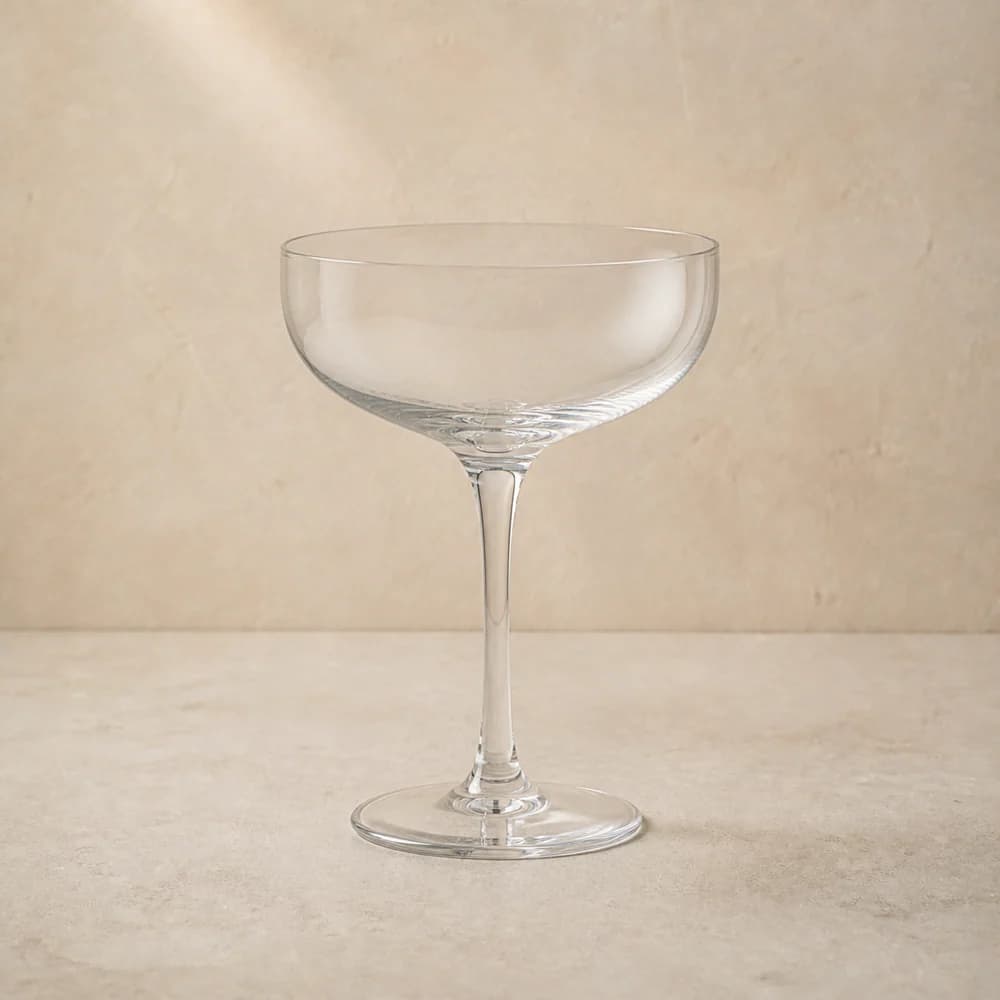
Use a coupe glass.
The stem keeps your hand away from a cold drink, while the rounded bowl makes an up serve easy to sip.
- Standard size
- 200 ml6¾ oz
- Ice & serve
- Chill it first; serve without ice.
- If you don’t own one
- Use a small martini glass or stemmed dessert glass.
- cocktail shaker
- strainer (or a small sieve)
- jigger or measuring spoon
- Cognac30 ml
- Apple brandy30 ml
- Triple sec / Cointreau15 ml
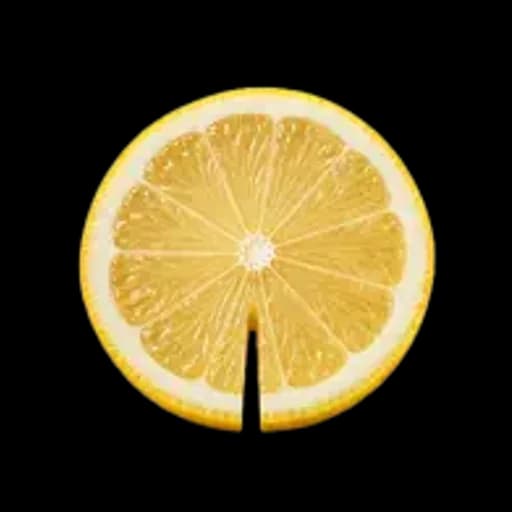
- Fresh lemon juice15 ml
From bottle to glass
Method
- 01
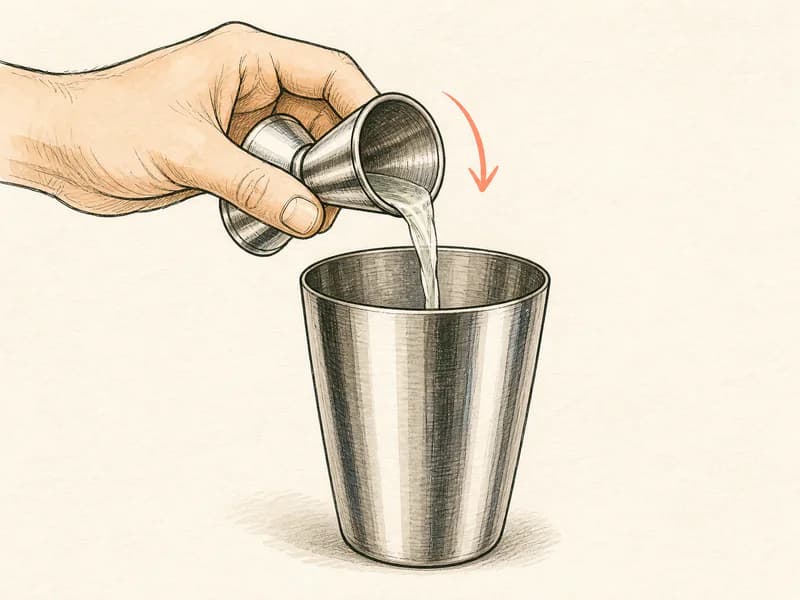
Measure into the shaker Pour 30 ml cognac into your shaker
 Cognac
- 02
Measure into the shaker Add 30 ml apple brandy
- Apple brandy
- 03
Measure into the shaker Add 15 ml triple sec / cointreau
 Triple sec / Cointreau
- 04
Measure into the shaker Add 15 ml fresh lemon juice
 Fresh lemon juice
- 05
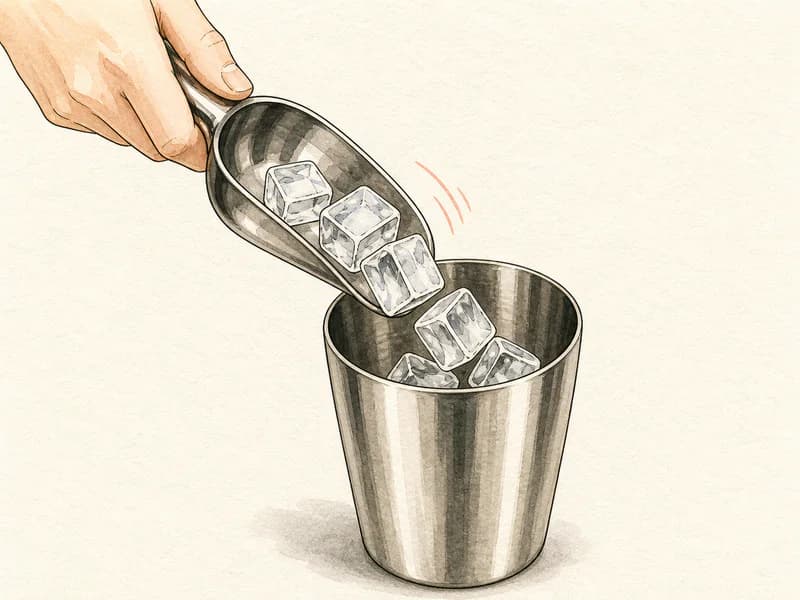
Ice the shaker Fill the shaker with ice
- 06
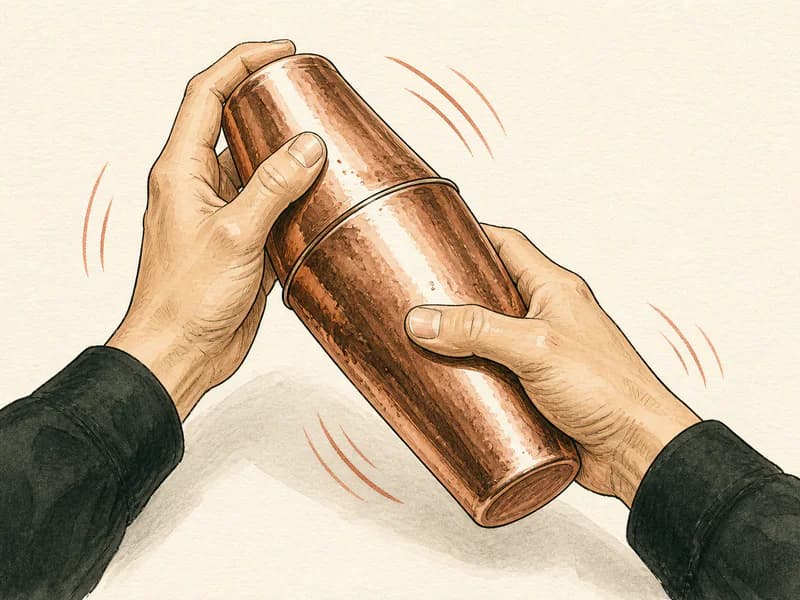
Seal and shake Seal and shake hard
- 07
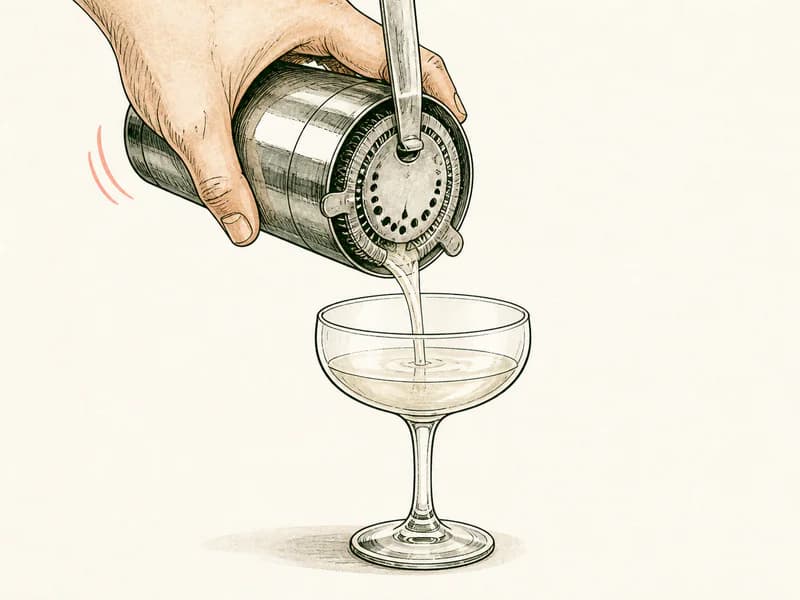
Strain cleanly Strain into a chilled glass — no ice
- 08
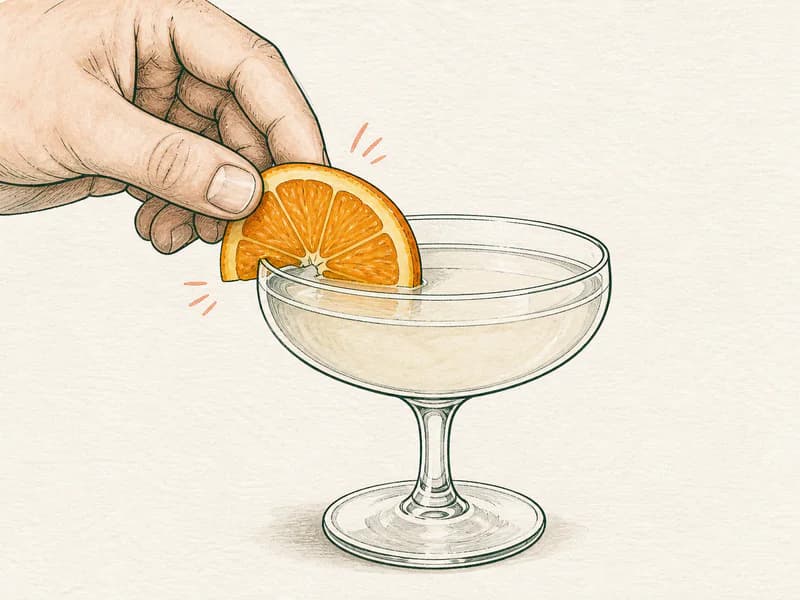
Finish the drink Finish it — add an orange slice
Know your drink
About the Deauville
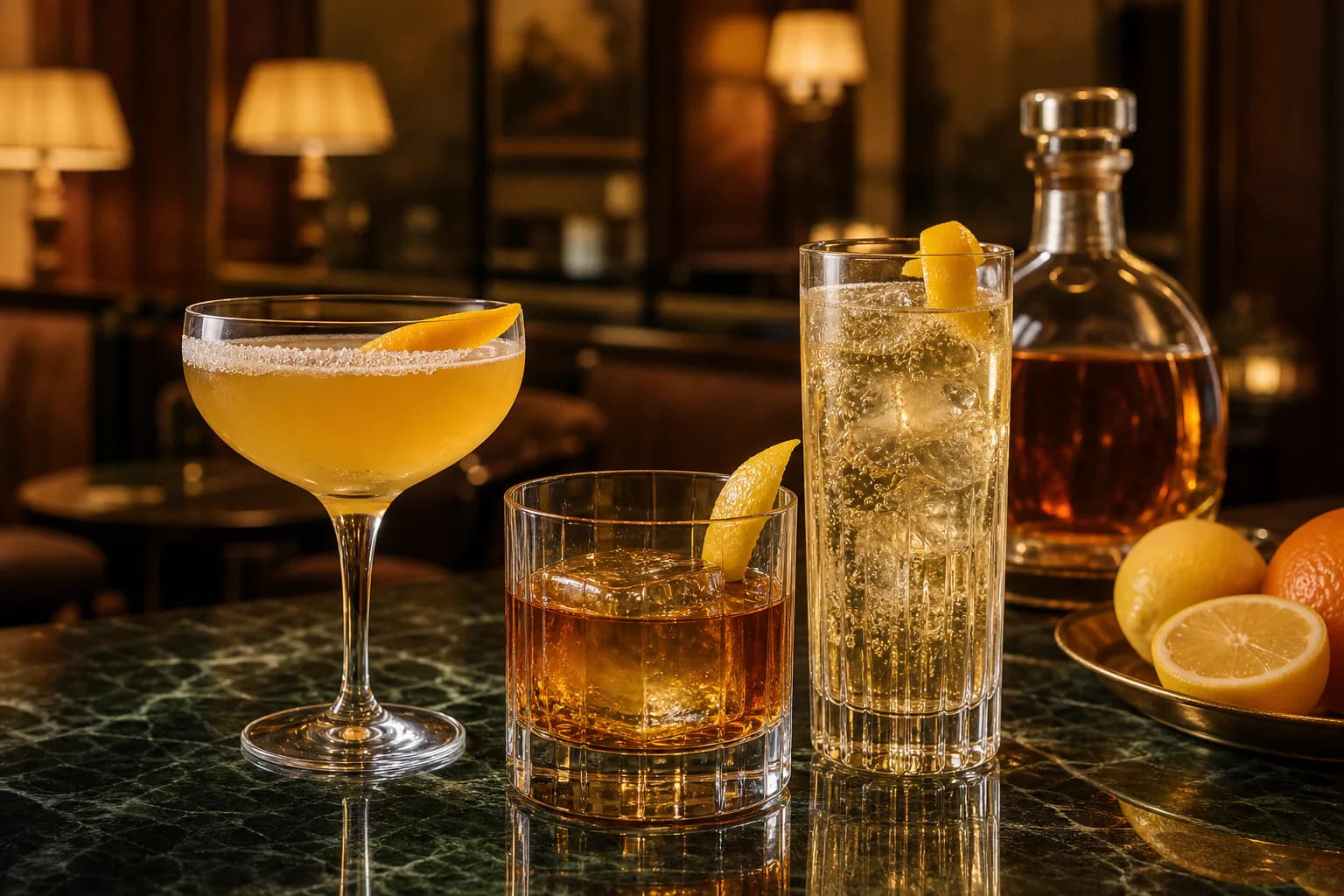
Where the apple comes from
Calvados is the Normandy version, cider distilled and barrel-aged, dry and faintly funky. American applejack is a different animal: Laird's bottled-in-bond is straight apple brandy at 100 proof, while the standard blended bottling is roughly a third apple brandy cut with neutral spirit, which reads lighter and sweeter. Split fifty-fifty with cognac, the bonded bottle holds its ground and the blended one vanishes.
Common questions
Deauville FAQ
How far is this from a Sidecar?
One step. A Sidecar is all grape brandy, sweetened only by the orange liqueur. Handing half the base to apple brandy adds a drier, woodier fruit that pushes back against that sugar, so the drink finishes further from candy and closer to a dry cider.
Does the rim need sugar?
Leave it bare. The Sidecar's sugar rim exists to soften a lean, sharp drink, and here the apple brandy already brings orchard sweetness of its own. A crust on the glass makes the first sip syrupy before the lemon has said anything.
Why is mine thin and sour?
Look at the lemon first. Fifteen milliliters against 60 of combined brandy is a modest amount of acid, so if it reads as harsh, the juice was probably squeezed hours ago and oxidized. Taste it on its own before it goes anywhere near the shaker.
Can I use just cognac and skip the apple brandy?
Then you've made a slightly odd Sidecar, since the apple half is the entire reason this has its own name. If you're short, applejack in both slots works better than cognac in both. Apple can carry the whole base; grape alone flattens it.
What ingredients are in a Deauville?
A classic Deauville calls for 30 ml (1 oz) Cognac, 30 ml (1 oz) Apple brandy, 15 ml (0.5 oz) Triple sec / Cointreau, 15 ml (0.5 oz) Fresh lemon juice. That single-serve spec scales cleanly — the recipe above converts it to oz and multiplies it for 2–4 drinks.
How strong is a Deauville?
A standard Deauville is roughly 34% ABV once mixed (before ice melt softens it further). That makes it spirit-forward — closer to a Martini than to a beer, so sip it slowly.
Is a Deauville shaken or stirred?
A Deauville is shaken — the rule of thumb is to shake anything with citrus juice. About 13 seconds with plenty of ice chills and dilutes it correctly.
Sharpen the technique
Skills used in this recipe
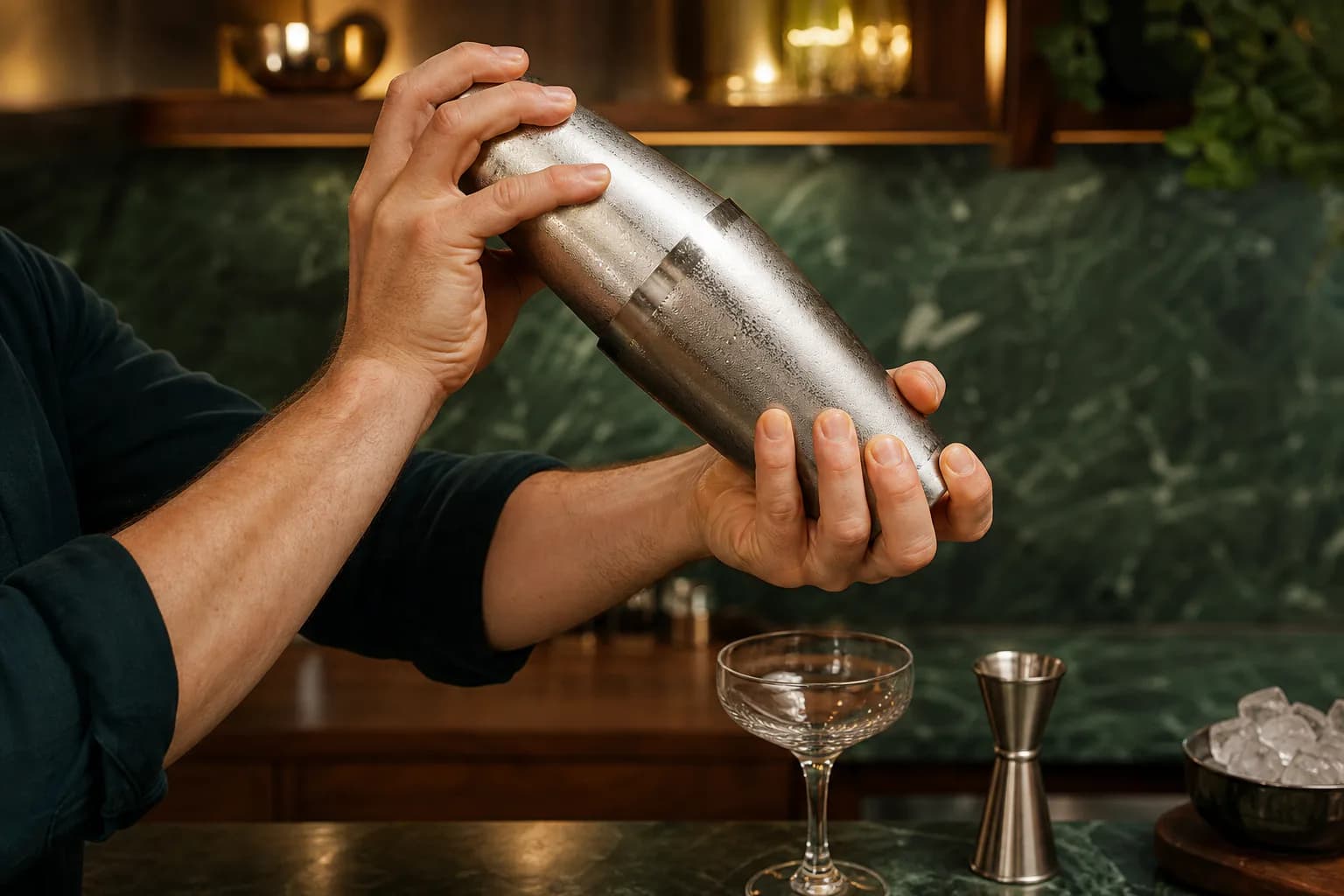
How to shake a cocktail properly
The grip, timing, ice and visual cues that make shaken drinks colder and brighter.
Read the guide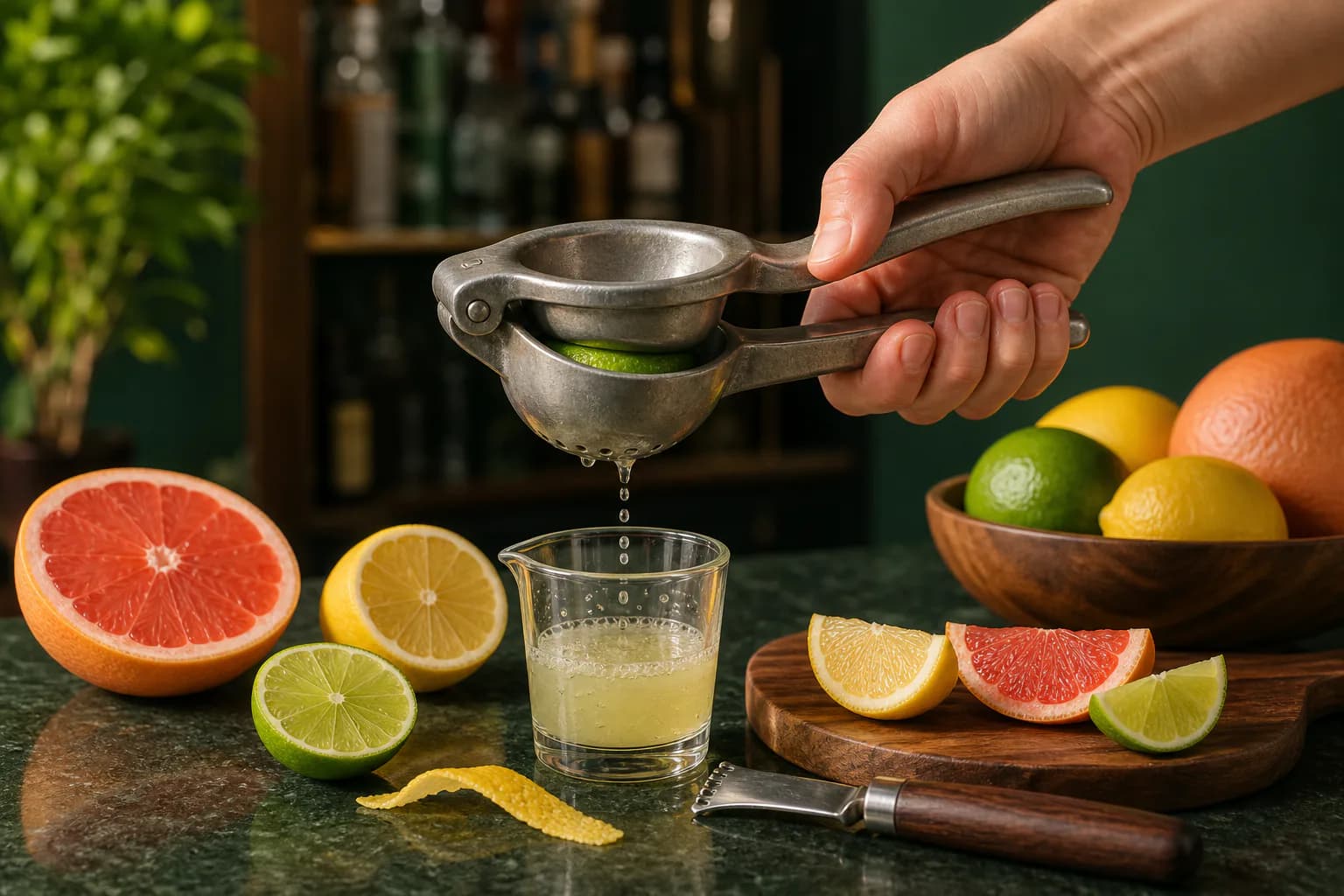
Fresh citrus for cocktails: juice, wedges and balance
Get brighter lime, lemon and grapefruit flavor with better prep and storage.
Read the guideWhere to go next
If you like the Deauville, try these.
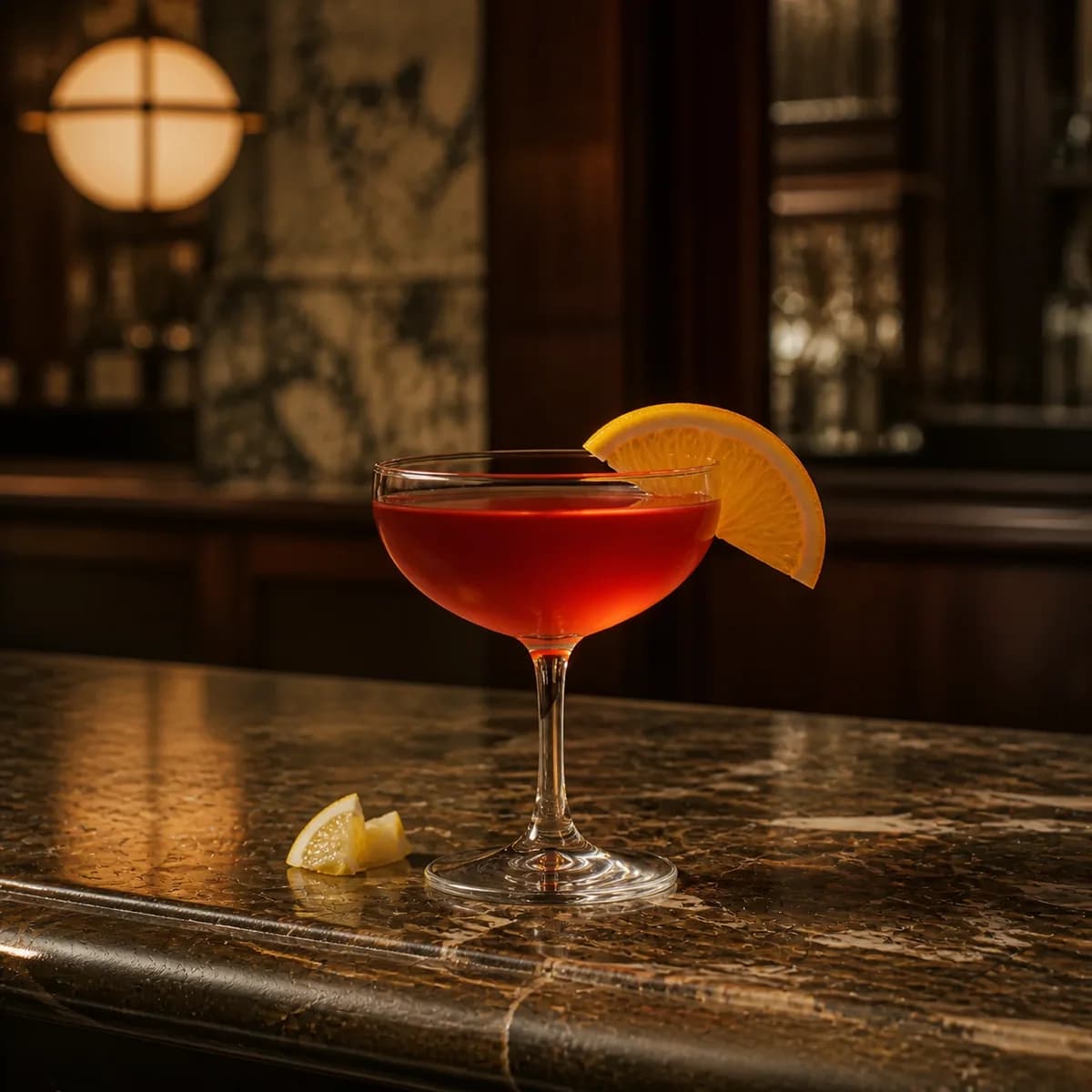
Sidecar
Cognac, orange liqueur and lemon in balance — the template for every brandy sour. Bright, warming and elegant.
View recipe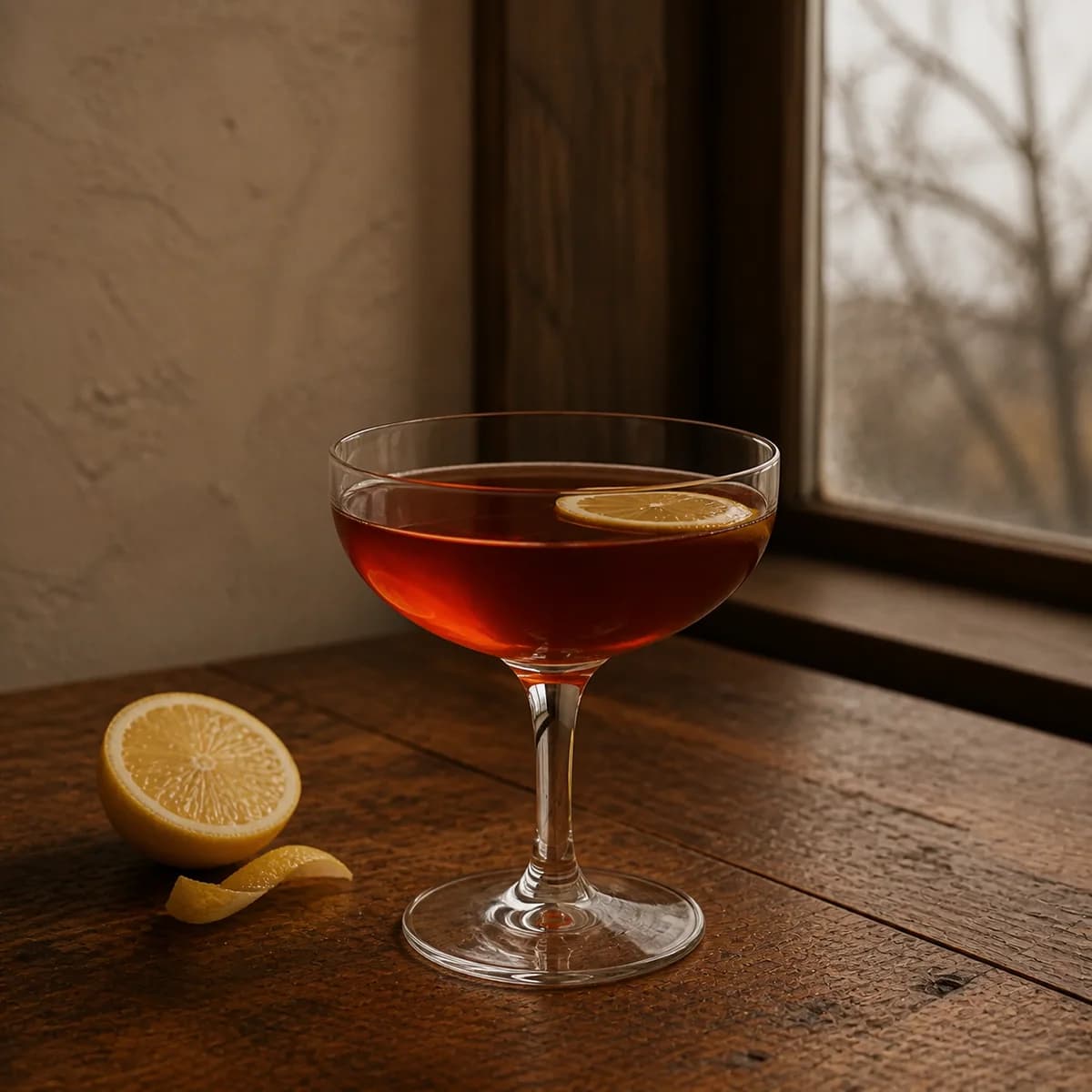
Between the Sheets
A Sidecar with rum: cognac, white rum, orange liqueur and lemon. Bright, boozy and roaring-twenties.
View recipe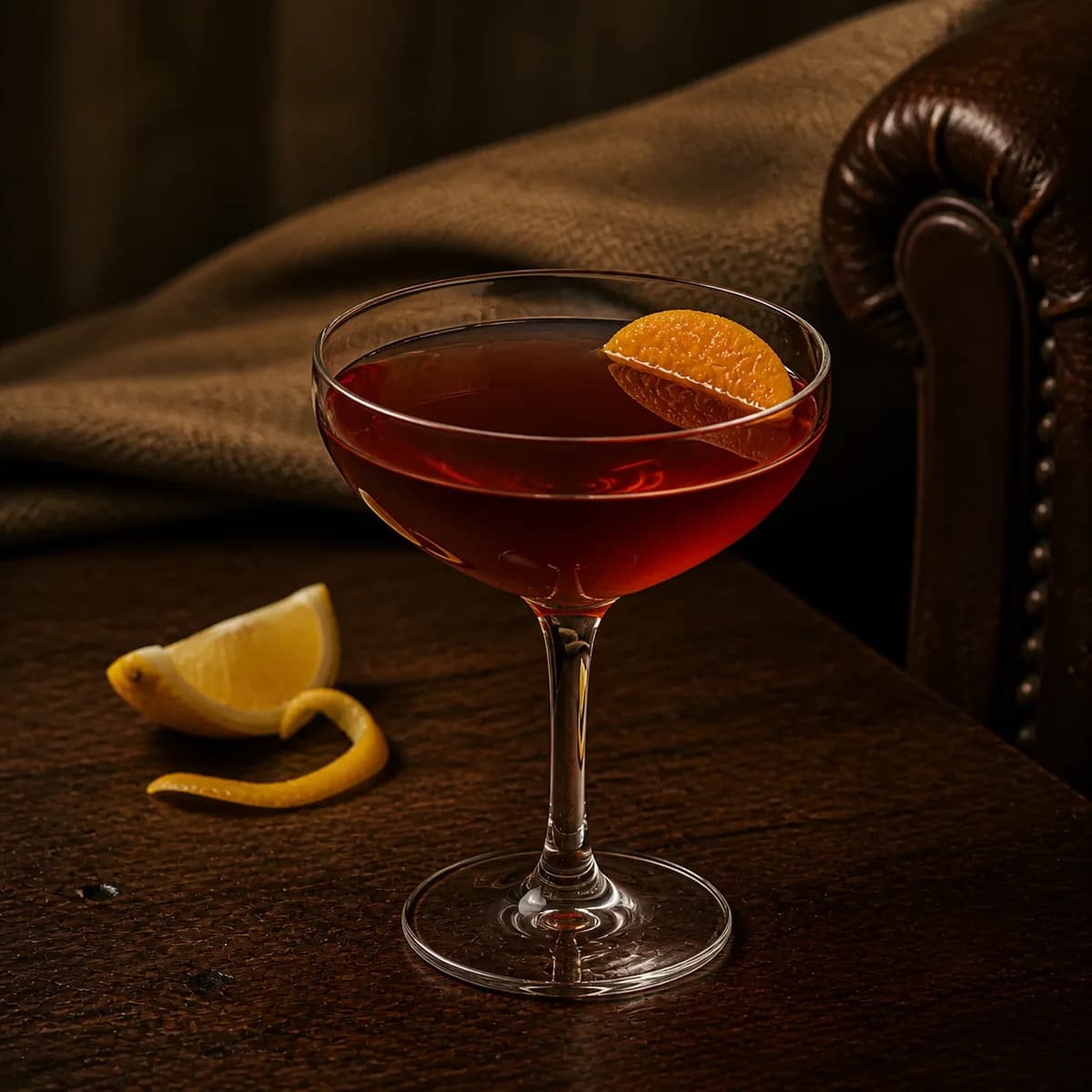
Brandy Crusta
The ancestor of the Sidecar: brandy with orange liqueur, maraschino and lemon in a sugar-rimmed glass. Refined and citrus-bright.
View recipe