Classic cocktail · Guided recipe
Batida
Start makingBrazil’s creamy cachaça cooler — cachaça blended with fruit and a little sweetness. Here: coconut and pineapple.
In the glassCachaça · Coconut cream · Pineapple juice
See exact amounts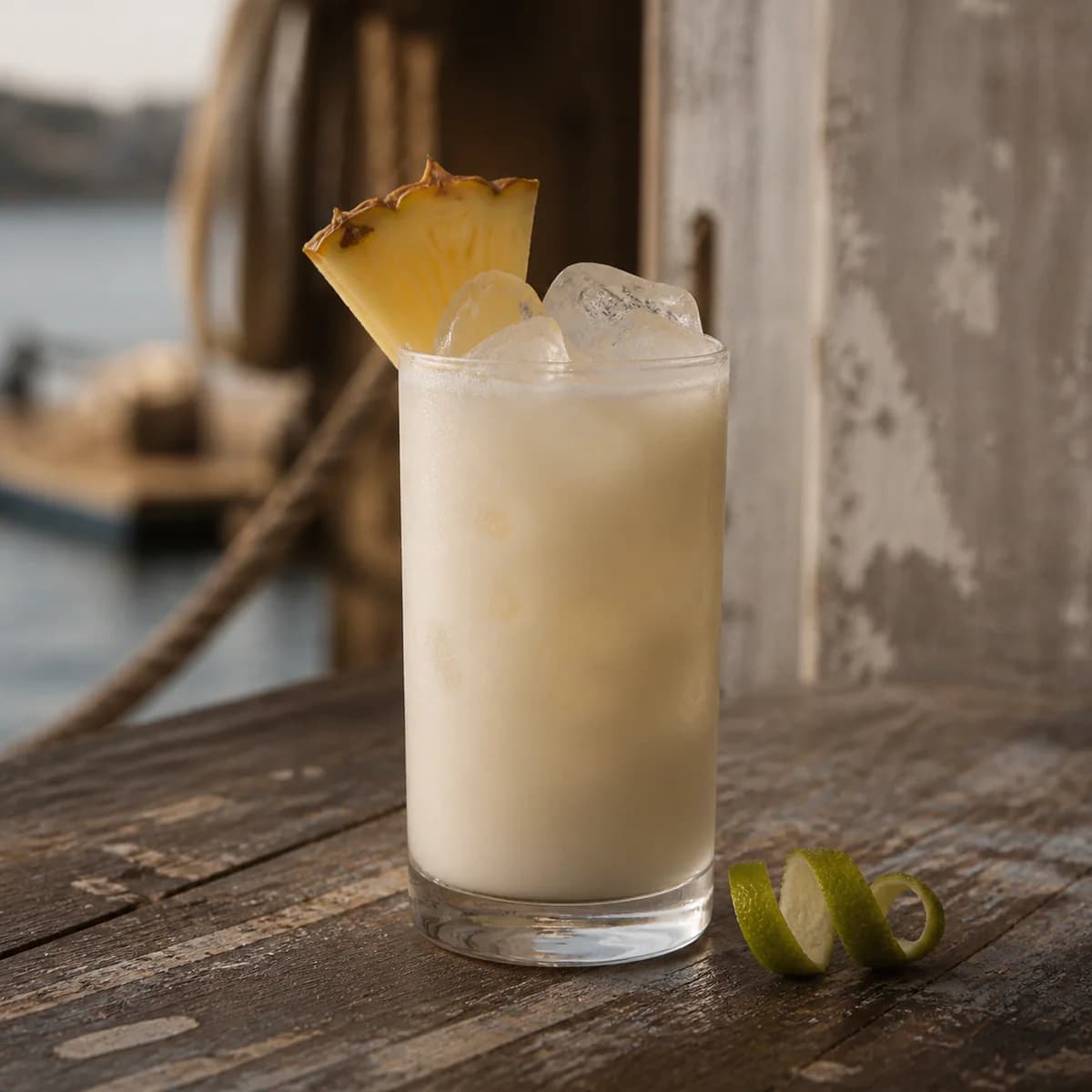
What goes in
Ingredients
Set up before you pour
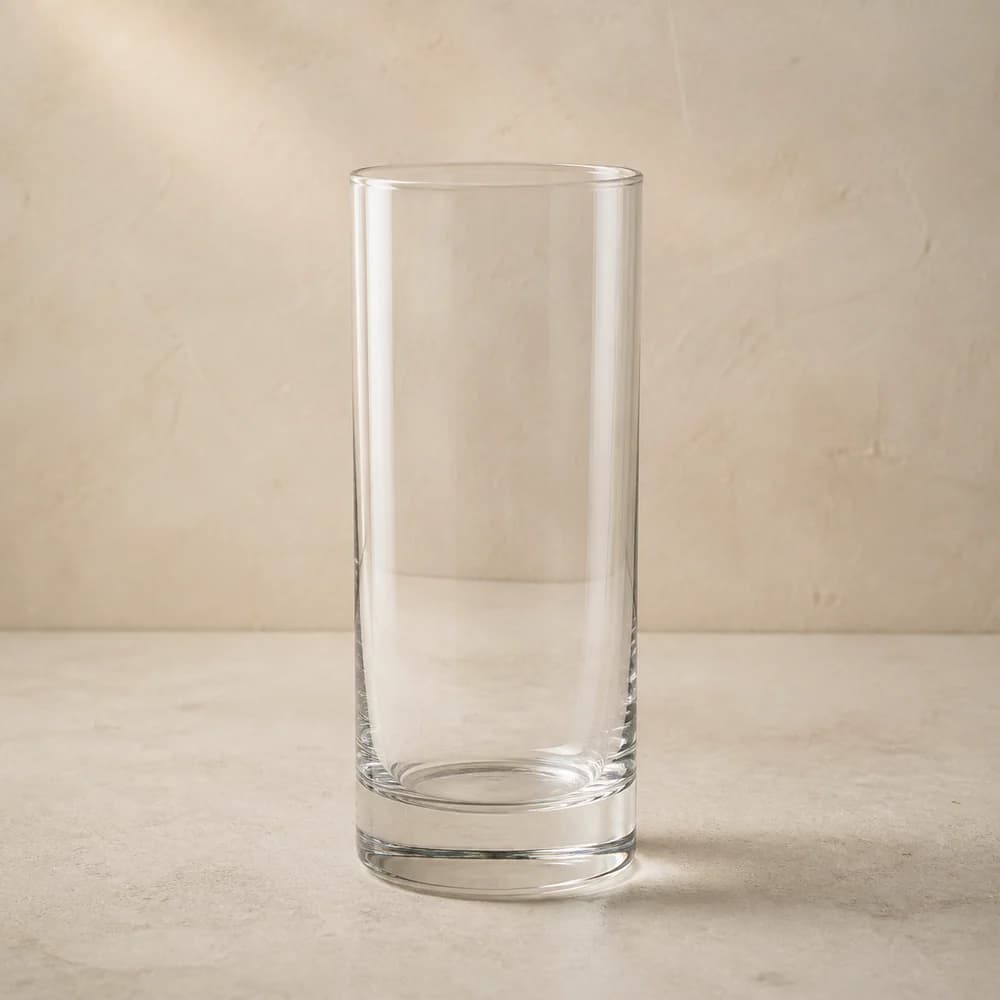
Use a highball glass.
The tall, straight shape leaves room for plenty of ice and mixer while keeping a long drink lively.
- Standard size
- 350 ml11¾ oz
- Ice & serve
- Fill it with fresh ice cubes.
- If you don’t own one
- Use a Collins glass or any tall, straight-sided tumbler.
- cocktail shaker
- strainer (or a small sieve)
- jigger or measuring spoon
- Cachaça60 ml
- Coconut cream30 ml
- Pineapple juice90 ml
From bottle to glass
Method
- 01
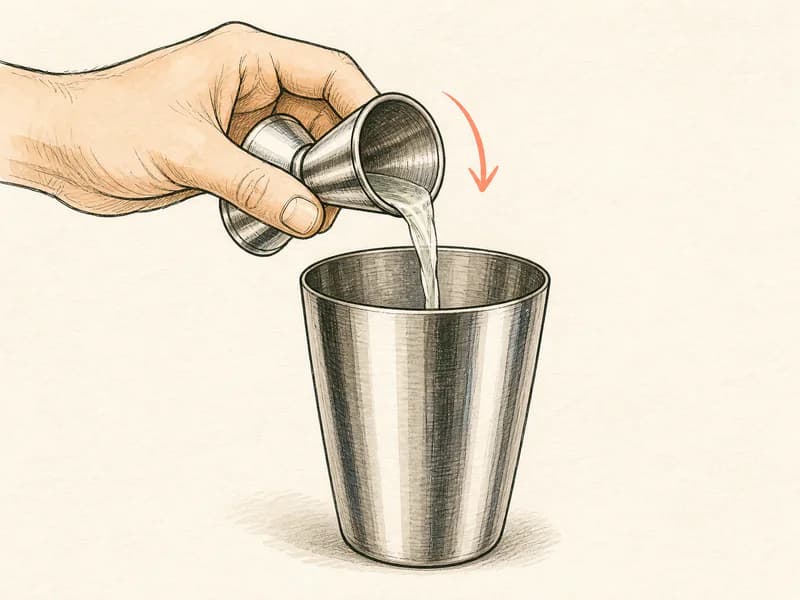
Measure into the shaker Pour 60 ml cachaça into your shaker
 Cachaça
- 02
Measure into the shaker Add 30 ml coconut cream
 Coconut cream
- 03
Measure into the shaker Add 90 ml pineapple juice
 Pineapple juice
- 04
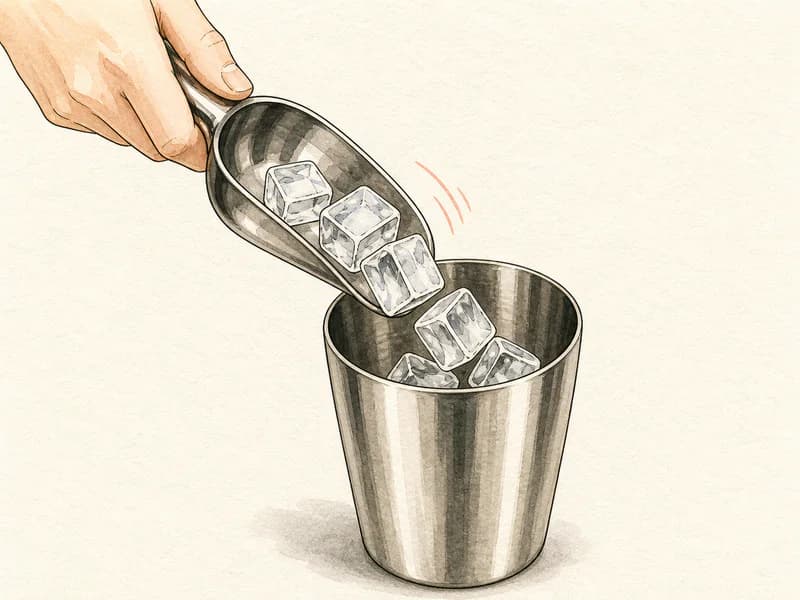
Ice the shaker Fill the shaker with ice
- 05
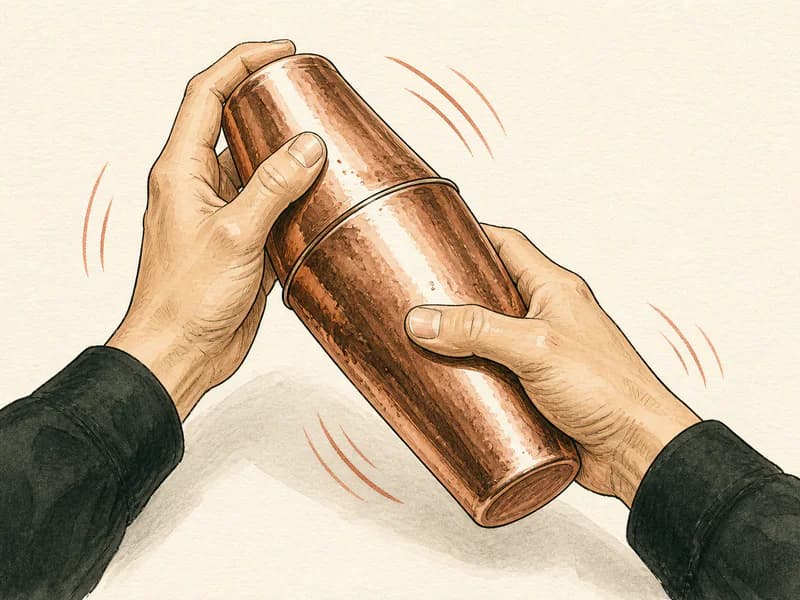
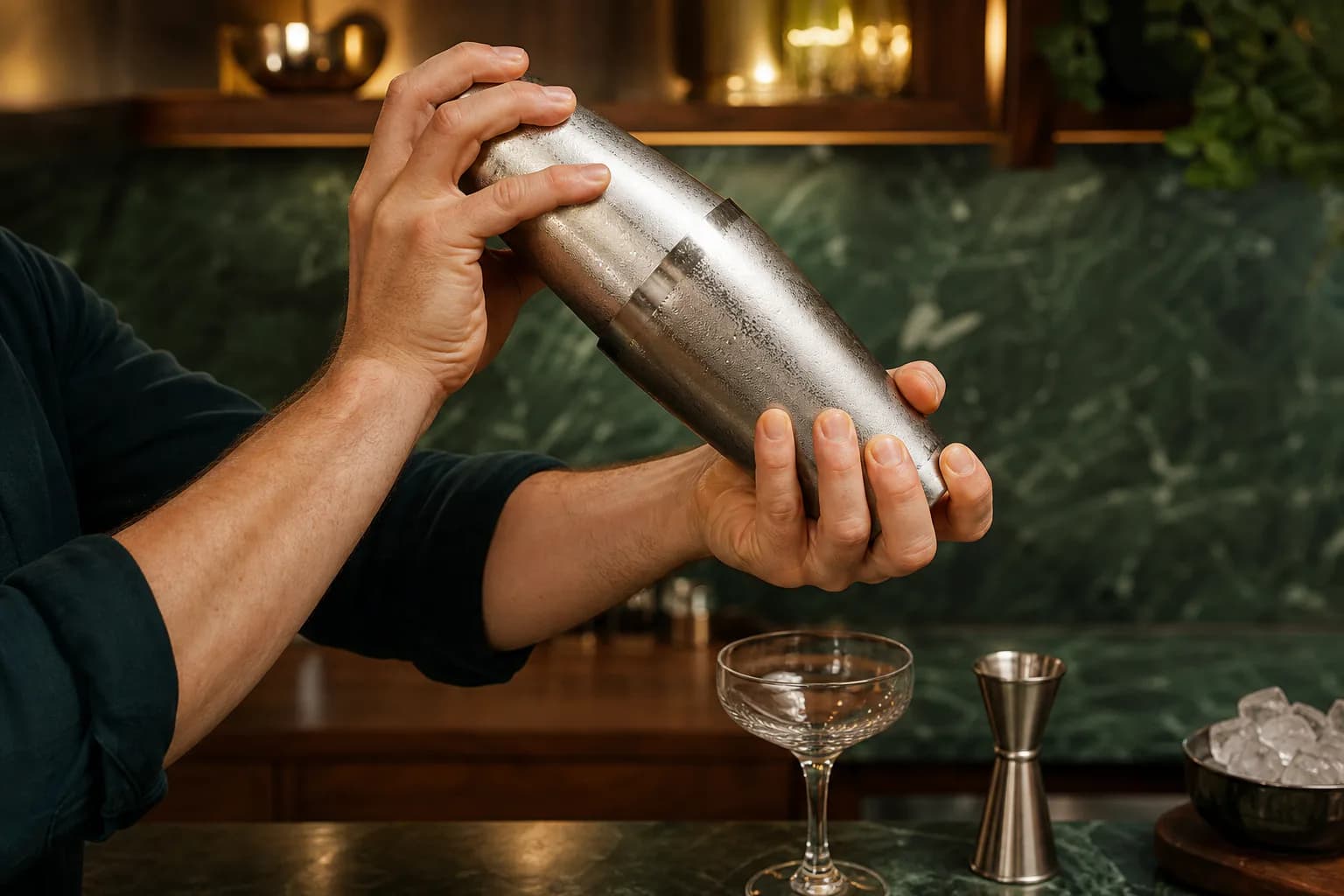
Seal and shake Seal and shake hard
- 06
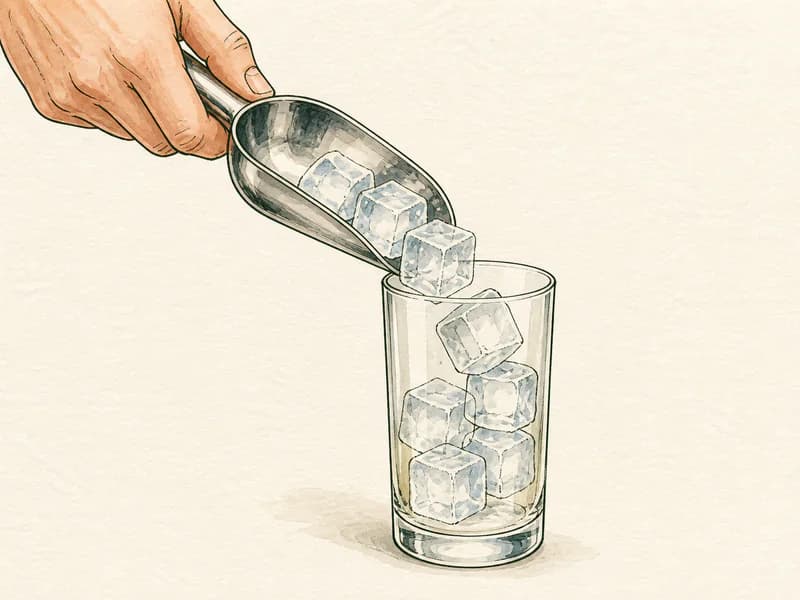
Ice the glass Fill your glass with fresh ice
- 07
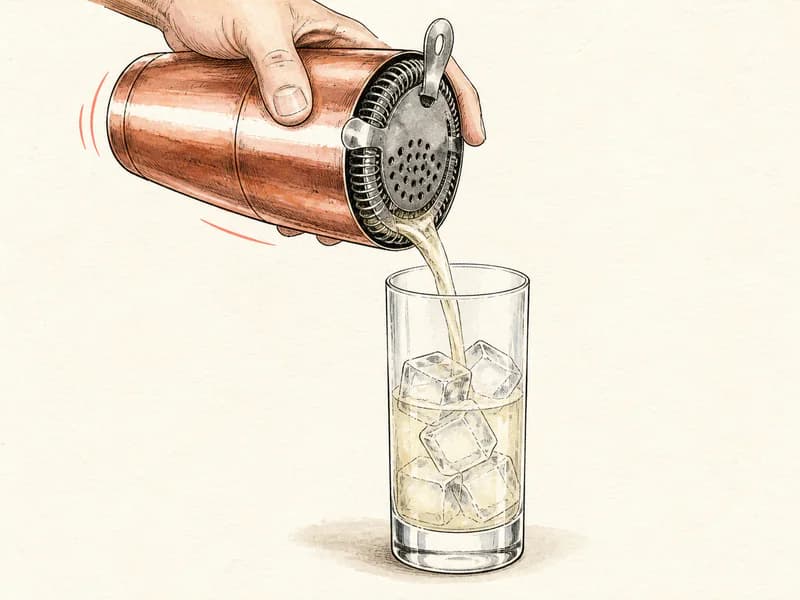
Strain cleanly Strain into your glass
- 08
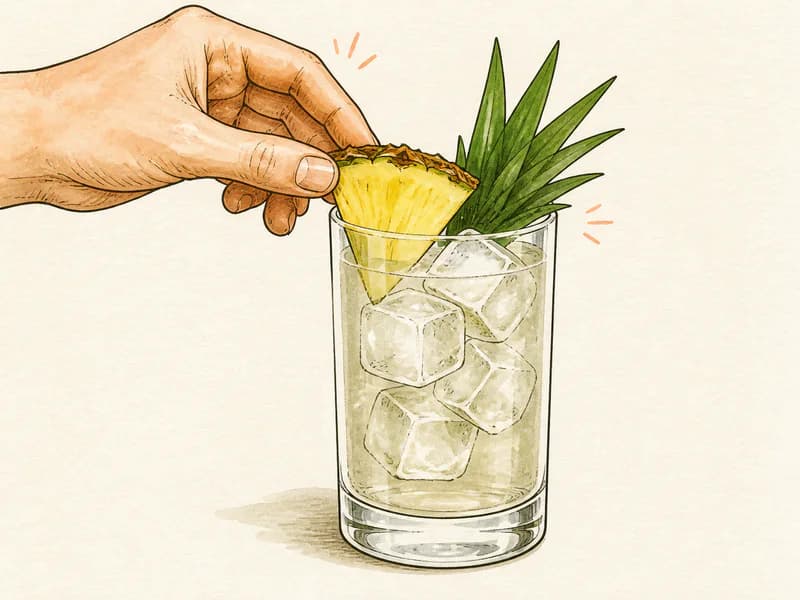
Finish the drink Finish it — add a pineapple wedge
Know your drink
About the Batida
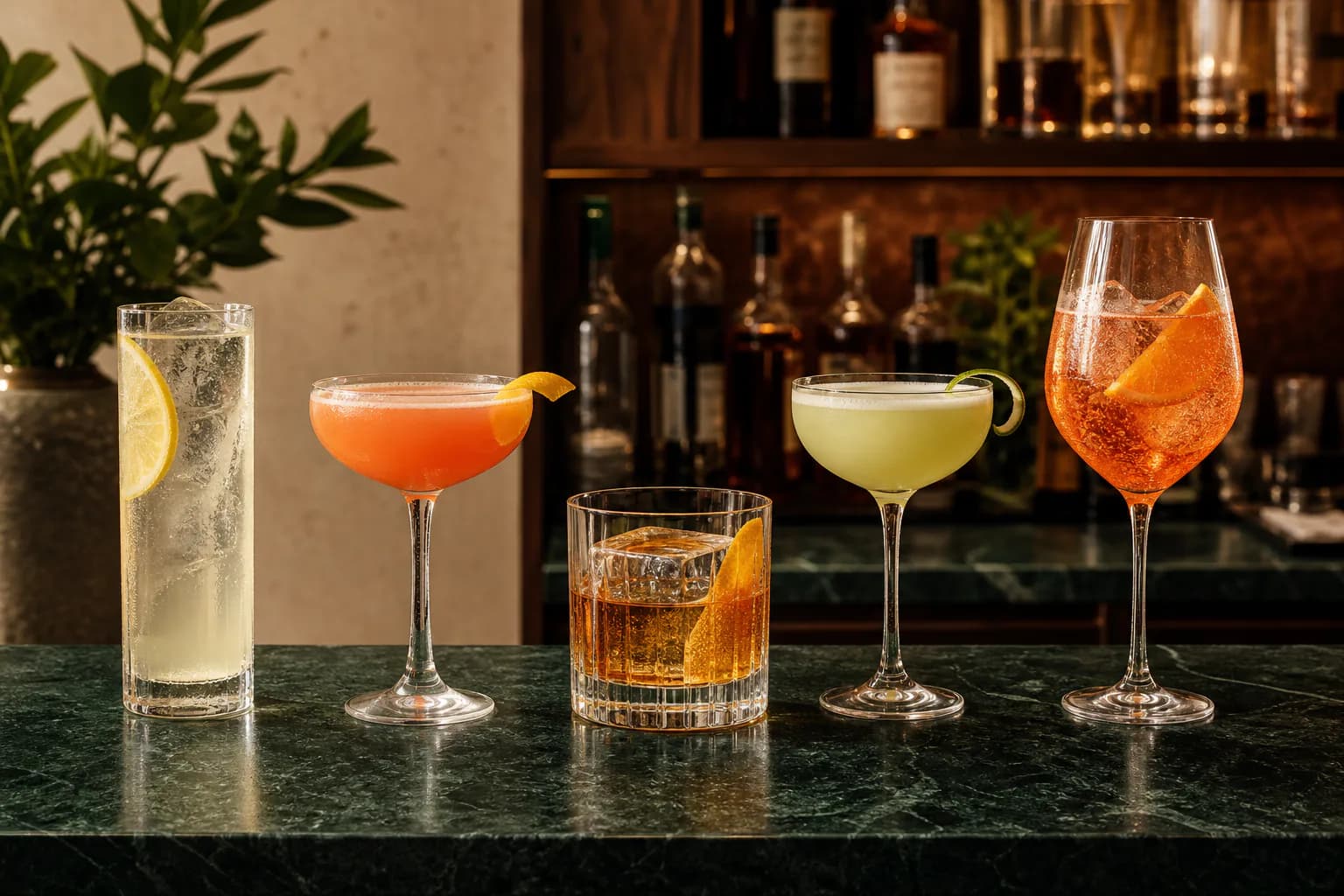
Cachaça is not rum
The word batida means beaten or shaken, which tells you most of what the recipe is: cachaça, something sweet, something fruity, shaken hard with ice. In Brazil it belongs to beaches and barbecues rather than to bars, made in a household blender in large quantities and poured without much ceremony.
The legal difference between cachaça and rum matters here. Cachaça must be made in Brazil from fresh cane juice and bottled between 38 and 48 percent, while most rum starts from molasses. Fresh juice keeps a green, faintly funky quality that molasses cooks out. Under coconut cream, that quality is the only thing keeping the drink from being bland.
Common questions
Batida FAQ
Can I substitute white rum for cachaça?
You can, and you will lose the thing that makes it Brazilian. Cachaça is distilled from fresh pressed cane juice rather than molasses, which is where the grassy, slightly vegetal note comes from. White rum gives you a rounder and duller drink. Still pleasant, just anonymous.
Which bottle should I buy?
An unaged one, labeled prata or branca, in the mid price range. The very cheap bottles are harsh enough to need burying under sugar. Aged cachaça rested in Brazilian woods picks up spice and color that fights the coconut, so keep those for sipping.
What other fruits work in a batida?
Almost anything soft. Batida is a category rather than one recipe, and passion fruit, lime, mango and plain coconut all show up. Whatever you use, keep the cachaça near 60 ml and the fruit near 90 ml. Anything more acidic than pineapple will want a little sugar.
What about the condensed milk version?
Common in Brazil and worth trying once. A tablespoon of sweetened condensed milk in place of some of the coconut cream turns the whole thing thick and dessert-like. It also mutes the cachaça almost completely, which is either the point or a shame.
What ingredients are in a Batida?
A classic Batida calls for 60 ml (2 oz) Cachaça, 30 ml (1 oz) Coconut cream, 90 ml (3 oz) Pineapple juice. That single-serve spec scales cleanly — the recipe above converts it to oz and multiplies it for 2–4 drinks.
How strong is a Batida?
A standard Batida is roughly 13% ABV once mixed (before ice melt softens it further). That makes it about as strong as a glass of wine.
Is a Batida shaken or stirred?
A Batida is shaken. About 13 seconds with plenty of ice chills and dilutes it correctly.
Sharpen the technique
Skills used in this recipe
Where to go next