Classic cocktail · Guided recipe
Bee’s Knees
Start makingGin, lemon and honey — a Prohibition sour that used honey to hide rough bathtub gin, and stayed on the menu because it’s just delicious.
In the glassGin · Fresh lemon juice · Honey syrup
See exact amounts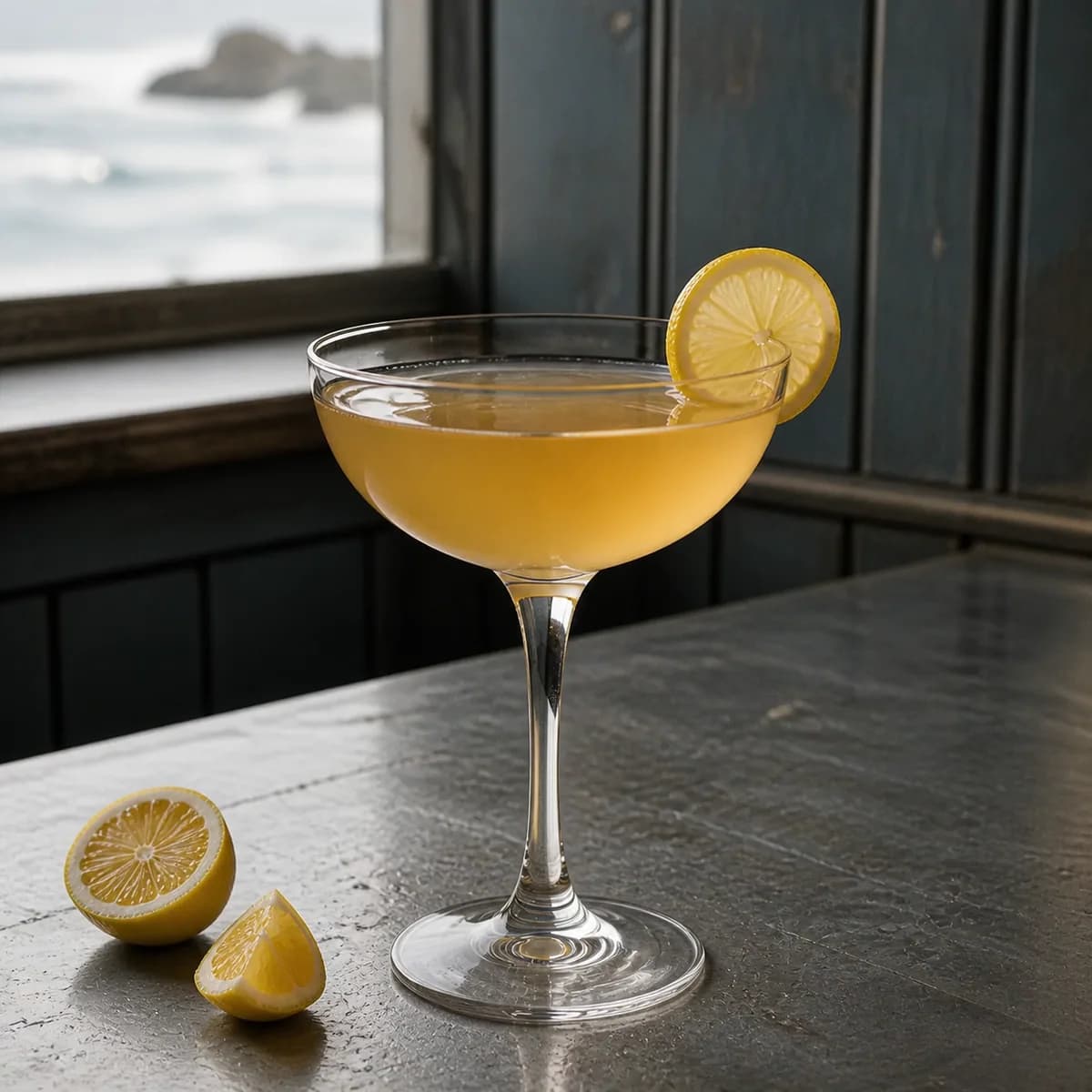
What goes in
Ingredients
Set up before you pour
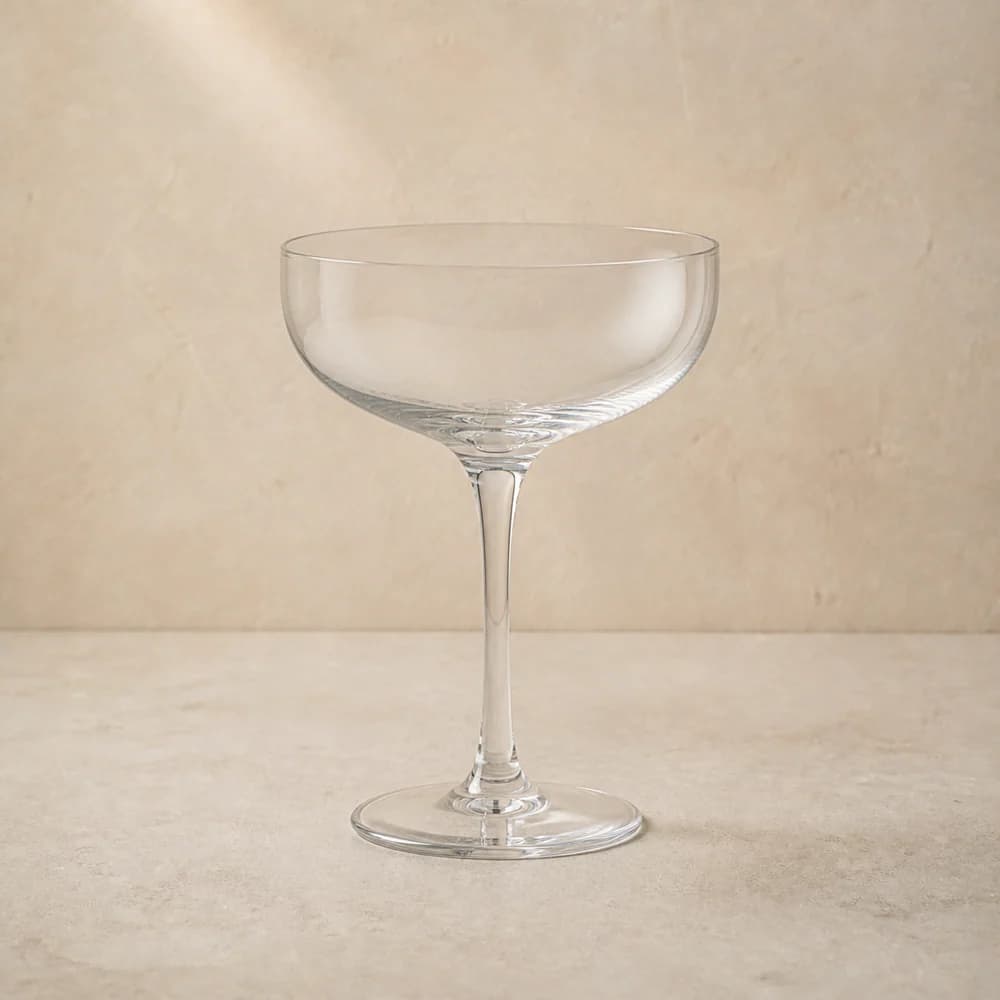
Use a coupe glass.
The stem keeps your hand away from a cold drink, while the rounded bowl makes an up serve easy to sip.
- Standard size
- 200 ml6¾ oz
- Ice & serve
- Chill it first; serve without ice.
- If you don’t own one
- Use a small martini glass or stemmed dessert glass.
- cocktail shaker
- strainer (or a small sieve)
- jigger or measuring spoon
- Gin60 ml
- Fresh lemon juice22 ml
- Honey syrup22 ml

From bottle to glass
Method
- 01
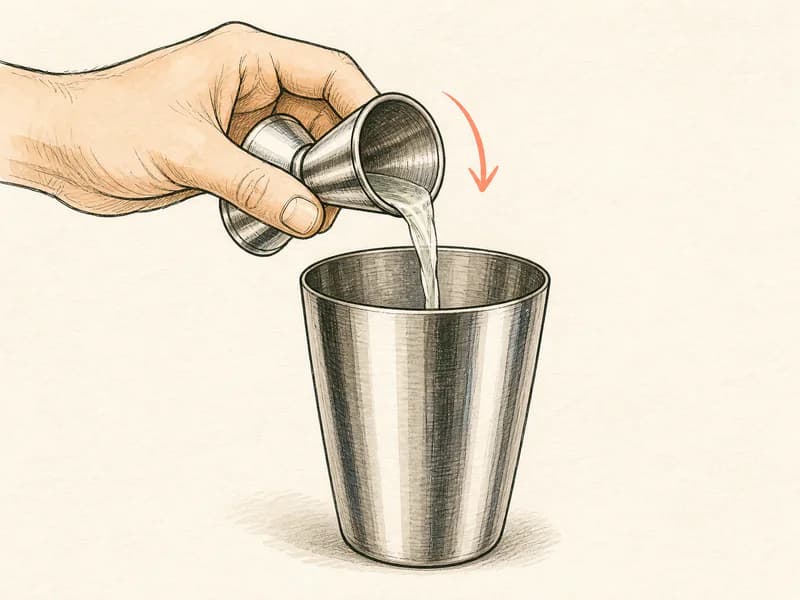
Measure into the shaker Pour 60 ml gin into your shaker
 Gin
Gin
- 02
Measure into the shaker Add 22 ml fresh lemon juice
 Fresh lemon juice
- 03
Measure into the shaker Add 22 ml honey syrup
 Honey syrup
- 04
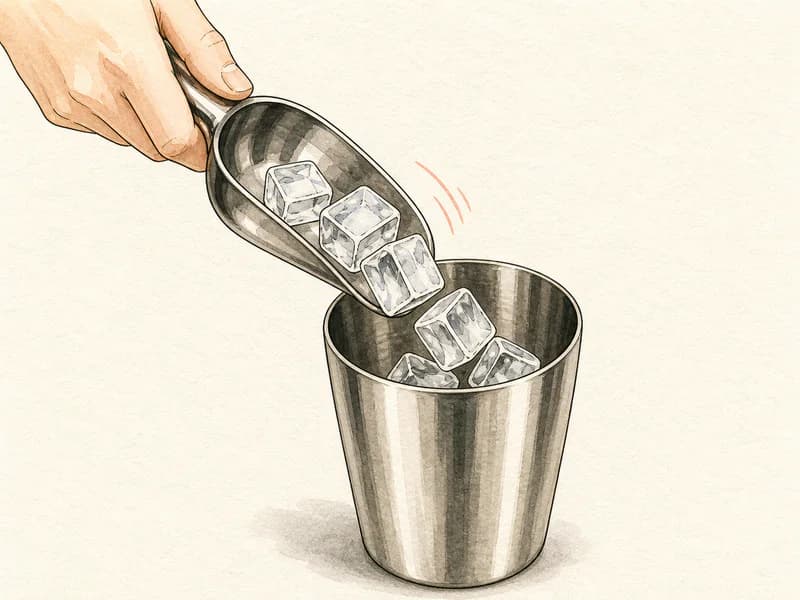
Ice the shaker Fill the shaker with ice
- 05
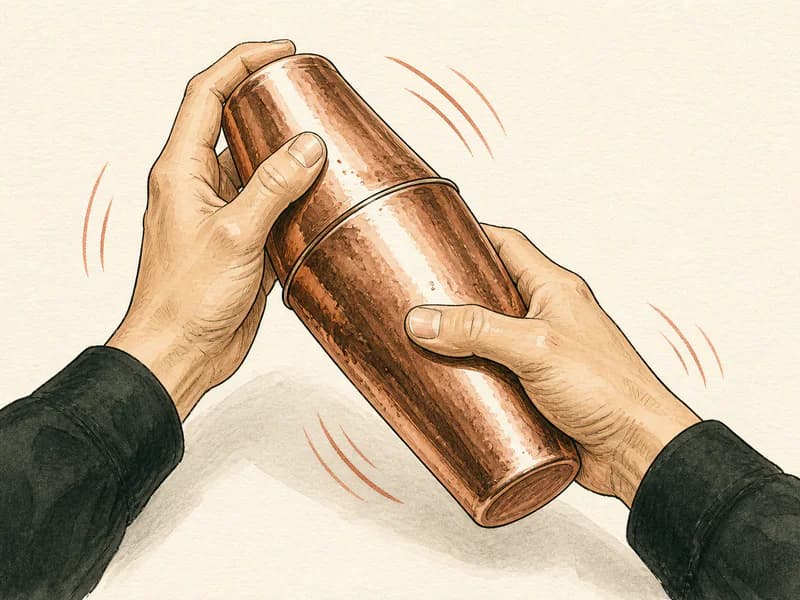
Seal and shake Seal and shake hard
- 06
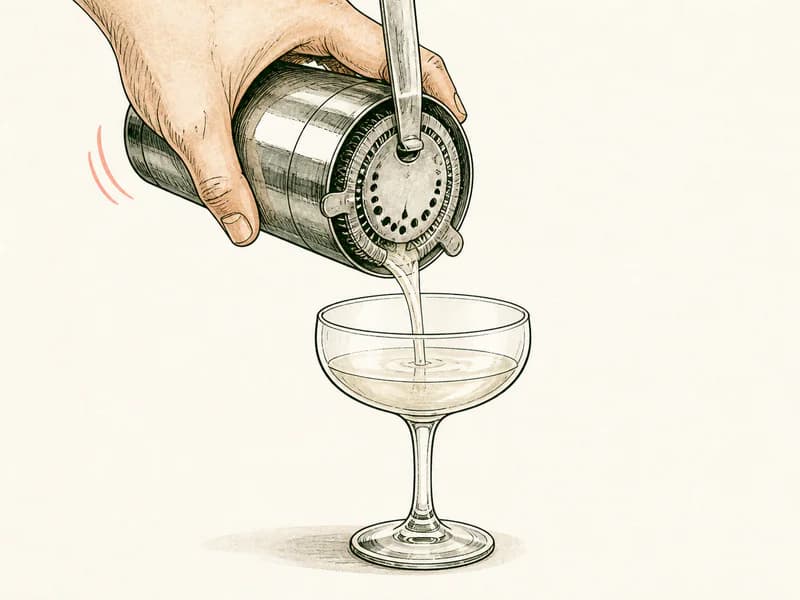
Strain cleanly Strain into a chilled glass — no ice
- 07
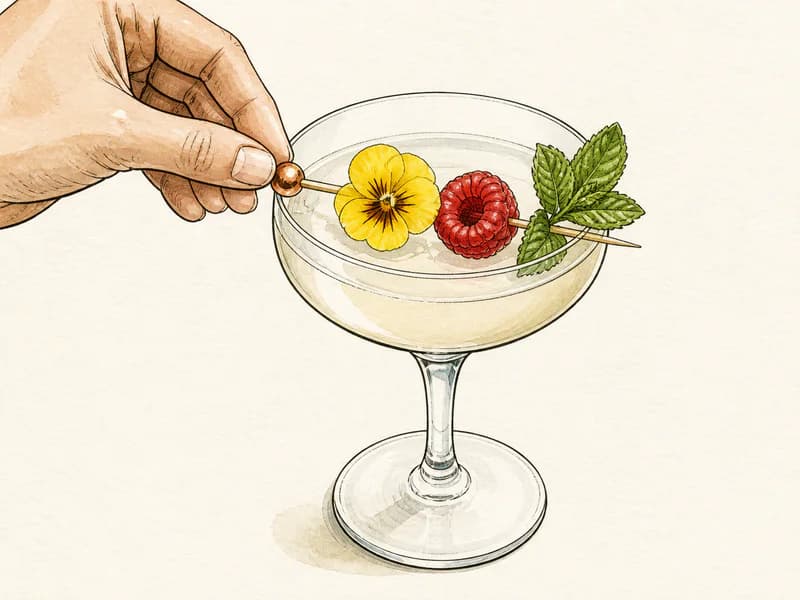
Finish the drink Finish it — add an edible flower pick
Know your drink
About the Bee’s Knees

Honey's other cocktails
Honey syrup travels well. Swap the gin for bourbon and you have a Gold Rush. Swap it for rum, move to lime and top with sparkling wine and it becomes an Air Mail. Bourbon with grapefruit instead of lemon gives you a Brown Derby. Same logic every time: honey does what sugar can't, which is add flavor while it sweetens.
Recipes start showing up in print in the 1930s, and the drink is usually filed as a Prohibition invention — honey and lemon covering for gin that wasn't worth drinking neat. That story may be tidier than the truth. The measurements it produced have outlasted every version of the explanation.
Common questions
Bee’s Knees FAQ
Do I have to make honey syrup, or can I pour honey straight in?
Cold honey seizes into strings the second it hits ice, and you'll find most of it stuck to the bottom of the tin. Stir three parts honey into one part hot water, let it cool, and it measures and mixes like any other syrup.
Which honey should I buy?
Clover or acacia stays out of the way. Chestnut, buckwheat and heather honeys are strong enough to bury the gin, so keep those for whiskey drinks. If your jar has crystallized, stand it in a bowl of hot water before you measure anything.
Mine tastes flat. What went wrong?
Usually the lemon. Bottled juice loses its top notes within hours of opening, and honey has nothing to push against once they're gone. Squeeze fresh. If it still reads dull, two dashes of orange bitters will put an edge back on it.
Does it work with an aged gin or a genever?
Yes, and genever is the one to try — its malty base and honey belong together. Barrel-aged gin also works, though it pushes the drink toward Gold Rush territory. Stay with London dry if you want juniper to stay in front of everything.
What ingredients are in a Bee’s Knees?
A classic Bee’s Knees calls for 60 ml (2 oz) Gin, 22 ml (0.75 oz) Fresh lemon juice, 22 ml (0.75 oz) Honey syrup. That single-serve spec scales cleanly — the recipe above converts it to oz and multiplies it for 2–4 drinks.
How strong is a Bee’s Knees?
A standard Bee’s Knees is roughly 23% ABV once mixed (before ice melt softens it further). That makes it spirit-forward — closer to a Martini than to a beer, so sip it slowly.
Is a Bee’s Knees shaken or stirred?
A Bee’s Knees is shaken — the rule of thumb is to shake anything with citrus juice. About 13 seconds with plenty of ice chills and dilutes it correctly.
Sharpen the technique
Skills used in this recipe
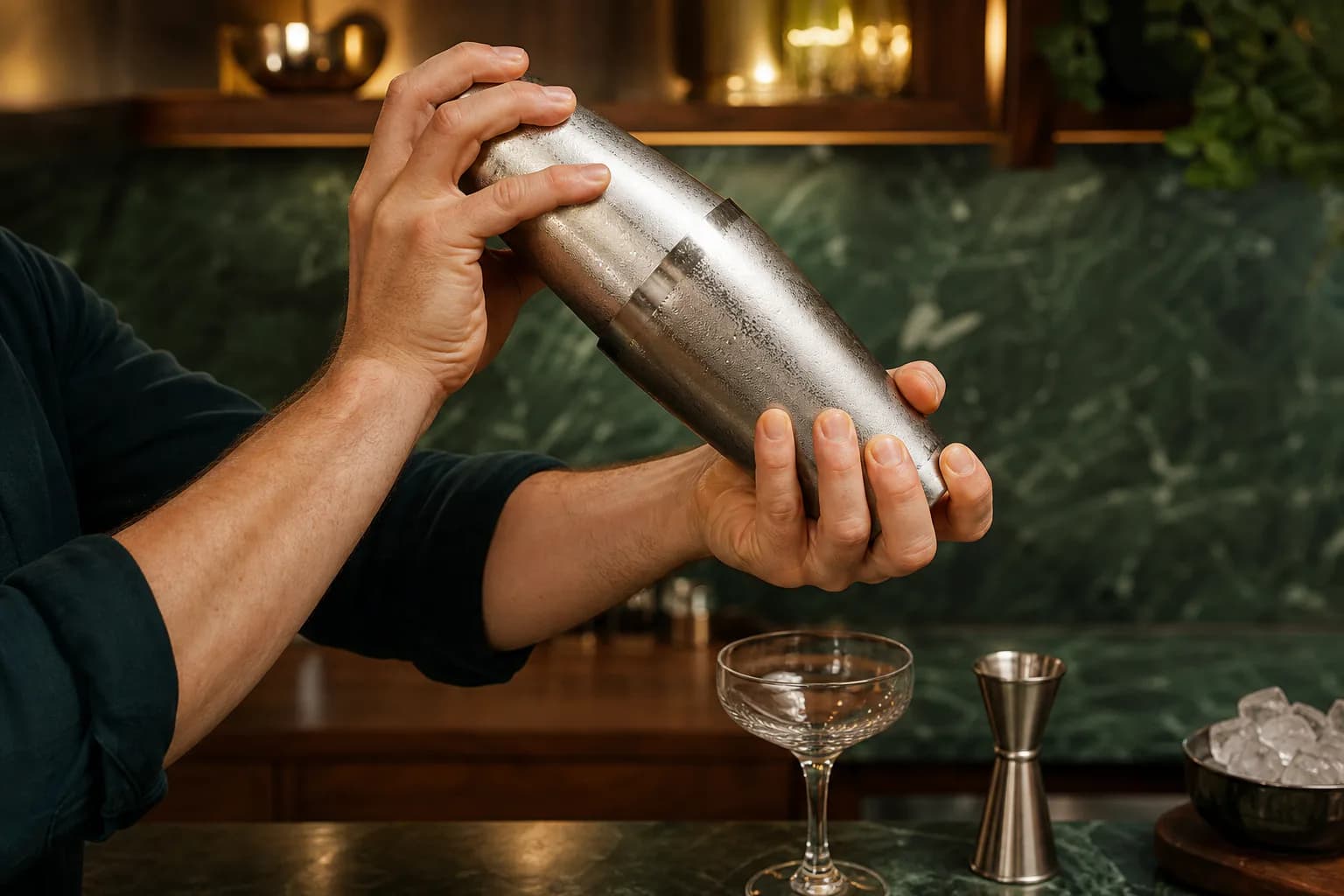
How to shake a cocktail properly
The grip, timing, ice and visual cues that make shaken drinks colder and brighter.
Read the guide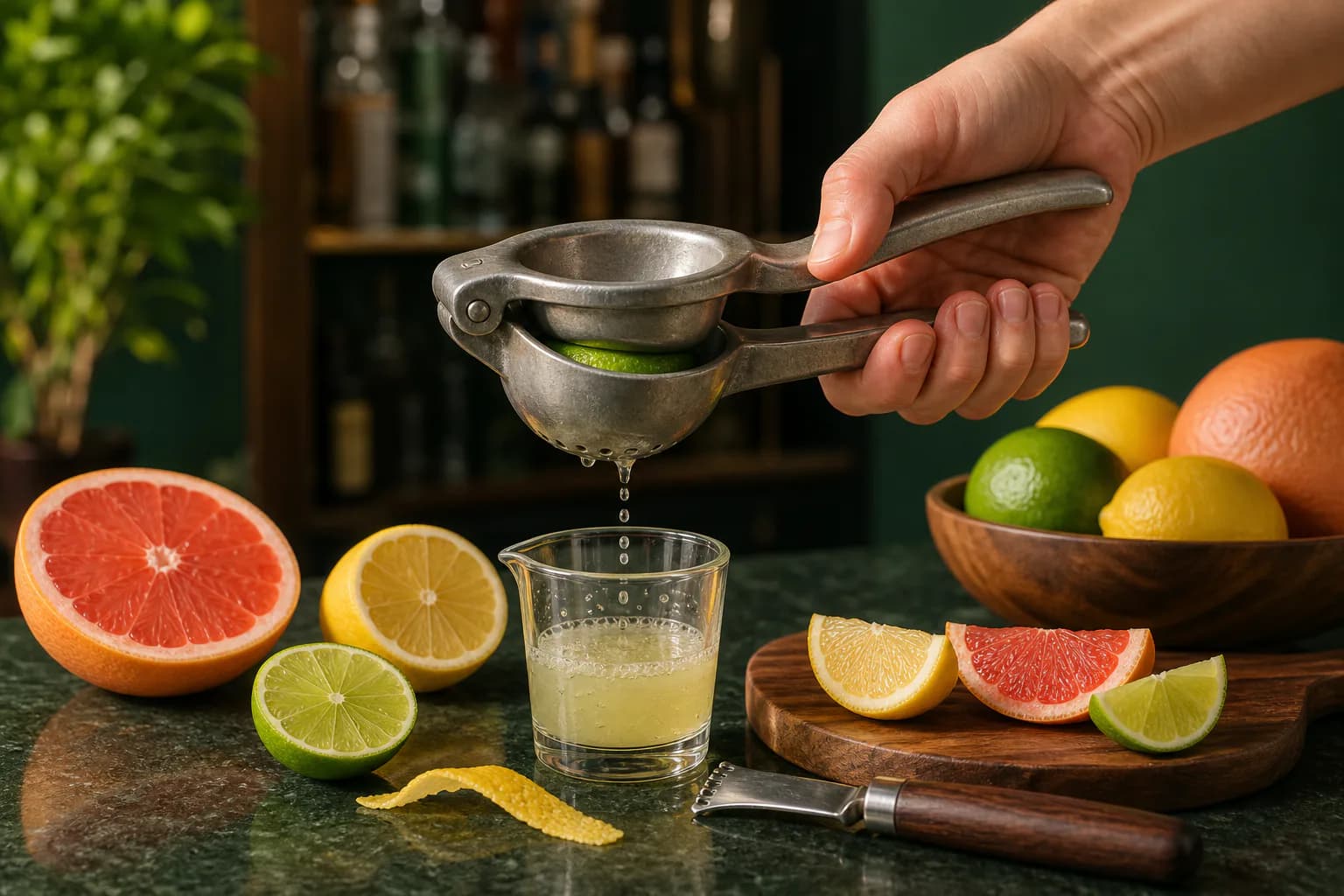
Fresh citrus for cocktails: juice, wedges and balance
Get brighter lime, lemon and grapefruit flavor with better prep and storage.
Read the guideWhere to go next
If you like the Bee’s Knees, try these.
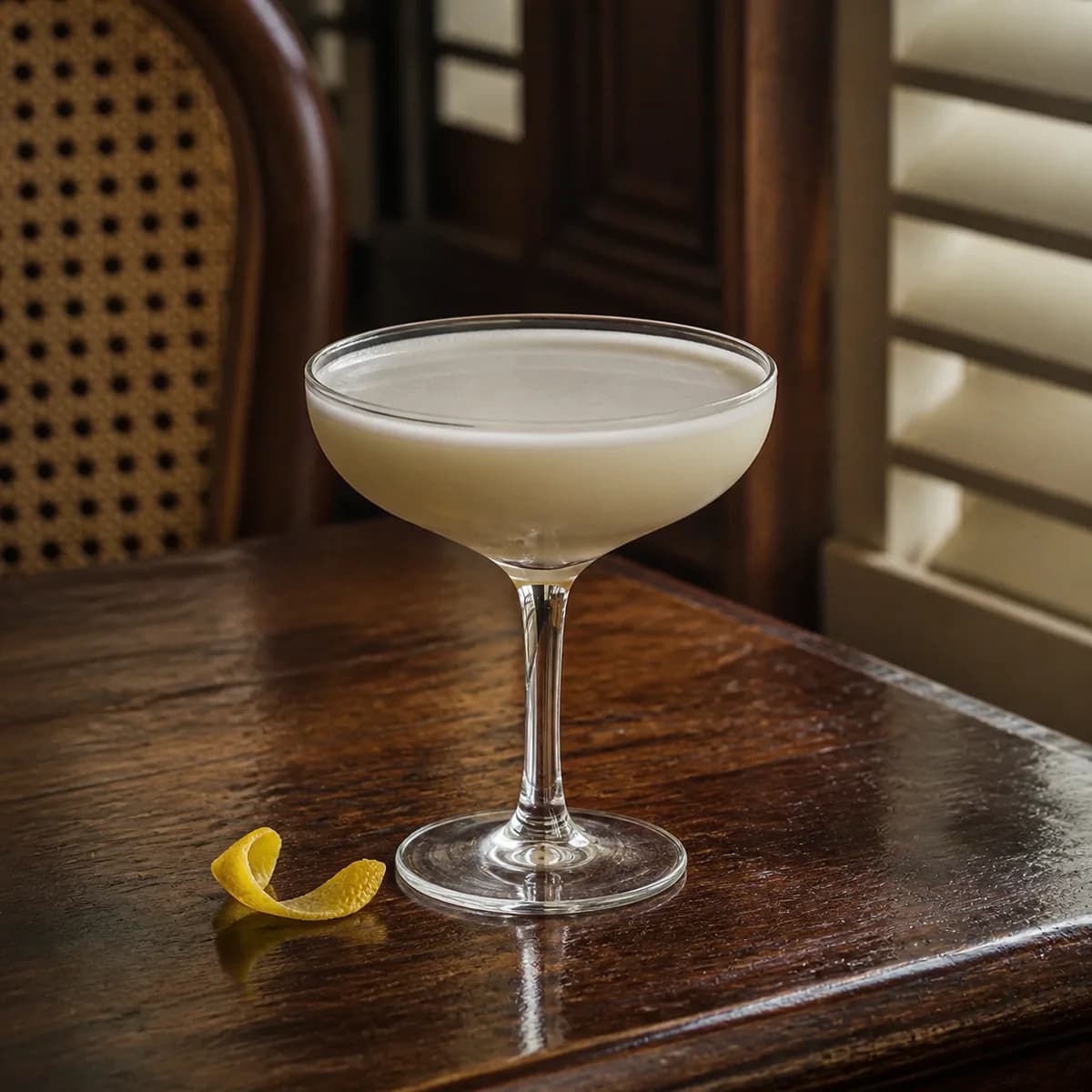
Bee’s Kiss
A silky rum flip without the egg: white rum shaken with cream and honey. A gentle, dessert-like sipper.
View recipe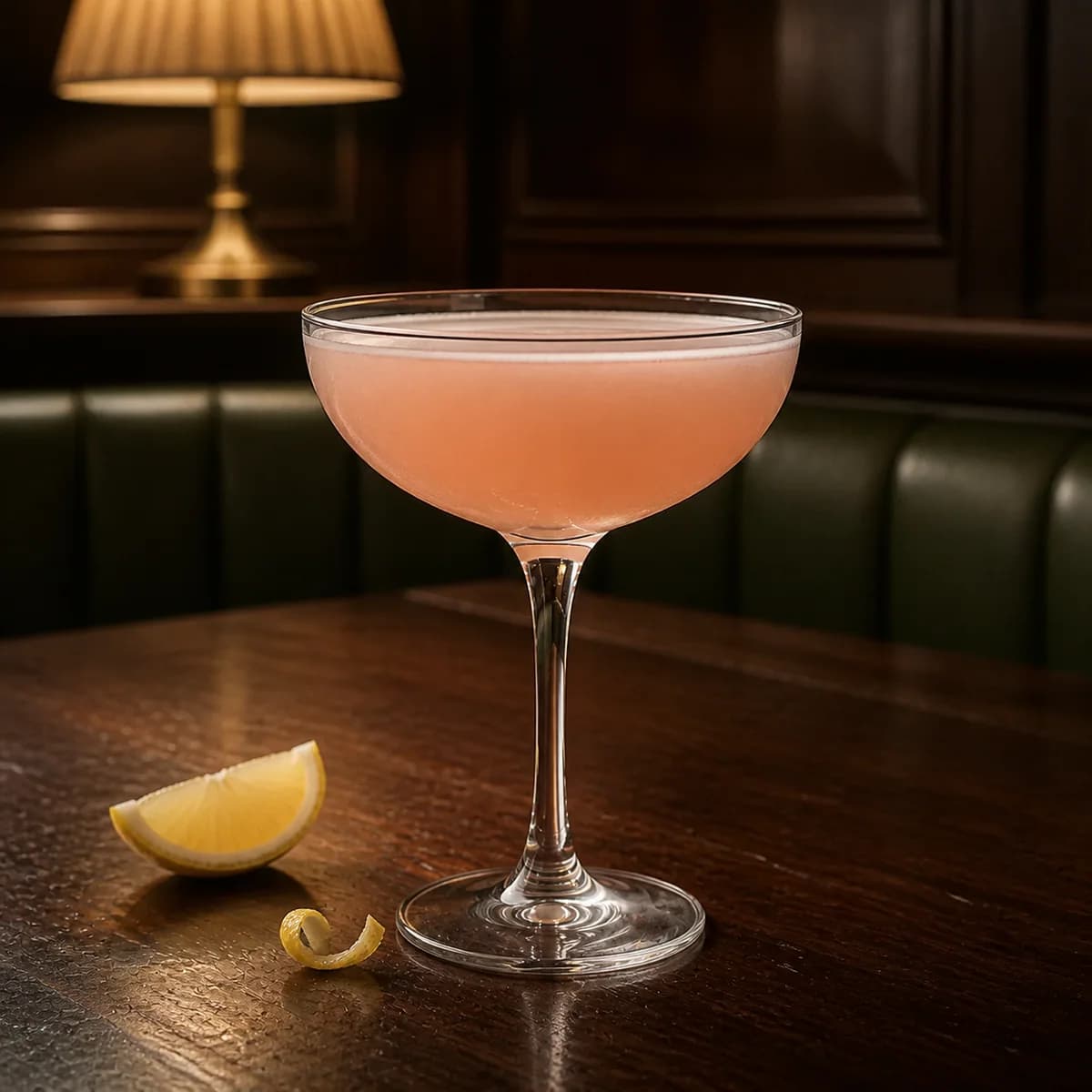
Clover Club
A pre-Prohibition gin sour with raspberry and egg white — pink, frothy and far more serious than it looks.
View recipe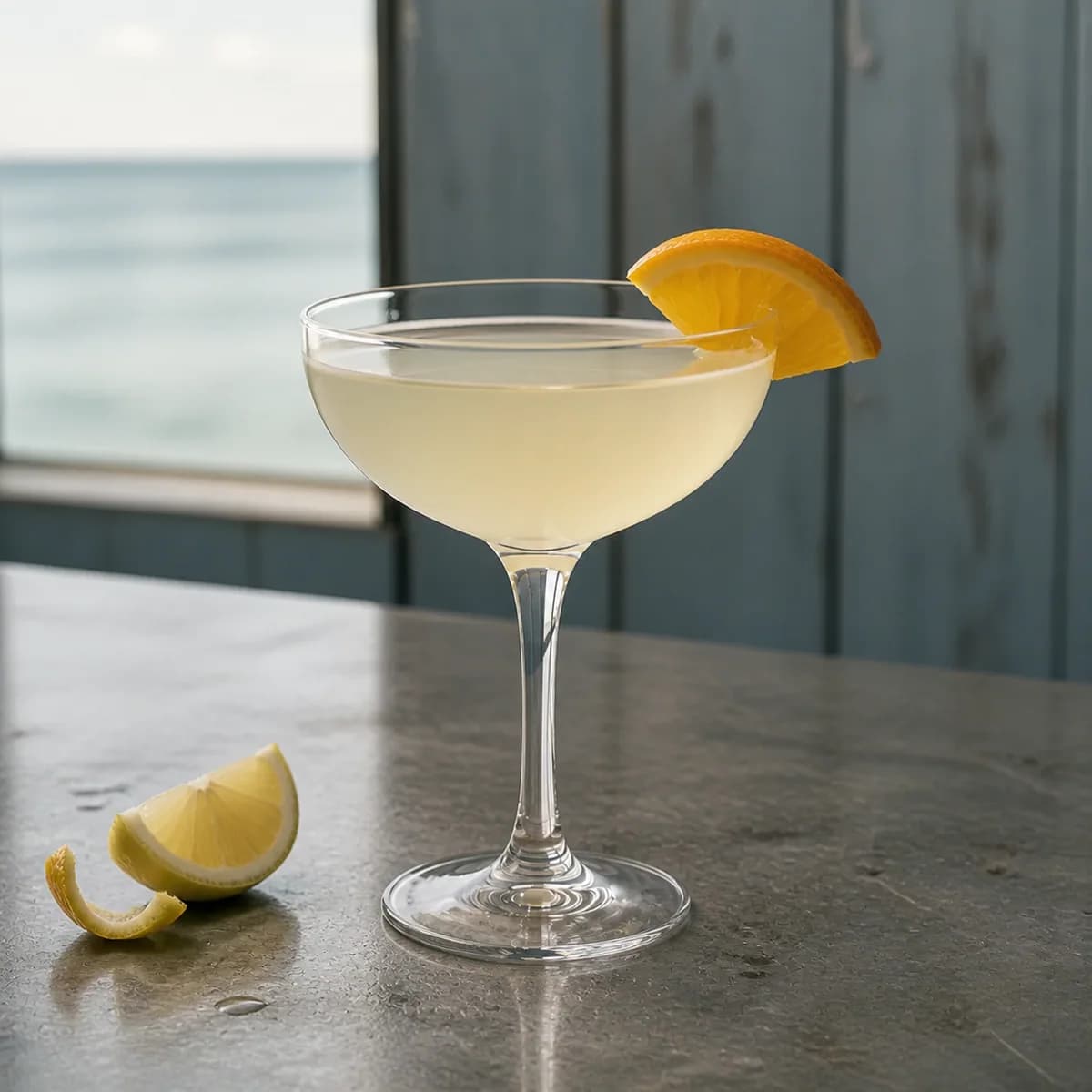
Corpse Reviver #2
The famous morning-after cure: equal parts gin, orange liqueur, blanc vermouth and lemon, with an absinthe rinse. Bright, dry and reviving.
View recipe