Classic cocktail · Guided recipe
Corpse Reviver #2
Start makingThe famous morning-after cure: equal parts gin, orange liqueur, blanc vermouth and lemon, with an absinthe rinse. Bright, dry and reviving.
In the glassAbsinthe · Gin · Triple sec / Cointreau · Blanc vermouth · Fresh lemon juice
See exact amounts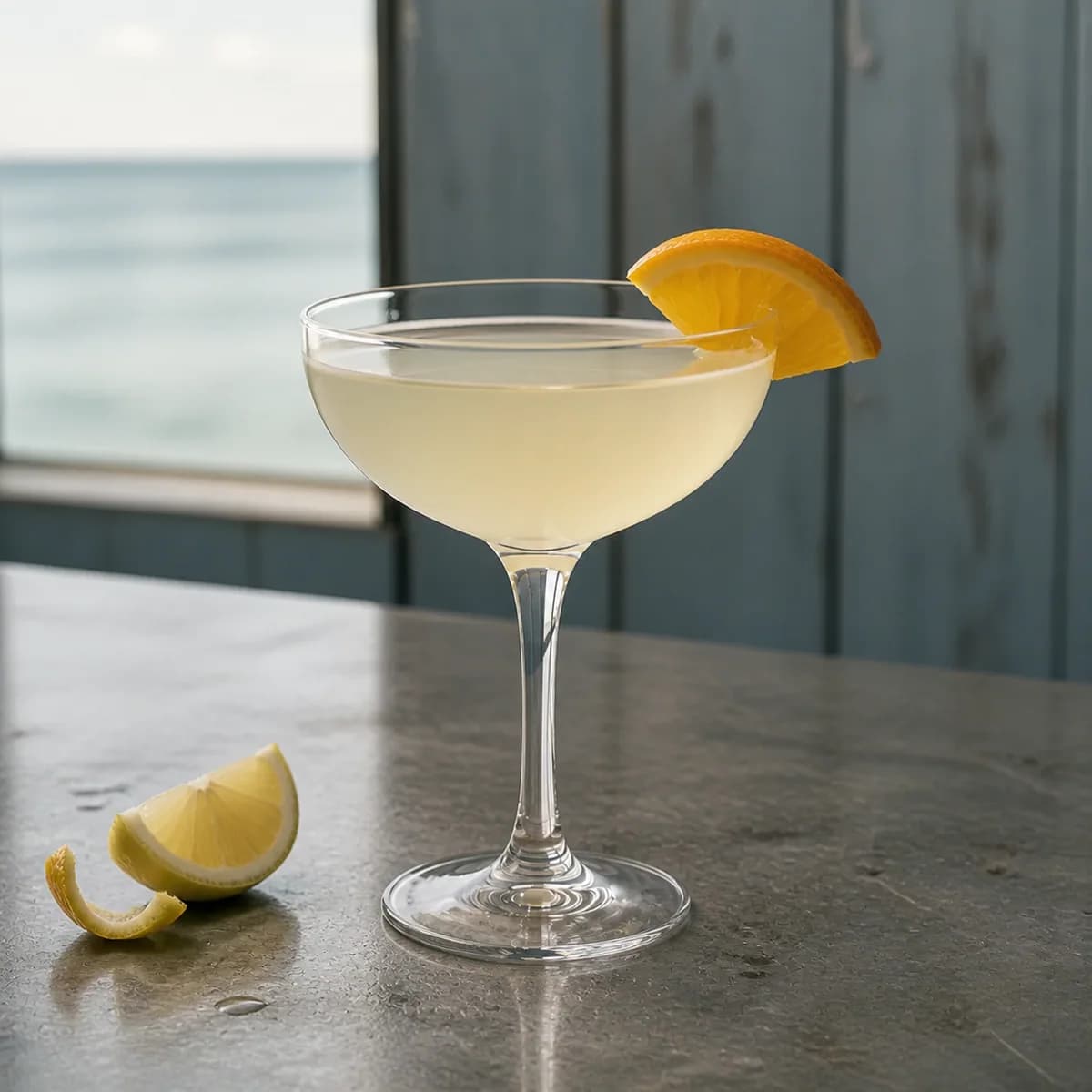
What goes in
Ingredients
Set up before you pour
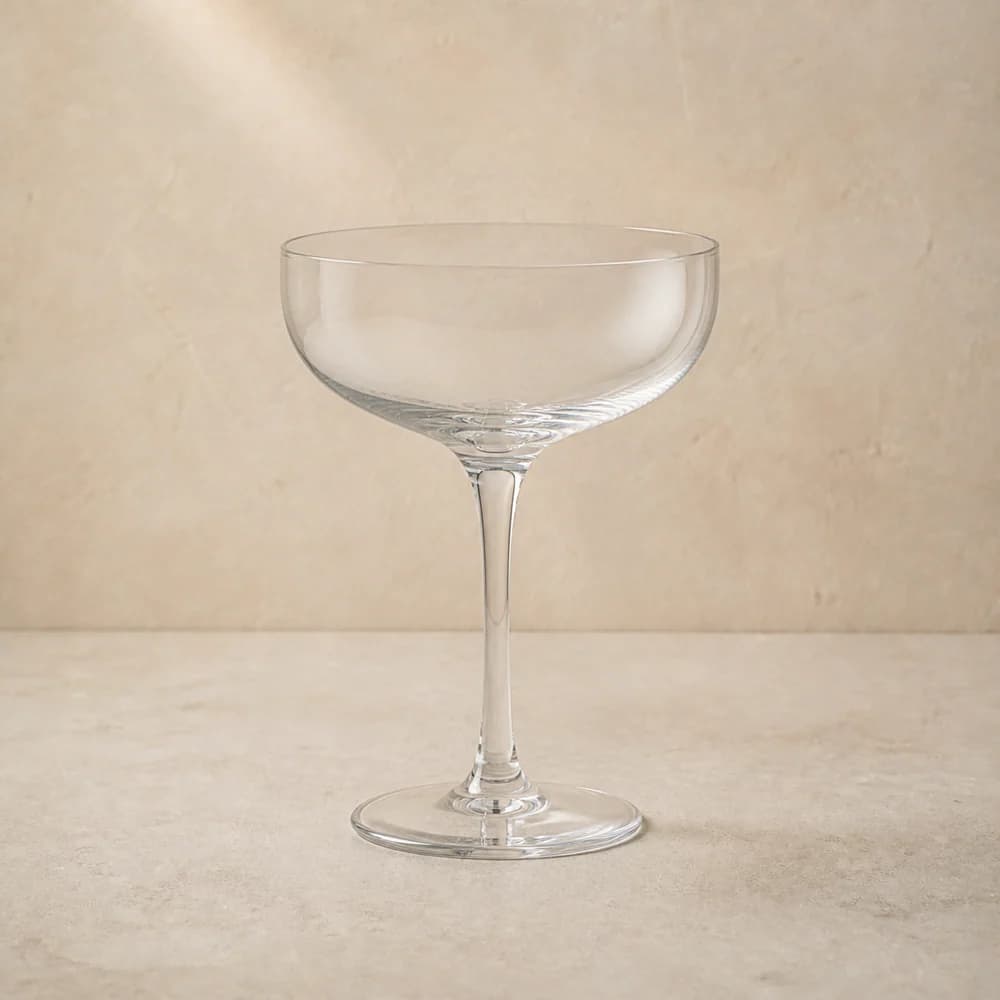
Use a coupe glass.
The stem keeps your hand away from a cold drink, while the rounded bowl makes an up serve easy to sip.
- Standard size
- 200 ml6¾ oz
- Ice & serve
- Chill it first; serve without ice.
- If you don’t own one
- Use a small martini glass or stemmed dessert glass.
- cocktail shaker
- strainer (or a small sieve)
- jigger or measuring spoon
- AbsintheRinse
- Gin22 ml
- Triple sec / Cointreau22 ml
- Blanc vermouth22 ml
- Fresh lemon juice22 ml
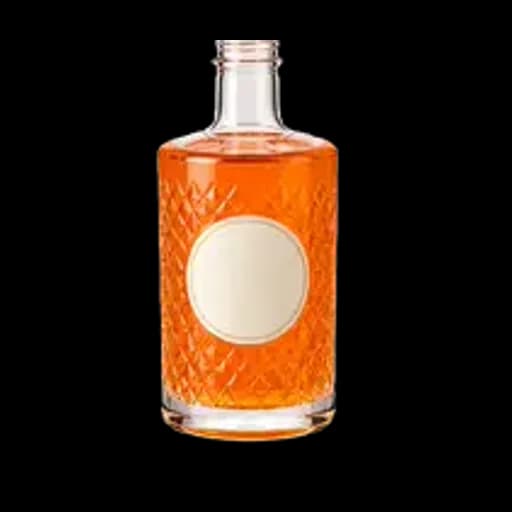
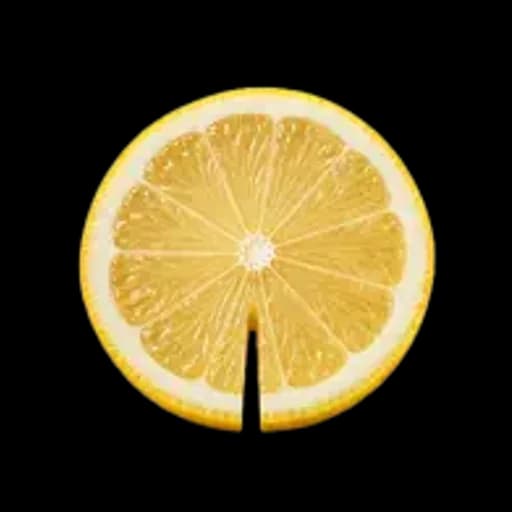
From bottle to glass
Method
- 01
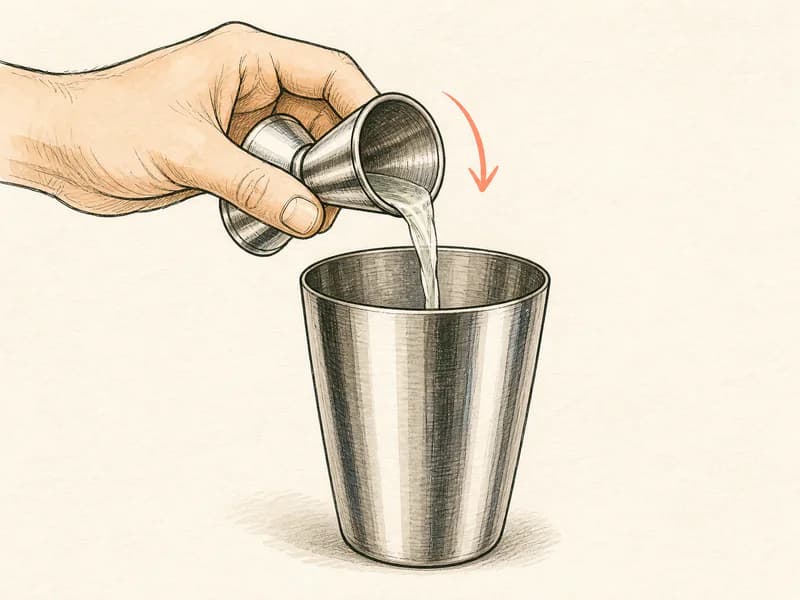
Measure into the shaker Pour absinthe, to rinse into your shaker
 Absinthe
- 02
Measure into the shaker Add 22 ml gin
 Gin
Gin
- 03
Measure into the shaker Add 22 ml triple sec / cointreau
 Triple sec / Cointreau
- 04
Measure into the shaker Add 22 ml blanc vermouth
- Blanc vermouth
- 05
Measure into the shaker Add 22 ml fresh lemon juice
 Fresh lemon juice
- 06
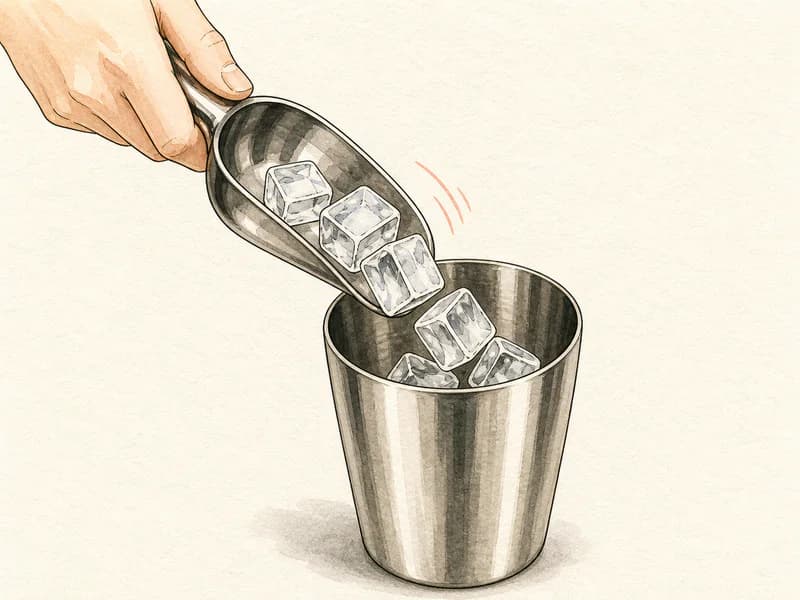
Ice the shaker Fill the shaker with ice
- 07
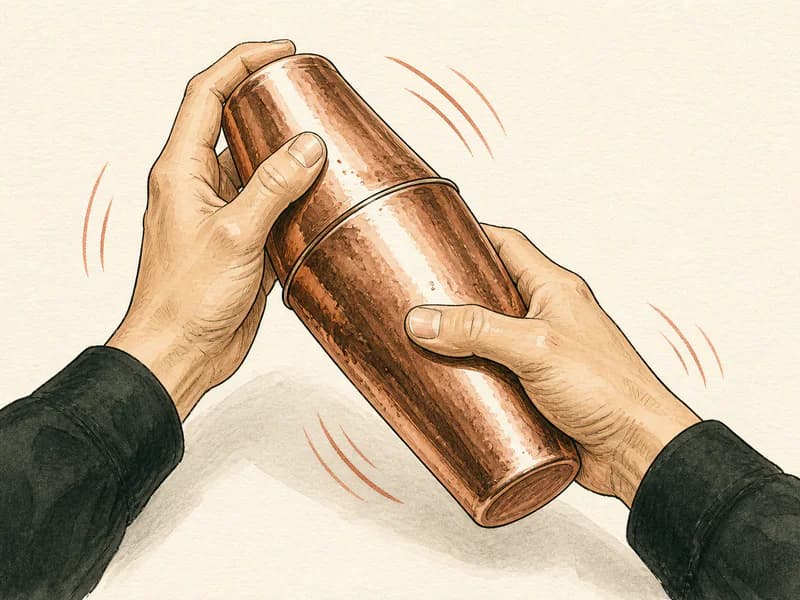
Seal and shake Seal and shake hard
- 08
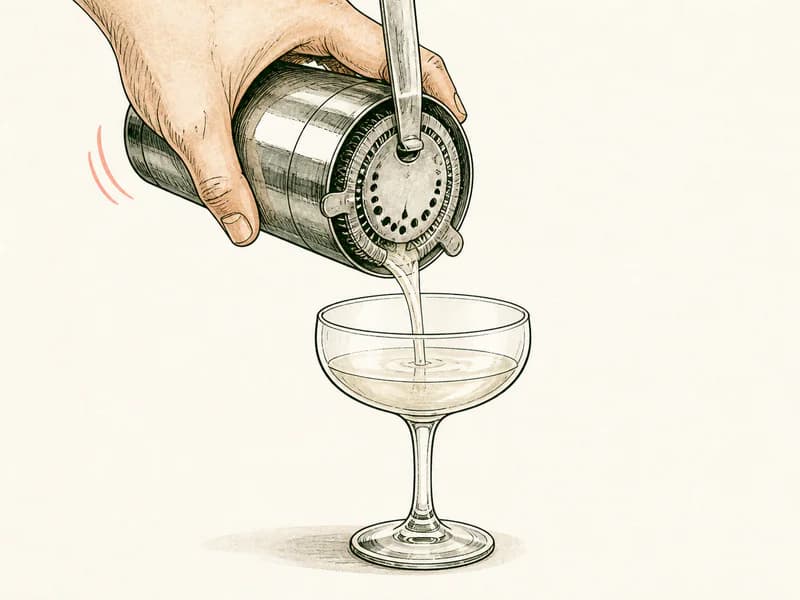
Strain cleanly Strain into a chilled glass — no ice
- 09
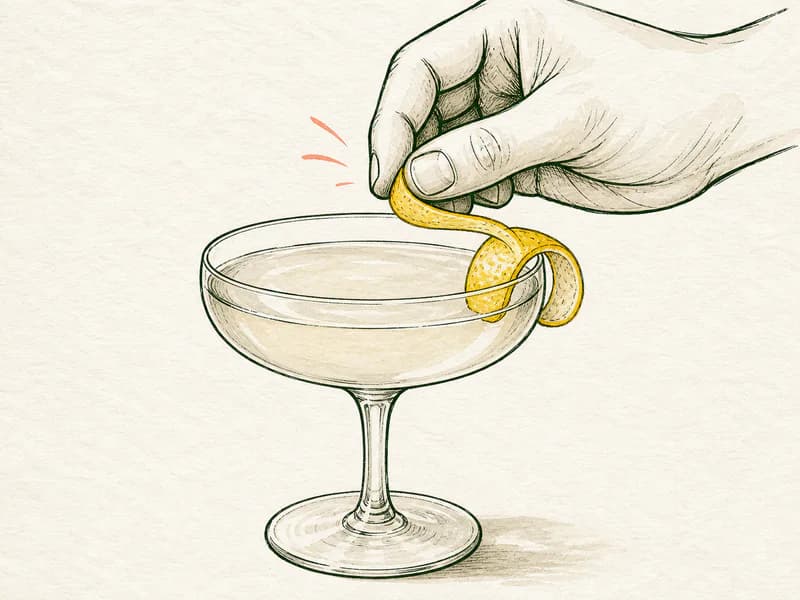
Finish the drink Finish it — add a lemon twist
Know your drink
About the Corpse Reviver #2
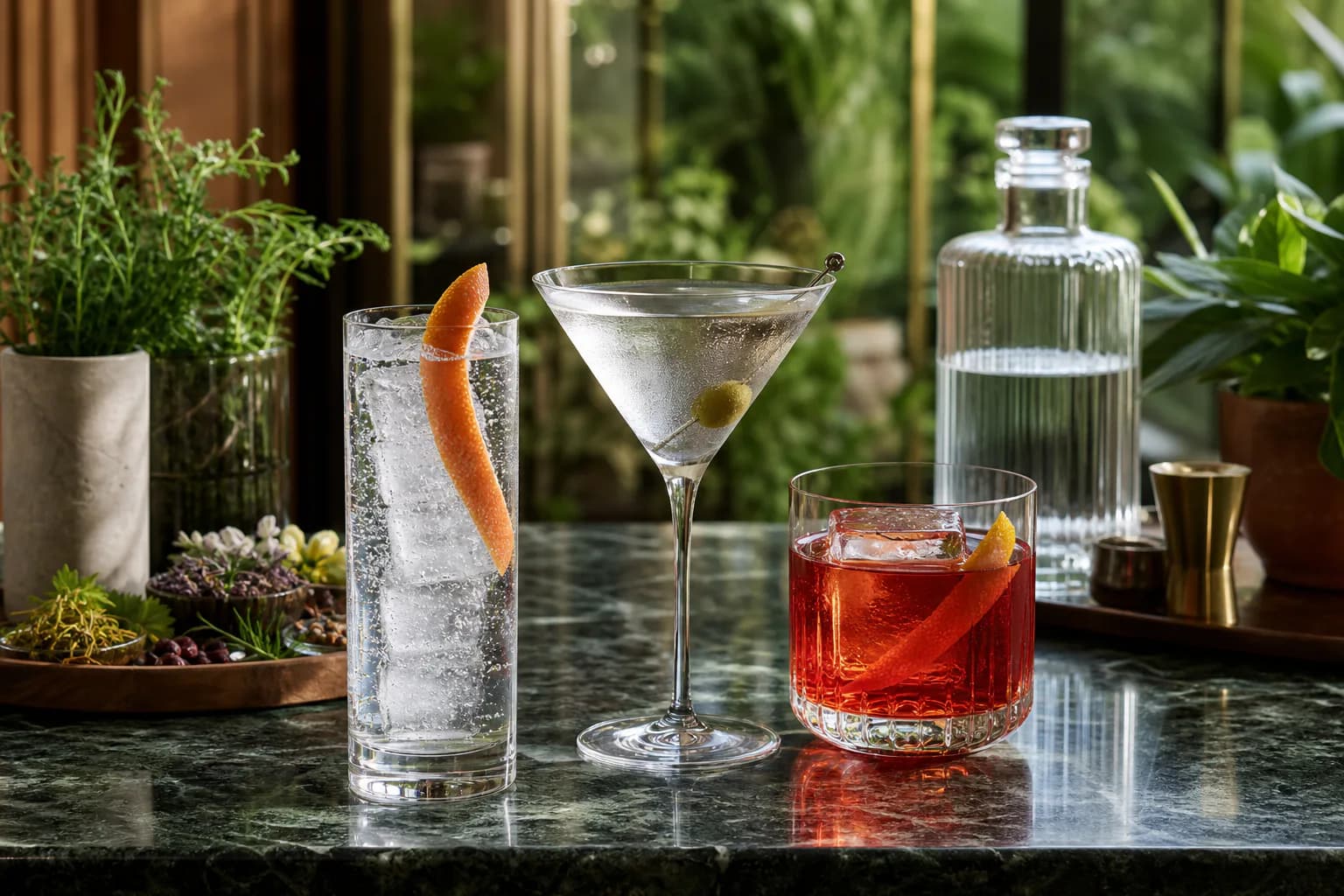
Four in swift succession
Harry Craddock's Savoy Cocktail Book printed the recipe in 1930 with a warning attached: four taken in swift succession will unrevive the corpse again. He was right about the mechanism. Four liquids in equal measure, only one of them lemon juice, tastes like a soft drink and lands like a Martini.
Craddock specified Kina Lillet, an aperitif wine with real quinine bitterness that no longer exists in that form. Lillet Blanc today is rounder and sweeter. If your version tastes like sweet lemonade, that missing bitterness is the reason, and switching to Cocchi Americano fixes it in one move.
Common questions
Corpse Reviver #2 FAQ
How much absinthe is a rinse?
Two or three milliliters, swirled around a chilled coupe and tipped out. The film left behind is enough. Measured in properly, absinthe takes over inside two sips and the anise buries the lemon, which is the single most common way this drink gets ruined.
What can I use instead of absinthe?
Pastis or Pernod will do the job, though both are sweeter and heavier on licorice, so use even less. Herbsaint sits closer in style. If you have none of them, leave it out rather than reaching for ouzo — the drink still works, just quieter.
Which orange liqueur makes the biggest difference?
A large one. Cointreau is the reference and it's dry enough to keep an equal-parts build honest. Cheap triple sec is sweeter and thinner and tips the whole thing over. If that's what you have, cut it to 18 ml and add a little more lemon.
Is Lillet the same as blanc vermouth here?
Not identical. The original specified Kina Lillet, which carried more quinine bitterness than today's Lillet Blanc. Cocchi Americano is the closest widely sold stand-in and restores that bitter spine. Blanc vermouth works perfectly well and reads a touch softer and more herbal.
How strong is it, really?
Stronger than it tastes. Only one of the four equal measures is juice, and the citrus hides the rest completely. The name is a joke about hangover cures, and the printed advice about what happens if you drink four in a row was not entirely a joke.
What ingredients are in a Corpse Reviver #2?
A classic Corpse Reviver #2 calls for absinthe, to rinse Absinthe, 22 ml (0.75 oz) Gin, 22 ml (0.75 oz) Triple sec / Cointreau, 22 ml (0.75 oz) Blanc vermouth, 22 ml (0.75 oz) Fresh lemon juice. That single-serve spec scales cleanly — the recipe above converts it to oz and multiplies it for 2–4 drinks.
Is a Corpse Reviver #2 shaken or stirred?
A Corpse Reviver #2 is shaken — the rule of thumb is to shake anything with citrus juice. About 13 seconds with plenty of ice chills and dilutes it correctly.
Sharpen the technique
Skills used in this recipe
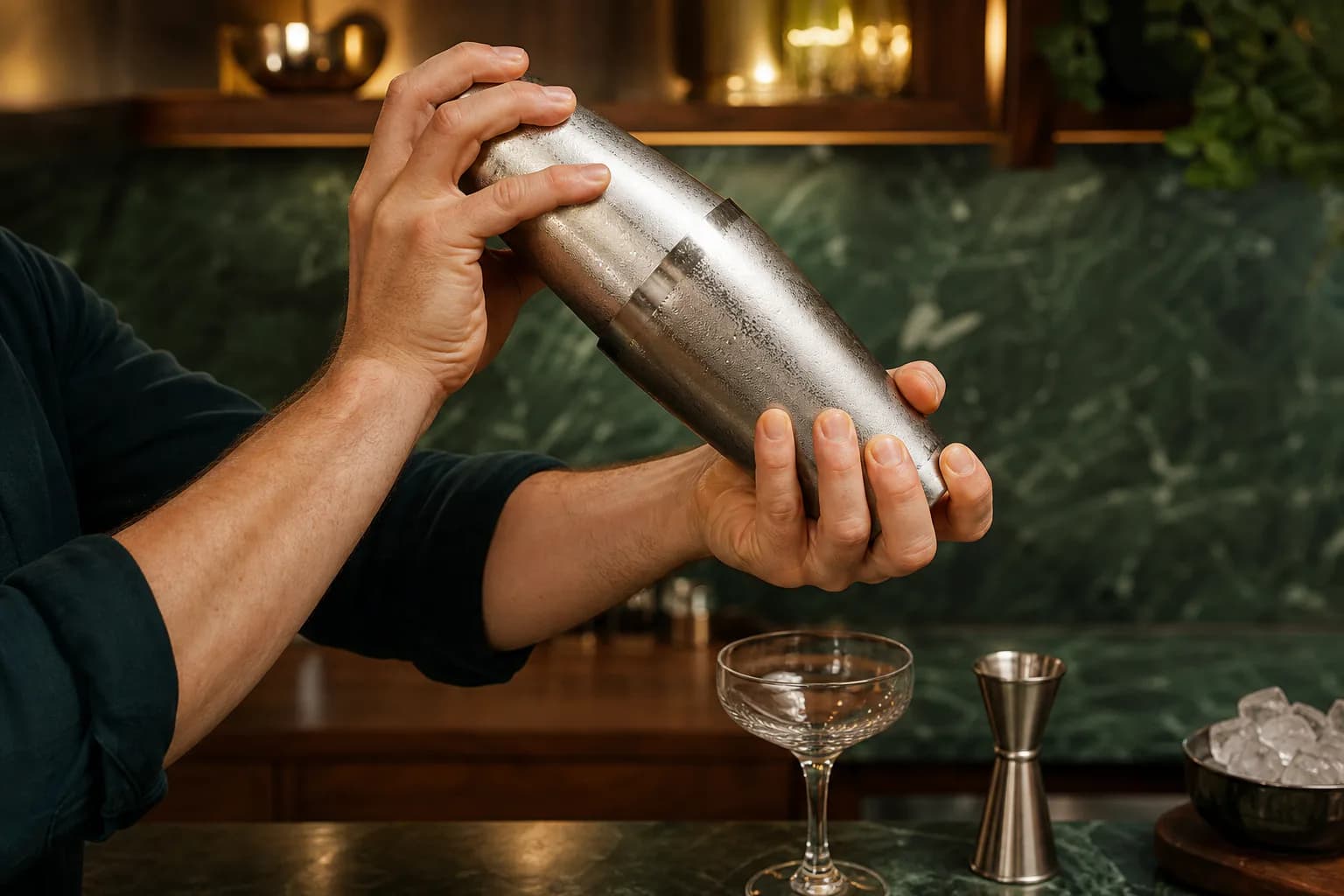
How to shake a cocktail properly
The grip, timing, ice and visual cues that make shaken drinks colder and brighter.
Read the guide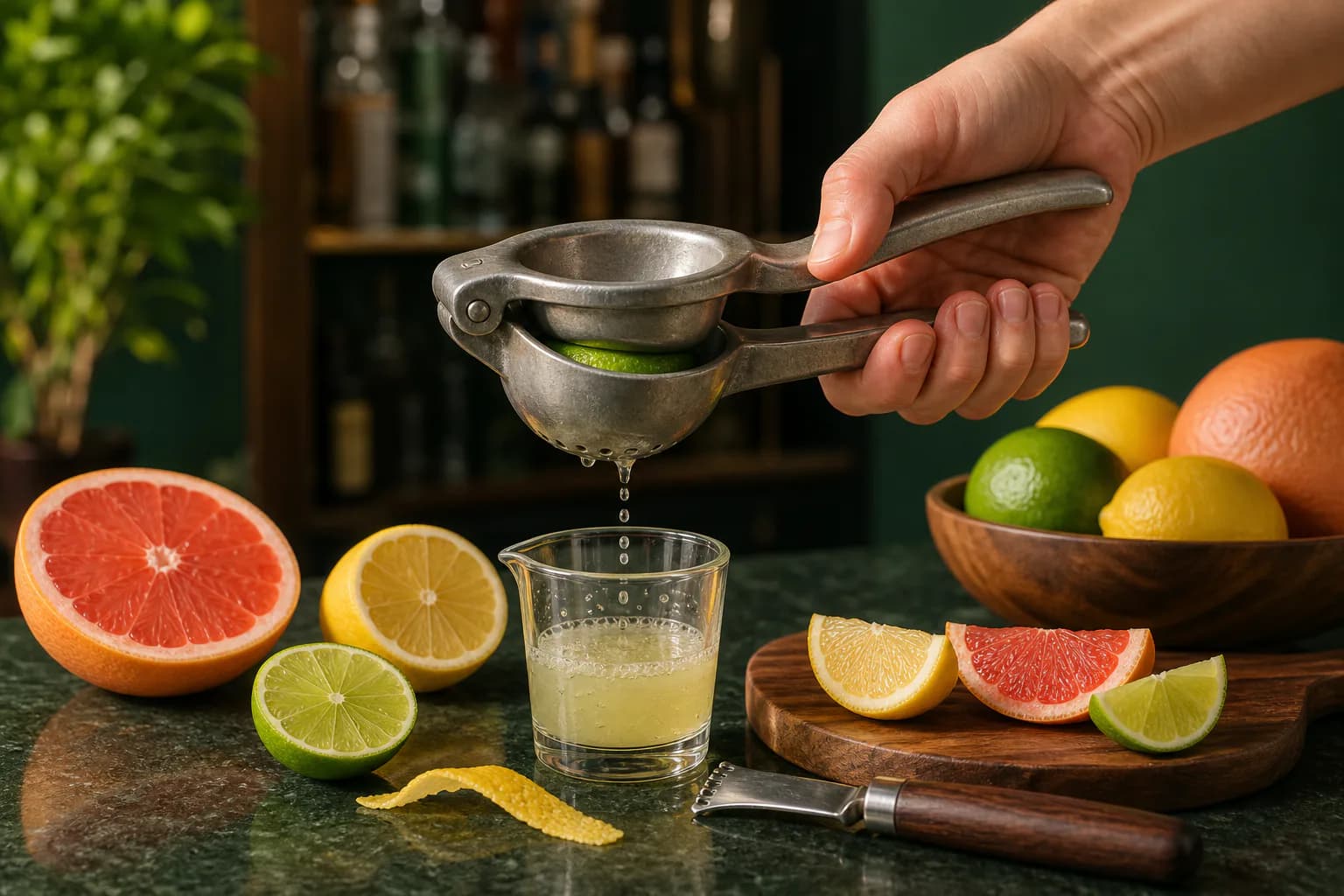
Fresh citrus for cocktails: juice, wedges and balance
Get brighter lime, lemon and grapefruit flavor with better prep and storage.
Read the guideWhere to go next
If you like the Corpse Reviver #2, try these.
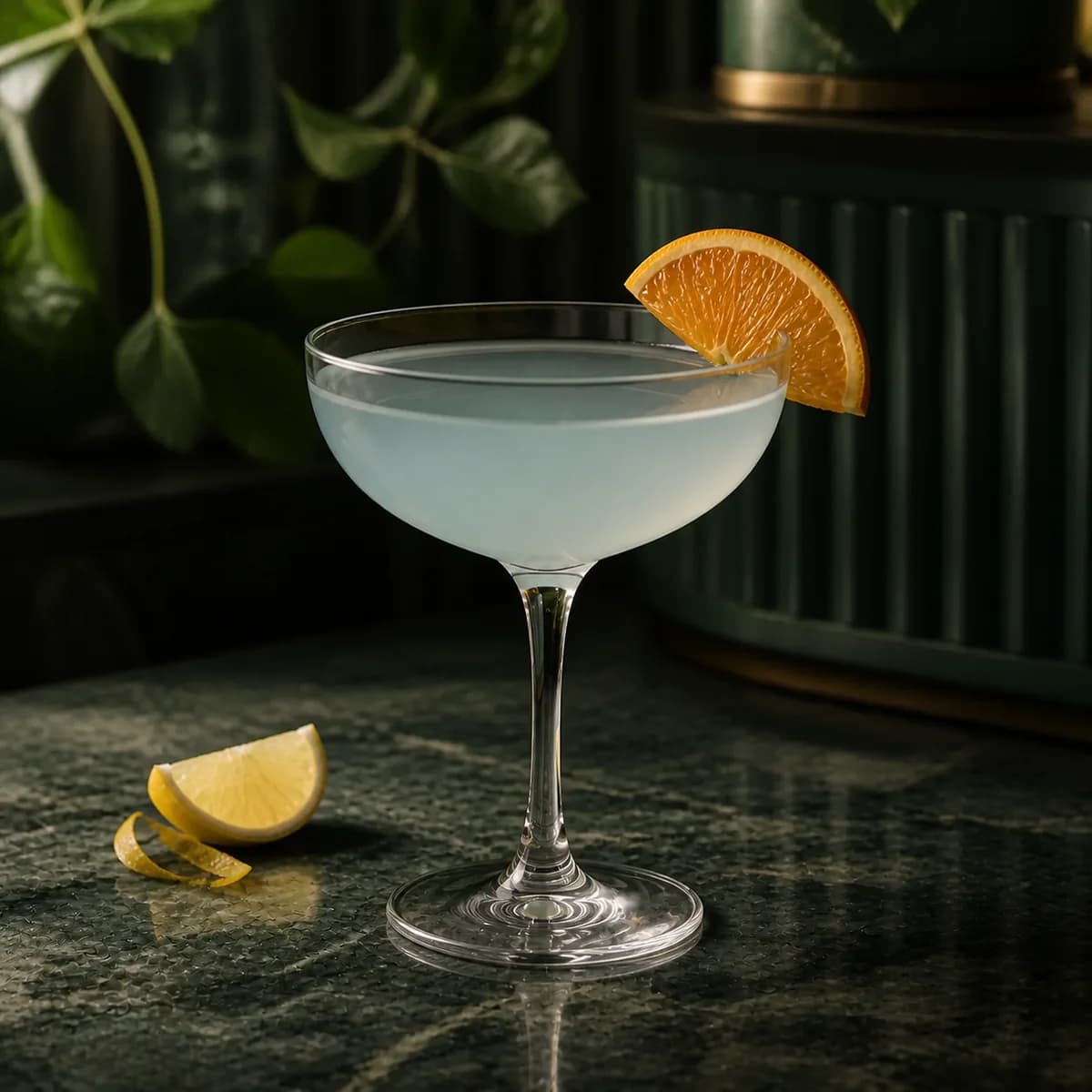
Corpse Reviver Bleu
The famous morning-after cure turned electric blue: blue curaçao stands in for the orange liqueur, with gin, blanc vermouth, lemon and an absinthe rinse.
View recipe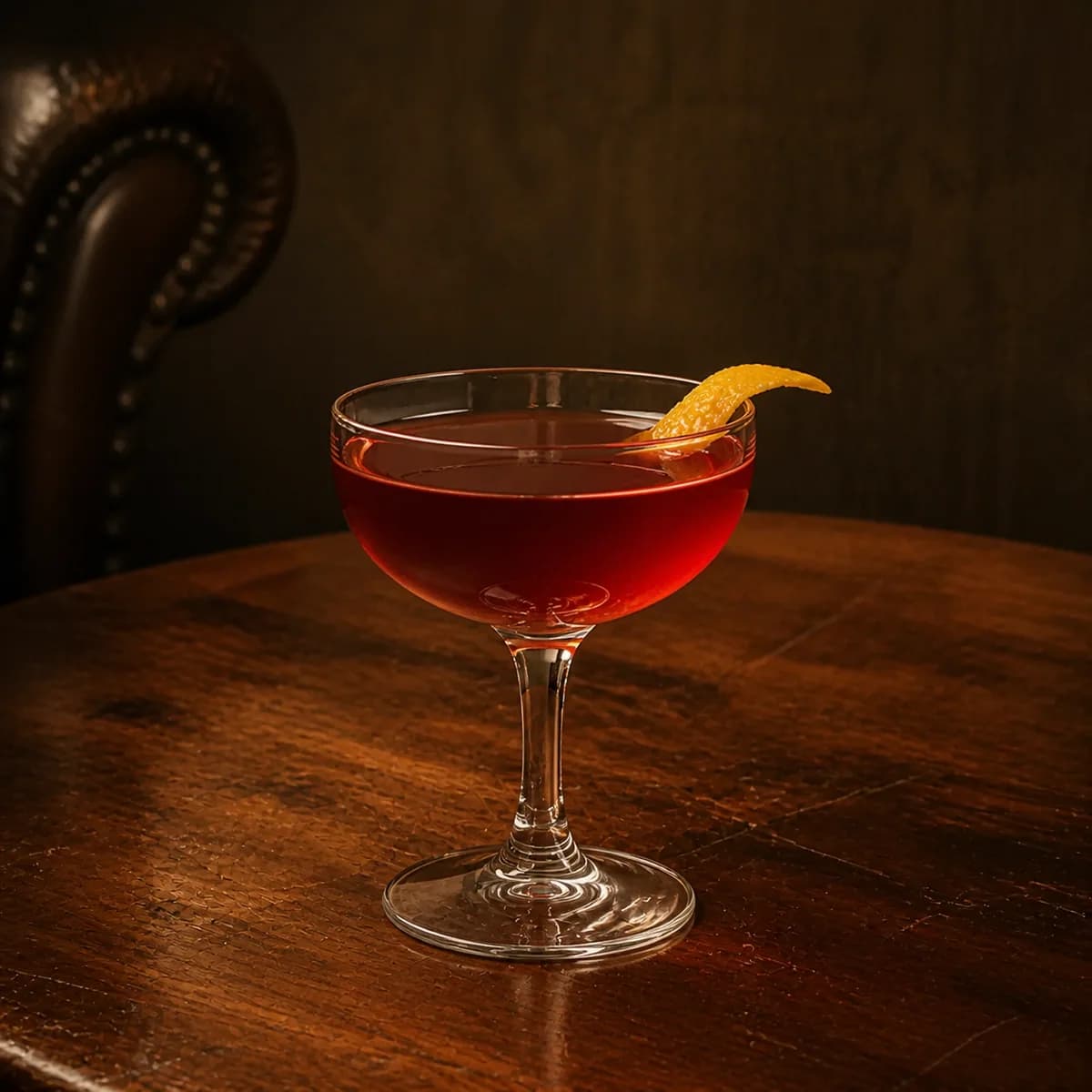
Corpse Reviver #1
The older, spirituous Corpse Reviver: cognac and apple brandy stiffened with sweet vermouth. Rich, warming and bracing.
View recipe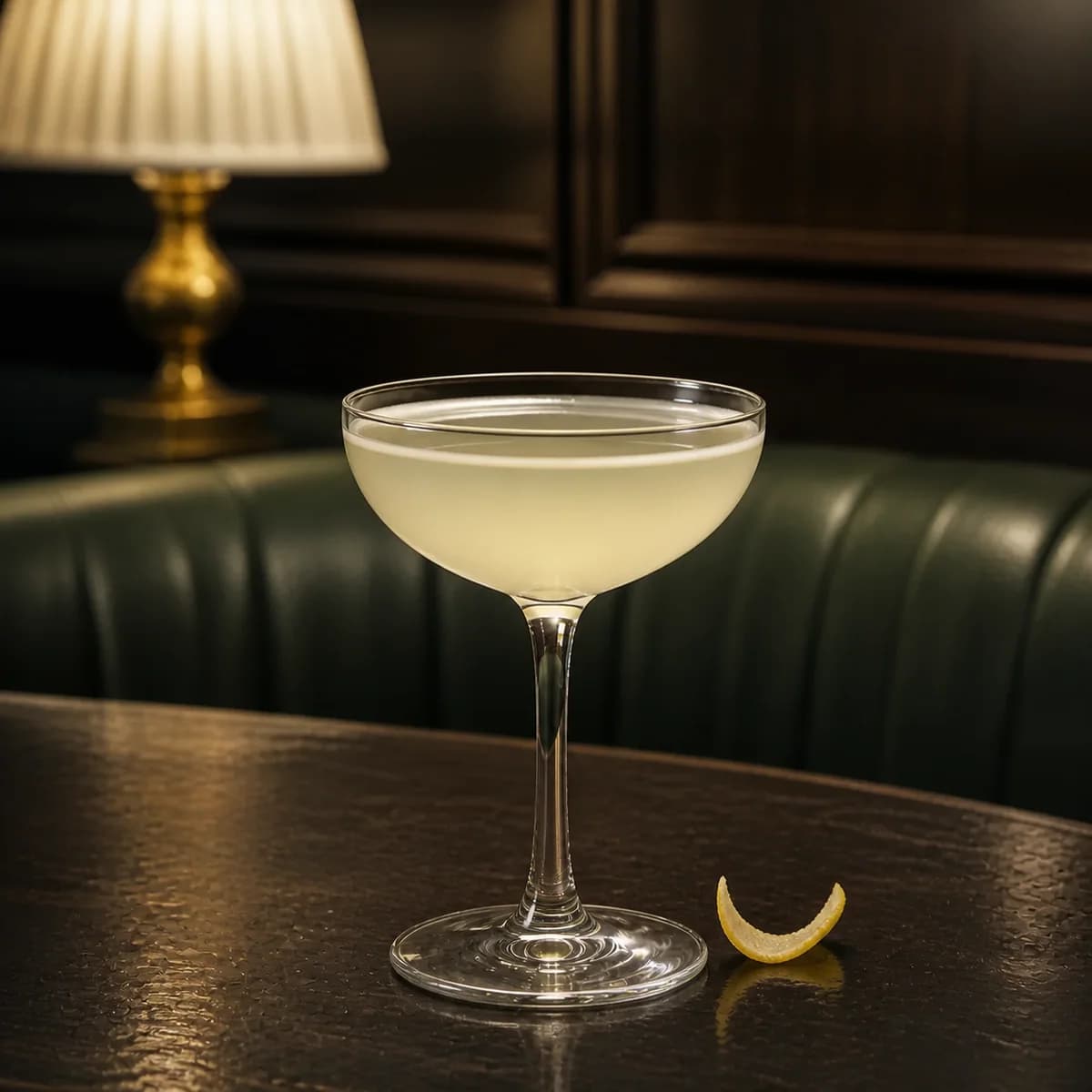
White Lady
Gin, orange liqueur and lemon, shaken up to a pale, elegant sour. A Harry Craddock classic from the Savoy.
View recipe