Classic cocktail · Guided recipe
Jasmine
Start makingA grapefruity gin sour with a bitter Campari edge — pale pink and quietly brilliant.
In the glassGin · Campari · Triple sec / Cointreau · Fresh lemon juice
See exact amounts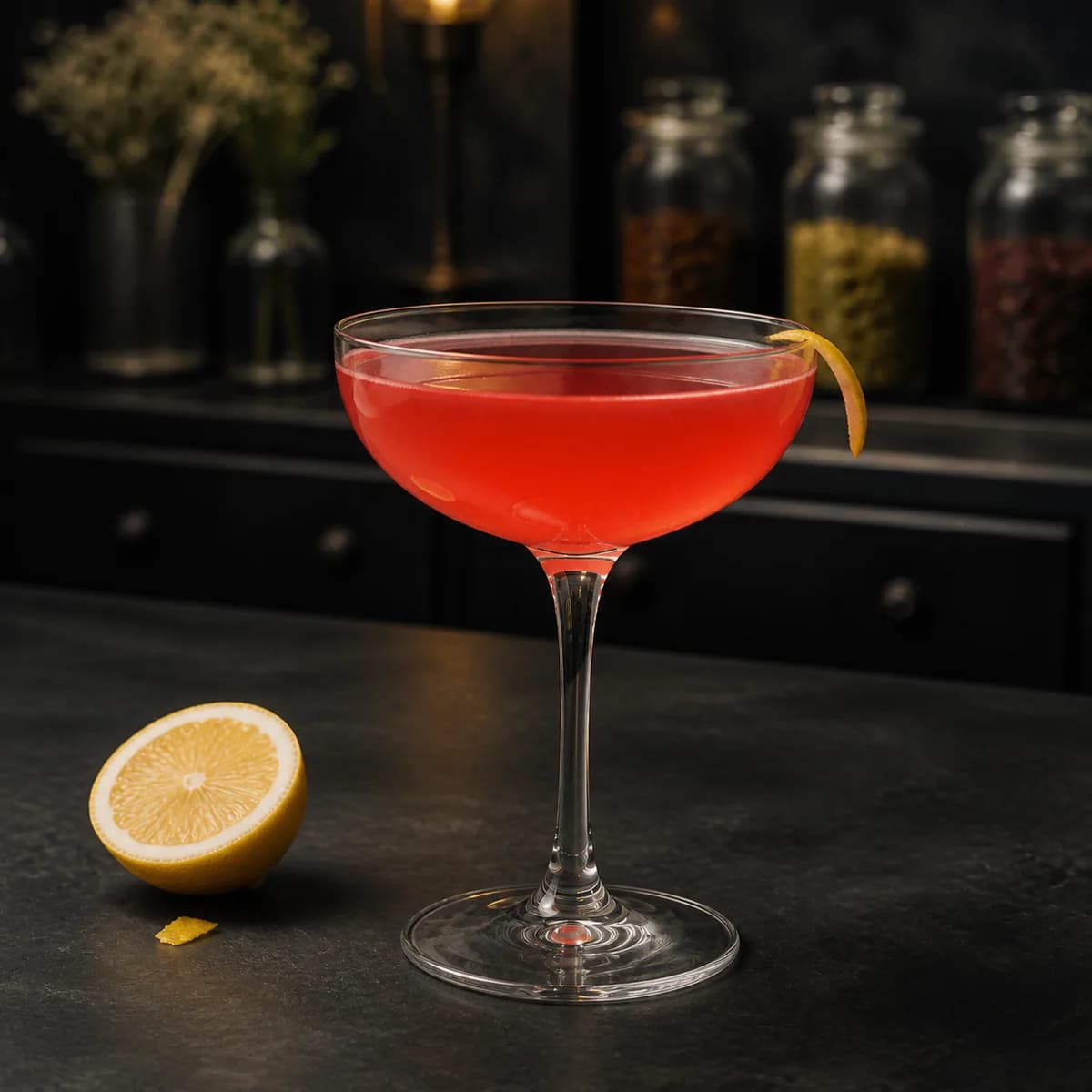
What goes in
Ingredients
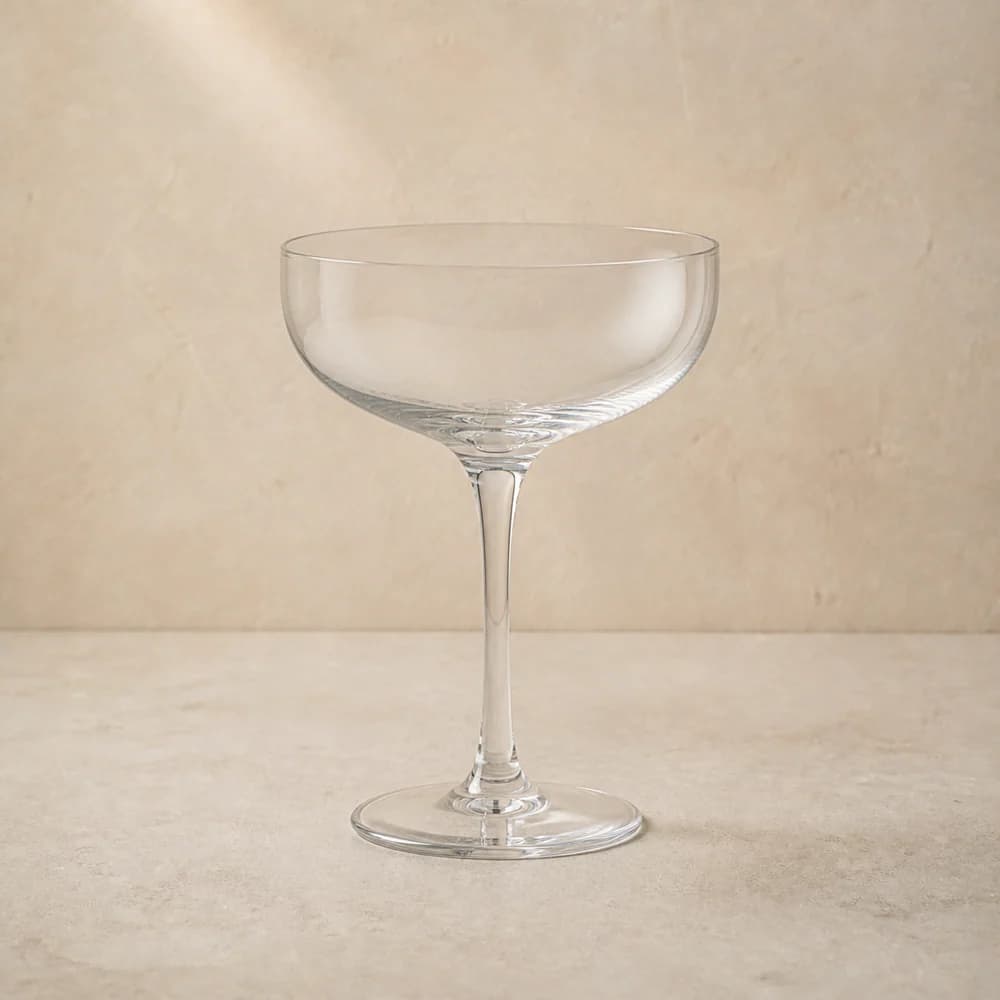
Set up before you pour
Use a coupe glass.
The stem keeps your hand away from a cold drink, while the rounded bowl makes an up serve easy to sip.
- Standard size
- 200 ml6¾ oz
- Ice & serve
- Chill it first; serve without ice.
- If you don’t own one
- Use a small martini glass or stemmed dessert glass.
- cocktail shaker
- strainer (or a small sieve)
- jigger or measuring spoon
- Gin45 ml
- Campari8 ml
- Triple sec / Cointreau8 ml
- Fresh lemon juice22 ml
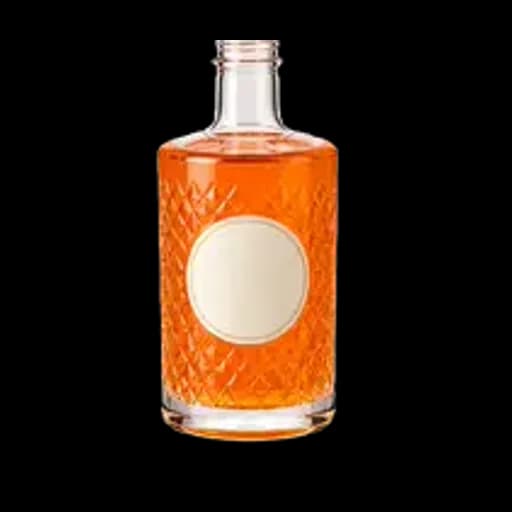

From bottle to glass
Method
- 01
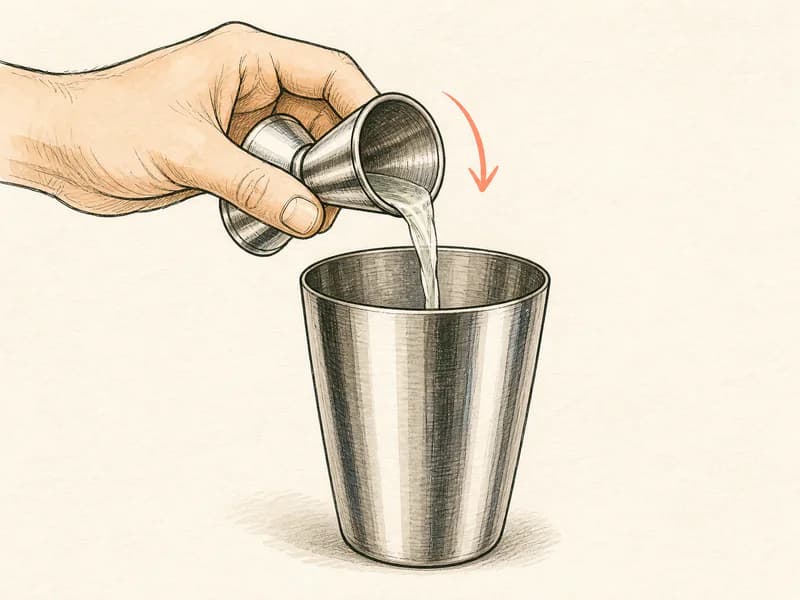
Measure into the shaker Pour 45 ml gin into your shaker
 Gin
Gin
- 02
Measure into the shaker Add 8 ml campari
 Campari
- 03
Measure into the shaker Add 8 ml triple sec / cointreau
 Triple sec / Cointreau
- 04
Measure into the shaker Add 22 ml fresh lemon juice
 Fresh lemon juice
- 05
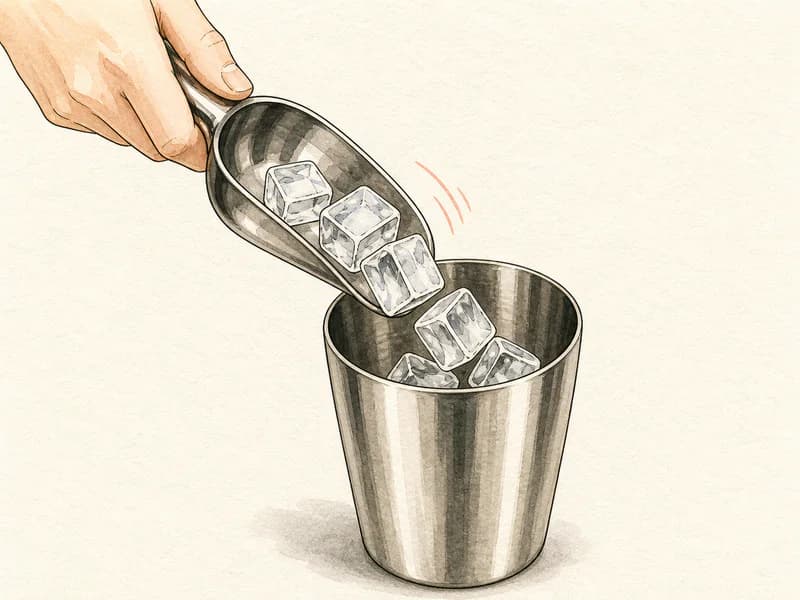
Ice the shaker Fill the shaker with ice
- 06
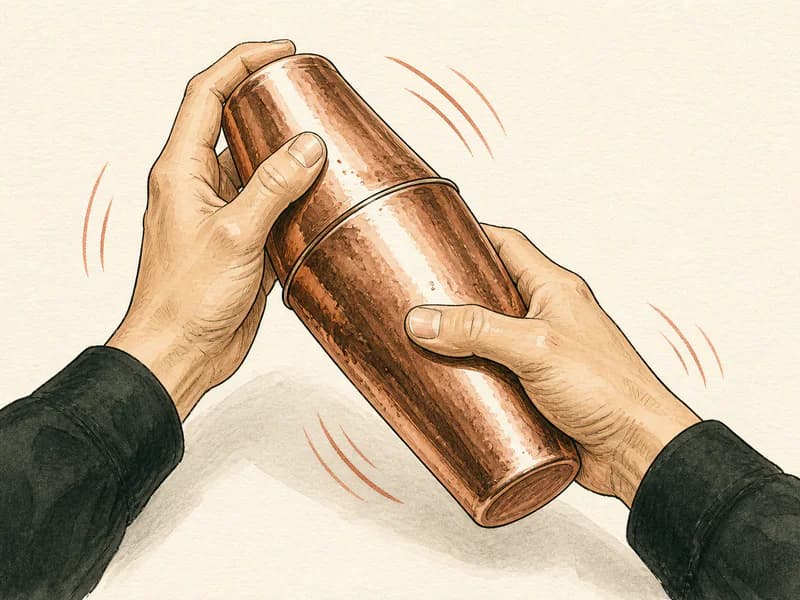
Seal and shake Seal and shake hard
- 07
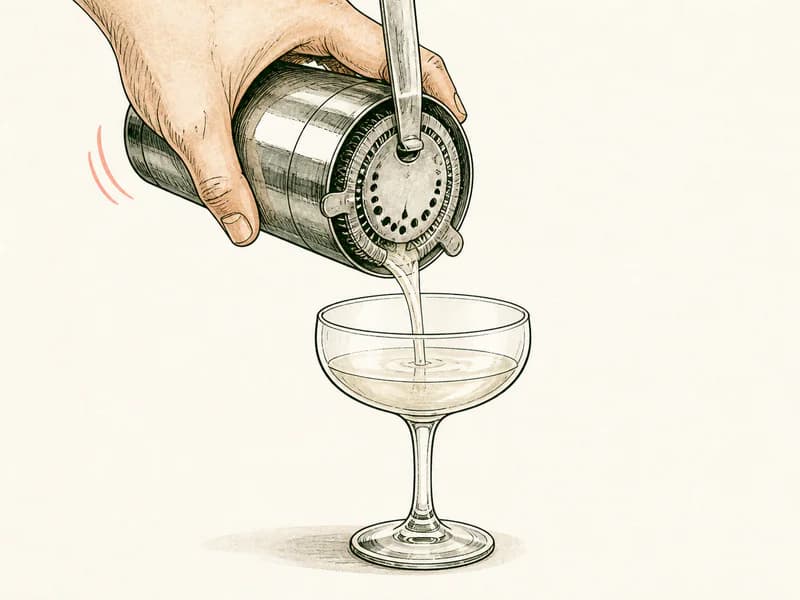
Strain cleanly Strain into a chilled glass — no ice
- 08
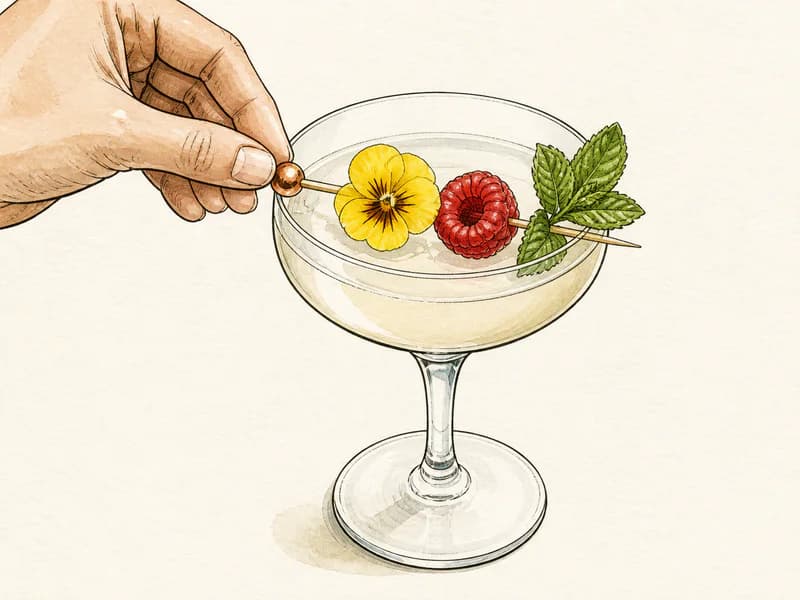
Finish the drink Finish it — add an edible flower pick
Know your drink
About the Jasmine
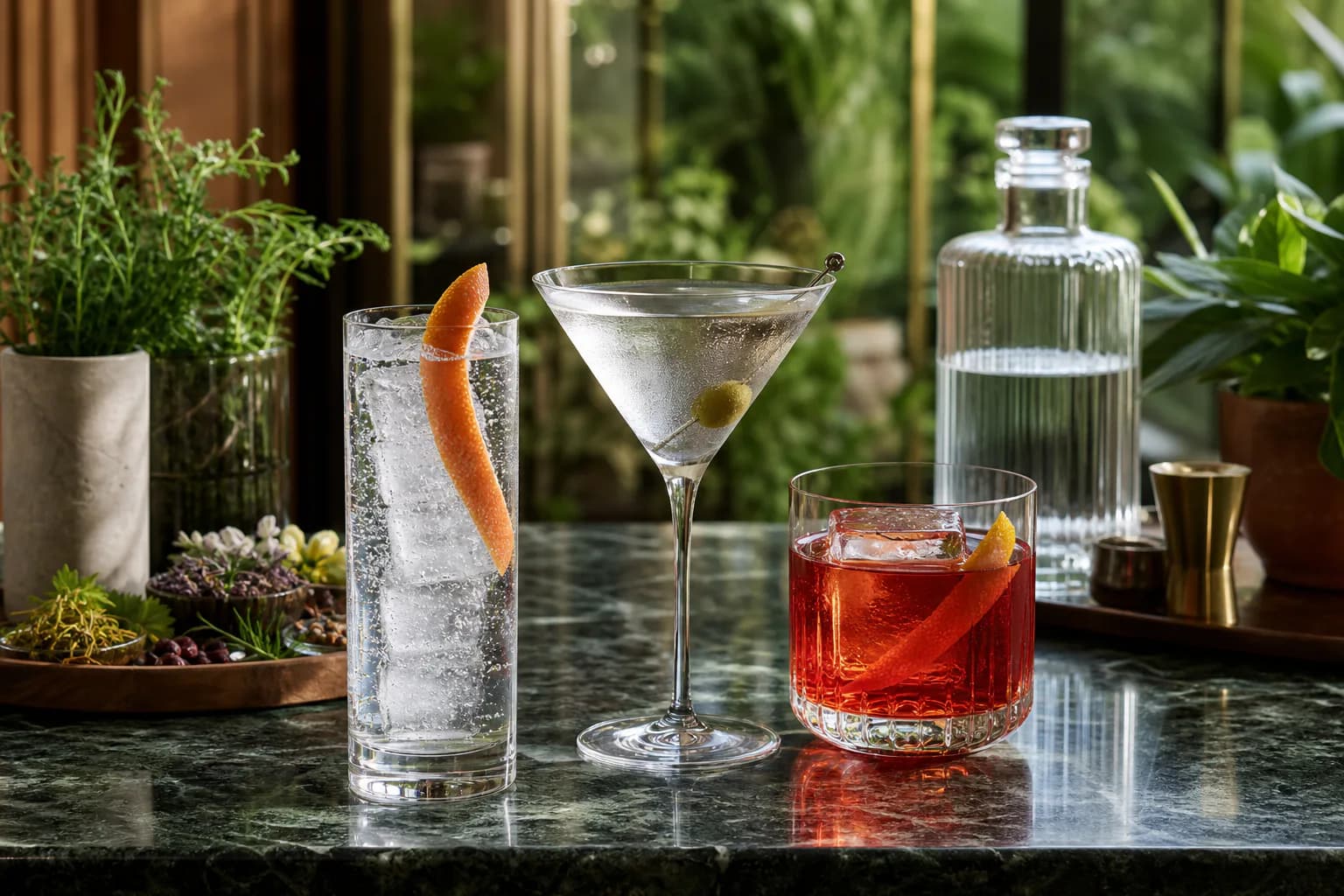
The grapefruit that isn't there
American bartender Paul Harrington put this together in the 1990s and named it for a friend, and it spread mostly by word of mouth among people who could not believe the ingredient list. Four things, none of them grapefruit, and it comes out tasting like a grapefruit sour. Very little else in the standard gin repertoire pulls that off.
Common questions
Jasmine FAQ
Where does the grapefruit flavor come from?
From the bitterness meeting the lemon. Campari's quinine-like edge lands in the same place on the palate that grapefruit pith does, and the orange liqueur supplies the rind note. Nobody adds grapefruit. If you do add it, the illusion collapses into something muddier and less interesting.
Is 8 ml of Campari really enough?
It's enough, and going past 15 ml wrecks it. At that point the drink turns properly red and the bitterness stops reading as fruit. Measure it rather than free-pouring. The gap between a pale pink Jasmine and a blunt bitter one is about two bar spoons.
What kind of gin suits it best?
A dry, juniper-led London style. The Campari and lemon leave very little room for a soft contemporary gin to show itself, and a floral one starts fighting the orange liqueur for the same space. Beefeater, Tanqueray or anything in that register holds the shape.
Would Aperol work in place of Campari?
It would, but you get a different drink. Aperol carries roughly half the bitterness and noticeably more sugar, so the grapefruit trick disappears and orange candy takes over. If Aperol is what's open, pour 15 ml of it and pull the orange liqueur back to a bar spoon.
What ingredients are in a Jasmine?
A classic Jasmine calls for 45 ml (1.5 oz) Gin, 8 ml (0.25 oz) Campari, 8 ml (0.25 oz) Triple sec / Cointreau, 22 ml (0.75 oz) Fresh lemon juice. That single-serve spec scales cleanly — the recipe above converts it to oz and multiplies it for 2–4 drinks.
How strong is a Jasmine?
A standard Jasmine is roughly 28% ABV once mixed (before ice melt softens it further). That makes it spirit-forward — closer to a Martini than to a beer, so sip it slowly.
Is a Jasmine shaken or stirred?
A Jasmine is shaken — the rule of thumb is to shake anything with citrus juice. About 13 seconds with plenty of ice chills and dilutes it correctly.
Sharpen the technique
Skills used in this recipe
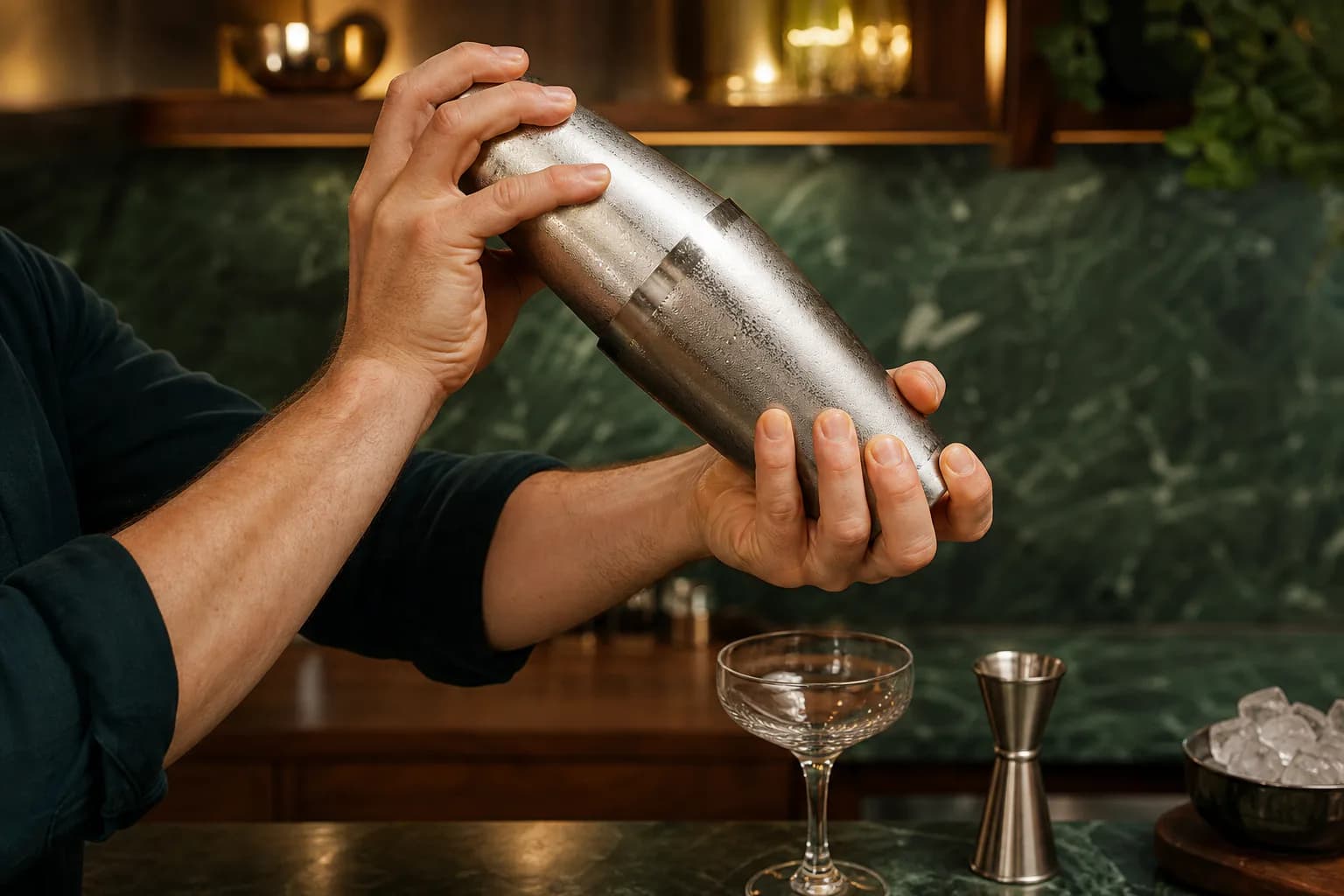
How to shake a cocktail properly
The grip, timing, ice and visual cues that make shaken drinks colder and brighter.
Read the guide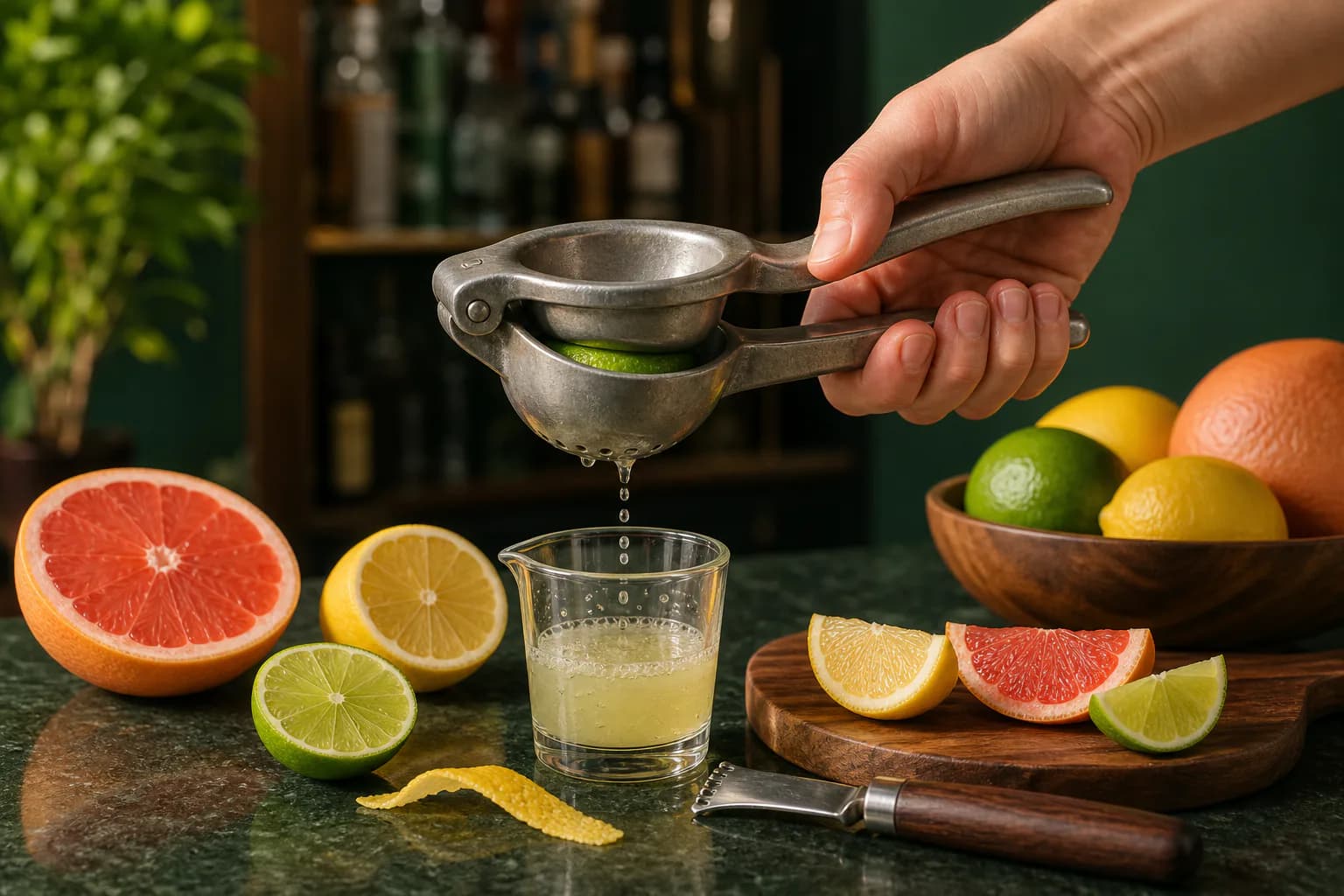
Fresh citrus for cocktails: juice, wedges and balance
Get brighter lime, lemon and grapefruit flavor with better prep and storage.
Read the guideWhere to go next
If you like the Jasmine, try these.
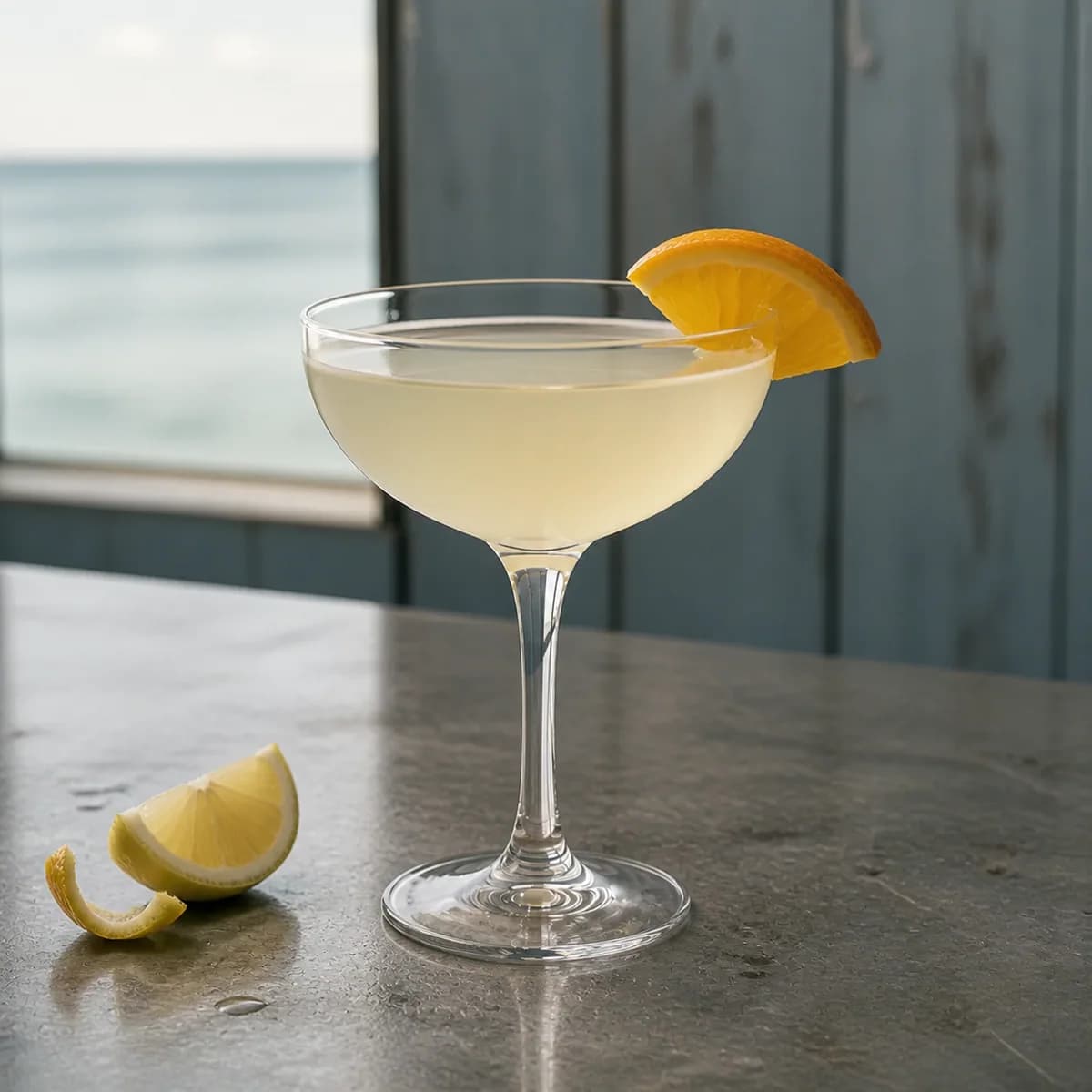
Corpse Reviver #2
The famous morning-after cure: equal parts gin, orange liqueur, blanc vermouth and lemon, with an absinthe rinse. Bright, dry and reviving.
View recipe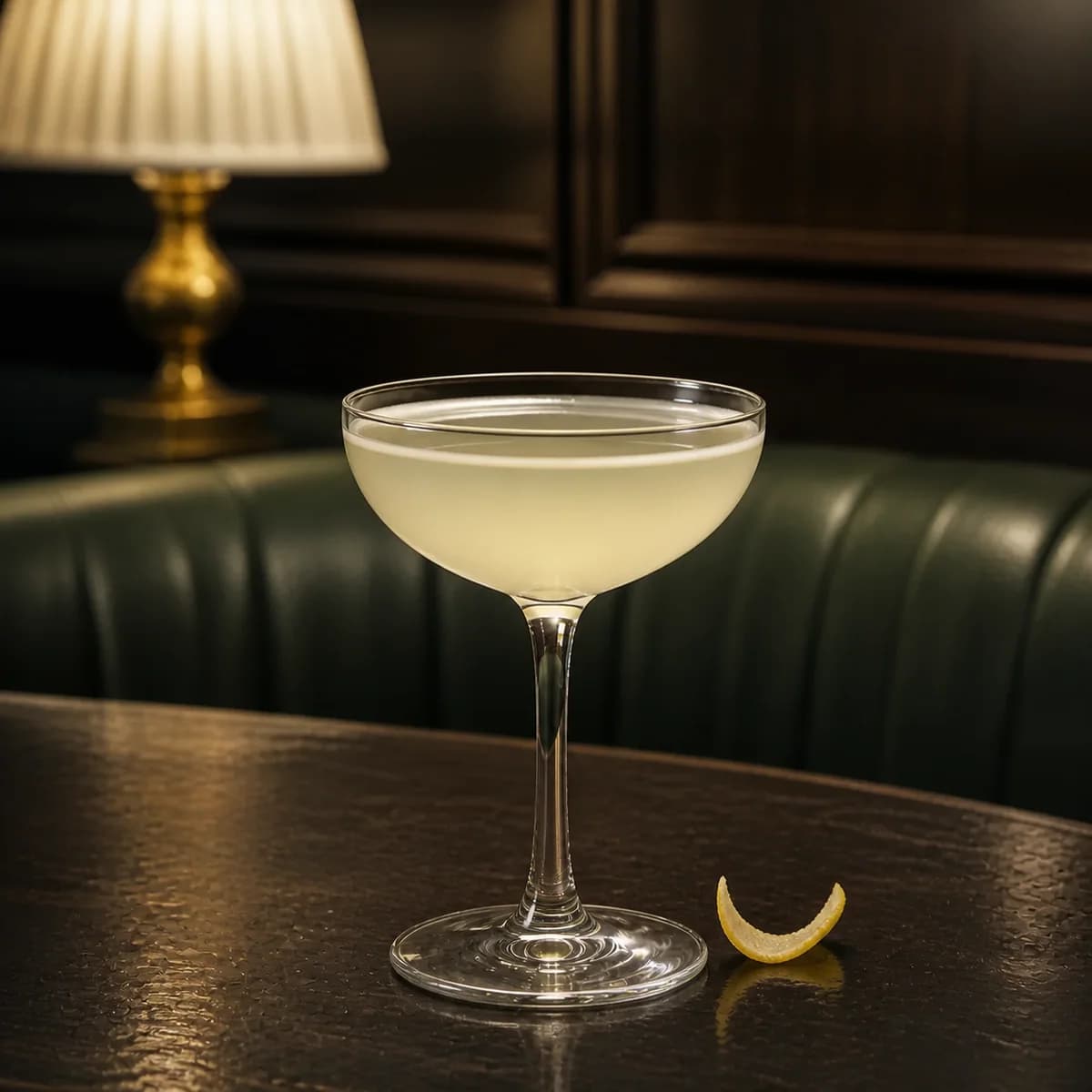
White Lady
Gin, orange liqueur and lemon, shaken up to a pale, elegant sour. A Harry Craddock classic from the Savoy.
View recipe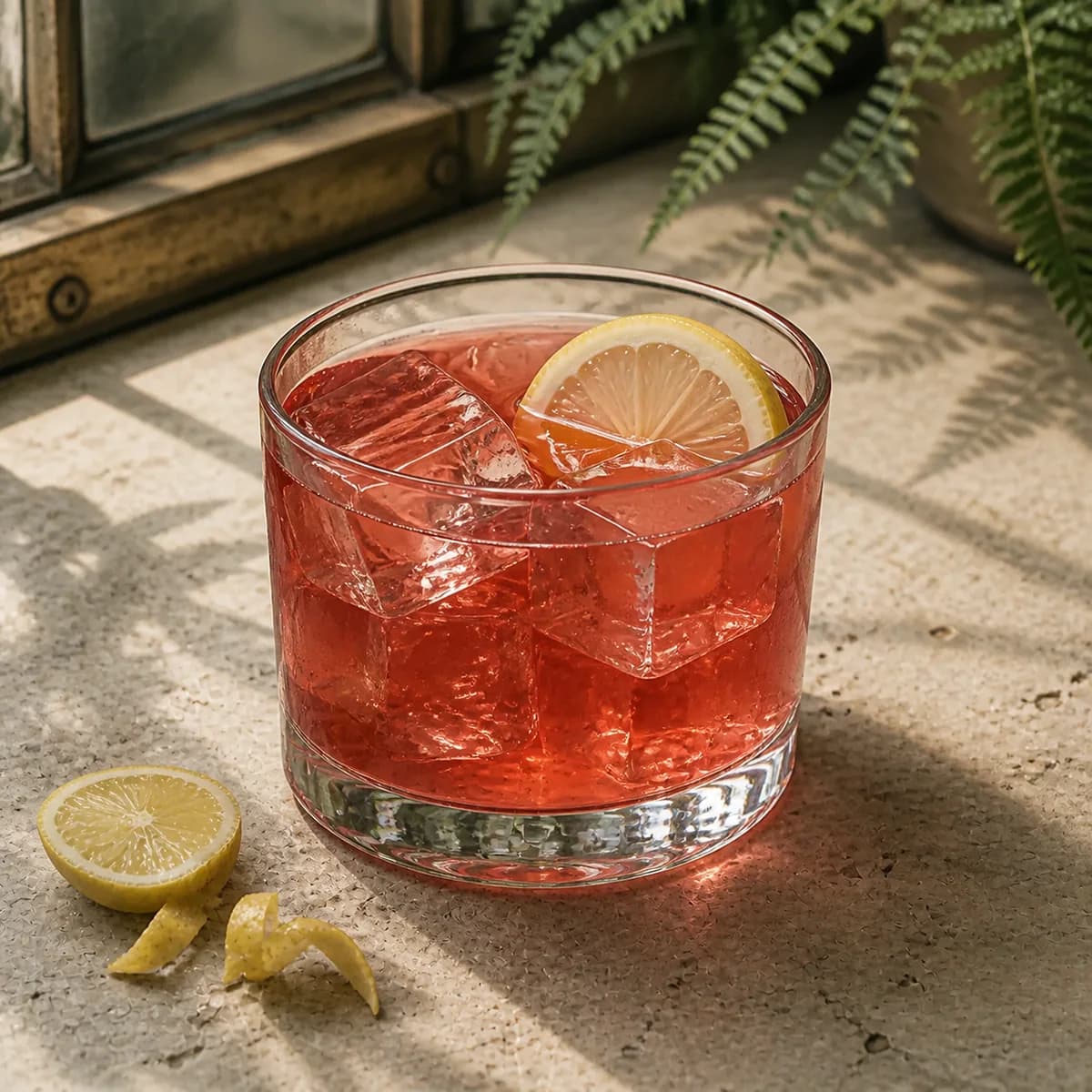
Gin Daisy
Daisies are a family rather than a single recipe: spirit, citrus, a sweetener, poured over ice. This one runs gin against lemon with grenadine doing most of the sweetening and a small pour of triple sec sharpening the edges.
View recipe