Classic cocktail · Guided recipe
Diamondback
Start makingThree ingredients, no citrus, no mercy. Rye, apple brandy and yellow Chartreuse stacked two to one to one, which reads harmless on paper until you notice that nothing in the glass is under 40 percent.
In the glassRye whiskey · Apple brandy · Yellow Chartreuse
See exact amounts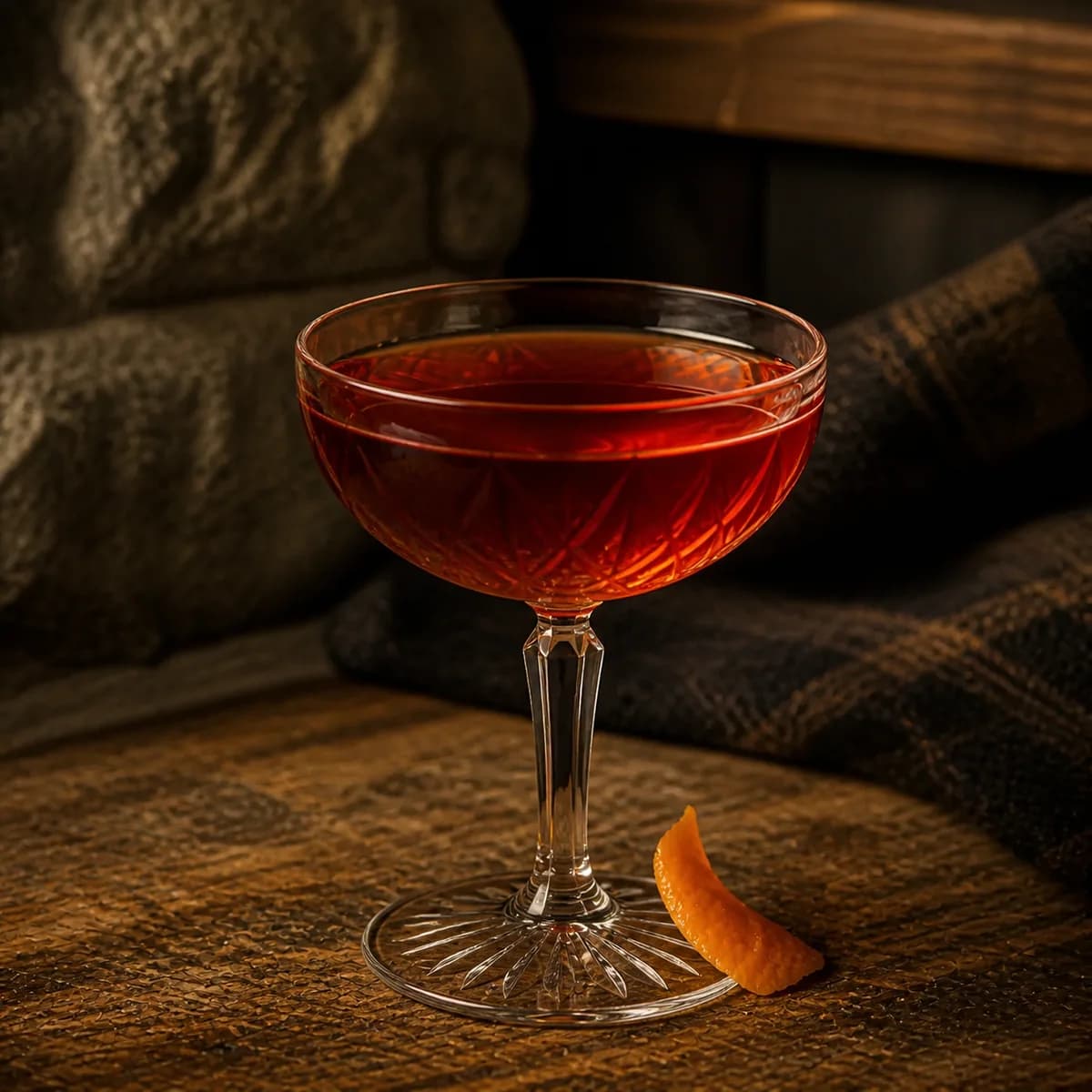
What goes in
Ingredients
Set up before you pour
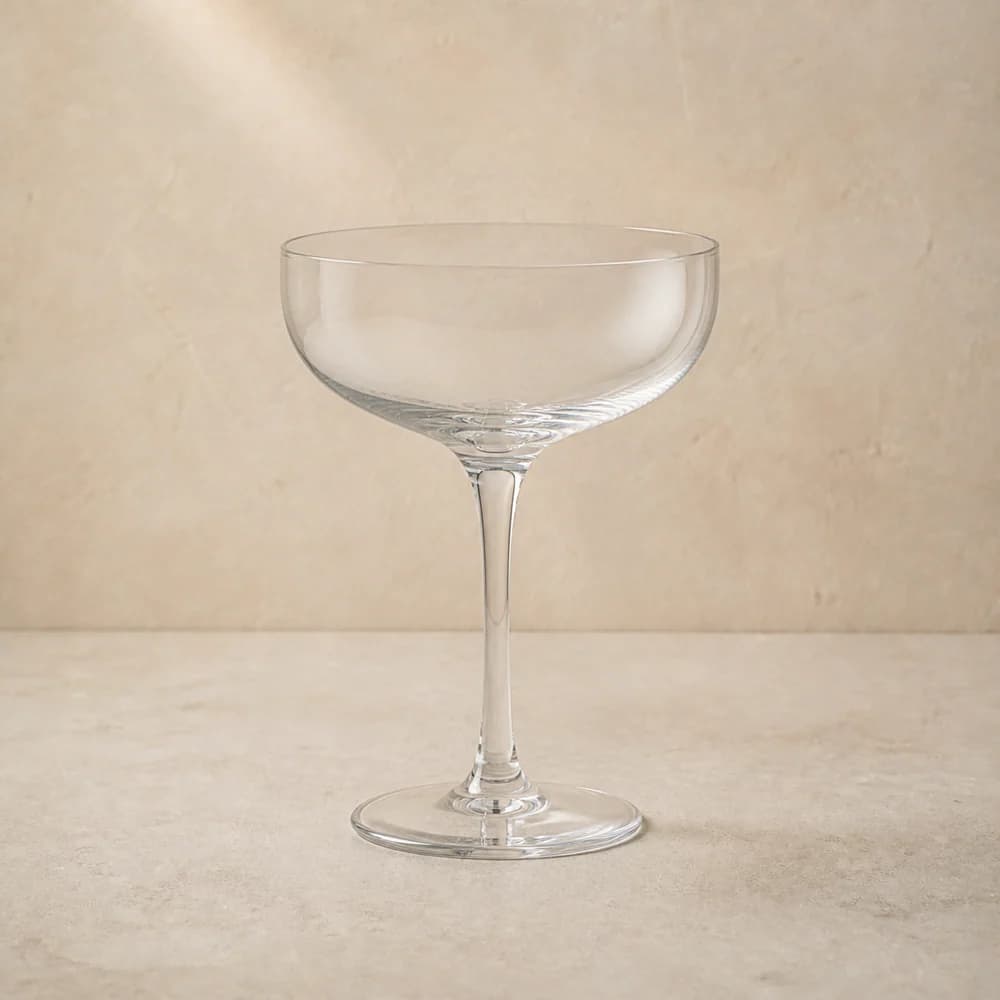
Use a coupe glass.
The stem keeps your hand away from a cold drink, while the rounded bowl makes an up serve easy to sip.
- Standard size
- 200 ml6¾ oz
- Ice & serve
- Chill it first; serve without ice.
- If you don’t own one
- Use a small martini glass or stemmed dessert glass.
- cocktail shaker
- strainer (or a small sieve)
- jigger or measuring spoon
- Rye whiskey45 ml
- Apple brandy22 ml
- Yellow Chartreuse22 ml
From bottle to glass
Method
- 01
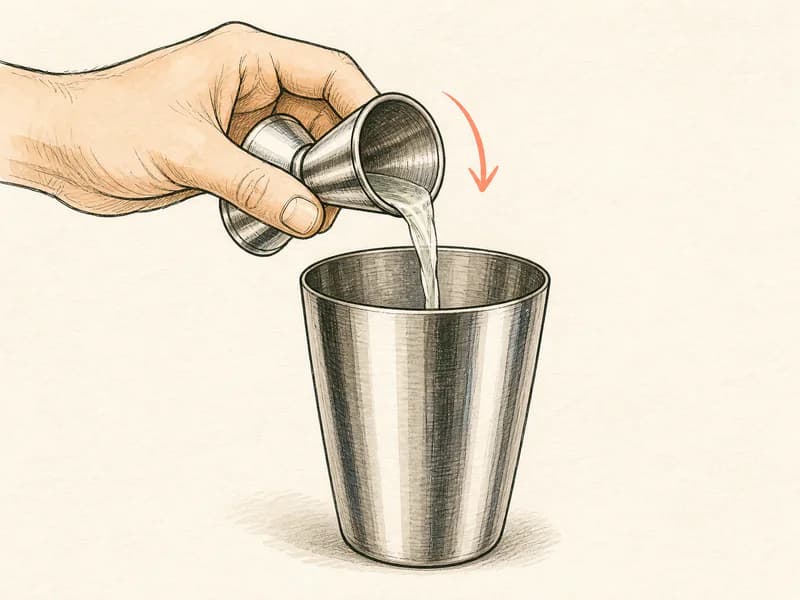
Measure into the shaker Pour 45 ml rye whiskey into your shaker
 Rye whiskey
- 02
Measure into the shaker Add 22 ml apple brandy
- Apple brandy
- 03
Measure into the shaker Add 22 ml yellow chartreuse
 Yellow Chartreuse
- 04
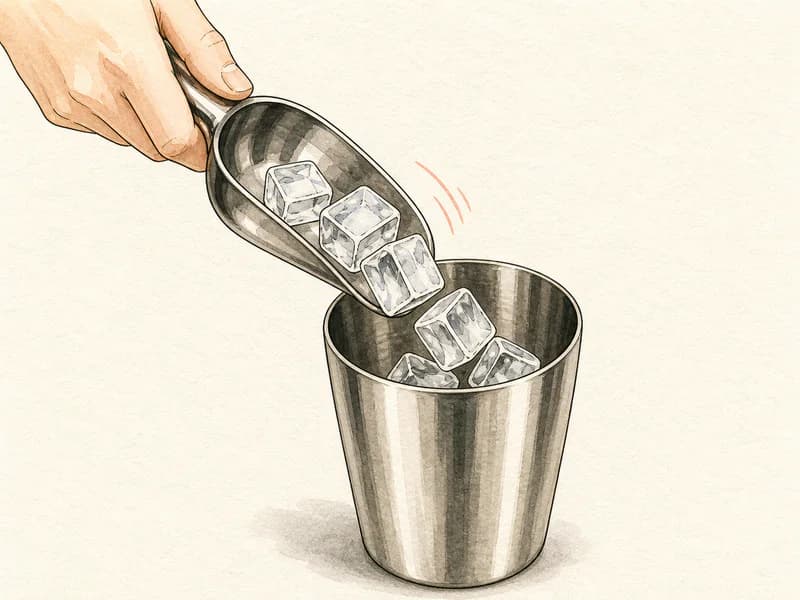
Ice the shaker Fill the shaker with ice
- 05
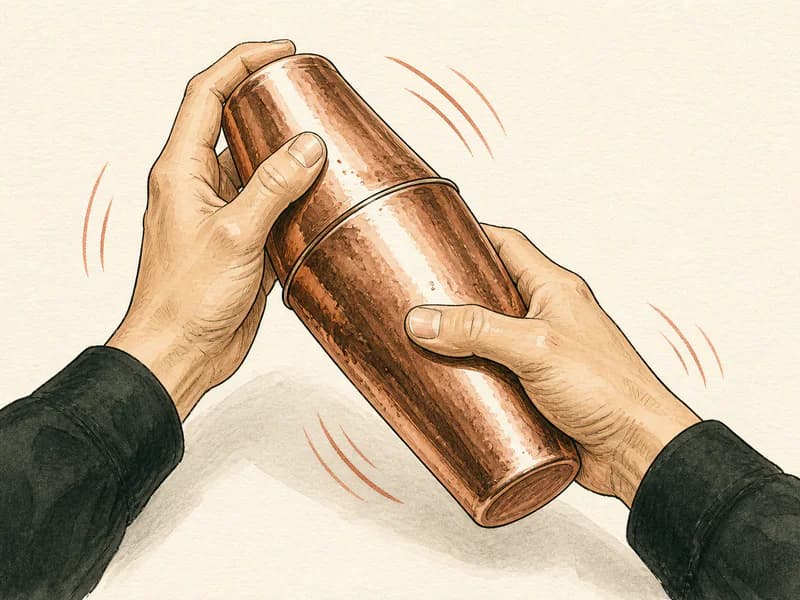
Seal and shake Seal and shake hard
- 06
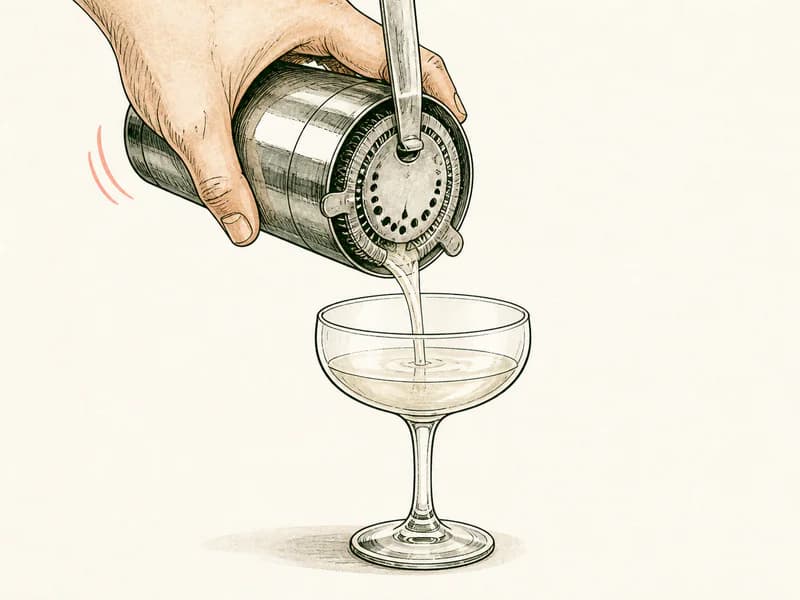
Strain cleanly Strain into a chilled glass — no ice
Know your drink
About the Diamondback
Buying the apple brandy
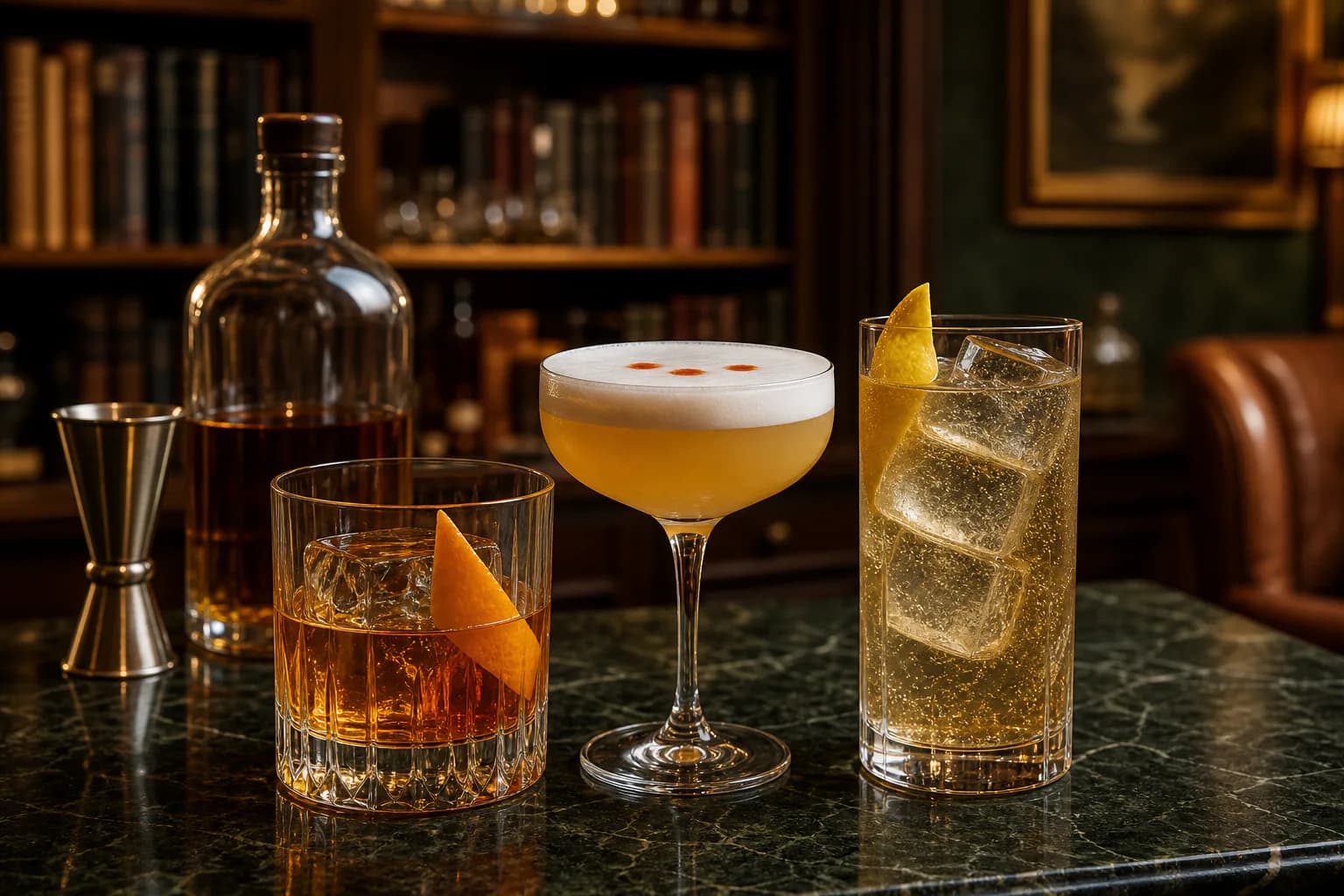
Bottled-in-bond means four years minimum, one distilling season, one distillery and exactly 50 percent alcohol. That last figure is why bonded applejack turns up in so many old American recipes: bartenders were building around a strength they could rely on. Laird's is the bottle most people can find, and the bonded expression is worth hunting down over the blended one, which is largely neutral spirit.
Ted Saucier's Bottoms Up, published in 1951, credits the drink to the Diamondback Lounge at the Lord Baltimore Hotel. It then went out of circulation for decades and came back the way a lot of its neighbors did, through Ted Haigh's Vintage Spirits and Forgotten Cocktails in the 2000s, which is roughly when yellow Chartreuse stopped being an exotic request.
Common questions
Diamondback FAQ
Does 'apple brandy' mean Calvados?
Either works, but they pull in different directions. American bonded applejack at 50 percent, Laird's being the usual find, keeps the drink upright and slightly raw. Calvados is softer and more perfumed, and at 40 percent it gets pushed around by the Chartreuse. Apple liqueur is not a substitute at all.
All I have is green Chartreuse. Worth trying?
Yes, with an adjustment. Green runs 55 percent against yellow's 40 and is drier and far more aggressively herbal, so a full 22 ml flattens the apple brandy. Pull it back to 12 ml and add the difference to the brandy instead. You end up with a different drink, still a good one.
Is there any way to make this less punishing?
Add 15 ml of water to the mix, or serve it over one large cube in a rocks glass rather than straight up. Dropping the rye to 30 ml also works and hands the drink to the apple brandy. More Chartreuse does not help; it brings sugar without bringing any relief.
Why is there no garnish?
Nothing in the glass needs correcting. Citrus oil fights the Chartreuse and a cherry piles sugar onto a drink already carrying 22 ml of liqueur. If you want something on top, a thin slice of apple on the rim echoes the brandy without putting anything extra into the liquid.
What ingredients are in a Diamondback?
A classic Diamondback calls for 45 ml (1.5 oz) Rye whiskey, 22 ml (0.75 oz) Apple brandy, 22 ml (0.75 oz) Yellow Chartreuse. That single-serve spec scales cleanly — the recipe above converts it to oz and multiplies it for 2–4 drinks.
How strong is a Diamondback?
A standard Diamondback is roughly 43% ABV once mixed (before ice melt softens it further). That makes it spirit-forward — closer to a Martini than to a beer, so sip it slowly.
Is a Diamondback shaken or stirred?
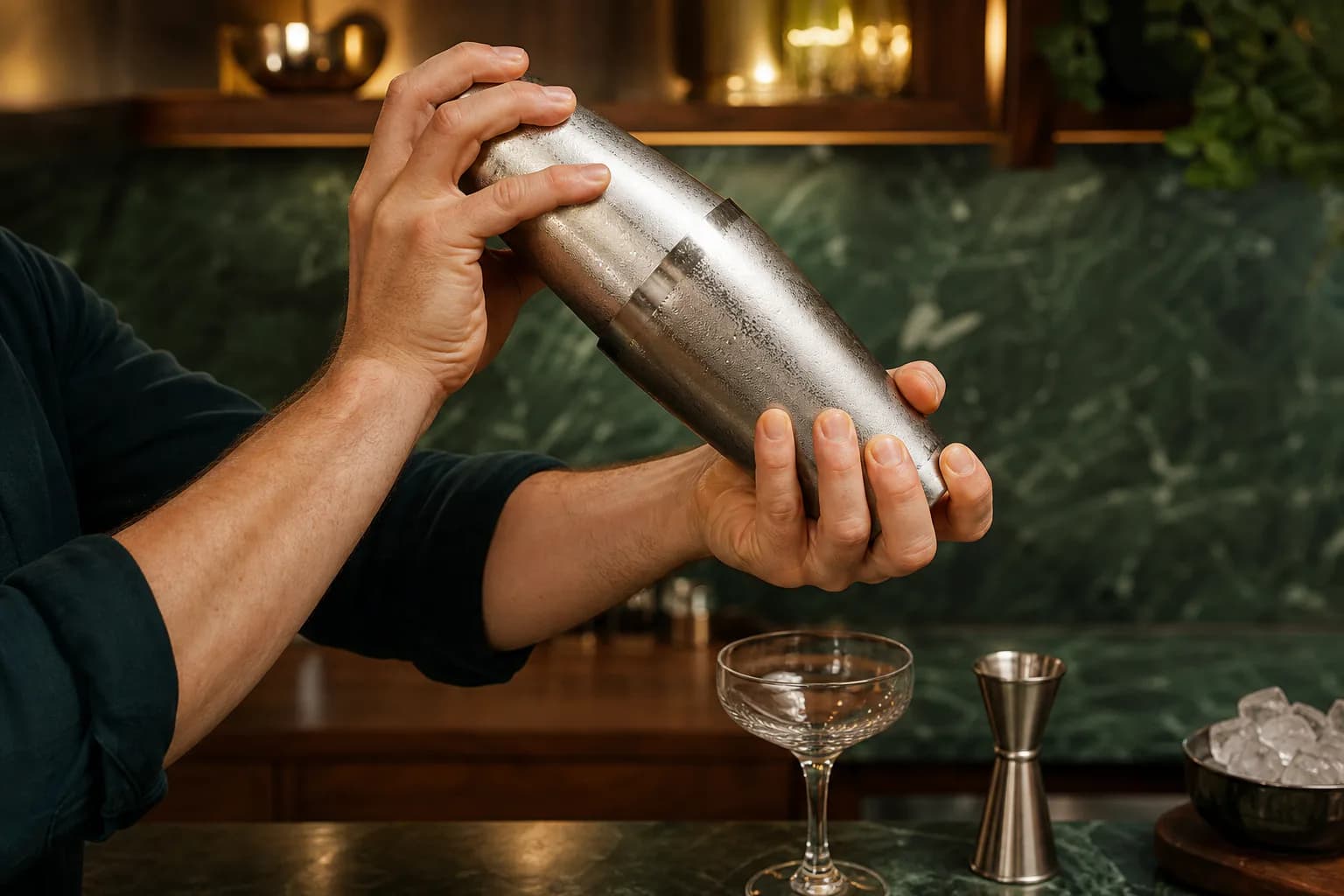
A Diamondback is shaken. About 13 seconds with plenty of ice chills and dilutes it correctly.
Sharpen the technique
Skills used in this recipe
Where to go next
If you like the Diamondback, try these.
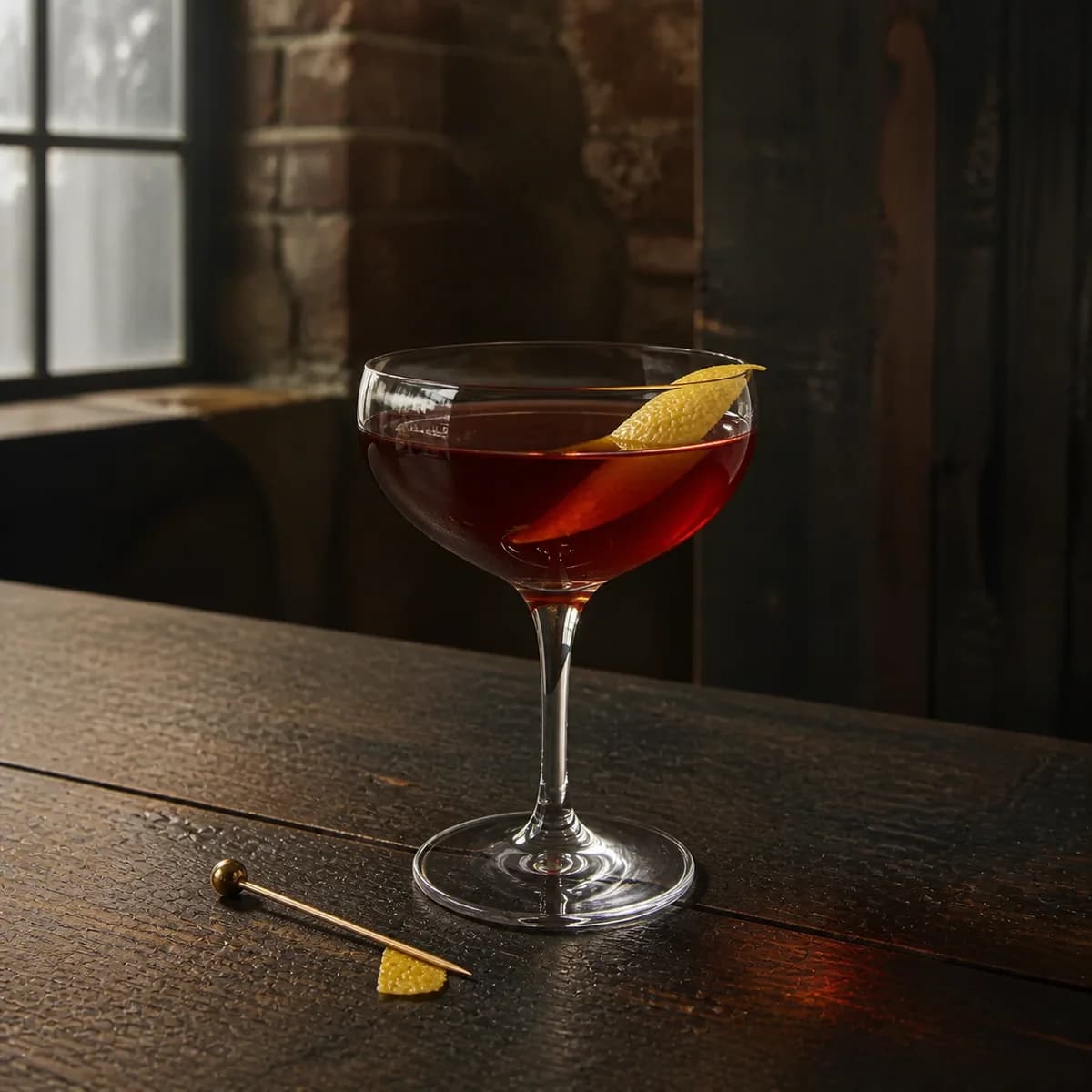
Greenpoint
A Brooklyn cousin with yellow Chartreuse: rye, sweet vermouth and herbal liqueur with a double hit of bitters.
View recipe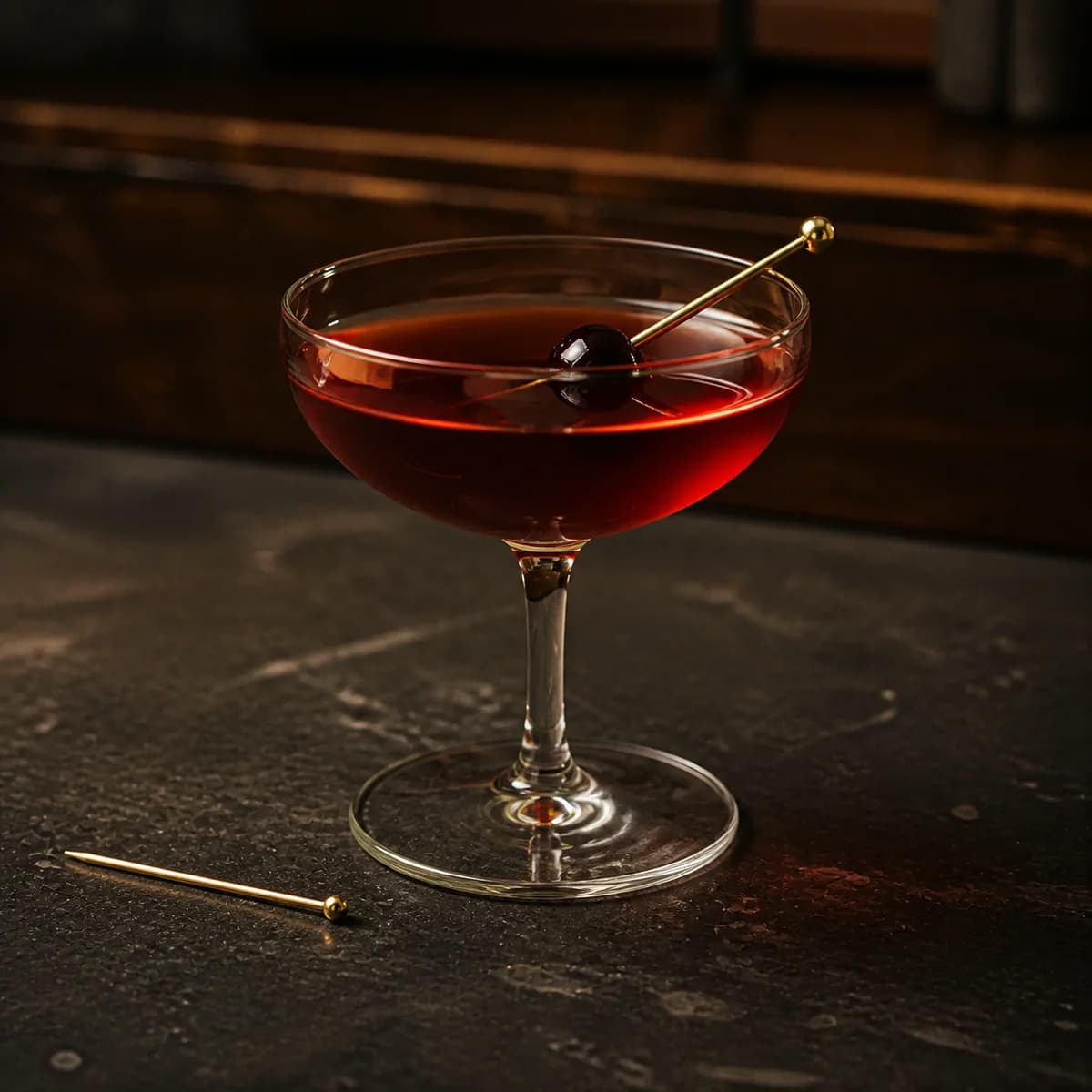
Manhattan
Rye whiskey, sweet vermouth and a couple of dashes of bitters, served up with a cherry. The definitive whiskey cocktail — purists stir it, but a hard shake chills it just as cold.
View recipe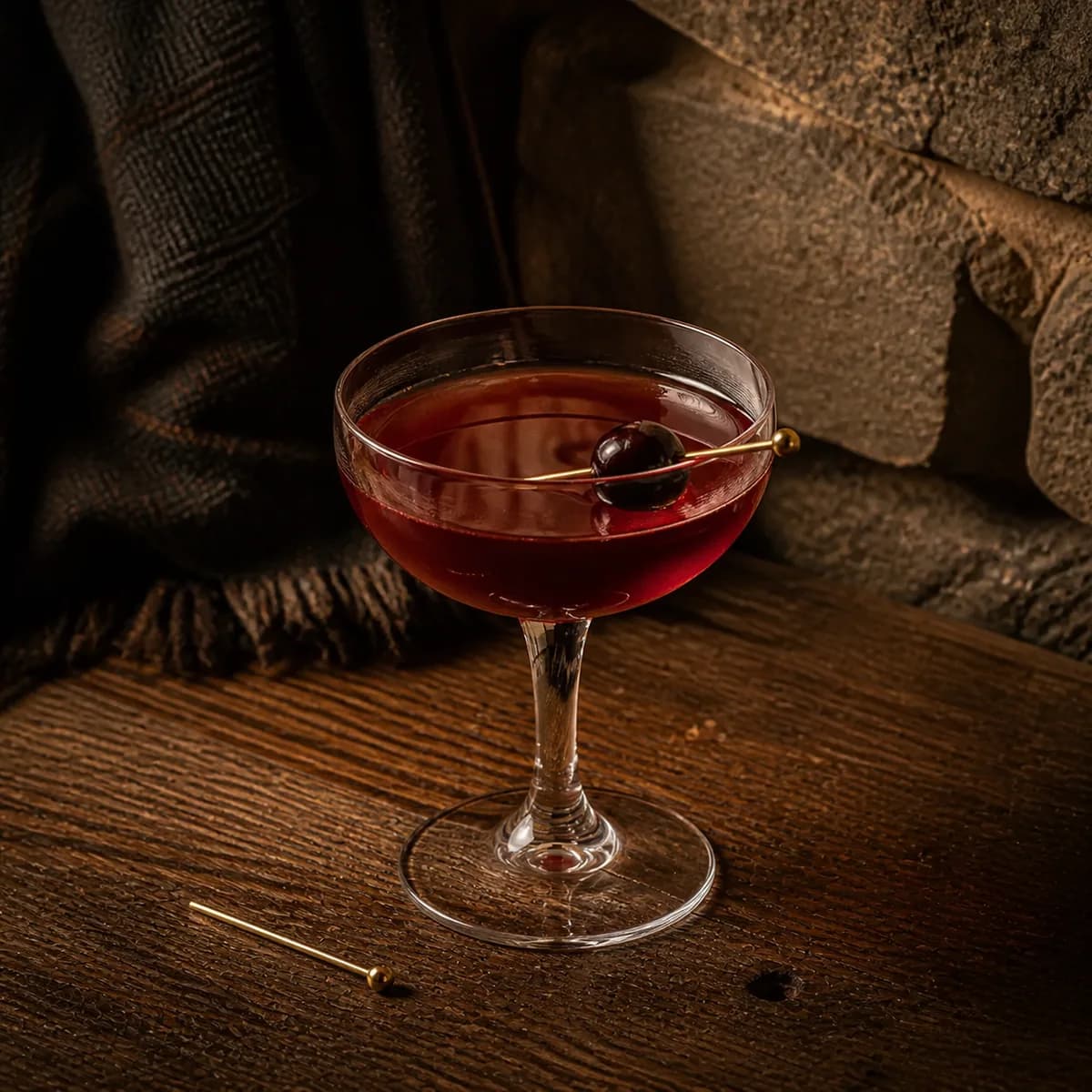
Brooklyn
A drier cousin of the Manhattan from the borough itself: rye, dry vermouth, a little maraschino and a bitter amaro. Sharp and grown-up.
View recipe