Classic cocktail · Guided recipe
French 76
Start makingA French 75 with vodka instead of gin: lemon and sugar shaken cold, then lengthened with champagne. Crisp and celebratory.
In the glassVodka · Fresh lemon juice · Simple syrup · Champagne
See exact amounts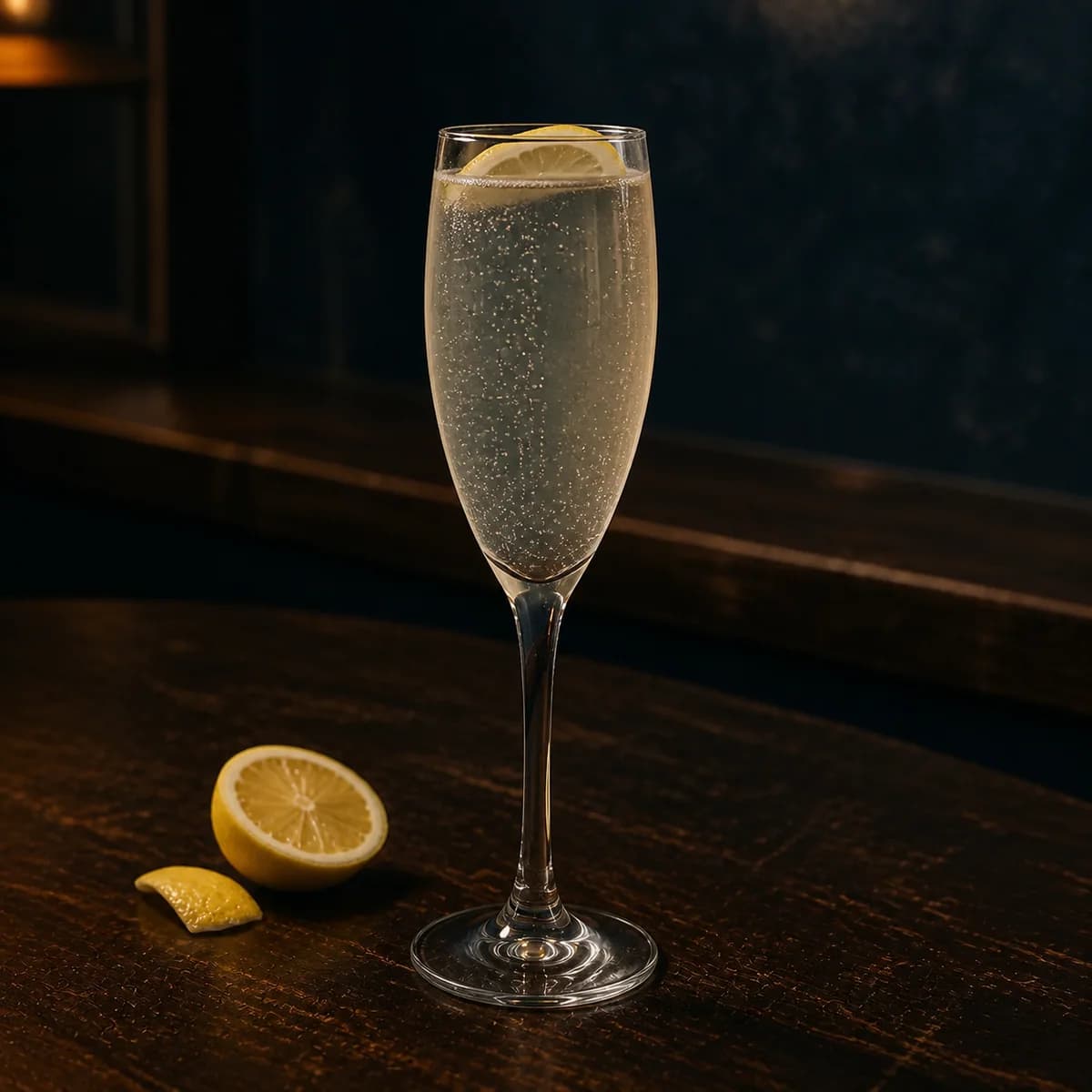
What goes in
Ingredients
Set up before you pour
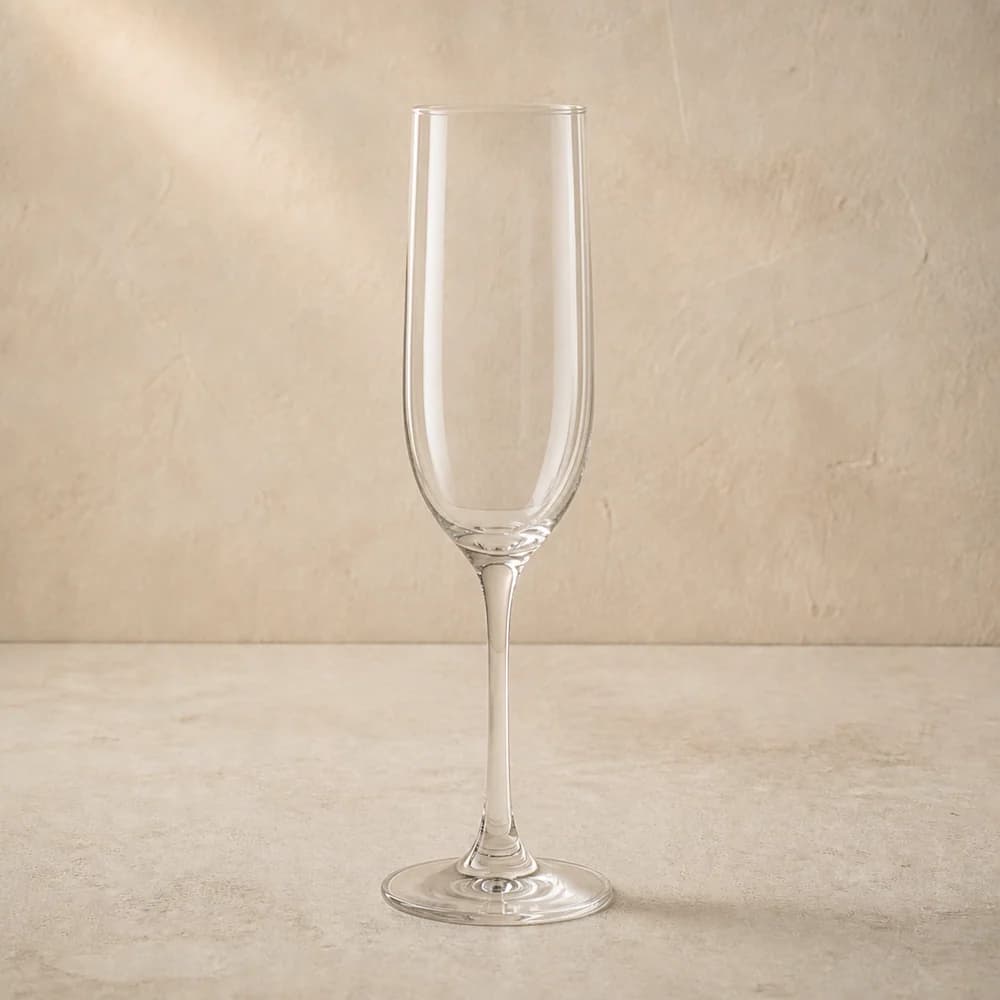
Use a champagne flute.
The narrow bowl slows the loss of bubbles and keeps sparkling cocktails bright for longer.
- Standard size
- 180 ml6 oz
- Ice & serve
- Chill it first; serve without ice.
- If you don’t own one
- Use a small white-wine glass if a flute is unavailable.
- cocktail shaker
- strainer (or a small sieve)
- jigger or measuring spoon
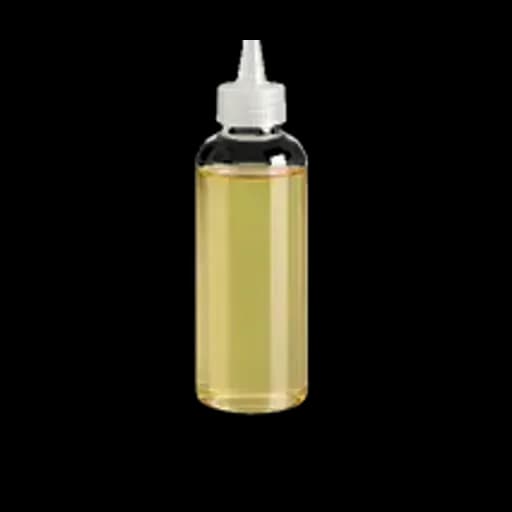
- Vodka45 ml
- Champagne60 ml
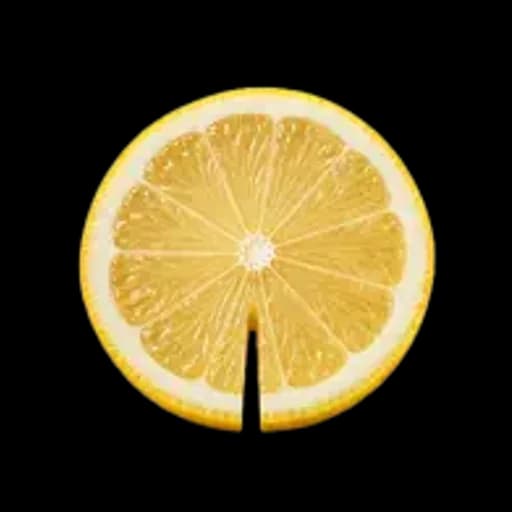
- Fresh lemon juice15 ml
- Simple syrup8 ml
From bottle to glass
Method
- 01
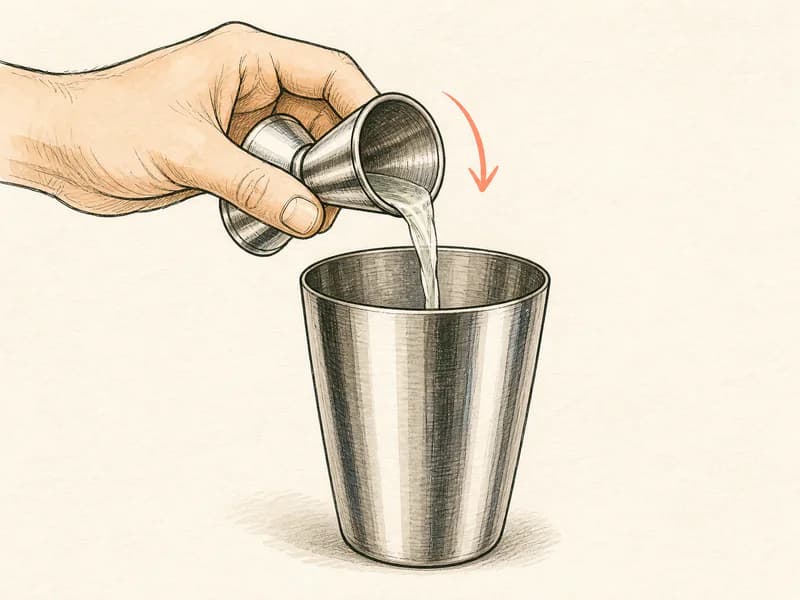
Measure into the shaker Pour 45 ml vodka into your shaker
 Vodka
Vodka
- 02
Measure into the shaker Add 15 ml fresh lemon juice
 Fresh lemon juice
- 03
Measure into the shaker Add 8 ml simple syrup
 Simple syrup
- 04
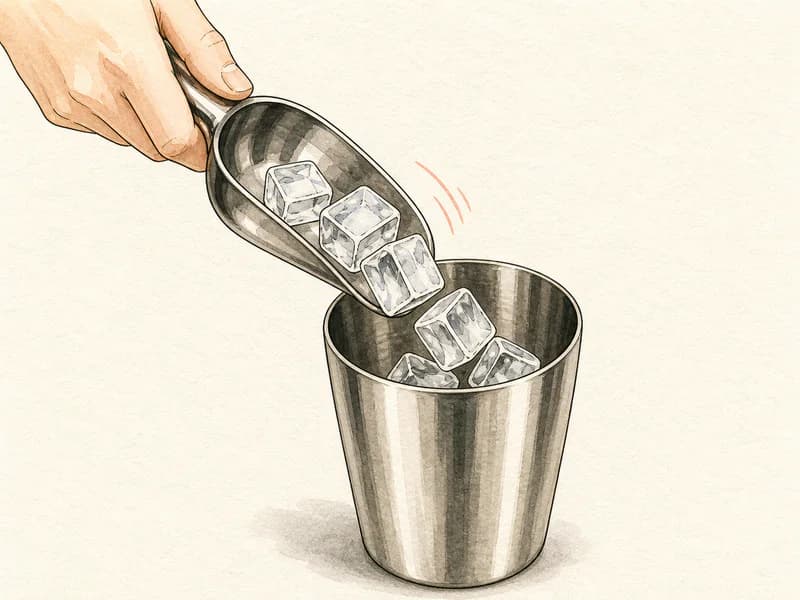
Ice the shaker Fill the shaker with ice
- 05
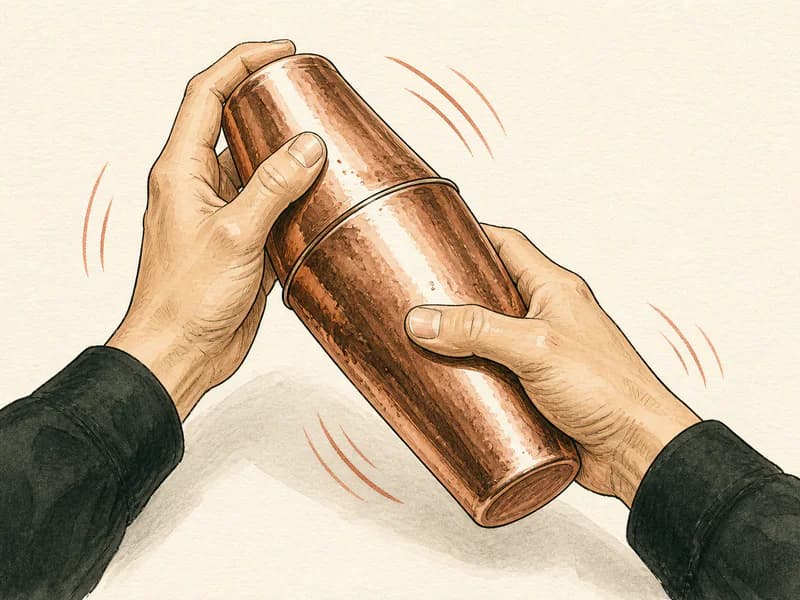
Seal and shake Seal and shake hard
- 06
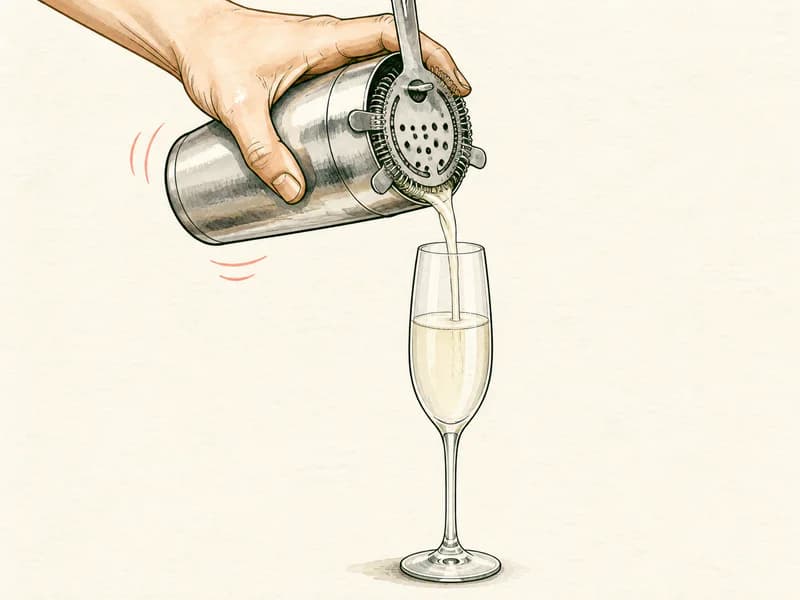
Strain cleanly Strain into a chilled glass — no ice
- 07
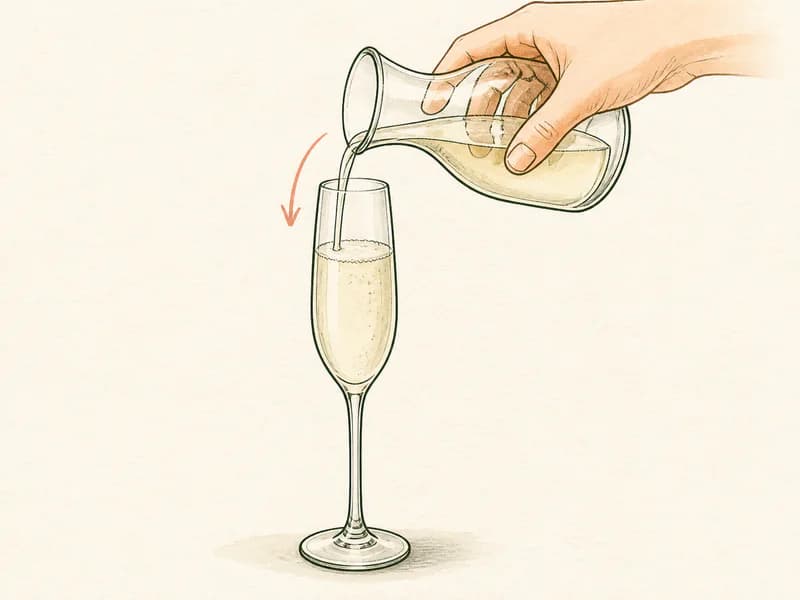
Top gently Top with 60 ml champagne
 Champagne
- 08
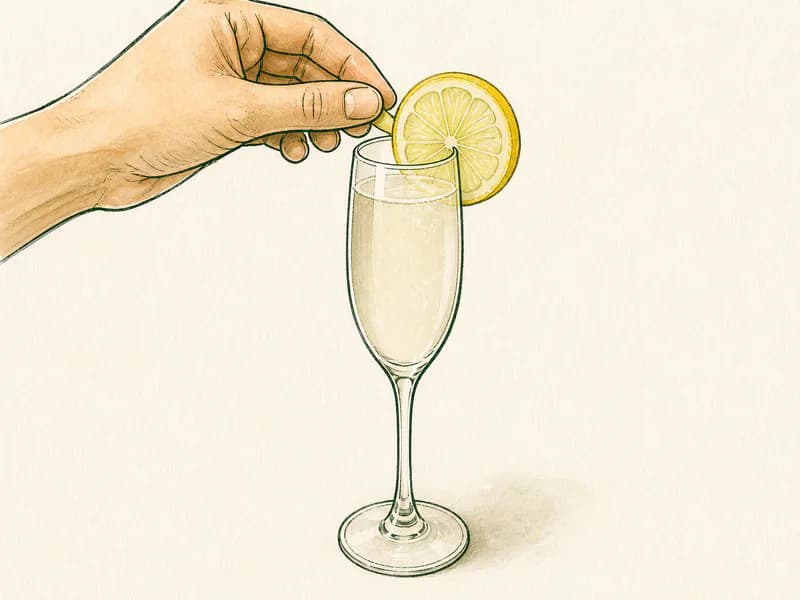
Finish the drink Finish it — add a lemon slice
Know your drink
About the French 76
Counting up from 75
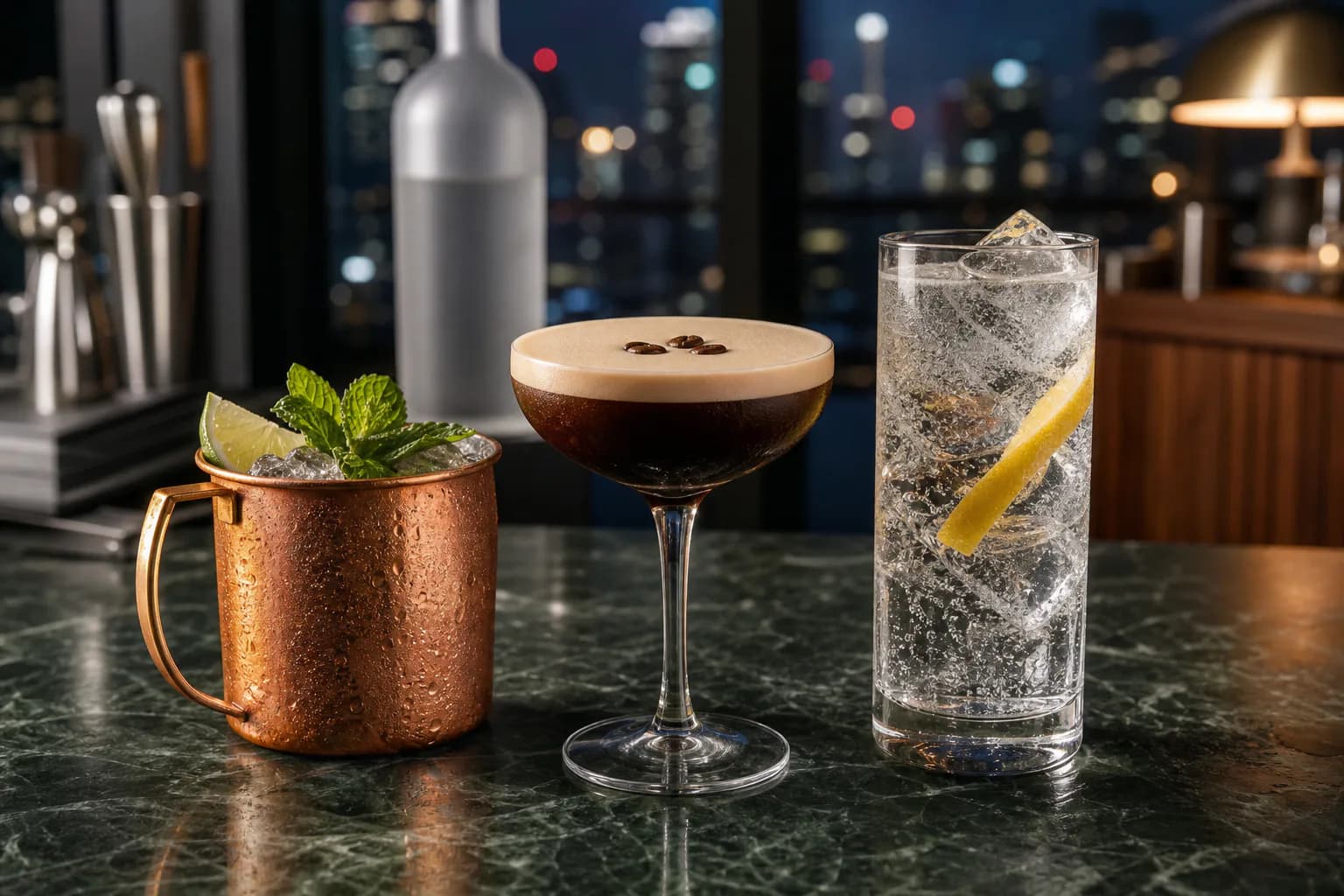
Artillery is where the name comes from. A French 75 is usually credited to the 75 mm field gun of the First World War, and the Savoy Cocktail Book prints it with gin in 1930, though New Orleans has served it with cognac for as long as anyone can remember. The 76 is simply the next number along, claimed for vodka once vodka started needing drinks of its own.
Common questions
French 76 FAQ
Is a vodka French 75 worth making at all?
It depends what you want. Gin's juniper and peel argue with the wine and give the original its spine. Take that out and the drink becomes purely about acid, sugar and bubbles, which is cleaner, sharper and less interesting, in roughly that order.
Does the sparkling wine have to be brut?
Near enough. There is already sugar in the glass, so a brut or extra brut keeps things from tipping into sherbet, while prosecco's softer fruit tends to blur the edges. Save the good vintage bottle; a decent non-vintage does everything needed here.
How do I stop it foaming over the rim?
Warm wine hitting a cold, sugary base is what causes it. Chill the bottle properly, tilt the flute and pour down the inside, and add the wine last, never into the shaker. If it still climbs, let the shaken base settle for a moment first.
How much sugar does it need?
Start at 8 ml, taste the base before topping, and remember the wine carries its own dosage. Thick-skinned winter lemons will want 10 ml. A bottle labeled brut nature has essentially no sugar of its own, so you'll need every drop of that syrup.
What ingredients are in a French 76?
A classic French 76 calls for 45 ml (1.5 oz) Vodka, 15 ml (0.5 oz) Fresh lemon juice, 8 ml (0.25 oz) Simple syrup, 60 ml (2 oz) Champagne. That single-serve spec scales cleanly — the recipe above converts it to oz and multiplies it for 2–4 drinks.
How strong is a French 76?
A standard French 76 is roughly 20% ABV once mixed (before ice melt softens it further). That makes it spirit-forward — closer to a Martini than to a beer, so sip it slowly.
Is a French 76 shaken or stirred?
A French 76 is shaken — the rule of thumb is to shake anything with citrus juice. About 13 seconds with plenty of ice chills and dilutes it correctly.
Sharpen the technique
Skills used in this recipe
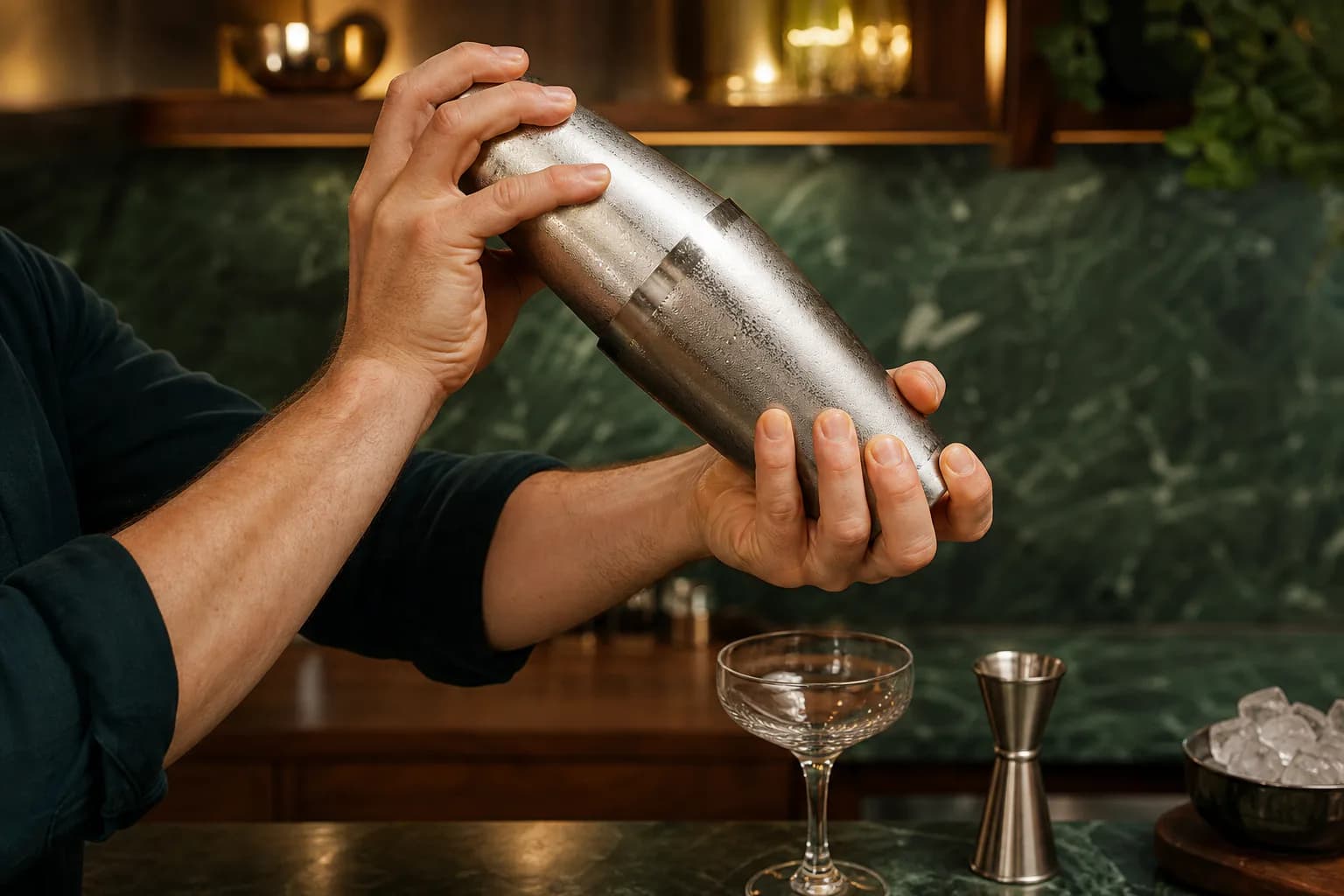
How to shake a cocktail properly
The grip, timing, ice and visual cues that make shaken drinks colder and brighter.
Read the guide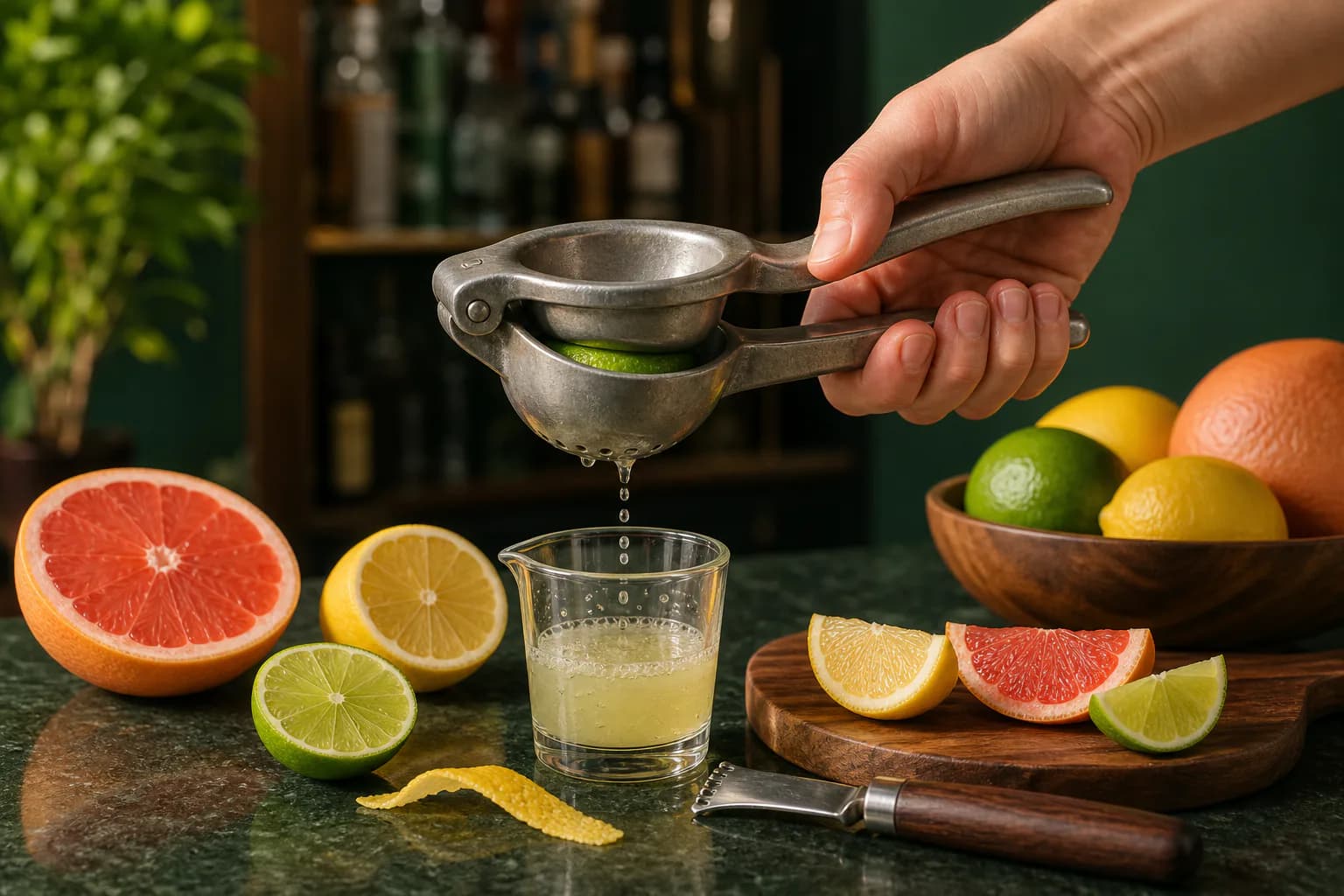
Fresh citrus for cocktails: juice, wedges and balance
Get brighter lime, lemon and grapefruit flavor with better prep and storage.
Read the guide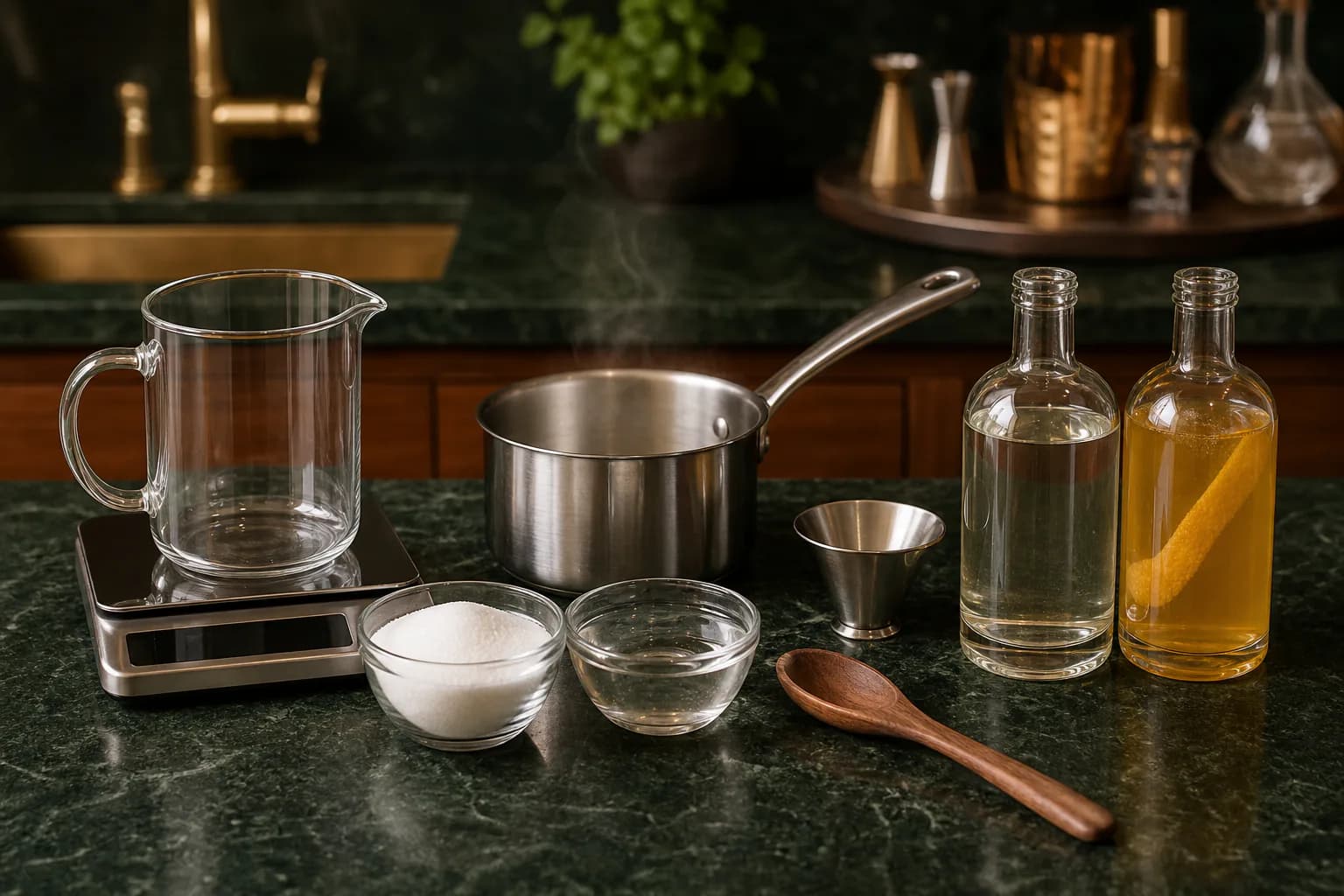
Simple syrup ratios, storage and flavor variations
Make a consistent sweetener and understand when rich syrup changes a recipe.
Read the guideWhere to go next
If you like the French 76, try these.
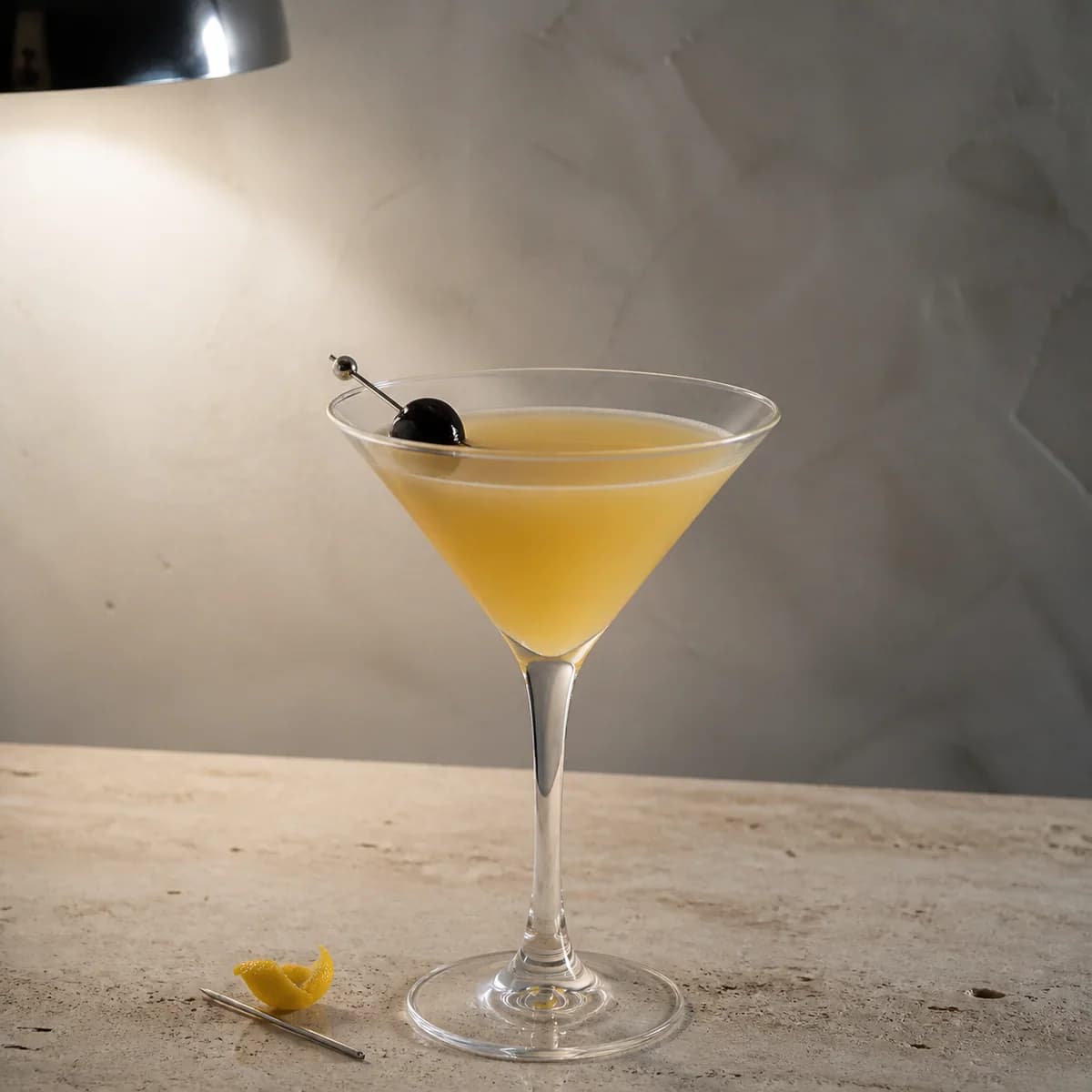
French Martini
Vodka, raspberry liqueur and pineapple juice, shaken to a silky foam. Fruity, elegant and very easy to like.
View recipe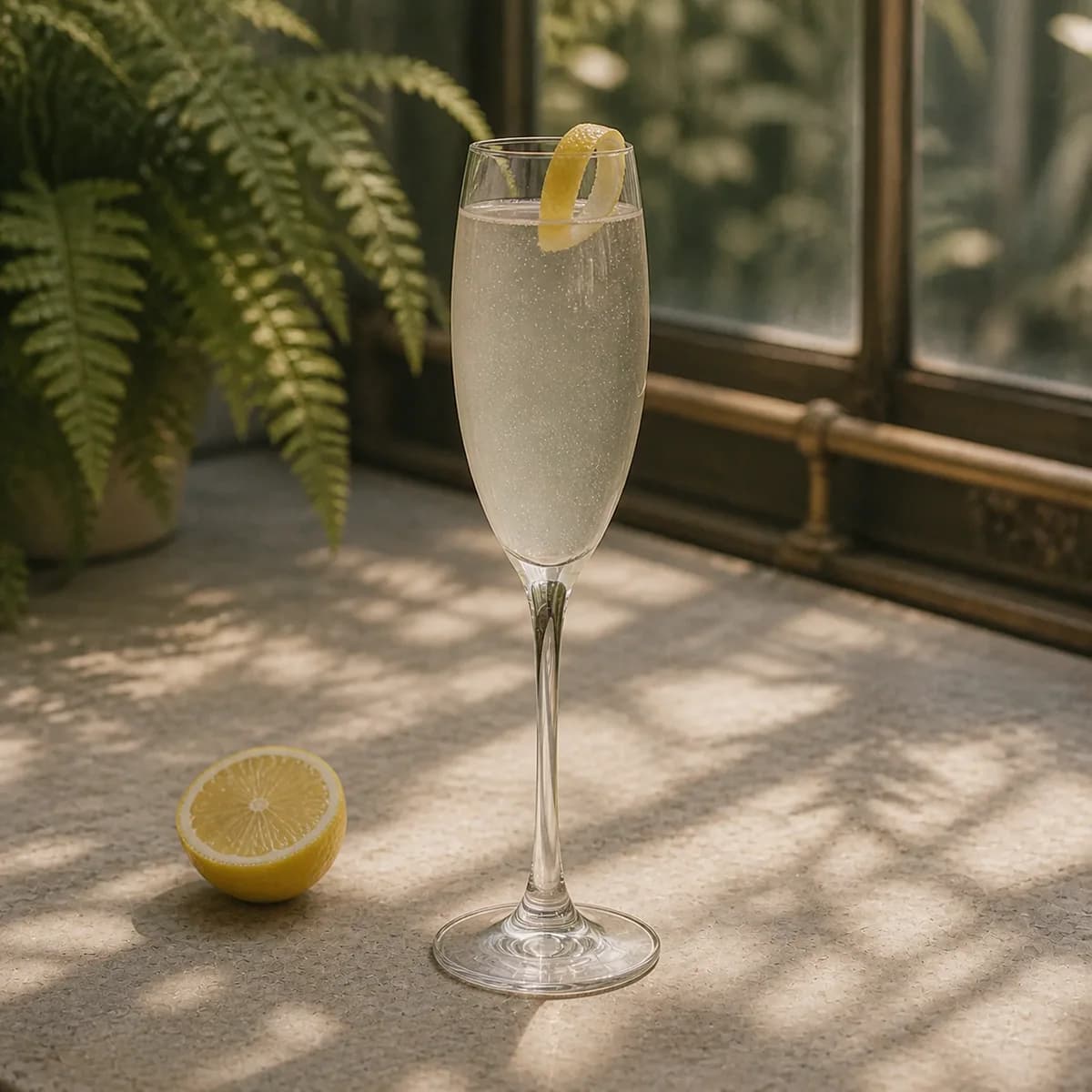
French 75
Gin and lemon shaken cold, then topped with champagne — named for a field gun because it hits hard. Elegant, celebratory and crisp.
View recipe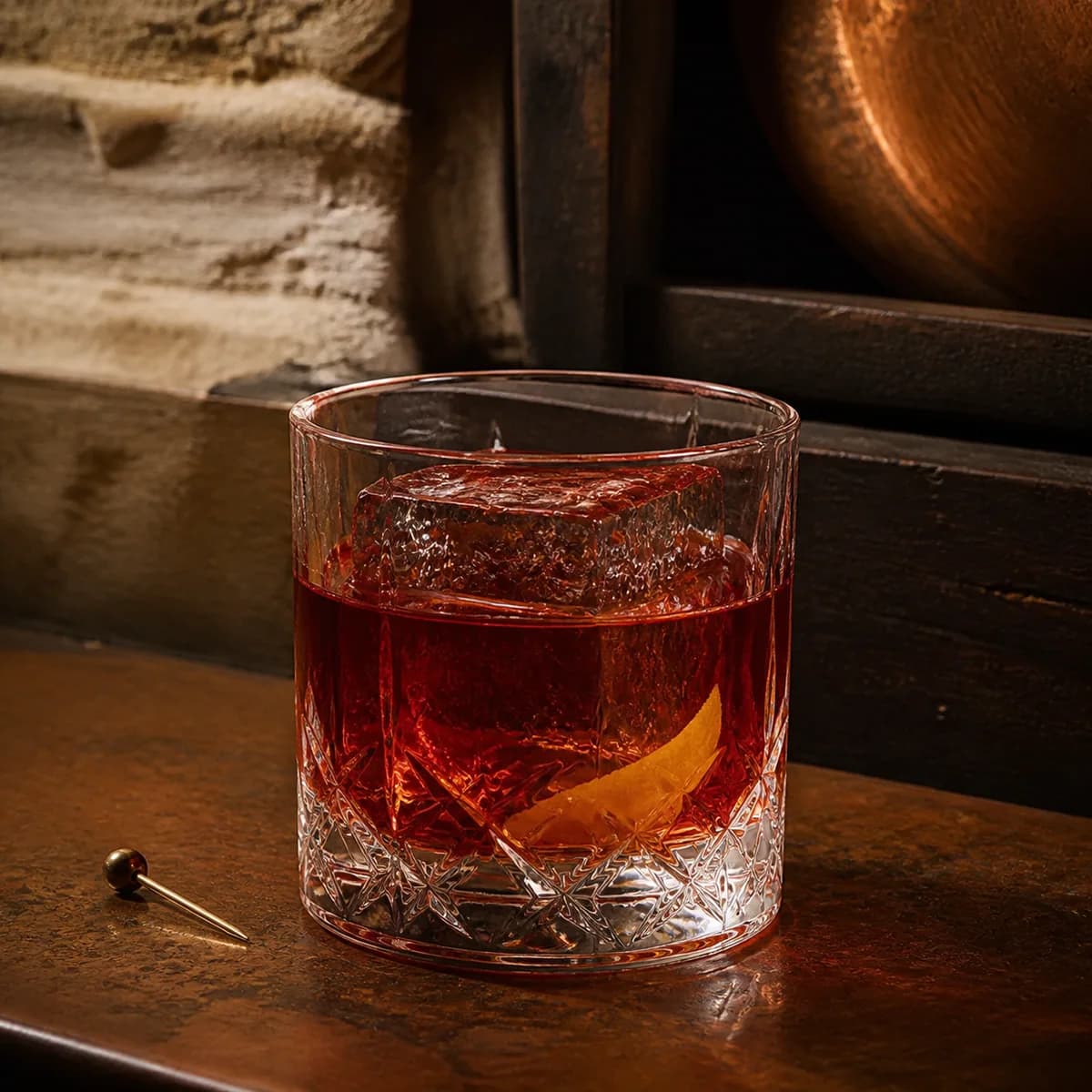
French Connection
Cognac and amaretto over ice — nutty, warming and effortless. Two ingredients, all class.
View recipe