Classic cocktail · Guided recipe
Hugo Spritz
Start makingThe lighter, floral spritz: elderflower and prosecco with soda and fresh mint over ice. Delicate and summery.
In the glassElderflower liqueur · Prosecco · Soda water
See exact amounts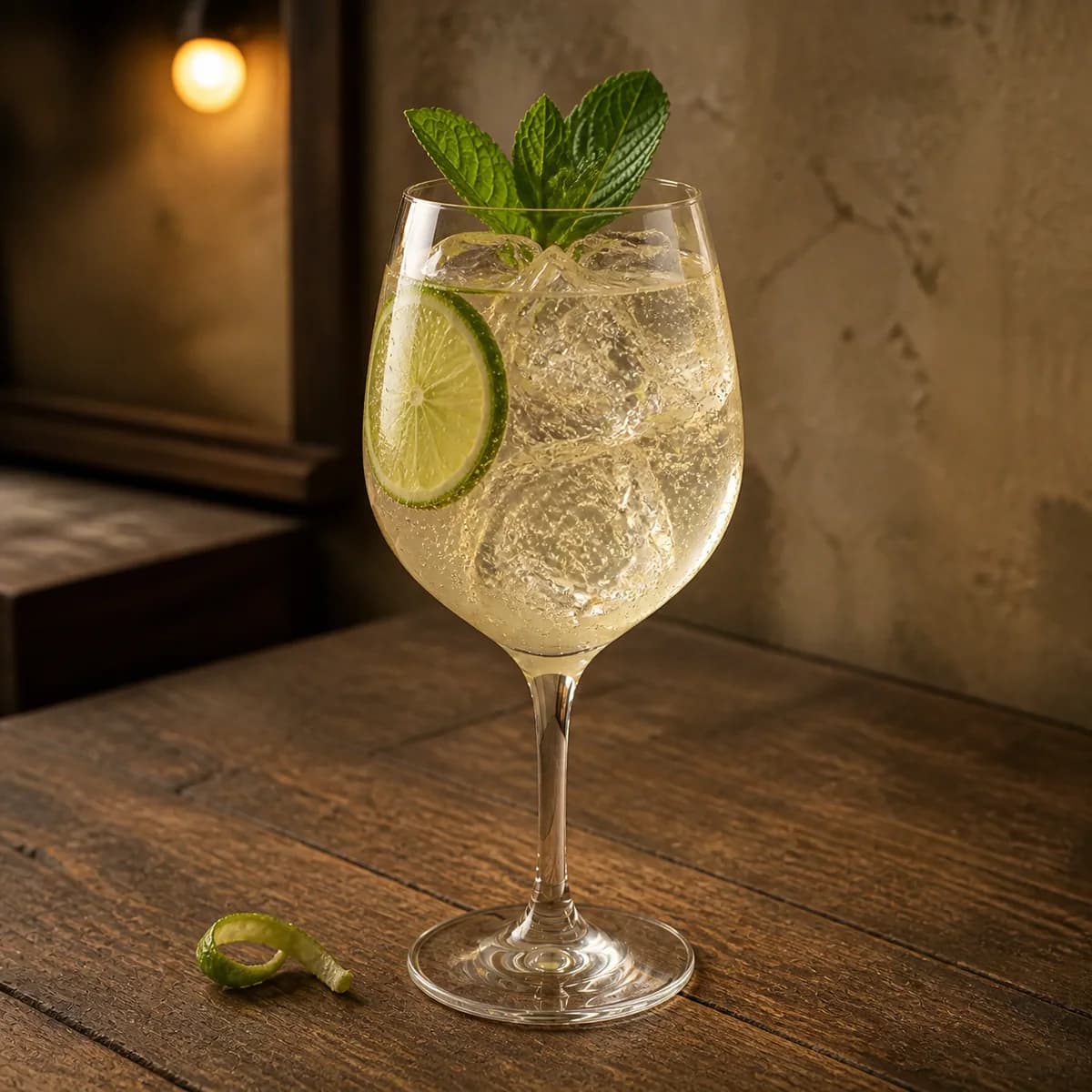
What goes in
Ingredients
Set up before you pour
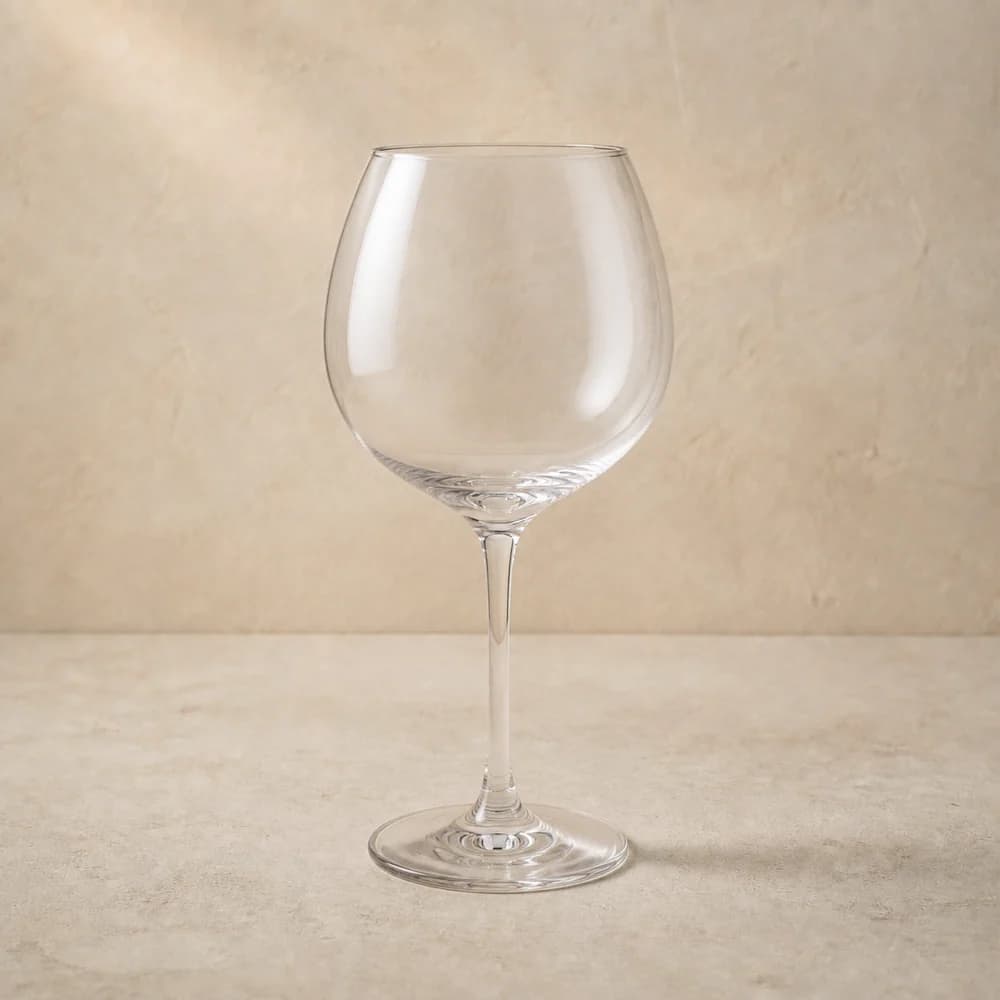
Use a large wine glass.
The generous bowl gives a spritz enough space for ice, fruit and sparkling mixer without crowding.
- Standard size
- 400 ml13½ oz
- Ice & serve
- Fill it with fresh ice cubes.
- If you don’t own one
- Use a stemless wine glass or roomy tumbler.
- jigger or measuring spoon
- Elderflower liqueur30 ml
- Prosecco90 ml
- Soda water30 ml
From bottle to glass
Method
- 01
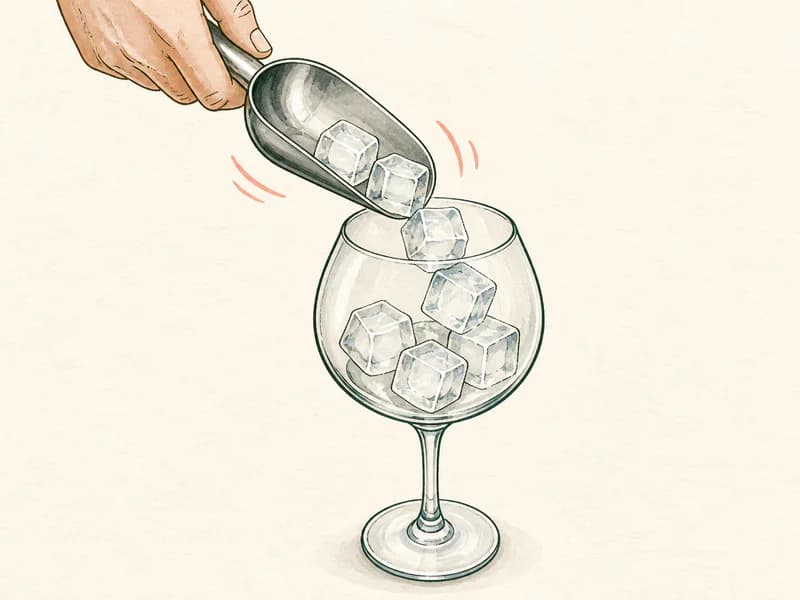
Ice the glass Fill the glass with ice
- 02
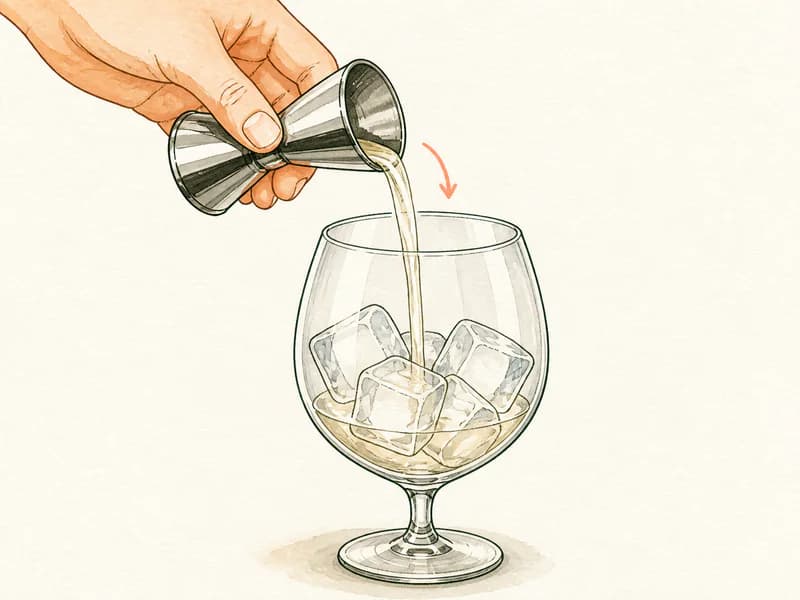
Measure and pour Pour 30 ml elderflower liqueur
 Elderflower liqueur
- 03
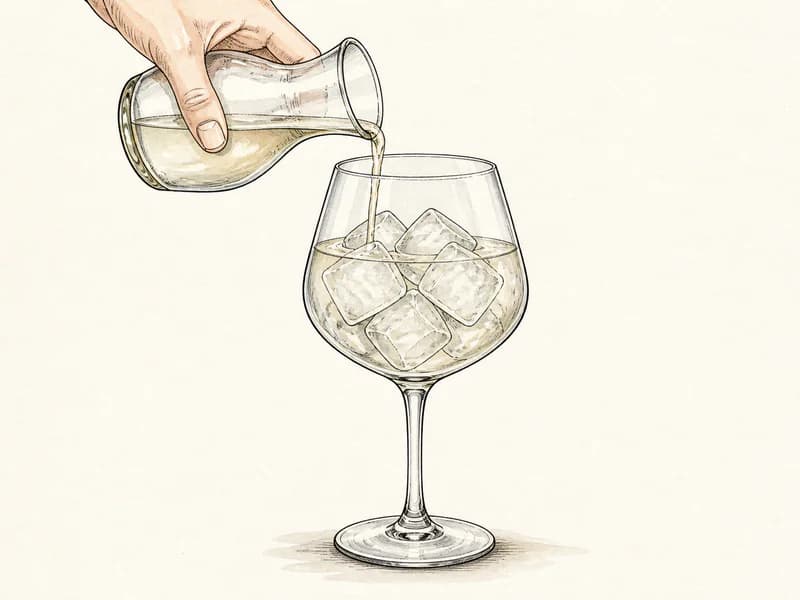
Top gently Top with 90 ml prosecco
 Prosecco
- 04
Top gently Top with 30 ml soda water
 Soda water
- 05
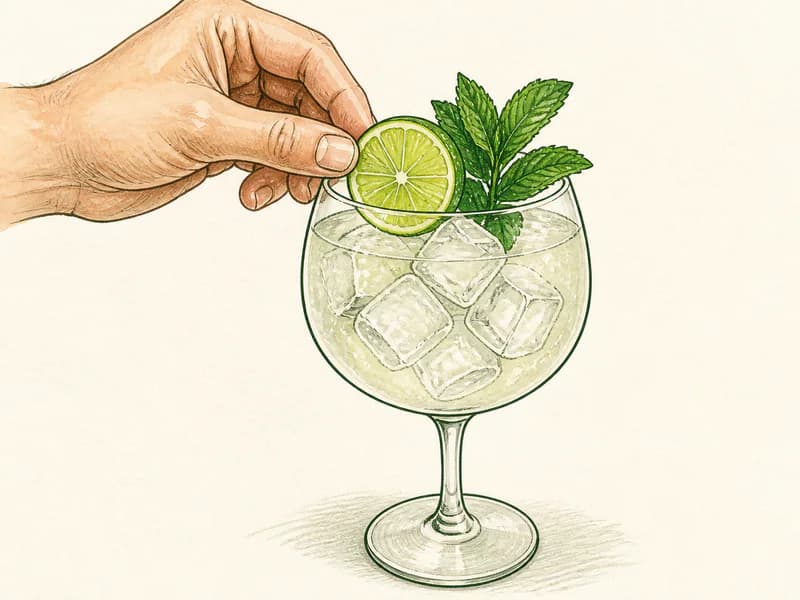
Finish the drink Finish it — add a sprig of mint and a lime wheel
Know your drink
About the Hugo Spritz
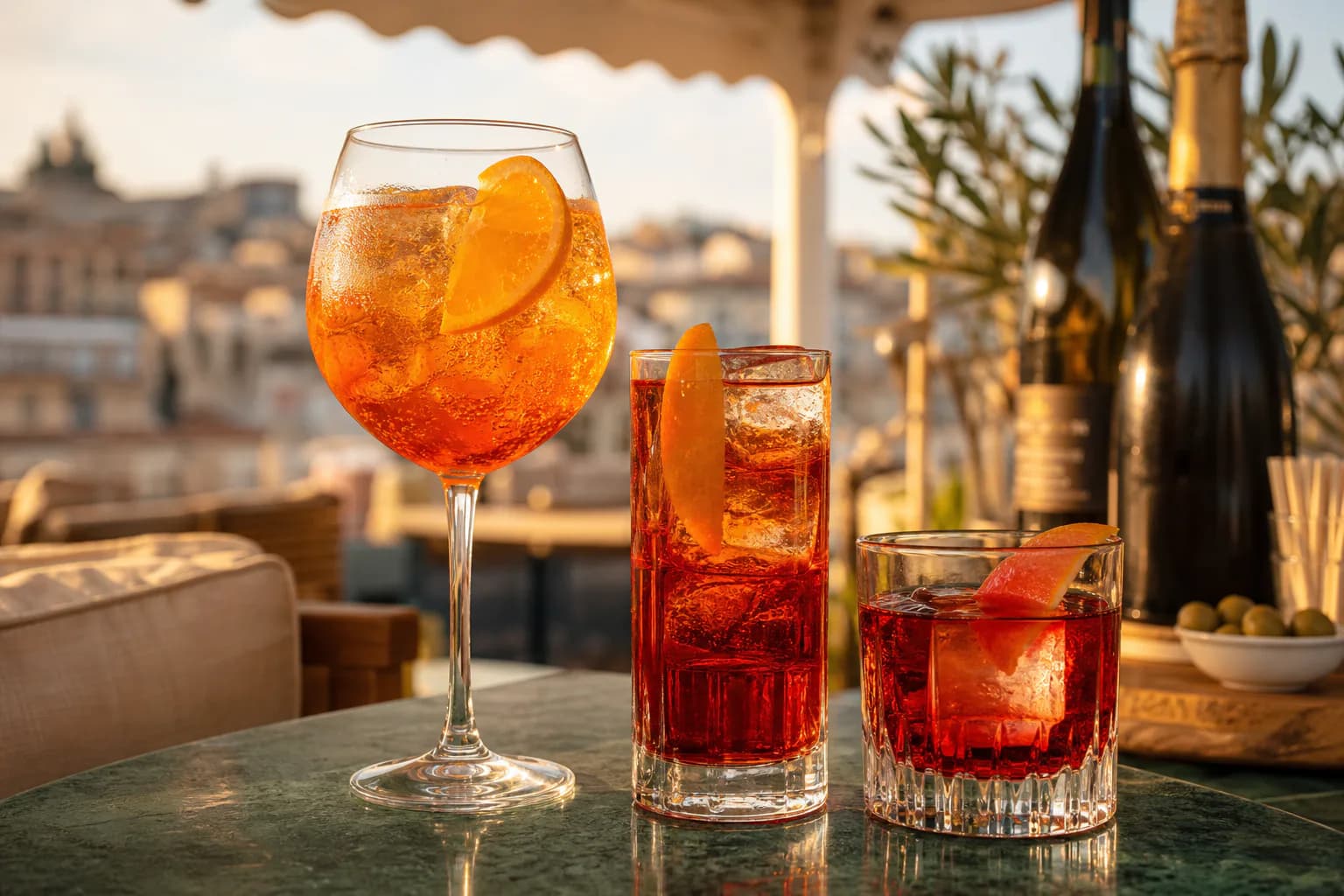
A young Alpine drink
Most spritzes are old. This one is not: it came out of South Tyrol in the mid-2000s and spread through the Alps, Austria and Germany before anyone else noticed. By most accounts the earliest versions used lemon balm syrup, and elderflower took over as the drink traveled beyond the valleys where lemon balm was easy to come by.
Build it in the glass in this order: ice, elderflower, prosecco, then a short splash of soda. Pour the prosecco last over syrup and you leave a sweet layer sitting on the bottom, and stirring it in afterward costs you the bubbles you just paid for. Fill the glass with ice rather than three lonely cubes.
Common questions
Hugo Spritz FAQ
Elderflower syrup or elderflower liqueur?
Both are used and they give different drinks. Syrup keeps the alcohol low and the sweetness high, so cut it to 20 ml. Liqueur at around 20 percent, usually St-Germain, adds weight and a honeyed edge. Thirty milliliters of liqueur is the build most bars pour.
Should the mint be muddled?
No. Crushing it releases chlorophyll, the drink turns grassy and faintly bitter, and there's no citrus acidity here to cover the damage. Clap the sprig once between your palms to wake the oils, then stand it in the glass where your nose meets it as you drink.
Can I make a version without alcohol?
Easily, and it survives the swap better than most. Elderflower syrup, sparkling water and a splash of white grape juice or alcohol-free sparkling wine covers it. Mint and lime do the rest, since the original was never leaning on the prosecco for flavor in the first place.
How is it different from an Aperol Spritz?
There's no bitterness in it at all. An Aperol Spritz is built on an orange bitter at 11 percent; the Hugo replaces that with elderflower, so you get flowers and mint instead of the rhubarb-and-orange bite. It's the spritz to pour for someone who says amaro isn't for them.
What ingredients are in a Hugo Spritz?
A classic Hugo Spritz calls for 30 ml (1 oz) Elderflower liqueur, 90 ml (3 oz) Prosecco, 30 ml (1 oz) Soda water. That single-serve spec scales cleanly — the recipe above converts it to oz and multiplies it for 2–4 drinks.
Is a Hugo Spritz shaken or stirred?
A Hugo Spritz is built directly in the glass over ice — no shaker required. Add the ingredients in order and give it a brief, gentle stir.
What glass do you serve a Hugo Spritz in?
Serve a Hugo Spritz in a large wine glass, over fresh ice cubes.
Sharpen the technique
Skills used in this recipe
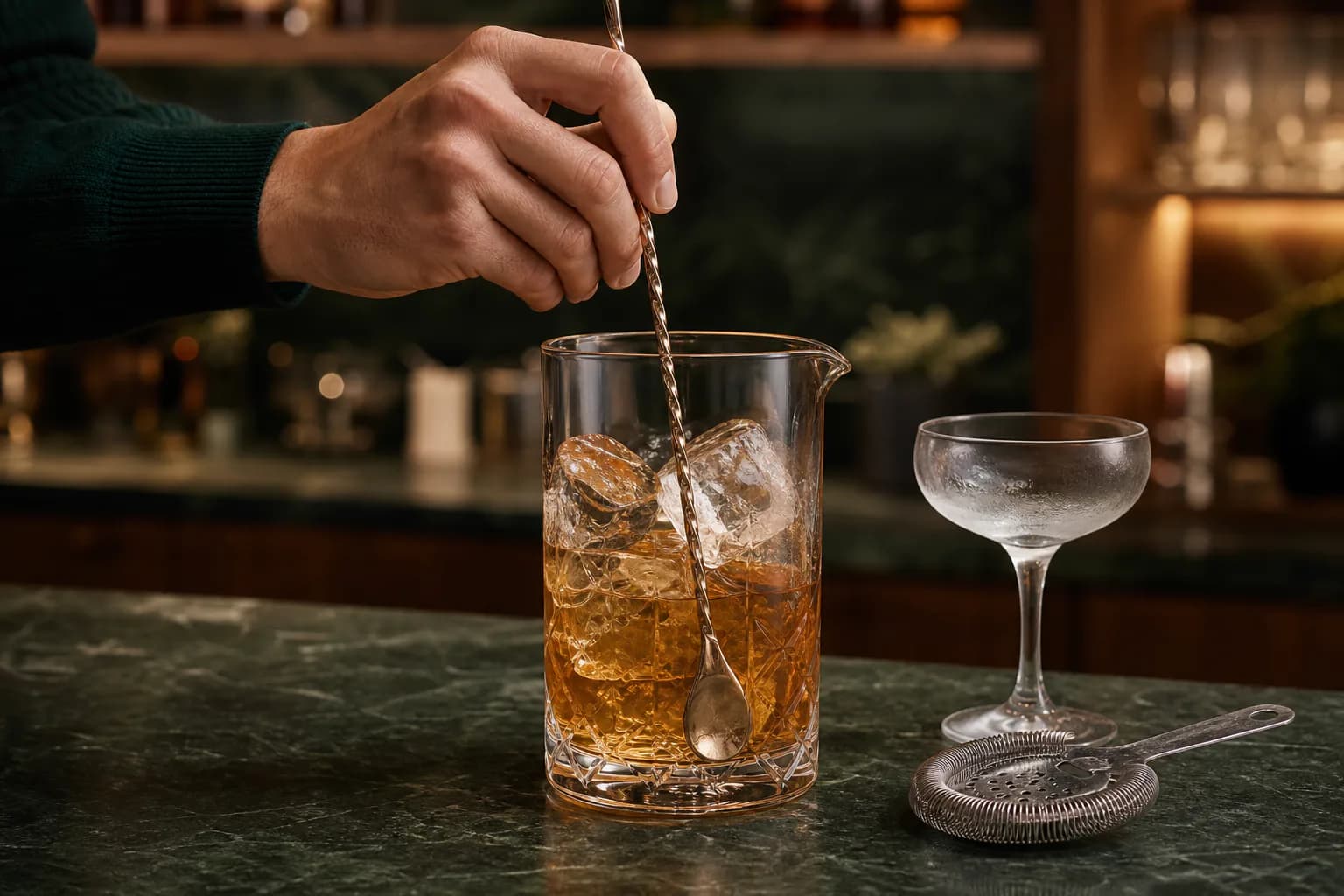
How to stir a cocktail for a silky finish
Control chilling and dilution without adding the bubbles and texture of a shake.
Read the guide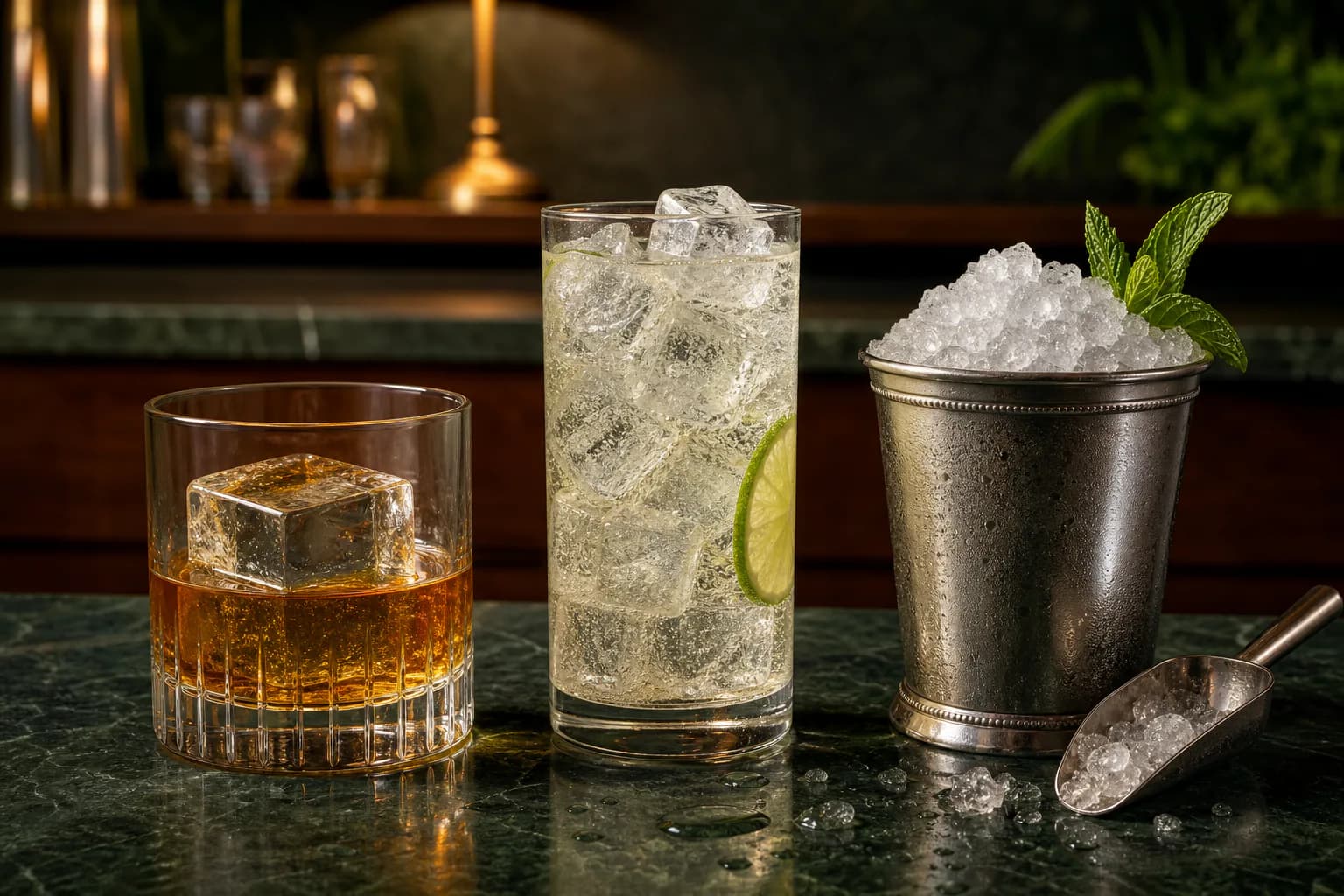
Cocktail ice: cubes, crushed ice and dilution
Understand why ice is an ingredient—and choose the right shape for every drink.
Read the guideWhere to go next
If you like the Hugo Spritz, try these.
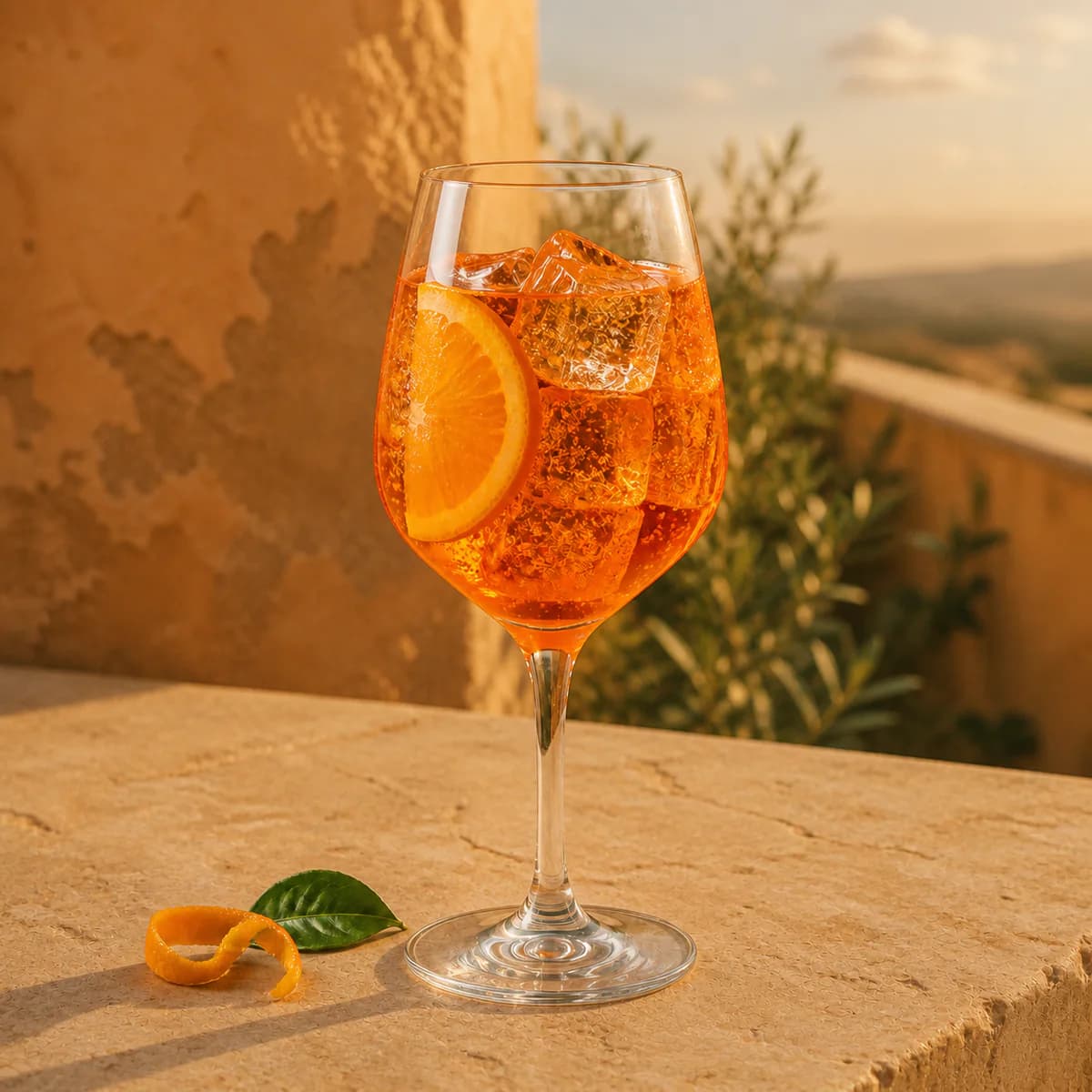
Aperol Spritz
The Aperol Spritz is the 3-2-1 cocktail: three parts prosecco, two parts Aperol, one part soda, built over ice in a big wine glass. Bright orange, lightly bitter, and the easiest way to look like you know what you are doing.
View recipe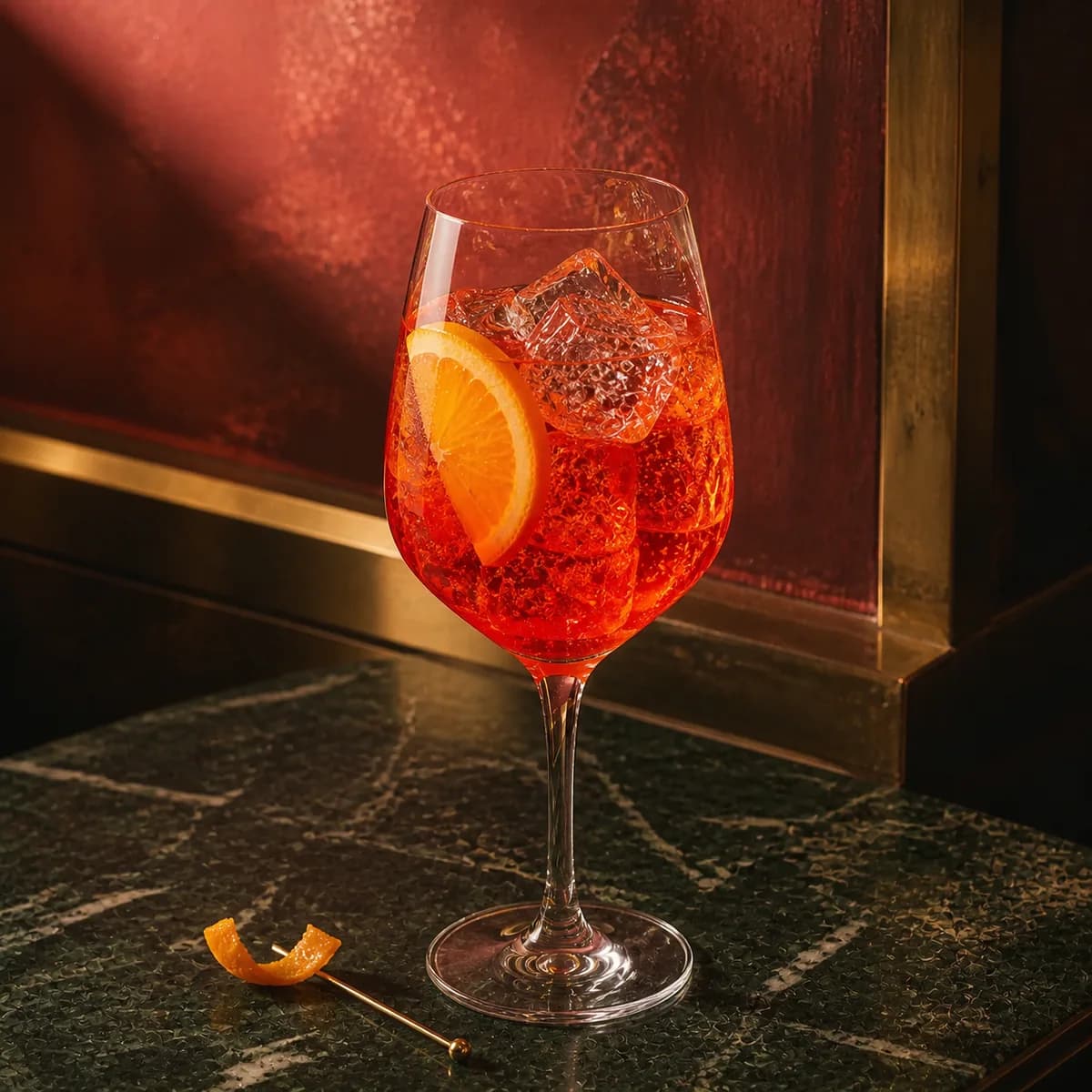
Campari Spritz
The bitterer sibling of the Aperol Spritz: Campari, prosecco and a splash of soda over ice. Deep red and properly aperitivo.
View recipe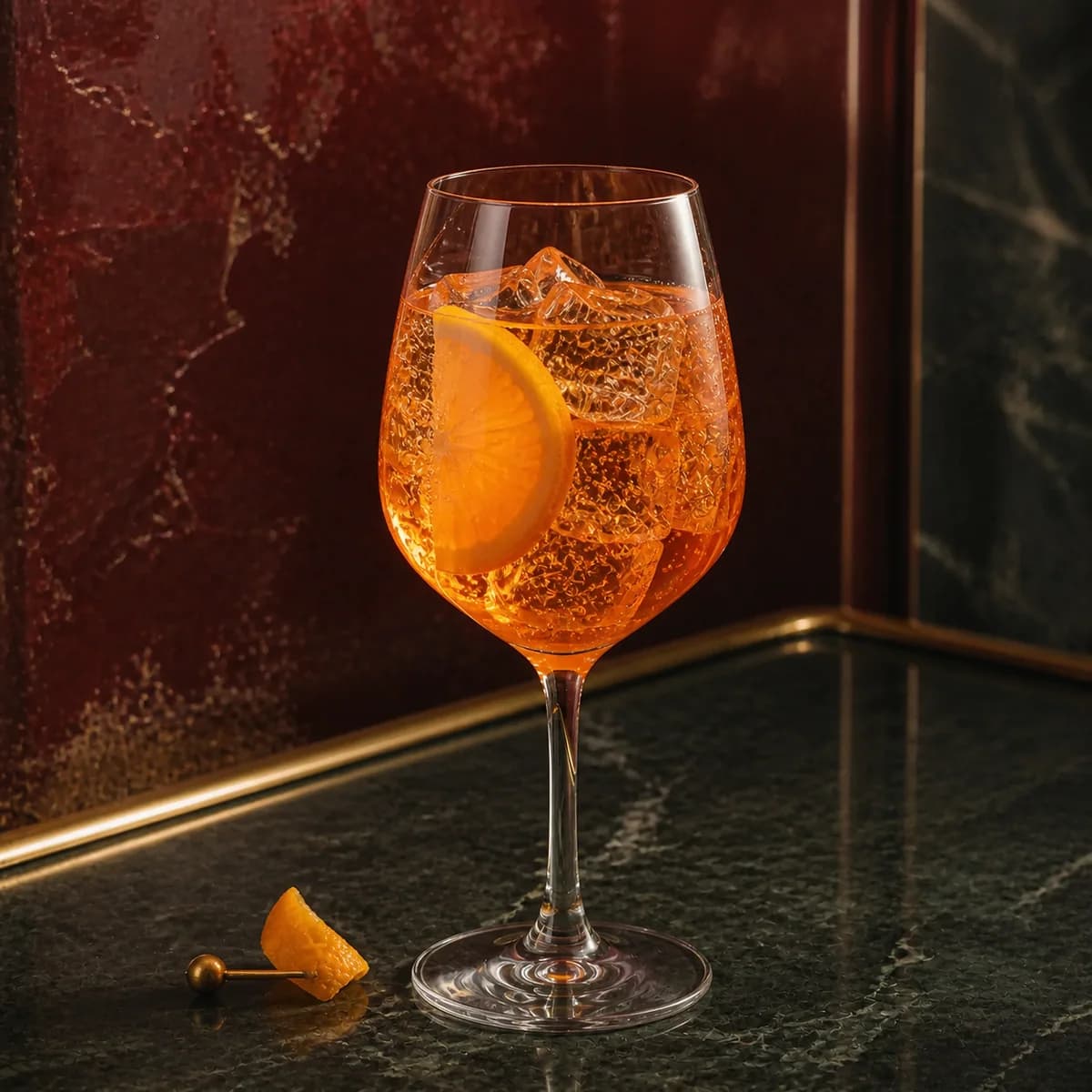
Amaro Spritz
A bittersweet spritz built on amaro instead of Aperol — deeper and more herbal, topped with prosecco and soda.
View recipe