Classic cocktail · Guided recipe
Journalist
Start makingSix ingredients, and four of them measured in single teaspoons. Underneath the fussiness sits a Martini carrying both vermouths at once, with a splash of lemon and a teaspoon of orange liqueur to round the edges.
In the glassGin · Dry vermouth · Sweet vermouth · Triple sec / Cointreau · Fresh lemon juice · +1 more
See exact amounts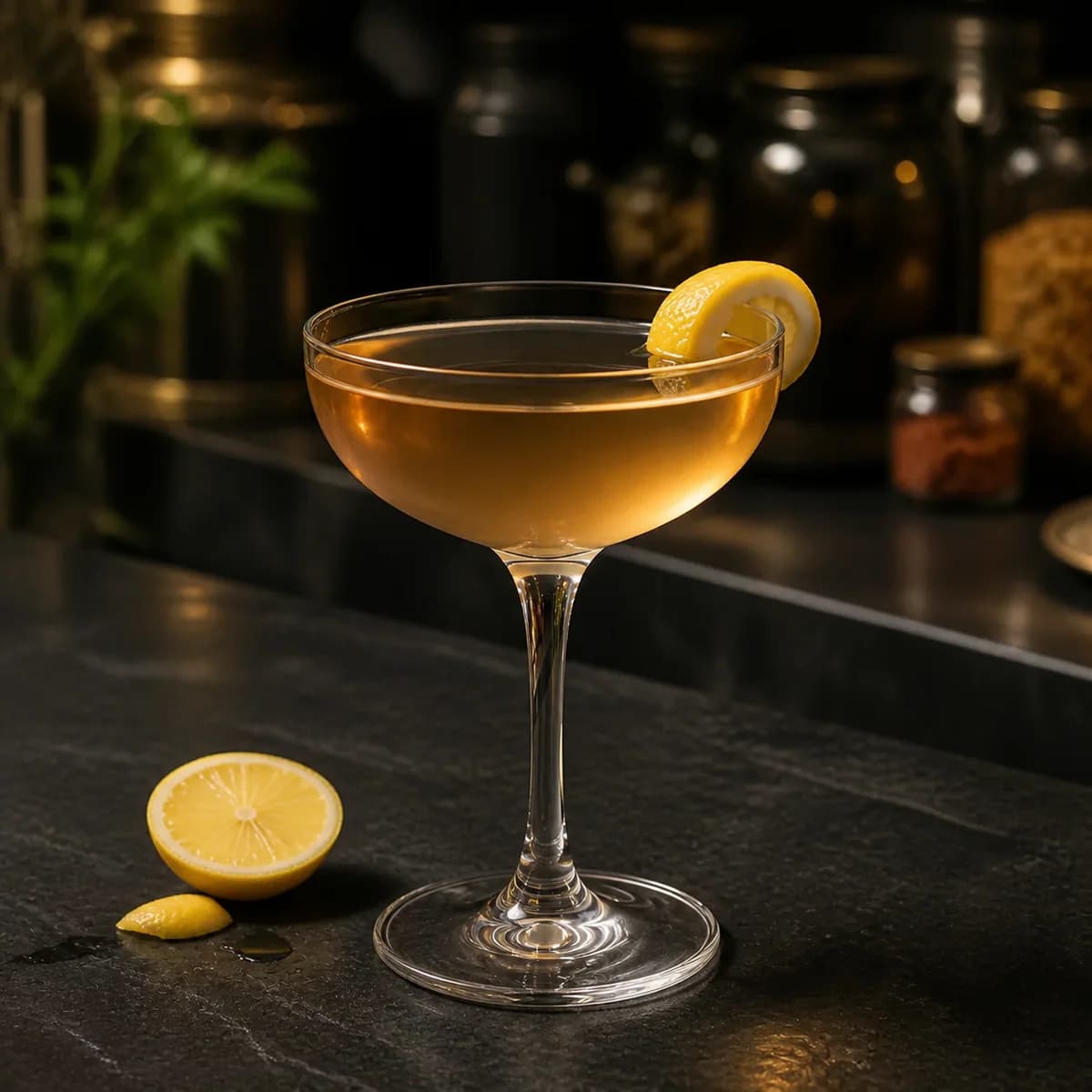
What goes in
Ingredients
Set up before you pour
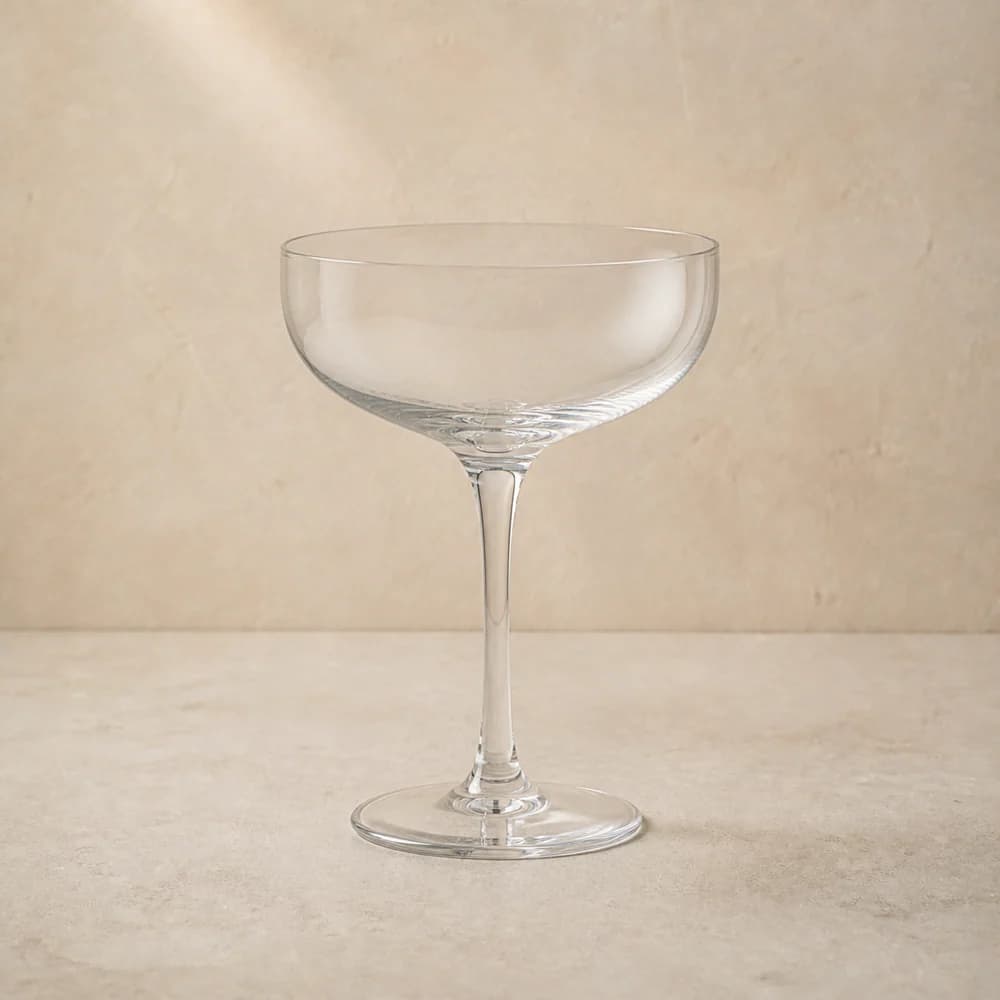
Use a coupe glass.
The stem keeps your hand away from a cold drink, while the rounded bowl makes an up serve easy to sip.
- Standard size
- 200 ml6¾ oz
- Ice & serve
- Chill it first; serve without ice.
- If you don’t own one
- Use a small martini glass or stemmed dessert glass.
- cocktail shaker
- strainer (or a small sieve)
- jigger or measuring spoon
- Gin45 ml
- Dry vermouth8 ml
- Sweet vermouth8 ml
- Triple sec / Cointreau4 ml
- Fresh lemon juice8 ml
- Angostura bitters1 dash

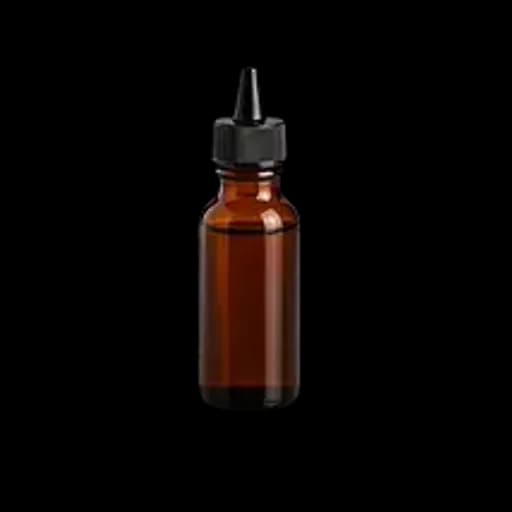
From bottle to glass
Method
- 01
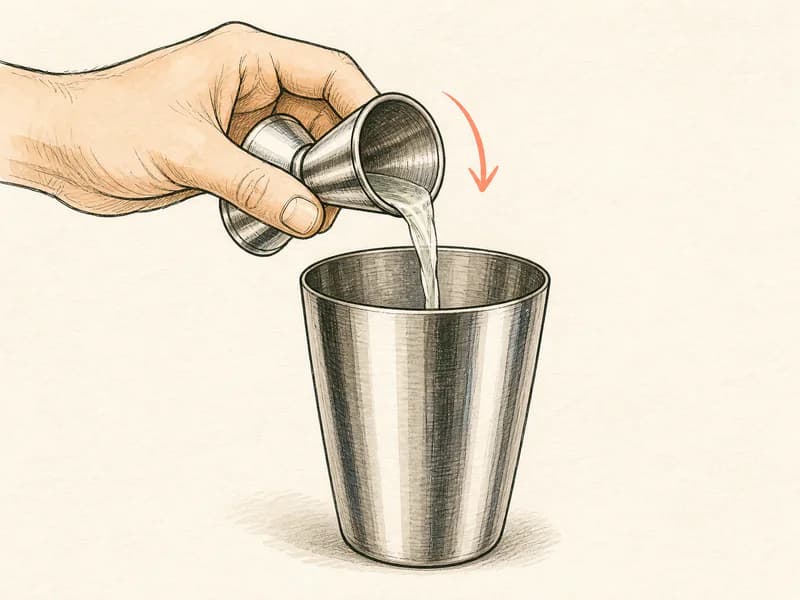
Measure into the shaker Pour 45 ml gin into your shaker
 Gin
Gin
- 02
Measure into the shaker Add 8 ml dry vermouth
 Dry vermouth
- 03
Measure into the shaker Add 8 ml sweet vermouth
- Sweet vermouth
- 04
Measure into the shaker Add 4 ml triple sec / cointreau
- Triple sec / Cointreau
- 05
Measure into the shaker Add 8 ml fresh lemon juice
 Fresh lemon juice
- 06
Measure into the shaker Add 1 dash Angostura
 Angostura bitters
- 07
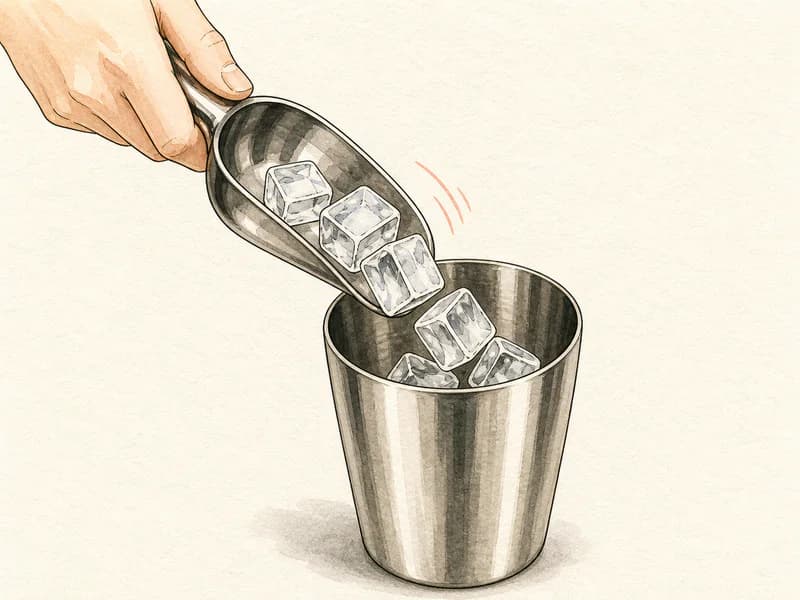
Ice the shaker Fill the shaker with ice
- 08
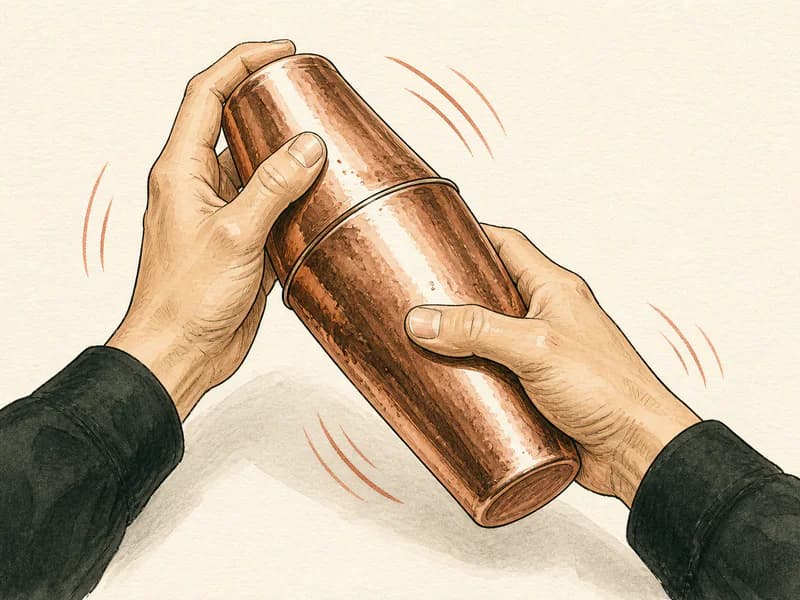
Seal and shake Seal and shake hard
- 09
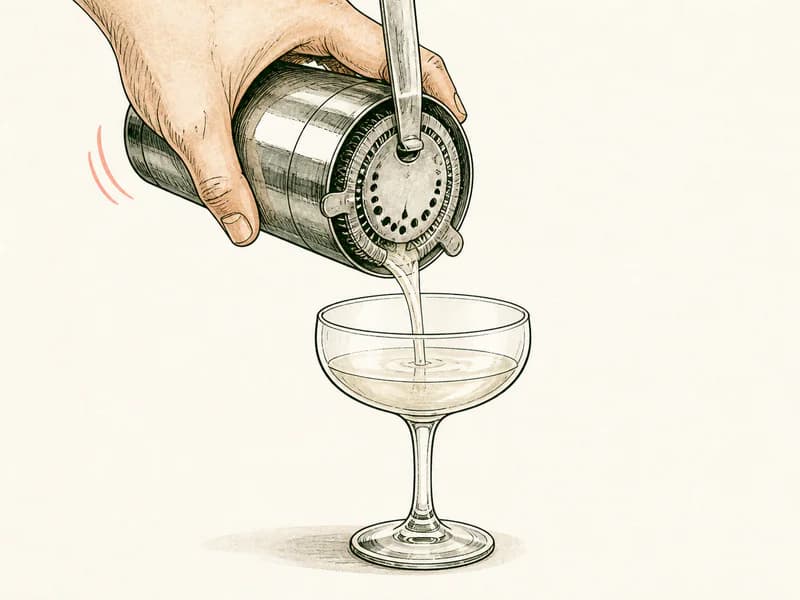
Strain cleanly Strain into a chilled glass — no ice
- 10
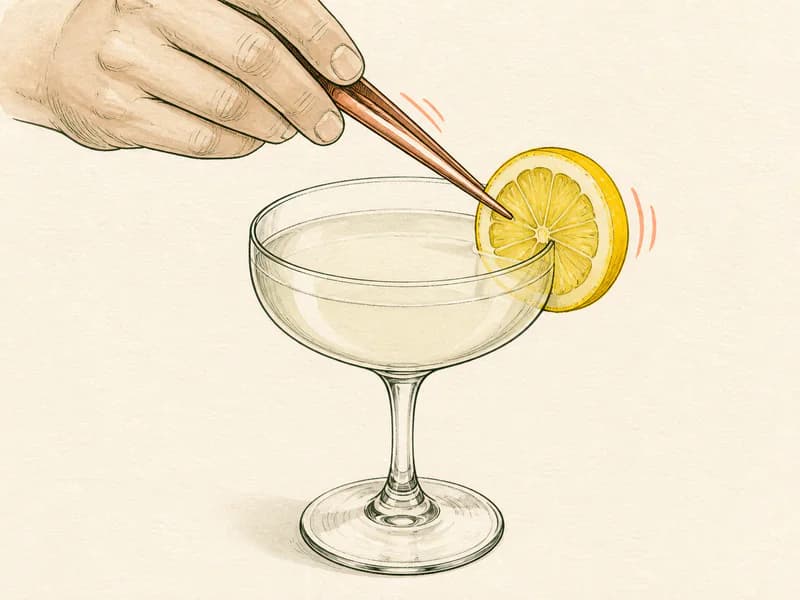
Finish the drink Finish it — add a lemon slice
Know your drink
About the Journalist
Why the odd amounts
Dashes and teaspoons, not fractions of an ounce: that's how this was originally written down, and the conversion into milliliters is what makes the modern spec look like a lab procedure. Four milliliters of triple sec is one teaspoon. Eight is two. Read the numbers that way and the drink stops looking difficult.
A London dry gin somewhere around 40 to 43 percent is the right choice. Anything stronger and the 8 ml vermouth doses vanish underneath it. Anything loaded with contemporary botanicals starts arguing with the Angostura. Beefeater and Tanqueray both behave, and this is not the place for a floral or cucumber-led gin.
Common questions
Journalist FAQ
Do I actually need both vermouths?
Yes, or you've made something else. Eight milliliters of each puts wine character on both sides of the gin: dry brings the sharp herbal edge, sweet brings caramel weight. Use 16 ml of one instead and you've built a plain Martini or a Martinez.
What is 8 ml in kitchen measures?
A generous teaspoon and a half, or a heaped bar spoon. If you're eyeballing it, err small. The whole build comes to 73 ml, so an extra spoon of vermouth is a much bigger proportional error here than it would be in any highball.
Is this worth batching in advance?
Batch everything except the lemon, keep it in the freezer, then pour 65 ml per drink and shake with 8 ml of fresh juice. Citrus batched ahead goes dull within hours, and those teaspoon measures are exactly what makes this tedious to build one glass at a time.
The layers taste muddy instead of separate. Why?
Usually too much lemon. At 8 ml the juice is a seasoning, and a heavy hand flattens the two vermouths into one sour note. Measure it properly. If it's still murky, suspect old sweet vermouth, which turns the caramel end stewed and dulls everything above it.
What ingredients are in a Journalist?
A classic Journalist calls for 45 ml (1.5 oz) Gin, 8 ml (0.25 oz) Dry vermouth, 8 ml (0.25 oz) Sweet vermouth, 4 ml (0.25 oz) Triple sec / Cointreau, 8 ml (0.25 oz) Fresh lemon juice, 1 dash Angostura Angostura bitters. That single-serve spec scales cleanly — the recipe above converts it to oz and multiplies it for 2–4 drinks.
How strong is a Journalist?
A standard Journalist is roughly 30% ABV once mixed (before ice melt softens it further). That makes it spirit-forward — closer to a Martini than to a beer, so sip it slowly.
Is a Journalist shaken or stirred?
A Journalist is shaken — the rule of thumb is to shake anything with citrus juice. About 13 seconds with plenty of ice chills and dilutes it correctly.
Sharpen the technique
Skills used in this recipe
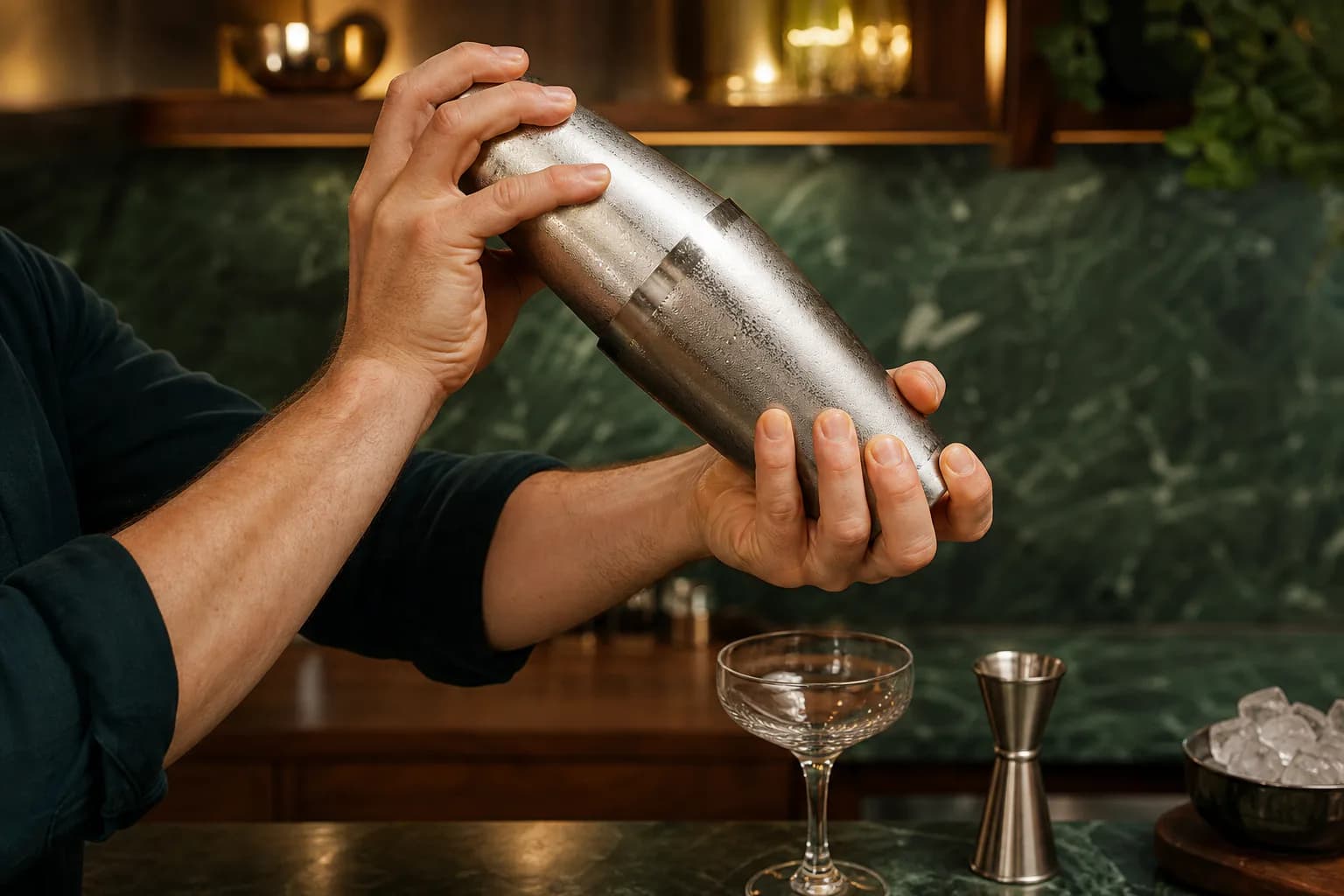
How to shake a cocktail properly
The grip, timing, ice and visual cues that make shaken drinks colder and brighter.
Read the guide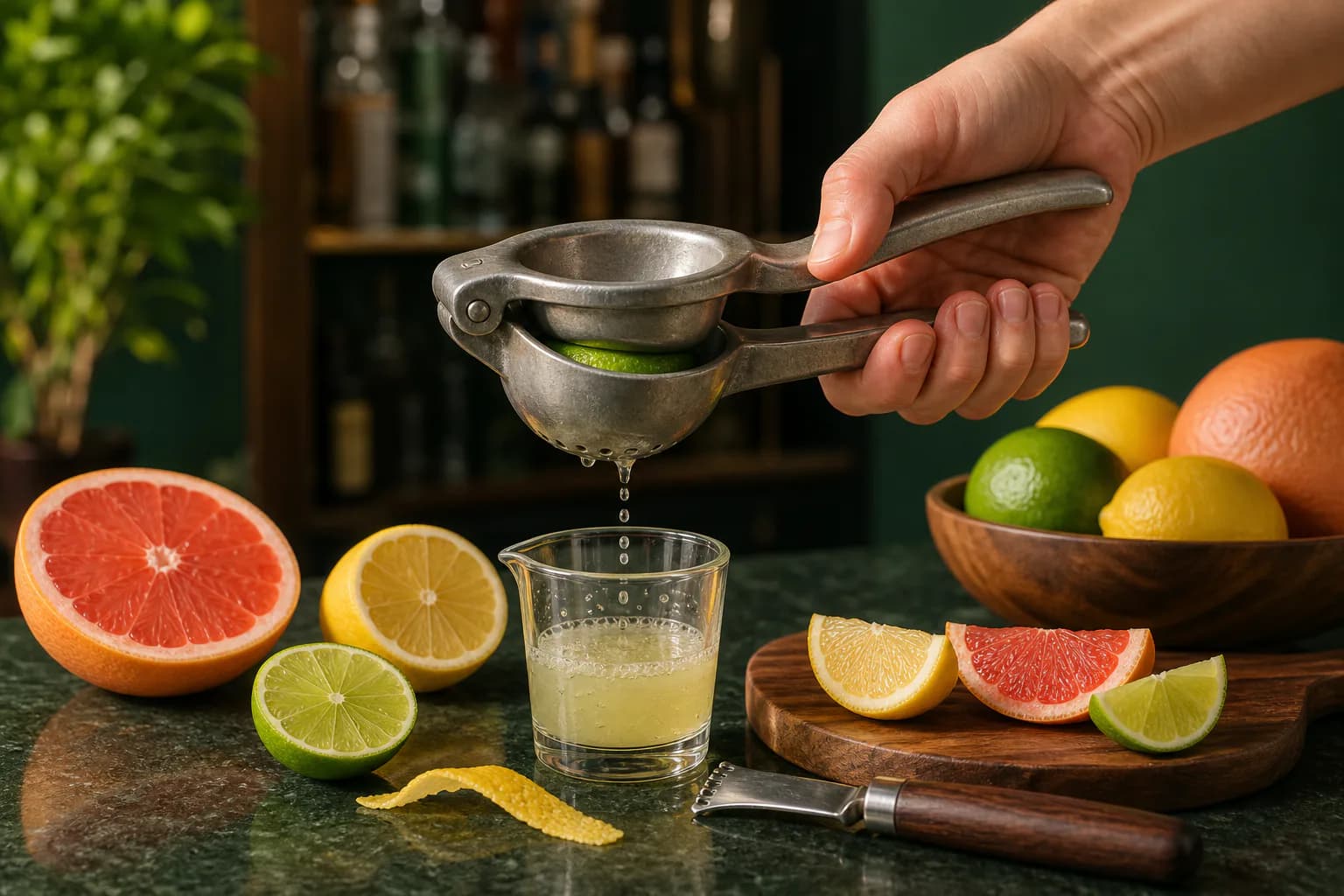
Fresh citrus for cocktails: juice, wedges and balance
Get brighter lime, lemon and grapefruit flavor with better prep and storage.
Read the guideWhere to go next
If you like the Journalist, try these.
Income Tax
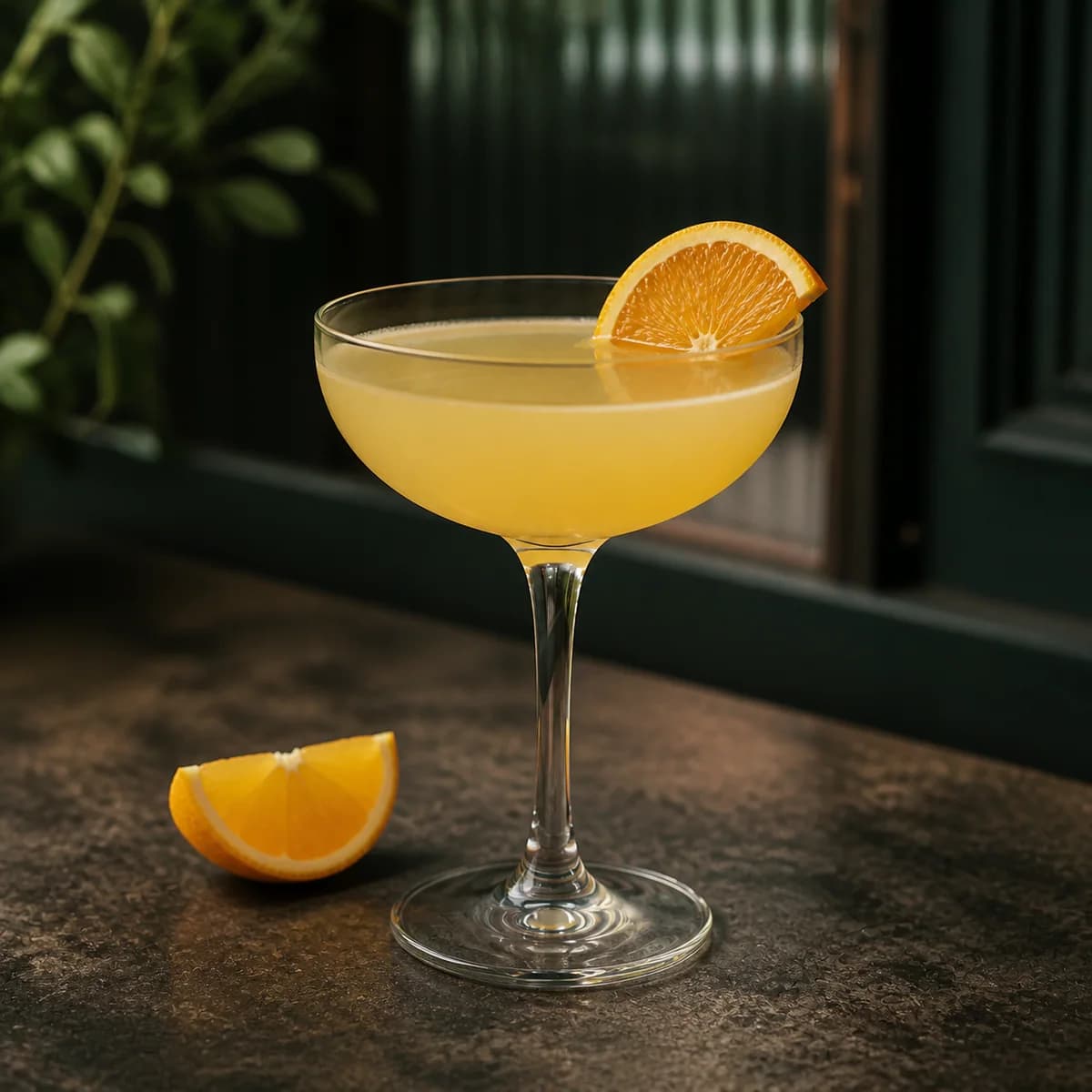
Two dashes of Angostura separate this from a Bronx, and they do more work than that suggests. Spice pulls the orange juice back from breakfast and gives the pair of vermouths something to hold onto.
View recipe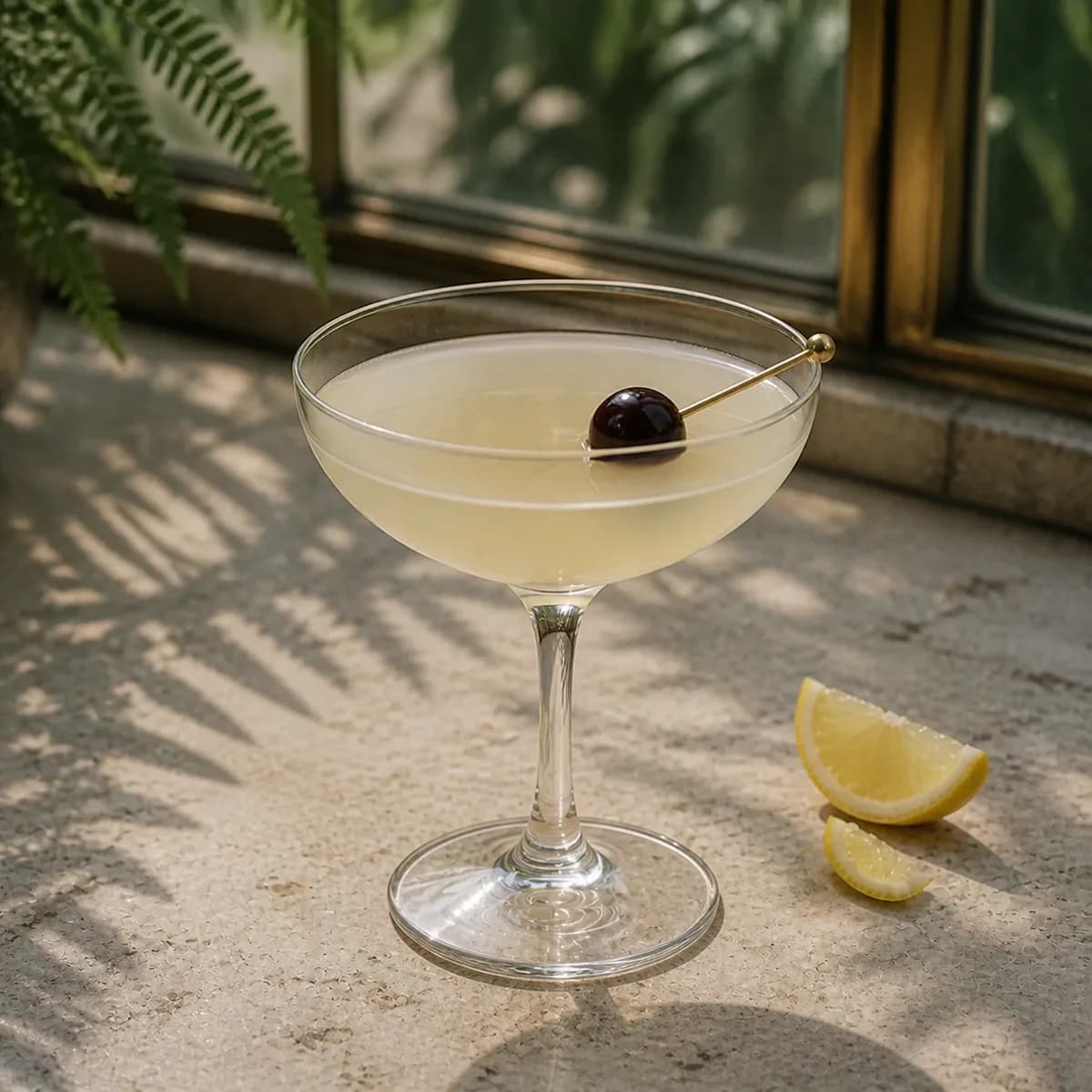
Fine and Dandy
Two parts gin to one each of orange liqueur and lemon is a White Lady. What makes this one its own drink is the dash of Angostura, which runs a line of clove and gentian under the citrus and keeps the sweetness honest.
View recipe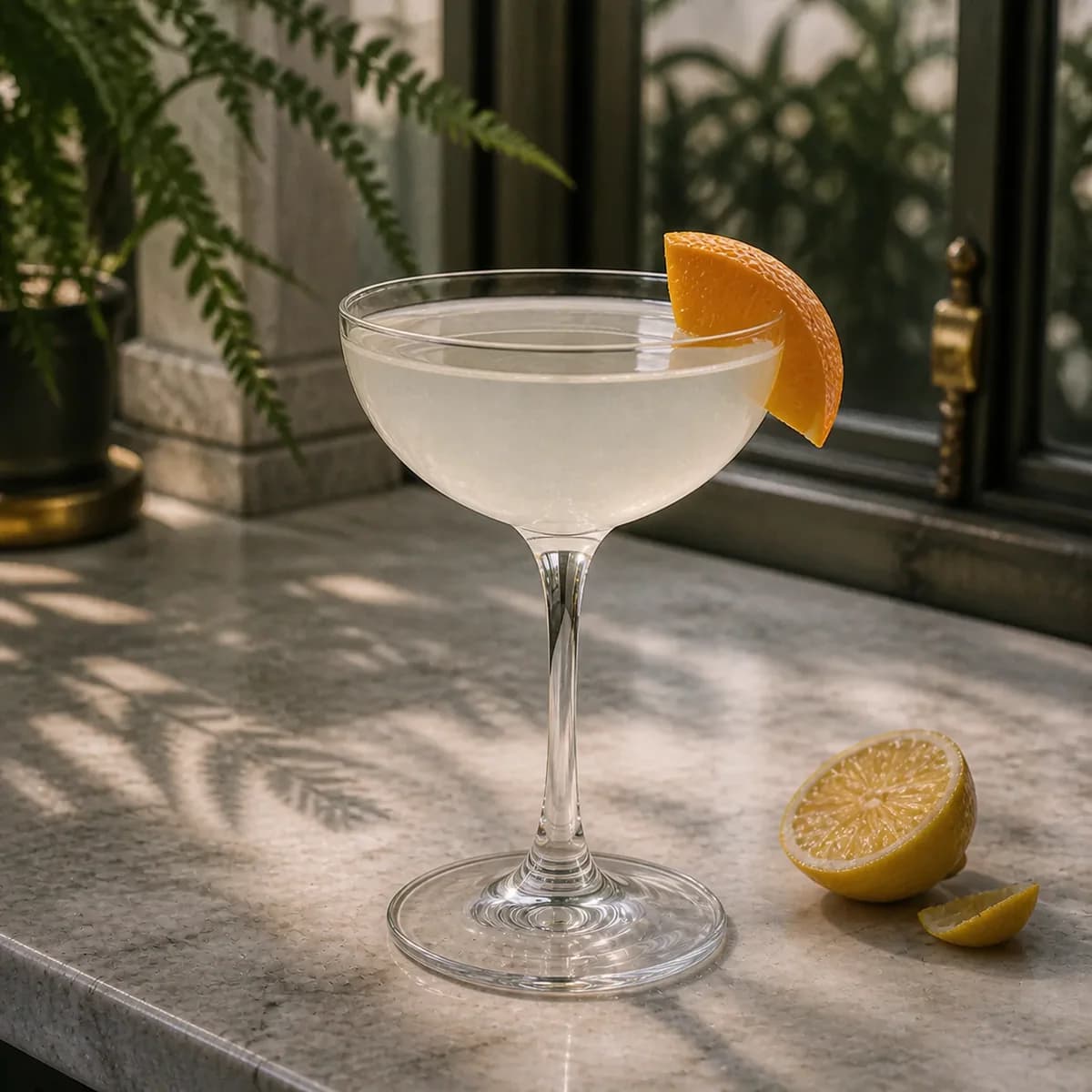
Gin Crusta
Sugar on half the rim and a long coil of lemon peel lining the glass is what makes a crusta, and the liquid inside is almost secondary. Gin, lemon, a little orange liqueur and a bar spoon of maraschino, sharper than the sugared rim leads you to expect.
View recipe