Classic cocktail · Guided recipe
Gin Daisy
Start makingDaisies are a family rather than a single recipe: spirit, citrus, a sweetener, poured over ice. This one runs gin against lemon with grenadine doing most of the sweetening and a small pour of triple sec sharpening the edges.
In the glassGin · Fresh lemon juice · Grenadine · Triple sec / Cointreau
See exact amounts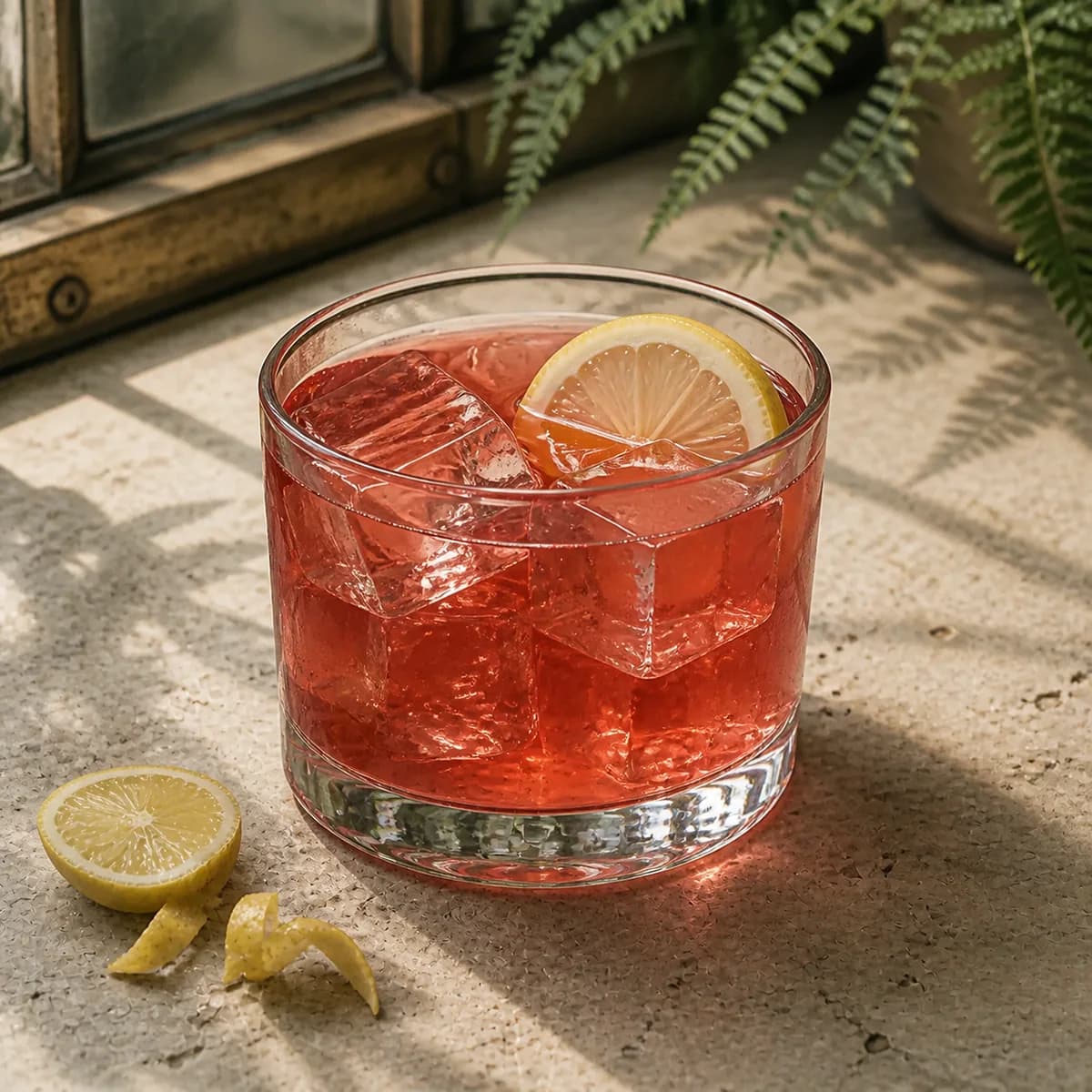
What goes in
Ingredients
Set up before you pour
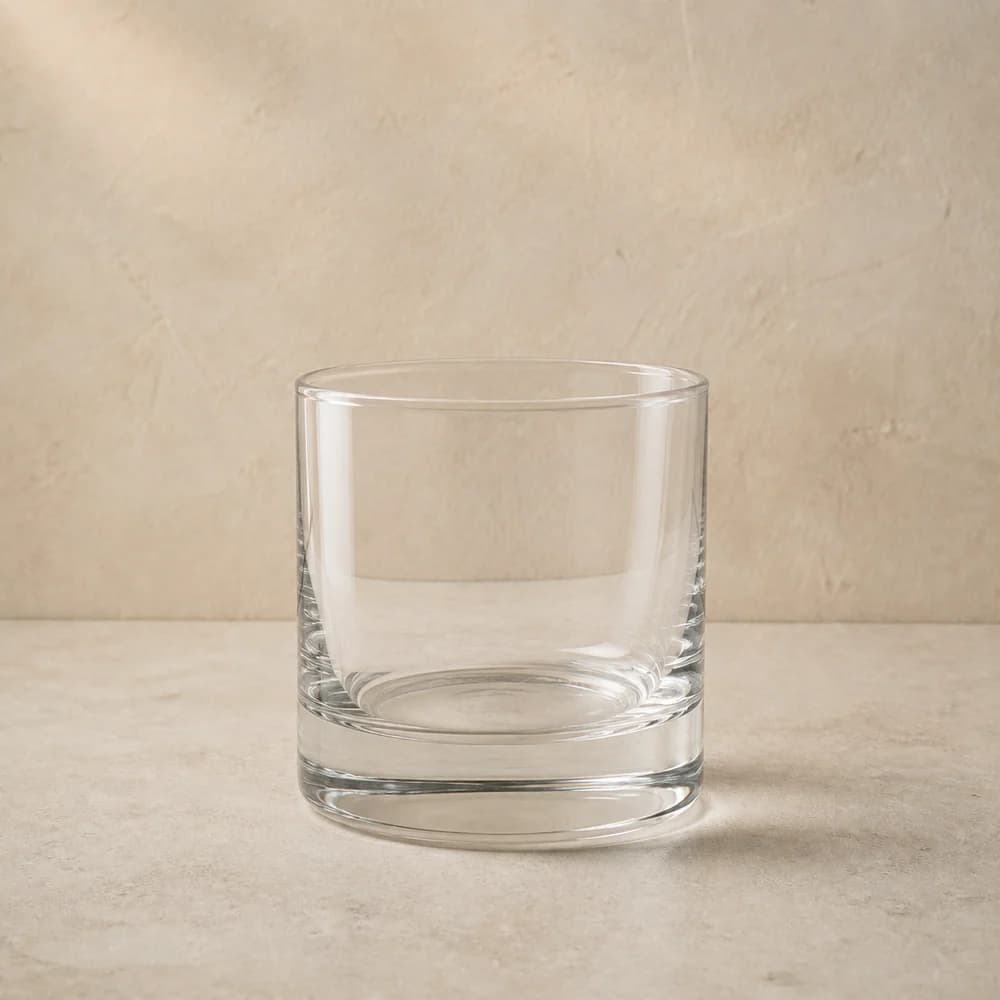
Use a rocks glass.
The low, sturdy bowl suits concentrated drinks and gives one large cube enough width.
- Standard size
- 300 ml10¼ oz
- Ice & serve
- Fill it with fresh ice cubes.
- If you don’t own one
- Use a small water tumbler with a heavy base.
- cocktail shaker
- strainer (or a small sieve)
- jigger or measuring spoon
- Gin60 ml
- Triple sec / Cointreau8 ml
- Fresh lemon juice22 ml
- Grenadine15 ml
From bottle to glass
Method
- 01
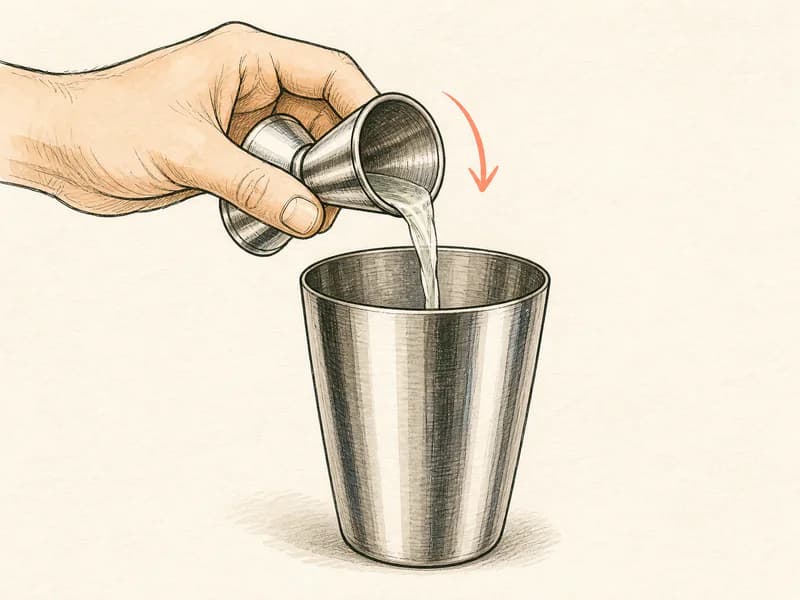
Measure into the shaker Pour 60 ml gin into your shaker
 Gin
Gin
- 02
Measure into the shaker Add 22 ml fresh lemon juice
 Fresh lemon juice
- 03
Measure into the shaker Add 15 ml grenadine
 Grenadine
- 04
Measure into the shaker Add 8 ml triple sec / cointreau
 Triple sec / Cointreau
- 05
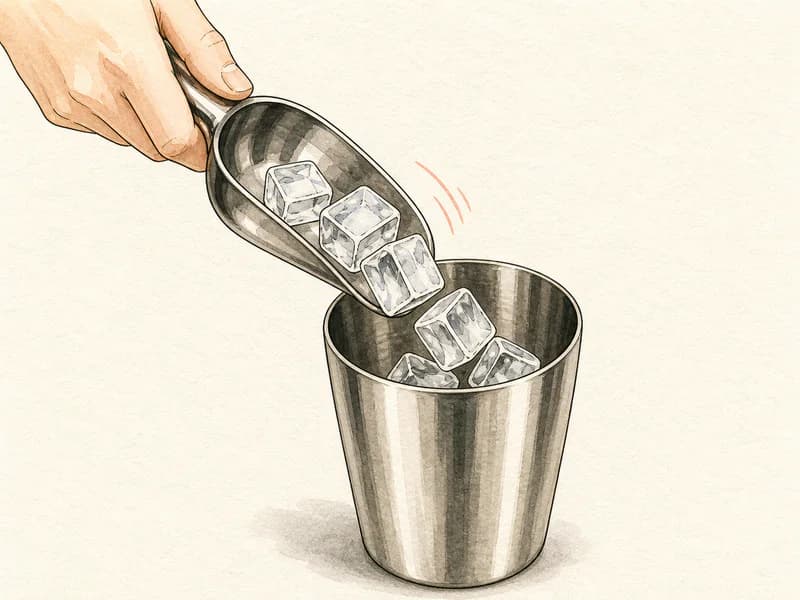
Ice the shaker Fill the shaker with ice
- 06
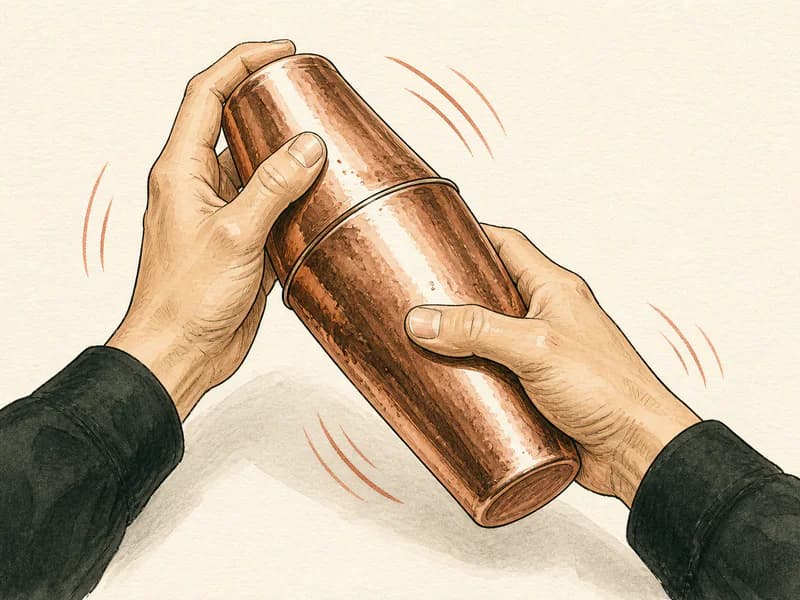
Seal and shake Seal and shake hard
- 07
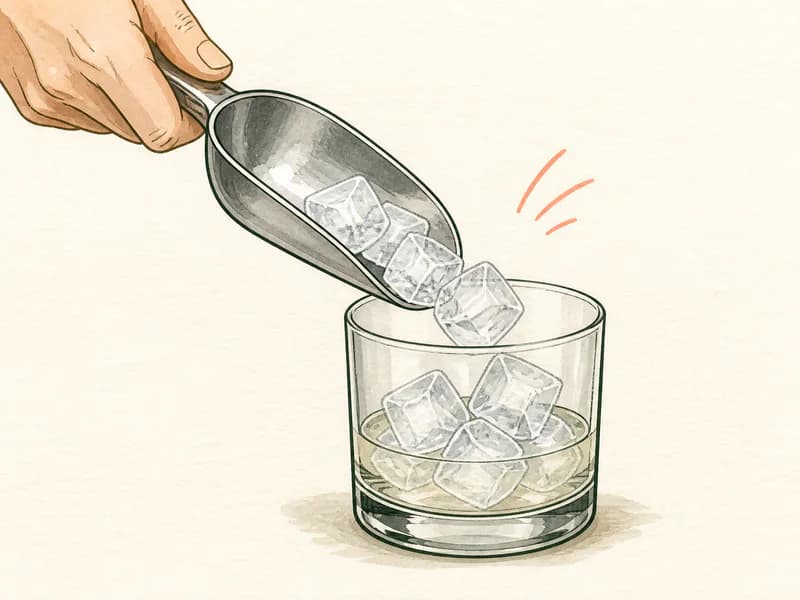
Ice the glass Fill your glass with fresh ice
- 08
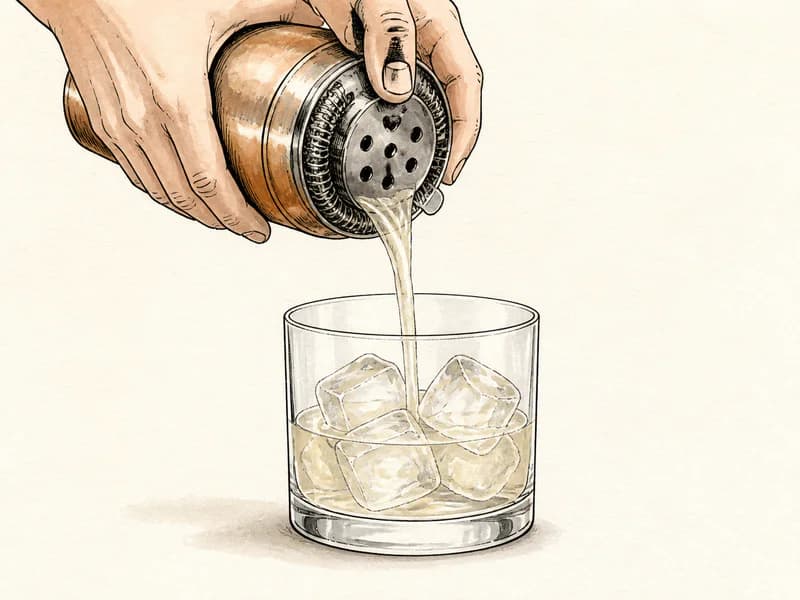
Strain cleanly Strain into your glass
- 09
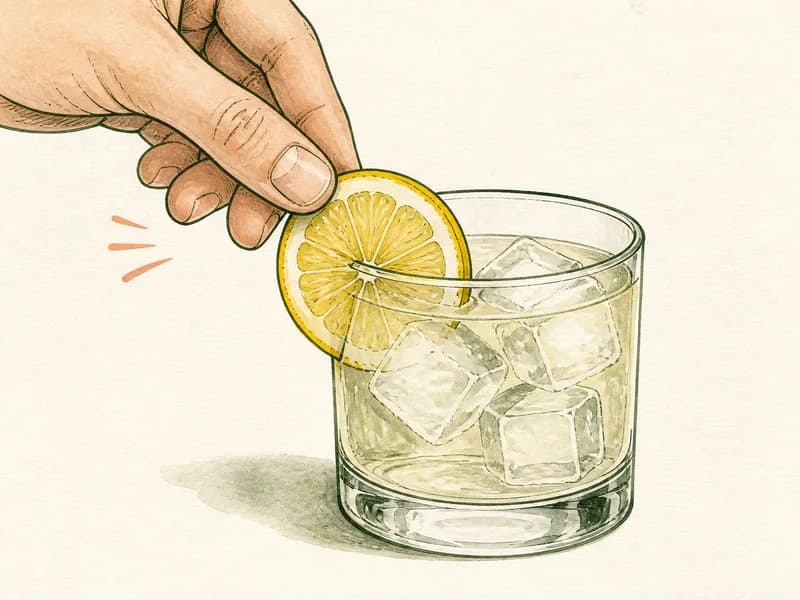
Finish the drink Finish it — add a lemon slice
Know your drink
About the Gin Daisy
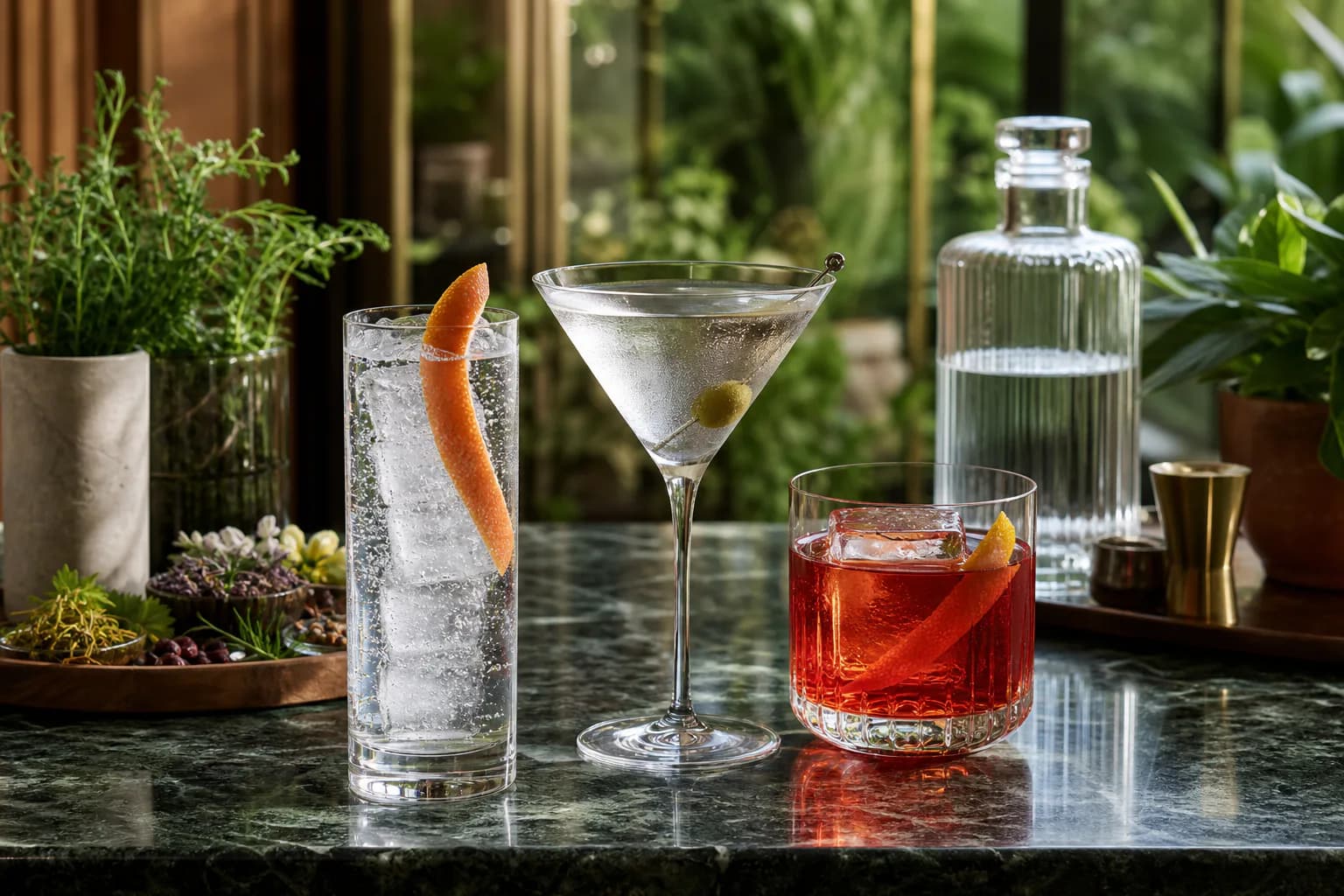
One template, many daisies
Whiskey daisies, brandy daisies, rum daisies and gin daisies all appear in American bar manuals from the 1870s on, and they are the same drink with the bottle changed. Spirit, lemon, a sweetener, ice, sometimes soda. Learn the shape and you can build one out of whatever happens to be open on the shelf.
Point that template at tequila with lime instead of lemon and you have a Margarita, which is the Spanish word for daisy. Whether that is the actual lineage or a coincidence noticed later, nobody can prove. Structurally it matches exactly, which is more than most cocktail genealogy manages.
Common questions
Gin Daisy FAQ
Should it be topped with soda?
Plenty of old recipes finish a daisy with a splash and it's a fair call in summer. Sixty milliliters of gin over ice is a short, strong drink, and 30 ml of soda stretches it without making it watery. Pour the soda in after the strain so you keep the lift.
The last mouthful was all grenadine. What happened?
Grenadine is dense and it sinks. Underdissolved in the tin, it slides straight to the bottom of the glass and sits under the ice. Shake with proper cubes for a solid ten seconds so the syrup emulsifies, and pour in one motion rather than tipping the tin out slowly.
Why is it watery by the third sip?
Two lots of dilution. It picks up water in the shaker and more from the cubes in the glass. Use one big cube, or fill the glass with large ones rather than half-filling it with small, and chill the glass first so the ice isn't doing all the cooling.
Was grenadine always the sweetener?
No. Nineteenth-century daisies used gum syrup and orange liqueur, and raspberry turns up about as often as pomegranate. Grenadine became the default around the turn of the century and never left. If you have raspberry syrup in the house, swap it one for one for a brighter, jammier version.
What ingredients are in a Gin Daisy?
A classic Gin Daisy calls for 60 ml (2 oz) Gin, 22 ml (0.75 oz) Fresh lemon juice, 15 ml (0.5 oz) Grenadine, 8 ml (0.25 oz) Triple sec / Cointreau. That single-serve spec scales cleanly — the recipe above converts it to oz and multiplies it for 2–4 drinks.
How strong is a Gin Daisy?
A standard Gin Daisy is roughly 26% ABV once mixed (before ice melt softens it further). That makes it spirit-forward — closer to a Martini than to a beer, so sip it slowly.
Is a Gin Daisy shaken or stirred?
A Gin Daisy is shaken — the rule of thumb is to shake anything with citrus juice. About 13 seconds with plenty of ice chills and dilutes it correctly.
Sharpen the technique
Skills used in this recipe
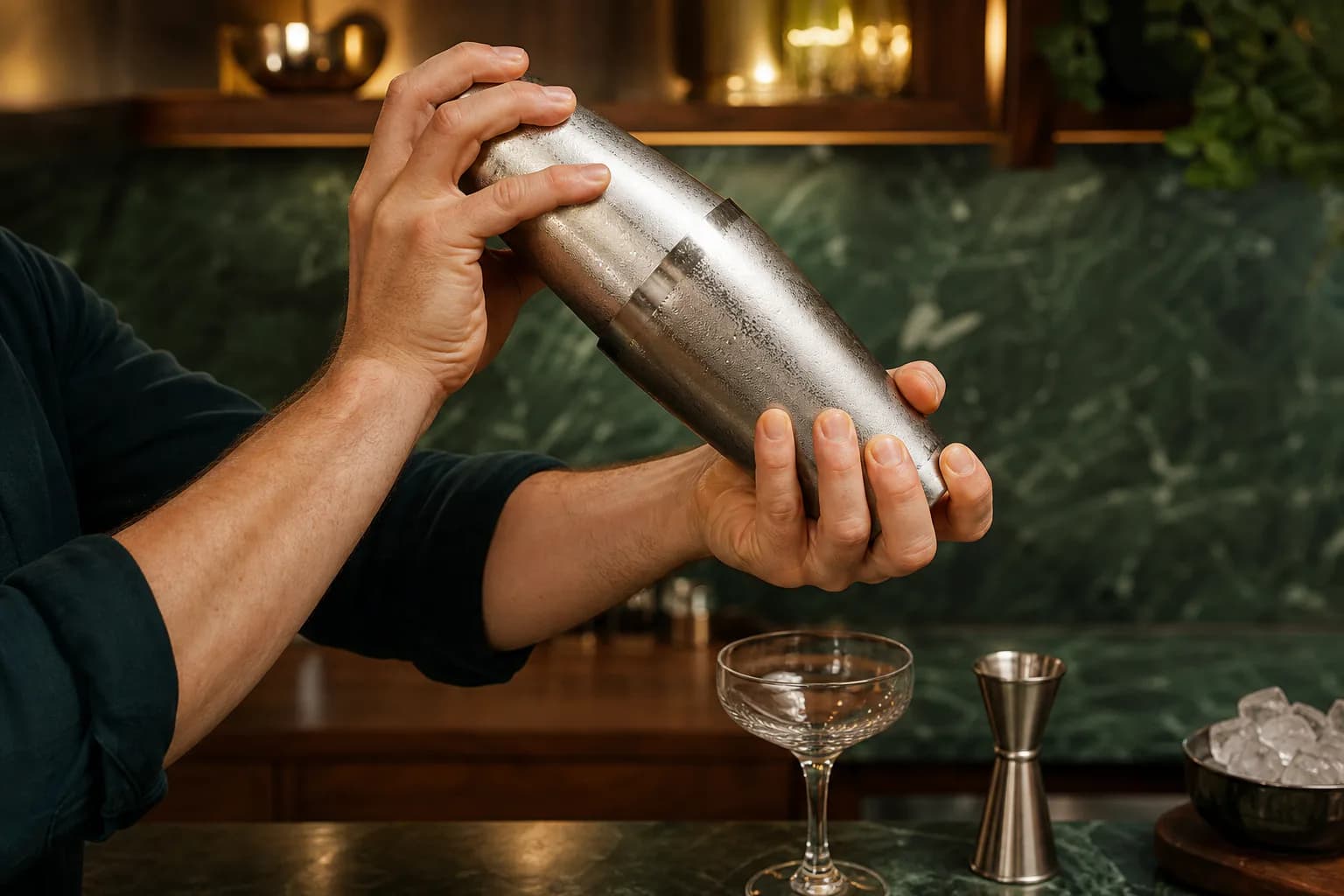
How to shake a cocktail properly
The grip, timing, ice and visual cues that make shaken drinks colder and brighter.
Read the guide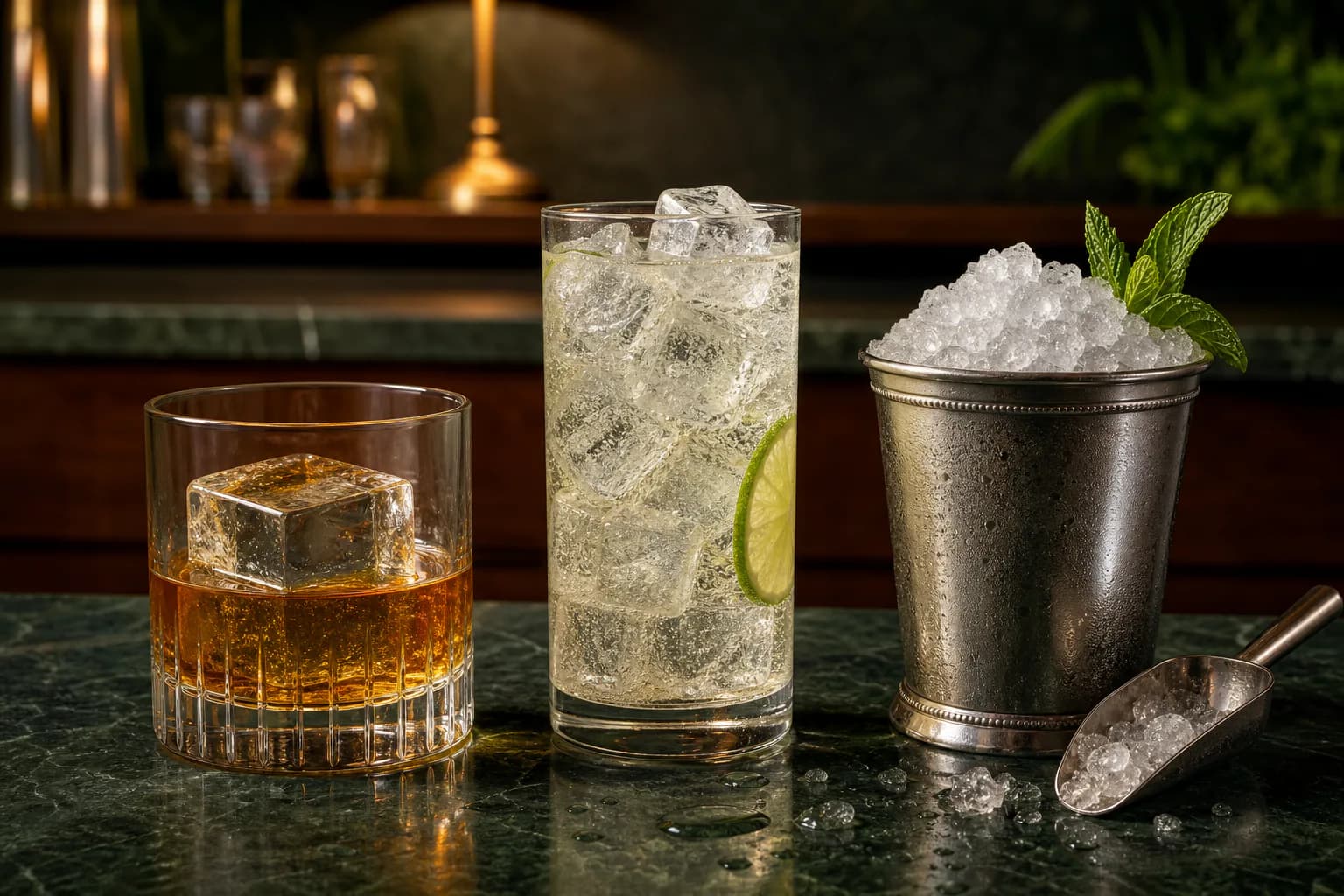
Cocktail ice: cubes, crushed ice and dilution
Understand why ice is an ingredient—and choose the right shape for every drink.
Read the guide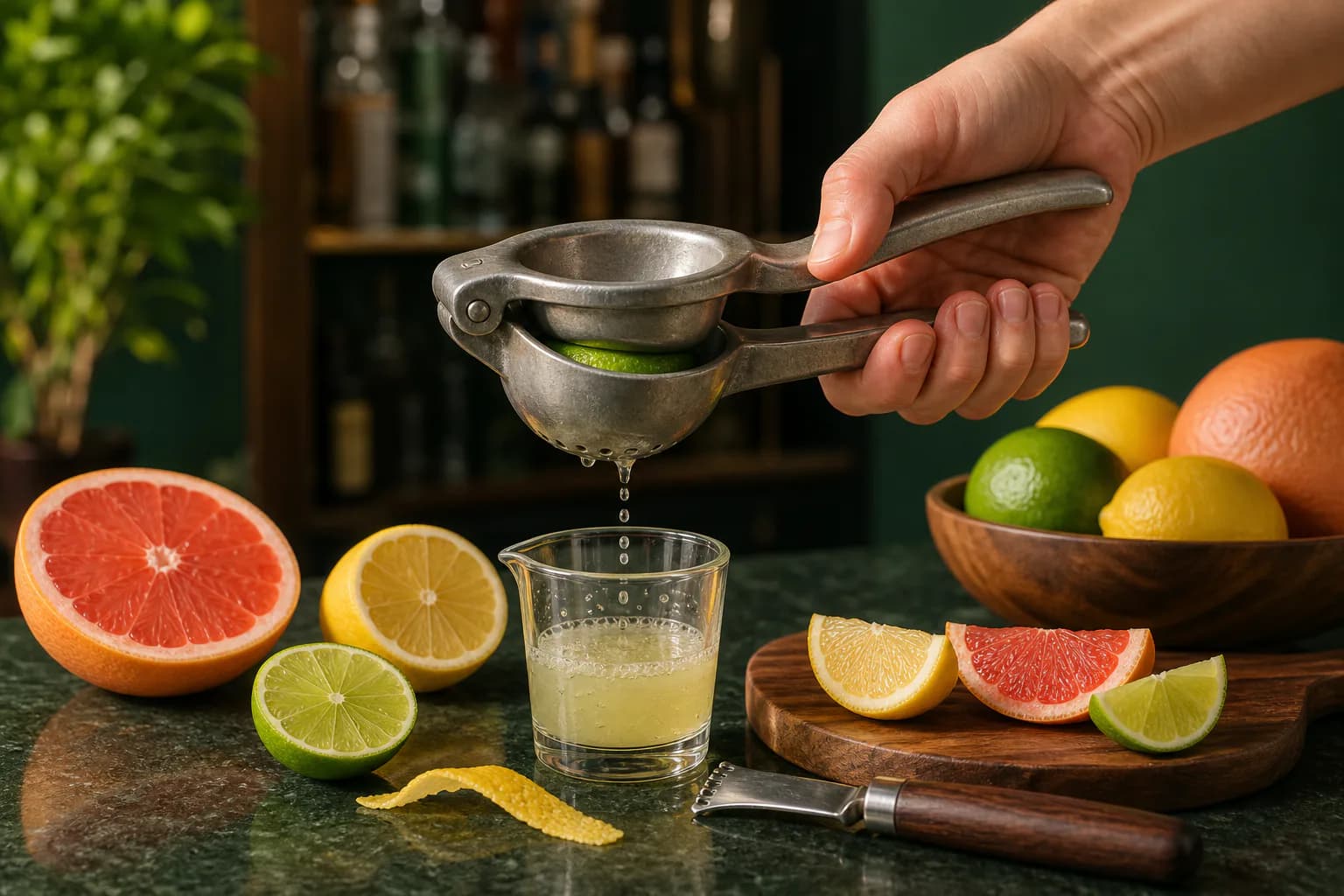
Fresh citrus for cocktails: juice, wedges and balance
Get brighter lime, lemon and grapefruit flavor with better prep and storage.
Read the guideWhere to go next
If you like the Gin Daisy, try these.
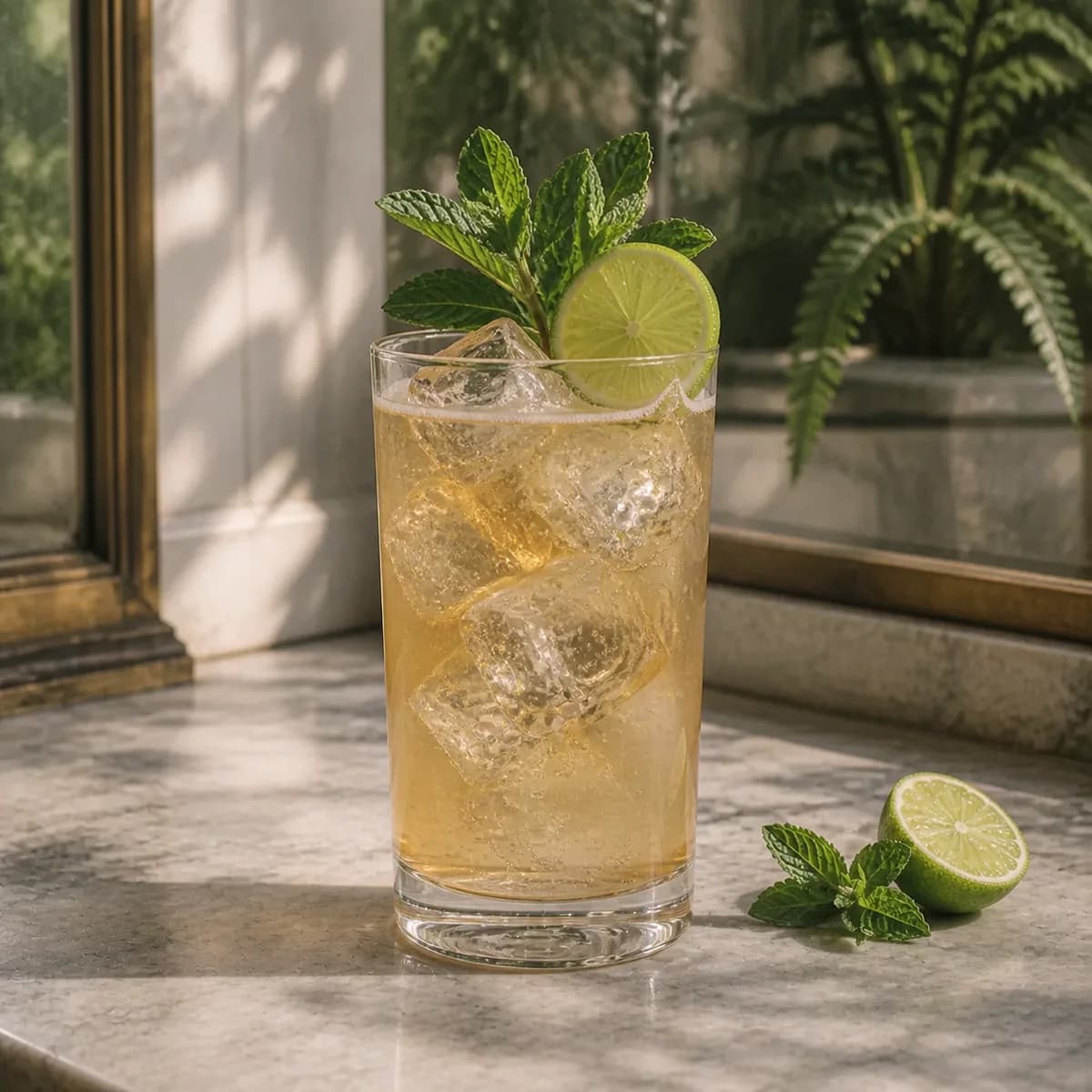
Gin-Gin Mule
Audrey Saunders’ modern classic: a mojito-mule hybrid — gin and mint muddled with lime and sugar, lengthened with ginger beer.
View recipe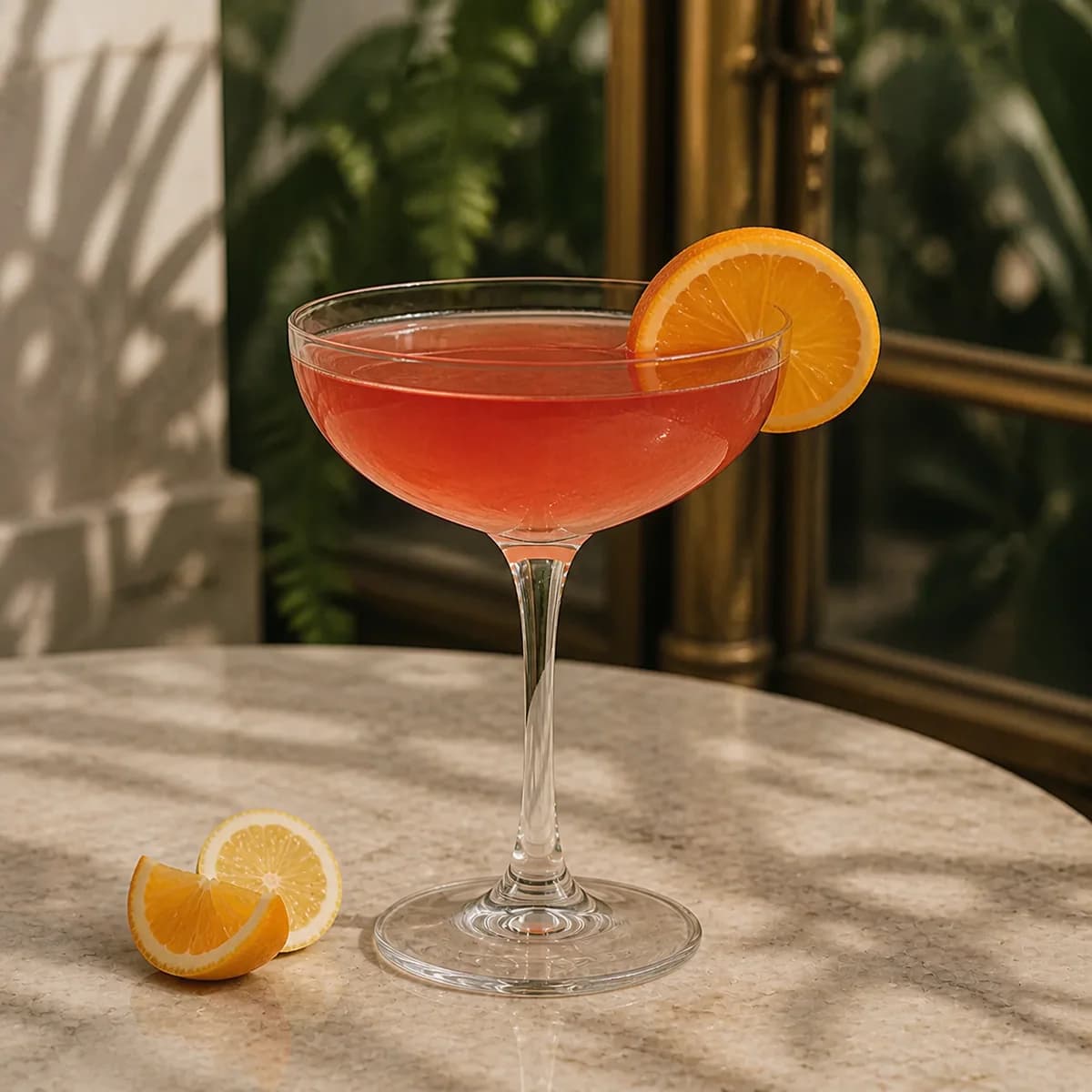
Gin and Sin
Grenadine decides this drink. Corn-syrup grenadine turns it into candy, while real pomegranate syrup keeps it tart and gives it that dusty pink color.
View recipe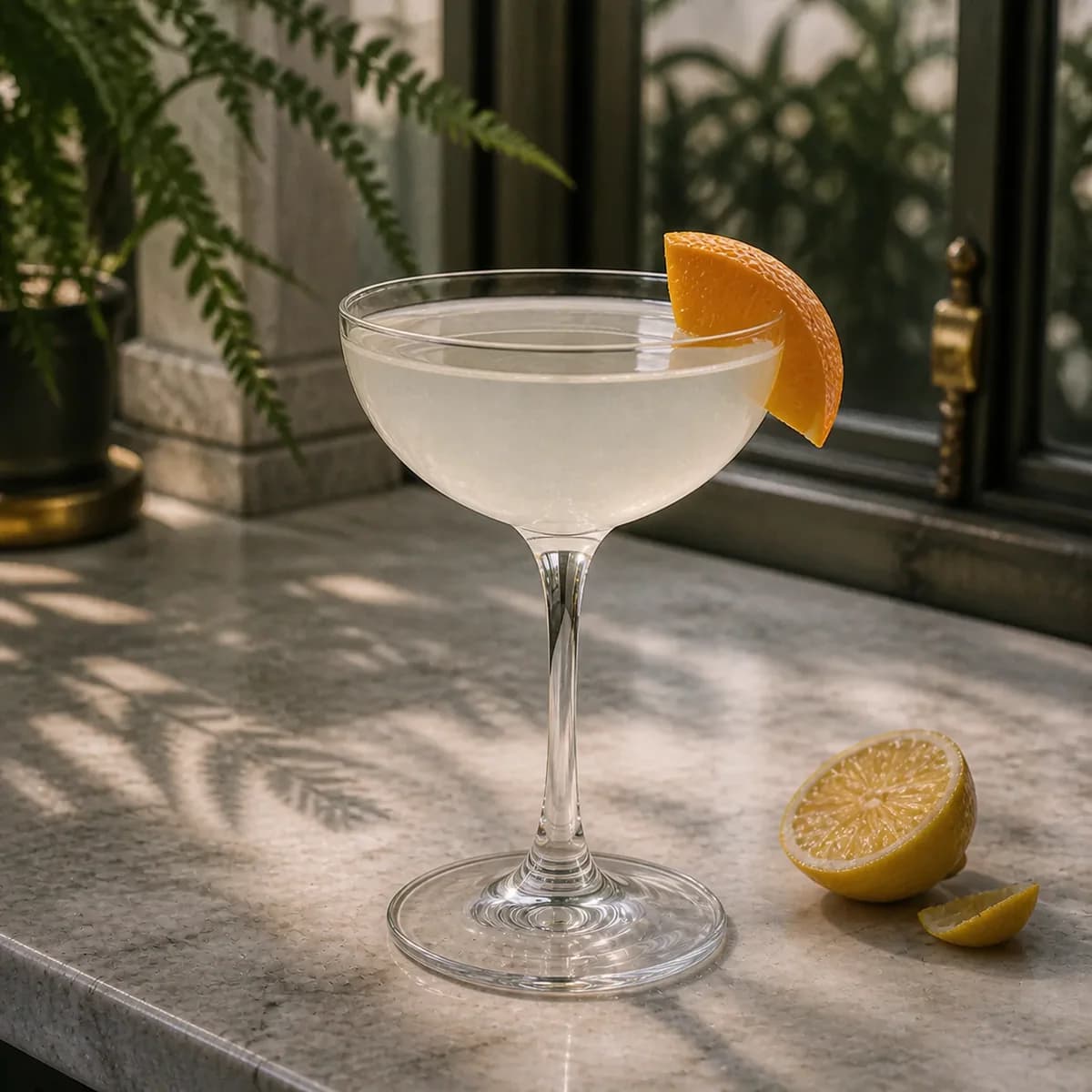
Gin Crusta
Sugar on half the rim and a long coil of lemon peel lining the glass is what makes a crusta, and the liquid inside is almost secondary. Gin, lemon, a little orange liqueur and a bar spoon of maraschino, sharper than the sugared rim leads you to expect.
View recipe