Classic cocktail · Guided recipe
Little Devil
Start makingTwo base spirits at 30 ml each, neither given the lead. Gin's juniper and rum's cane pull in opposite directions and the lemon keeps them from settling. Sharper than either spirit alone, and stronger than the small measures suggest.
In the glassWhite rum · Gin · Triple sec / Cointreau · Fresh lemon juice
See exact amounts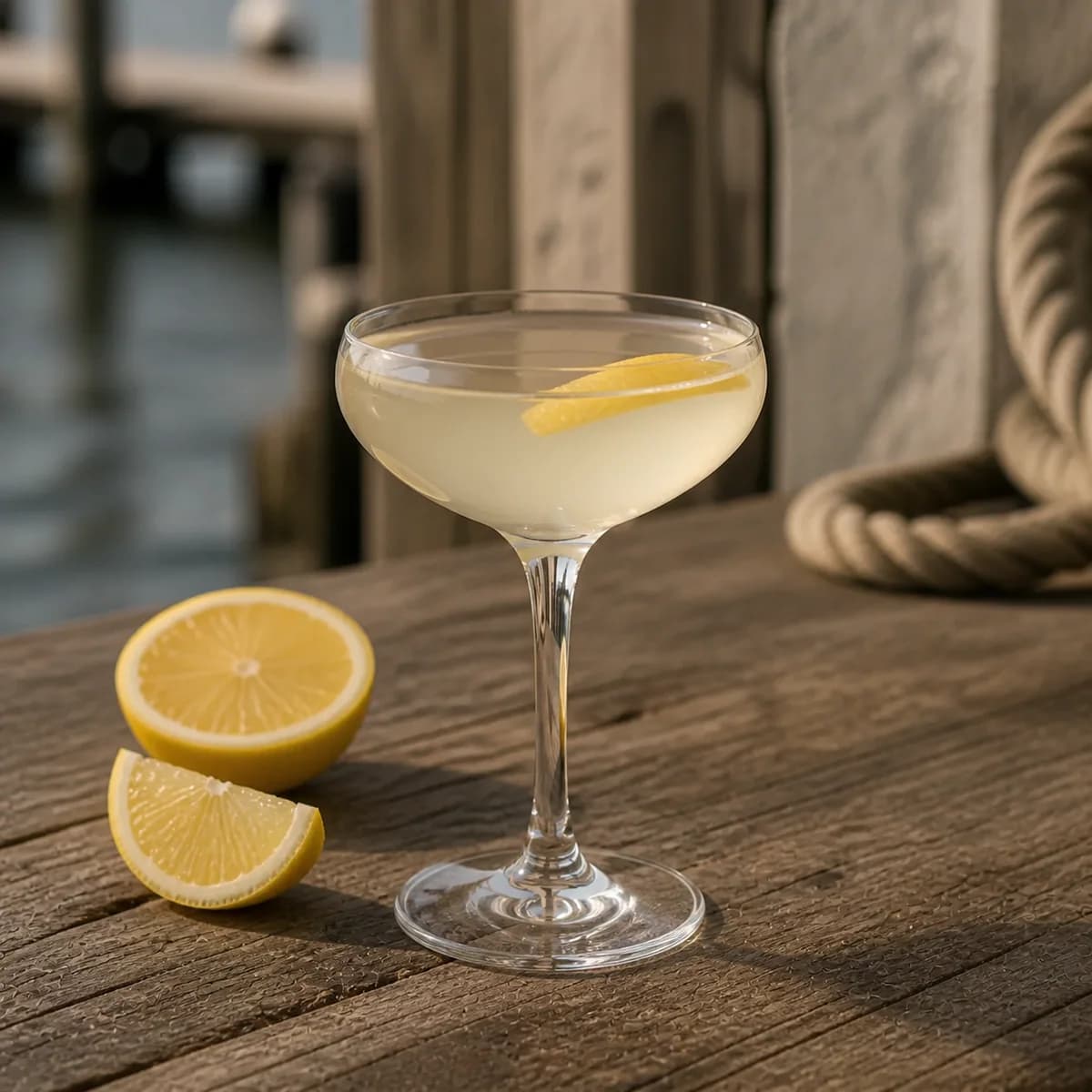
What goes in
Ingredients
Set up before you pour
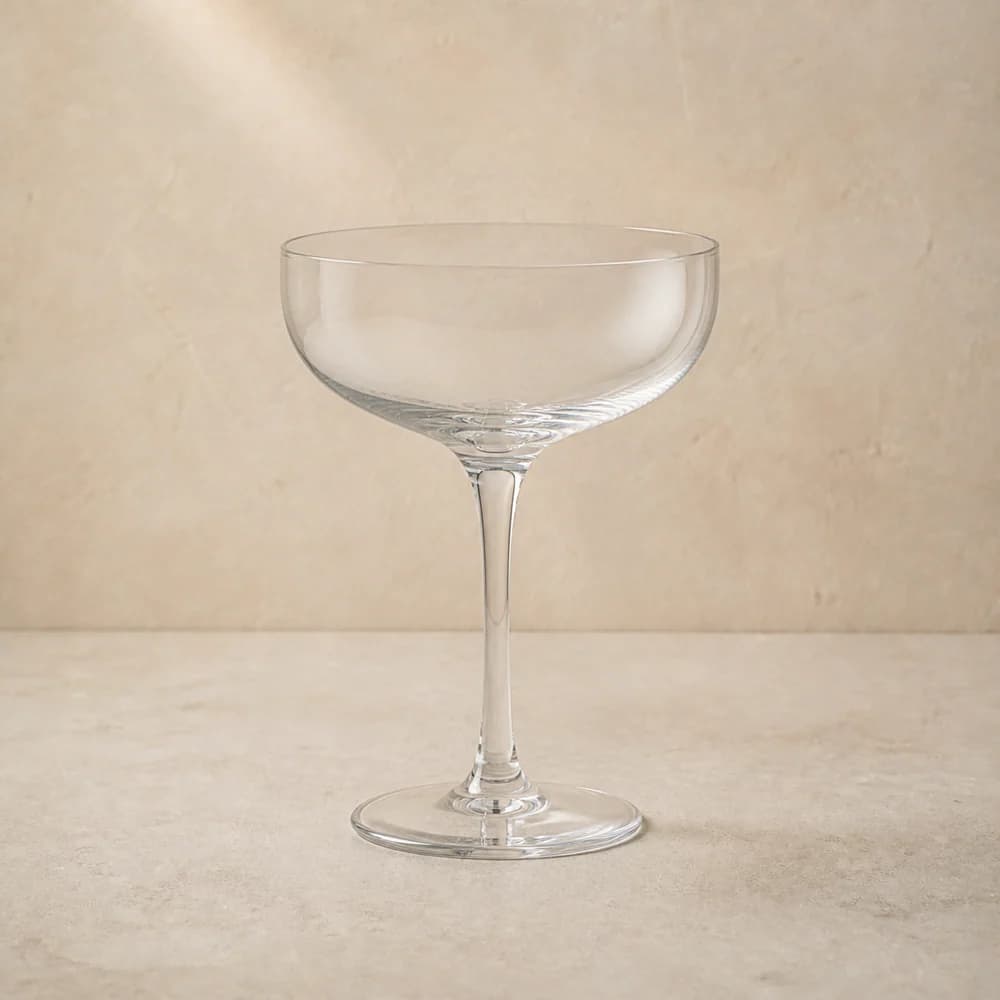
Use a coupe glass.
The stem keeps your hand away from a cold drink, while the rounded bowl makes an up serve easy to sip.
- Standard size
- 200 ml6¾ oz
- Ice & serve
- Chill it first; serve without ice.
- If you don’t own one
- Use a small martini glass or stemmed dessert glass.
- cocktail shaker
- strainer (or a small sieve)
- jigger or measuring spoon
- White rum30 ml
- Gin30 ml
- Triple sec / Cointreau8 ml
- Fresh lemon juice15 ml
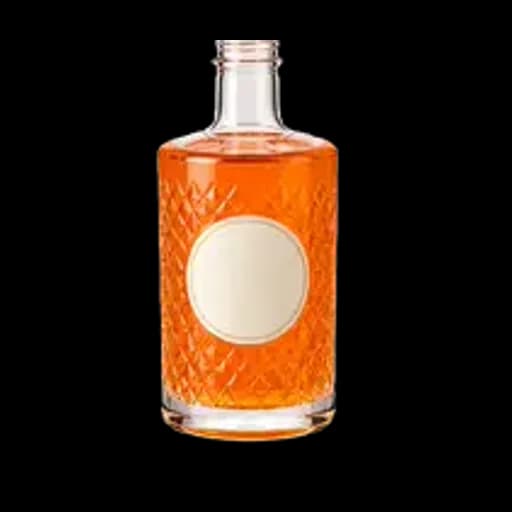
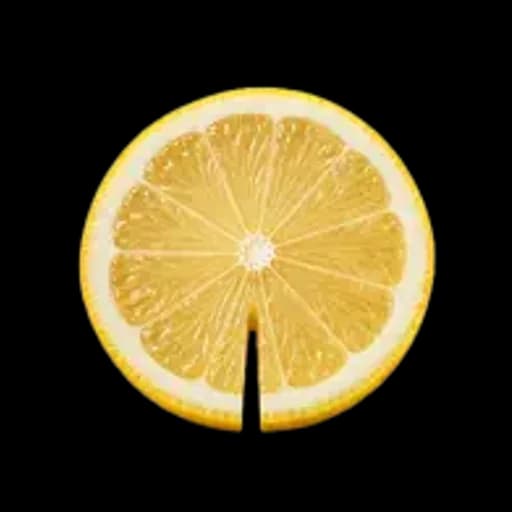
From bottle to glass
Method
- 01
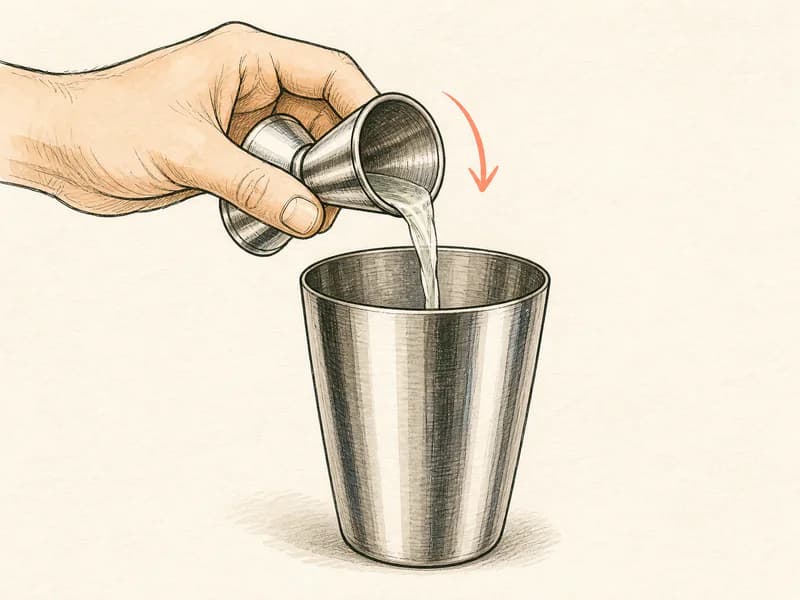
Measure into the shaker Pour 30 ml white rum into your shaker
 White rum
- 02
Measure into the shaker Add 30 ml gin
 Gin
Gin
- 03
Measure into the shaker Add 8 ml triple sec / cointreau
 Triple sec / Cointreau
- 04
Measure into the shaker Add 15 ml fresh lemon juice
 Fresh lemon juice
- 05
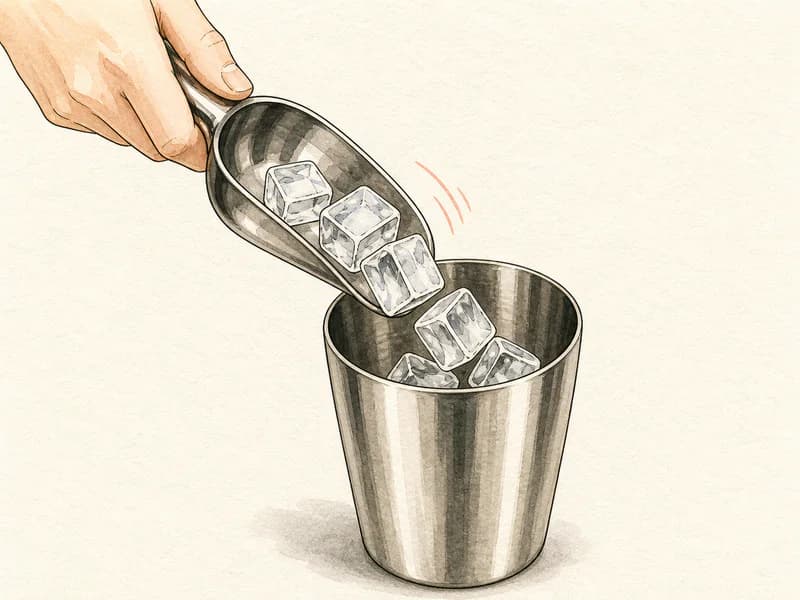
Ice the shaker Fill the shaker with ice
- 06
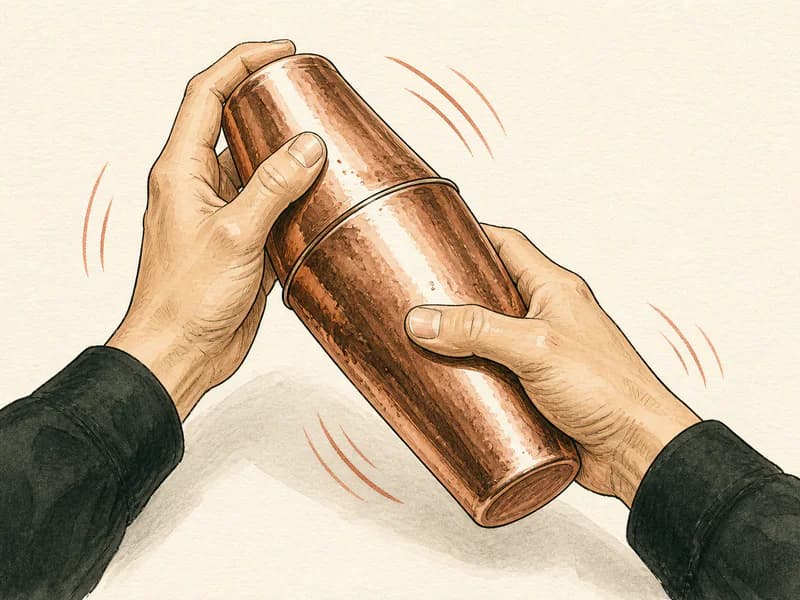
Seal and shake Seal and shake hard
- 07
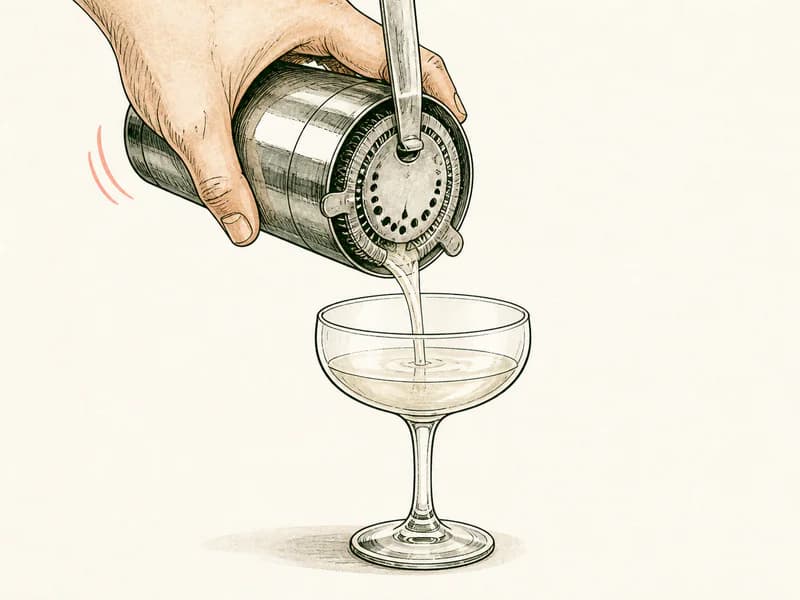
Strain cleanly Strain into a chilled glass — no ice
- 08
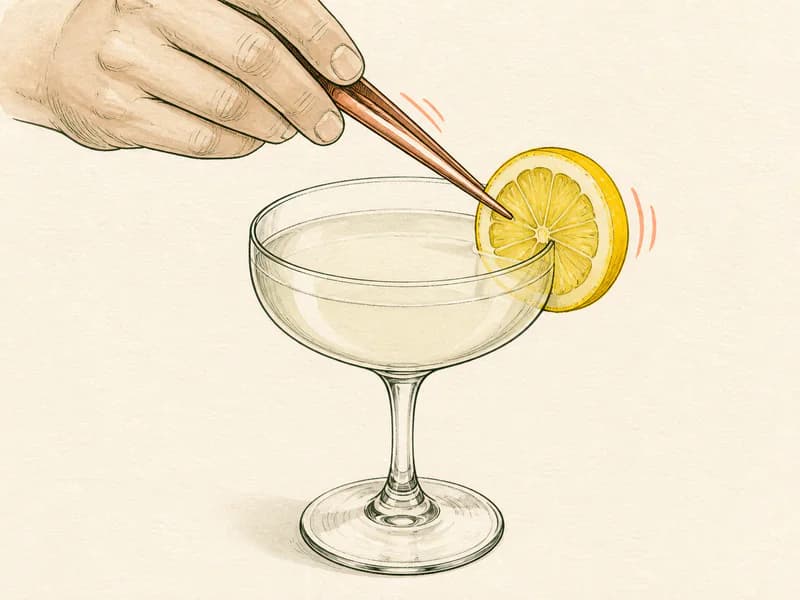
Finish the drink Finish it — add a lemon slice
Know your drink
About the Little Devil
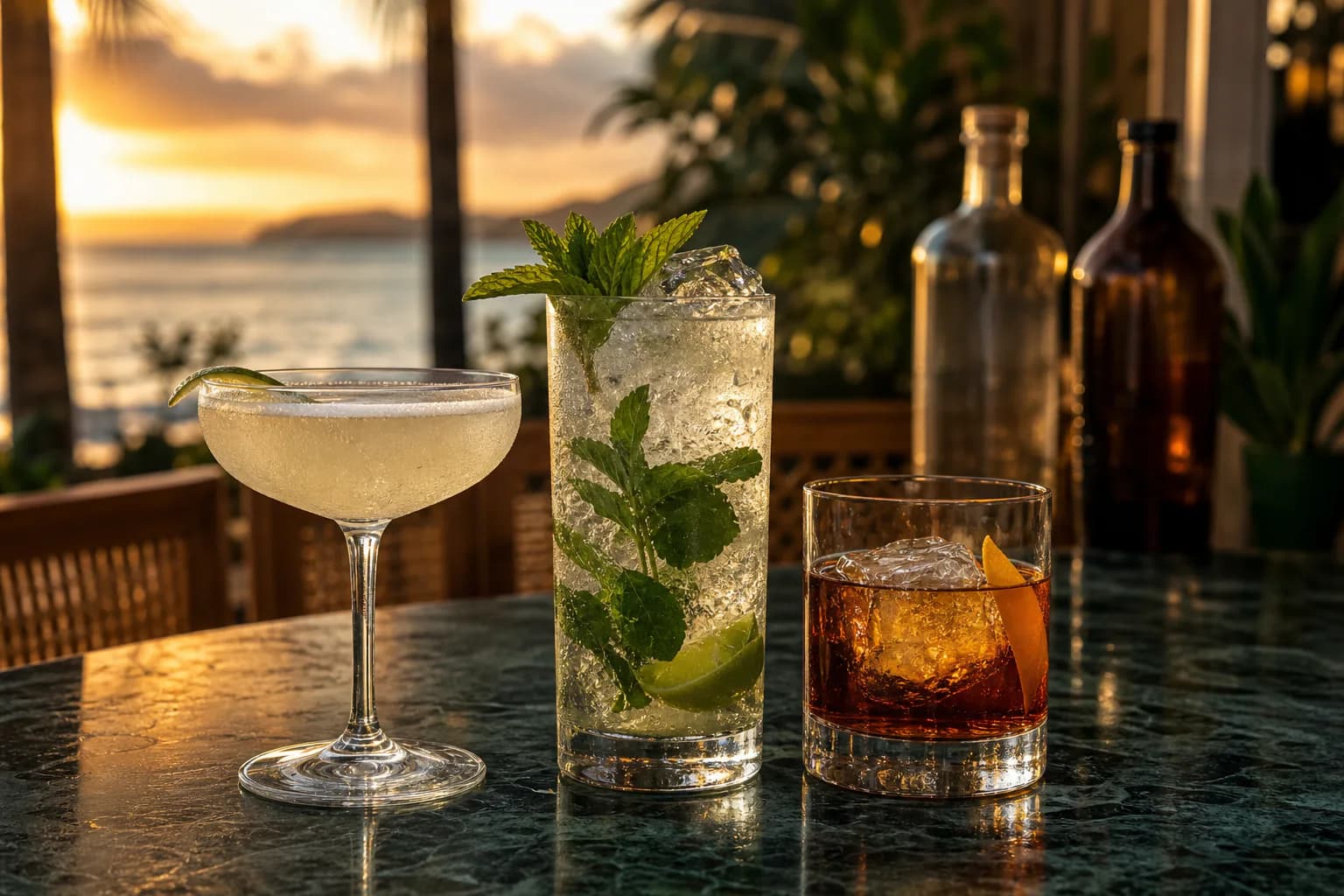
Two spirits, one base
Splitting a base between two spirits was common enough in the 1920s and 1930s, when bars worked with whatever the case held. Gin and rum look like a mismatch on paper. In the glass, juniper and pine sit above the cane sweetness rather than fighting it, and lemon stitches the two halves together.
Proportion is the thing to guard. Move it to 45 ml gin and 15 rum and you have a White Lady with an accent; reverse it and the gin becomes a curiosity in a rum sour. Thirty and thirty keeps both spirits identifiable, which is the only reason to make it.
Common questions
Little Devil FAQ
The rum disappears under the gin. Is that the split's fault?
More likely the bottles. Gin usually lands between 40 and 47 percent, while a supermarket white rum often sits at 37.5, so the gin arrives first and stays longest. Match them on proof before you touch the 30/30 split, or you end up with gin and a rum-shaped hole.
Why is it so dry when there's liqueur in it?
Eight milliliters of triple sec against 15 of lemon is nowhere near what a sour usually carries. That is deliberate. If you want it drinkable rather than austere, push the liqueur to 12 ml or add 4 ml of syrup, one or the other, not both at once.
Could I make it with all gin, or all rum?
All gin gives you something near a White Lady with less sugar. All rum lands close to a dry Daiquiri with orange in it. Both are respectable drinks, and neither has the friction between the two spirits that makes this one worth opening two bottles for.
What ingredients are in a Little Devil?
A classic Little Devil calls for 30 ml (1 oz) White rum, 30 ml (1 oz) Gin, 8 ml (0.25 oz) Triple sec / Cointreau, 15 ml (0.5 oz) Fresh lemon juice. That single-serve spec scales cleanly — the recipe above converts it to oz and multiplies it for 2–4 drinks.
How strong is a Little Devil?
A standard Little Devil is roughly 33% ABV once mixed (before ice melt softens it further). That makes it spirit-forward — closer to a Martini than to a beer, so sip it slowly.
Is a Little Devil shaken or stirred?
A Little Devil is shaken — the rule of thumb is to shake anything with citrus juice. About 13 seconds with plenty of ice chills and dilutes it correctly.
What glass do you serve a Little Devil in?
Serve a Little Devil in a chilled coupe glass, well chilled — this drink is served without ice, so a cold glass keeps it cold.
Sharpen the technique
Skills used in this recipe
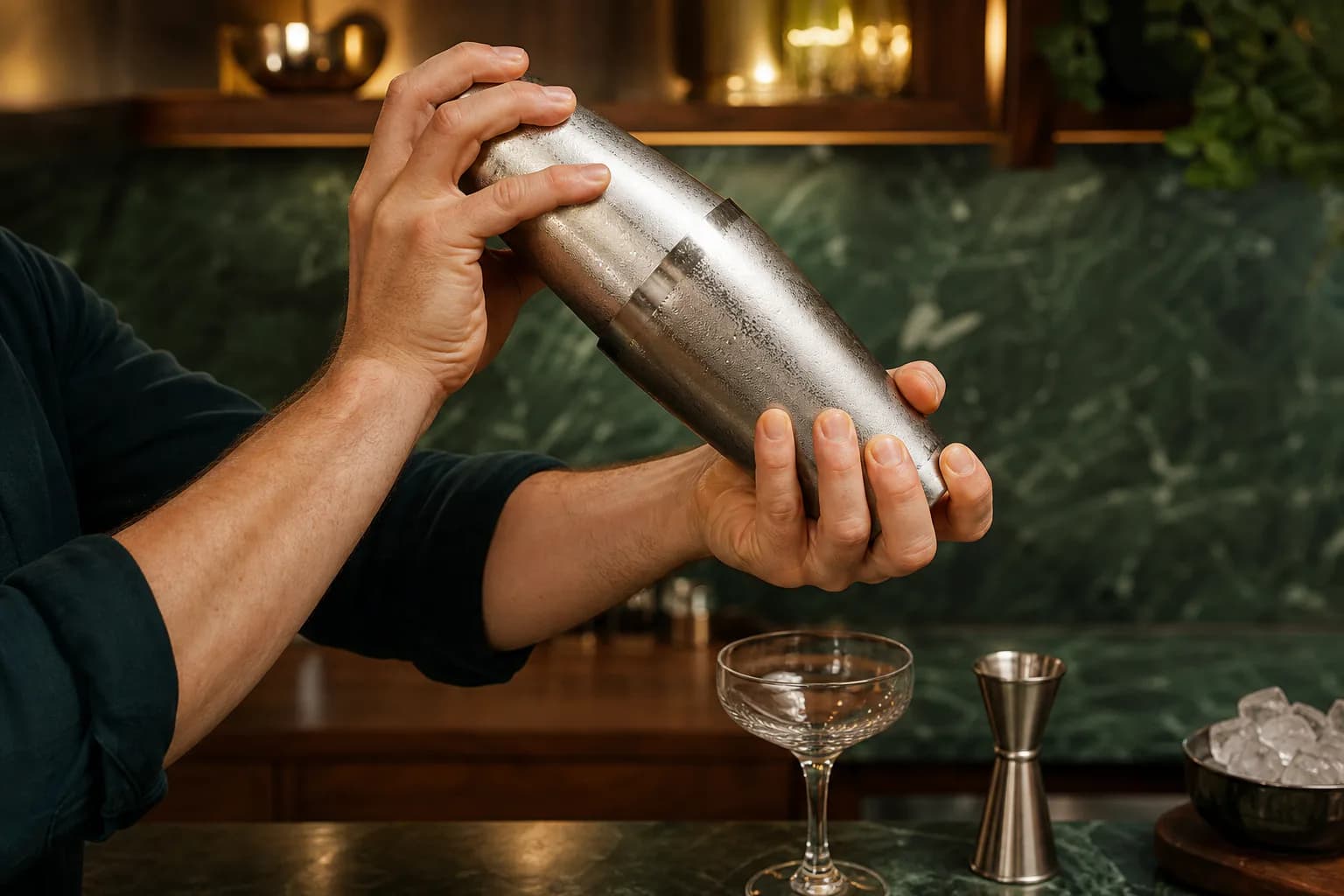
How to shake a cocktail properly
The grip, timing, ice and visual cues that make shaken drinks colder and brighter.
Read the guide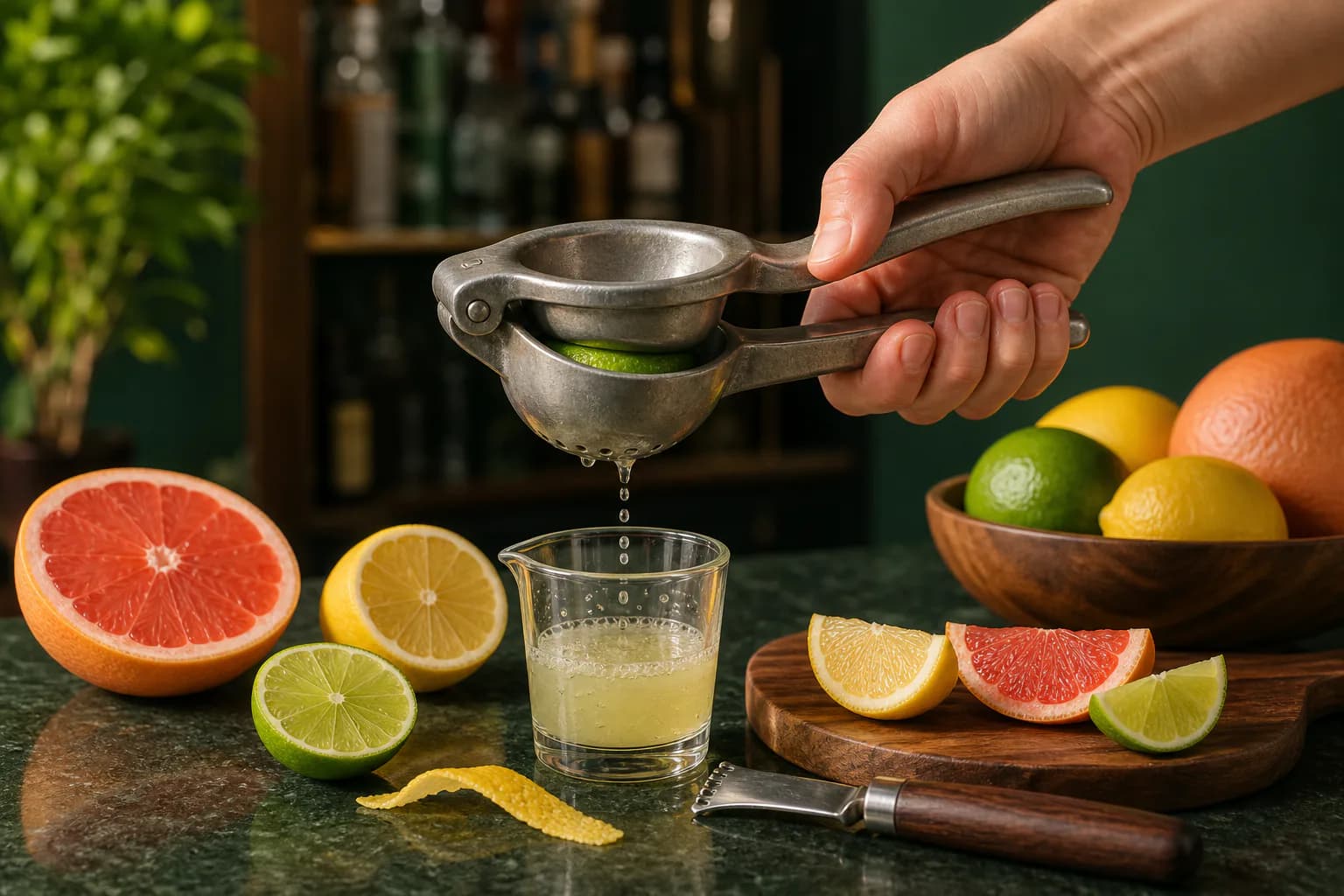
Fresh citrus for cocktails: juice, wedges and balance
Get brighter lime, lemon and grapefruit flavor with better prep and storage.
Read the guideWhere to go next
If you like the Little Devil, try these.
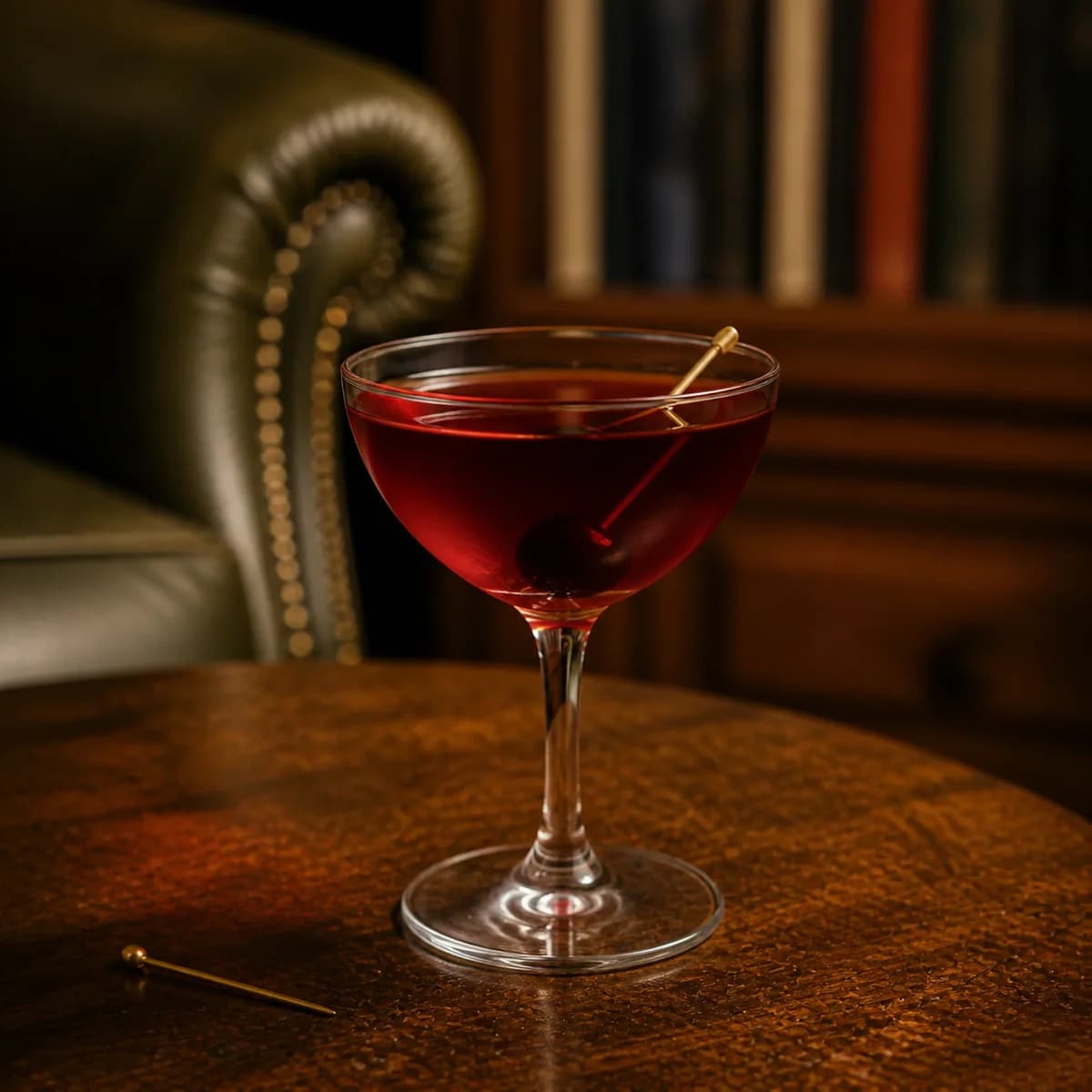
Little Italy
A Manhattan with an amaro twist — rye and sweet vermouth deepened with bitter Italian amaro.
View recipe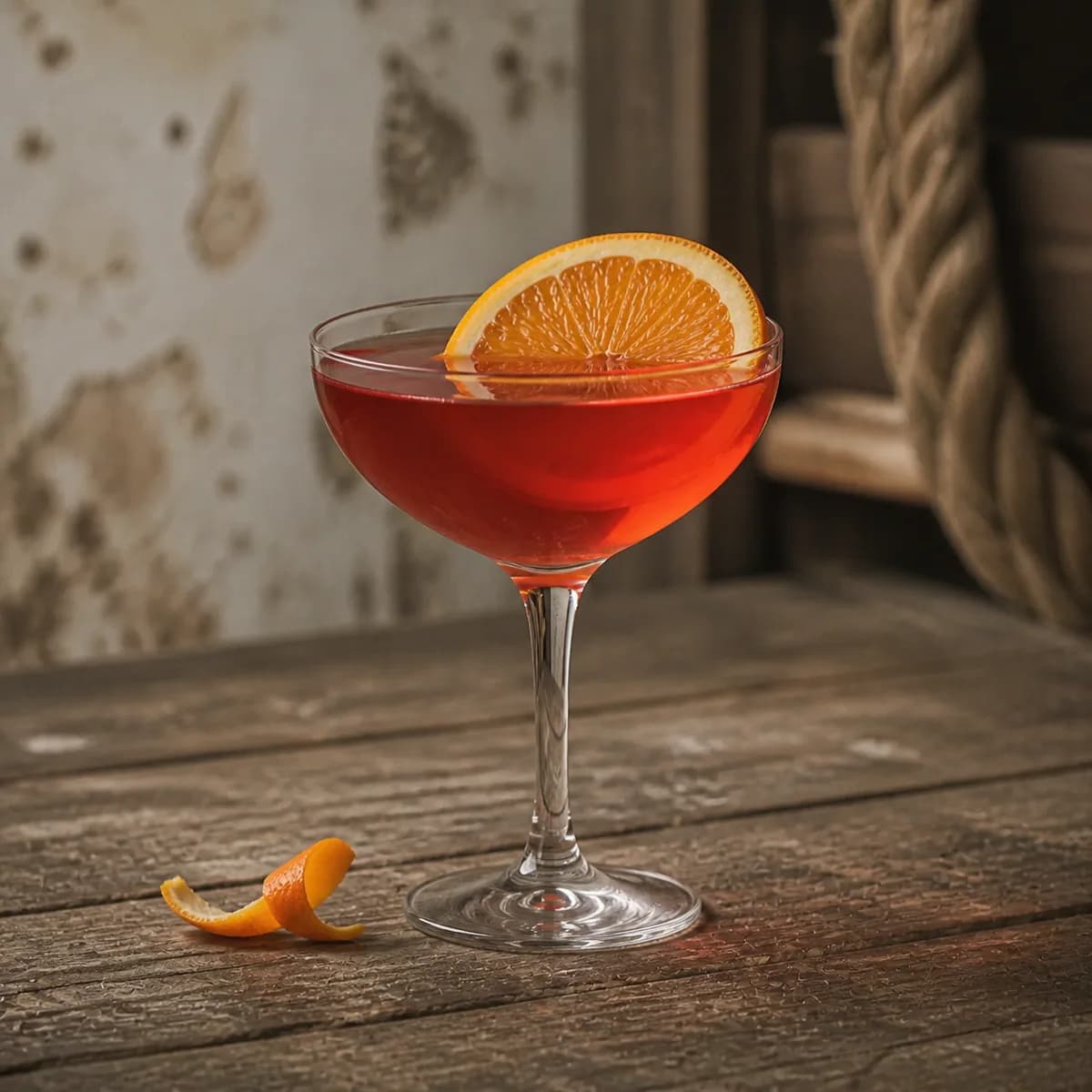
El Presidente
The elegant house drink of 1920s Havana: white rum with blanc vermouth, orange curaçao and a drop of grenadine. Dry, golden and refined.
View recipe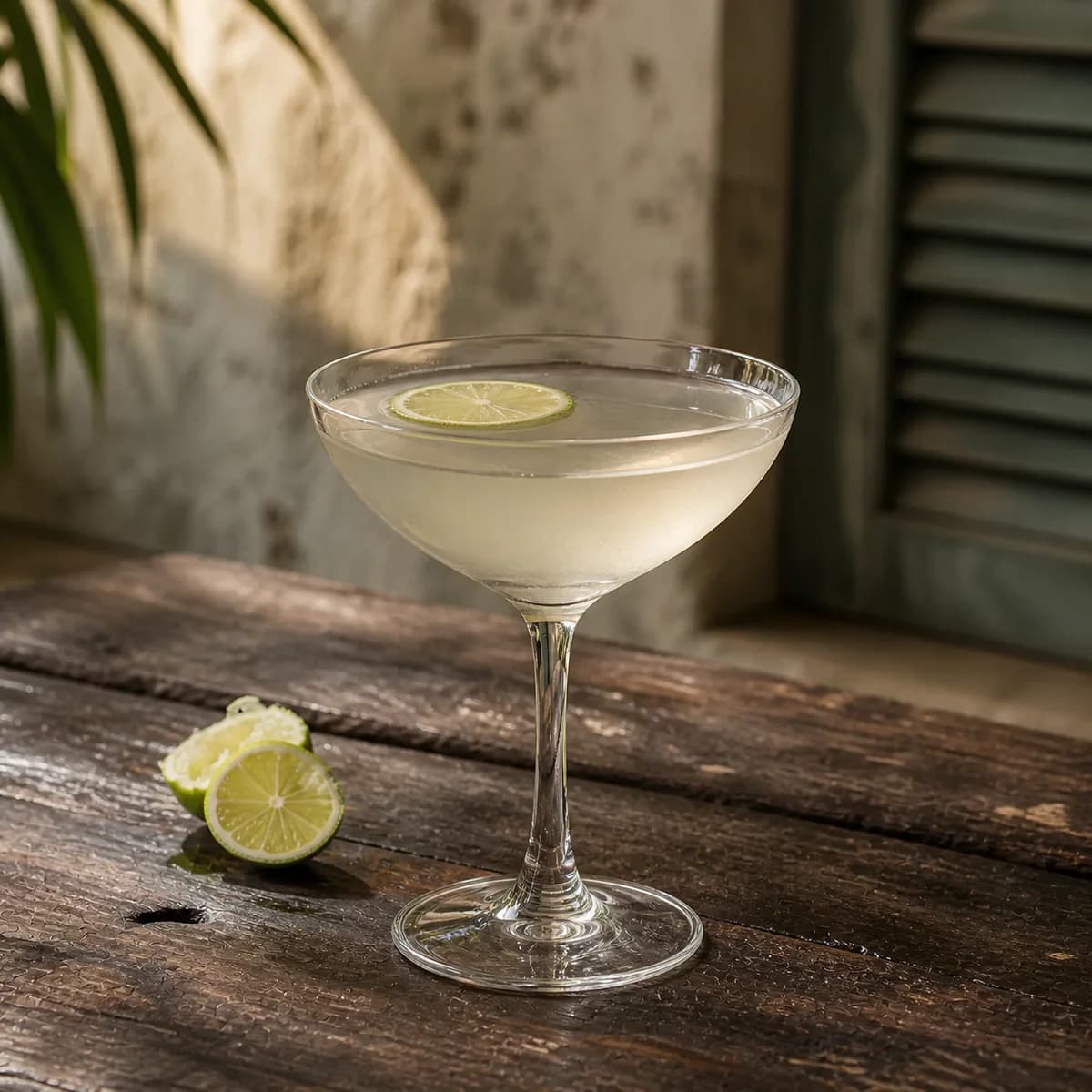
Beachcomber
Swap a Daiquiri's sugar for orange liqueur, add a bar spoon of maraschino, and this is where you land. Drier than the Daiquiri and considerably more aromatic. Most people can't name the cherry-stone note underneath, and 4 ml of it is plenty.
View recipe