Classic cocktail · Guided recipe
Little Italy
Start makingA Manhattan with an amaro twist — rye and sweet vermouth deepened with bitter Italian amaro.
In the glassRye whiskey · Sweet vermouth · Amaro
See exact amounts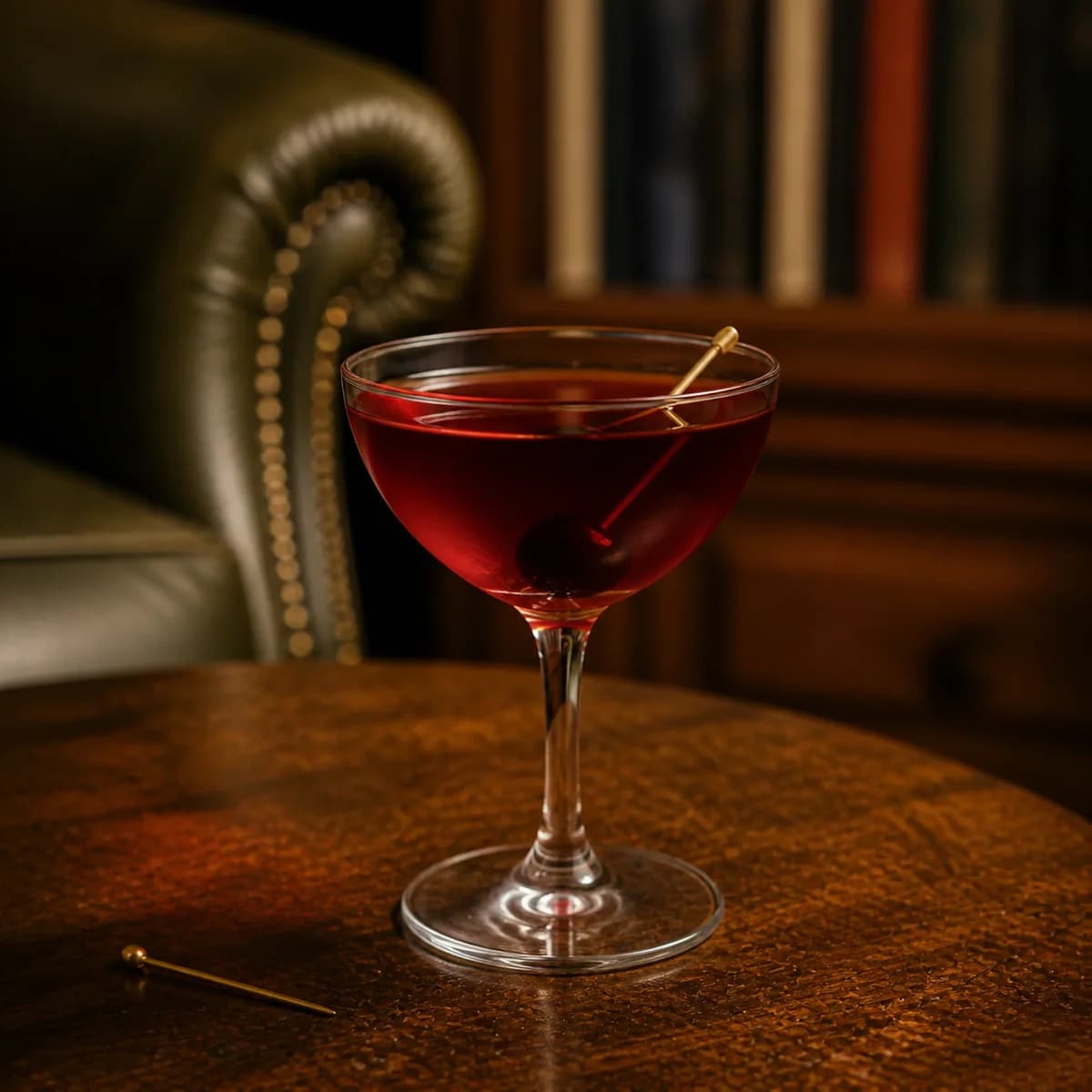
What goes in
Ingredients
Set up before you pour
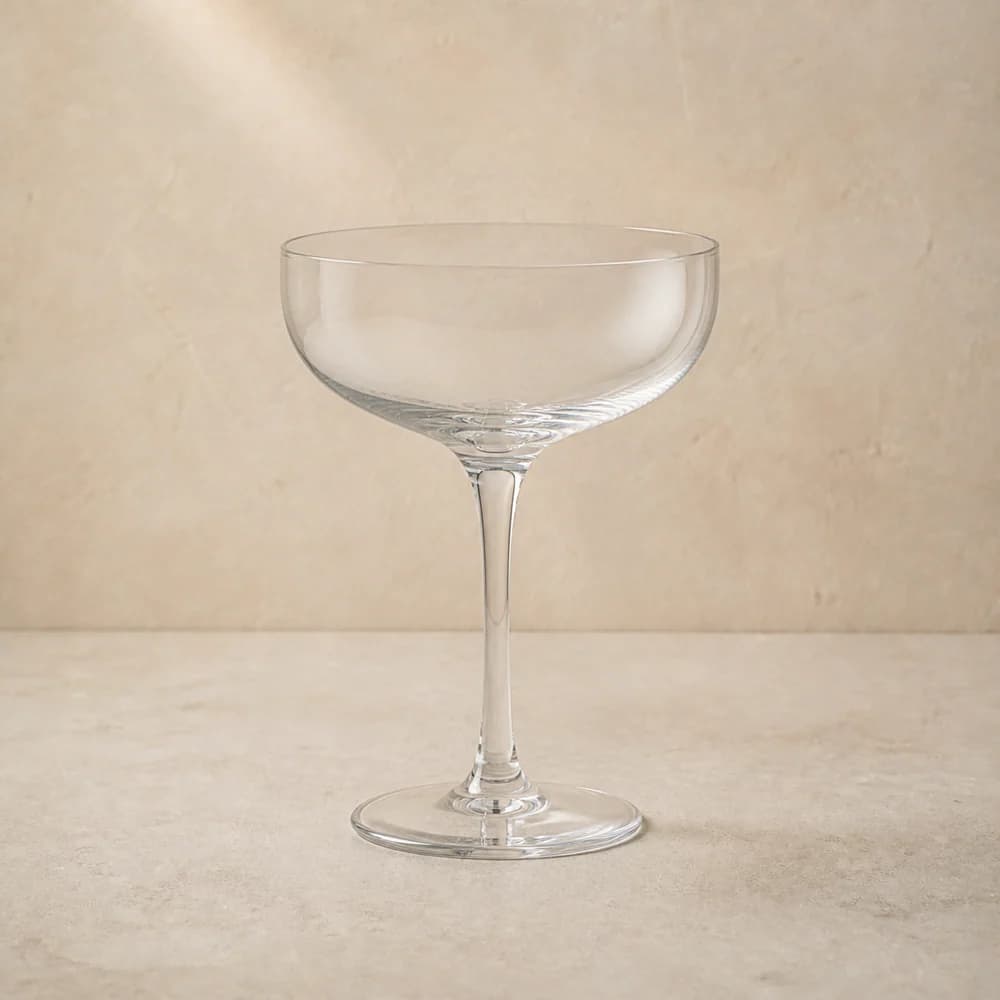
Use a coupe glass.
The stem keeps your hand away from a cold drink, while the rounded bowl makes an up serve easy to sip.
- Standard size
- 200 ml6¾ oz
- Ice & serve
- Chill it first; serve without ice.
- If you don’t own one
- Use a small martini glass or stemmed dessert glass.
- cocktail shaker
- strainer (or a small sieve)
- jigger or measuring spoon
- Rye whiskey60 ml
- Sweet vermouth22 ml
- Amaro15 ml
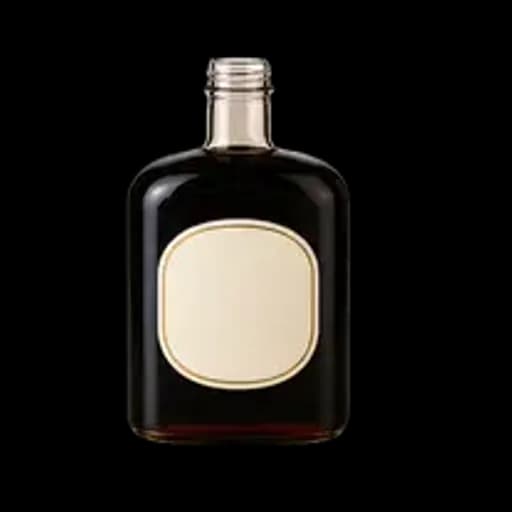
From bottle to glass
Method
- 01
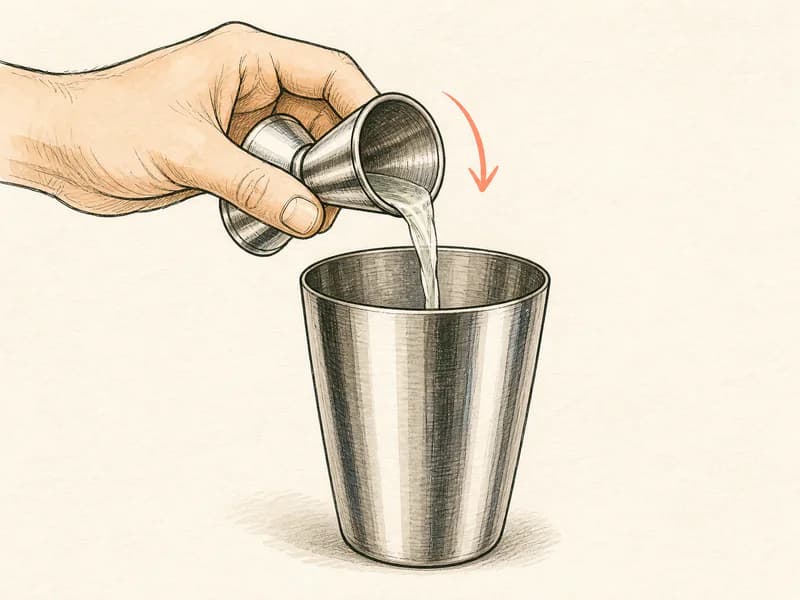
Measure into the shaker Pour 60 ml rye whiskey into your shaker
 Rye whiskey
- 02
Measure into the shaker Add 22 ml sweet vermouth
 Sweet vermouth
- 03
Measure into the shaker Add 15 ml amaro
 Amaro
Amaro
- 04
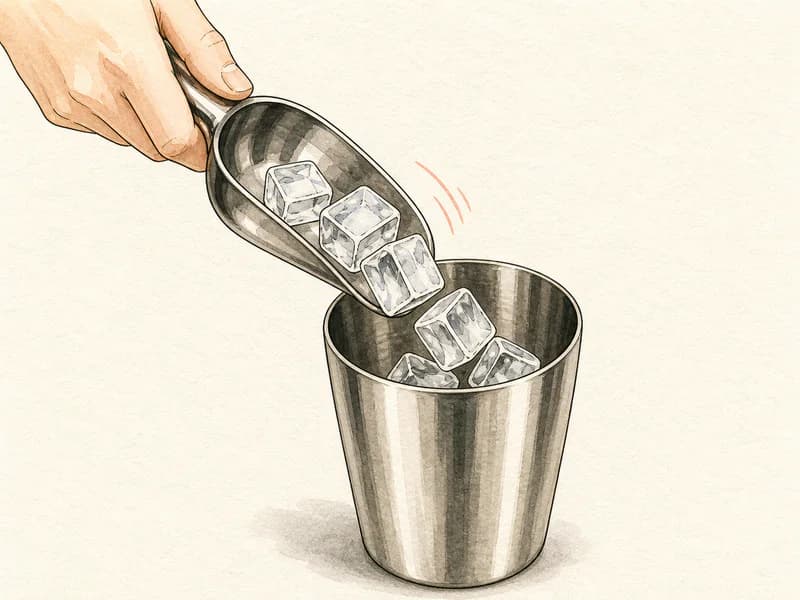
Ice the shaker Fill the shaker with ice
- 05
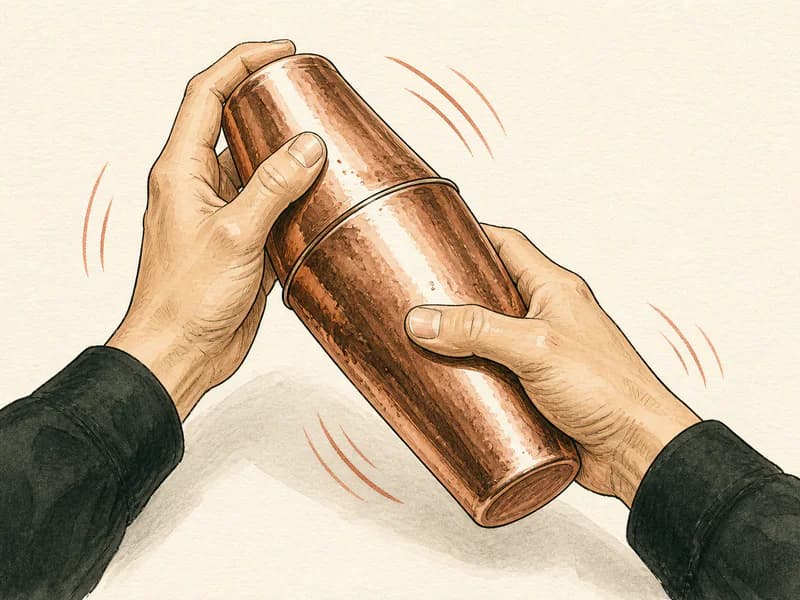
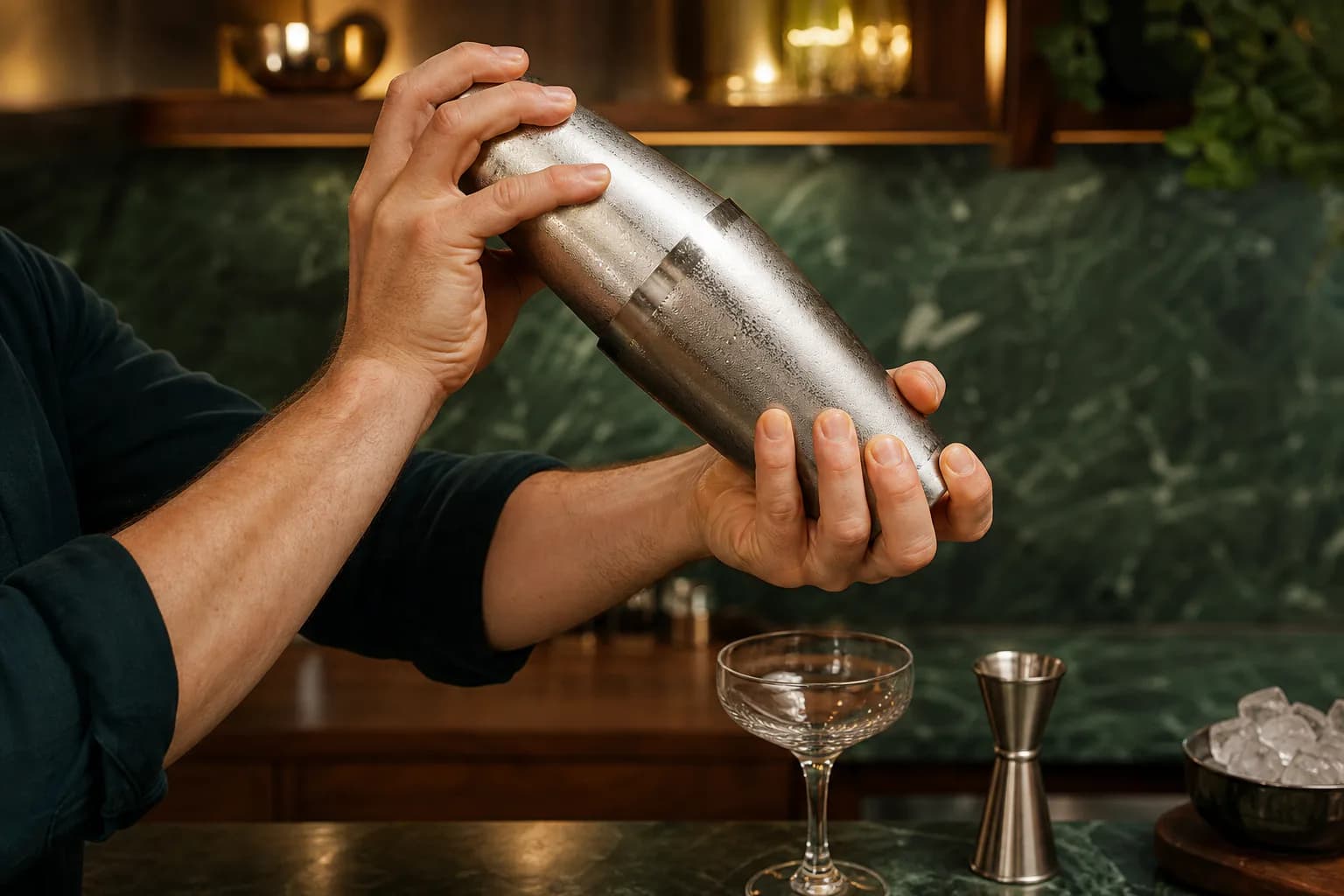
Seal and shake Seal and shake hard
- 06
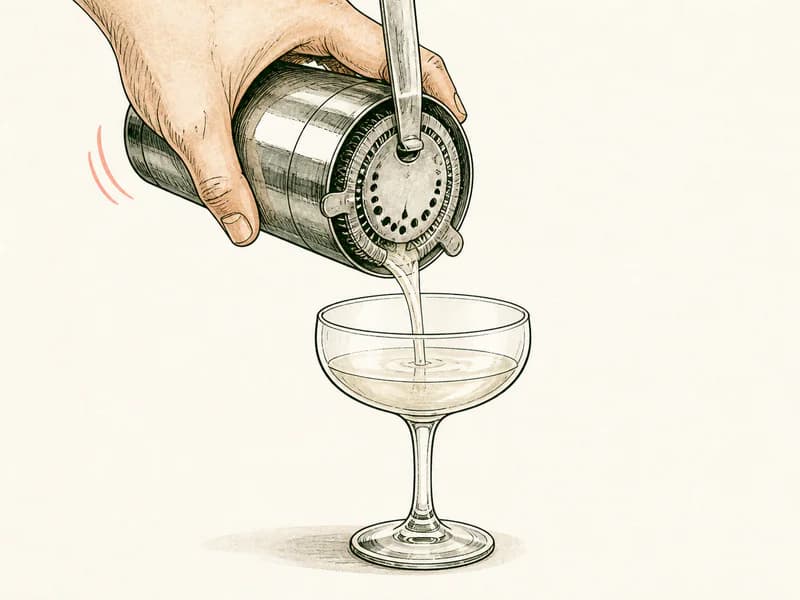
Strain cleanly Strain into a chilled glass — no ice
- 07
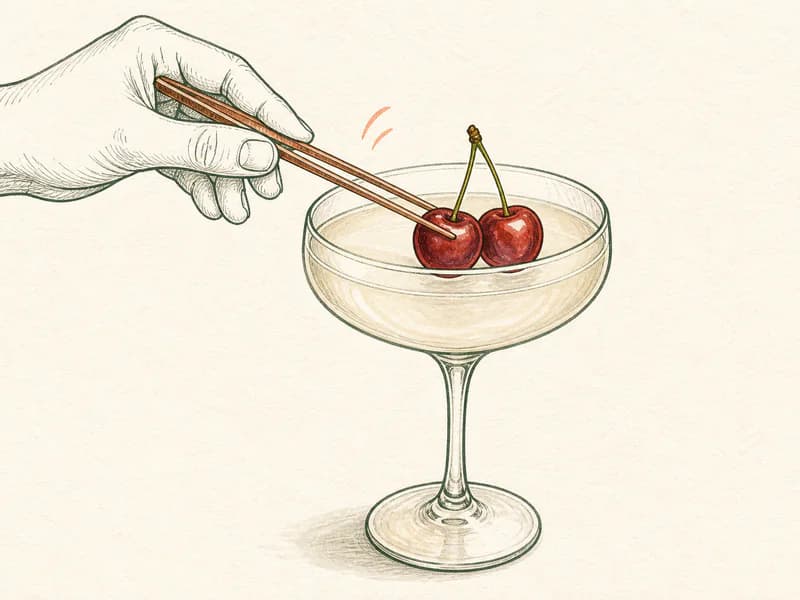
Finish the drink Finish it — add two brandied cherries on a pick
Know your drink
About the Little Italy
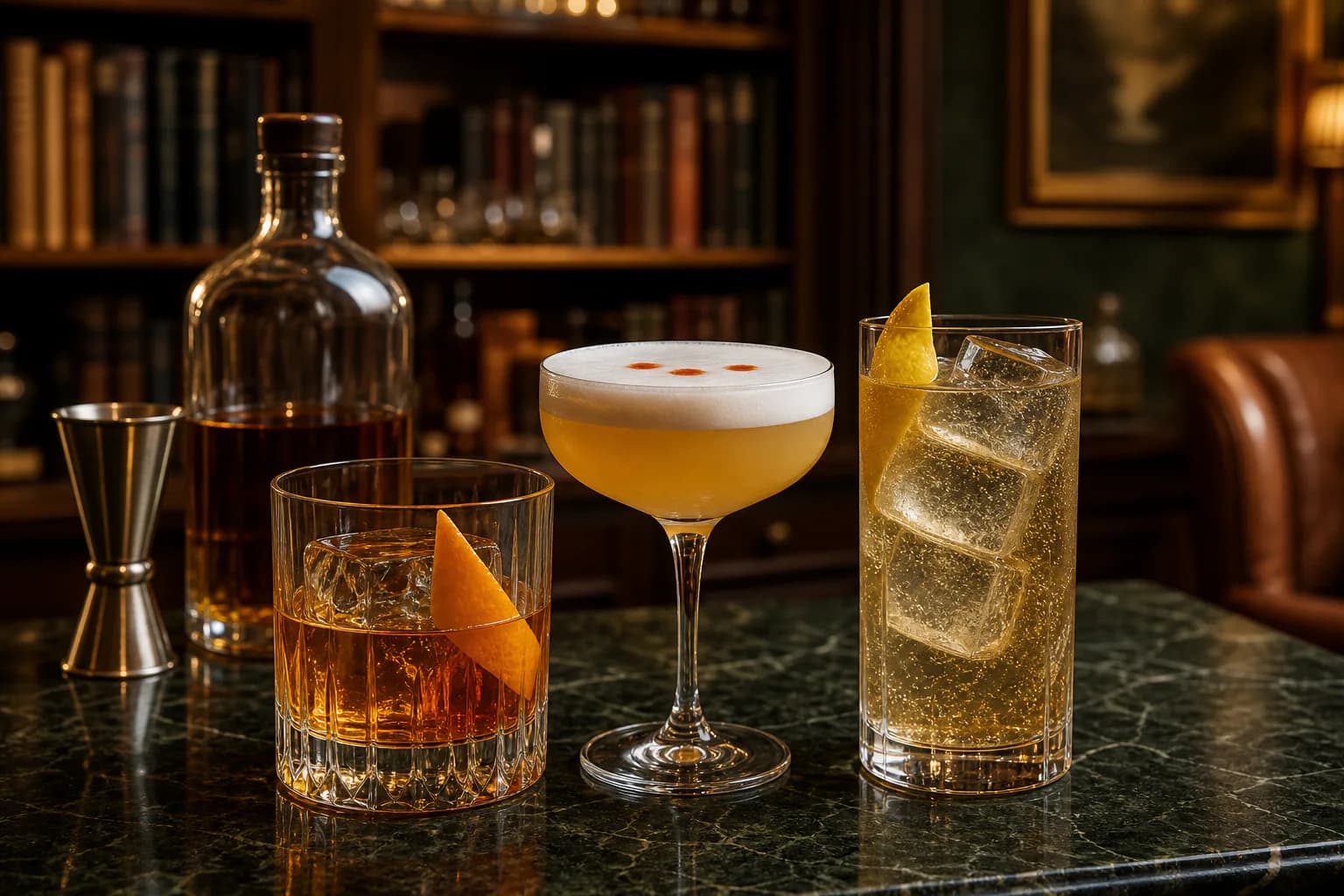
Cynar in the middle
Audrey Saunders put this on the menu at her New York bar Pegu Club in the mid-2000s, with Cynar named in the original specification. That attribution is unusually solid for a drink of its vintage. The name points at the Manhattan neighborhood and at the Italian half of the recipe in the same breath, which is the sort of joke that sticks.
Cynar lists artichoke among its botanicals, which sounds like a novelty and tastes like nothing of the kind. What comes through is a dark, faintly savory bitterness with a caramel edge to it. Against rye it fills the gap where a plain Manhattan can feel a little hollow, between the first hit of spice and the sweet finish.
Common questions
Little Italy FAQ
Which amaro should I reach for?
Cynar is the original call and the one this is balanced around. It's artichoke-based and only 16 percent alcohol, so 15 ml adds bitterness without adding strength. Averna takes it sweeter and more caramel. Fernet is far too loud at this measure and will flatten the rye.
Is this basically a Manhattan?
It's built on one, with amaro doing the job bitters usually handle, only louder. Rye and sweet vermouth are unchanged. What you notice is the middle of the sip. Where a Manhattan runs straight from spice to sweetness, this puts something dark and vegetal in between them.
Does it have to be a stemmed glass?
A small wine glass, or any stemmed glass holding around 150 ml. The stem is what matters, since your hand warms 100 ml of spirit quickly. A chilled rocks glass with no ice is the fallback. Avoid anything wide and shallow, where the aroma escapes before you're halfway down.
Can I go heavier on the amaro?
Twenty milliliters is about the ceiling with Cynar, and less than that with anything stronger. Past it the whiskey becomes a backing note and you're drinking amaro with rye in it. For more bitterness without more sugar, add two dashes of orange bitters and leave the amaro alone.
What ingredients are in a Little Italy?
A classic Little Italy calls for 60 ml (2 oz) Rye whiskey, 22 ml (0.75 oz) Sweet vermouth, 15 ml (0.5 oz) Amaro. That single-serve spec scales cleanly — the recipe above converts it to oz and multiplies it for 2–4 drinks.
How strong is a Little Italy?
A standard Little Italy is roughly 36% ABV once mixed (before ice melt softens it further). That makes it spirit-forward — closer to a Martini than to a beer, so sip it slowly.
Is a Little Italy shaken or stirred?
A Little Italy is shaken. About 13 seconds with plenty of ice chills and dilutes it correctly.
Sharpen the technique
Skills used in this recipe
Where to go next
If you like the Little Italy, try these.
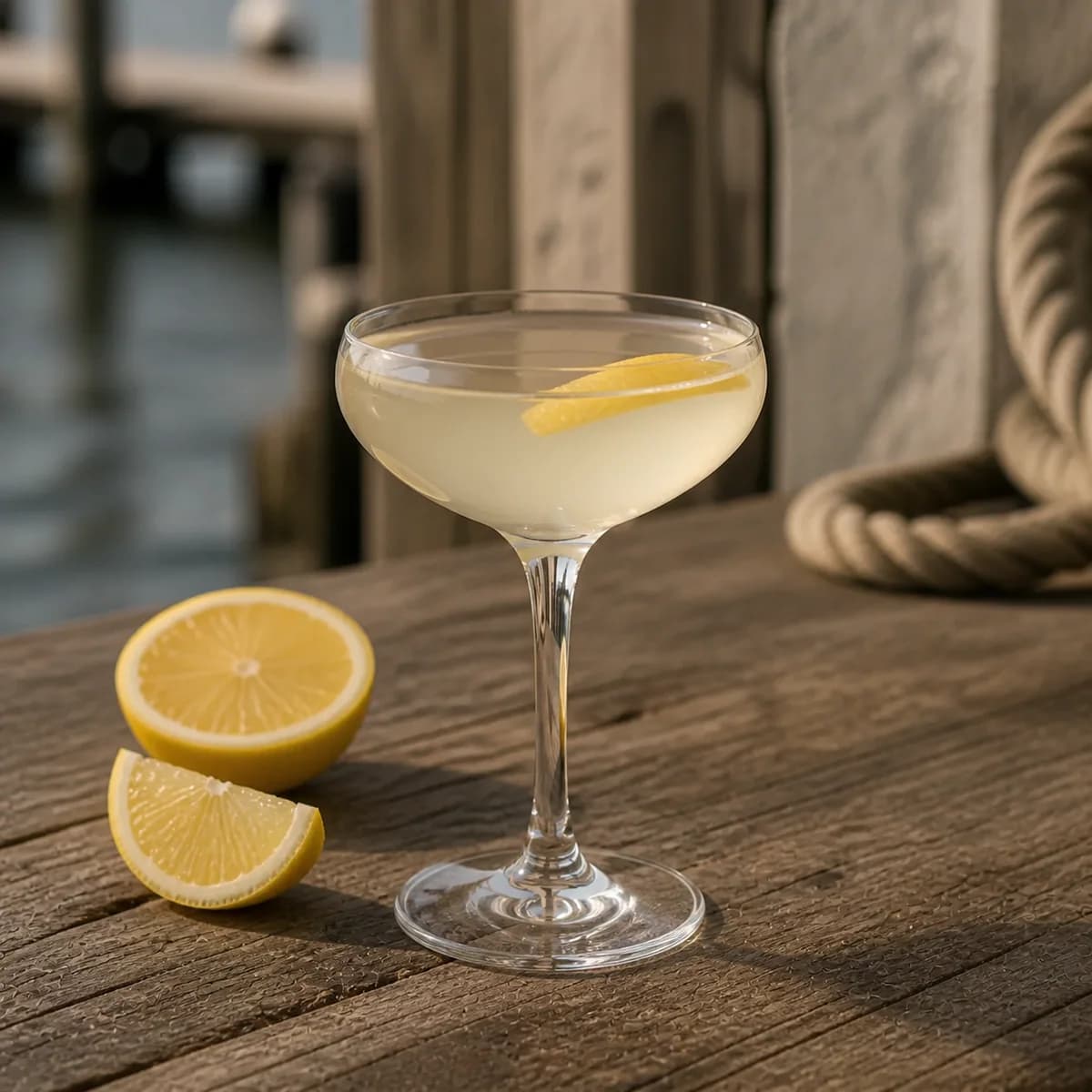
Little Devil
Two base spirits at 30 ml each, neither given the lead. Gin's juniper and rum's cane pull in opposite directions and the lemon keeps them from settling. Sharper than either spirit alone, and stronger than the small measures suggest.
View recipe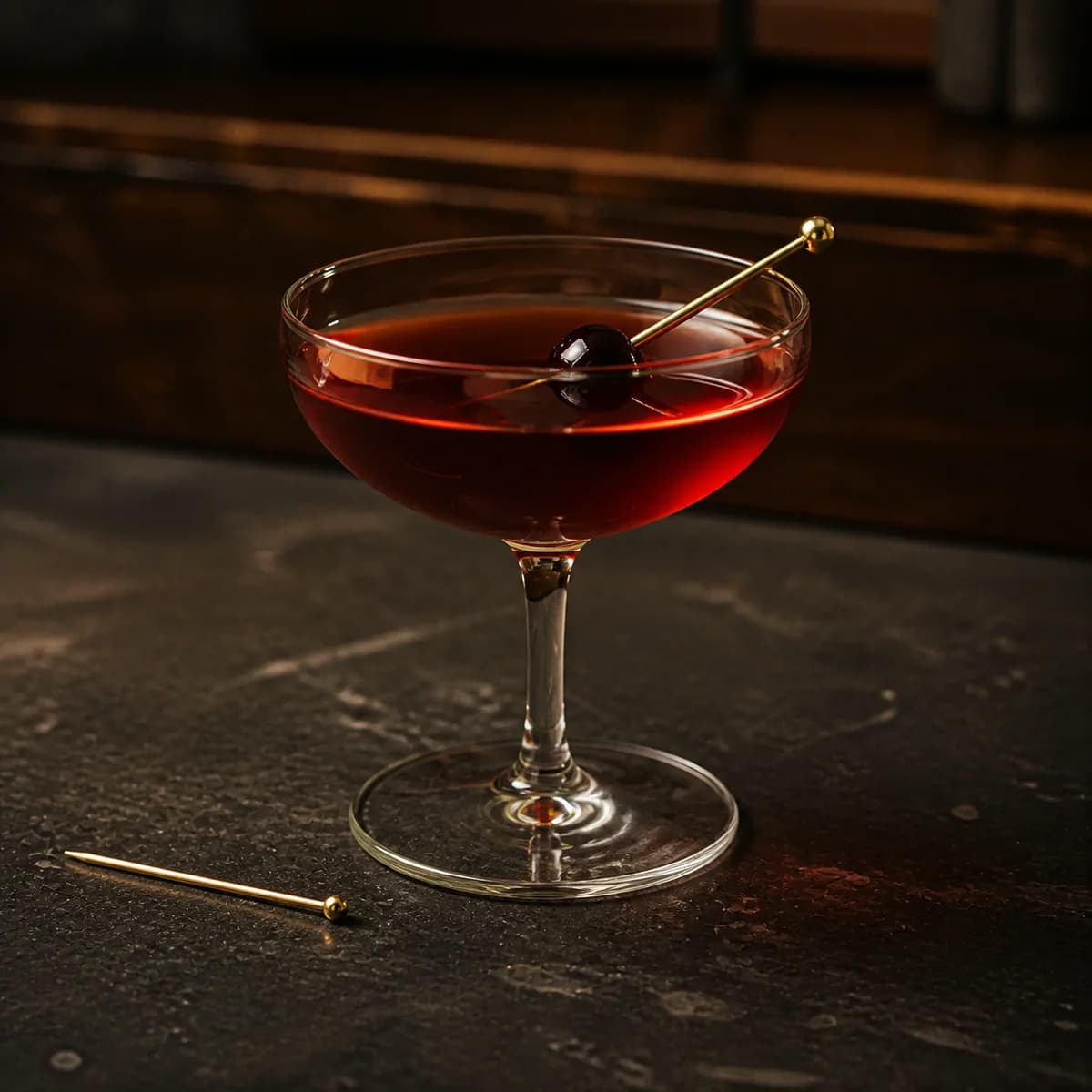
Manhattan
Rye whiskey, sweet vermouth and a couple of dashes of bitters, served up with a cherry. The definitive whiskey cocktail — purists stir it, but a hard shake chills it just as cold.
View recipe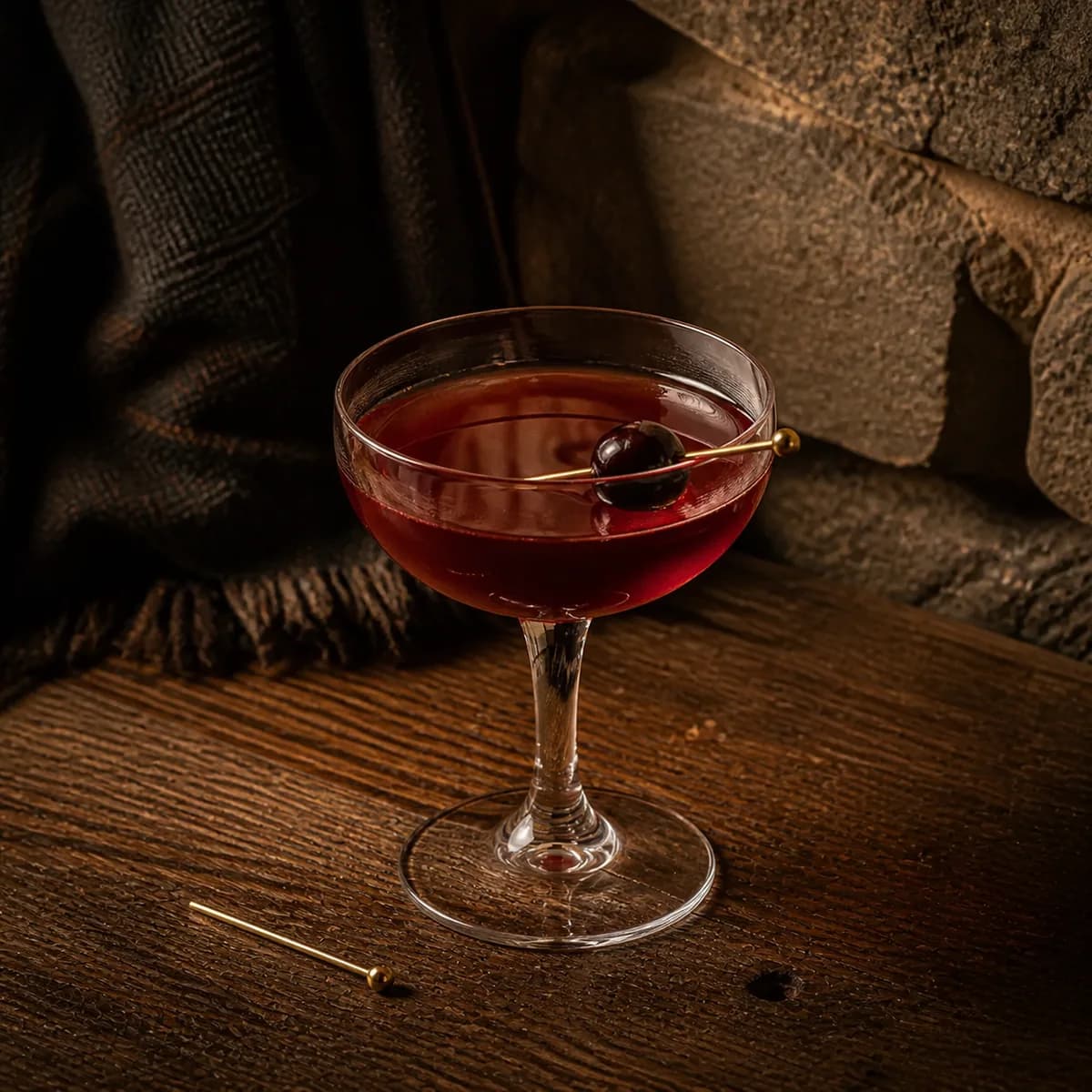
Brooklyn
A drier cousin of the Manhattan from the borough itself: rye, dry vermouth, a little maraschino and a bitter amaro. Sharp and grown-up.
View recipe