Classic cocktail · Guided recipe
Pisco Sour
Start makingPeru’s national drink: pisco, lime and sugar shaken to a froth with egg white, finished with a few drops of bitters. Silky and sharp.
In the glassPisco · Fresh lime juice · Simple syrup · Egg white · Angostura bitters
See exact amounts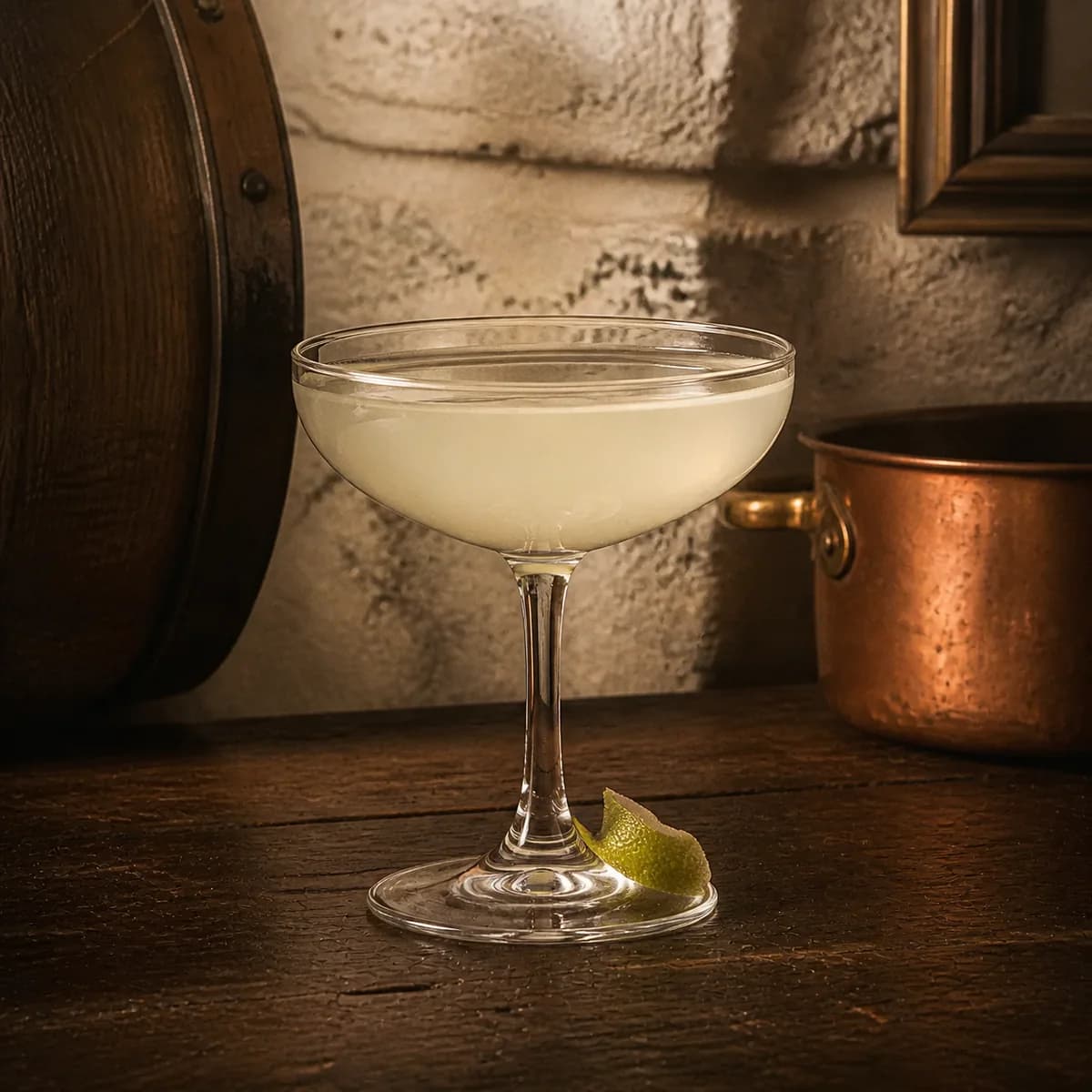
What goes in
Ingredients
Set up before you pour
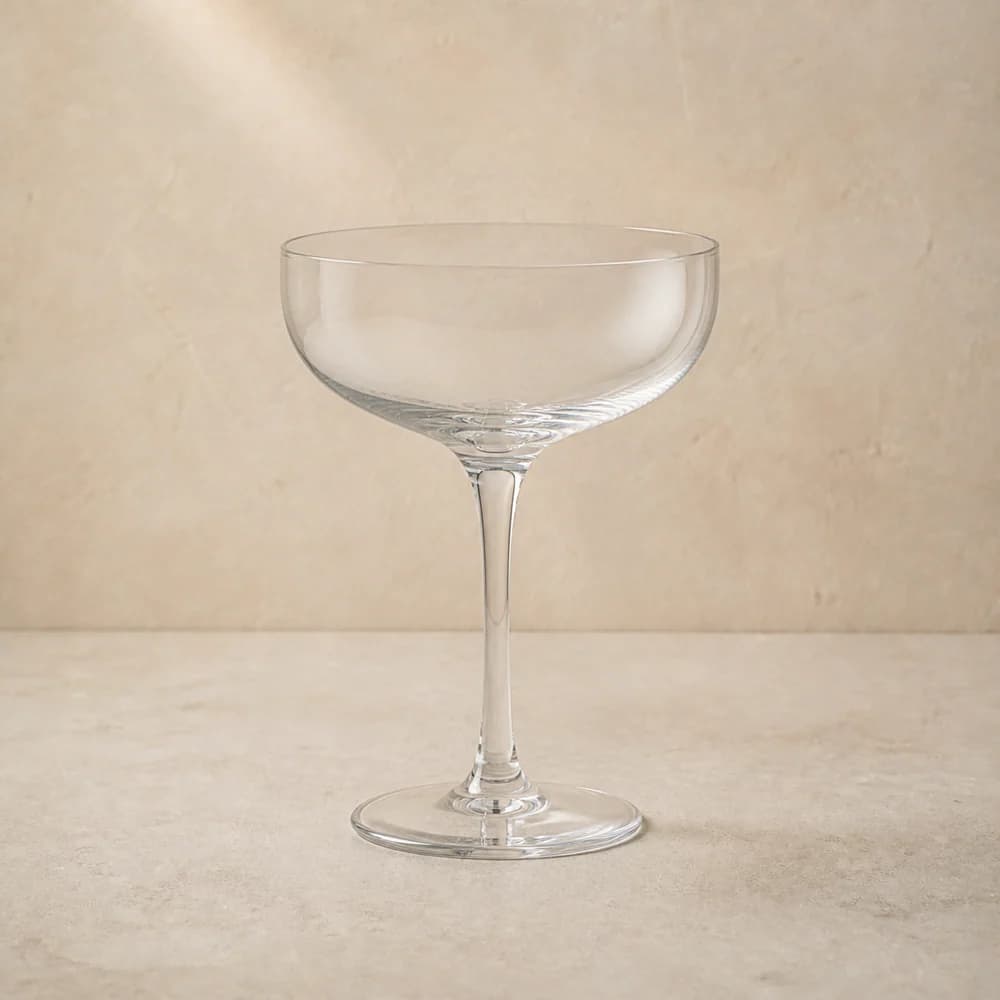
Use a coupe glass.
The stem keeps your hand away from a cold drink, while the rounded bowl makes an up serve easy to sip.
- Standard size
- 200 ml6¾ oz
- Ice & serve
- Chill it first; serve without ice.
- If you don’t own one
- Use a small martini glass or stemmed dessert glass.
- cocktail shaker
- strainer (or a small sieve)
- jigger or measuring spoon
- Pisco60 ml
- Fresh lime juice22 ml
- Simple syrup22 ml
- Egg white1 egg white
- Angostura bitters3 dashes, on top
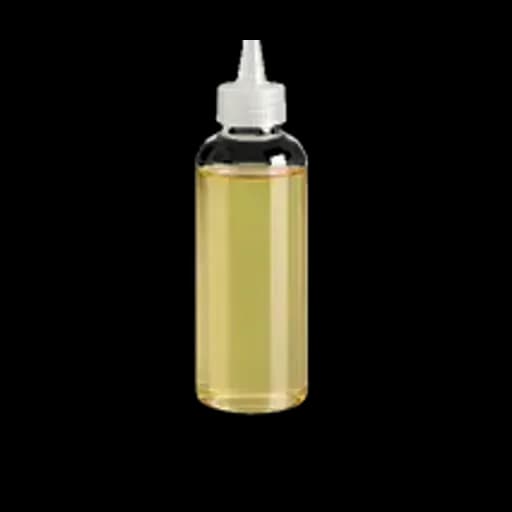
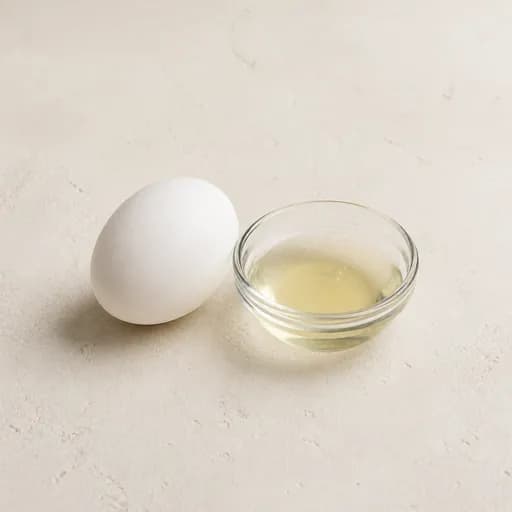
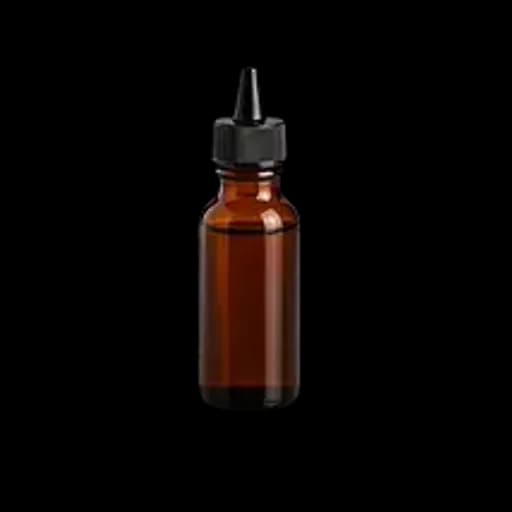
From bottle to glass
Method
- 01
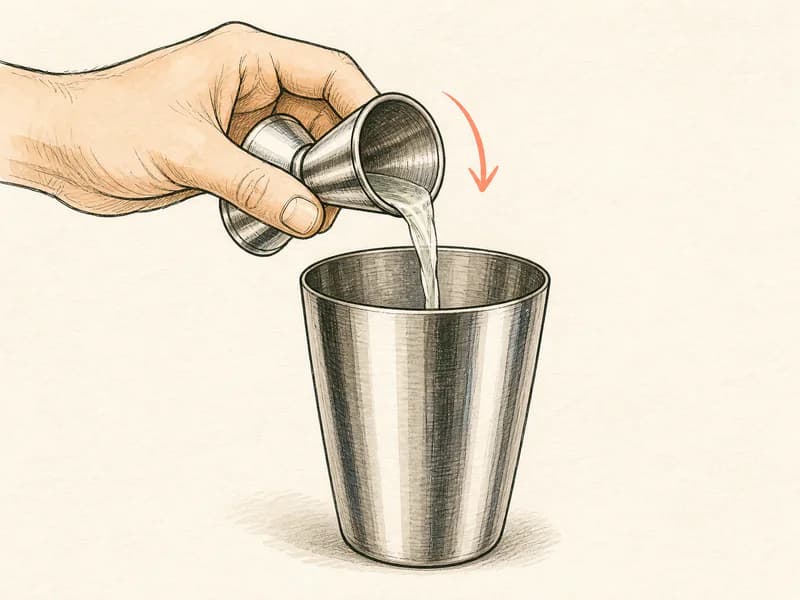
Measure into the shaker Pour 60 ml pisco into your shaker
 Pisco
Pisco
- 02
Measure into the shaker Add 22 ml fresh lime juice
 Fresh lime juice
- 03
Measure into the shaker Add 22 ml simple syrup
 Simple syrup
- 04
Measure into the shaker Add 1 egg white
 Egg white
- 05
Measure into the shaker Add 3 dashes Angostura, on top
 Angostura bitters
- 06
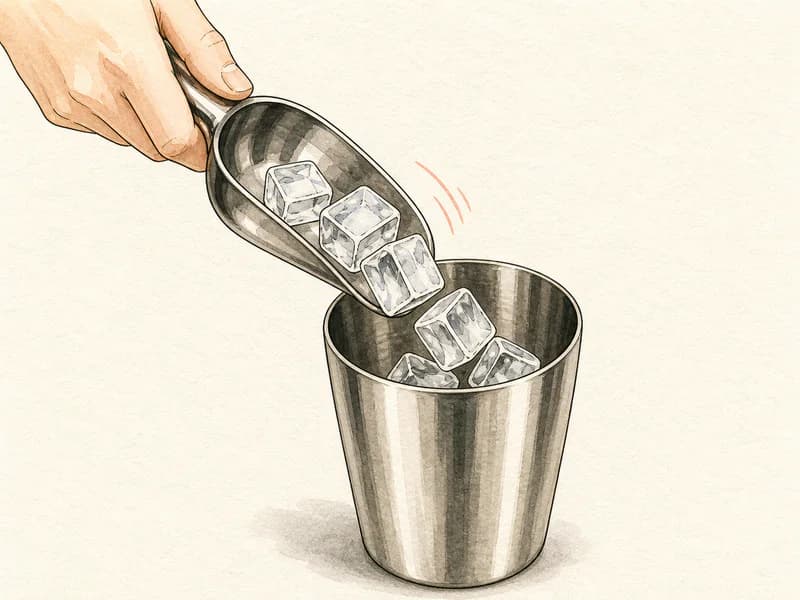
Ice the shaker Fill the shaker with ice
- 07
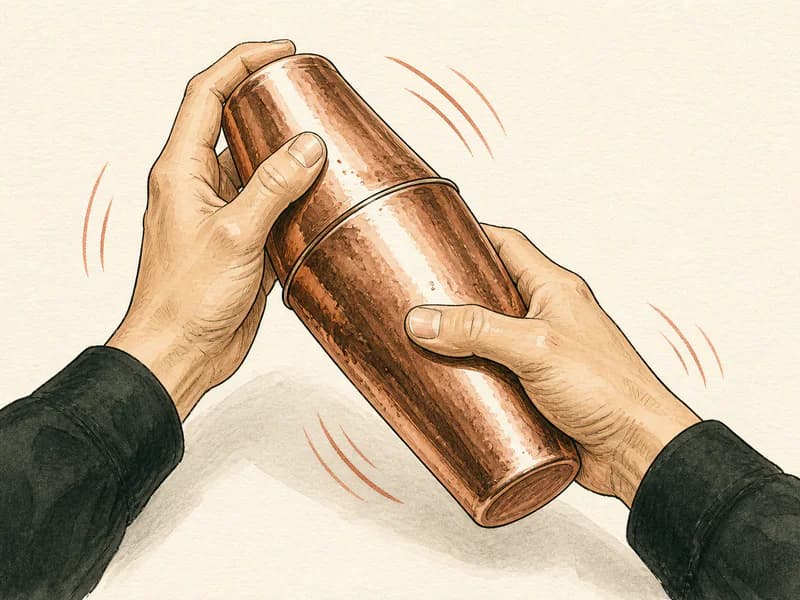
Seal and shake Seal and shake hard
- 08
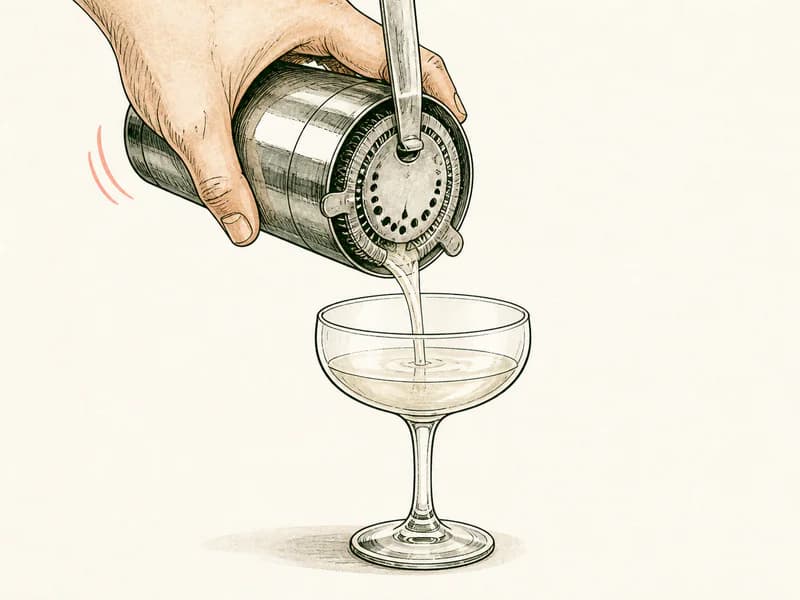
Strain cleanly Strain into a chilled glass — no ice
Know your drink
About the Pisco Sour
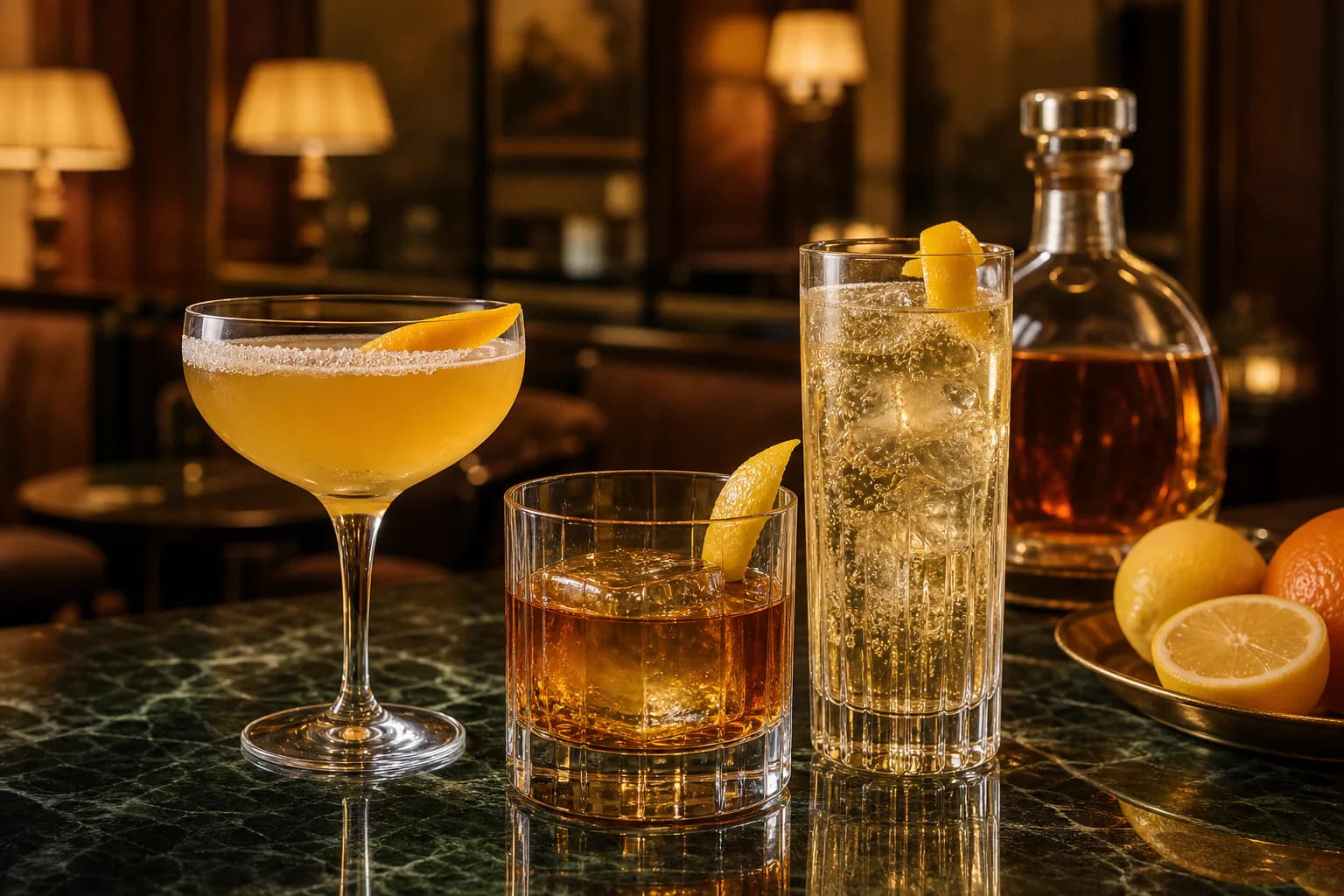
A contested national drink
Peru and Chile have argued over pisco for a century, and the argument is about the name as much as the spirit. Peru ties it to the port and valley of Pisco and regulates it tightly: named grapes, nothing added after distillation, no aging in anything that imparts flavor. Chile's rules are looser and allow wood. Peru marks a Pisco Sour day in early February, which tells you how seriously this is taken.
The sour itself is usually credited to Victor Morris, an American running a bar in Lima in the 1910s and 1920s. Egg white almost certainly arrived later, from bartenders working the same room. Whoever added it did the drink an enormous favor. Without it the same measurements taste thin and unpleasantly sharp.
Common questions
Pisco Sour FAQ
Does it matter where the pisco comes from?
It does. Peruvian pisco is distilled to proof, unaged and unadulterated, so it holds the sharp grape character this drink is built around. Chilean pisco is often rested in wood and can be softer and sweeter. Both make good drinks; only one makes this one.
Which grape variety should I look for?
Quebranta is the workhorse and gives a drier, earthier result. The aromatic varieties, Italia and Torontel among them, smell of jasmine and stone fruit and make a showier drink. An acholado blends both kinds and is the safest single bottle to own.
Is the pattern drawn on the egg white just for show?
Angostura, three or four drops, and they are not decoration. You get the spice in your nose before the liquid reaches your mouth, which changes how the whole drink reads. Drag a toothpick through them for the pattern if you like; the aroma works either way.
Is raw egg white safe?
The risk is small with fresh, refrigerated eggs, and the acidity of the lime helps. If you'd rather not, pasteurized whites from a carton foam nearly as well. Whichever you use, crack it into a separate glass first so a bad one doesn't cost you the drink.
What kind of limes should I use?
Peruvian recipes call for limon sutil, a small sharp lime much closer to a key lime than to the thick-skinned Persian ones sold in most supermarkets. If yours are the big kind, expect a duller result and taste before you commit the full measure of syrup.
What ingredients are in a Pisco Sour?
A classic Pisco Sour calls for 60 ml (2 oz) Pisco, 22 ml (0.75 oz) Fresh lime juice, 22 ml (0.75 oz) Simple syrup, 1 egg white Egg white, 3 dashes Angostura, on top Angostura bitters. That single-serve spec scales cleanly — the recipe above converts it to oz and multiplies it for 2–4 drinks.
How strong is a Pisco Sour?
A standard Pisco Sour is roughly 24% ABV once mixed (before ice melt softens it further). That makes it spirit-forward — closer to a Martini than to a beer, so sip it slowly.
Sharpen the technique
Skills used in this recipe
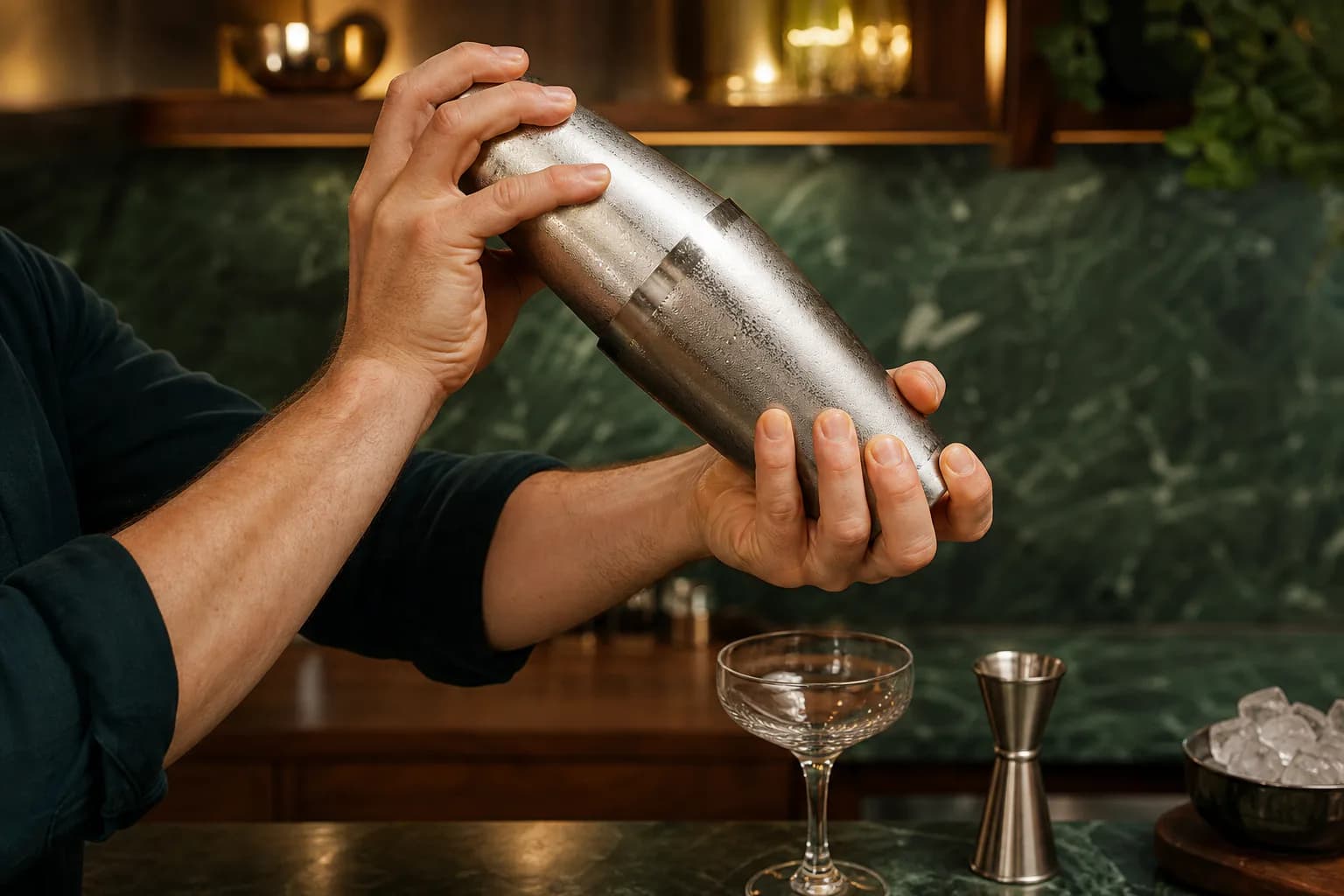
How to shake a cocktail properly
The grip, timing, ice and visual cues that make shaken drinks colder and brighter.
Read the guide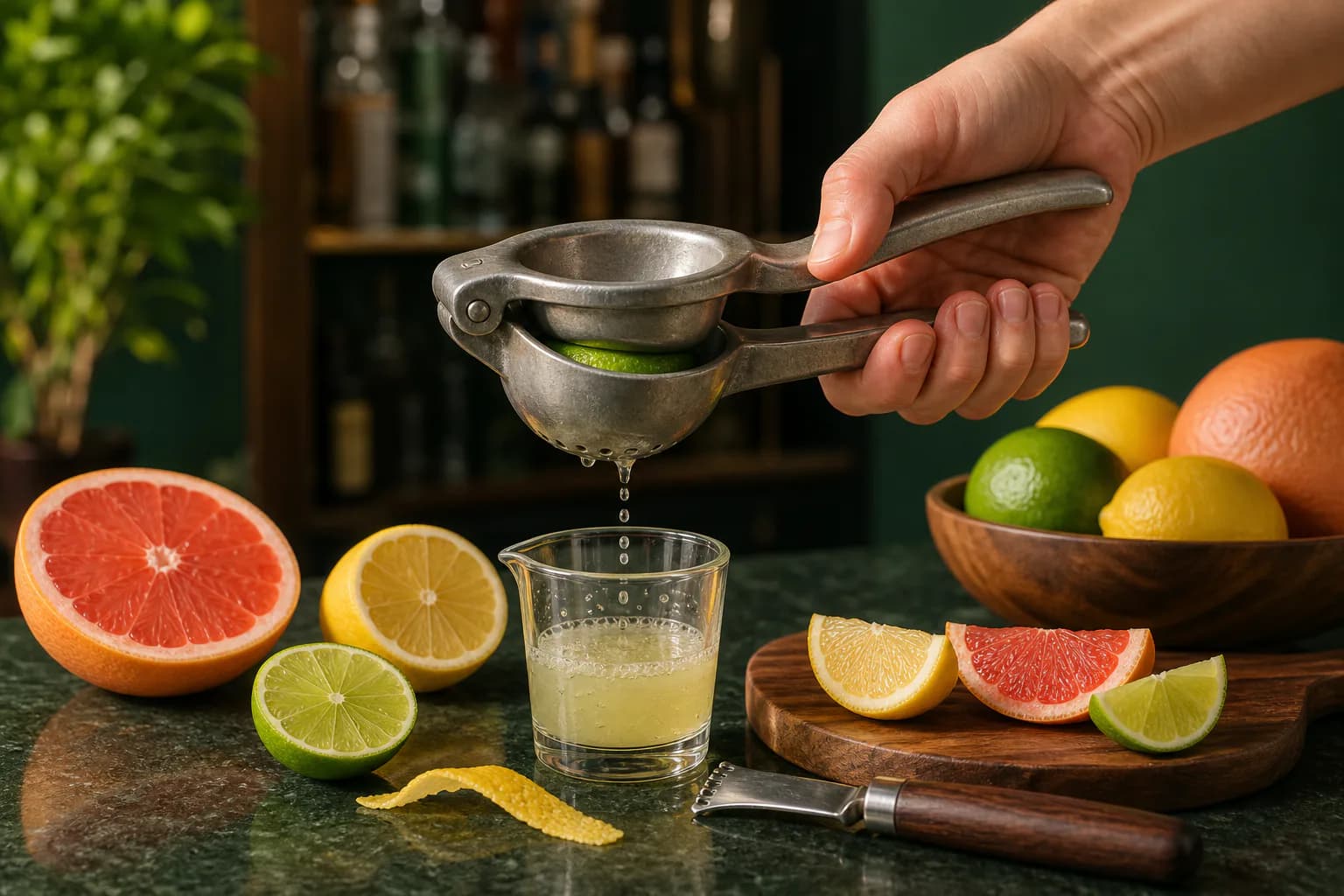
Fresh citrus for cocktails: juice, wedges and balance
Get brighter lime, lemon and grapefruit flavor with better prep and storage.
Read the guide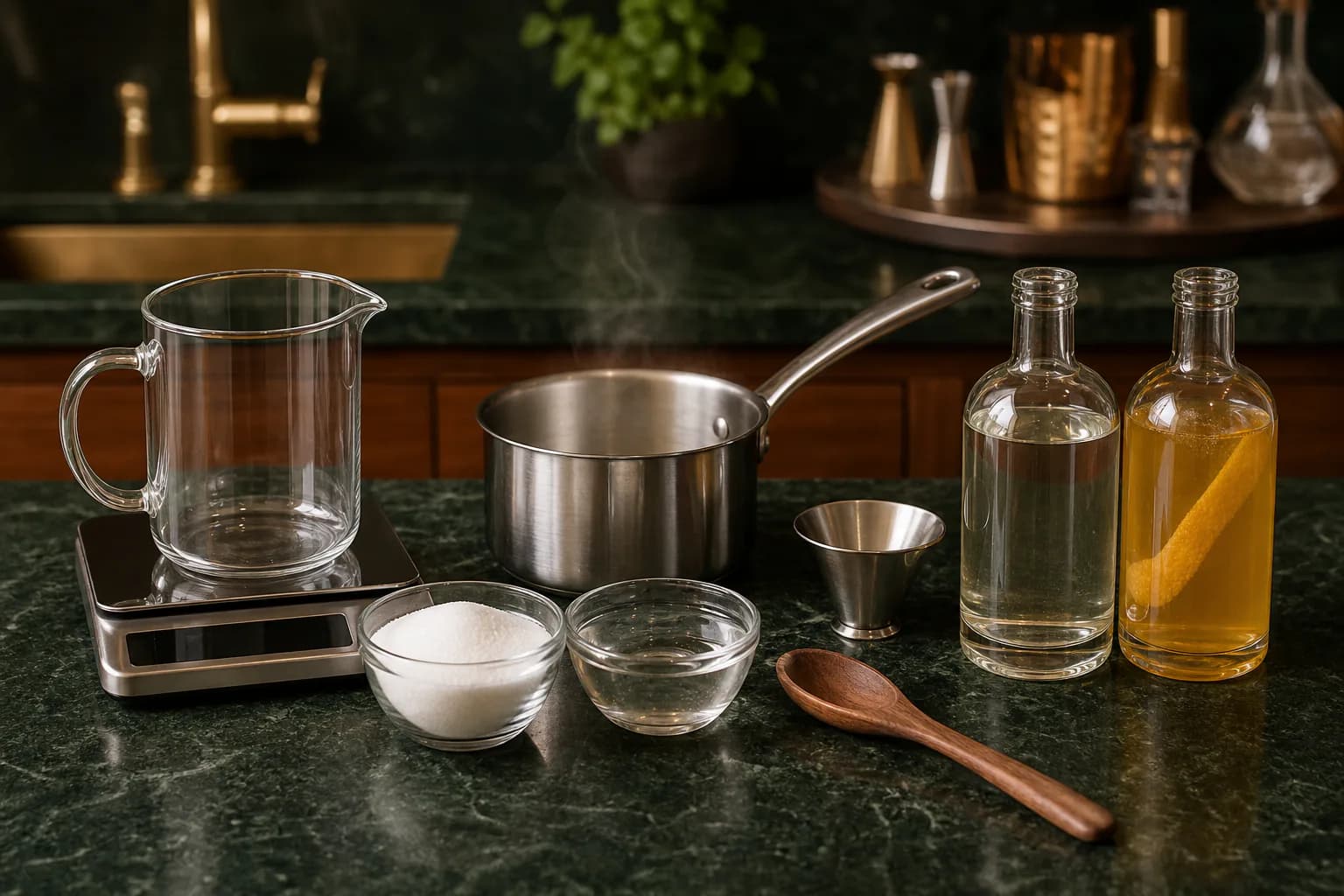
Simple syrup ratios, storage and flavor variations
Make a consistent sweetener and understand when rich syrup changes a recipe.
Read the guideWhere to go next
If you like the Pisco Sour, try these.
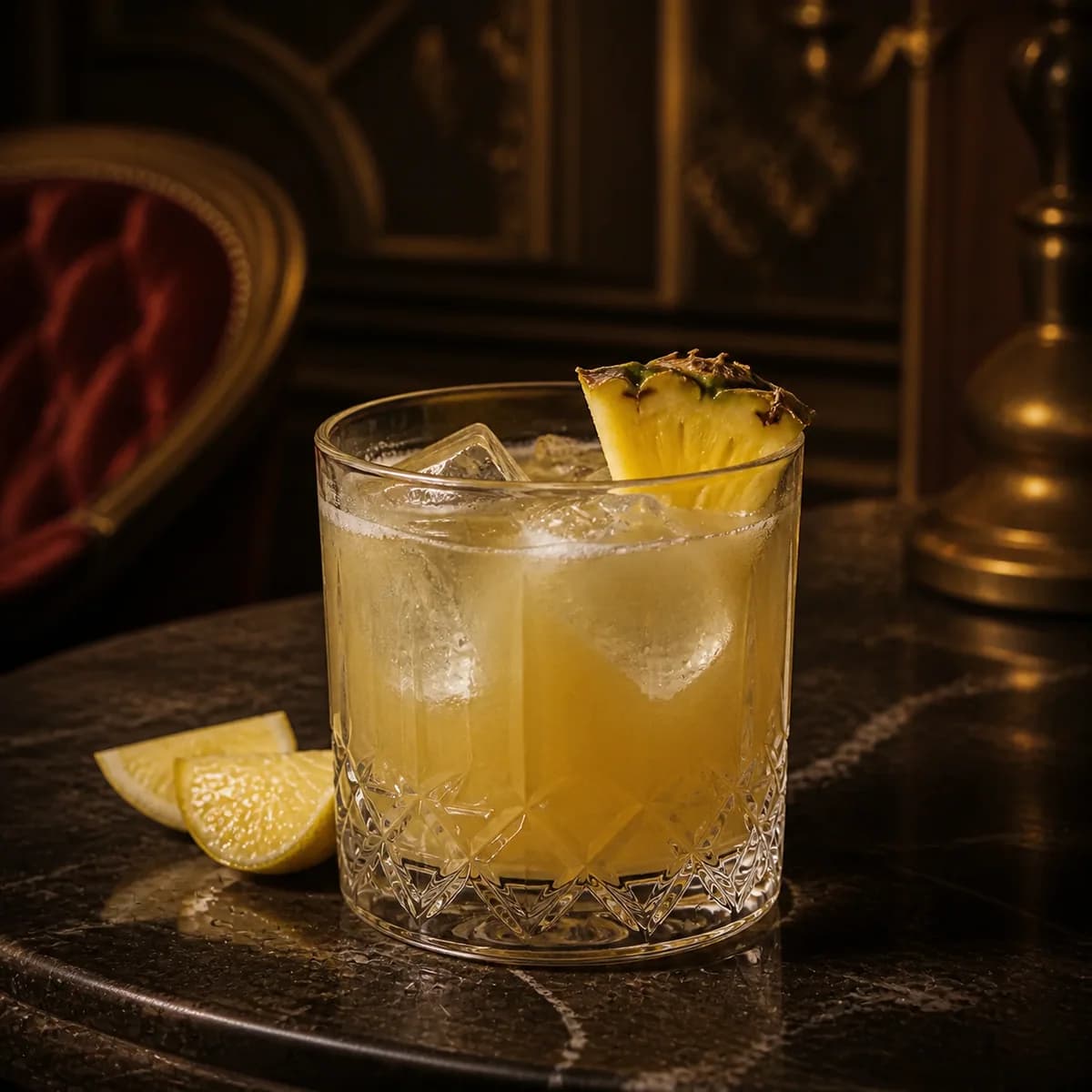
Pisco Punch
The lost drink of Gold Rush San Francisco: pisco with pineapple and lemon. Bright, boozy and mysteriously moreish.
View recipe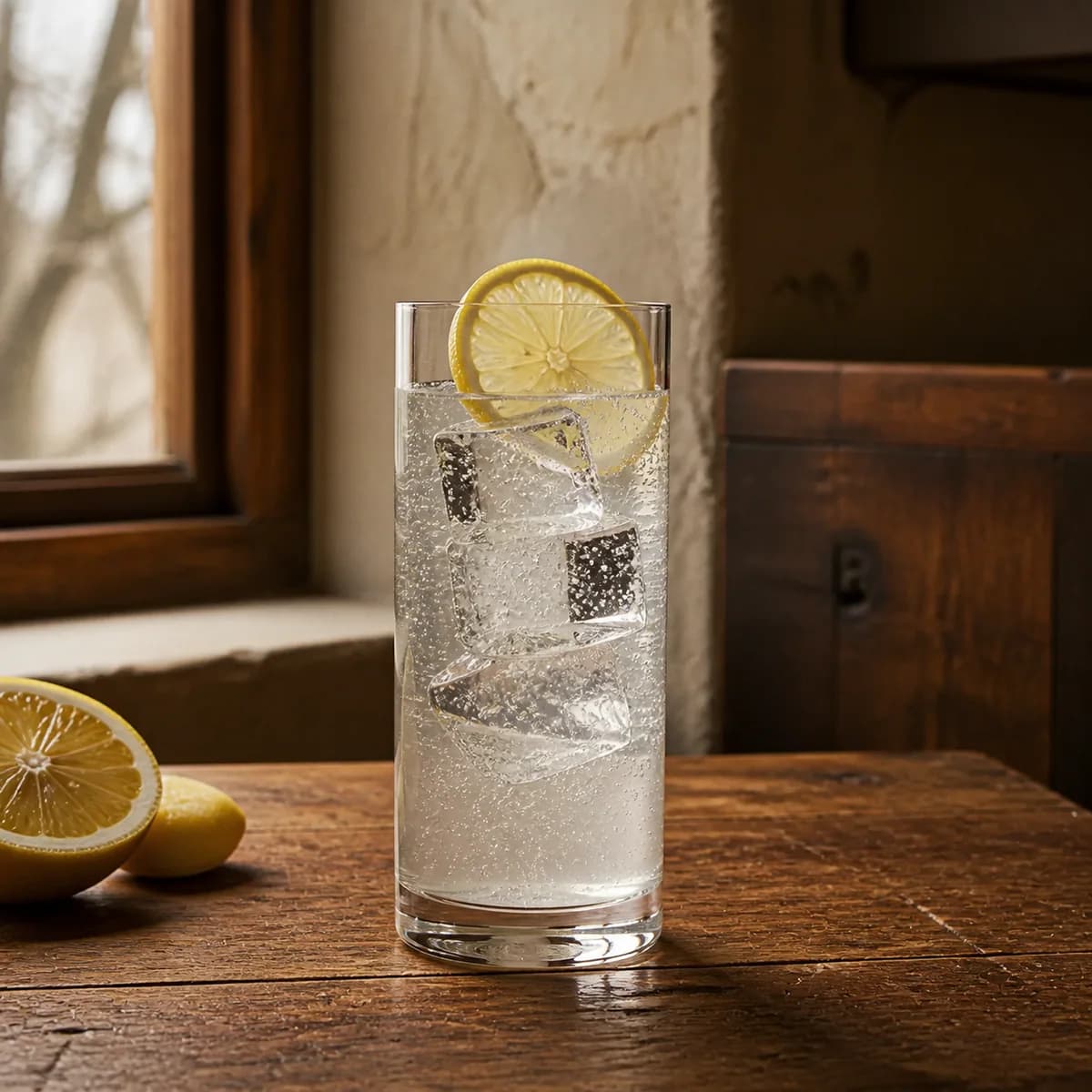
Pisco Collins
Pisco Sour without the egg white, stretched with soda and served long. The grape spirit's floral, slightly waxy character reads much more clearly here than it does under a foam cap, and the build drops about three steps.
View recipe
Amaretto Sour
Done right — with a shot of bourbon and egg white for backbone — the Amaretto Sour is nutty, tart and grown-up, not the syrupy version you remember.
View recipe