Classic cocktail · Guided recipe
Pisco Collins
Start makingPisco Sour without the egg white, stretched with soda and served long. The grape spirit's floral, slightly waxy character reads much more clearly here than it does under a foam cap, and the build drops about three steps.
In the glassPisco · Fresh lemon juice · Simple syrup · Soda water
See exact amounts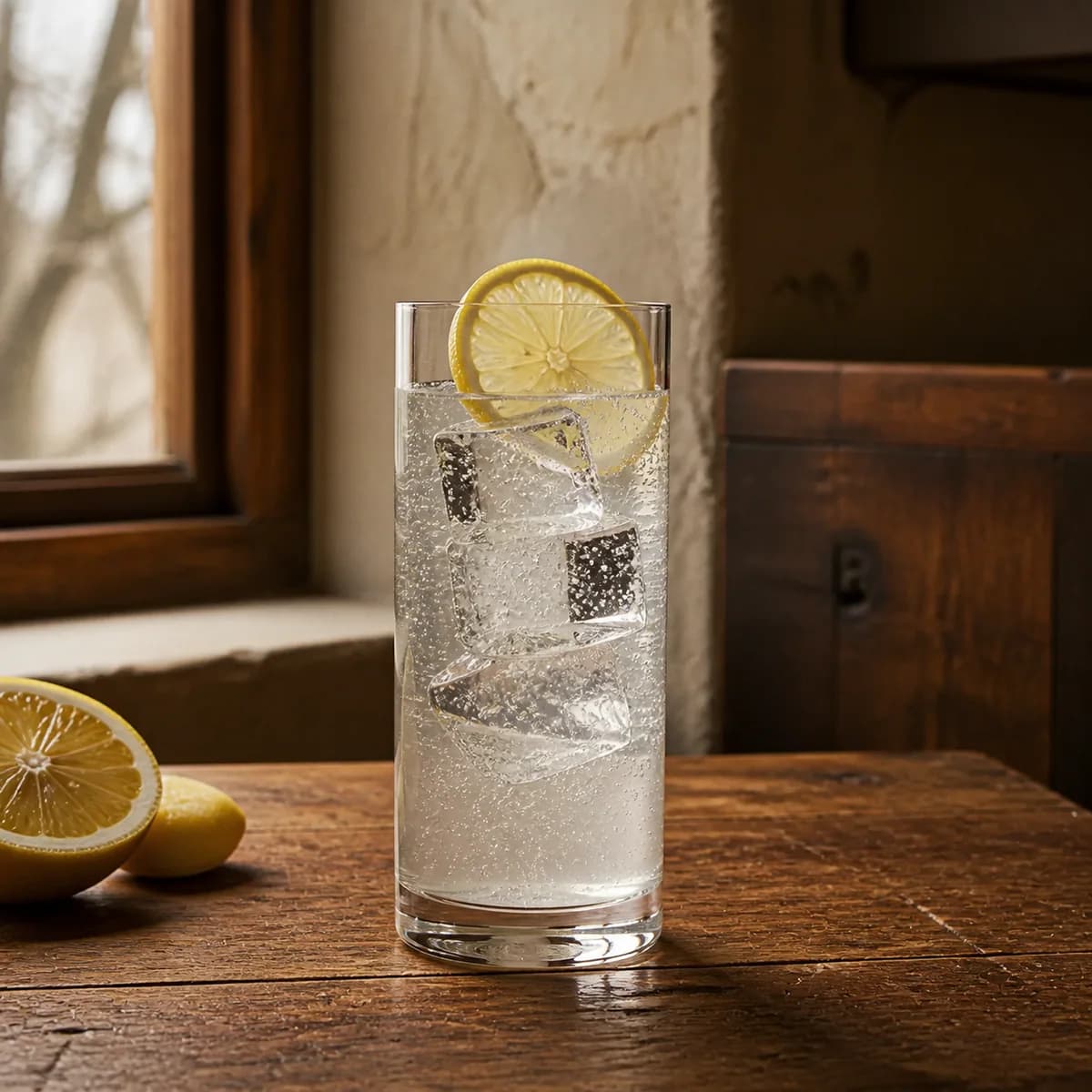
What goes in
Ingredients
Set up before you pour
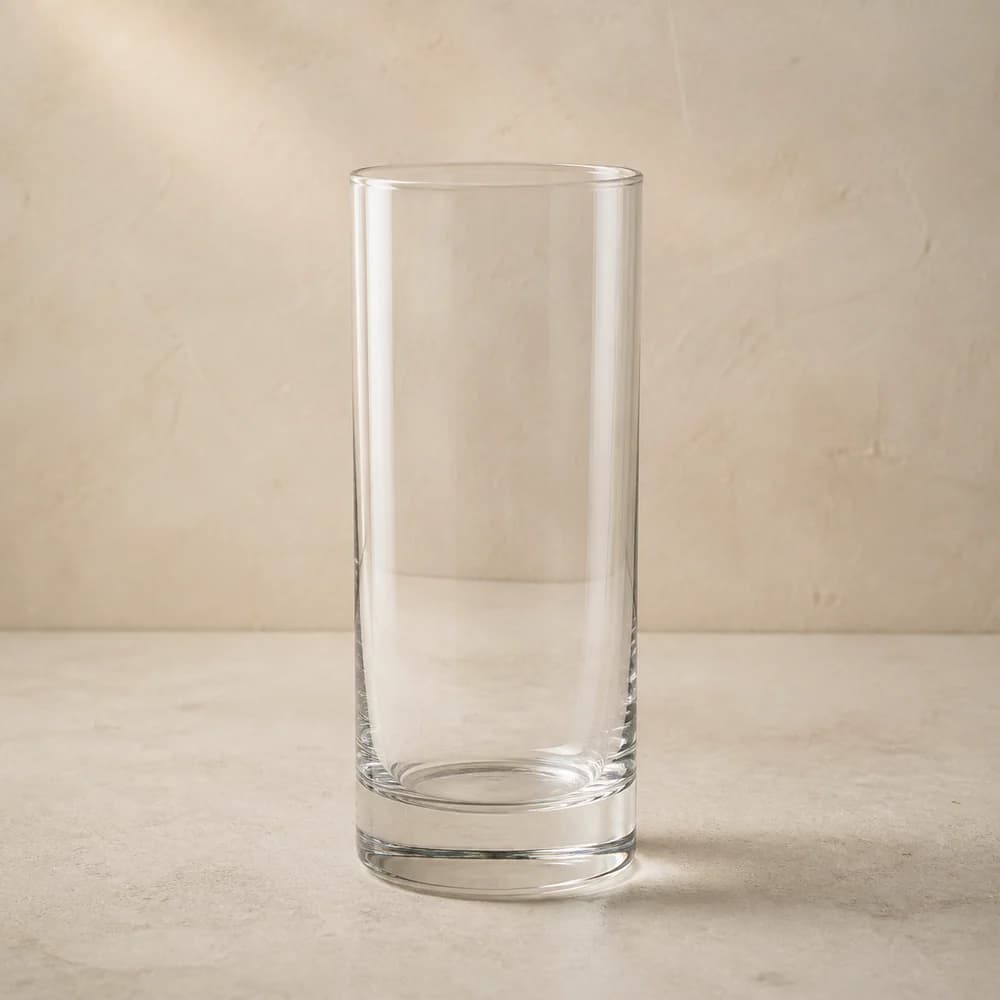
Use a highball glass.
The tall, straight shape leaves room for plenty of ice and mixer while keeping a long drink lively.
- Standard size
- 350 ml11¾ oz
- Ice & serve
- Fill it with fresh ice cubes.
- If you don’t own one
- Use a Collins glass or any tall, straight-sided tumbler.
- jigger or measuring spoon
- Pisco45 ml
- Soda water60 ml
- Fresh lemon juice22 ml
- Simple syrup15 ml
From bottle to glass
Method
- 01
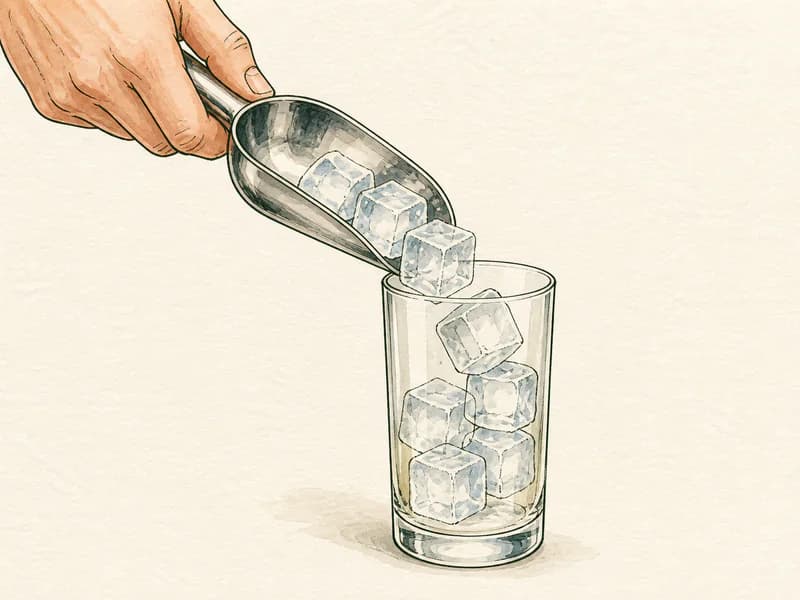
Ice the glass Fill the glass with ice
- 02
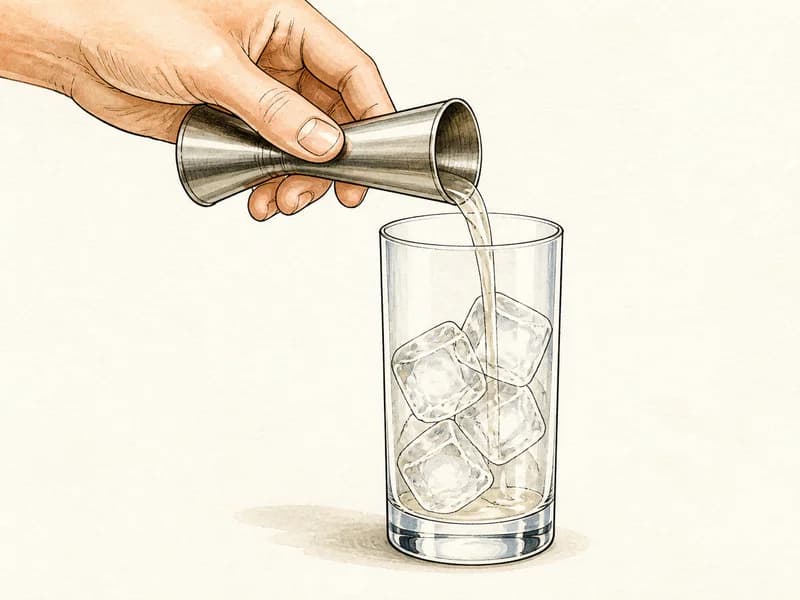
Measure and pour Pour 45 ml pisco
 Pisco
Pisco
- 03
Measure and pour Add 22 ml fresh lemon juice
 Fresh lemon juice
- 04
Measure and pour Add 15 ml simple syrup
 Simple syrup
- 05
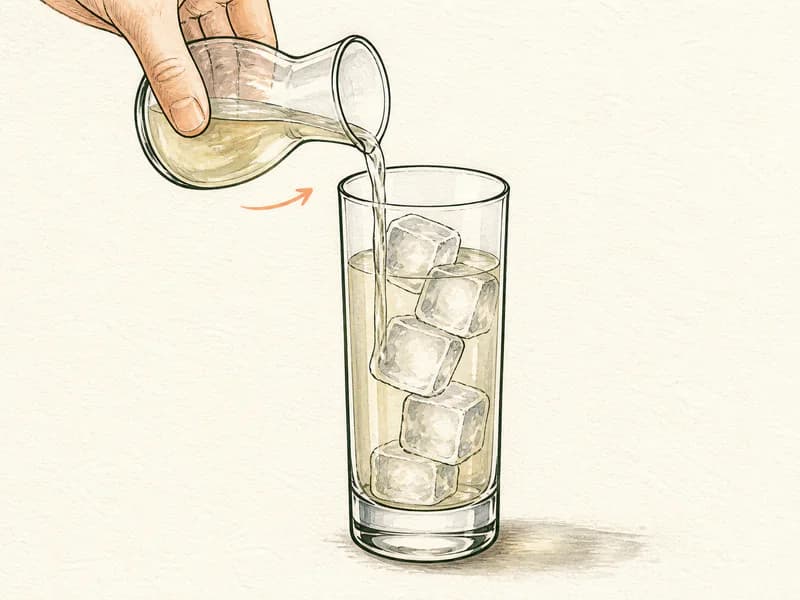
Top gently Top with 60 ml soda water
 Soda water
- 06
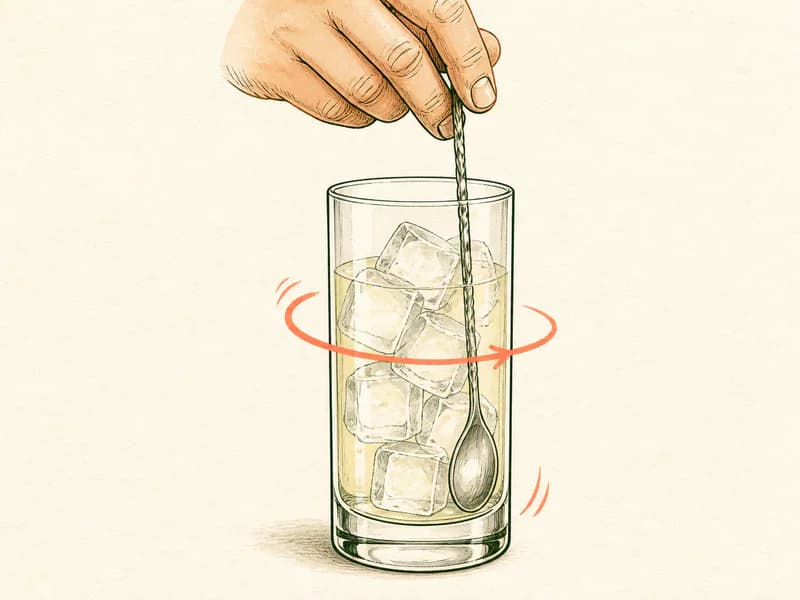
Stir around the ice Stir gently to combine
- 07
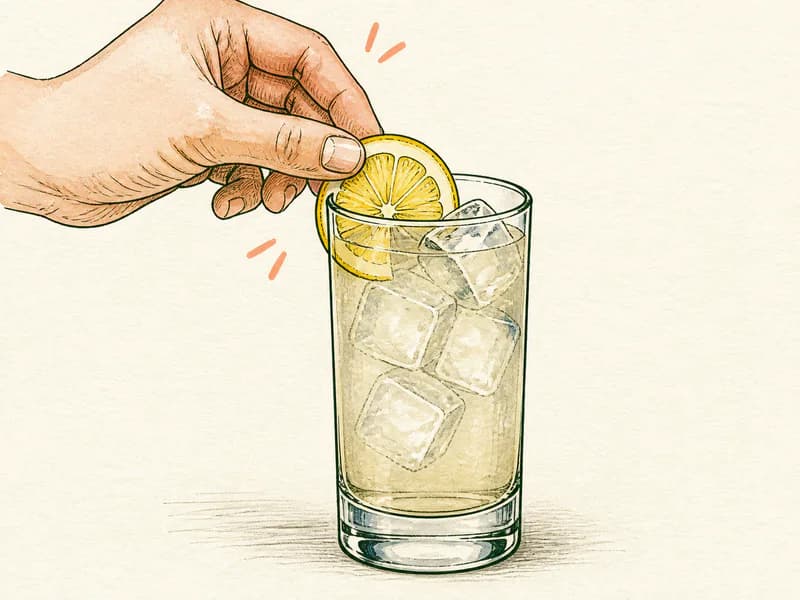
Finish the drink Finish it — add a lemon slice
Know your drink
About the Pisco Collins
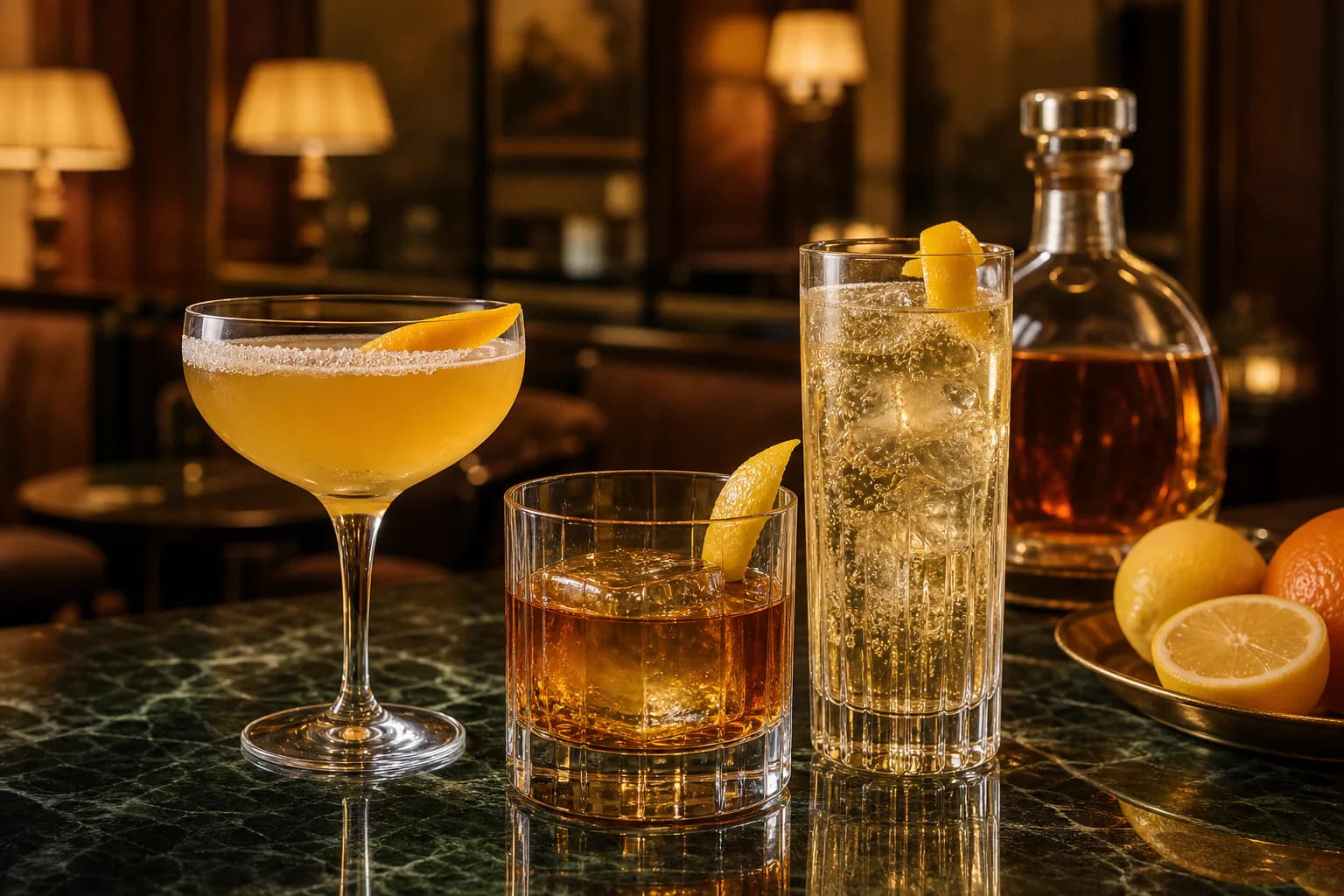
Grapes, distilled not aged
Pisco is made from wine grapes and, in Peru, bottled at distillation strength with no water added and no time in barrel, which is why it tastes of fruit rather than of wood. Eight permitted varieties give very different results: Quebranta is dry and earthy, Italia and Torontel come out floral and loud. Acholado blends the two camps together.
Common questions
Pisco Collins FAQ
Peruvian or Chilean pisco?
Either, and they genuinely differ. Peruvian pisco is bottled undiluted and unaged, arriving aromatic and dry. Chilean is often rested briefly in wood and can be softer. For a Collins, a Peruvian acholado or Quebranta gives you the most aroma per milliliter.
It tastes like grape soda. Too much syrup?
Too much syrup for the pisco you're using. Italia and Torontel bottlings are already perfumed and floral, so 15 ml of sugar on top reads as candy. Drop to 10 ml with an aromatic pisco and keep the full measure for a dry Quebranta.
Do I shake it or build it in the glass?
Shake the pisco, lemon and syrup with cubes, strain into a tall glass over fresh ice, then add the soda. Building it whole leaves the syrup unintegrated, so the first mouthfuls come out sour and the last ones come out sweet.
Is this just a Pisco Sour lengthened?
Not quite. A Sour carries egg white, Angostura across the foam and no water beyond shaking dilution, which makes it dense and creamy. Removing the egg and adding 60 ml of soda changes the texture entirely, trading body for aroma and lift.
What ingredients are in a Pisco Collins?
A classic Pisco Collins calls for 45 ml (1.5 oz) Pisco, 22 ml (0.75 oz) Fresh lemon juice, 15 ml (0.5 oz) Simple syrup, 60 ml (2 oz) Soda water. That single-serve spec scales cleanly — the recipe above converts it to oz and multiplies it for 2–4 drinks.
How strong is a Pisco Collins?
A standard Pisco Collins is roughly 13% ABV once mixed (before ice melt softens it further). That makes it about as strong as a glass of wine.
What glass do you serve a Pisco Collins in?
Serve a Pisco Collins in a highball (tall) glass, over fresh ice cubes.
Sharpen the technique
Skills used in this recipe
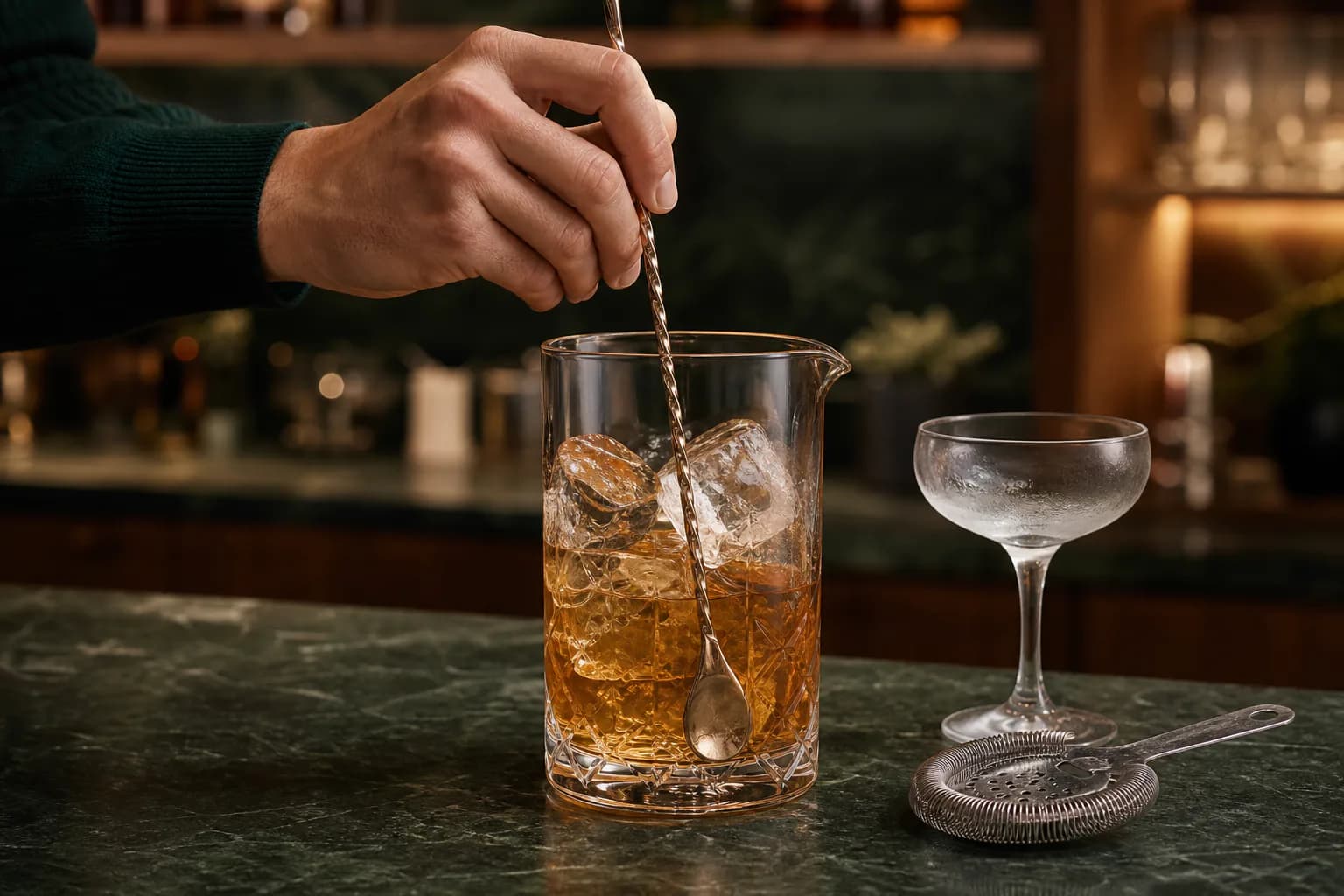
How to stir a cocktail for a silky finish
Control chilling and dilution without adding the bubbles and texture of a shake.
Read the guide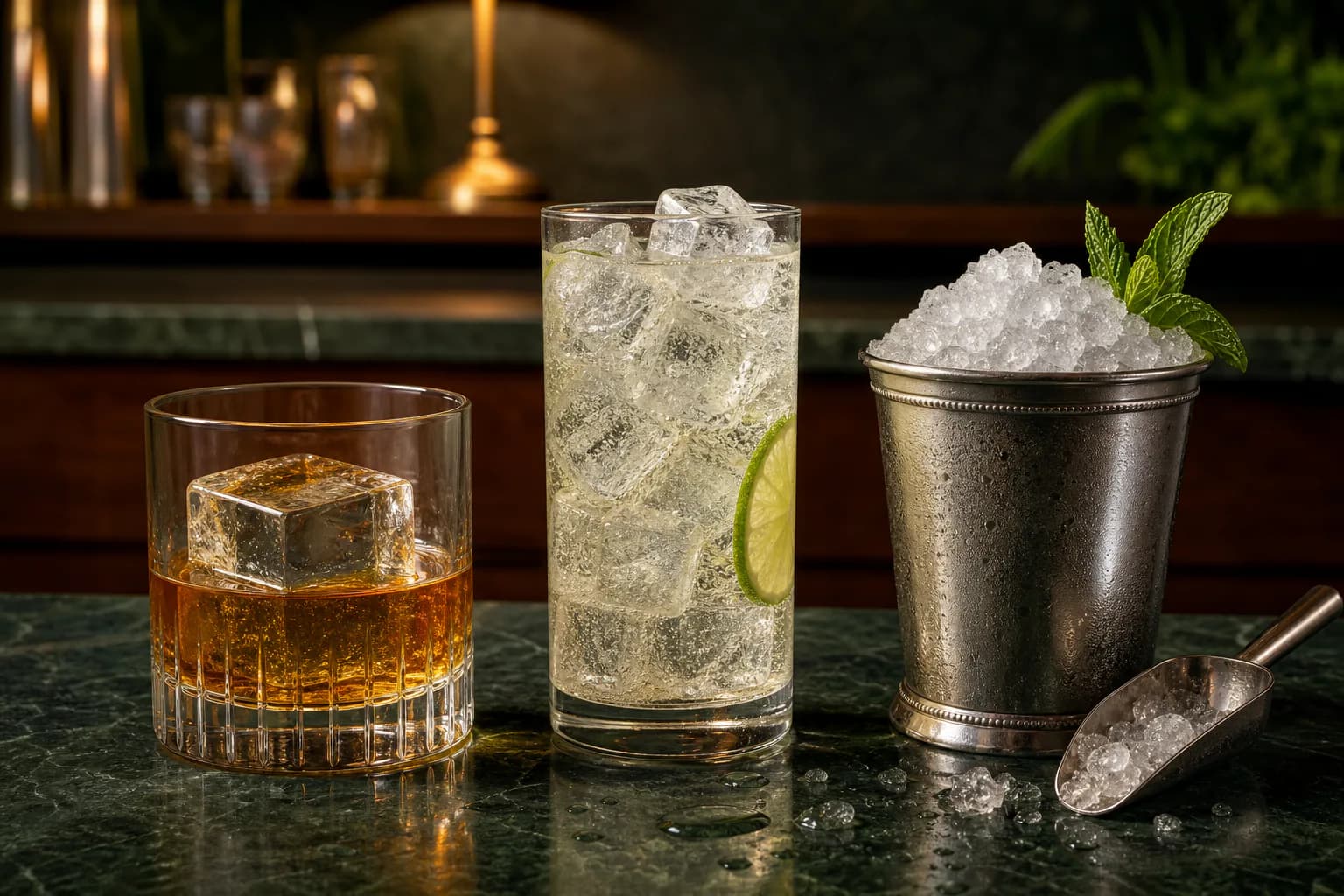
Cocktail ice: cubes, crushed ice and dilution
Understand why ice is an ingredient—and choose the right shape for every drink.
Read the guide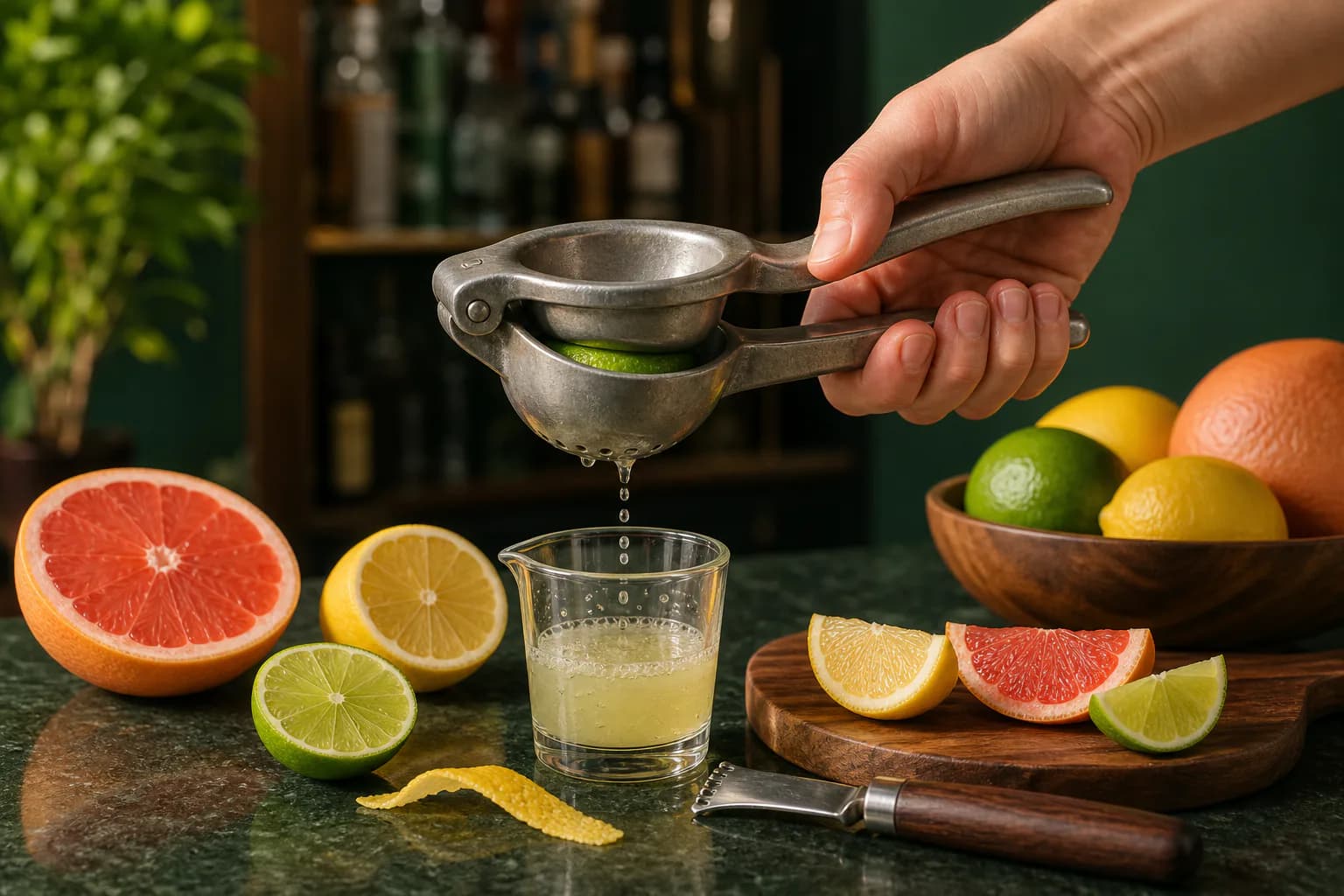
Fresh citrus for cocktails: juice, wedges and balance
Get brighter lime, lemon and grapefruit flavor with better prep and storage.
Read the guideWhere to go next
If you like the Pisco Collins, try these.
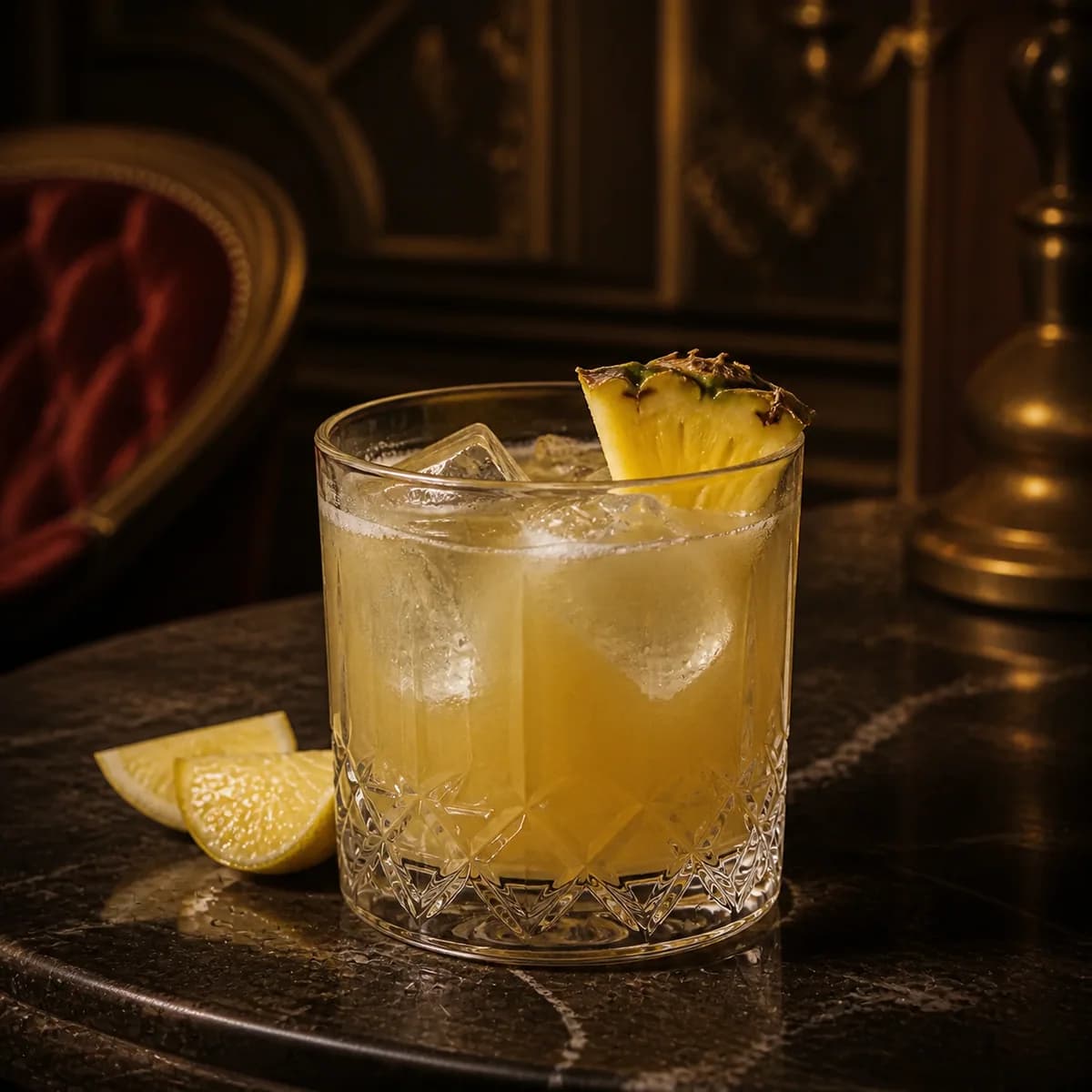
Pisco Punch
The lost drink of Gold Rush San Francisco: pisco with pineapple and lemon. Bright, boozy and mysteriously moreish.
View recipe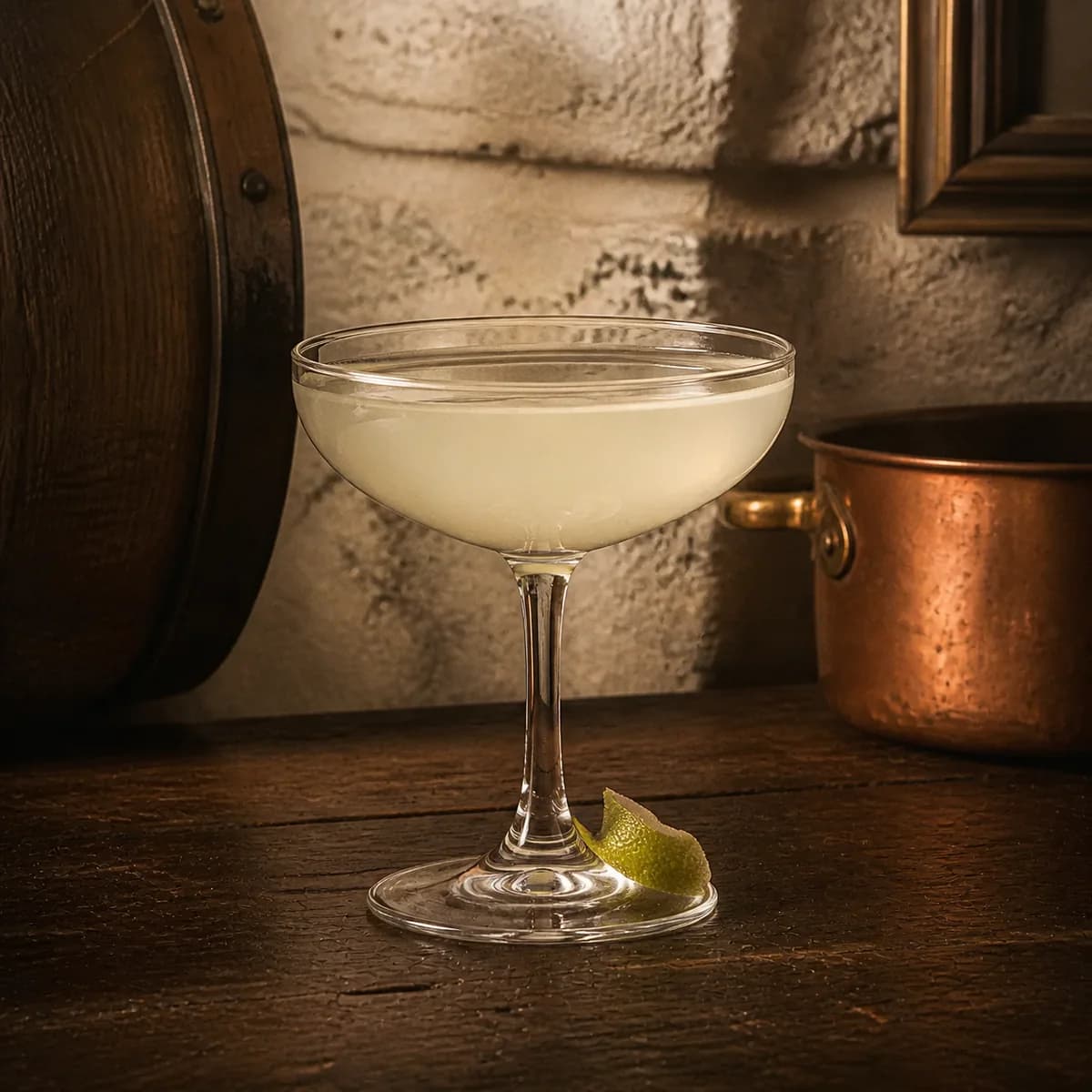
Pisco Sour
Peru’s national drink: pisco, lime and sugar shaken to a froth with egg white, finished with a few drops of bitters. Silky and sharp.
View recipe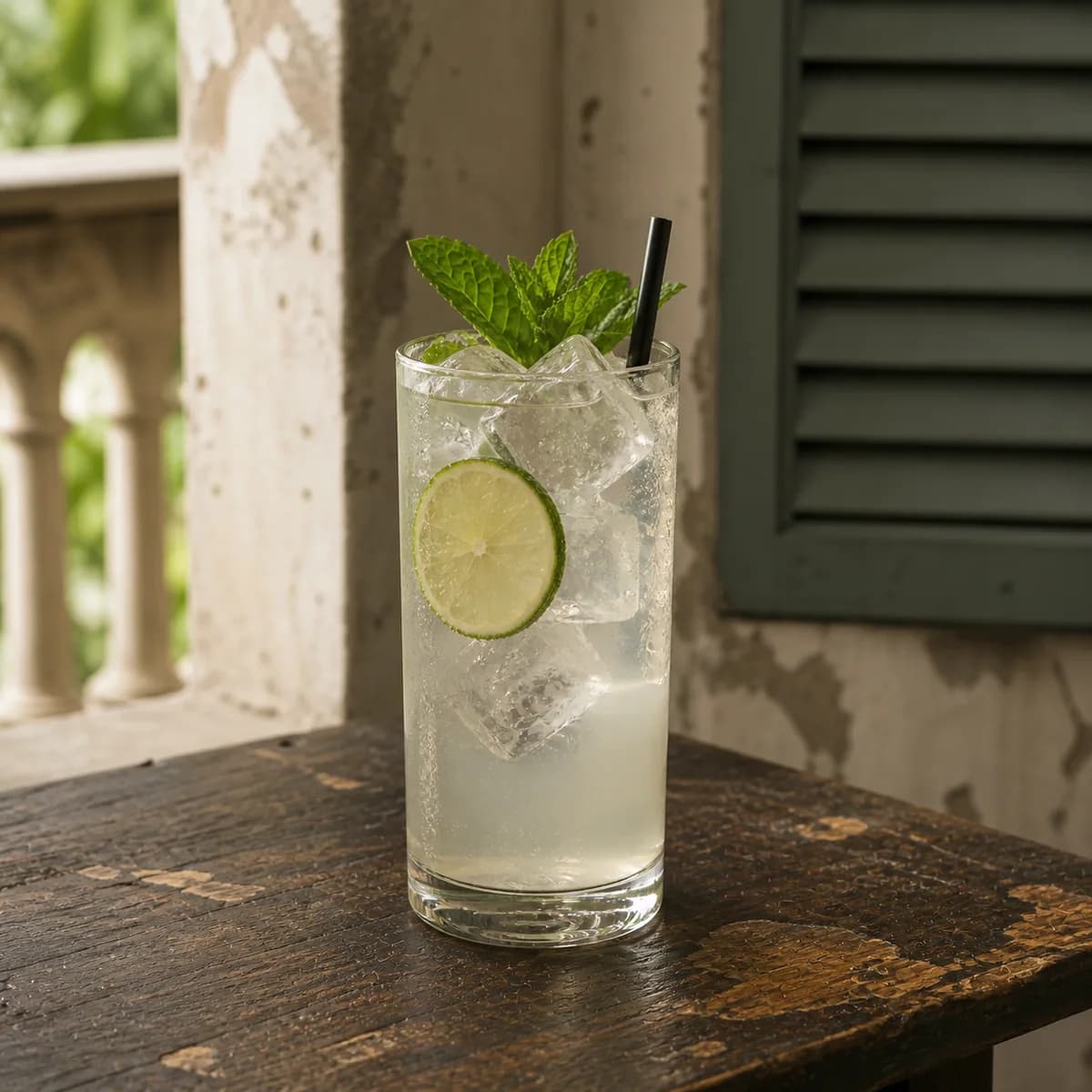
Rum Collins
Every Collins is the same tall build with a different bottle in it, and white rum makes this one rounder than gin does, with a thread of cane sugar surviving all the way through the soda.
View recipe