Classic cocktail · Guided recipe
Boston Sour
Start makingA whiskey sour with egg white shaken in — the same sharp balance under a silky, foamy crown.
In the glassBourbon · Fresh lemon juice · Simple syrup · Egg white
See exact amounts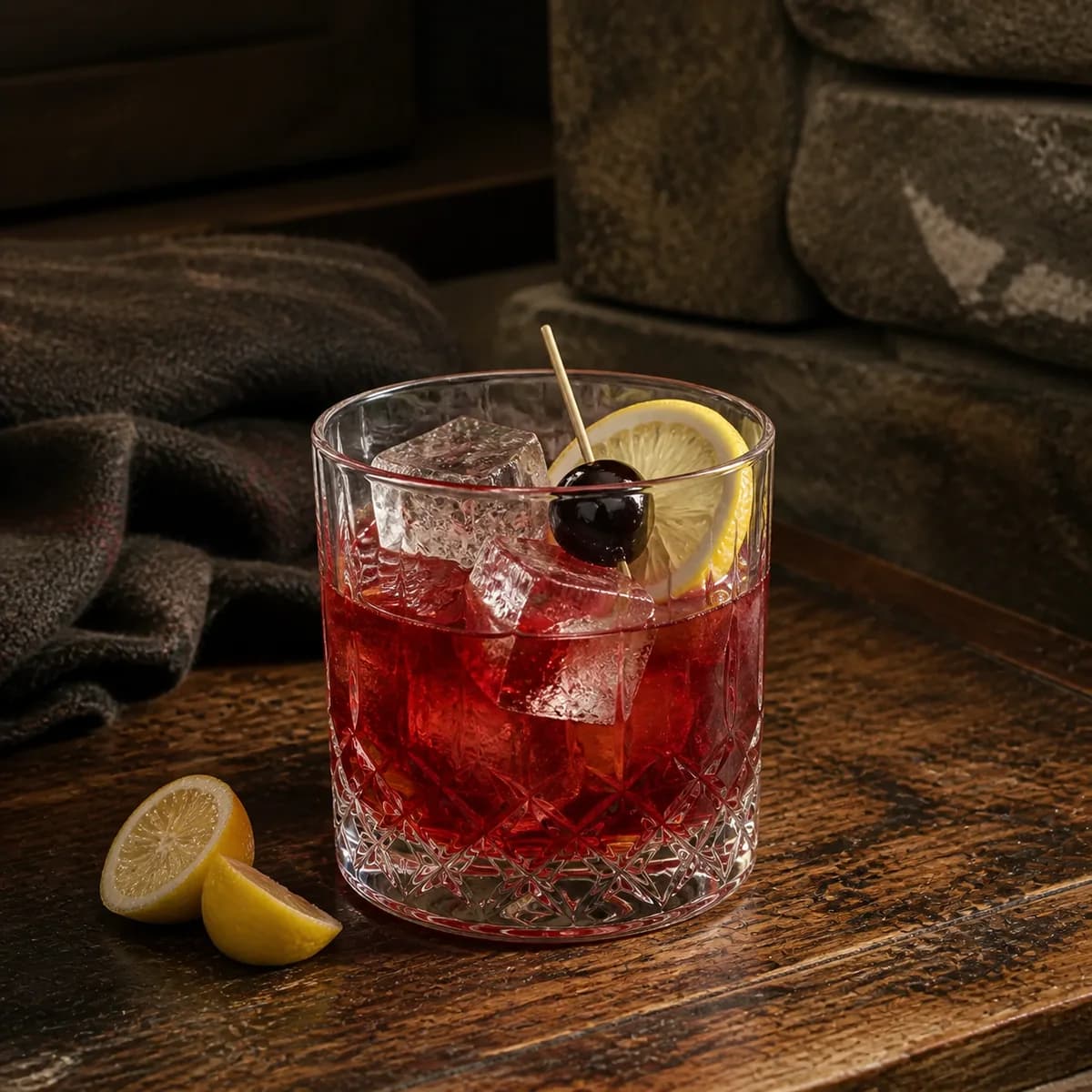
What goes in
Ingredients
Set up before you pour
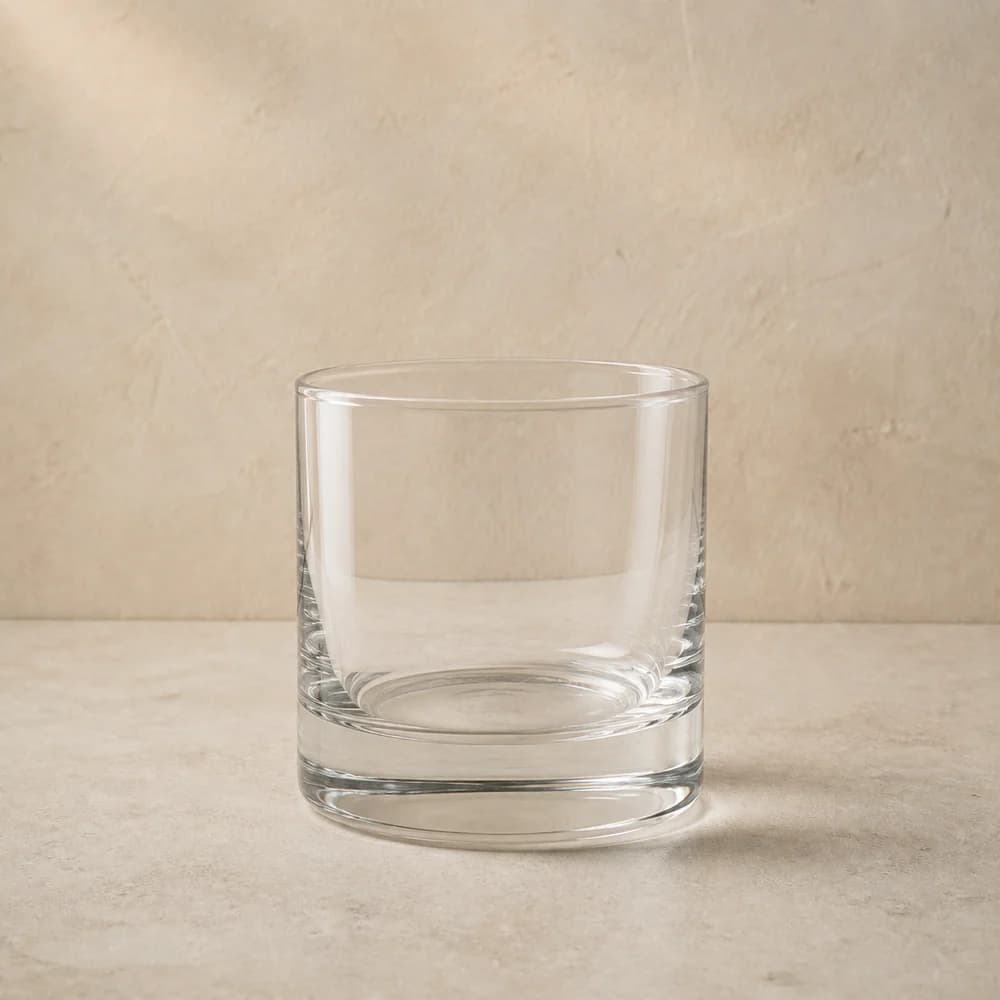
Use a rocks glass.
The low, sturdy bowl suits concentrated drinks and gives one large cube enough width.
- Standard size
- 300 ml10¼ oz
- Ice & serve
- Fill it with fresh ice cubes.
- If you don’t own one
- Use a small water tumbler with a heavy base.
- cocktail shaker
- strainer (or a small sieve)
- jigger or measuring spoon
- Bourbon60 ml
- Fresh lemon juice22 ml
- Simple syrup15 ml
- Egg white1 egg white
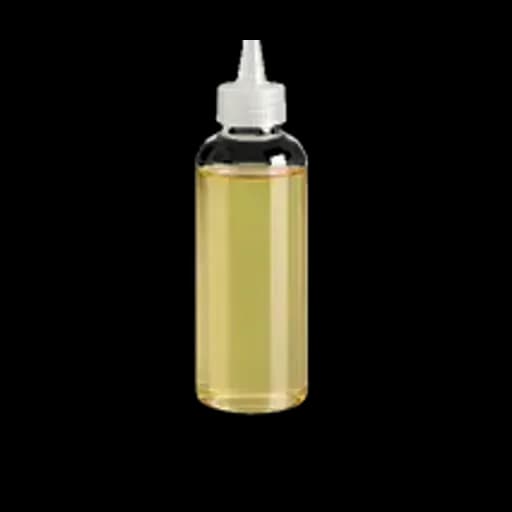
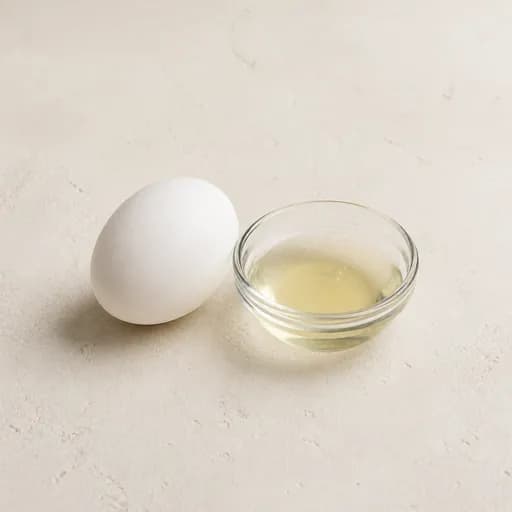
From bottle to glass
Method
- 01
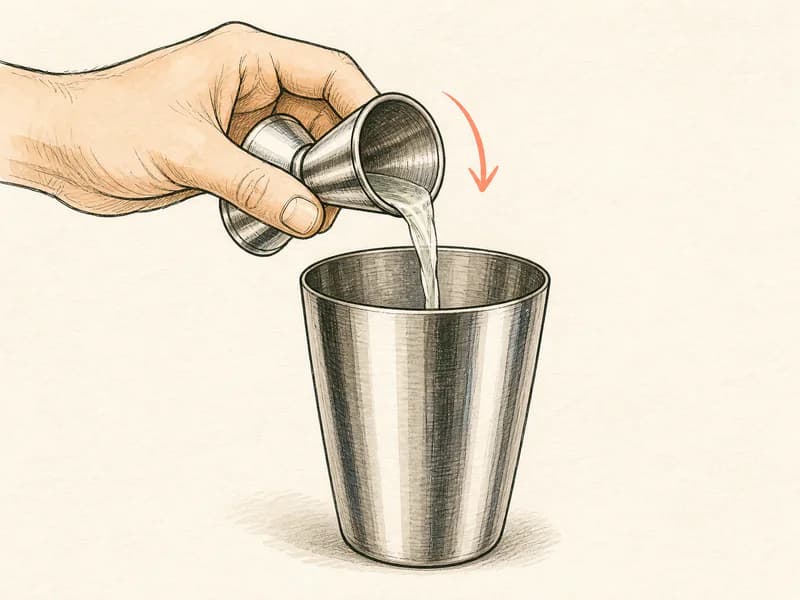
Measure into the shaker Pour 60 ml bourbon into your shaker
 Bourbon
- 02
Measure into the shaker Add 22 ml fresh lemon juice
 Fresh lemon juice
- 03
Measure into the shaker Add 15 ml simple syrup
 Simple syrup
- 04
Measure into the shaker Add 1 egg white
 Egg white
- 05
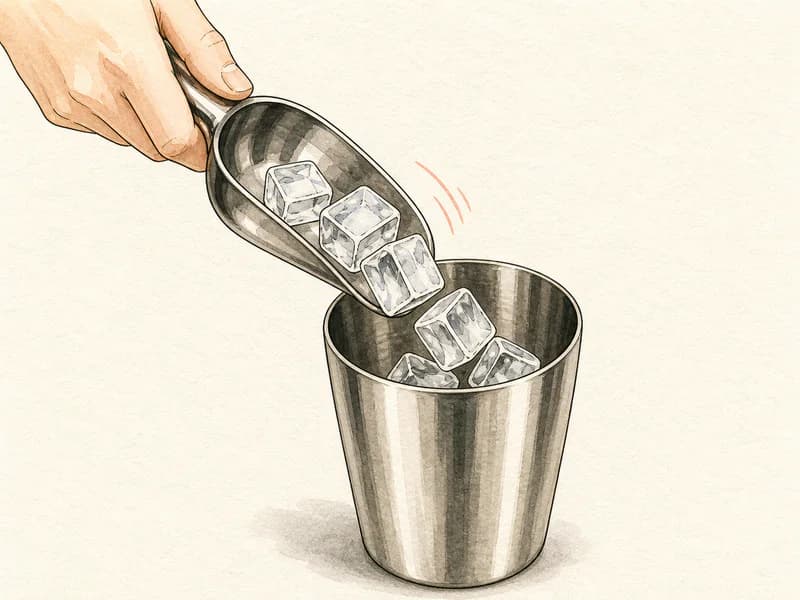
Ice the shaker Fill the shaker with ice
- 06
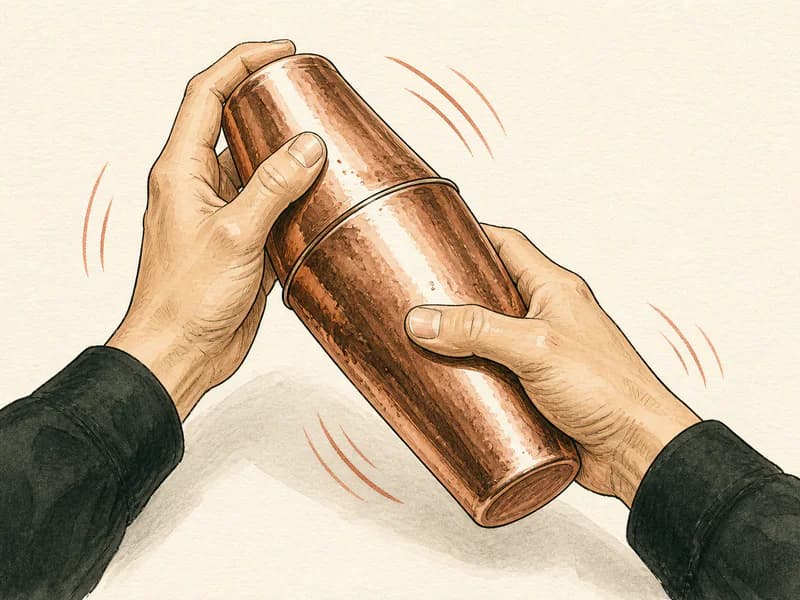
Seal and shake Seal and shake hard
- 07
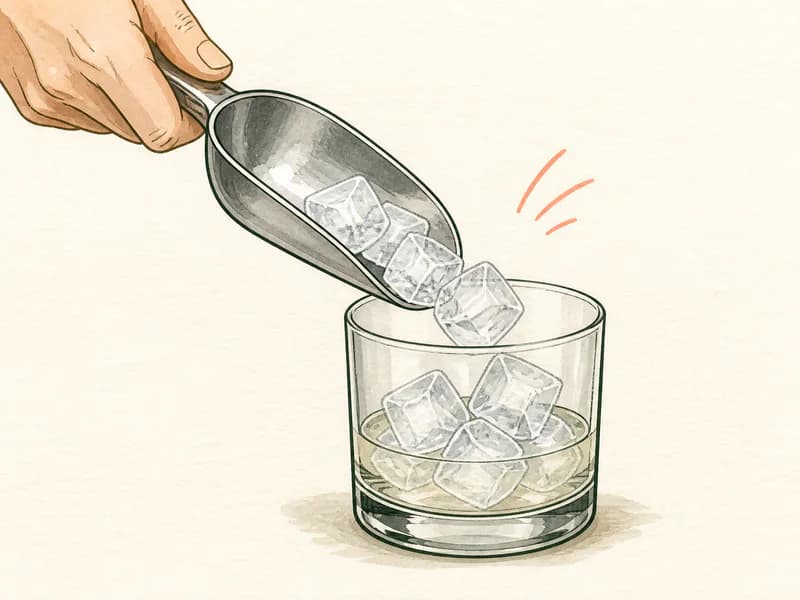
Ice the glass Fill your glass with fresh ice
- 08
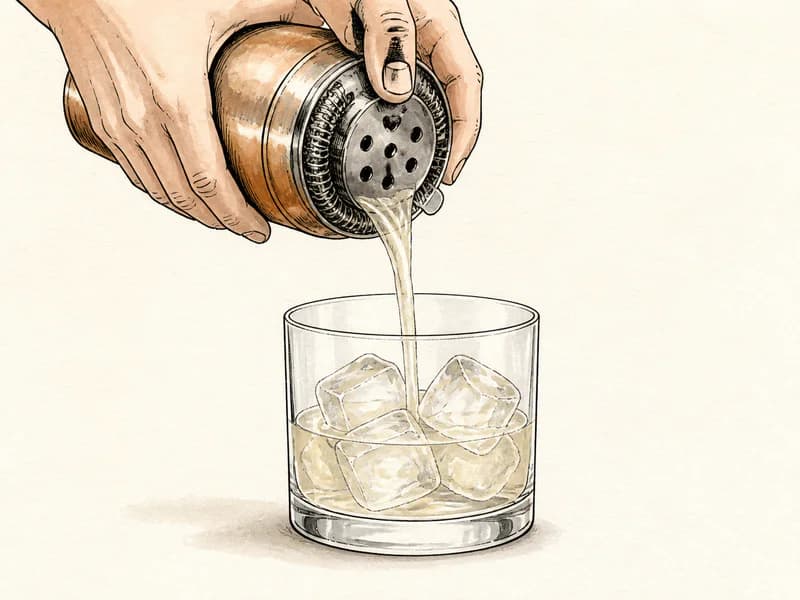
Strain cleanly Strain into your glass
- 09
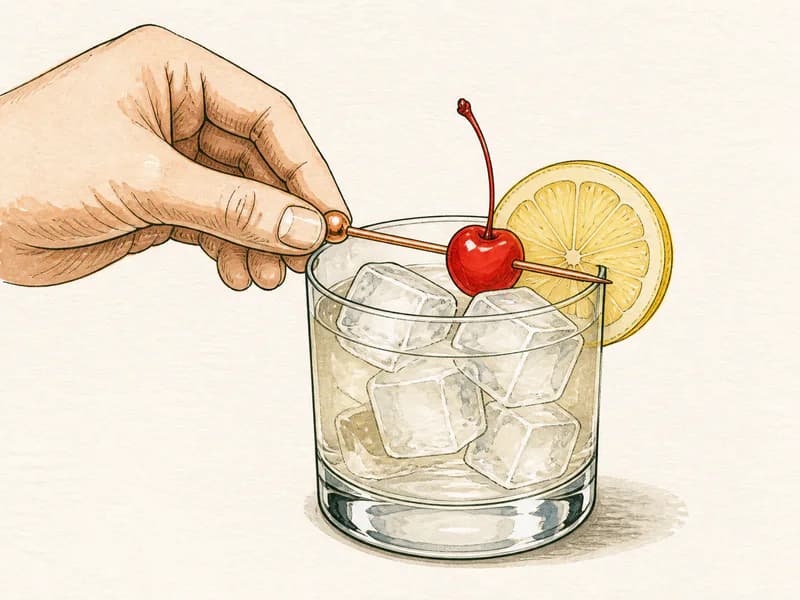
Finish the drink Finish it — add a lemon slice and a cocktail cherry
Know your drink
About the Boston Sour
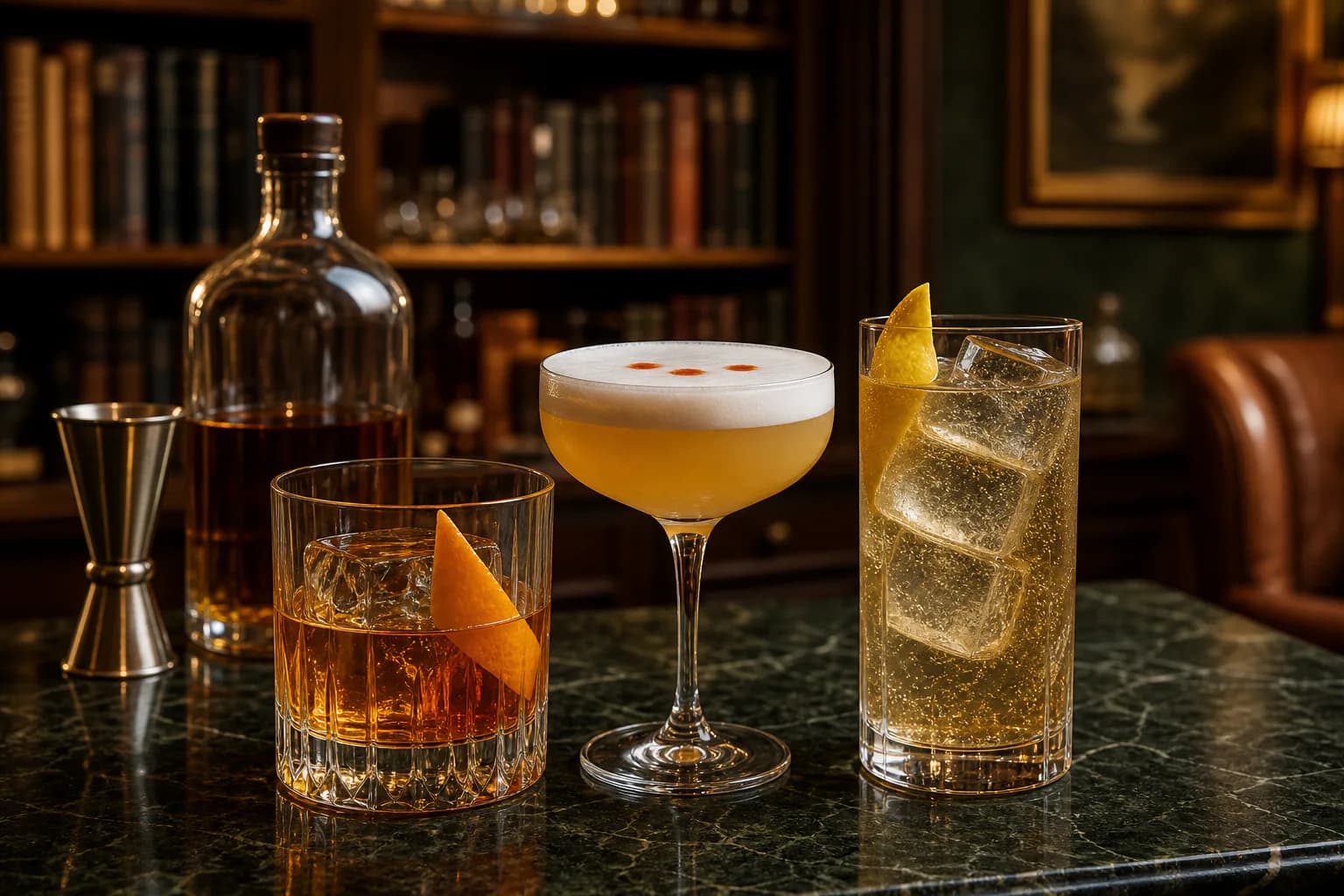
Egg white in sours
Egg white turns up in punches, flips and fizzes well before it turns up in sours, and by the late nineteenth century it was ordinary bar equipment. Jerry Thomas built whole categories on it. What it contributes is mechanical rather than a flavor: the proteins trap air and hold onto it, which softens the acid across the tongue without making the drink any sweeter.
Nobody can explain the Boston part. The name has been attached to the egg-white version since at least the mid-twentieth century without any Boston bar claiming it, and some books use Boston Sour for a plain whiskey sour dressed with a lemon slice and a cherry. If a recipe surprises you, that is usually why.
Common questions
Boston Sour FAQ
Do I have to dry shake it?
If you want foam that lasts, yes. Shake everything without ice for about ten seconds to whip the egg white, then add ice and shake again to chill and dilute. Done the other way round you get a thin bubbly layer that collapses before you have finished the drink.
Is raw egg white actually safe?
The risk is low but not zero, and the usual advice applies: fine for most people, not for anyone pregnant, elderly or immunocompromised. Pasteurized whites from a carton behave identically and remove the question entirely. Fresh eggs whip marginally better, which is the only real argument for them.
Aquafaba in a Boston Sour: does it hold?
It does, though not quite as firmly. Twenty-two milliliters of chickpea liquid whips to a similar head and tastes of nothing once the lemon and bourbon are in, but it collapses a few minutes sooner. Dry shake it a little longer than you would an egg to compensate.
Is this the same as a New York Sour?
Different addition entirely. A New York Sour floats red wine over a whiskey sour for a dark layer and a tannic edge. This one adds egg white for texture instead. Nothing stops you doing both, and the wine actually sits rather well on top of the foam.
The egg smell puts me off. Can I get rid of it?
Egg white is close to odorless but not quite, and a thick cap of it sits directly under your nose. Three drops of Angostura on the foam is the standard fix and it works. A wide lemon twist expressed over the surface does the same job without adding bitters.
What ingredients are in a Boston Sour?
A classic Boston Sour calls for 60 ml (2 oz) Bourbon, 22 ml (0.75 oz) Fresh lemon juice, 15 ml (0.5 oz) Simple syrup, 1 egg white Egg white. That single-serve spec scales cleanly — the recipe above converts it to oz and multiplies it for 2–4 drinks.
How strong is a Boston Sour?
A standard Boston Sour is roughly 28% ABV once mixed (before ice melt softens it further). That makes it spirit-forward — closer to a Martini than to a beer, so sip it slowly.
Sharpen the technique
Skills used in this recipe
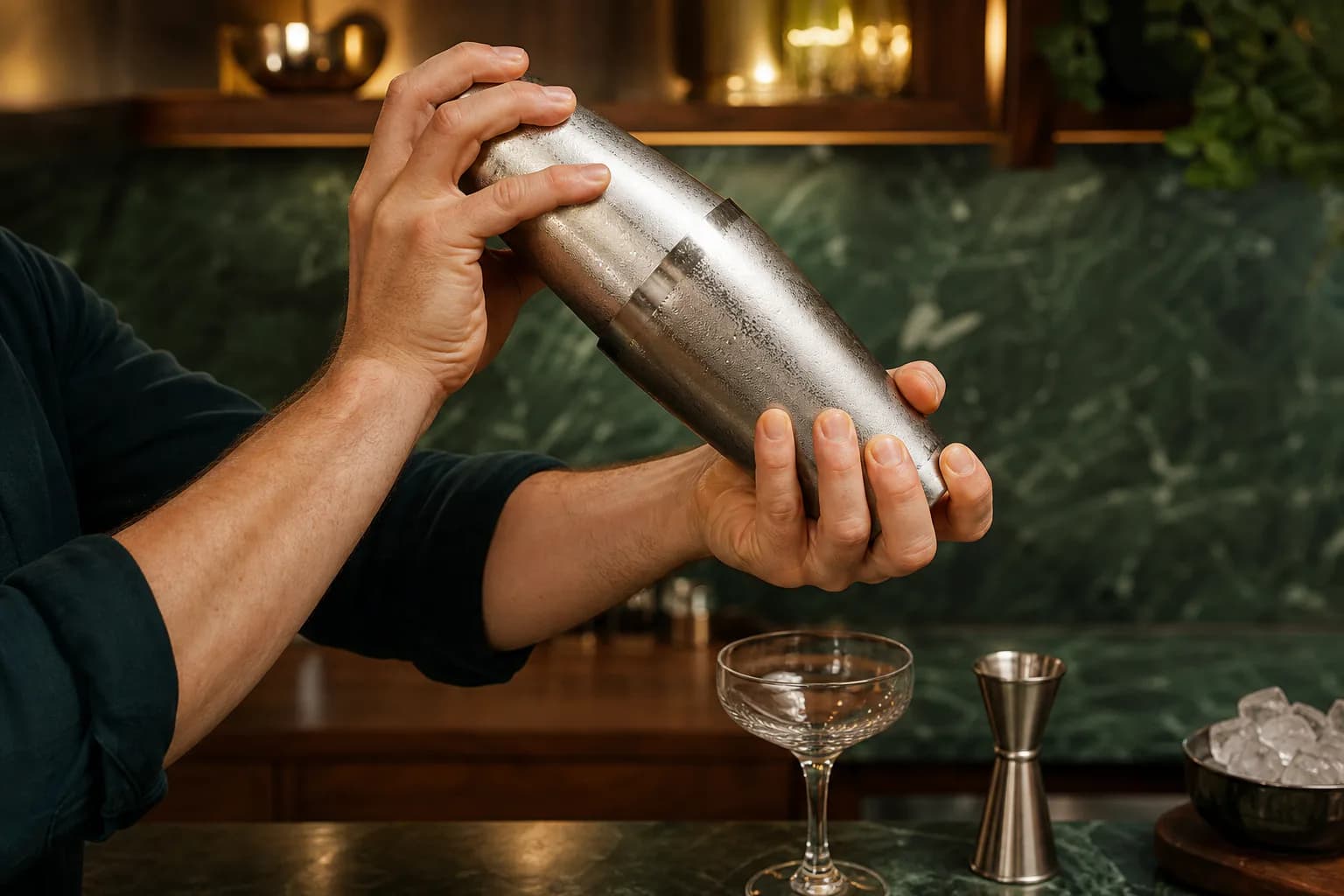
How to shake a cocktail properly
The grip, timing, ice and visual cues that make shaken drinks colder and brighter.
Read the guide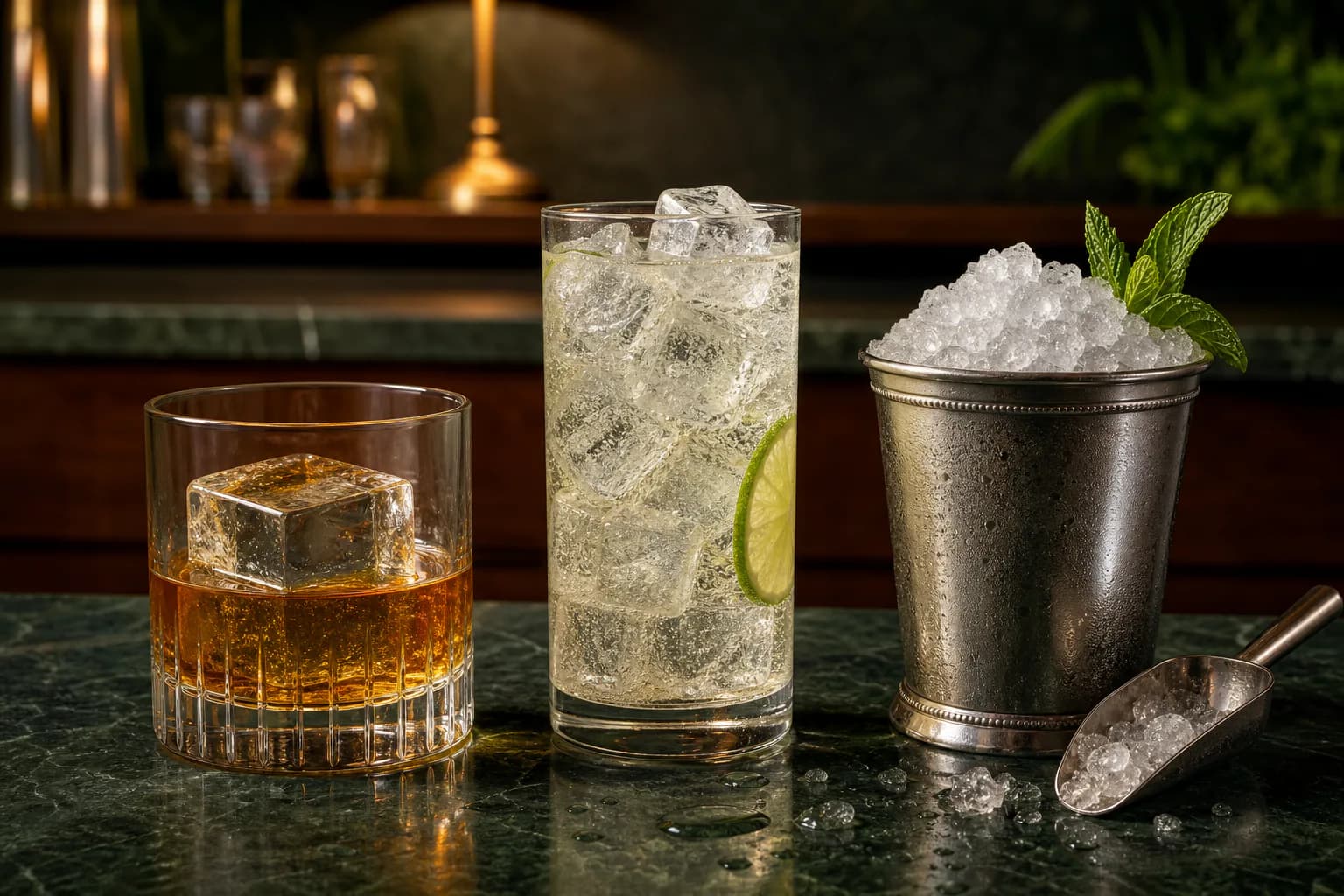
Cocktail ice: cubes, crushed ice and dilution
Understand why ice is an ingredient—and choose the right shape for every drink.
Read the guide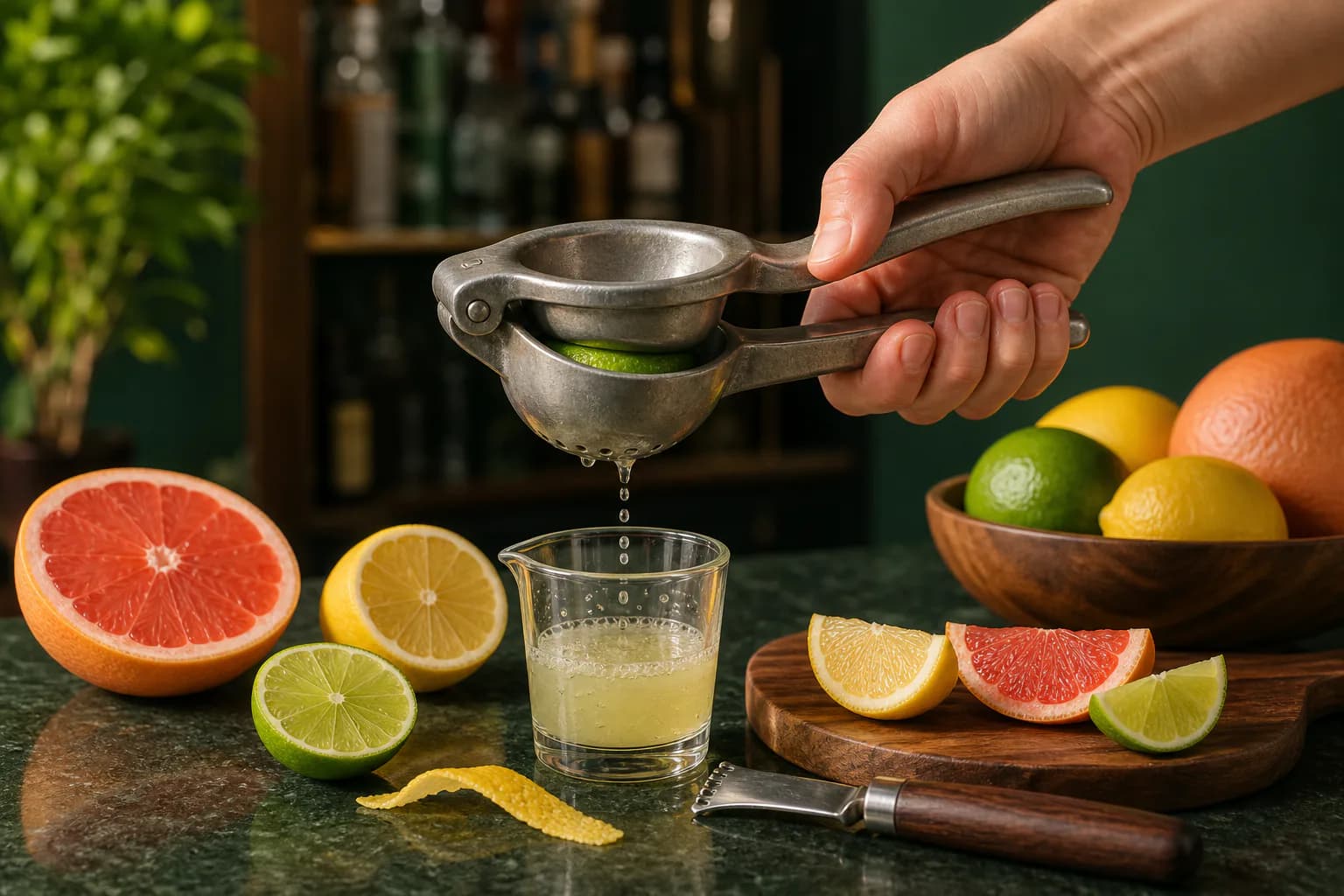
Fresh citrus for cocktails: juice, wedges and balance
Get brighter lime, lemon and grapefruit flavor with better prep and storage.
Read the guideWhere to go next
If you like the Boston Sour, try these.
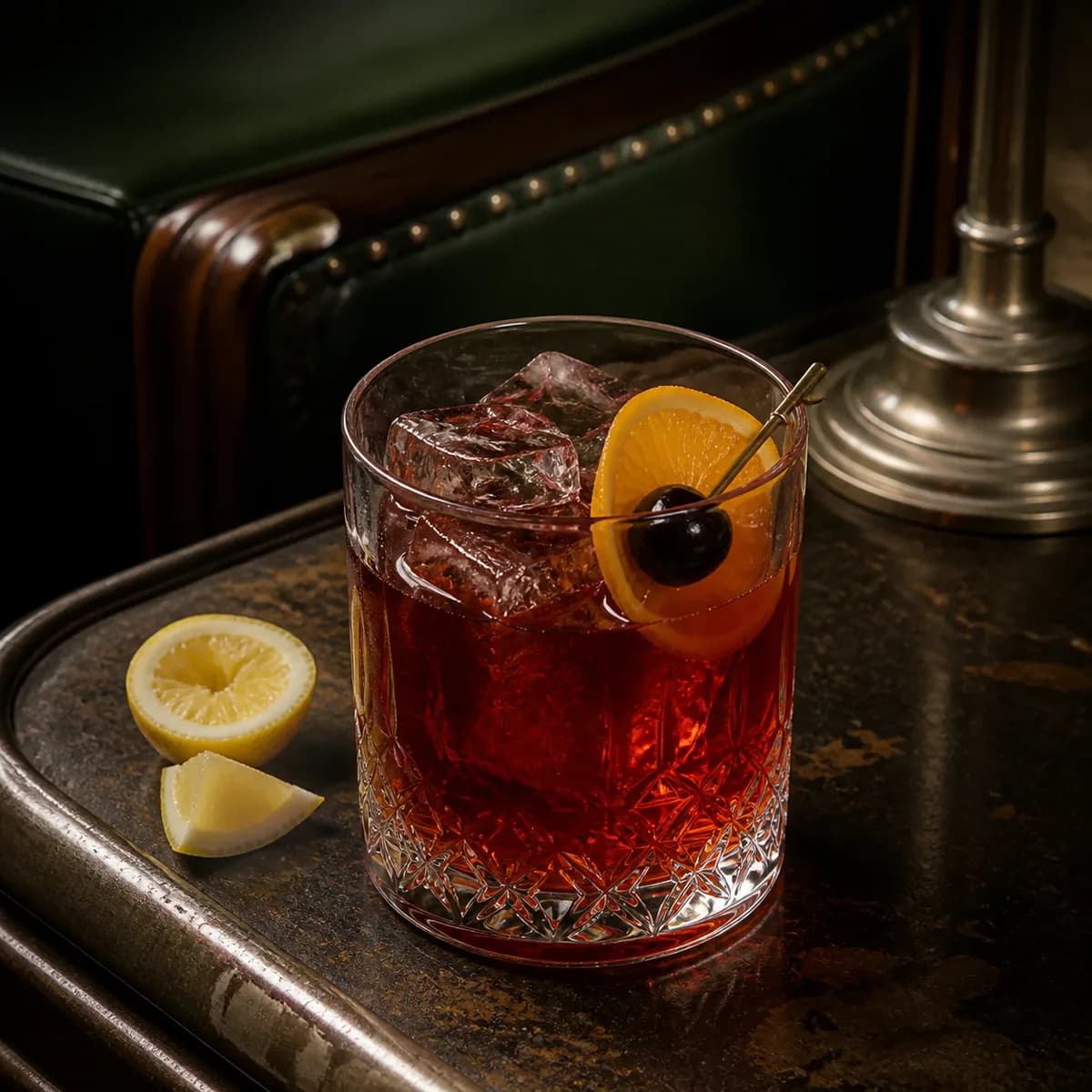
Amaretto Sour
Done right — with a shot of bourbon and egg white for backbone — the Amaretto Sour is nutty, tart and grown-up, not the syrupy version you remember.
View recipe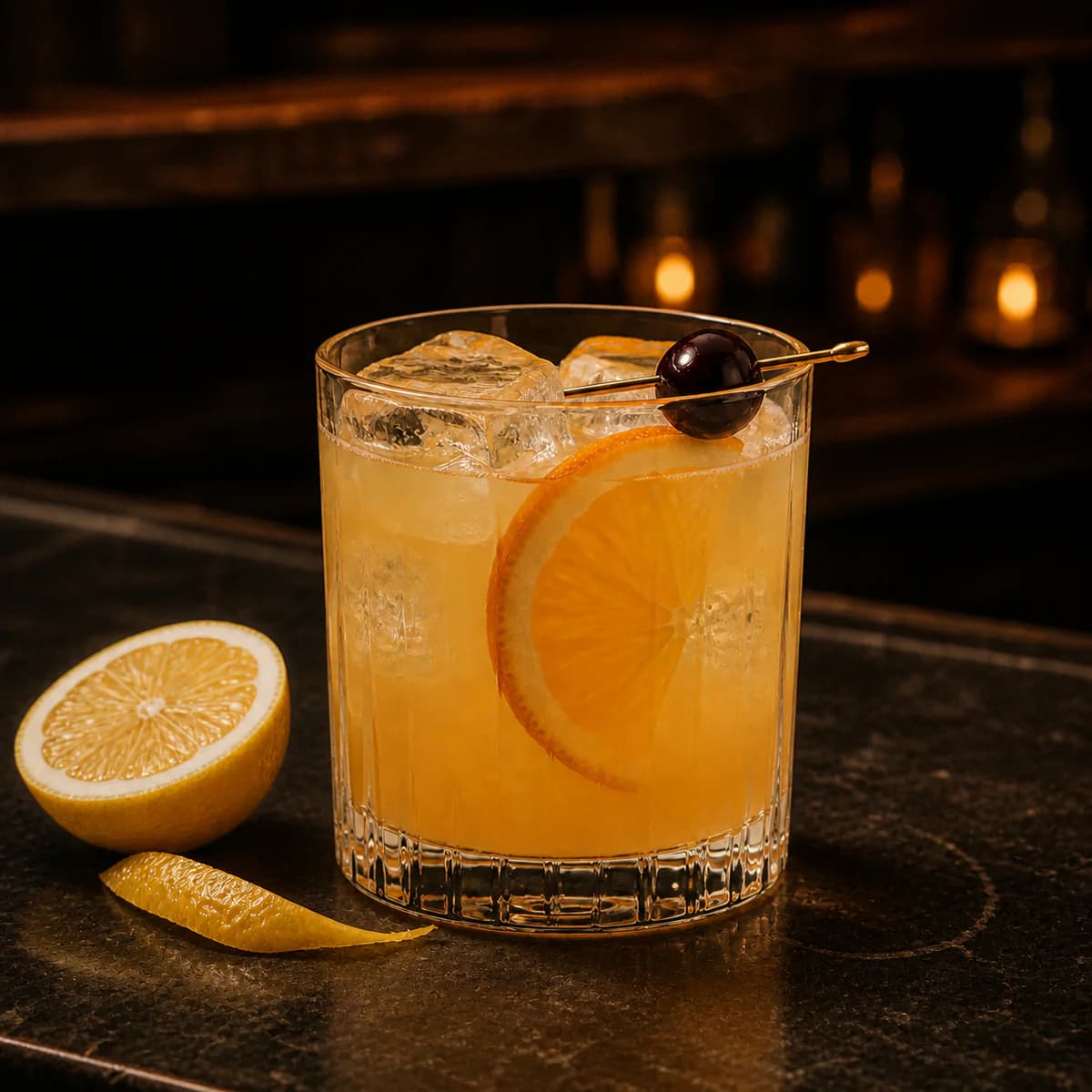
Whiskey Sour
The whiskey sour is bourbon, lemon and sugar — the template every “sour” cocktail is built on. This is the classic no-egg version: bright, balanced, and ready in two minutes.
View recipe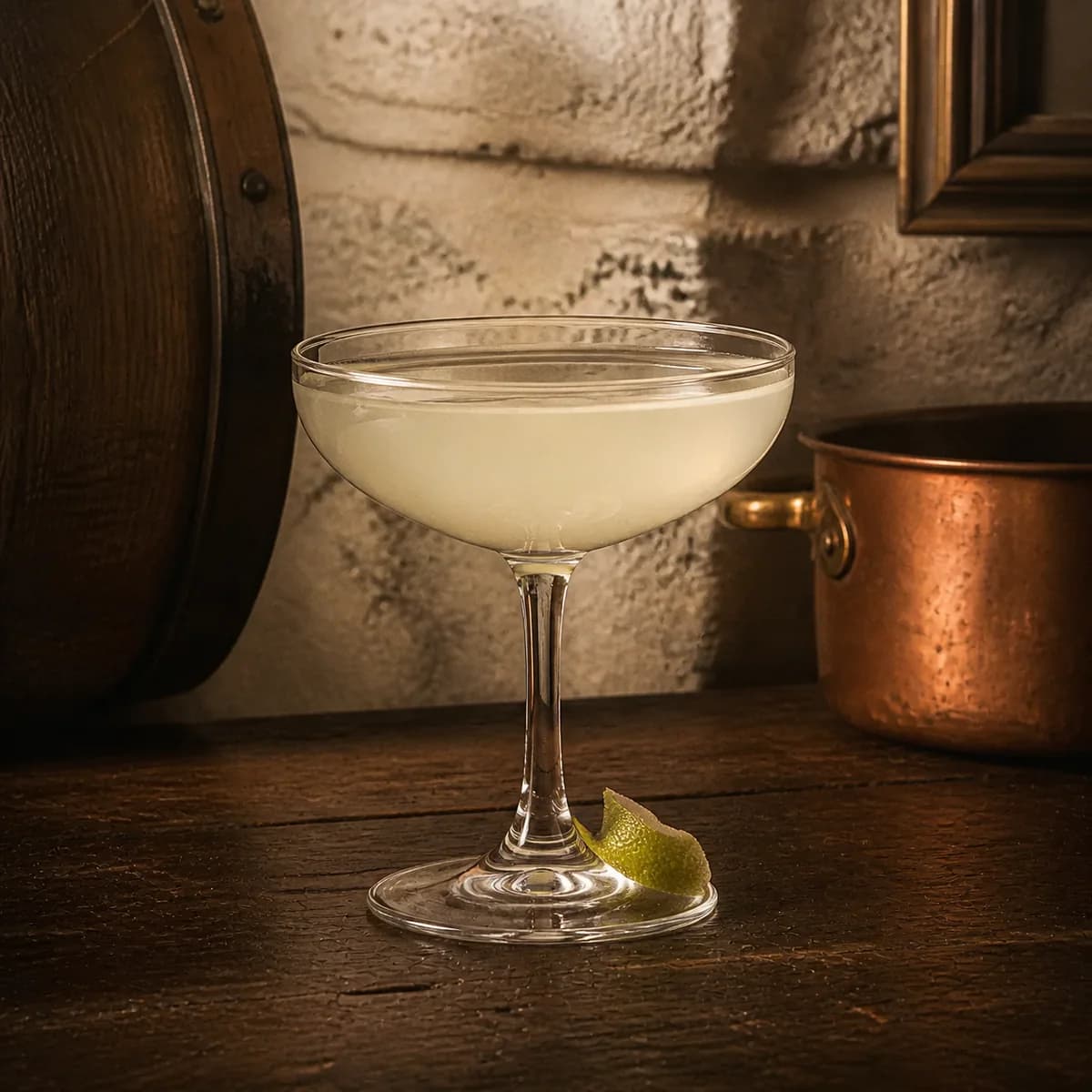
Pisco Sour
Peru’s national drink: pisco, lime and sugar shaken to a froth with egg white, finished with a few drops of bitters. Silky and sharp.
View recipe