Classic cocktail · Guided recipe
Rose
Start makingA delicate French aperitif built on dry vermouth, tinted rose with a little cherry liqueur and grenadine. Low-proof and pretty.
In the glassDry vermouth · Gin · Cherry liqueur (Cherry Heering) · Grenadine
See exact amounts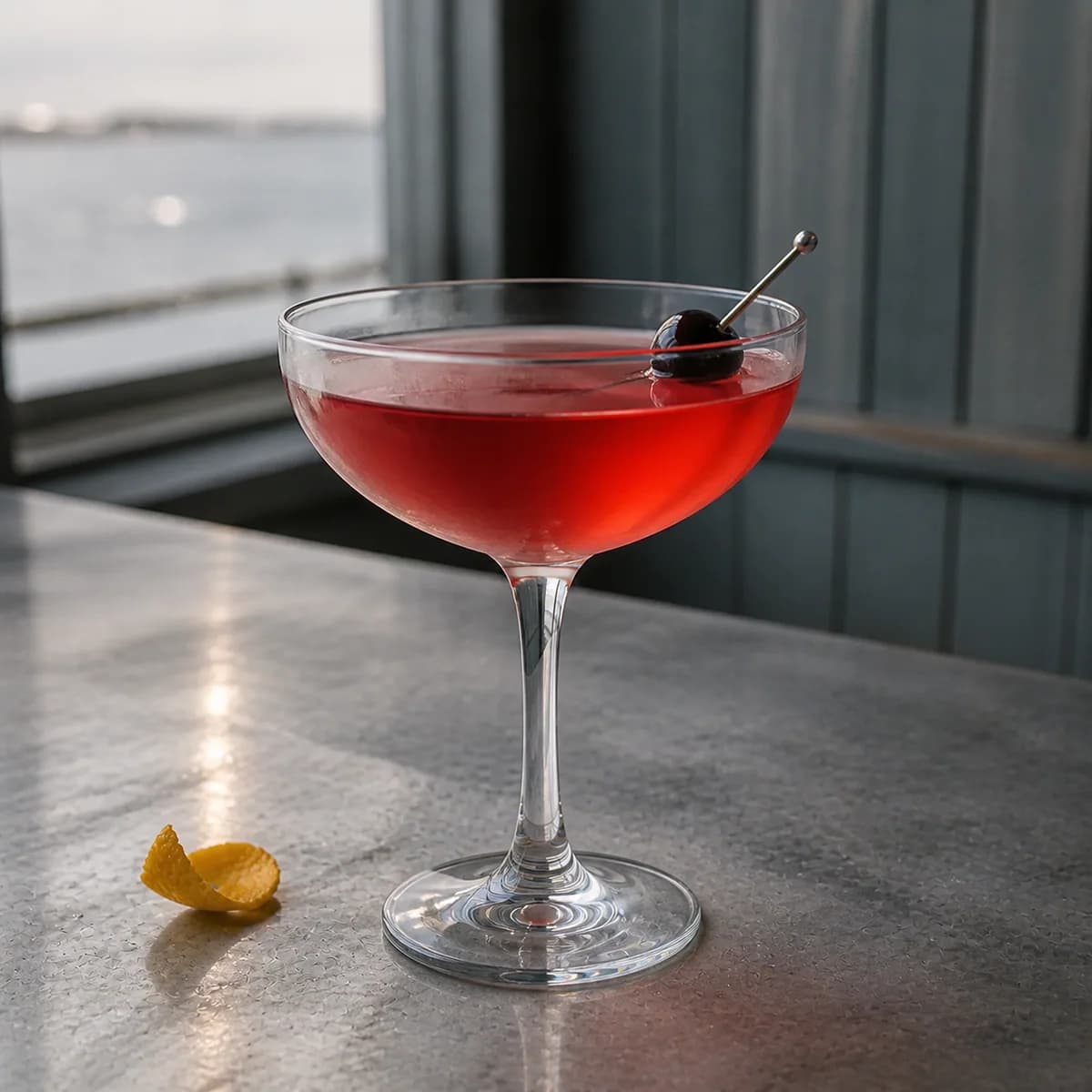
What goes in
Ingredients
Set up before you pour
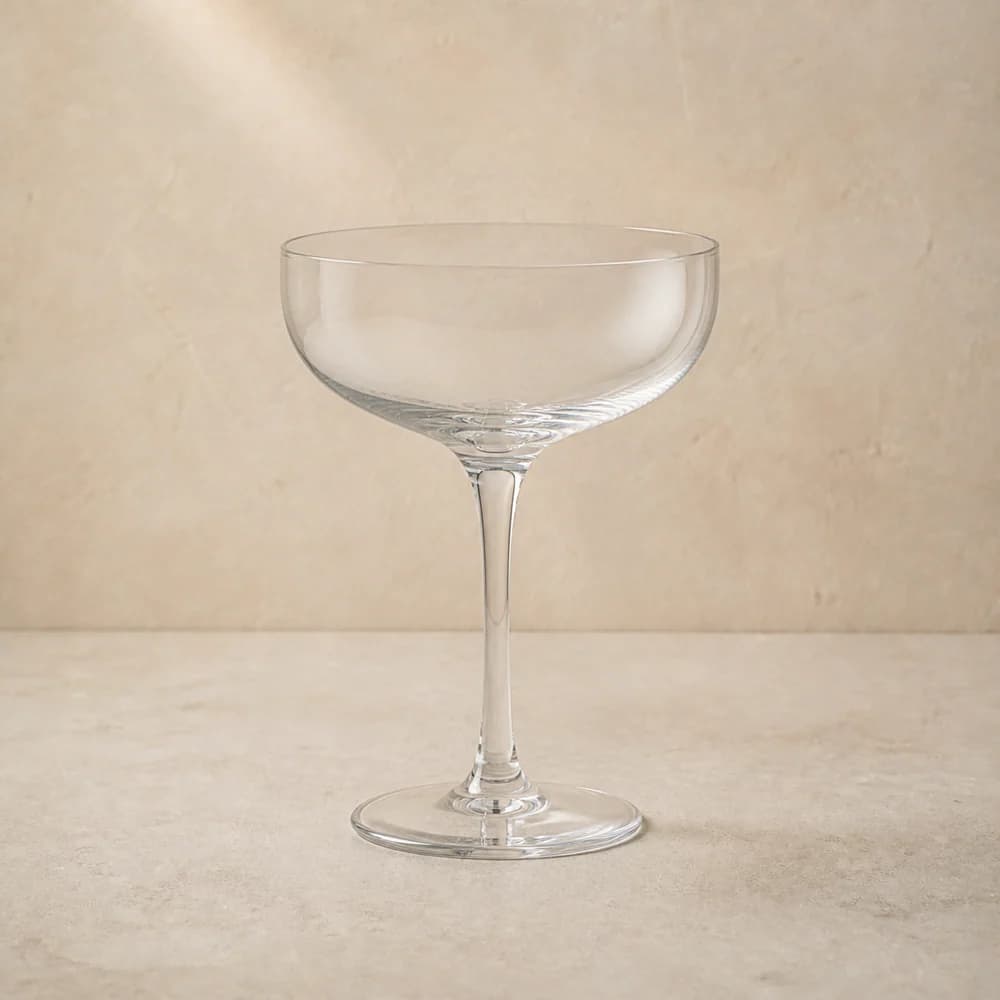
Use a coupe glass.
The stem keeps your hand away from a cold drink, while the rounded bowl makes an up serve easy to sip.
- Standard size
- 200 ml6¾ oz
- Ice & serve
- Chill it first; serve without ice.
- If you don’t own one
- Use a small martini glass or stemmed dessert glass.
- cocktail shaker
- strainer (or a small sieve)
- jigger or measuring spoon
- Dry vermouth45 ml
- Gin15 ml
- Cherry liqueur (Cherry Heering)8 ml
- Grenadine4 ml
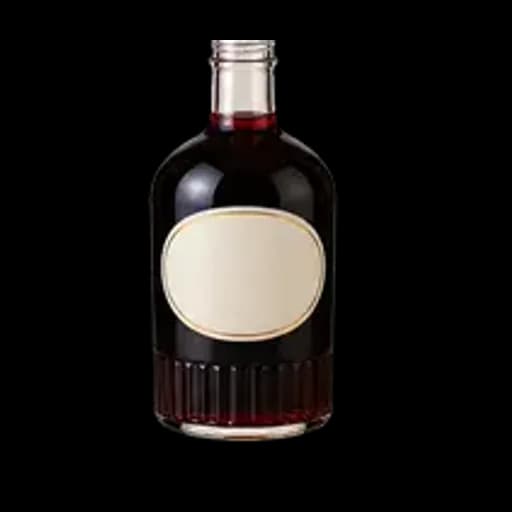
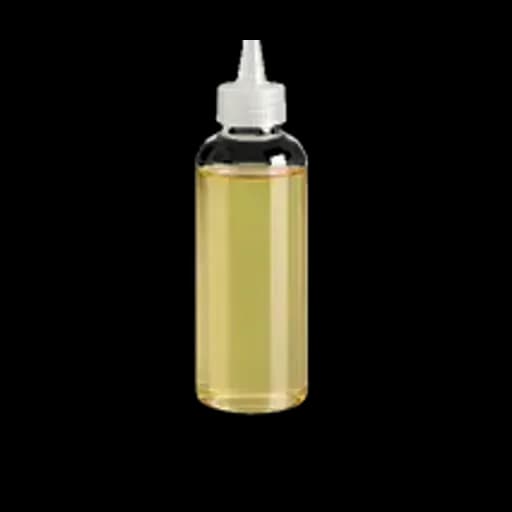
From bottle to glass
Method
- 01
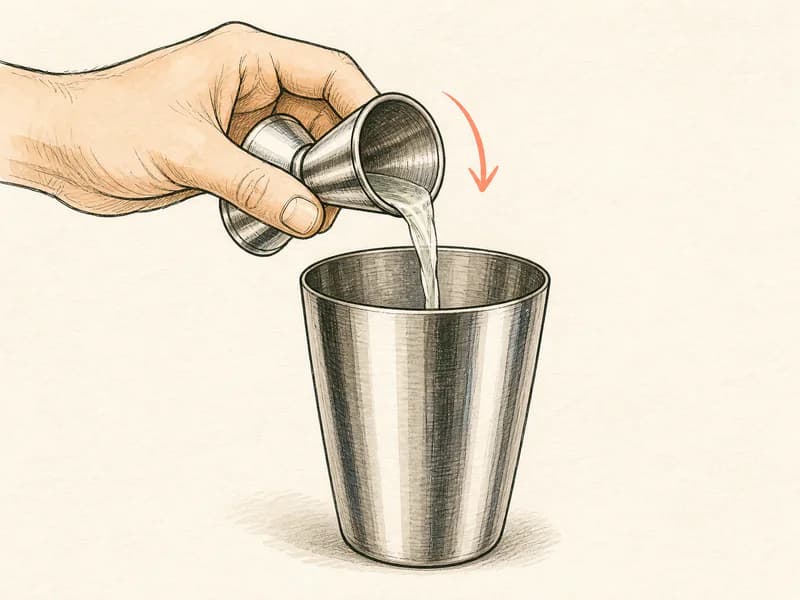
Measure into the shaker Pour 45 ml dry vermouth into your shaker
 Dry vermouth
- 02
Measure into the shaker Add 15 ml gin
 Gin
Gin
- 03
Measure into the shaker Add 8 ml cherry liqueur
 Cherry liqueur (Cherry Heering)
- 04
Measure into the shaker Add 4 ml grenadine
 Grenadine
- 05
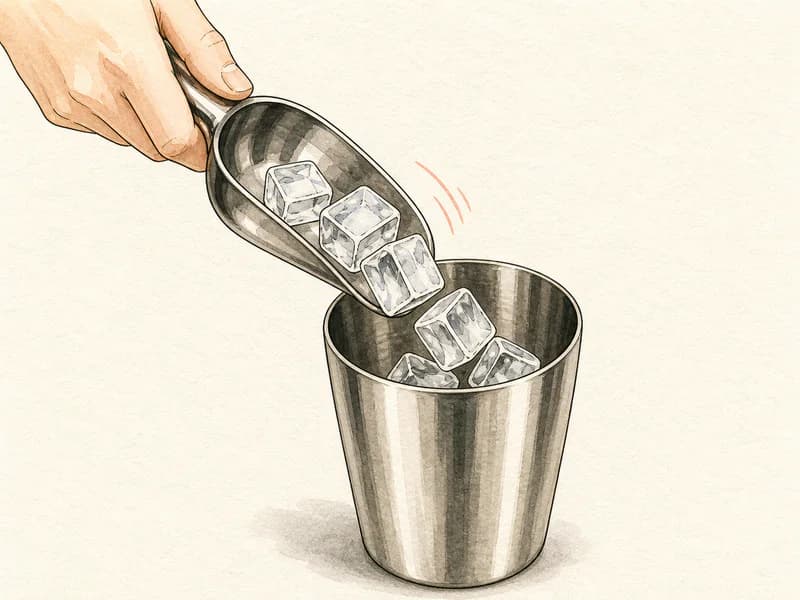
Ice the shaker Fill the shaker with ice
- 06
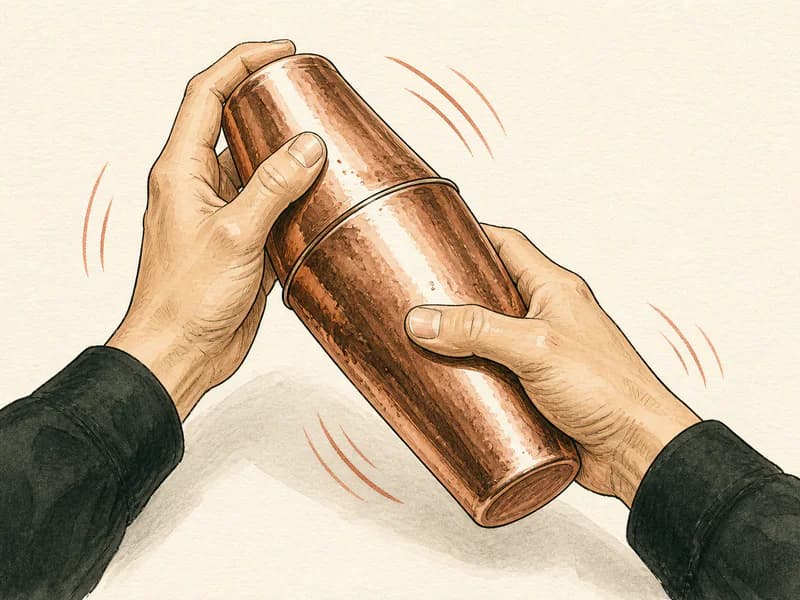
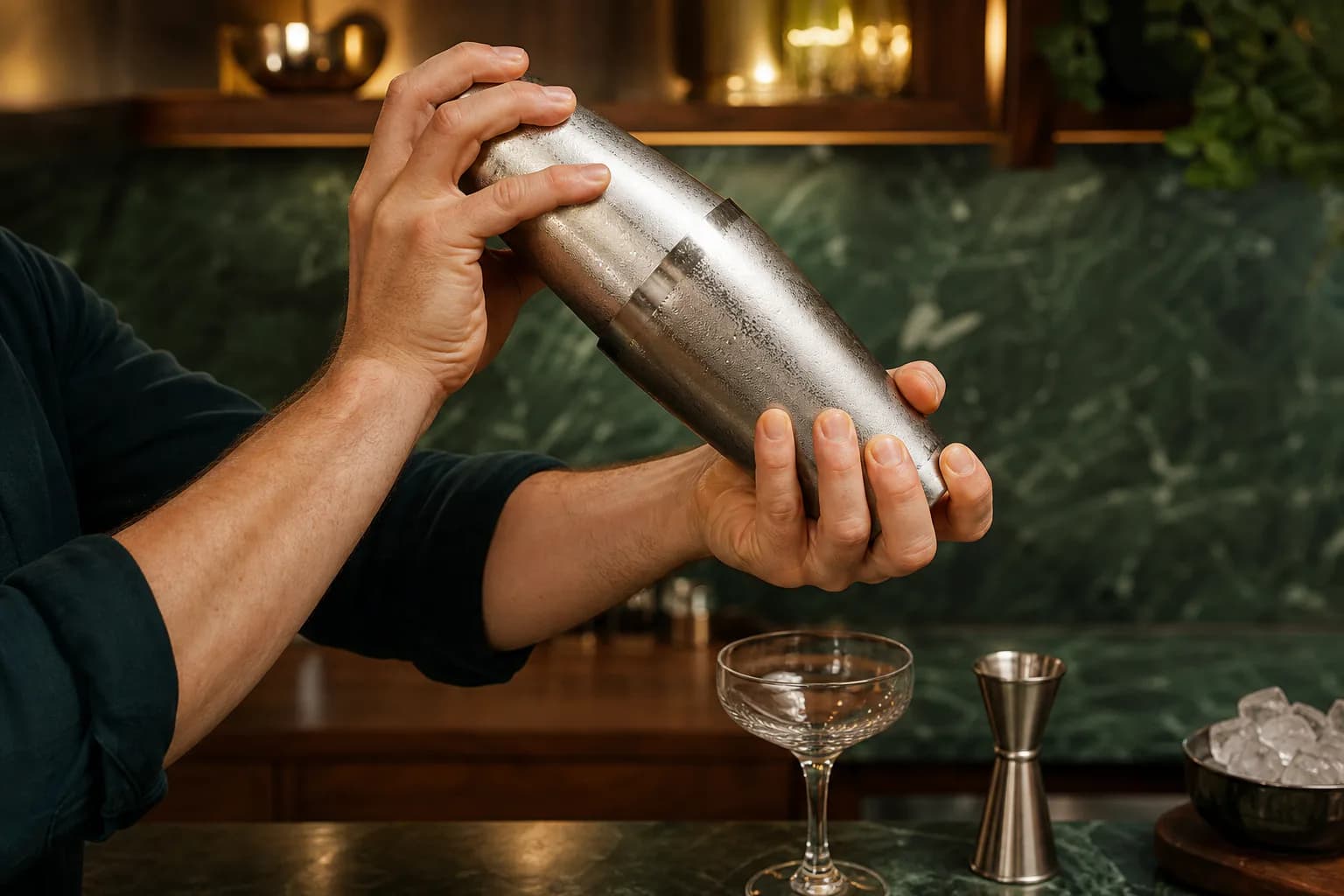
Seal and shake Seal and shake hard
- 07
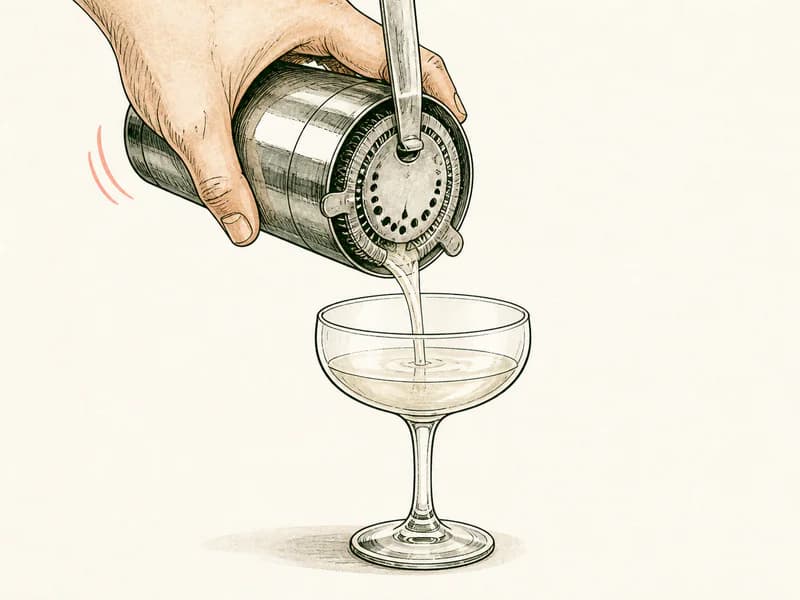
Strain cleanly Strain into a chilled glass — no ice
- 08
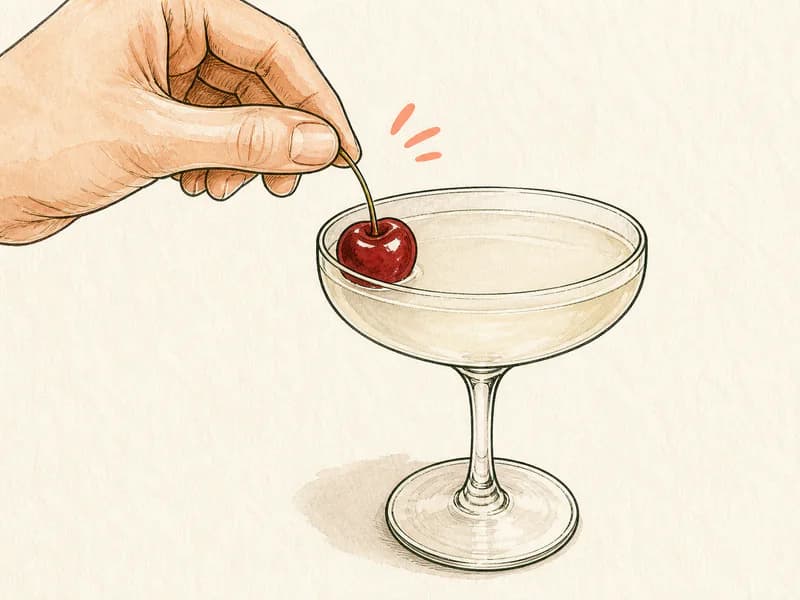
Finish the drink Finish it — add a cocktail cherry
Know your drink
About the Rose
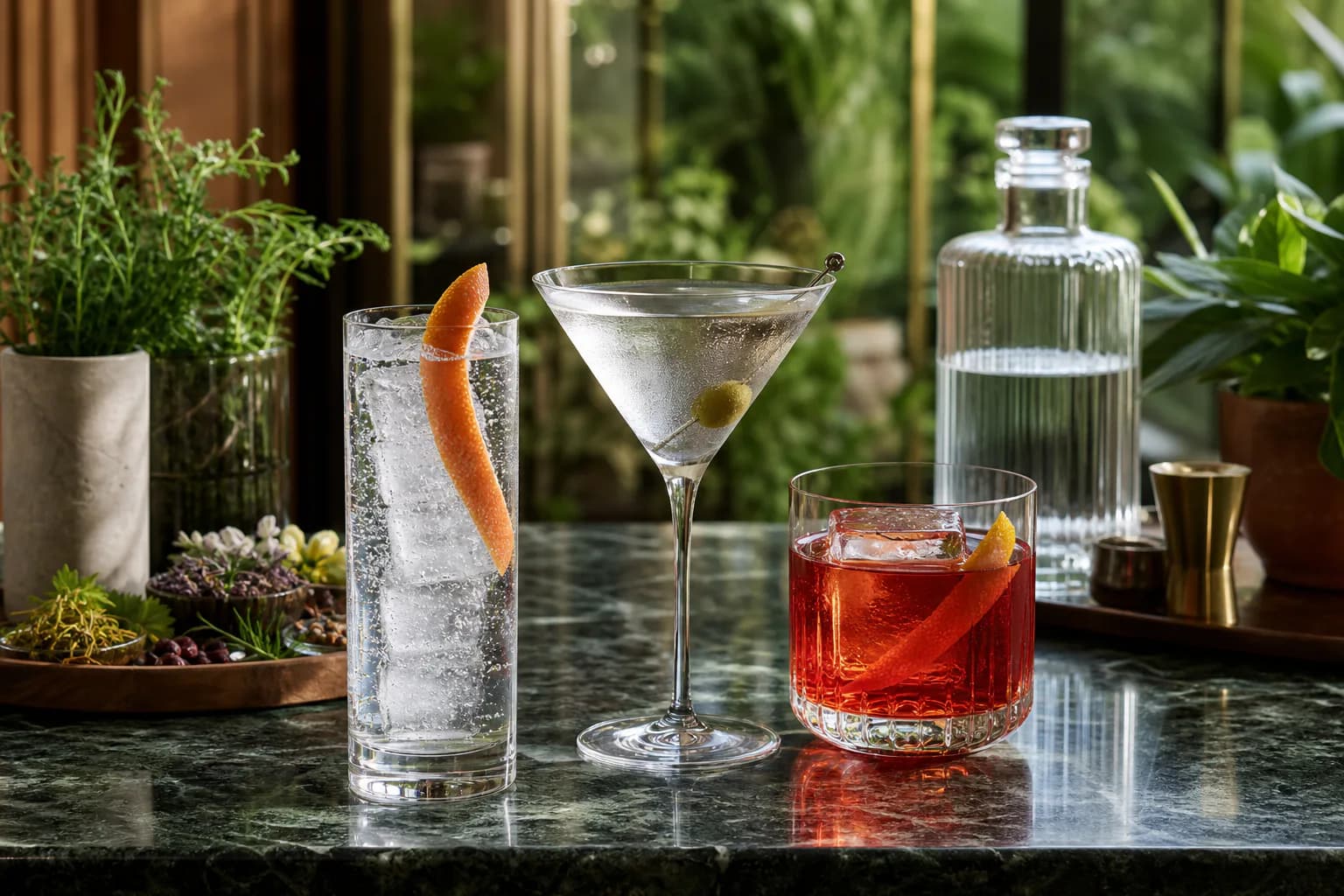
Credited to a Paris bar
Bartender Johnny Mitta, working at the Chatham Hotel in Paris around 1920, is usually given the credit, though as with most drinks of that decade the claim is hard to nail down. What does get repeated in the old accounts is how thoroughly it caught on. By the mid-twenties the Rose was said to be the drink Paris ordered most.
Older printings split into two camps. One pairs kirsch with dry vermouth in near-equal measures and sweetens with a spoonful of raspberry syrup; the other, the build here, leans hard on vermouth and sweetens with liqueur. Find this version too gentle and the kirsch route gives you something drier and considerably more spirit-forward.
Common questions
Rose FAQ
Which vermouth should I pour into this?
It makes up two-thirds of the glass, so a tired bottle ruins the drink outright. Buy a fresh French dry vermouth, keep it in the fridge once opened, and finish it inside a month. Dolin Dry is the honest default; Noilly Prat gives a saltier, more savory version.
Chambord instead of raspberry liqueur, does that work?
It does, with adjustments. Chambord is heavier and leans blackberry, so use 5 ml rather than 8 and drop the grenadine altogether. Kirsch turns up in several older versions of this drink and takes it the other way, drier and stonier, if you want less sugar.
Is this strong enough to count as a cocktail?
It sits near 18 percent in the glass, nearer a schooner of sherry than a Martini, and that is the entire point of the style. French bars poured it before dinner, when a second round shouldn't cost you the rest of the evening.
Why did mine come out orange instead of pink?
Grenadine does the coloring, and most supermarket bottles are corn syrup and red dye that go muddy against yellow-tinted vermouth. Pomegranate grenadine gives a cleaner pink. Four milliliters is genuinely all you need; more and the drink turns sweet and dull at once.
What ingredients are in a Rose?
A classic Rose calls for 45 ml (1.5 oz) Dry vermouth, 15 ml (0.5 oz) Gin, 8 ml (0.25 oz) Cherry liqueur, 4 ml (0.25 oz) Grenadine. That single-serve spec scales cleanly — the recipe above converts it to oz and multiplies it for 2–4 drinks.
How strong is a Rose?
A standard Rose is roughly 22% ABV once mixed (before ice melt softens it further). That makes it spirit-forward — closer to a Martini than to a beer, so sip it slowly.
Is a Rose shaken or stirred?
A Rose is shaken. About 13 seconds with plenty of ice chills and dilutes it correctly.
Sharpen the technique
Skills used in this recipe
Where to go next
If you like the Rose, try these.
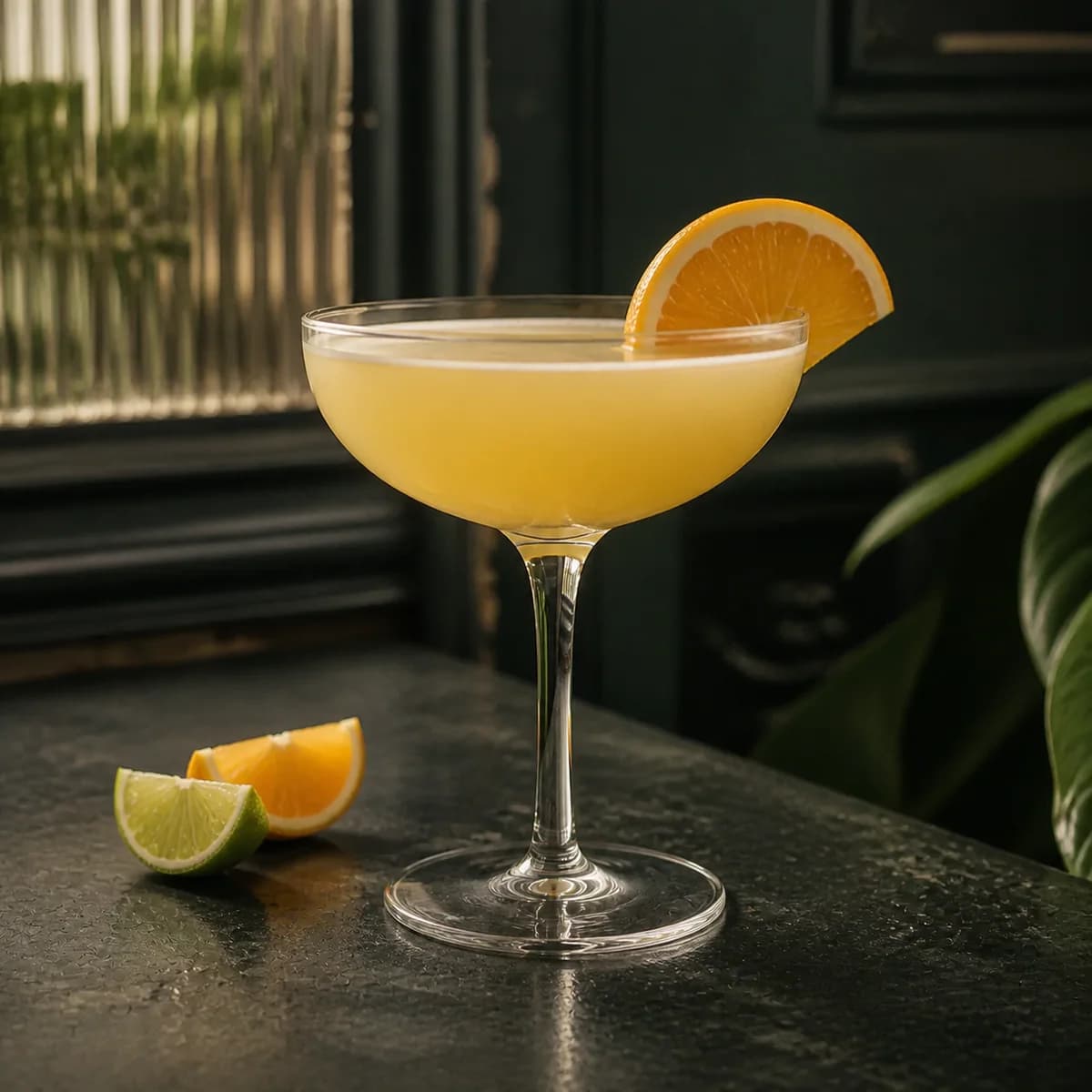
White Rose
A frothy Jazz-Age charmer: gin with maraschino, orange and lime, shaken with egg white to a soft, pale foam.
View recipe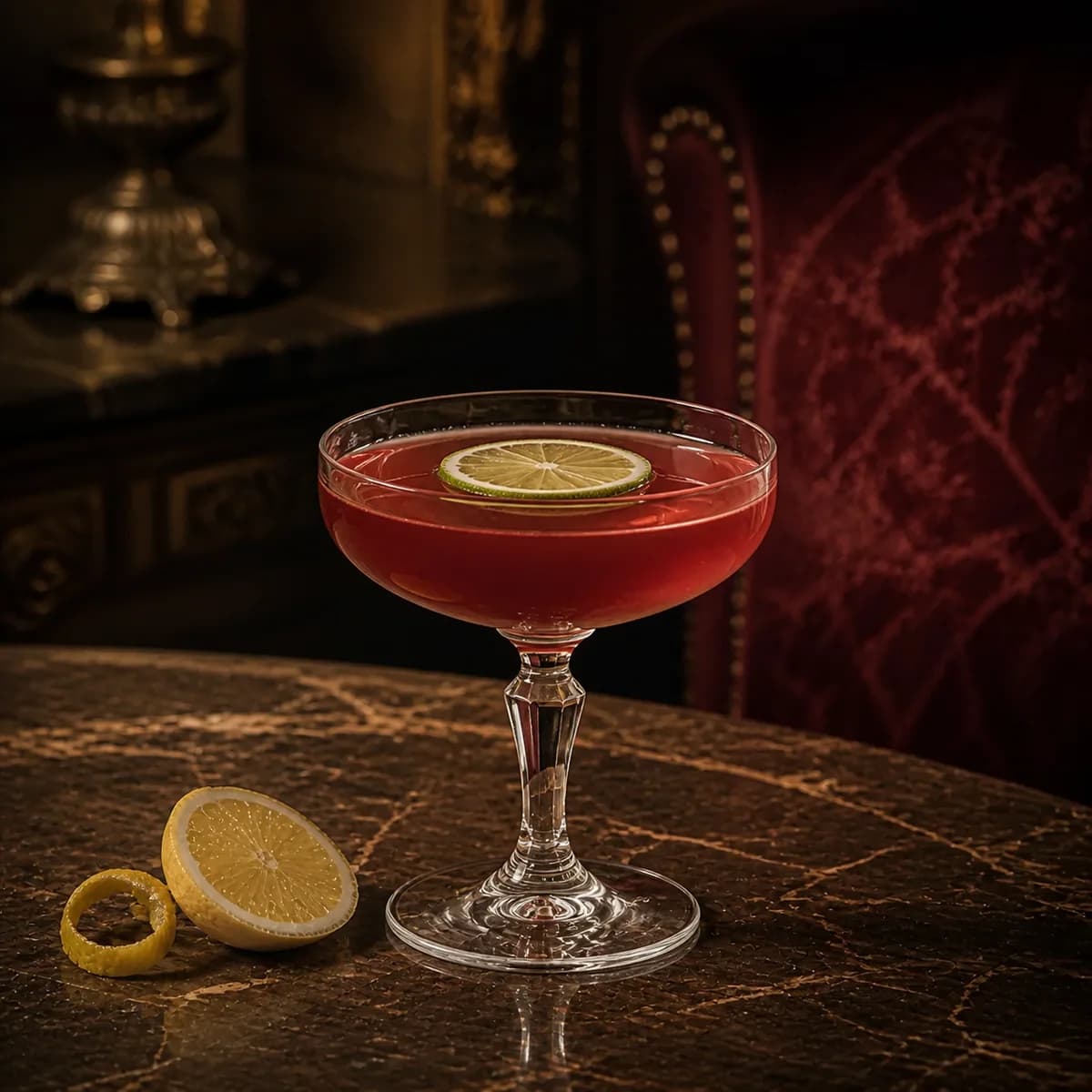
Jack Rose
Apple brandy, lemon and grenadine — an American classic the color of a rose. Fruity, tart and criminally underrated.
View recipe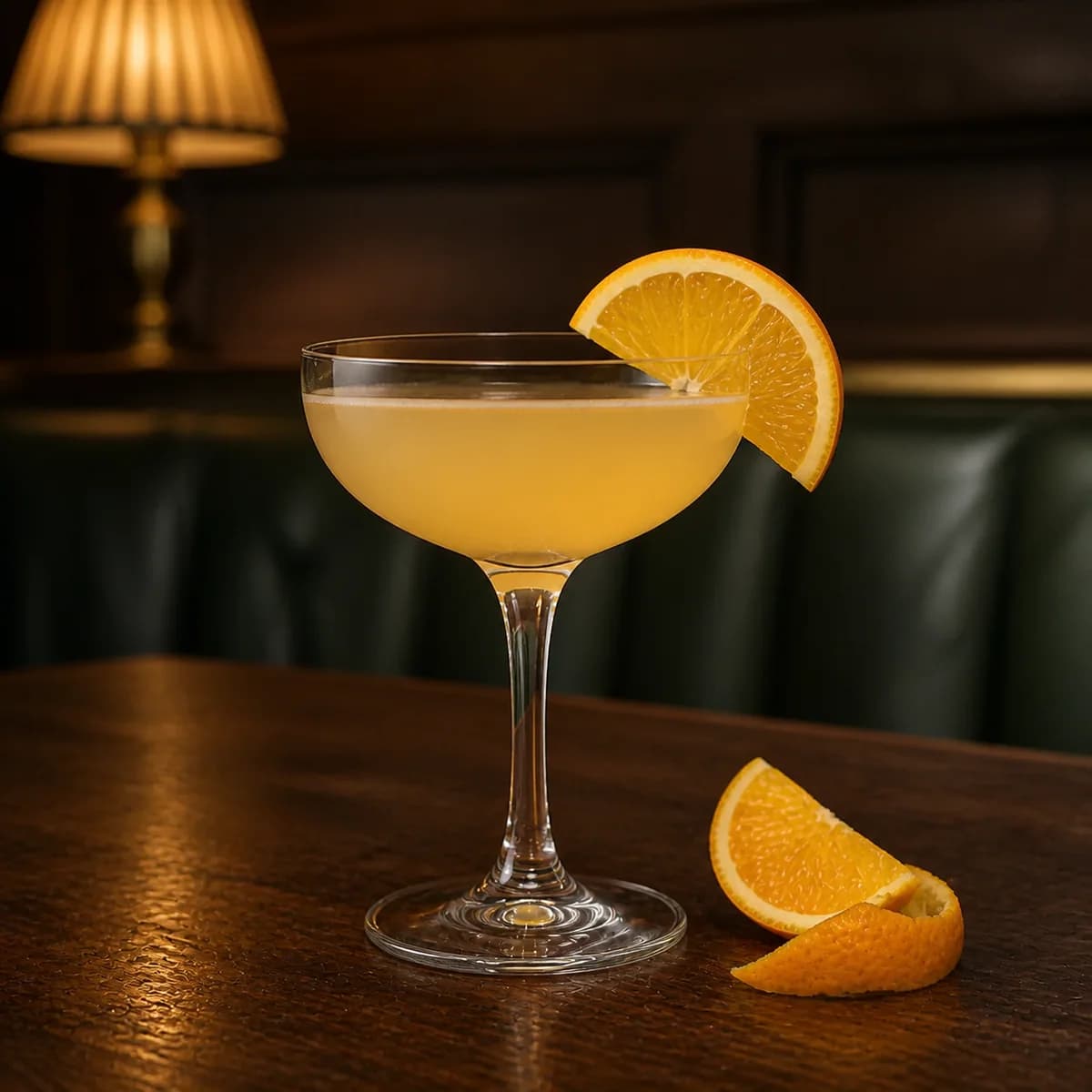
Bronx
A Perfect Martini with a splash of orange juice — gin, both vermouths and fresh orange. A forgotten member of the pre-Prohibition royalty.
View recipe