Classic cocktail · Guided recipe
Income Tax
Start makingTwo dashes of Angostura separate this from a Bronx, and they do more work than that suggests. Spice pulls the orange juice back from breakfast and gives the pair of vermouths something to hold onto.
In the glassGin · Dry vermouth · Sweet vermouth · Orange juice · Angostura bitters
See exact amounts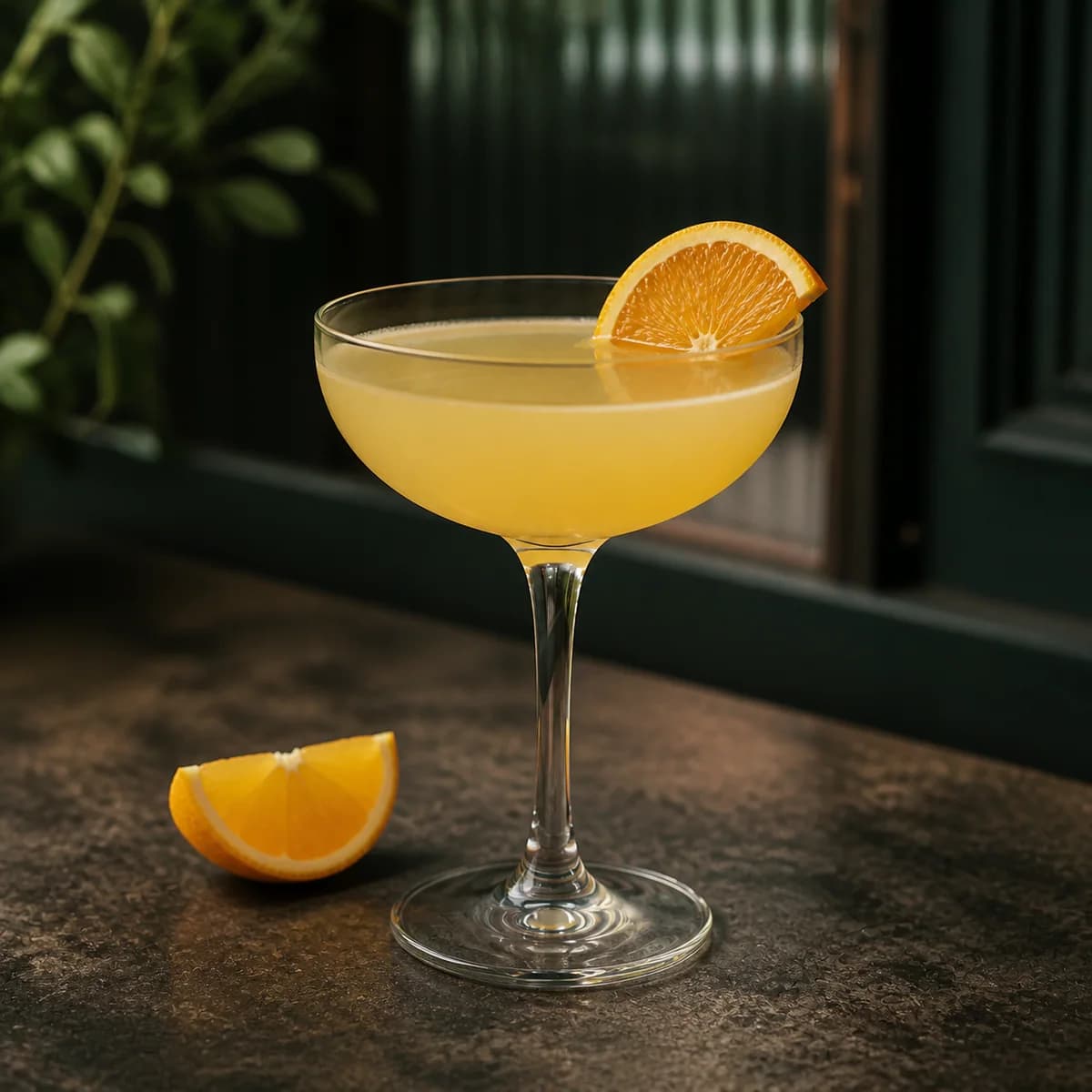
What goes in
Ingredients
Set up before you pour
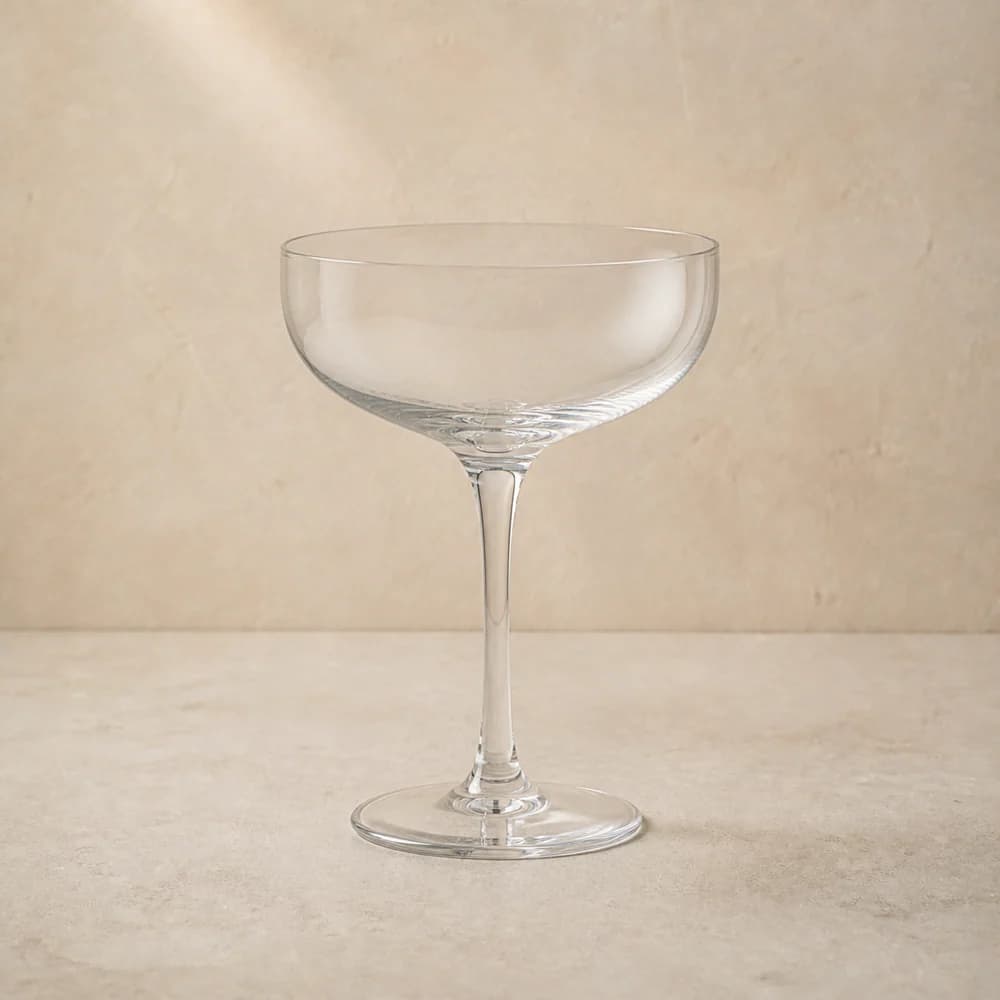
Use a coupe glass.
The stem keeps your hand away from a cold drink, while the rounded bowl makes an up serve easy to sip.
- Standard size
- 200 ml6¾ oz
- Ice & serve
- Chill it first; serve without ice.
- If you don’t own one
- Use a small martini glass or stemmed dessert glass.
- cocktail shaker
- strainer (or a small sieve)
- jigger or measuring spoon
- Gin45 ml
- Dry vermouth15 ml
- Sweet vermouth15 ml
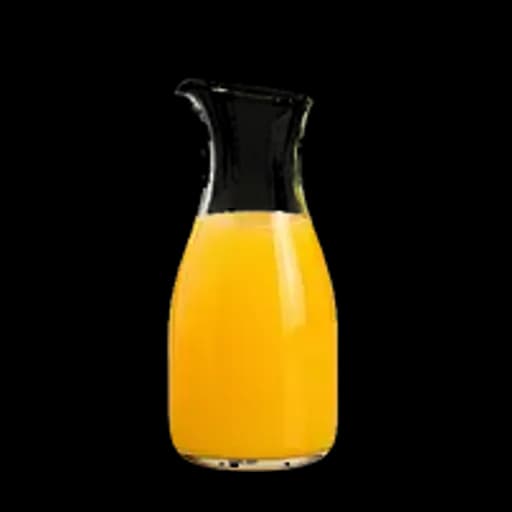
- Orange juice22 ml
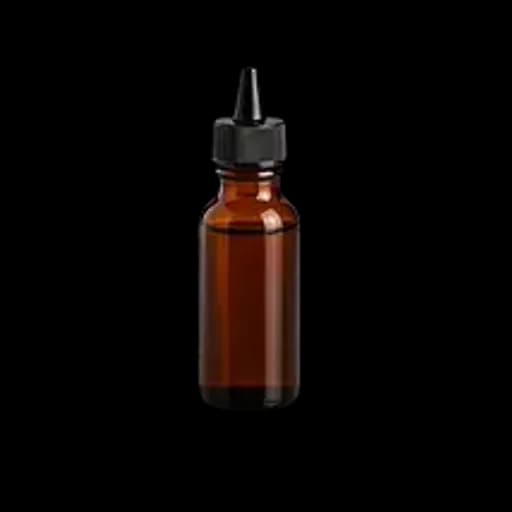
- Angostura bitters2 dashes
From bottle to glass
Method
- 01
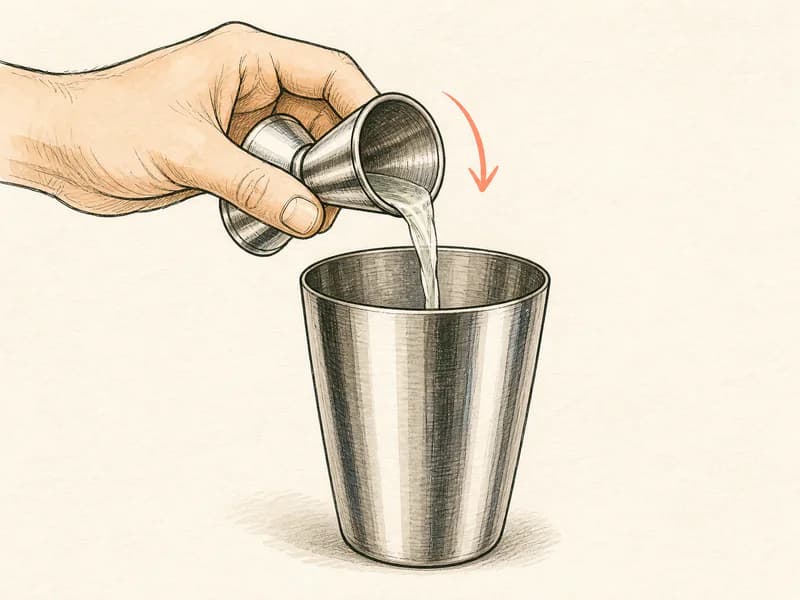
Measure into the shaker Pour 45 ml gin into your shaker
 Gin
Gin
- 02
Measure into the shaker Add 15 ml dry vermouth
 Dry vermouth
- 03
Measure into the shaker Add 15 ml sweet vermouth
- Sweet vermouth
- 04
Measure into the shaker Add 22 ml orange juice
 Orange juice
- 05
Measure into the shaker Add 2 dashes Angostura
 Angostura bitters
- 06
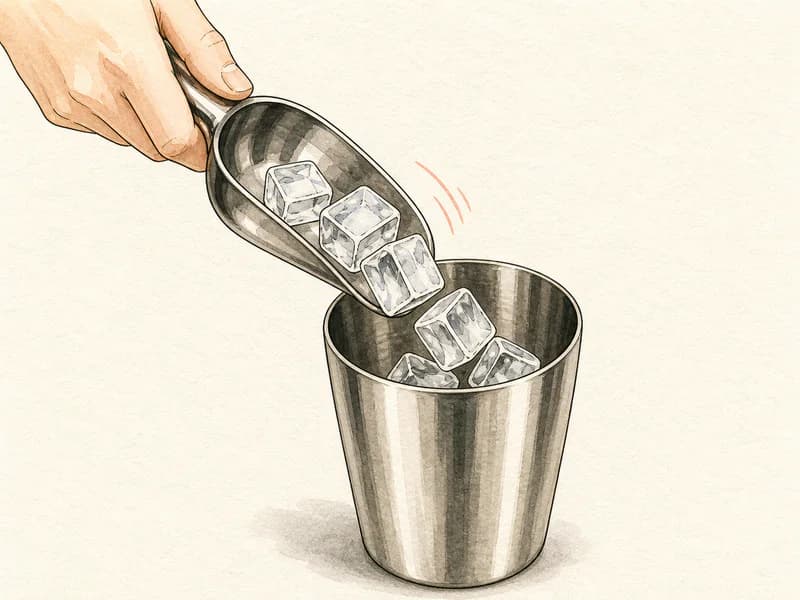
Ice the shaker Fill the shaker with ice
- 07
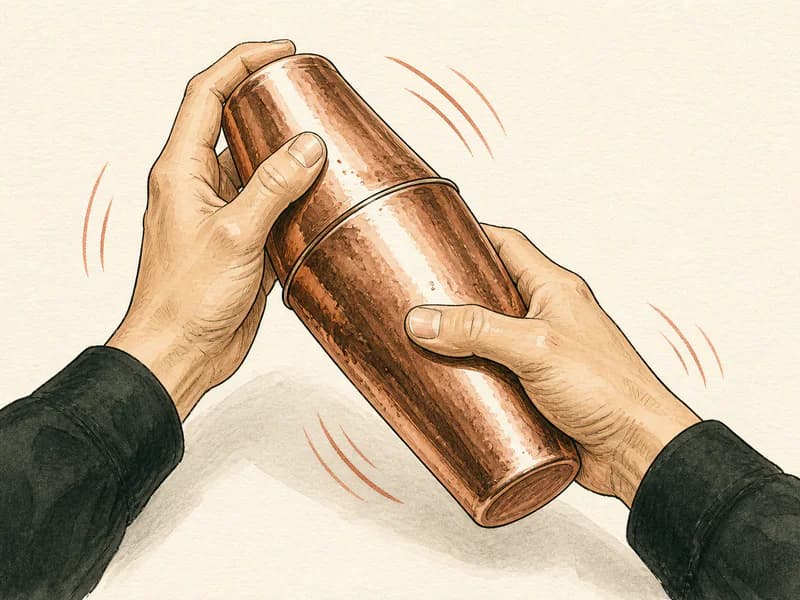
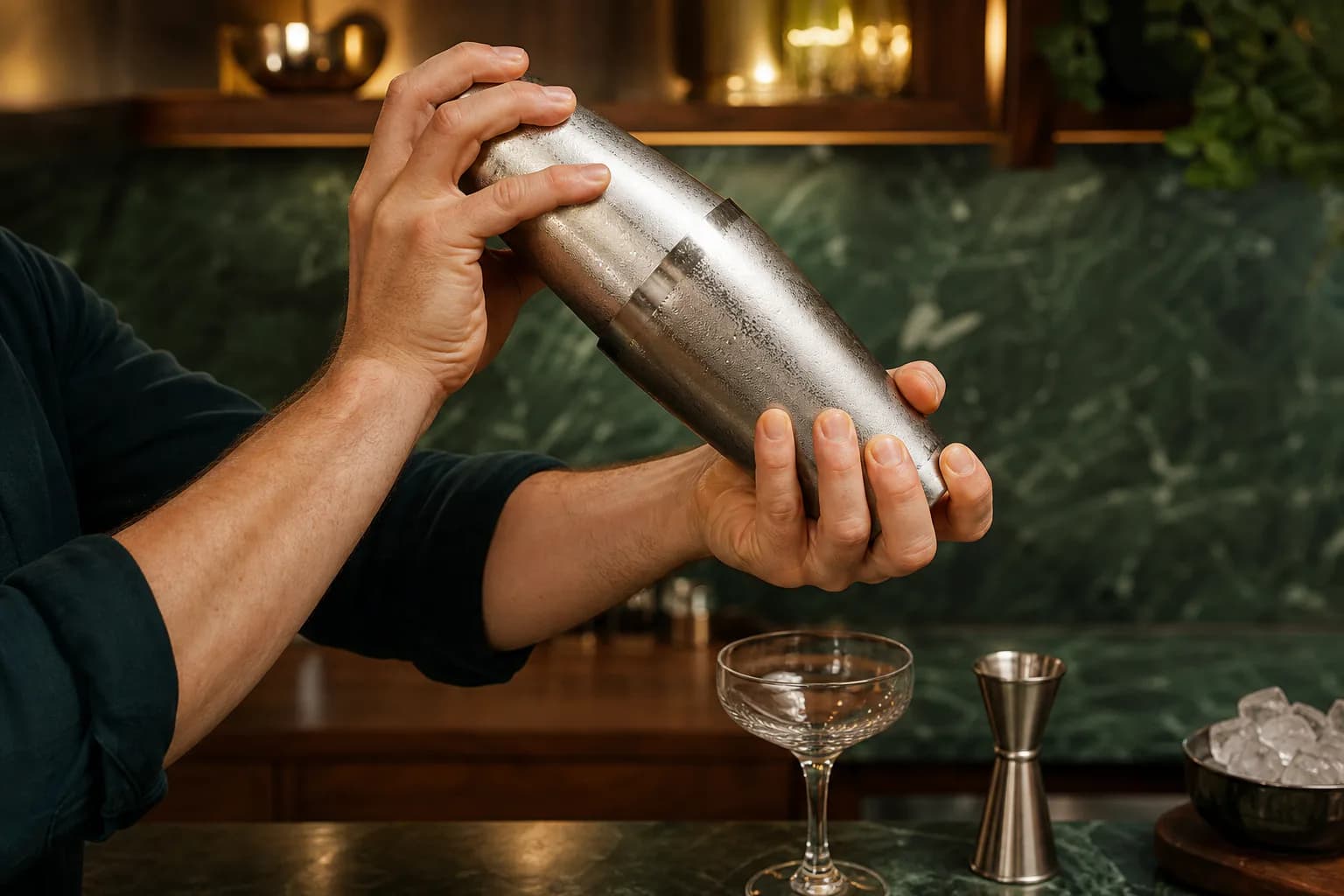
Seal and shake Seal and shake hard
- 08
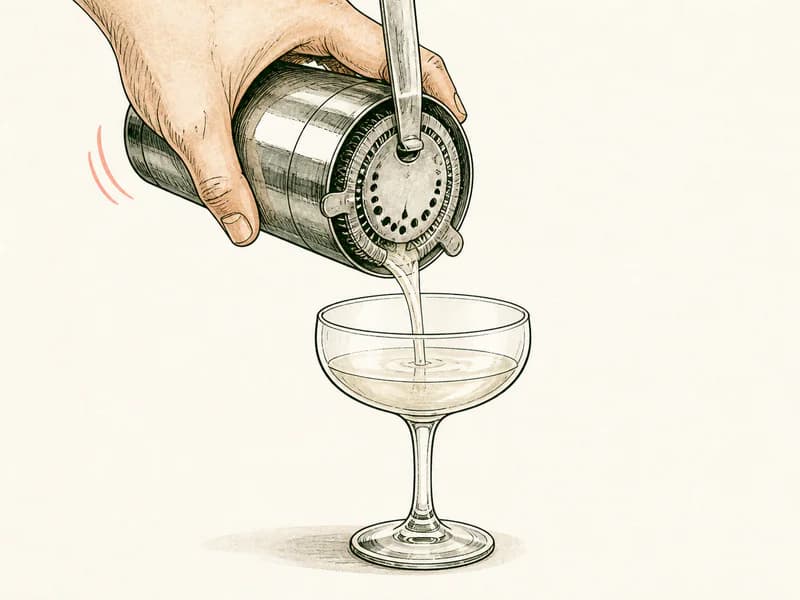
Strain cleanly Strain into a chilled glass — no ice
- 09
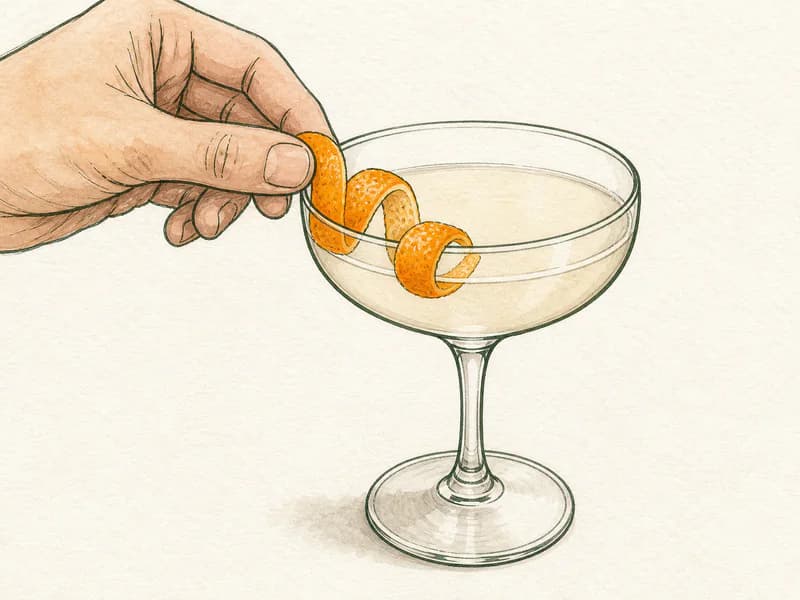
Finish the drink Finish it — add an orange twist
Know your drink
About the Income Tax
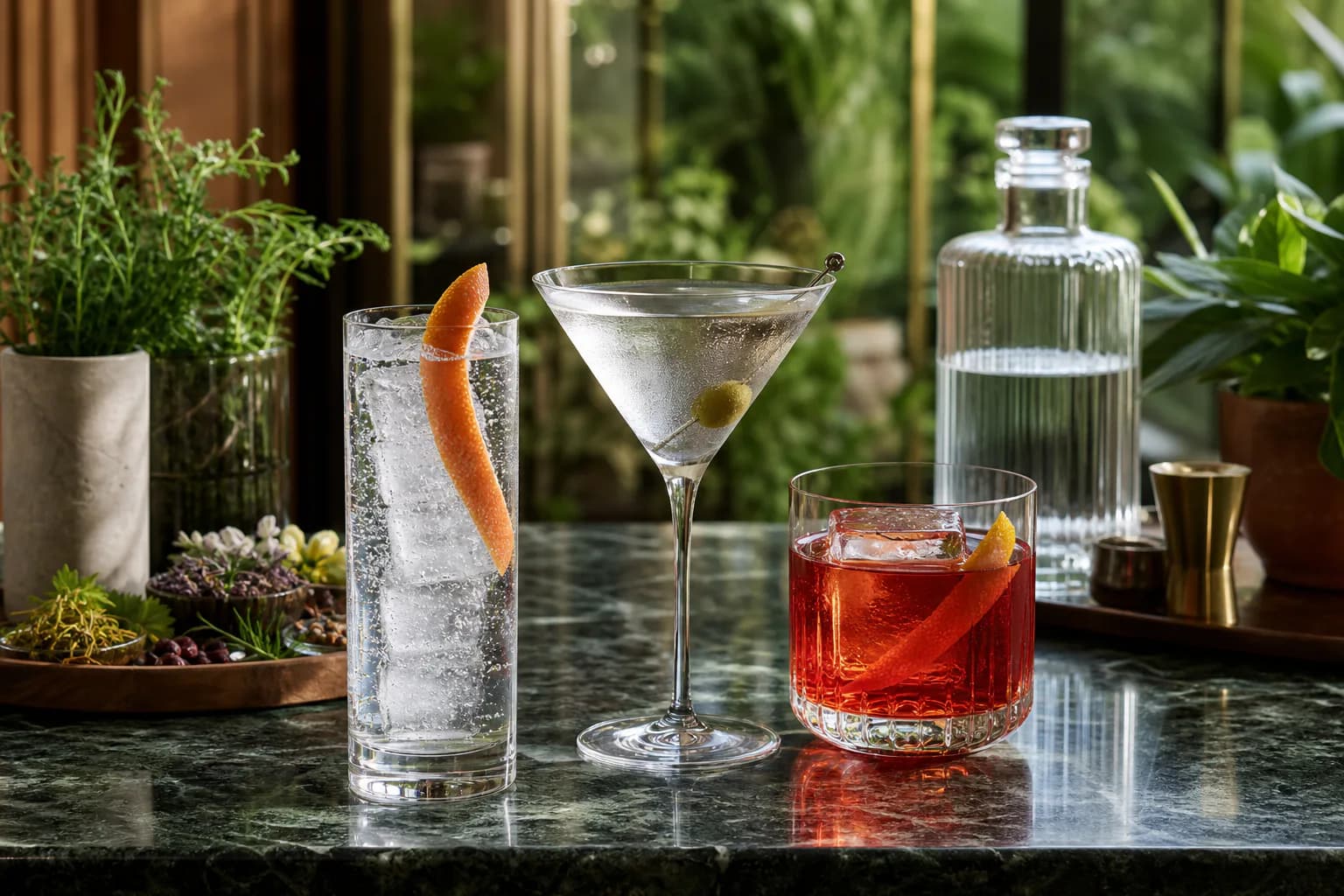
What perfect used to mean
Bartenders call a drink perfect when it splits its vermouth, half dry and half sweet, and that split is the skeleton underneath this one. Strip the orange juice out and you have a Perfect Martini with bitters in it. Add more juice and you've walked back toward a Bronx. Fifteen milliliters of each vermouth is the hinge the whole thing turns on.
Where it sits in the family is easy to trace. Gin and orange juice on its own usually goes by Orange Blossom. Add sweet vermouth and you have a Bronx. Split the vermouth and it becomes a Perfect Bronx. Two dashes of Angostura on top of that and you've arrived here, each step pulling the drink drier than the one before.
Common questions
Income Tax FAQ
Can I stir it instead of shaking?
Not if you want it right. Orange juice needs the aeration. Stirred, it sits sullen in the glass and the pulp settles out inside a minute. Shake hard for ten seconds and strain through a fine mesh and you get a soft head and an even color that holds.
Does a heavily juniper-forward gin fight the orange juice?
A little. Big piney gins like Tanqueray or Beefeater push through the fruit and can make the drink taste disjointed, juniper on top and orange underneath. Something rounder and more citrus-led sits better here. Plymouth is the safe answer if you only keep one bottle.
Does blood orange make a difference here?
A real one. Blood orange is less sugary and carries a faint bitterness that suits a drink already holding two vermouths. Regular navel juice is sweeter and needs the Angostura to work harder. Seville is too sour to use neat, so cut it half and half if that is what you have.
Is there a joke behind the name?
Probably, though nobody can prove it. The drink turns up in American bar guides in the decades after the federal income tax landed, and the reading most often offered is that it takes a small cut of everything on the shelf. Good story, no paperwork behind it.
What ingredients are in an Income Tax?
A classic Income Tax calls for 45 ml (1.5 oz) Gin, 15 ml (0.5 oz) Dry vermouth, 15 ml (0.5 oz) Sweet vermouth, 22 ml (0.75 oz) Orange juice, 2 dashes Angostura Angostura bitters. That single-serve spec scales cleanly — the recipe above converts it to oz and multiplies it for 2–4 drinks.
How strong is an Income Tax?
A standard Income Tax is roughly 24% ABV once mixed (before ice melt softens it further). That makes it spirit-forward — closer to a Martini than to a beer, so sip it slowly.
Is an Income Tax shaken or stirred?
An Income Tax is shaken. About 13 seconds with plenty of ice chills and dilutes it correctly.
Sharpen the technique
Skills used in this recipe
Where to go next
If you like the Income Tax, try these.
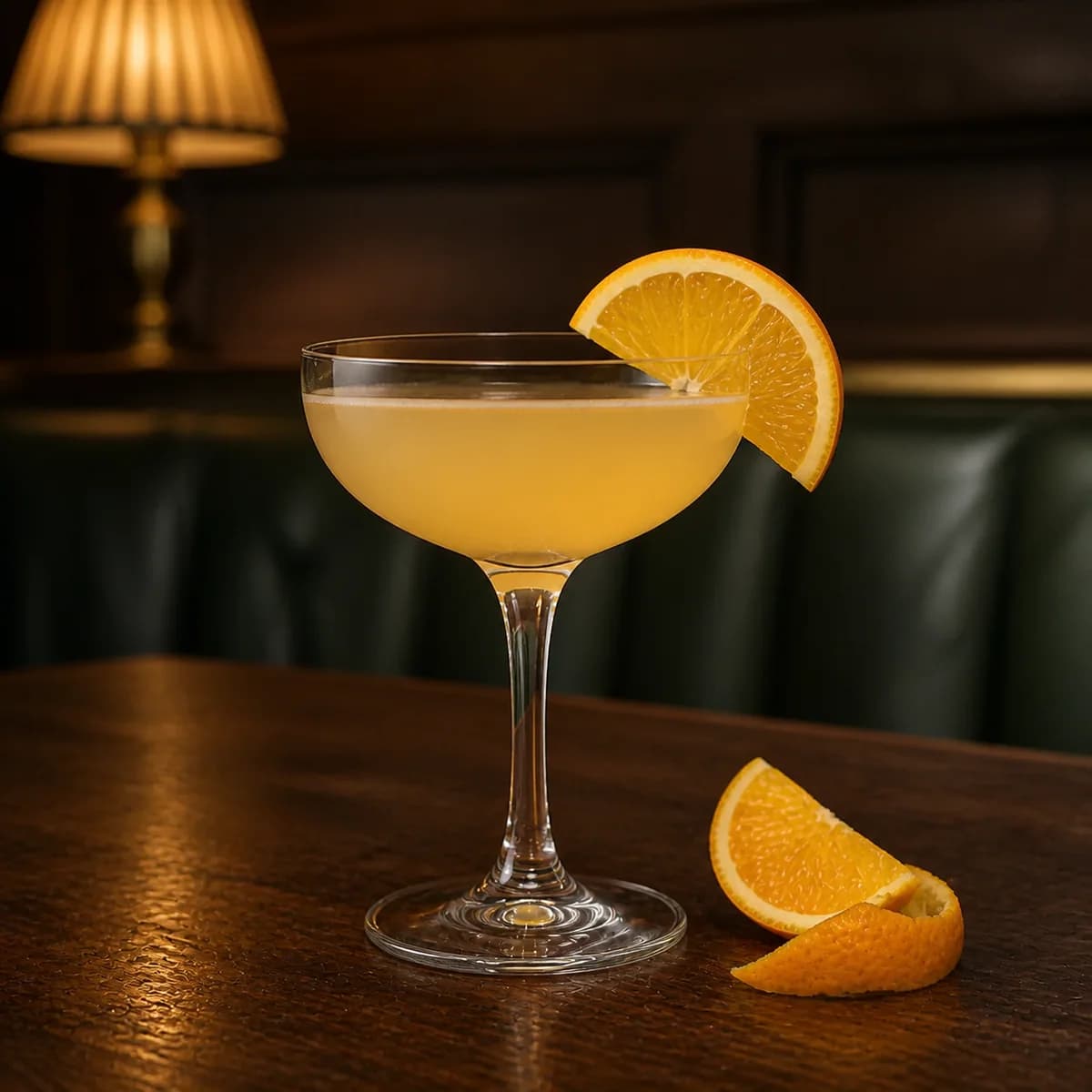
Bronx
A Perfect Martini with a splash of orange juice — gin, both vermouths and fresh orange. A forgotten member of the pre-Prohibition royalty.
View recipe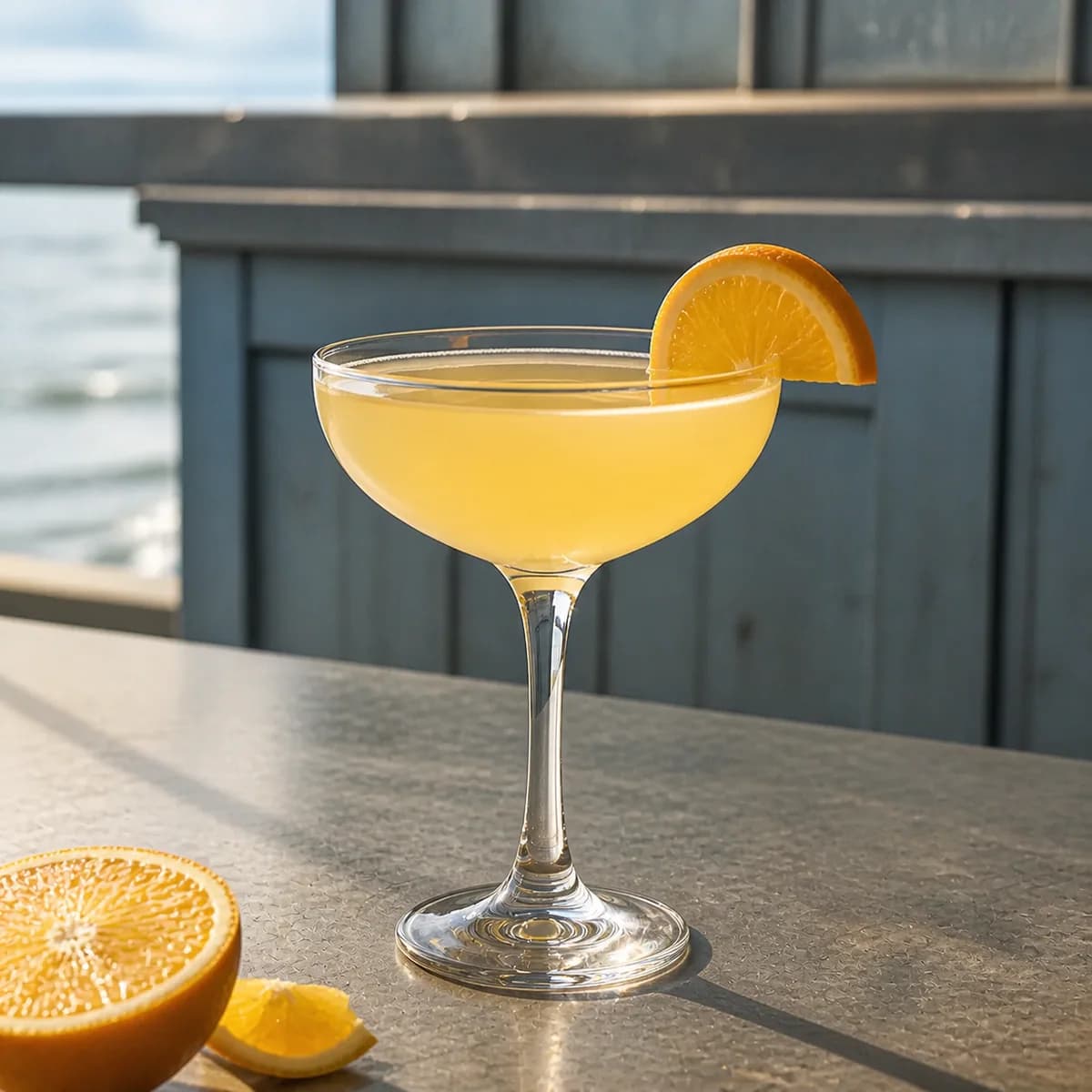
Satan's Whiskers
Five ingredients in equal measure, which sounds like a mess and isn't. Gin, both vermouths, orange juice and Grand Marnier land somewhere between a Bronx and marmalade. Orange bitters are what keep it from sliding into fruit punch.
View recipe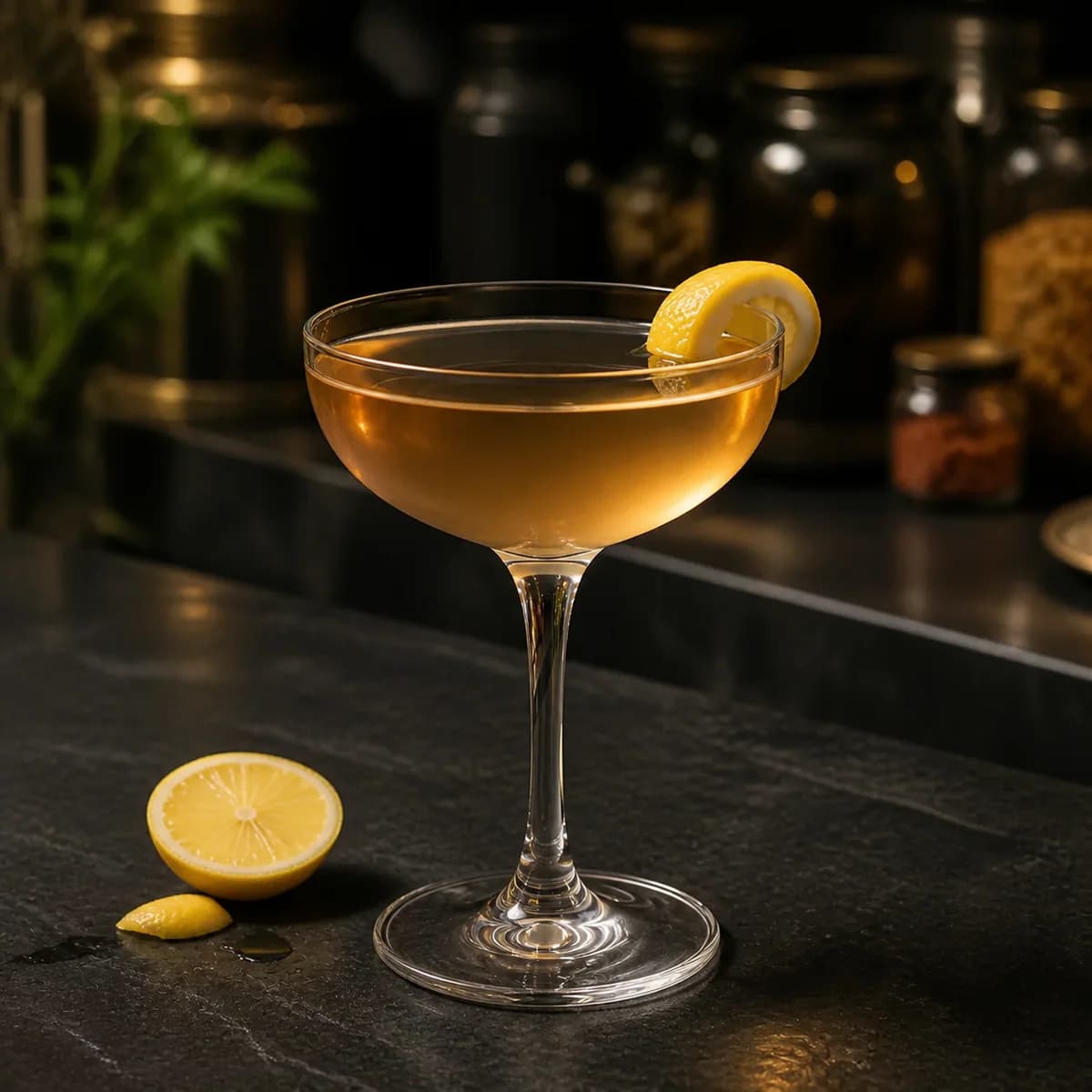
Journalist
Six ingredients, and four of them measured in single teaspoons. Underneath the fussiness sits a Martini carrying both vermouths at once, with a splash of lemon and a teaspoon of orange liqueur to round the edges.
View recipe