Classic cocktail · Guided recipe
Monkey Gland
Start makingA 1920s Paris oddity: gin and orange juice with grenadine and a touch of absinthe. Fruity, dry and strange in the best way.
In the glassGin · Orange juice · Grenadine · Absinthe
See exact amounts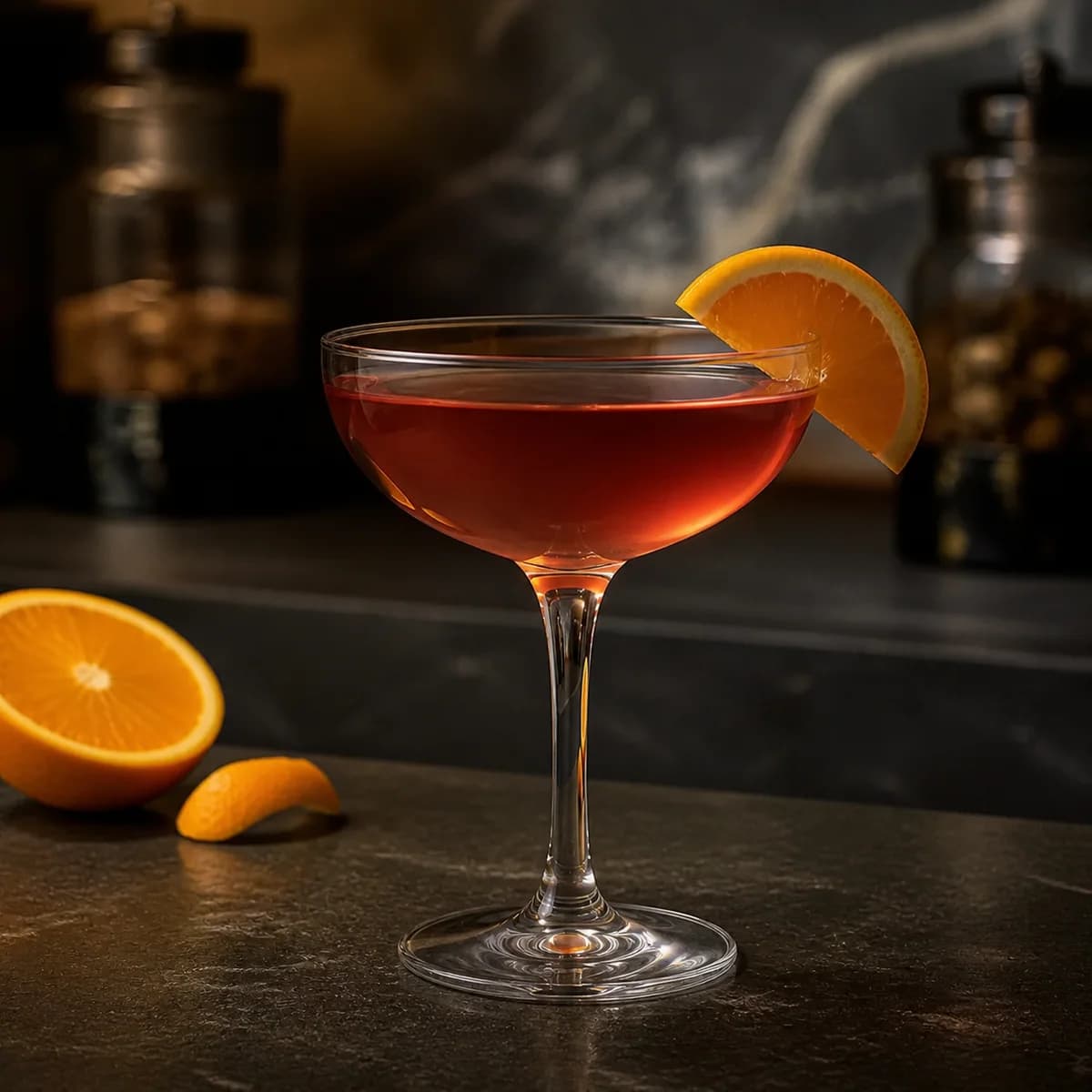
What goes in
Ingredients
Set up before you pour
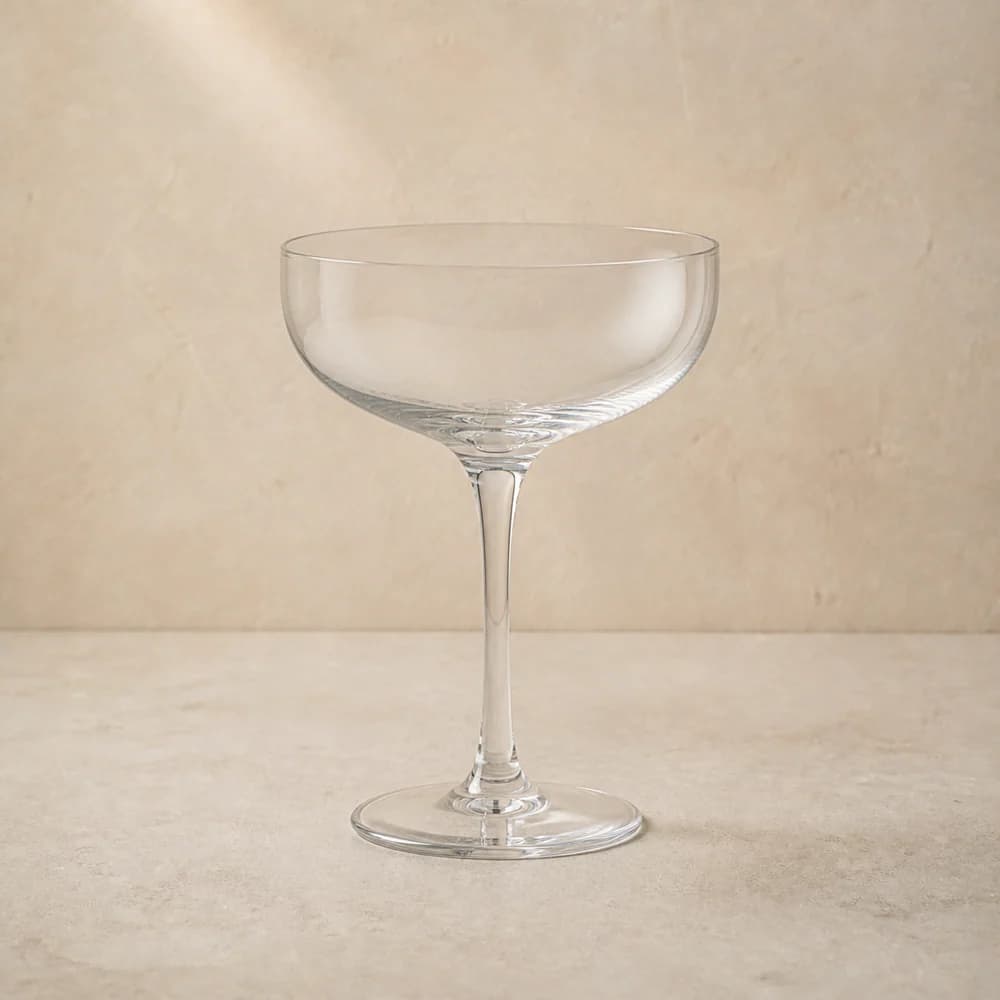
Use a coupe glass.
The stem keeps your hand away from a cold drink, while the rounded bowl makes an up serve easy to sip.
- Standard size
- 200 ml6¾ oz
- Ice & serve
- Chill it first; serve without ice.
- If you don’t own one
- Use a small martini glass or stemmed dessert glass.
- cocktail shaker
- strainer (or a small sieve)
- jigger or measuring spoon
- Gin60 ml
- Absinthe2 dashes
- Orange juice30 ml
- Grenadine8 ml
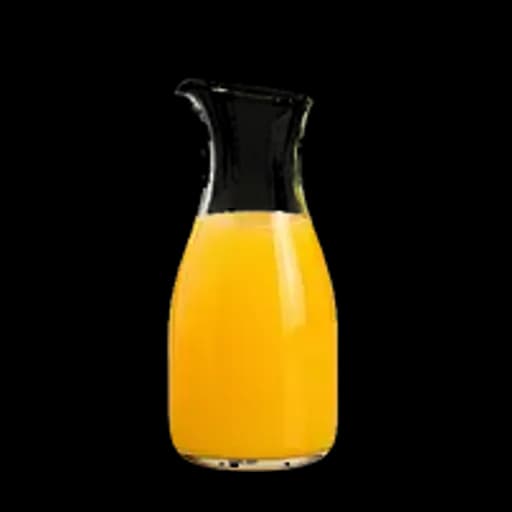
From bottle to glass
Method
- 01
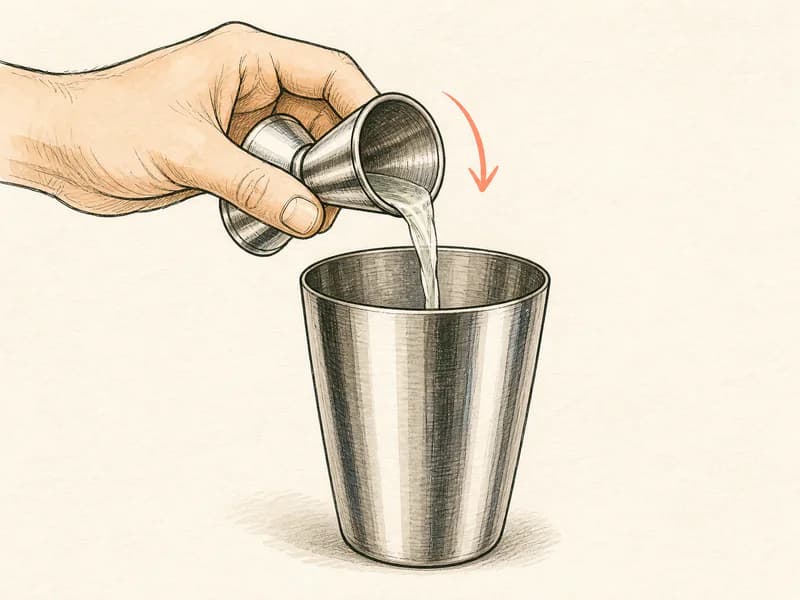
Measure into the shaker Pour 60 ml gin into your shaker
 Gin
Gin
- 02
Measure into the shaker Add 30 ml orange juice
 Orange juice
- 03
Measure into the shaker Add 8 ml grenadine
 Grenadine
- 04
Measure into the shaker Add 2 dashes absinthe
 Absinthe
- 05
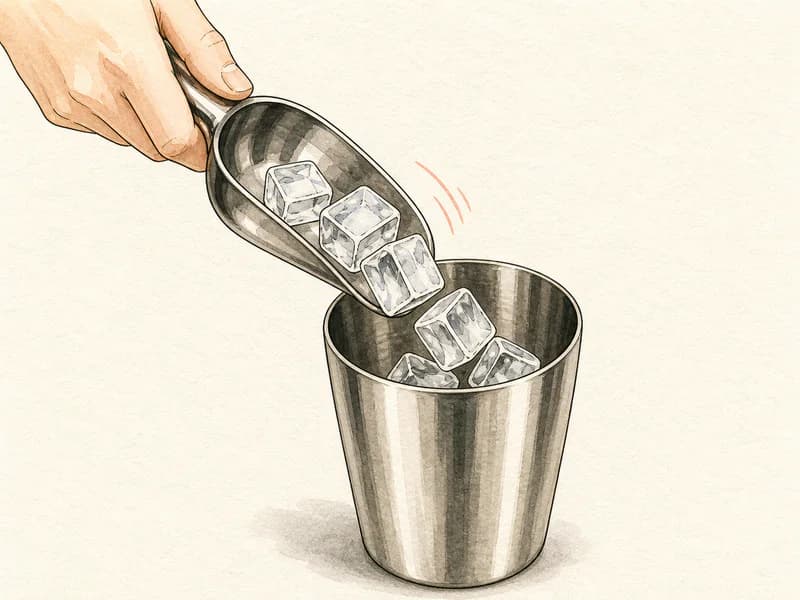
Ice the shaker Fill the shaker with ice
- 06
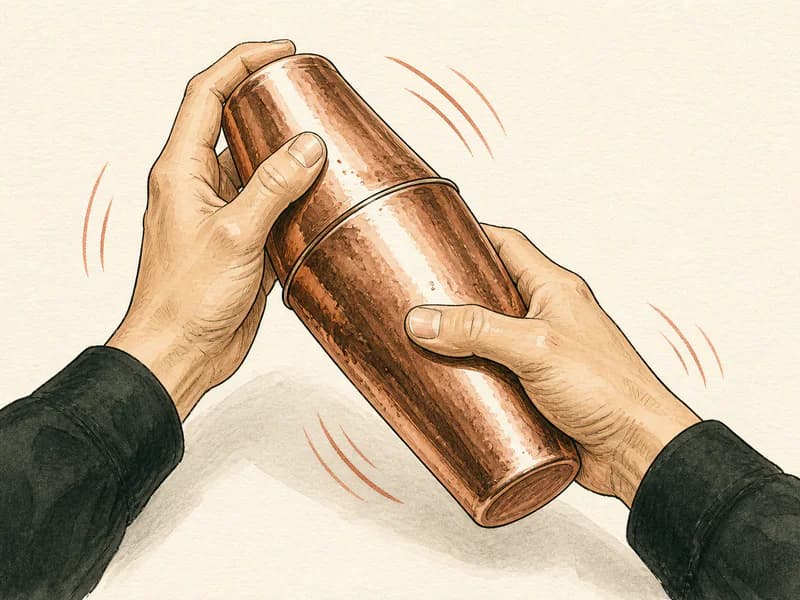
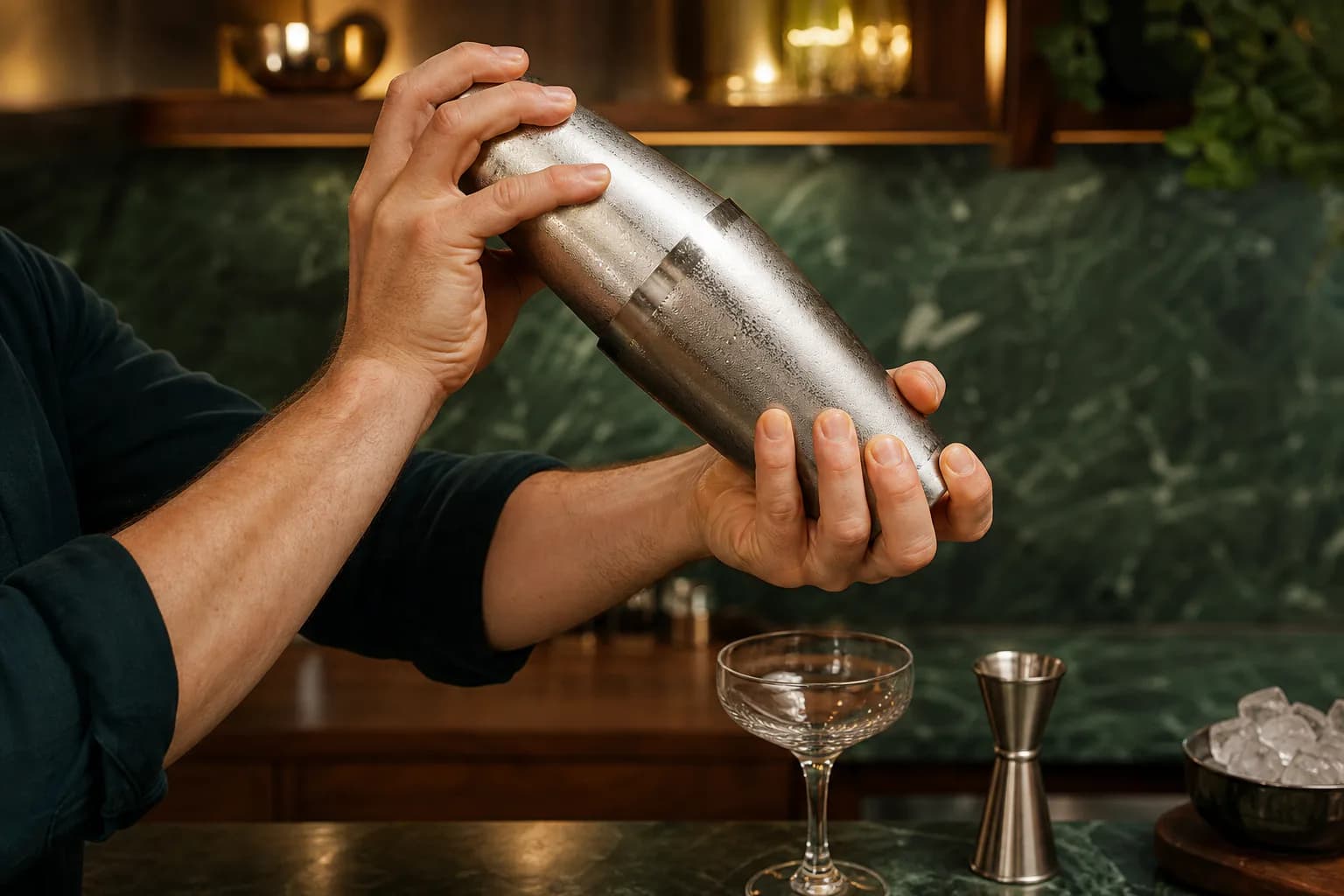
Seal and shake Seal and shake hard
- 07
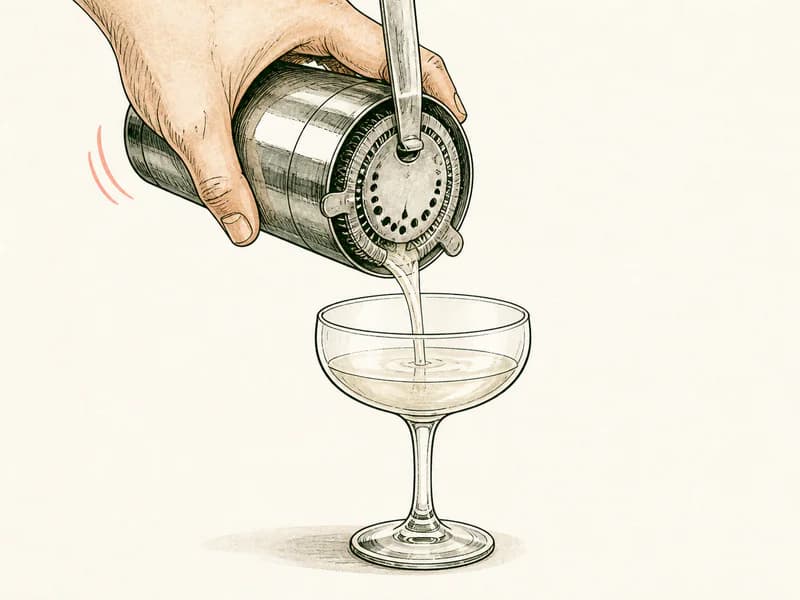
Strain cleanly Strain into a chilled glass — no ice
- 08
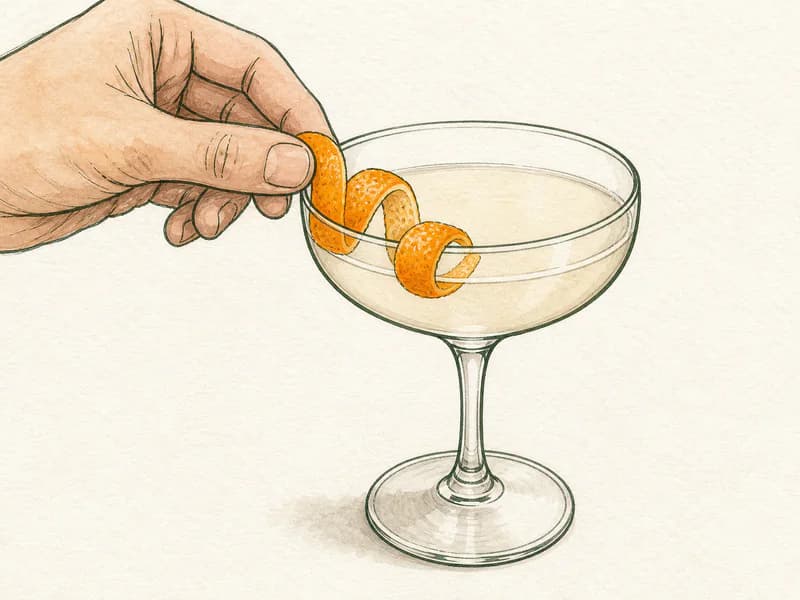
Finish the drink Finish it — add an orange twist
Know your drink
About the Monkey Gland
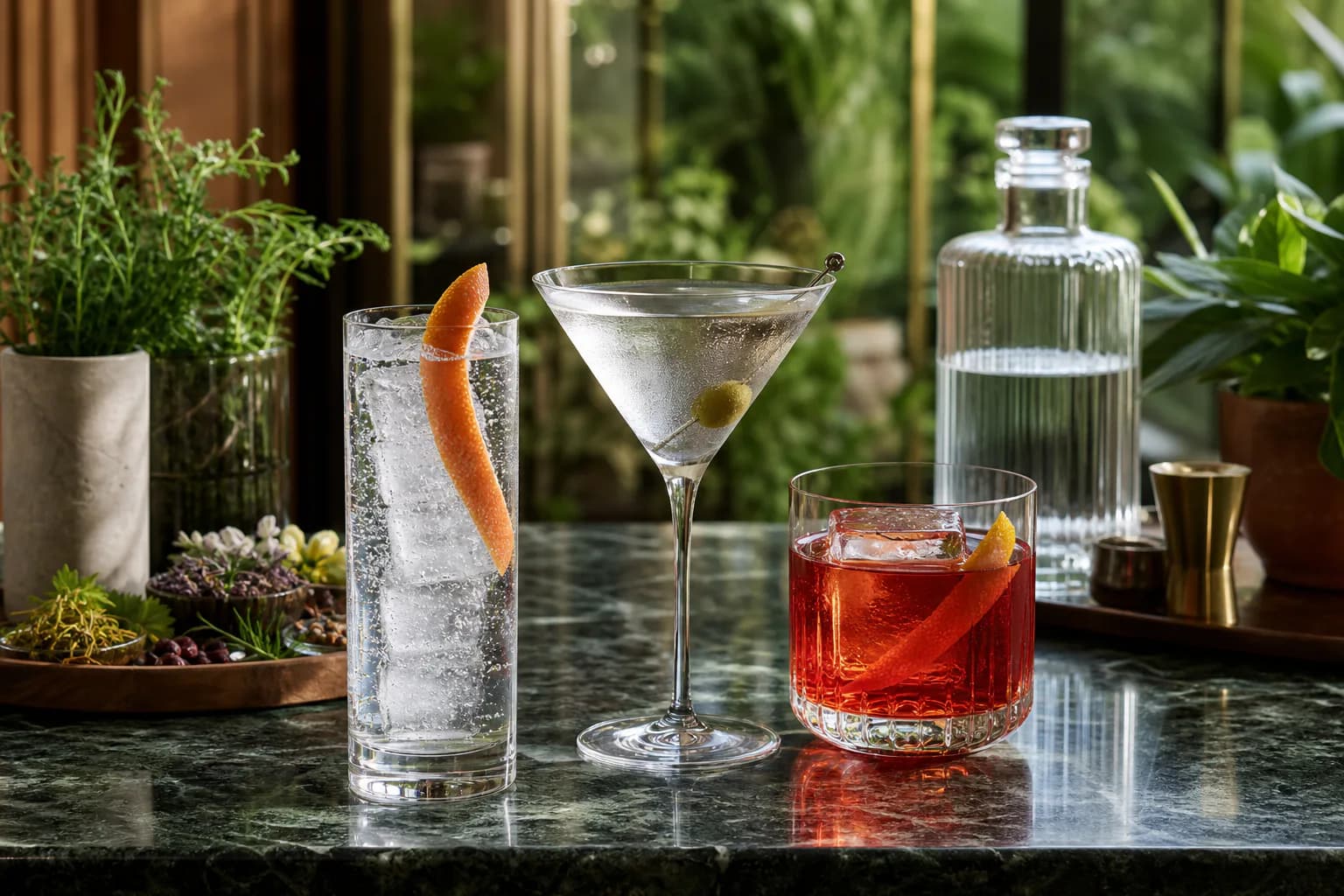
Named after a surgery
Serge Voronoff spent the 1920s transplanting slices of monkey testicle into wealthy men who wanted their youth back. Paris found the whole business hilarious, and a bartender named a drink for it. Harry MacElhone at Harry's New York Bar usually gets the credit, though Frank Meier at the Ritz has been named too, and neither claim is airtight.
Grim name aside, the build is sound. Gin and orange juice on their own make a thin pairing, sweet and a bit flat, and the grenadine and the anise give it two things to push against. That is probably why it survived when most novelty drinks of the decade did not.
Common questions
Monkey Gland FAQ
Absinthe or Benedictine — which belongs in it?
Both turn up in print and they make different drinks. Absinthe gives a cool anise edge that cuts across the orange juice. Benedictine goes the other way, adding honey, herbs and more weight. Nobody has settled which came first, so pour whichever bottle you already own.
The absinthe swamped everything. How do I pull it back?
Measure it rather than free-pouring from the bottle. Absinthe at 60-plus percent will run straight over 60 ml of gin from a splash, and the neck of most bottles pours faster than a dash. Use a dropper or a bar spoon, and add it last so you can taste before the second one.
Will pastis or Pernod stand in for absinthe?
Yes, with a lighter hand. Pastis is sweeter, lower in proof and much less complicated, so it reads as plain anise where absinthe brings wormwood and a cold, bitter edge behind it. Use the same two dashes and expect a softer drink. Herbsaint is closer if you can find it.
Why does it drink so much lighter than it is?
Because orange juice masks alcohol better than almost anything else behind a bar. Sixty milliliters of gin is a double, and 30 ml of juice barely dilutes it, so the finished glass sits near 20 percent. It tastes like breakfast and it is not breakfast.
What ingredients are in a Monkey Gland?
A classic Monkey Gland calls for 60 ml (2 oz) Gin, 30 ml (1 oz) Orange juice, 8 ml (0.25 oz) Grenadine, 2 dashes absinthe Absinthe. That single-serve spec scales cleanly — the recipe above converts it to oz and multiplies it for 2–4 drinks.
How strong is a Monkey Gland?
A standard Monkey Gland is roughly 24% ABV once mixed (before ice melt softens it further). That makes it spirit-forward — closer to a Martini than to a beer, so sip it slowly.
Is a Monkey Gland shaken or stirred?
A Monkey Gland is shaken. About 13 seconds with plenty of ice chills and dilutes it correctly.
Sharpen the technique
Skills used in this recipe
Where to go next
If you like the Monkey Gland, try these.
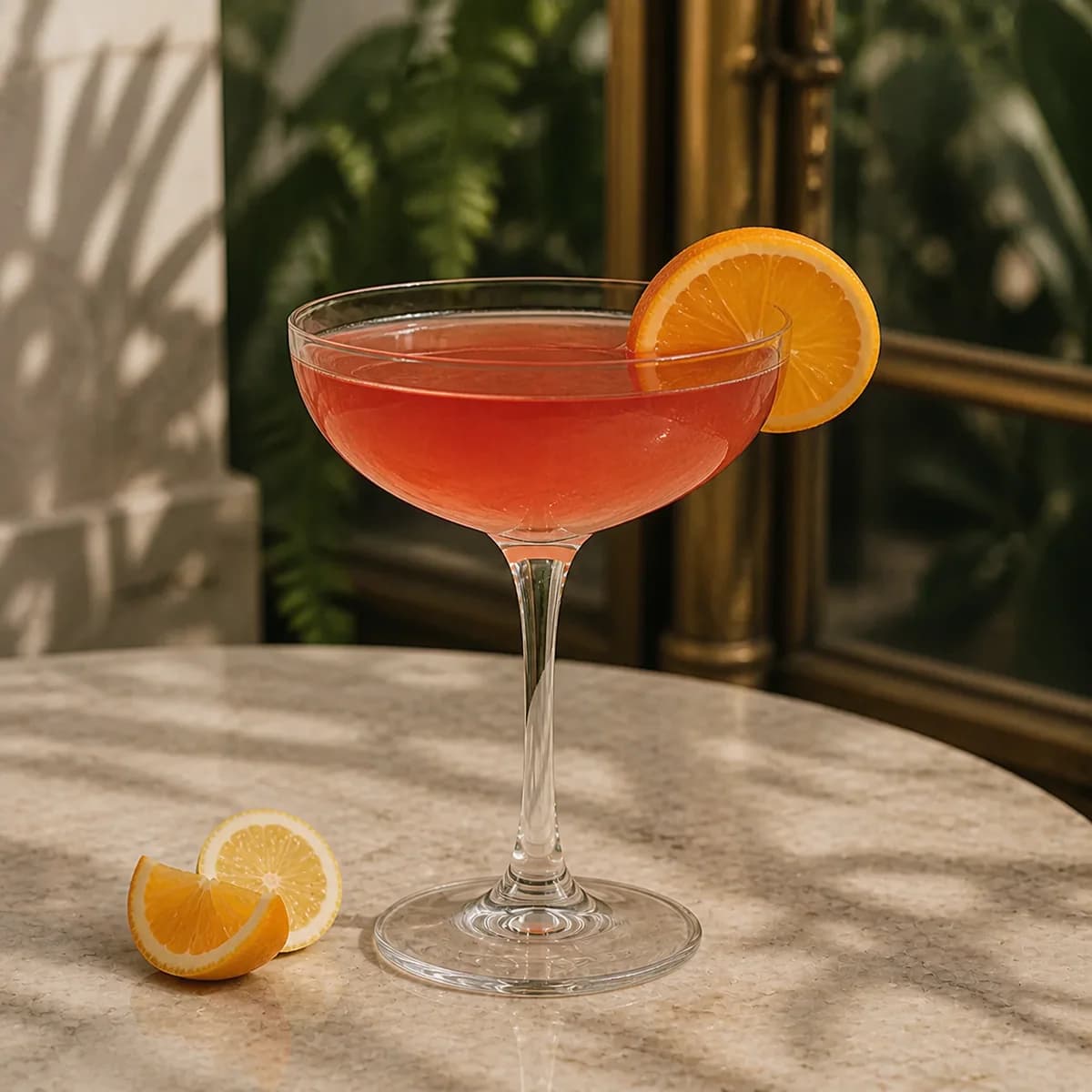
Gin and Sin
Grenadine decides this drink. Corn-syrup grenadine turns it into candy, while real pomegranate syrup keeps it tart and gives it that dusty pink color.
View recipe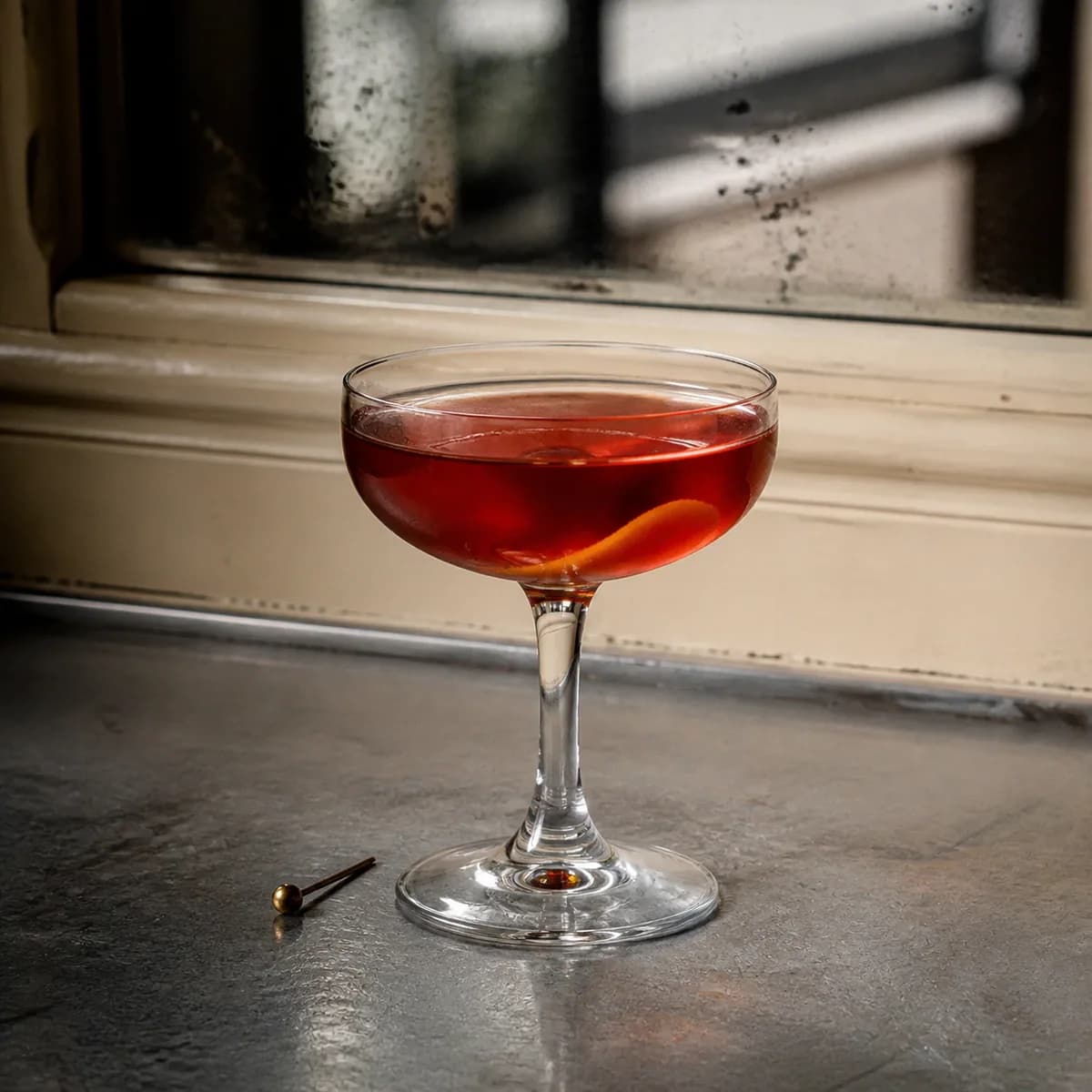
Dempsey
Half gin, half apple brandy, with neither one in charge. Grenadine pulls the color toward rose and rounds the corners, while two dashes of absinthe reach your nose well before anything else does. Drier than the color suggests.
View recipe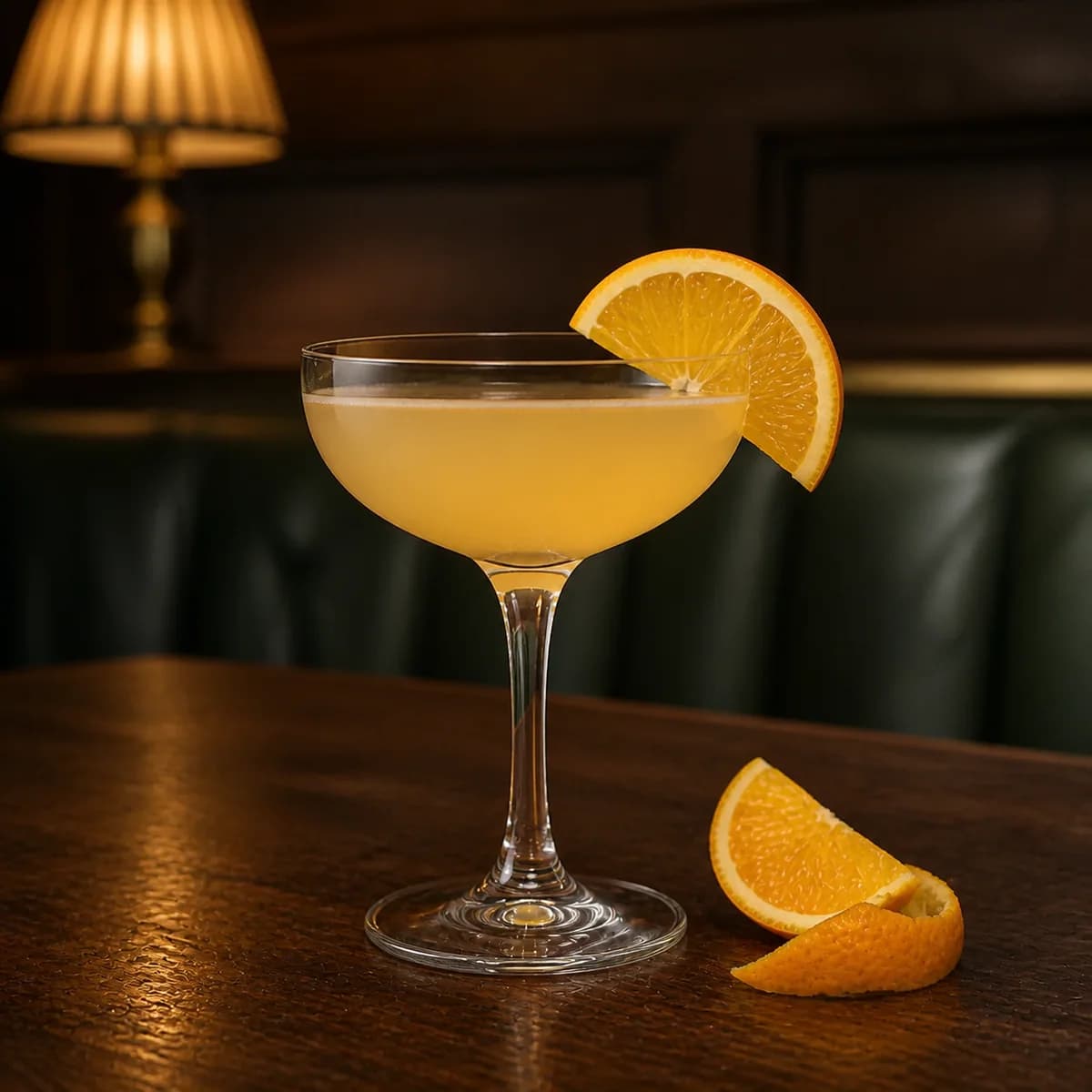
Bronx
A Perfect Martini with a splash of orange juice — gin, both vermouths and fresh orange. A forgotten member of the pre-Prohibition royalty.
View recipe