Classic cocktail · Guided recipe
Whiskey Daisy
Start makingBourbon's corn sweetness meets lemon head-on here, with grenadine and a little orange liqueur filling the gap between them. Daisies were a bar standard in the 1870s, half a century before anyone thought to call the tequila one a Margarita.
In the glassBourbon · Fresh lemon juice · Grenadine · Triple sec / Cointreau
See exact amounts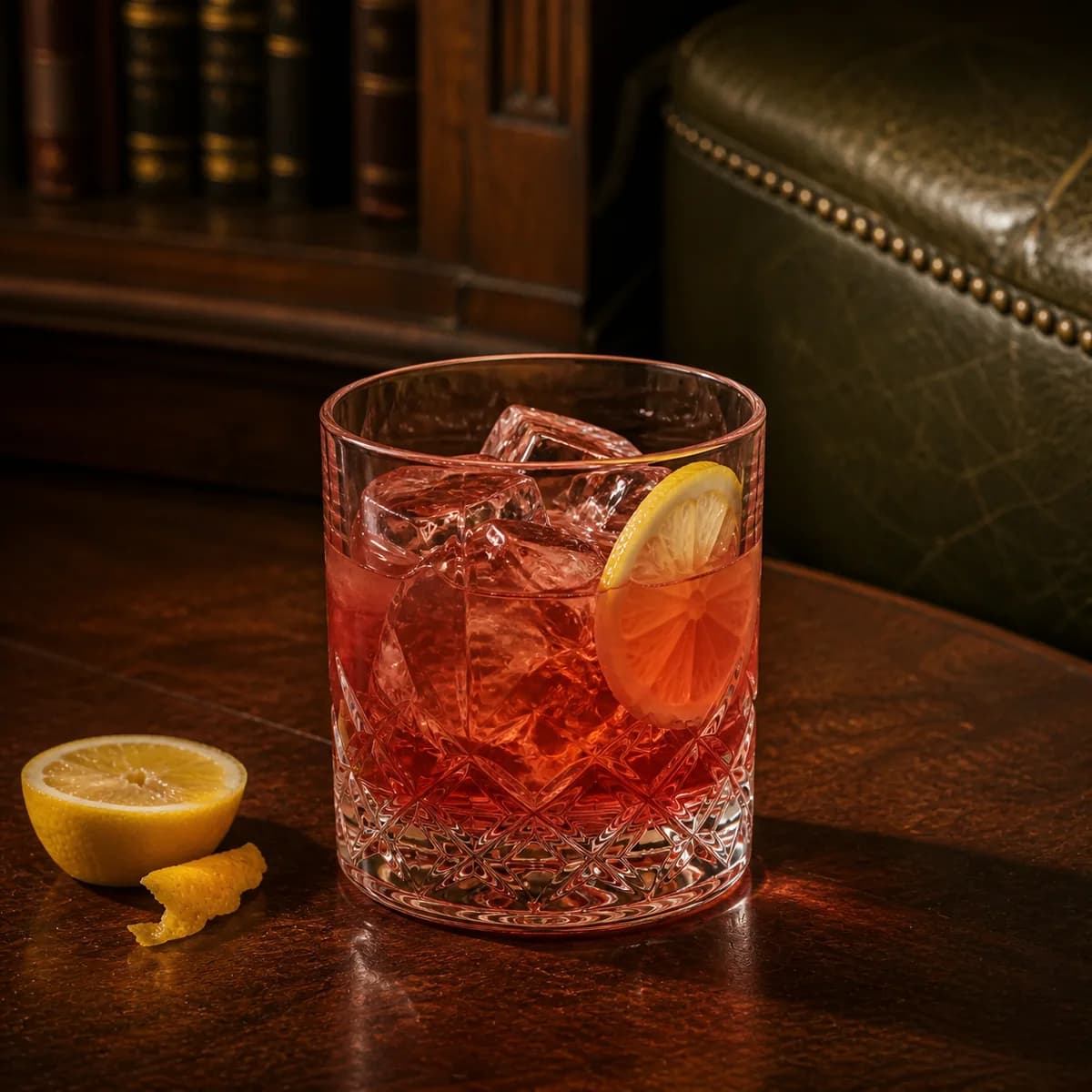
What goes in
Ingredients
Set up before you pour
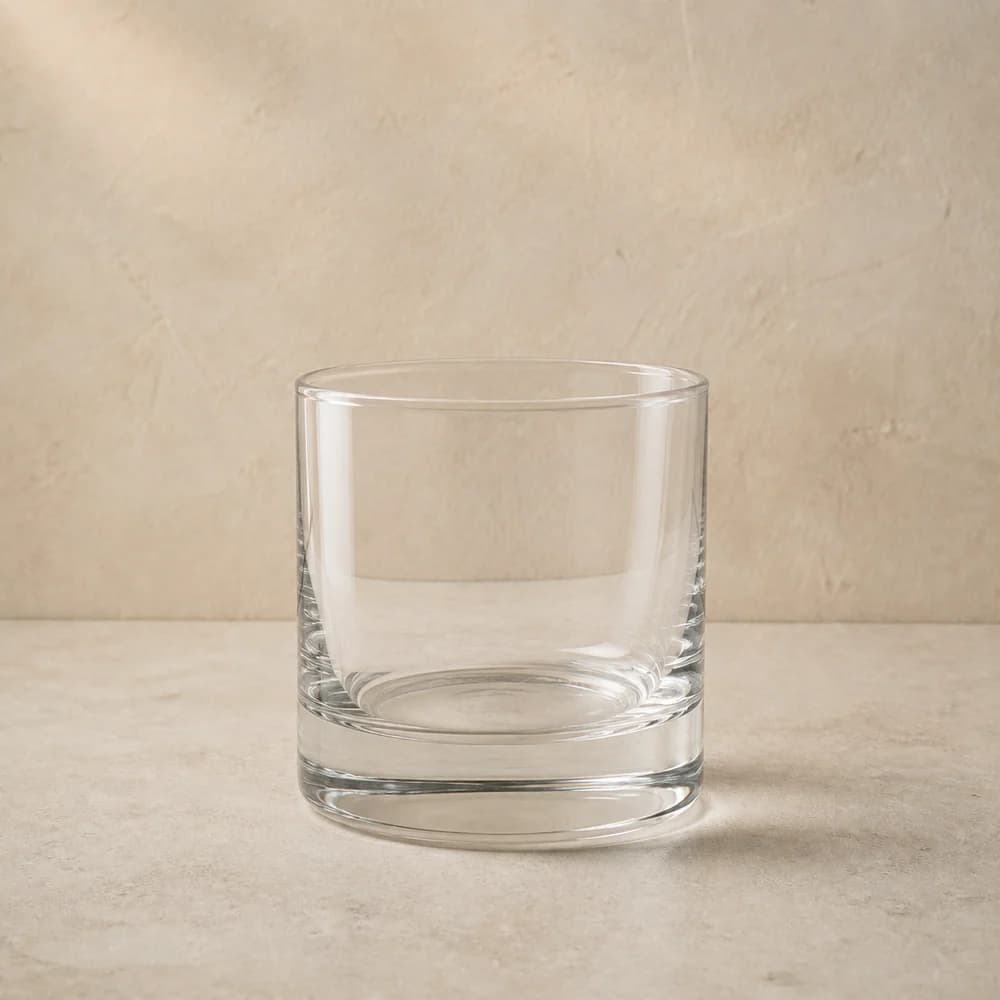
Use a rocks glass.
The low, sturdy bowl suits concentrated drinks and gives one large cube enough width.
- Standard size
- 300 ml10¼ oz
- Ice & serve
- Fill it with fresh ice cubes.
- If you don’t own one
- Use a small water tumbler with a heavy base.
- cocktail shaker
- strainer (or a small sieve)
- jigger or measuring spoon
- Bourbon60 ml
- Triple sec / Cointreau8 ml
- Fresh lemon juice22 ml
- Grenadine15 ml
From bottle to glass
Method
- 01
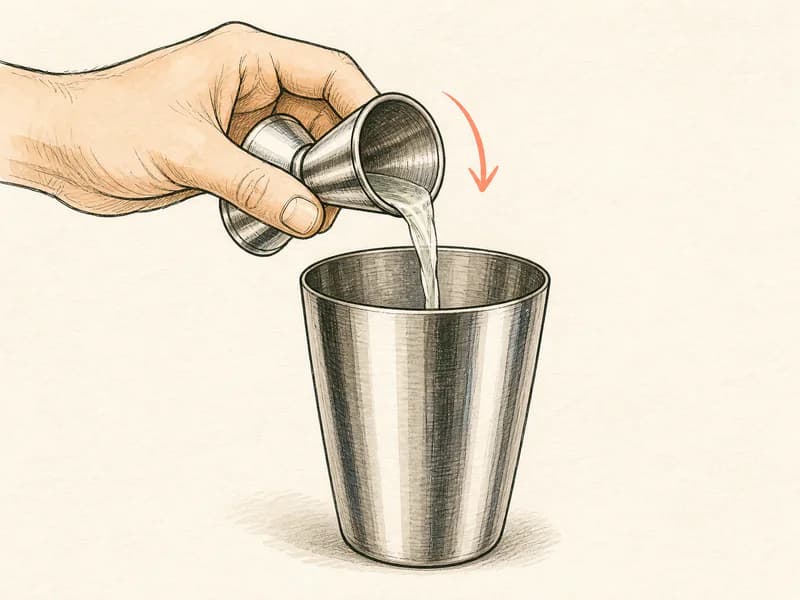
Measure into the shaker Pour 60 ml bourbon into your shaker
 Bourbon
- 02
Measure into the shaker Add 22 ml fresh lemon juice
 Fresh lemon juice
- 03
Measure into the shaker Add 15 ml grenadine
 Grenadine
- 04
Measure into the shaker Add 8 ml triple sec / cointreau
 Triple sec / Cointreau
- 05
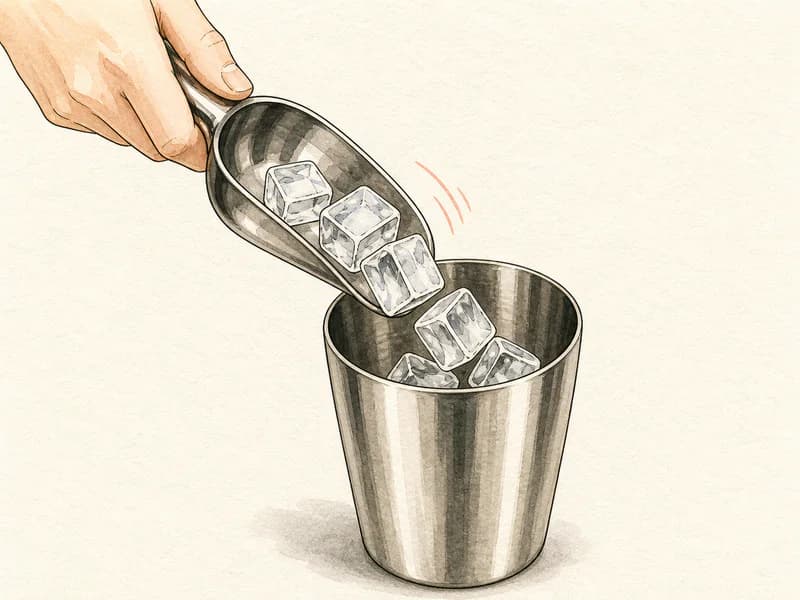
Ice the shaker Fill the shaker with ice
- 06
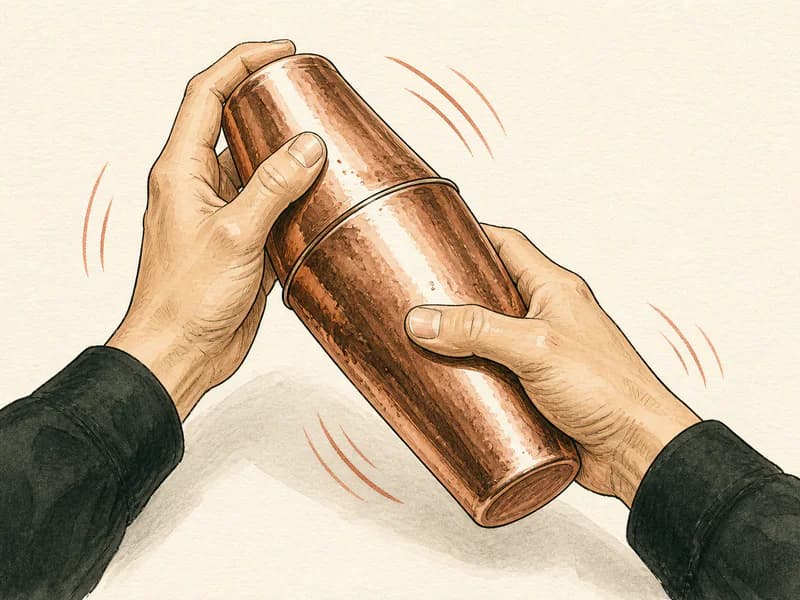
Seal and shake Seal and shake hard
- 07
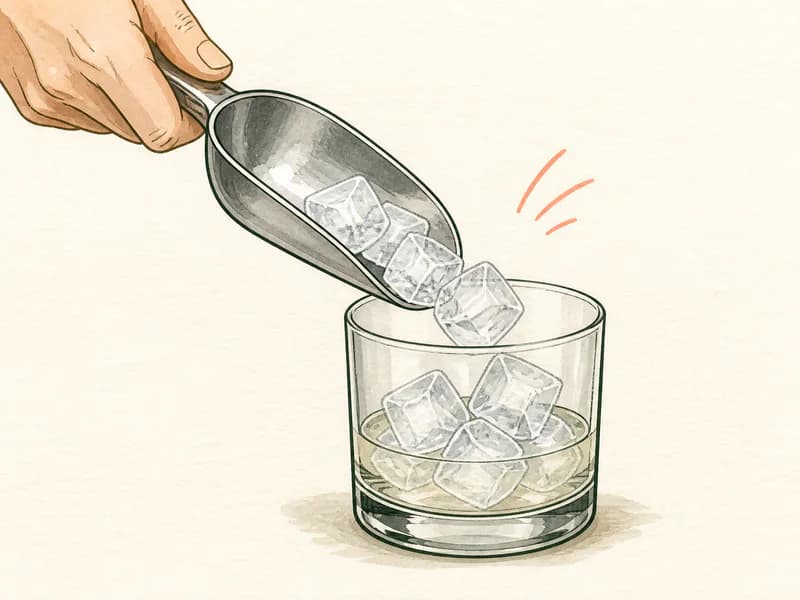
Ice the glass Fill your glass with fresh ice
- 08
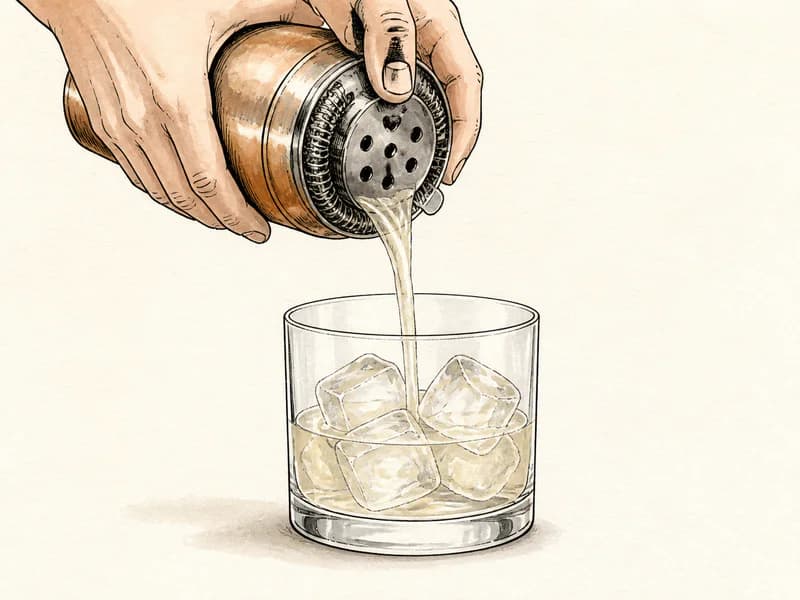
Strain cleanly Strain into your glass
- 09
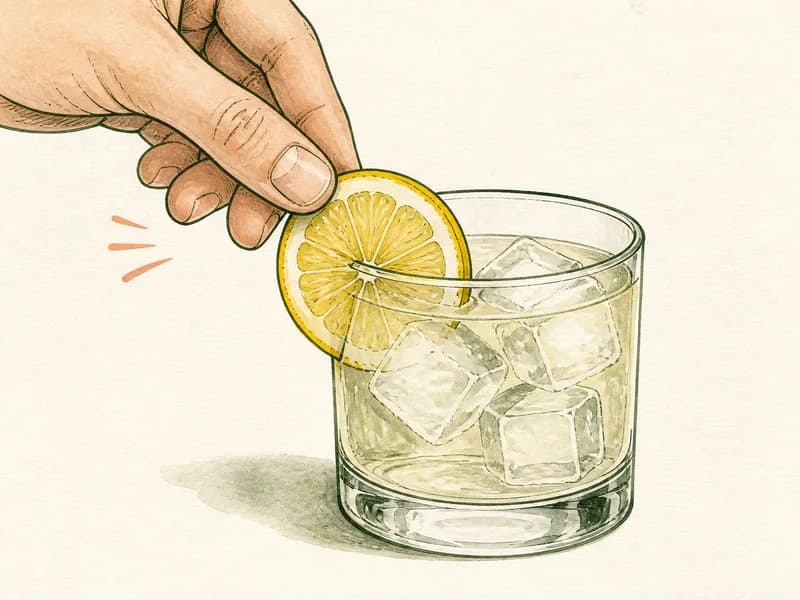
Finish the drink Finish it — add a lemon slice
Know your drink
About the Whiskey Daisy
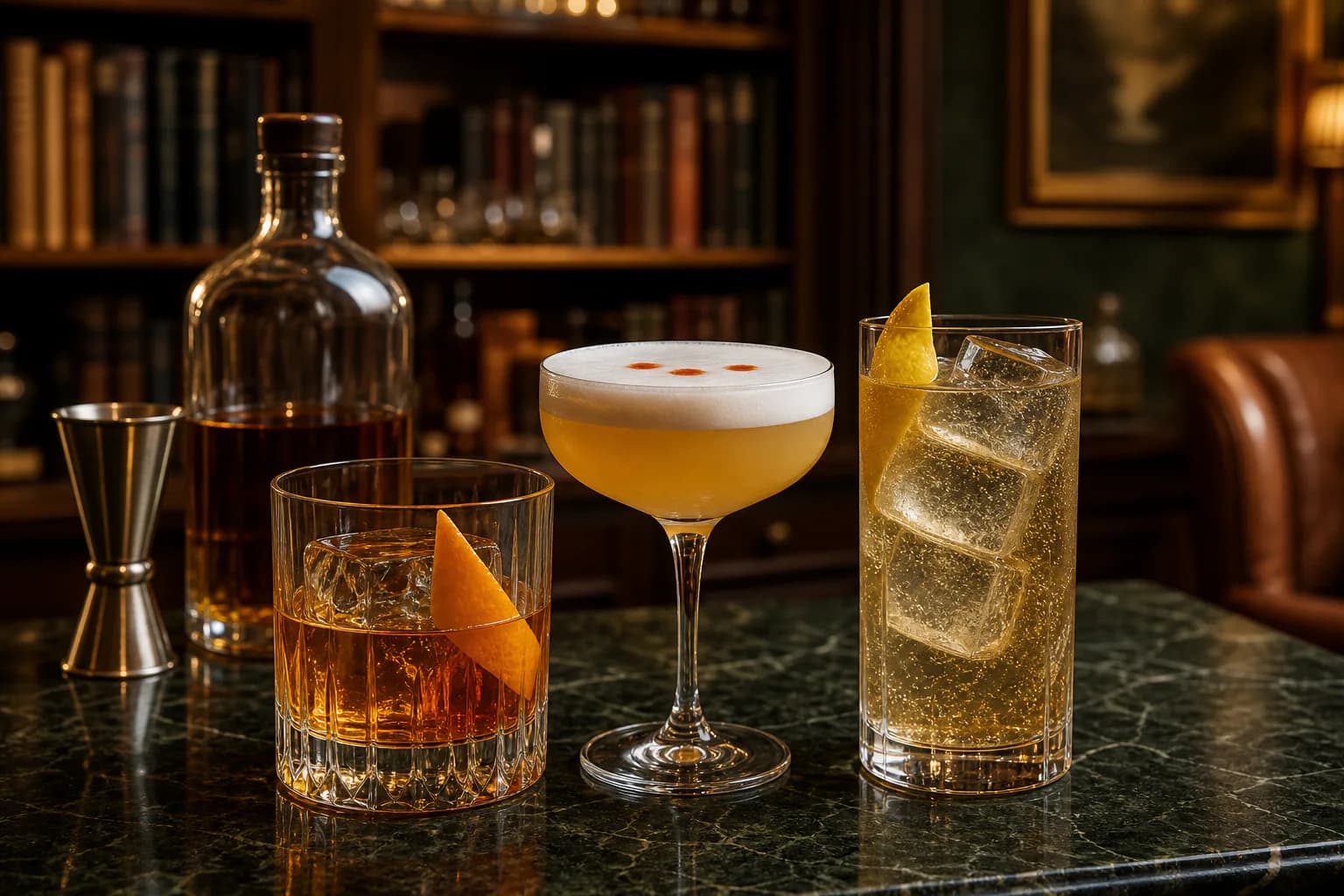
Older than the Margarita
Daisies were bar furniture in the 1870s and 1880s, decades before anyone put tequila in one. American manuals of the period list them across every base spirit, generally over shaved ice in a small tumbler with a fizz of soda on top. Grenadine arrived later as the sweetener of choice and handed the whole family its color.
Eight milliliters of triple sec looks like nothing and does a surprising amount of work. Orange peel oil bridges the gap between the lemon's sharpness and the heavy fruit of the grenadine. Leave it out and the drink splits into sour at the front and sweet at the back with a hole in the middle. Cointreau is the safe pour; a dry curaçao works if you nudge the grenadine up.
Common questions
Whiskey Daisy FAQ
What makes a drink a daisy?
Spirit, citrus, and a sweetener that is a liqueur or a flavored syrup rather than plain sugar. Grenadine and orange curaçao are the classic pairing. Gin, rum and brandy daisies all existed alongside this one, and margarita is simply the Spanish word for daisy.
How do I make grenadine at home?
Equal weights of unsweetened pomegranate juice and sugar, stirred cold until it dissolves. No heat, which dulls the fruit. A spoonful of pomegranate molasses sharpens it, and 15 ml of vodka per cup keeps it drinkable in the fridge for about a month.
Should there be soda water in it?
Older daisies finish with a short top of soda in a larger glass. This build leaves it out and stays a proper sour, which is denser and more whiskey-forward. If you want the long version, keep every proportion the same and add 45 ml of soda over fresh ice.
What ingredients are in a Whiskey Daisy?
A classic Whiskey Daisy calls for 60 ml (2 oz) Bourbon, 22 ml (0.75 oz) Fresh lemon juice, 15 ml (0.5 oz) Grenadine, 8 ml (0.25 oz) Triple sec / Cointreau. That single-serve spec scales cleanly — the recipe above converts it to oz and multiplies it for 2–4 drinks.
How strong is a Whiskey Daisy?
A standard Whiskey Daisy is roughly 29% ABV once mixed (before ice melt softens it further). That makes it spirit-forward — closer to a Martini than to a beer, so sip it slowly.
Is a Whiskey Daisy shaken or stirred?
A Whiskey Daisy is shaken — the rule of thumb is to shake anything with citrus juice. About 13 seconds with plenty of ice chills and dilutes it correctly.
What glass do you serve a Whiskey Daisy in?
Serve a Whiskey Daisy in a rocks glass (old fashioned glass), over fresh ice cubes.
Sharpen the technique
Skills used in this recipe
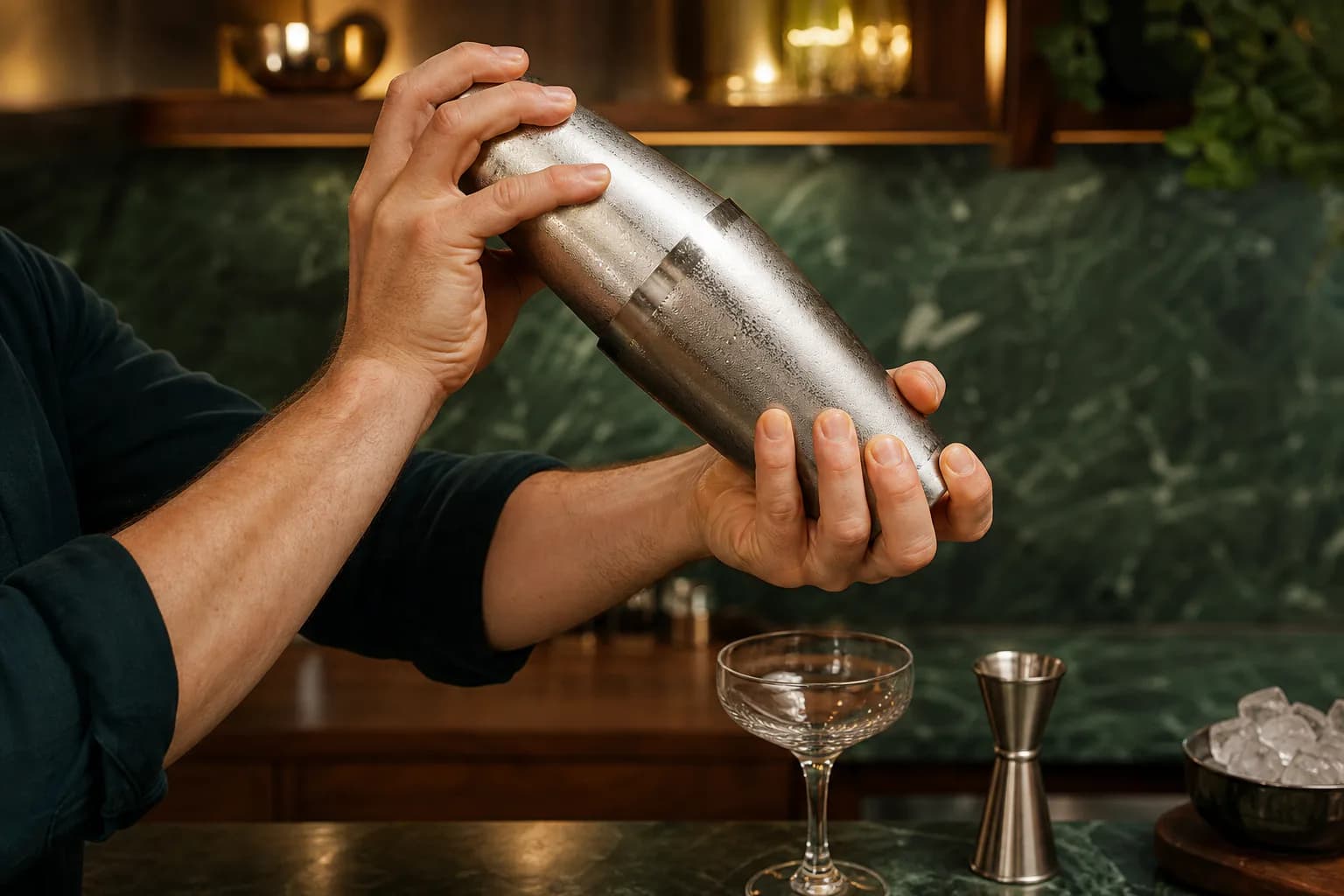
How to shake a cocktail properly
The grip, timing, ice and visual cues that make shaken drinks colder and brighter.
Read the guide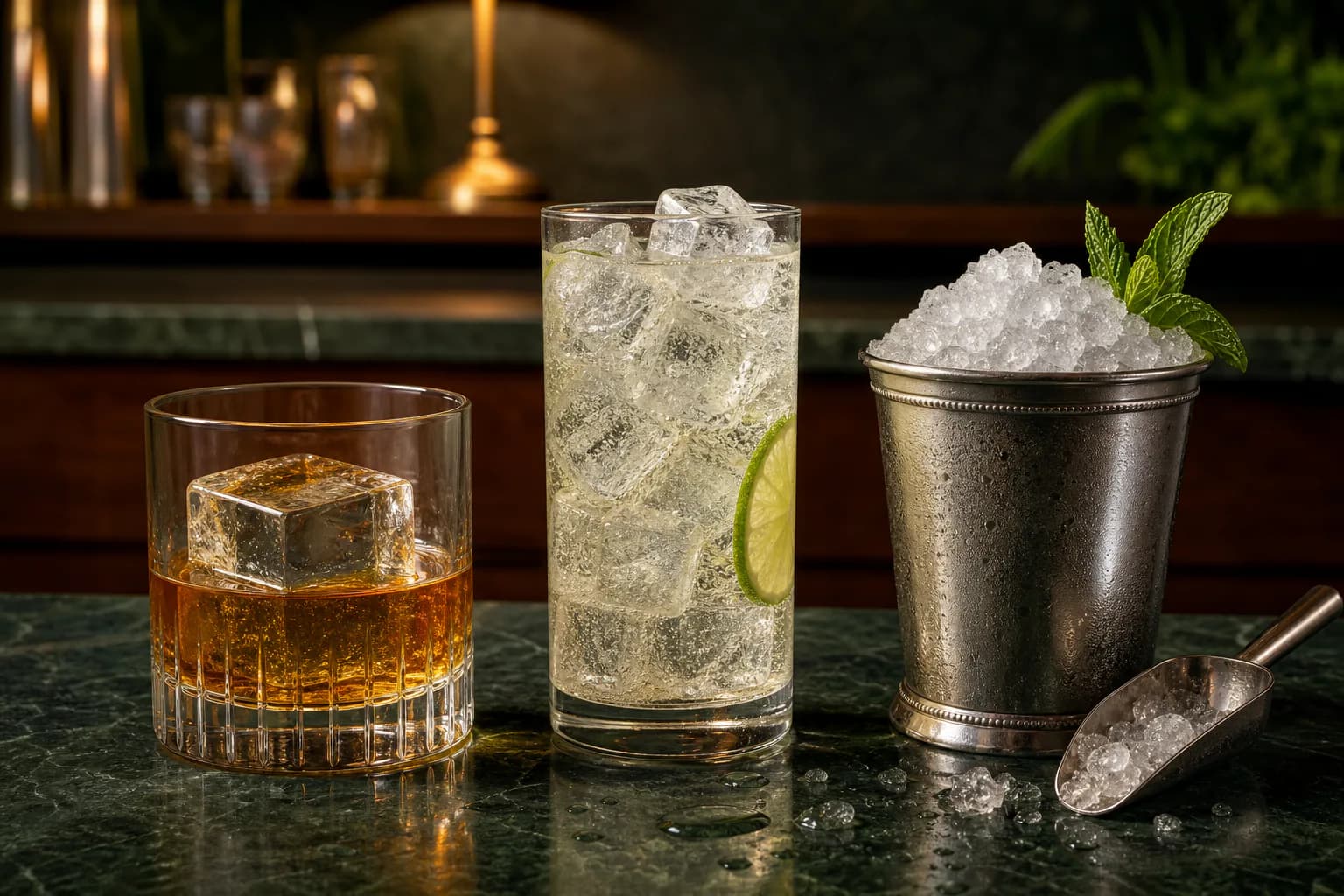
Cocktail ice: cubes, crushed ice and dilution
Understand why ice is an ingredient—and choose the right shape for every drink.
Read the guide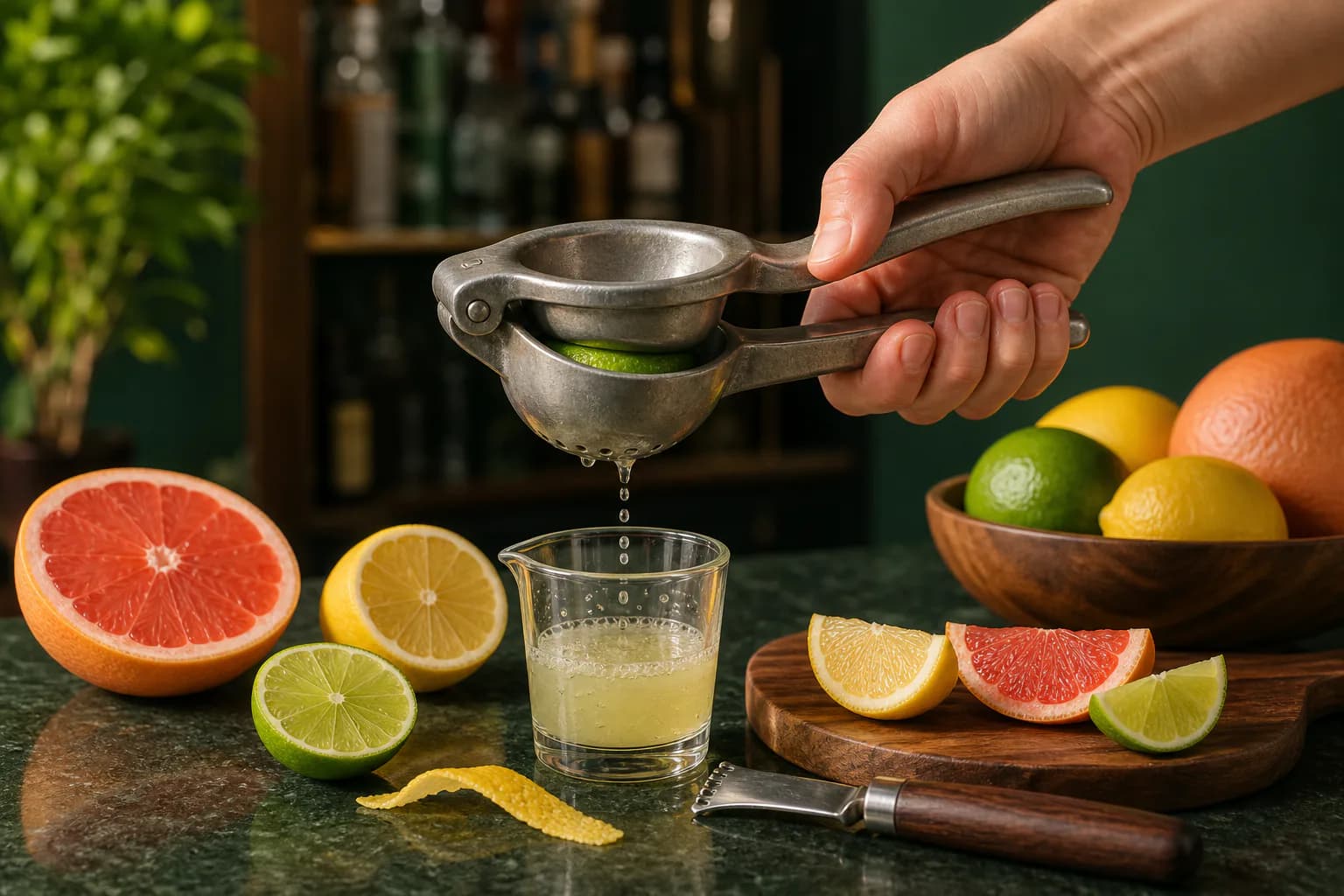
Fresh citrus for cocktails: juice, wedges and balance
Get brighter lime, lemon and grapefruit flavor with better prep and storage.
Read the guideWhere to go next
If you like the Whiskey Daisy, try these.
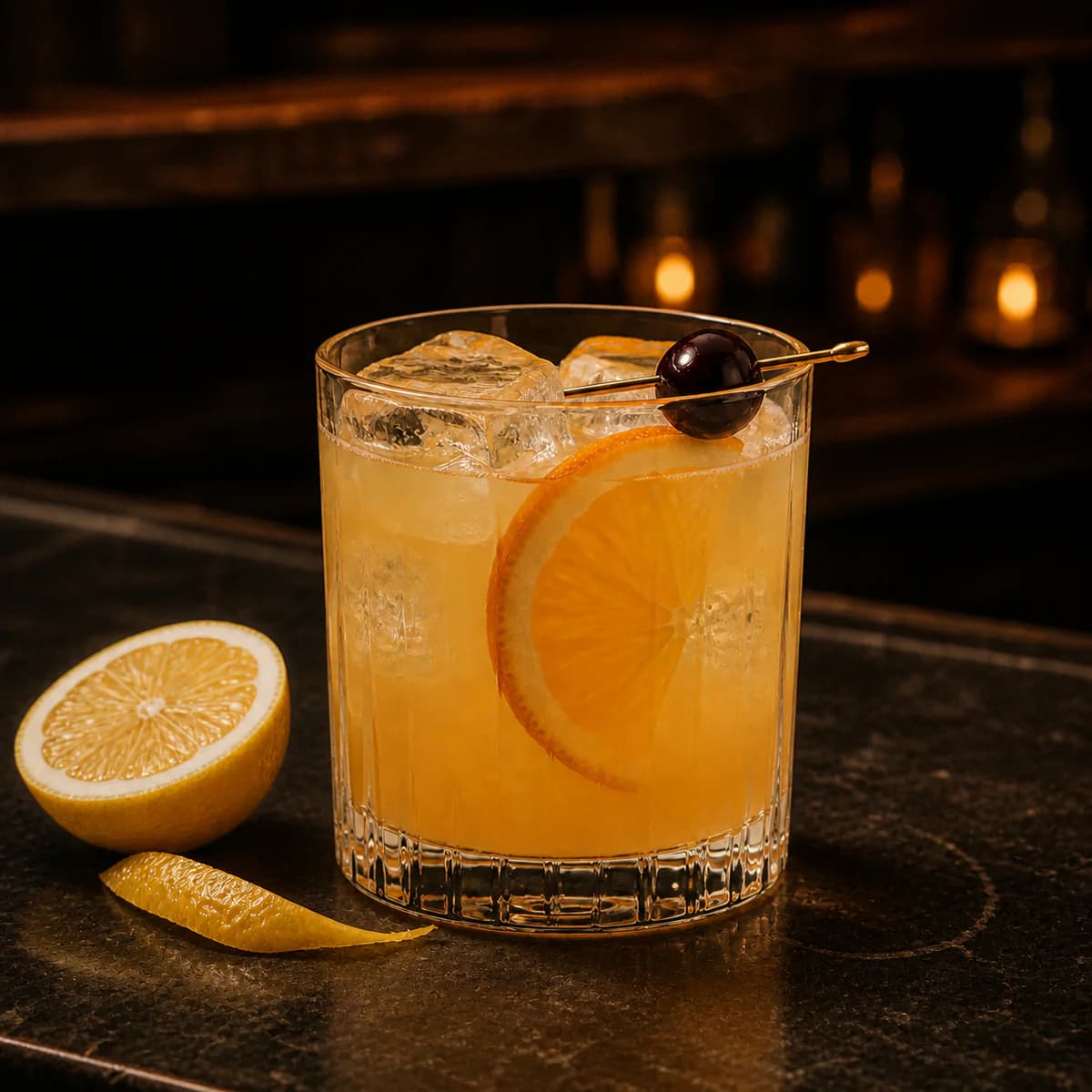
Whiskey Sour
The whiskey sour is bourbon, lemon and sugar — the template every “sour” cocktail is built on. This is the classic no-egg version: bright, balanced, and ready in two minutes.
View recipe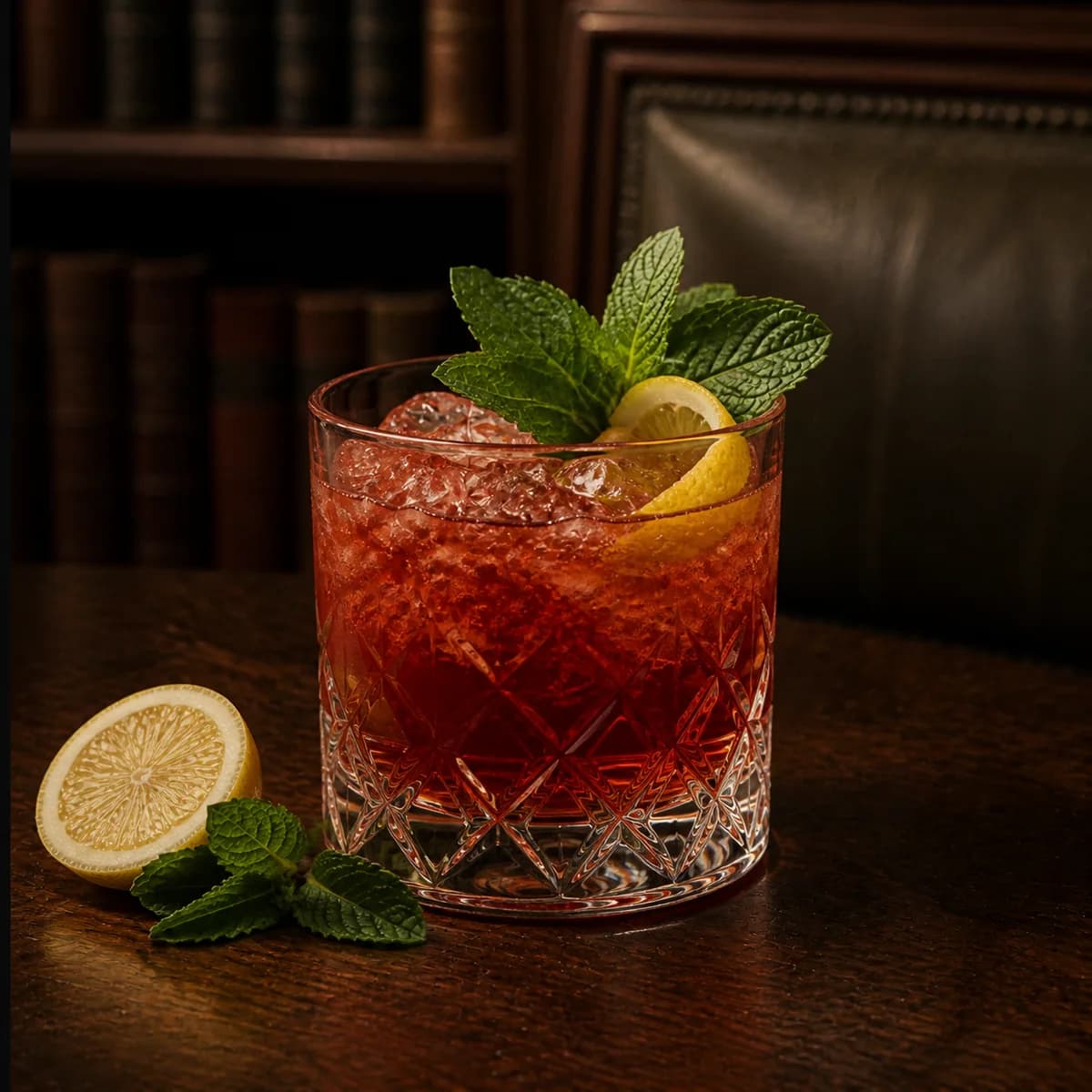
Whiskey Peach Smash
A summer smash with a peach note: bourbon and peach liqueur muddled with mint and lemon over crushed ice.
View recipe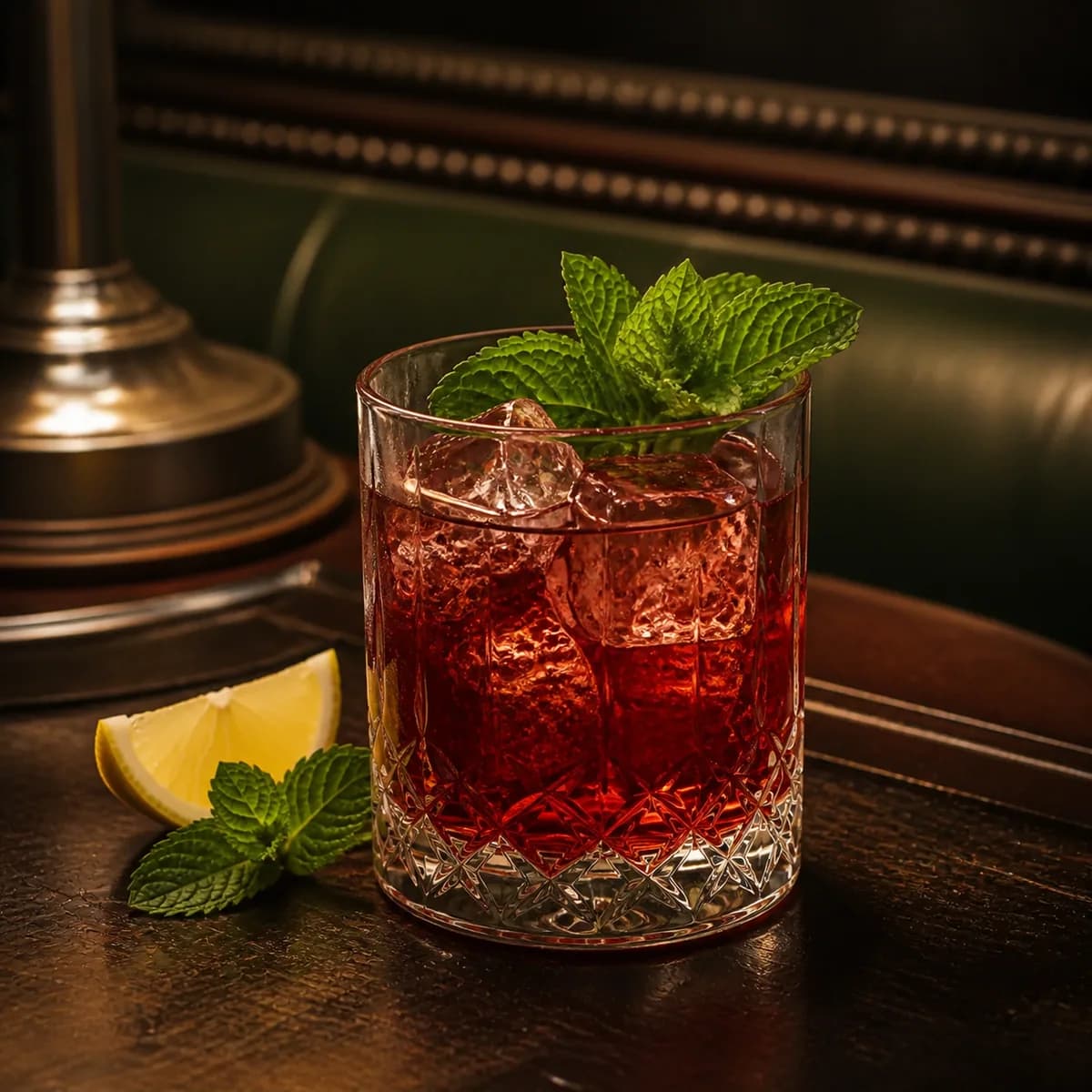
Whiskey Smash
A bourbon sour crossed with a julep: lemon and mint muddled with sugar, lengthened with whiskey. Bright, herbal and refreshing.
View recipe