Classic cocktail · Guided recipe
Yale
Start makingDry Martini proportions, then just enough blue curaçao to shift the color without shifting the flavor. What comes out is not blue but a pale slate-lavender, with orange oil and Angostura sitting behind the juniper.
In the glassGin · Dry vermouth · Blue curaçao · Angostura bitters
See exact amounts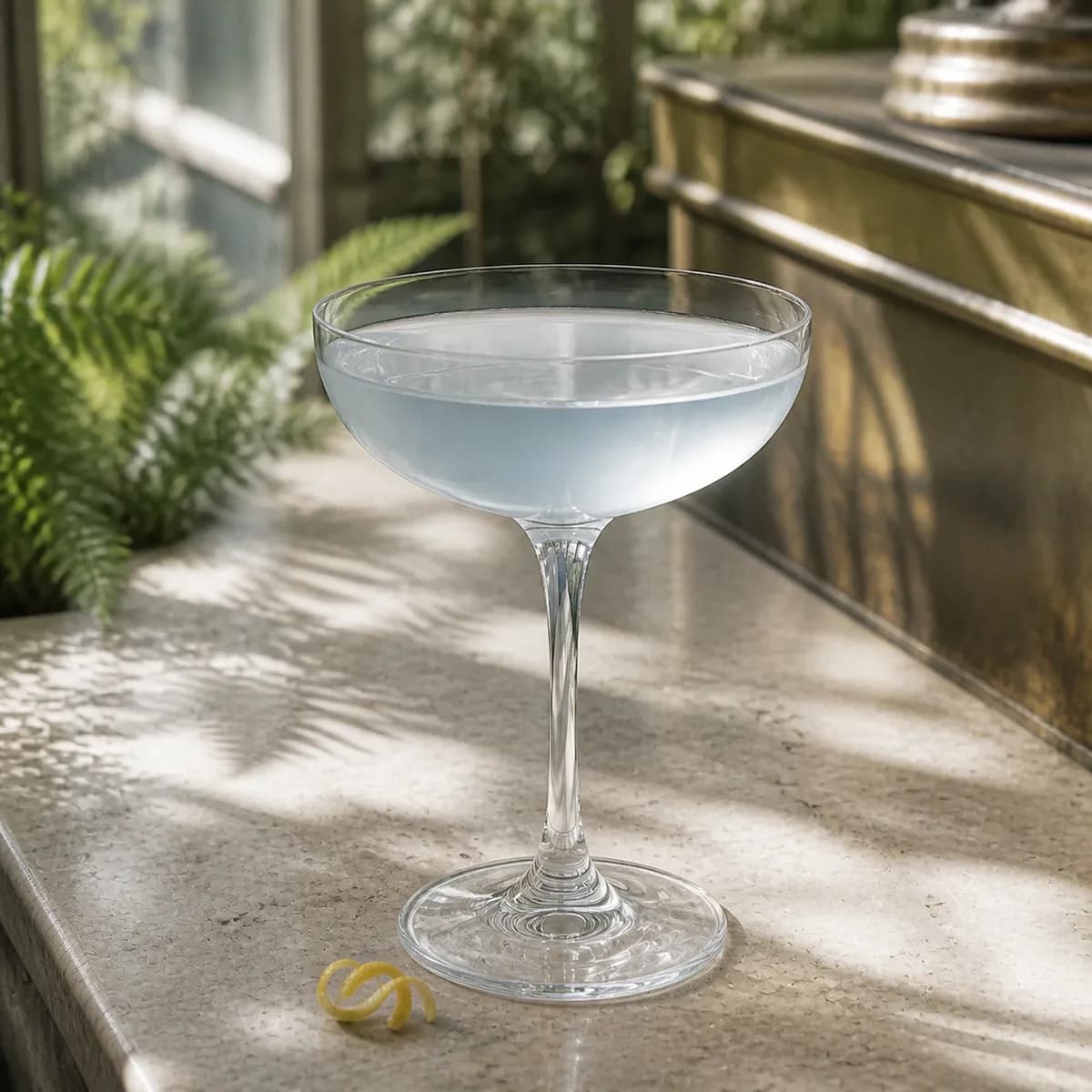
What goes in
Ingredients
Set up before you pour
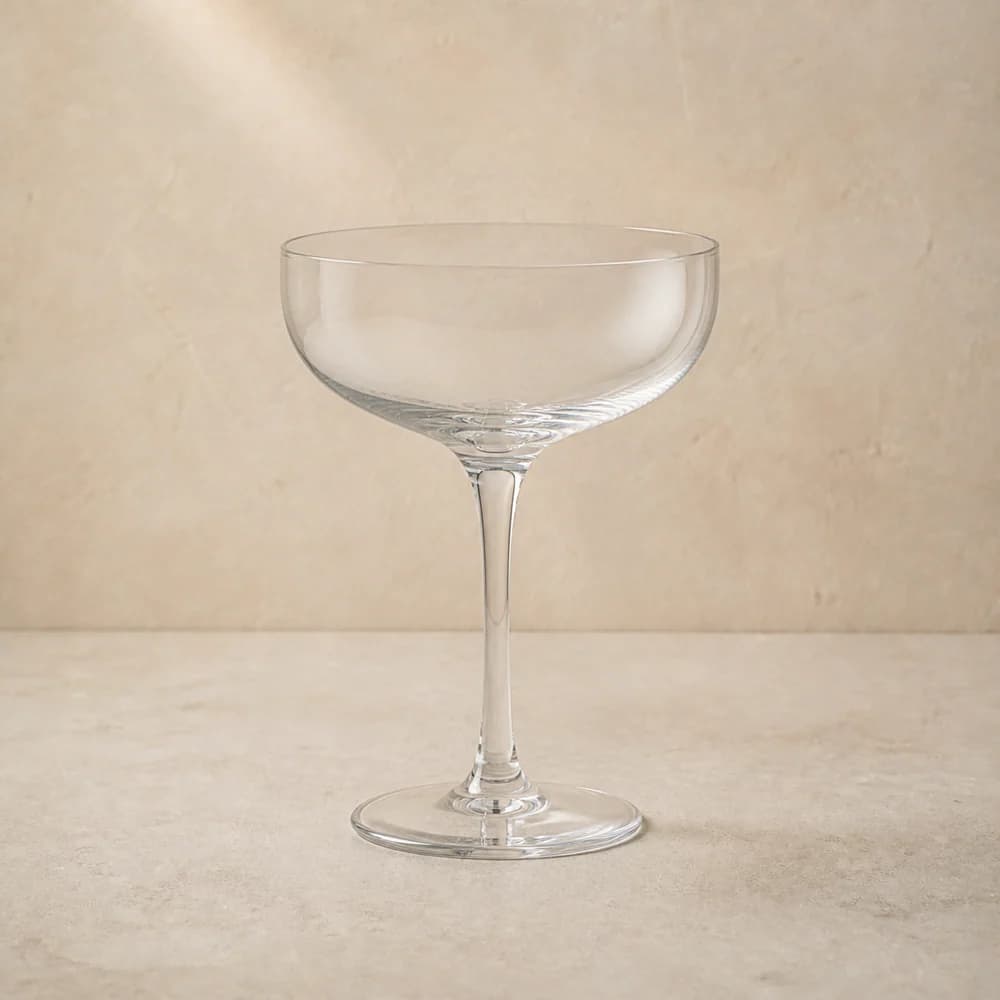
Use a coupe glass.
The stem keeps your hand away from a cold drink, while the rounded bowl makes an up serve easy to sip.
- Standard size
- 200 ml6¾ oz
- Ice & serve
- Chill it first; serve without ice.
- If you don’t own one
- Use a small martini glass or stemmed dessert glass.
- cocktail shaker
- strainer (or a small sieve)
- jigger or measuring spoon
- Gin60 ml
- Dry vermouth15 ml
- Blue curaçao4 ml
- Angostura bitters1 dash
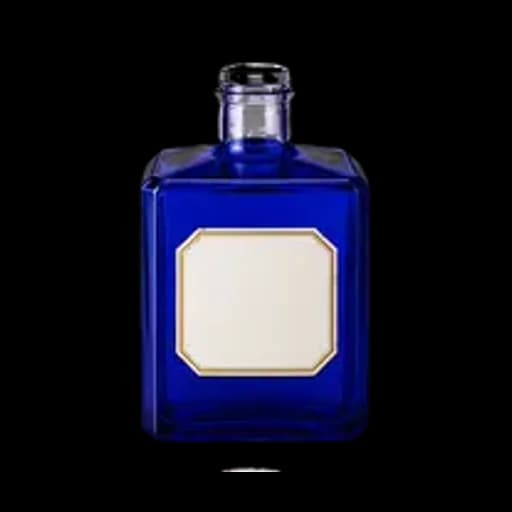
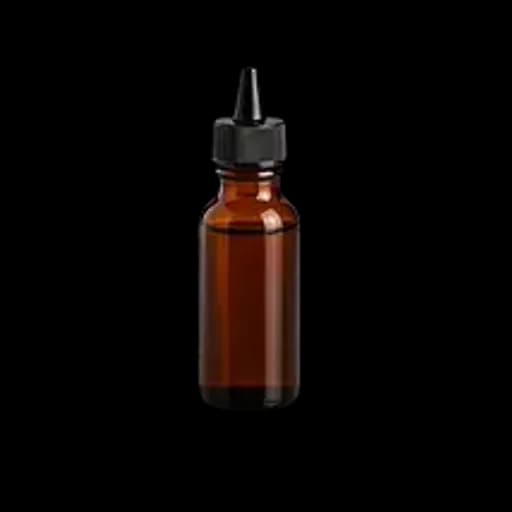
From bottle to glass
Method
- 01
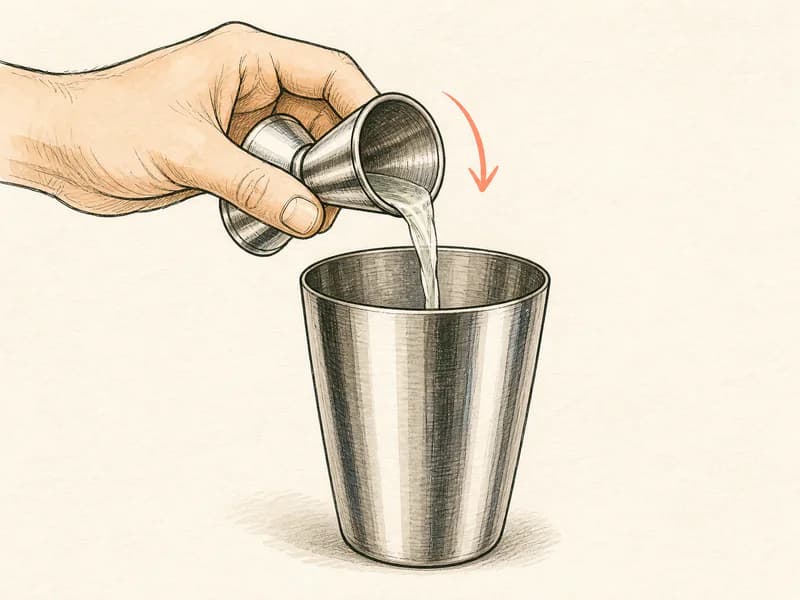
Measure into the shaker Pour 60 ml gin into your shaker
 Gin
Gin
- 02
Measure into the shaker Add 15 ml dry vermouth
 Dry vermouth
- 03
Measure into the shaker Add 4 ml blue curaçao
 Blue curaçao
- 04
Measure into the shaker Add 1 dash Angostura
 Angostura bitters
- 05
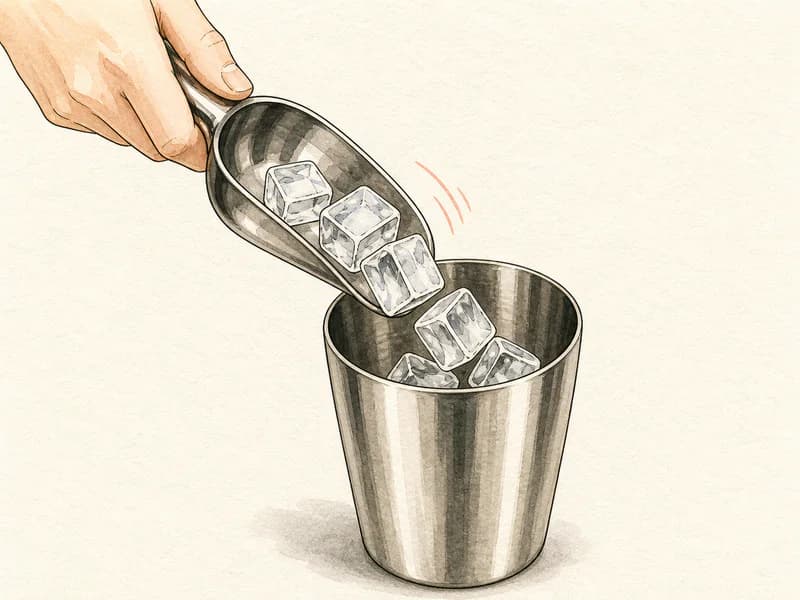
Ice the shaker Fill the shaker with ice
- 06
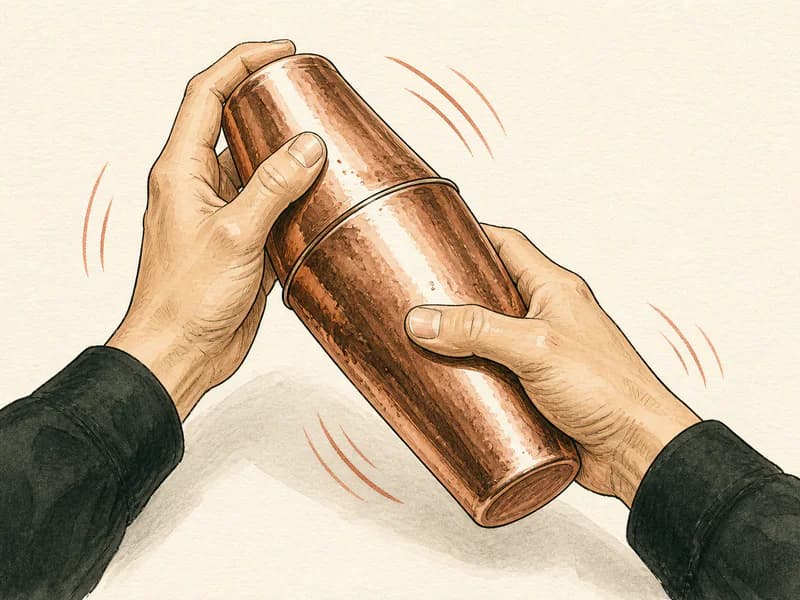
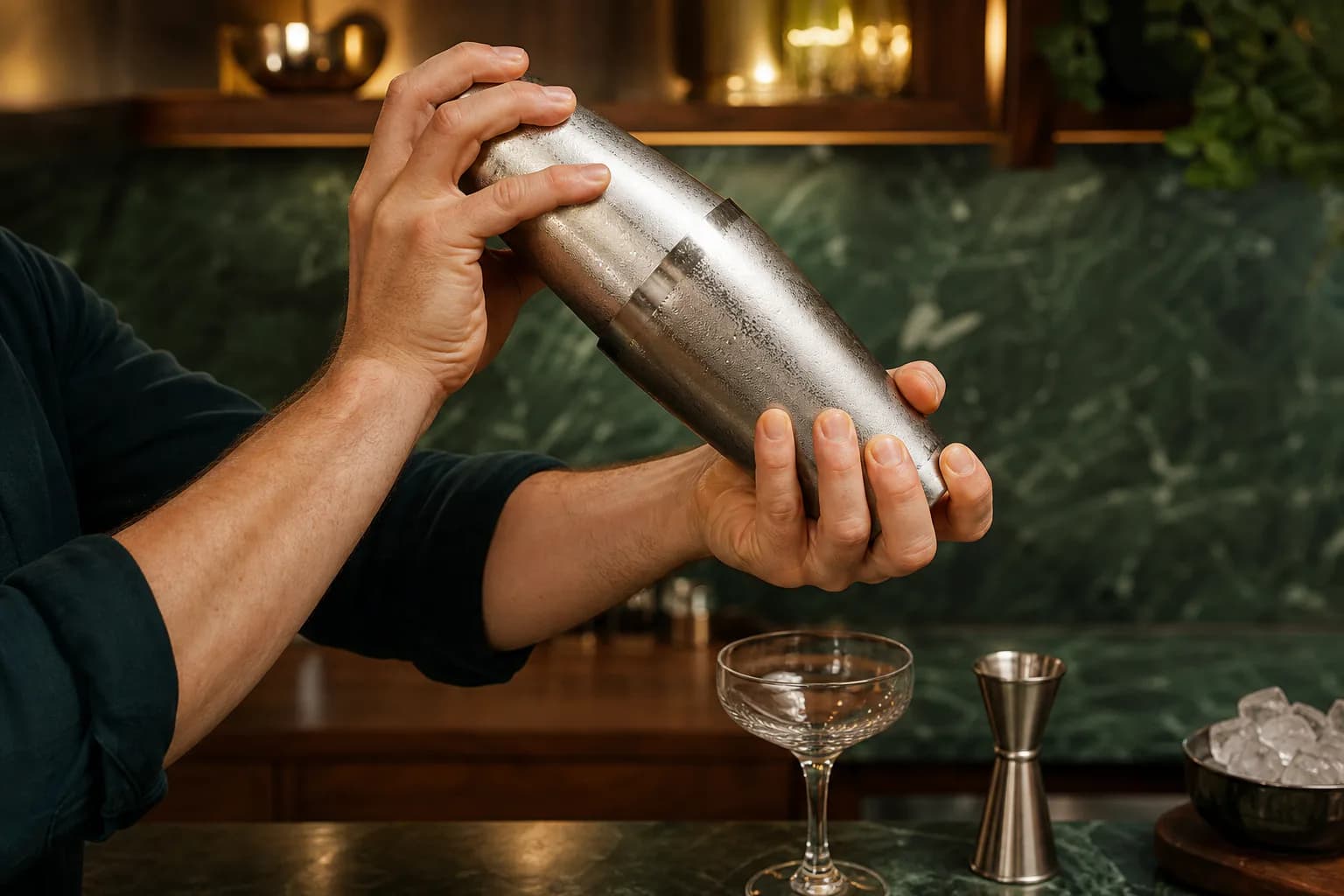
Seal and shake Seal and shake hard
- 07
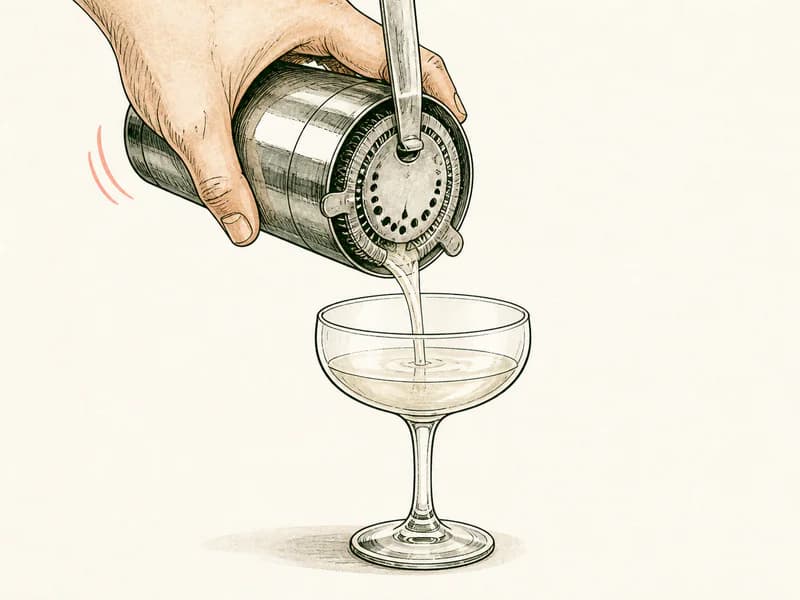
Strain cleanly Strain into a chilled glass — no ice
Know your drink
About the Yale
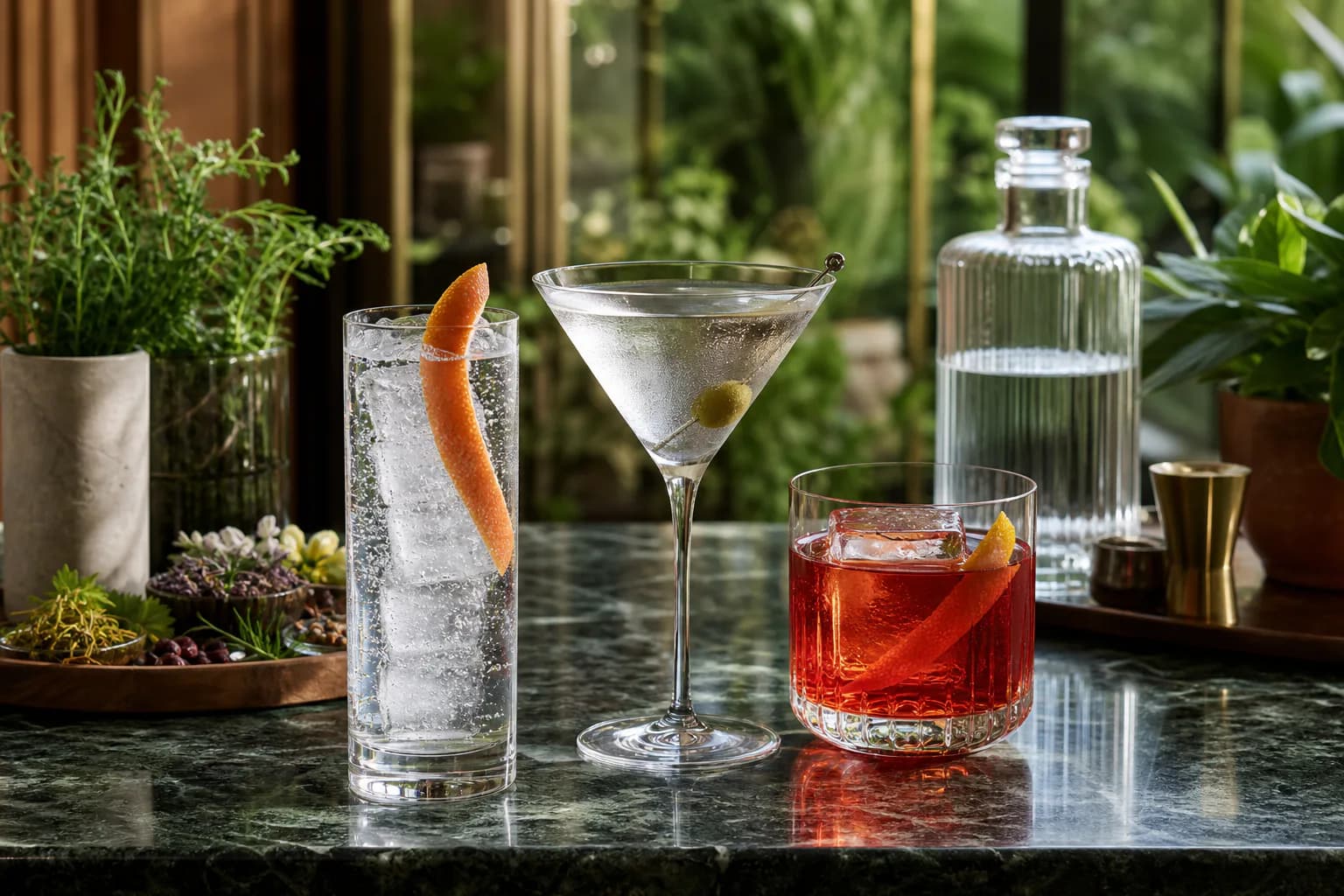
Cocktails named for colleges
Harvard, Princeton, Cornell and this one all turn up in American bar books of the early 1900s, part of a brief fashion for naming drinks after universities and clubs. Most of them share nothing beyond the naming. Harvard is brandy and sweet vermouth, Princeton is gin and port. Yale is the one that stayed in print, mostly on the strength of the color.
Common questions
Yale FAQ
Will 4ml of curaçao really tint the whole glass?
Yes. Blue curaçao is dyed hard enough that a barspoon colors 75ml of clear spirit without trouble. Add Angostura on top and the blue turns gray-lavender rather than turquoise, which looks a great deal better than the volume of blue would lead you to expect.
Does the curaçao actually change how it tastes?
A little, and more than its fans admit. Four milliliters brings enough sugar and orange to take the edge off the vermouth, and the bitters add a spice note a plain Martini has no source for. Call it a seasoned Martini and you are about right.
What do I garnish it with?
Nothing is listed and nothing is strictly needed, but a lemon twist expressed over the surface beats an olive here. Olive brine drags the color muddy within seconds. To underline the curaçao instead, use an orange twist, which adds aroma without adding anything wet.
My version tasted soft. Can I tighten it up?
Cut the vermouth to 10ml and hold the curaçao where it is. Take the curaçao below 4ml and the color goes, which removes the only real argument for making this instead of a Martini. Push the vermouth to 22ml and it turns soft and faintly sticky.
What ingredients are in a Yale?
A classic Yale calls for 60 ml (2 oz) Gin, 15 ml (0.5 oz) Dry vermouth, 4 ml (0.25 oz) Blue curaçao, 1 dash Angostura Angostura bitters. That single-serve spec scales cleanly — the recipe above converts it to oz and multiplies it for 2–4 drinks.
How strong is a Yale?
A standard Yale is roughly 35% ABV once mixed (before ice melt softens it further). That makes it spirit-forward — closer to a Martini than to a beer, so sip it slowly.
Is a Yale shaken or stirred?
A Yale is shaken. About 13 seconds with plenty of ice chills and dilutes it correctly.
Sharpen the technique
Skills used in this recipe
Where to go next
If you like the Yale, try these.
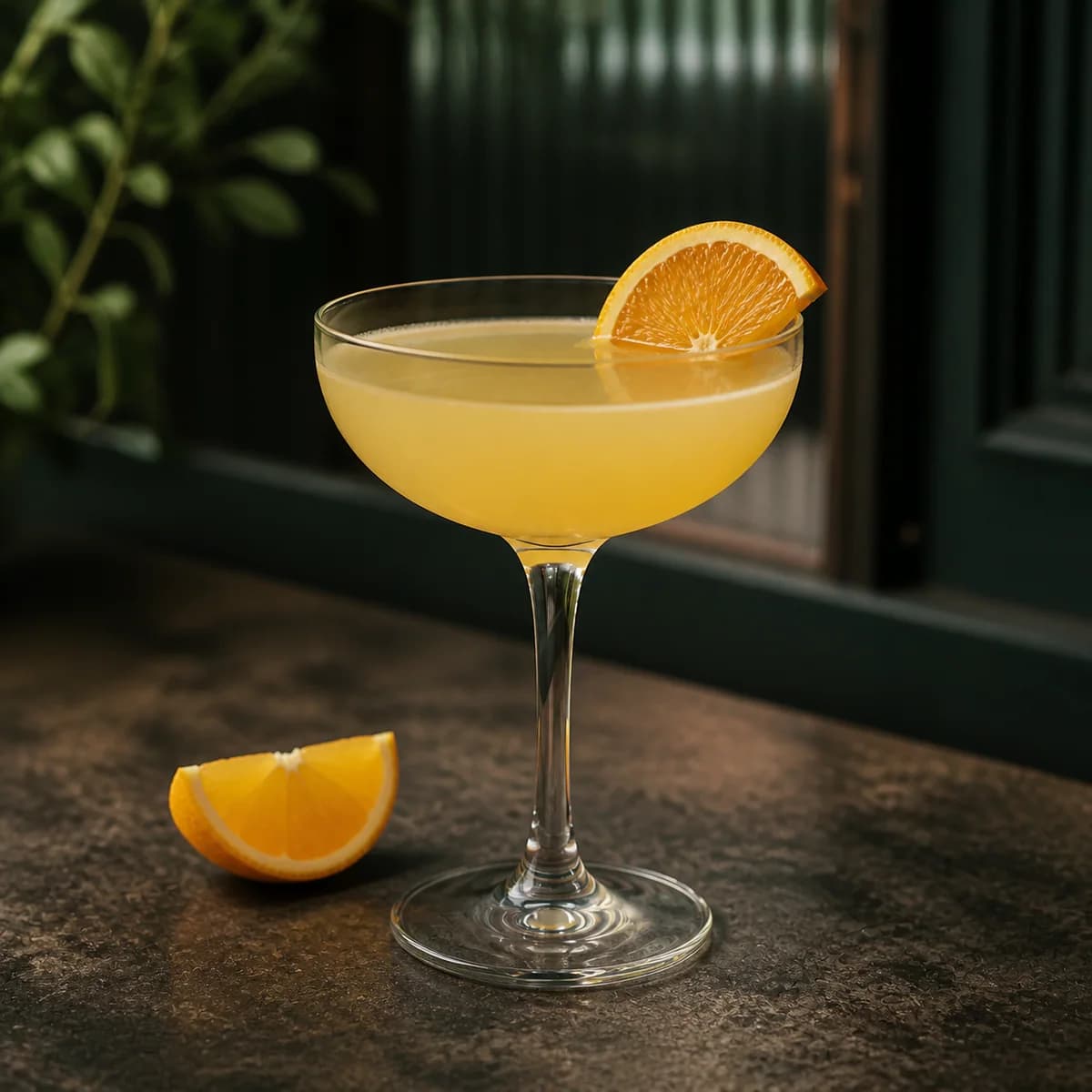
Income Tax
Two dashes of Angostura separate this from a Bronx, and they do more work than that suggests. Spice pulls the orange juice back from breakfast and gives the pair of vermouths something to hold onto.
View recipe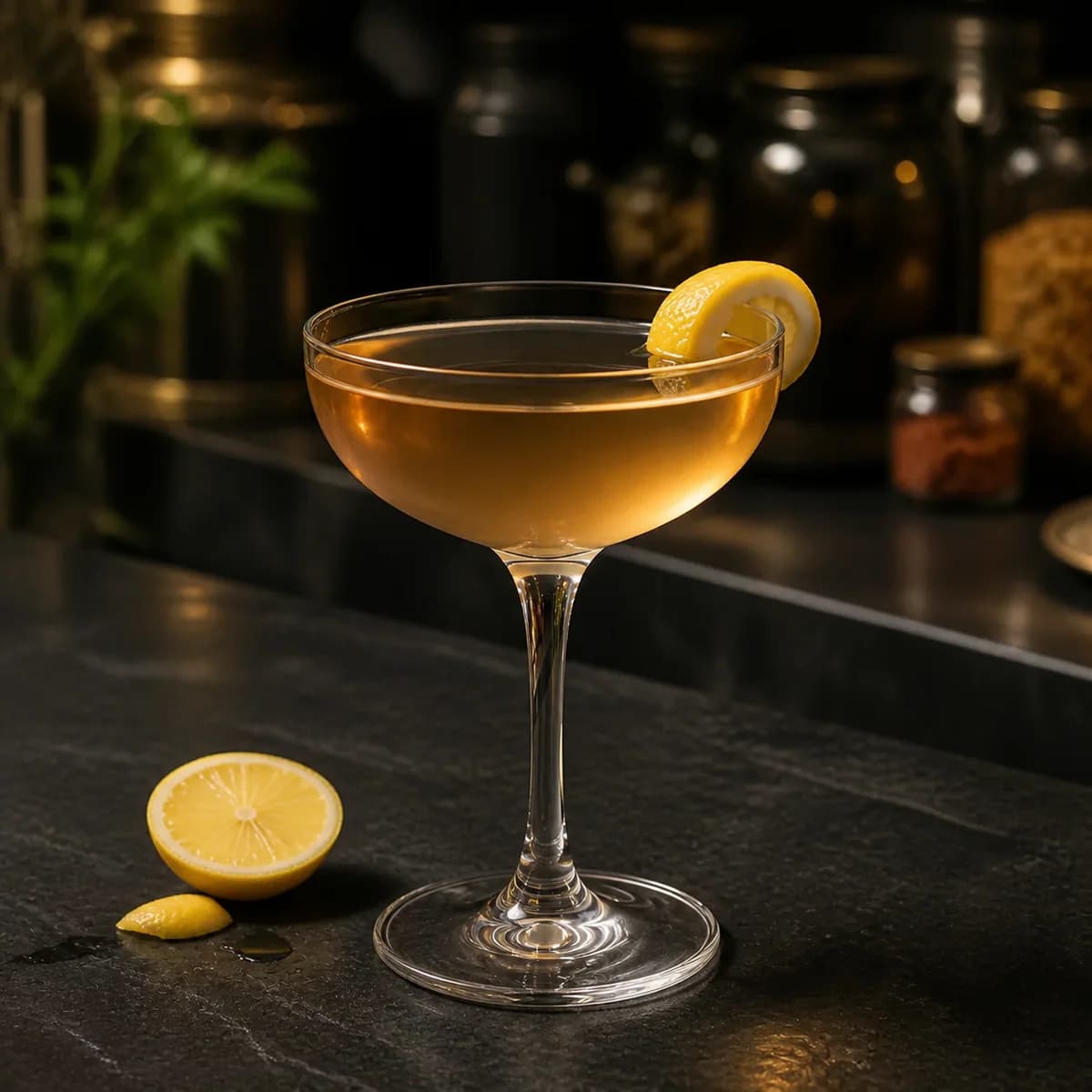
Journalist
Six ingredients, and four of them measured in single teaspoons. Underneath the fussiness sits a Martini carrying both vermouths at once, with a splash of lemon and a teaspoon of orange liqueur to round the edges.
View recipe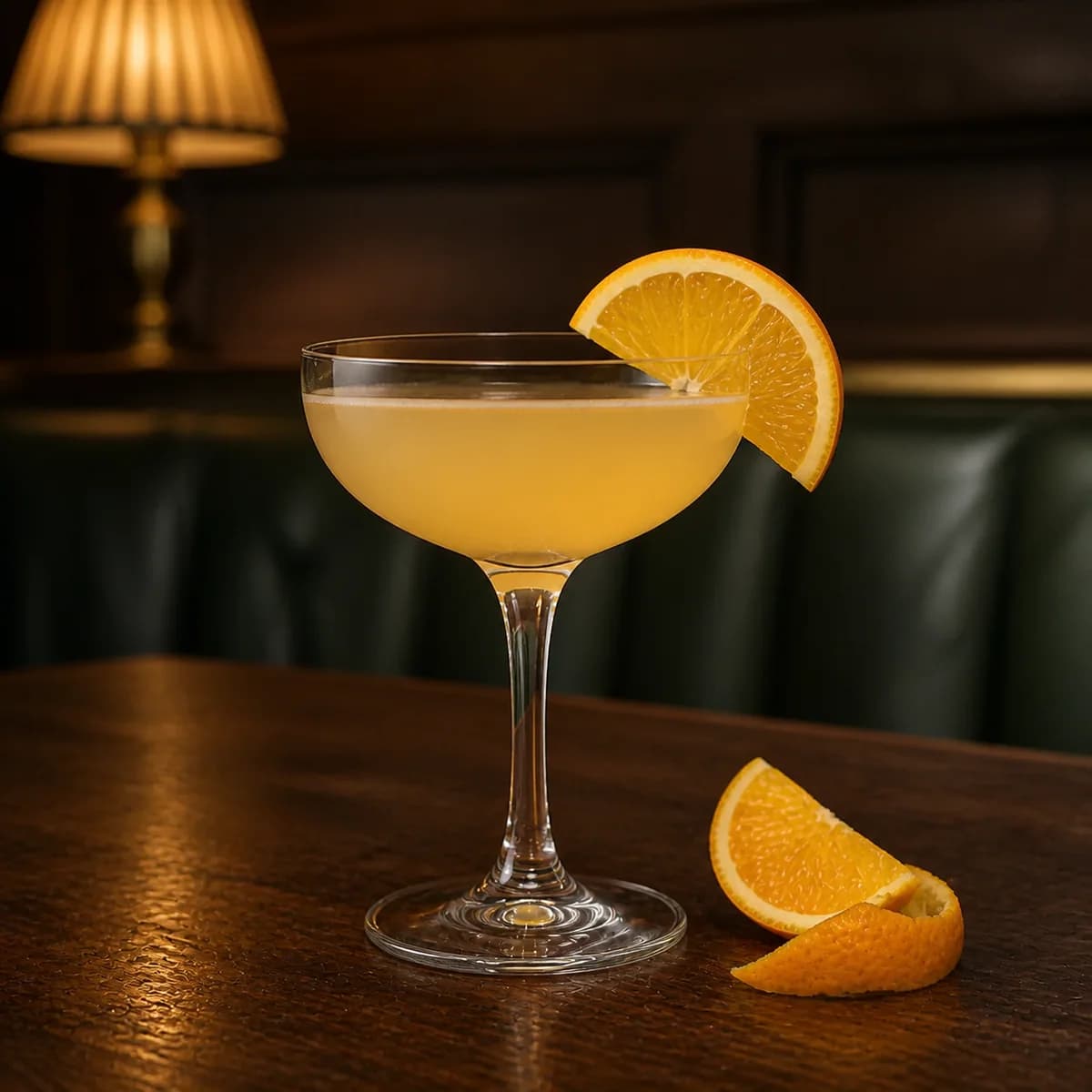
Bronx
A Perfect Martini with a splash of orange juice — gin, both vermouths and fresh orange. A forgotten member of the pre-Prohibition royalty.
View recipe