Classic cocktail · Guided recipe
Abbey
Start makingOrange juice in a gin-and-vermouth drink usually flattens the botanicals. At 22 ml against 45 of gin it does the opposite, brightening the blanc vermouth while a couple of dashes of orange bitters keep the fruit from going soft.
In the glassGin · Blanc vermouth · Orange juice · Orange bitters
See exact amounts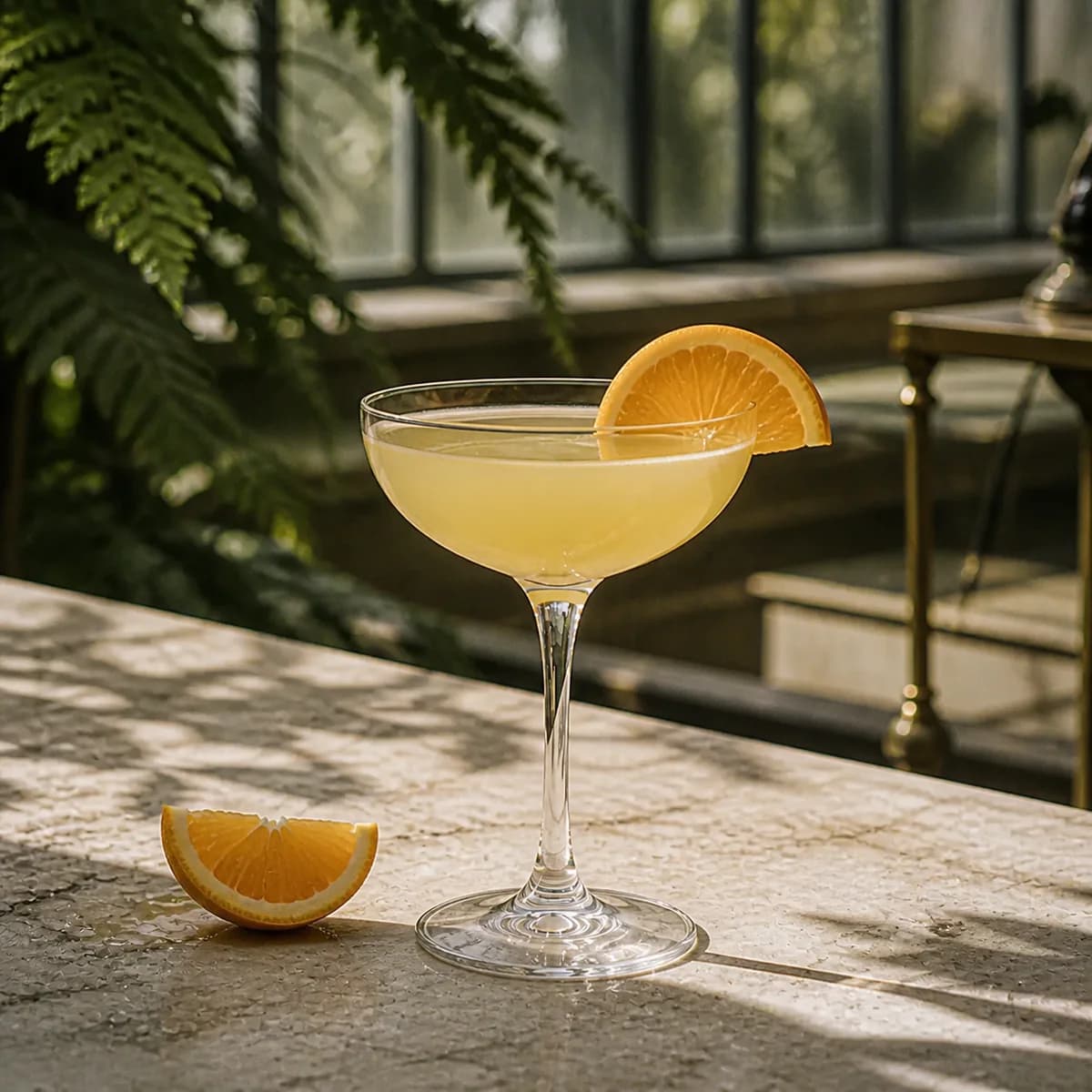
What goes in
Ingredients
Set up before you pour
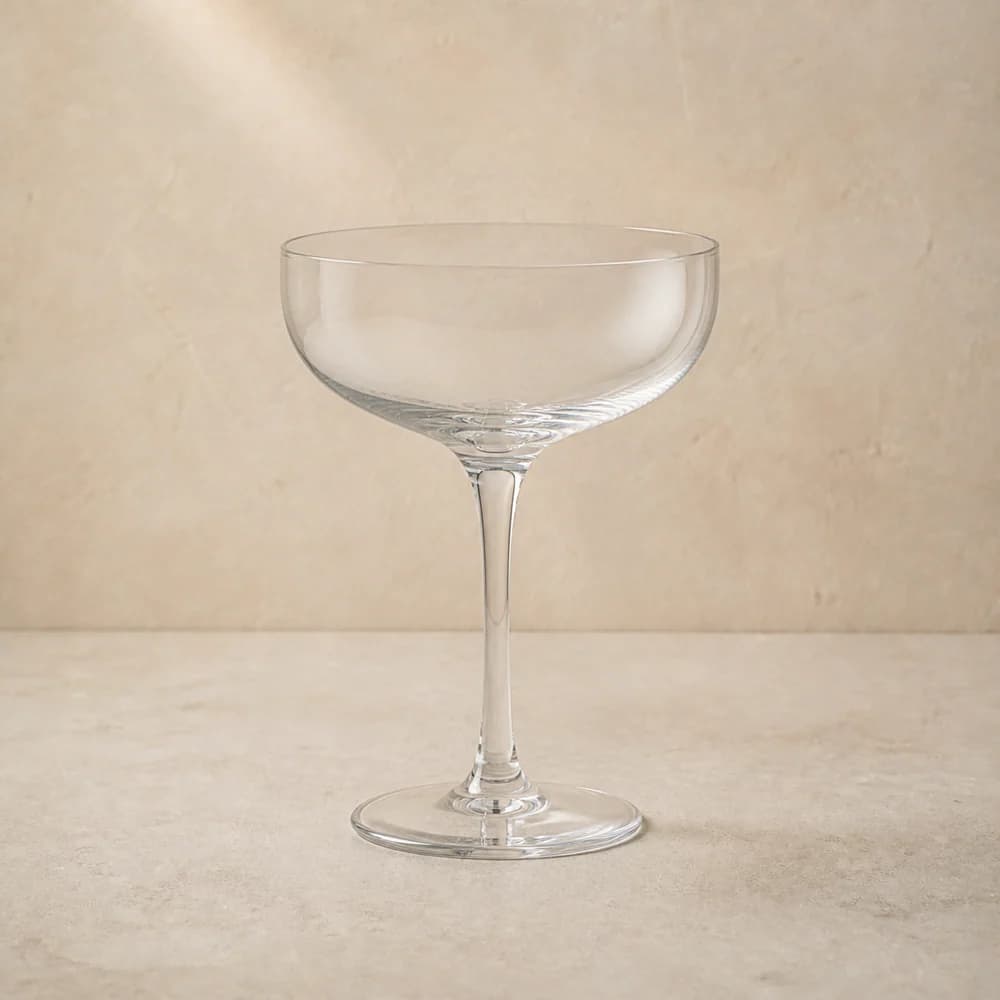
Use a coupe glass.
The stem keeps your hand away from a cold drink, while the rounded bowl makes an up serve easy to sip.
- Standard size
- 200 ml6¾ oz
- Ice & serve
- Chill it first; serve without ice.
- If you don’t own one
- Use a small martini glass or stemmed dessert glass.
- cocktail shaker
- strainer (or a small sieve)
- jigger or measuring spoon
- Gin45 ml
- Blanc vermouth15 ml
- Orange juice22 ml
- Orange bitters2 dashes
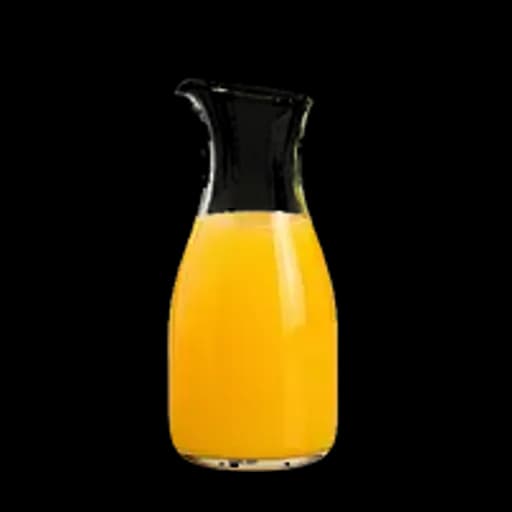
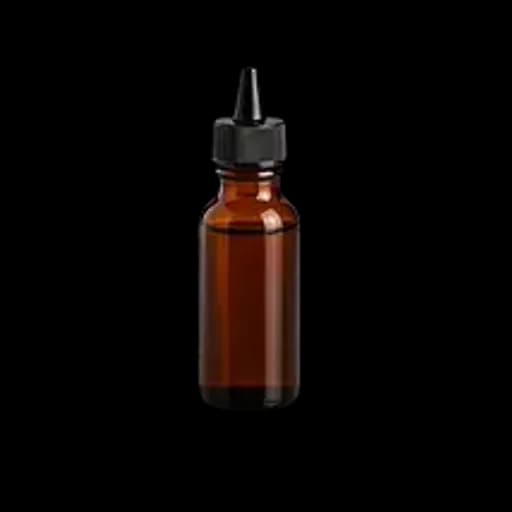
From bottle to glass
Method
- 01
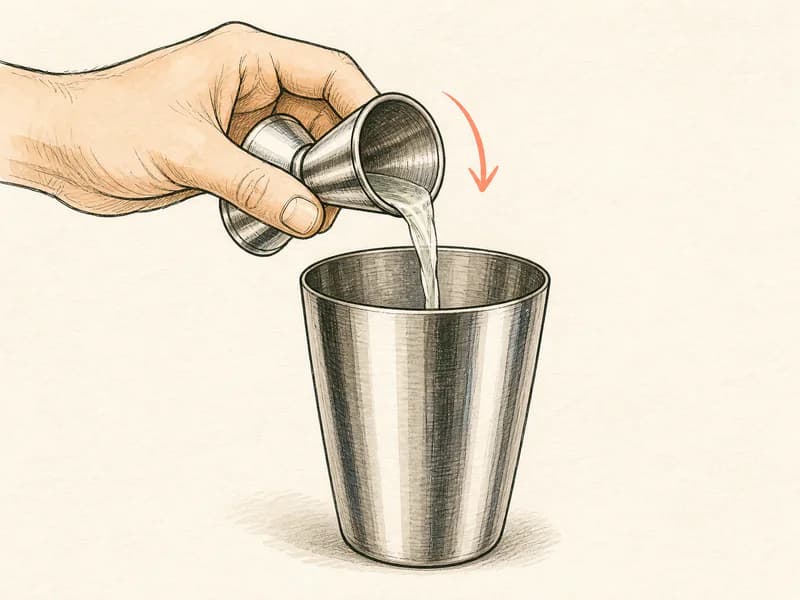
Measure into the shaker Pour 45 ml gin into your shaker
 Gin
Gin
- 02
Measure into the shaker Add 15 ml blanc vermouth
 Blanc vermouth
- 03
Measure into the shaker Add 22 ml orange juice
 Orange juice
- 04
Measure into the shaker Add 2 dashes orange bitters
 Orange bitters
- 05
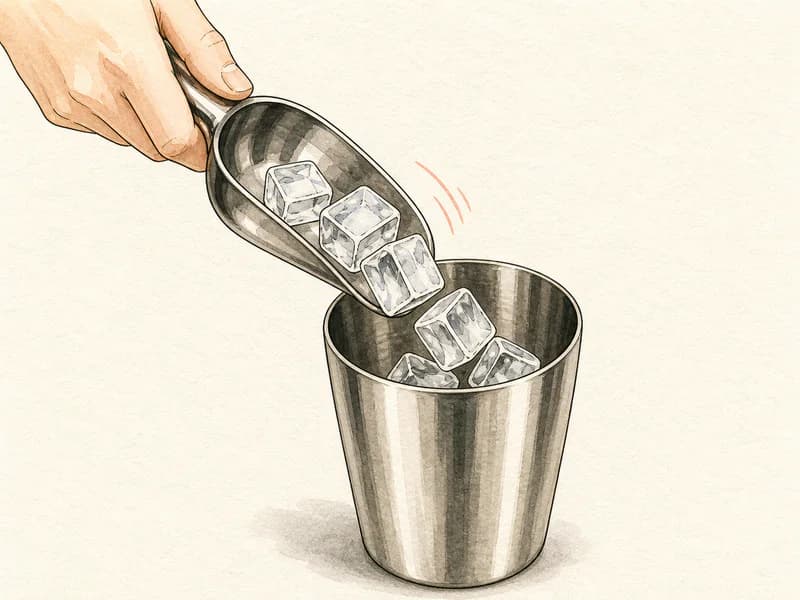
Ice the shaker Fill the shaker with ice
- 06
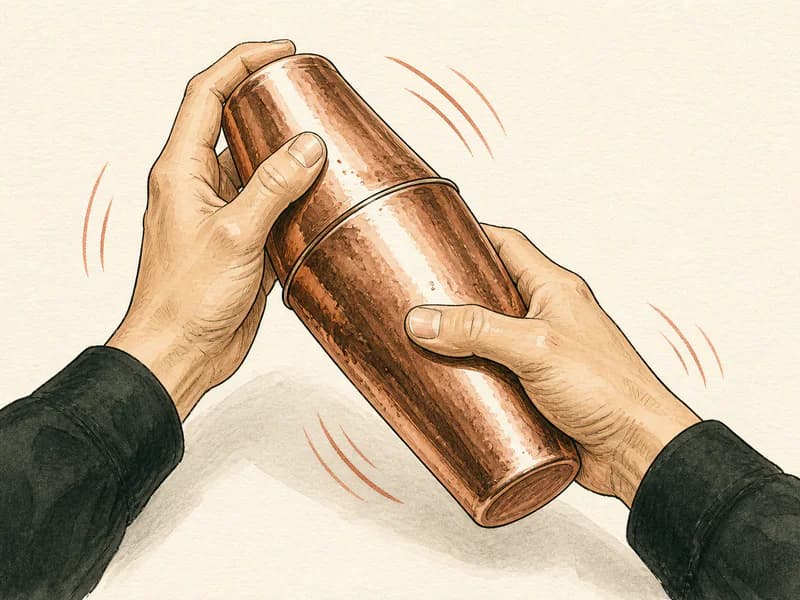
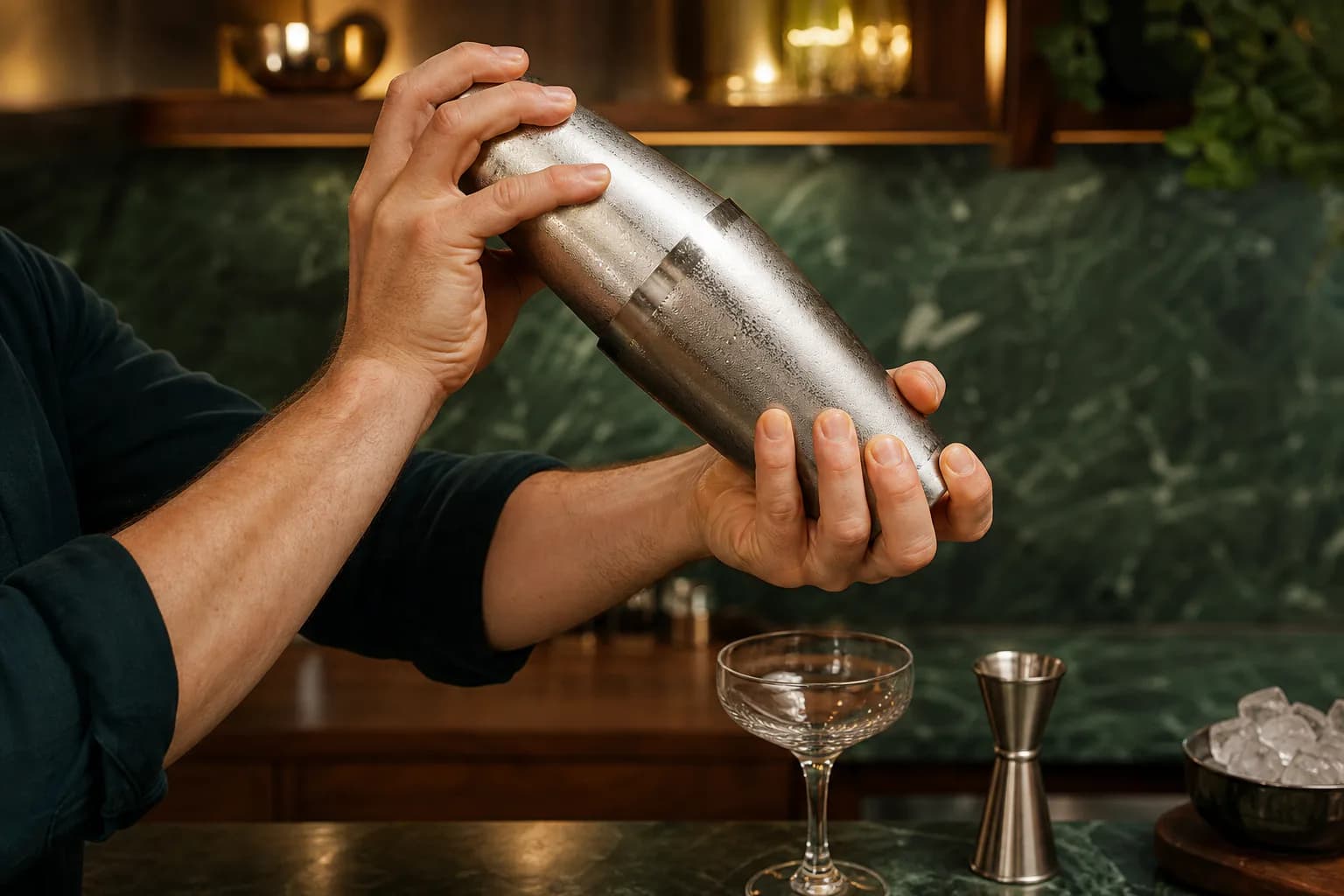
Seal and shake Seal and shake hard
- 07
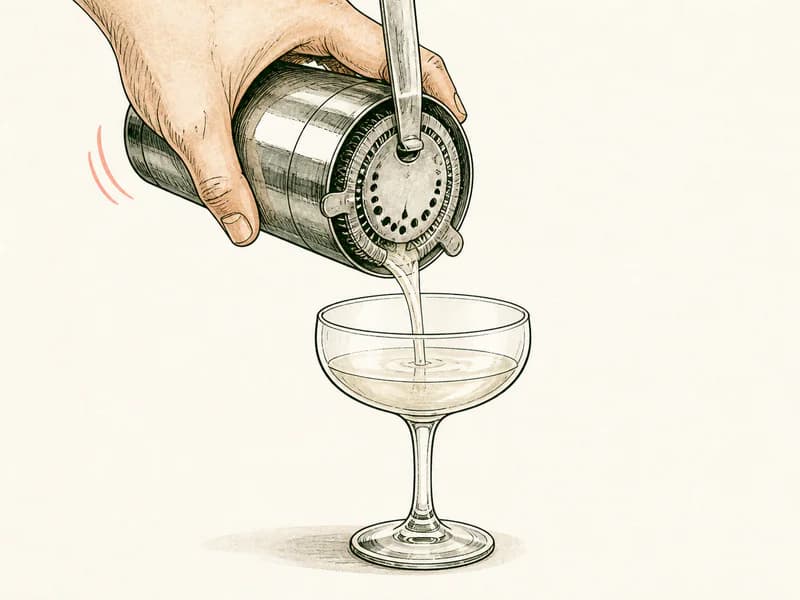
Strain cleanly Strain into a chilled glass — no ice
- 08
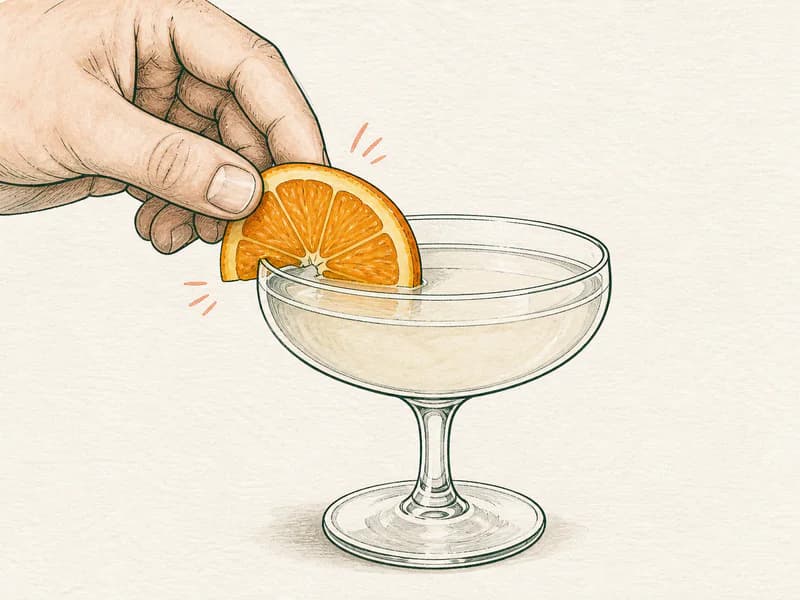
Finish the drink Finish it — add an orange slice
Know your drink
About the Abbey
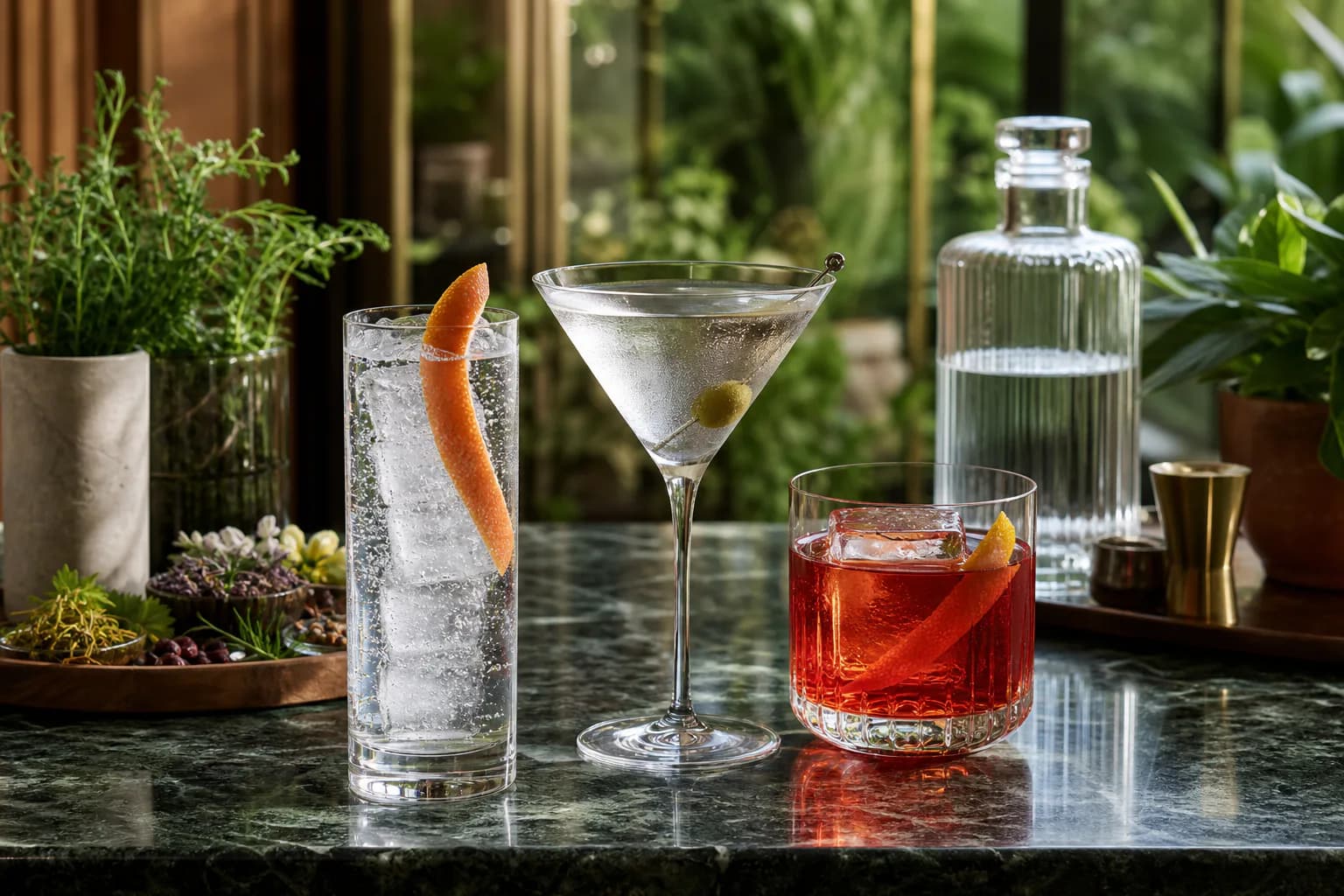
Kina Lillet and after
Printed versions from the 1930s call for Kina Lillet, a quinine-laced aperitif wine that no longer exists in its original form. Today's Lillet Blanc is lighter and far less bitter, which is why blanc vermouth has quietly taken over the slot. To get some of that missing bite back, add a third dash of orange bitters or a bar spoon of tonic syrup.
Common questions
Abbey FAQ
Is Lillet Blanc a fair swap for the blanc vermouth?
Yes, and older printings ask for exactly that. Lillet runs a touch sweeter and more floral, so pull it back to 12 ml. Dry vermouth also works, but the drink turns lean and wants a bar spoon of syrup to fill the gap.
Should it look this cloudy?
Cloudy gold is correct. Shaking citrus pulp with gin aerates it into a light head that settles within a minute or so. If you want it clearer, double-strain through a fine mesh, though you lose some of the texture that makes the juice worth having.
Is this the same as a Bronx?
Close relatives, not the same drink. A Bronx splits sweet and dry vermouth and usually carries more juice, which lands rounder and fruitier. Keeping blanc vermouth alone and adding orange bitters makes this read drier and more aromatic on the same fruit.
Where does the orange aroma go?
Into the air, mostly. Squeezed juice loses its top notes within minutes and shaking finishes the job, which is why this can taste of orange and smell only of gin. Squeeze the fruit right before you pour, then twist a wide piece of the peel over the surface. Oil from the skin carries the smell that juice cannot.
What ingredients are in an Abbey?
A classic Abbey calls for 45 ml (1.5 oz) Gin, 15 ml (0.5 oz) Blanc vermouth, 22 ml (0.75 oz) Orange juice, 2 dashes orange bitters Orange bitters. That single-serve spec scales cleanly — the recipe above converts it to oz and multiplies it for 2–4 drinks.
How strong is an Abbey?
A standard Abbey is roughly 25% ABV once mixed (before ice melt softens it further). That makes it spirit-forward — closer to a Martini than to a beer, so sip it slowly.
Is an Abbey shaken or stirred?
An Abbey is shaken. About 13 seconds with plenty of ice chills and dilutes it correctly.
Sharpen the technique
Skills used in this recipe
Where to go next
If you like the Abbey, try these.
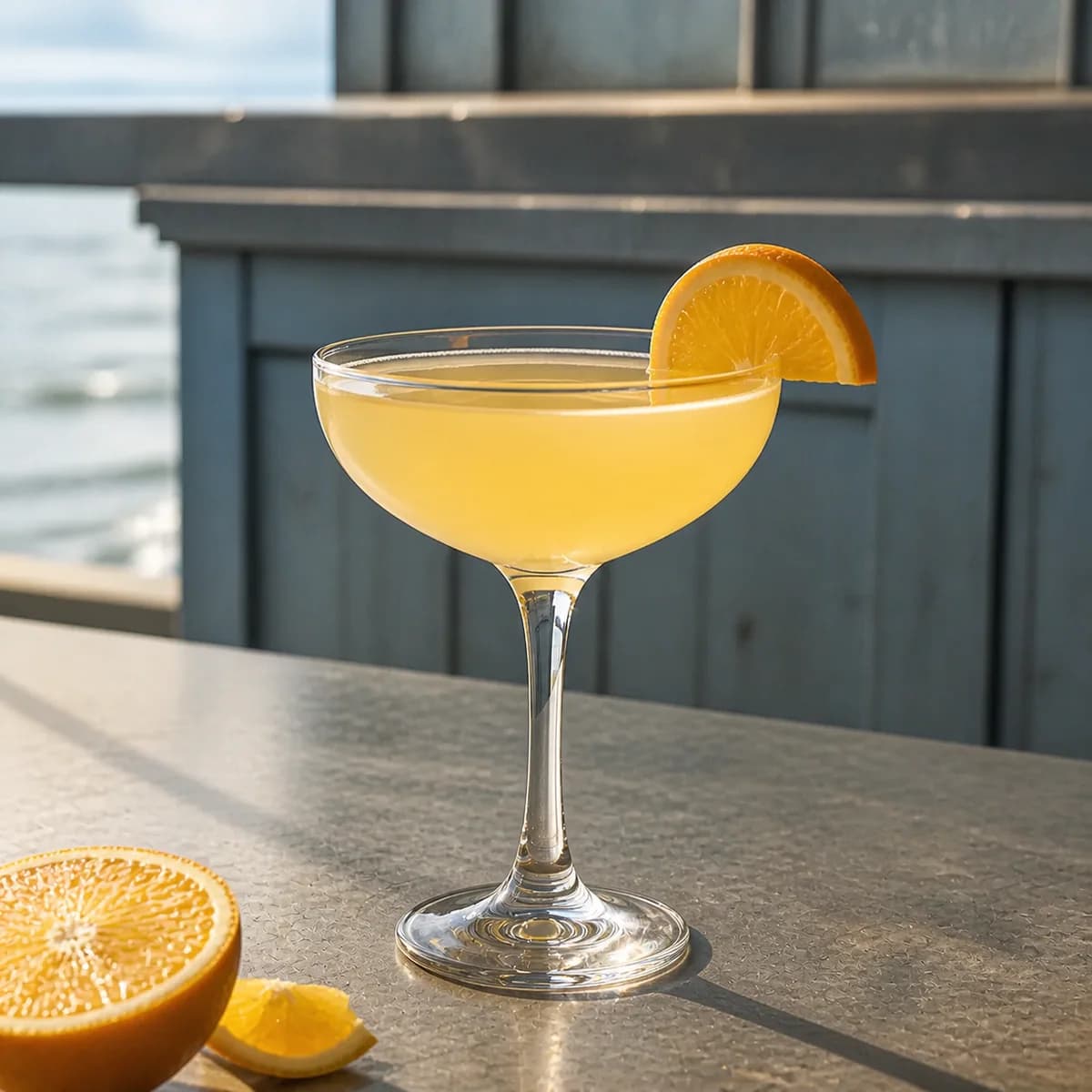
Satan's Whiskers
Five ingredients in equal measure, which sounds like a mess and isn't. Gin, both vermouths, orange juice and Grand Marnier land somewhere between a Bronx and marmalade. Orange bitters are what keep it from sliding into fruit punch.
View recipe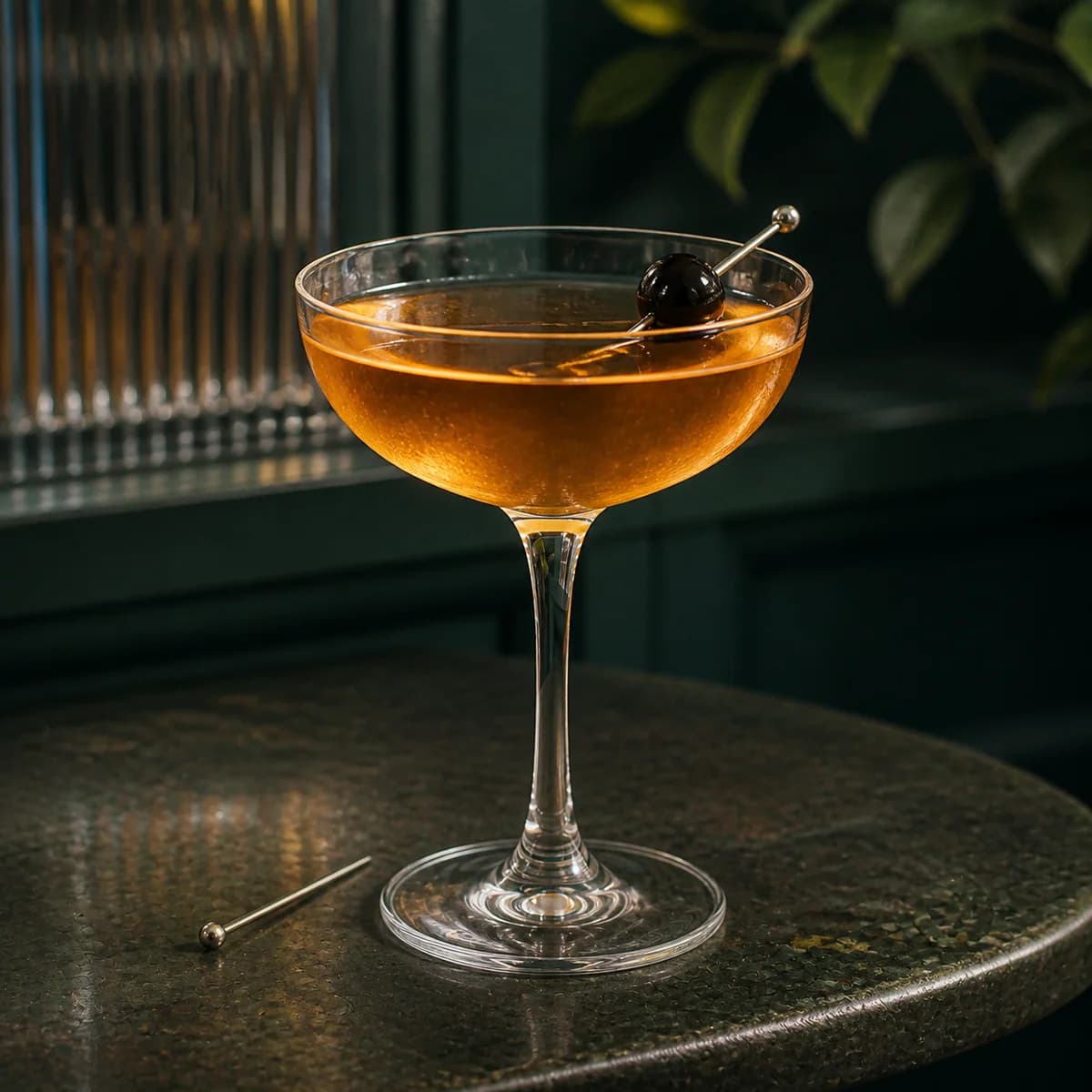
Bijou
“Jewel” in French — equal parts gin, green Chartreuse and sweet vermouth, named for the gem colors of its ingredients. Herbal, bold and beautiful.
View recipe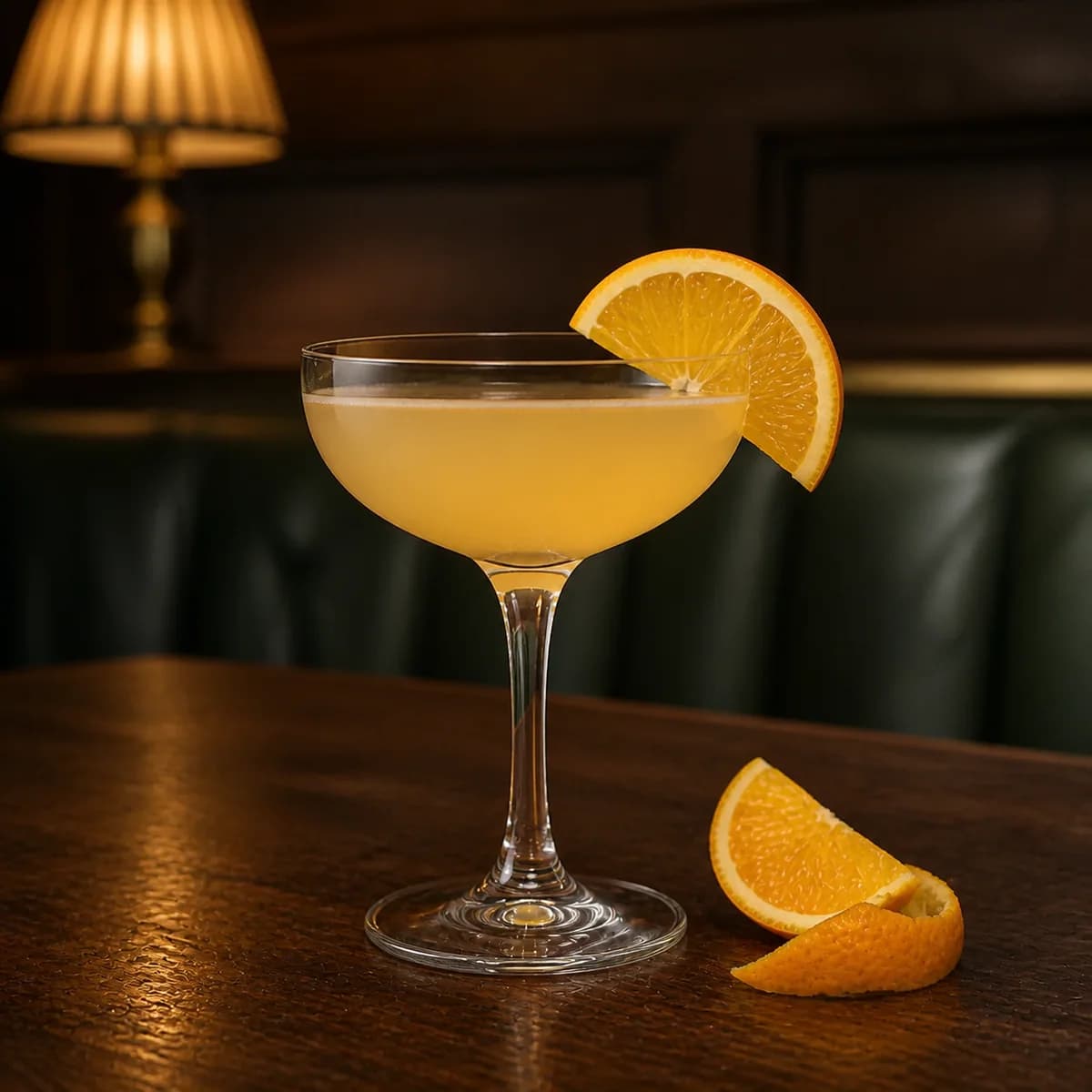
Bronx
A Perfect Martini with a splash of orange juice — gin, both vermouths and fresh orange. A forgotten member of the pre-Prohibition royalty.
View recipe