Classic cocktail · Guided recipe
Algonquin
Start makingPineapple juice in a whiskey drink sounds like a bad idea. Three quarters of an ounce of it against rye and dry vermouth barely reads as fruit at all, more as a softening that takes the hard edge off the vermouth and leaves the whiskey exactly where it was.
In the glassRye whiskey · Dry vermouth · Pineapple juice
See exact amounts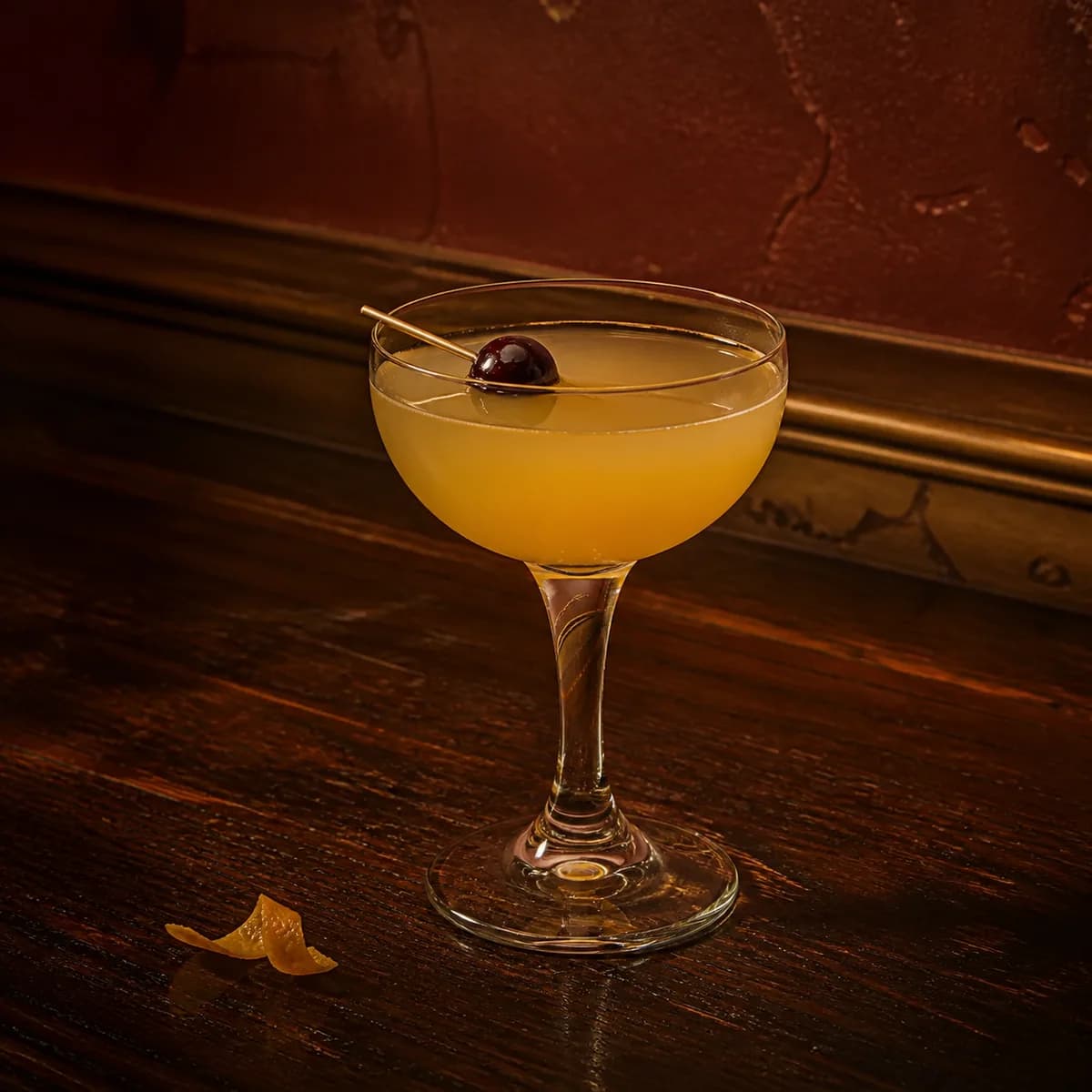
What goes in
Ingredients
Set up before you pour
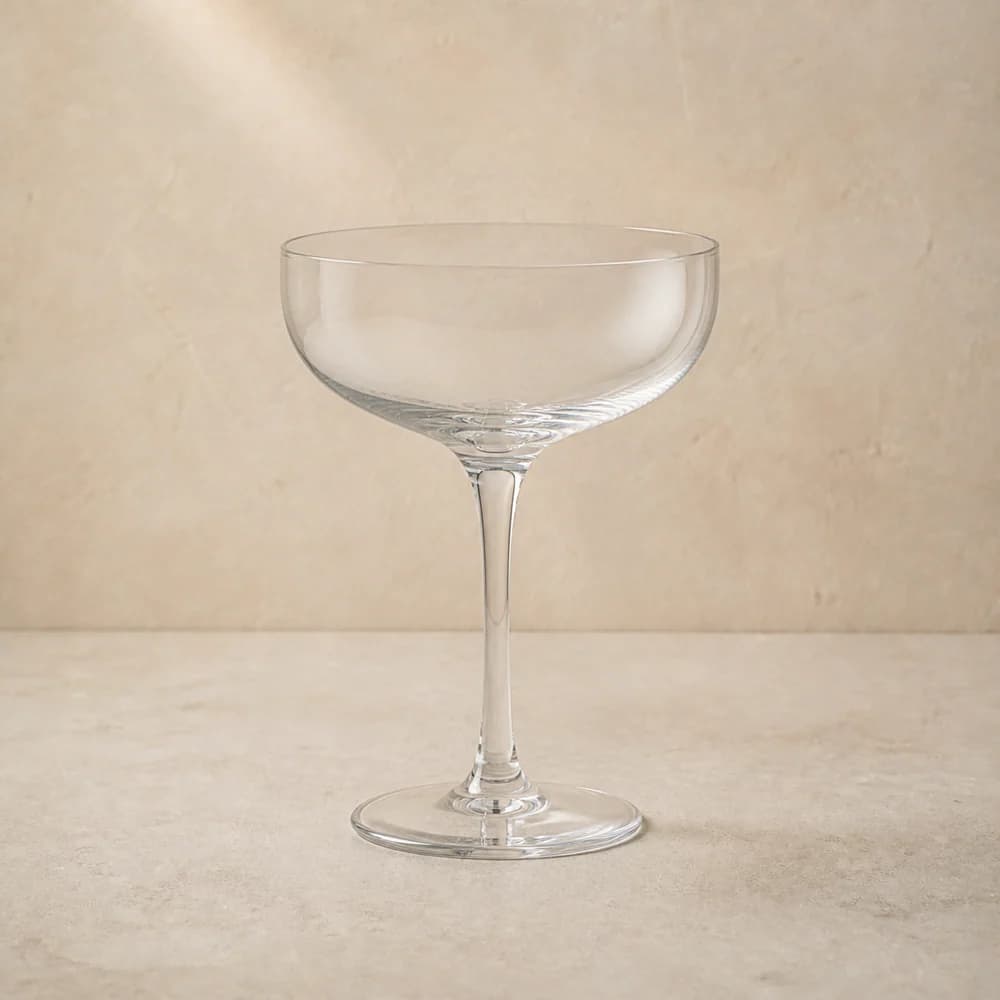
Use a coupe glass.
The stem keeps your hand away from a cold drink, while the rounded bowl makes an up serve easy to sip.
- Standard size
- 200 ml6¾ oz
- Ice & serve
- Chill it first; serve without ice.
- If you don’t own one
- Use a small martini glass or stemmed dessert glass.
- cocktail shaker
- strainer (or a small sieve)
- jigger or measuring spoon
- Rye whiskey45 ml
- Dry vermouth22 ml
- Pineapple juice22 ml
From bottle to glass
Method
- 01
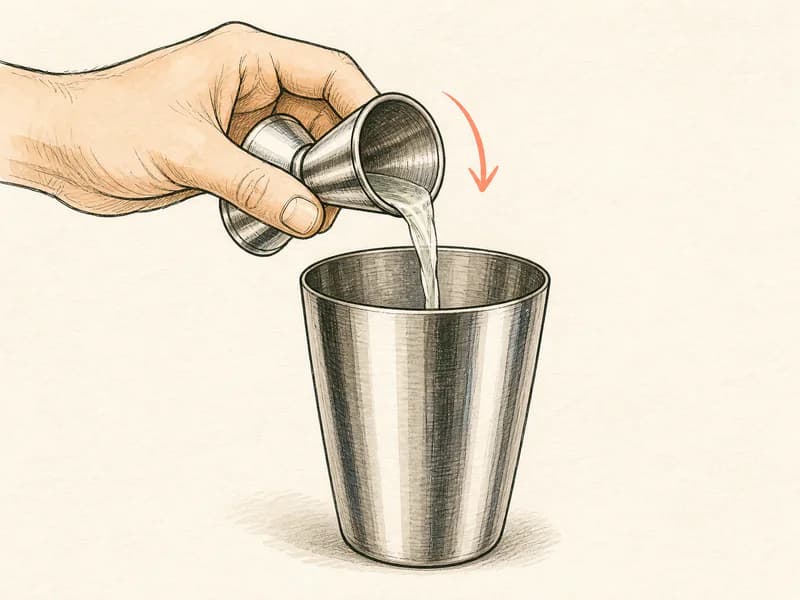
Measure into the shaker Pour 45 ml rye whiskey into your shaker
 Rye whiskey
- 02
Measure into the shaker Add 22 ml dry vermouth
 Dry vermouth
- 03
Measure into the shaker Add 22 ml pineapple juice
 Pineapple juice
- 04
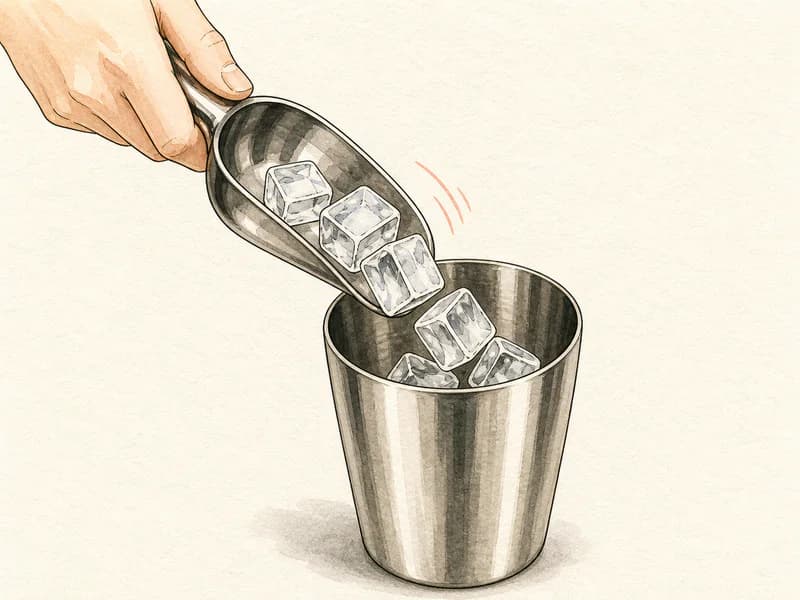
Ice the shaker Fill the shaker with ice
- 05
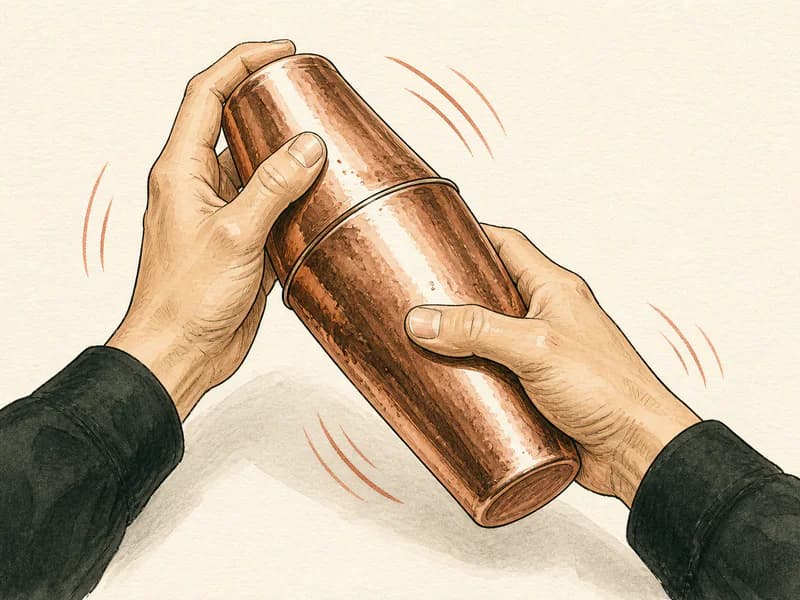
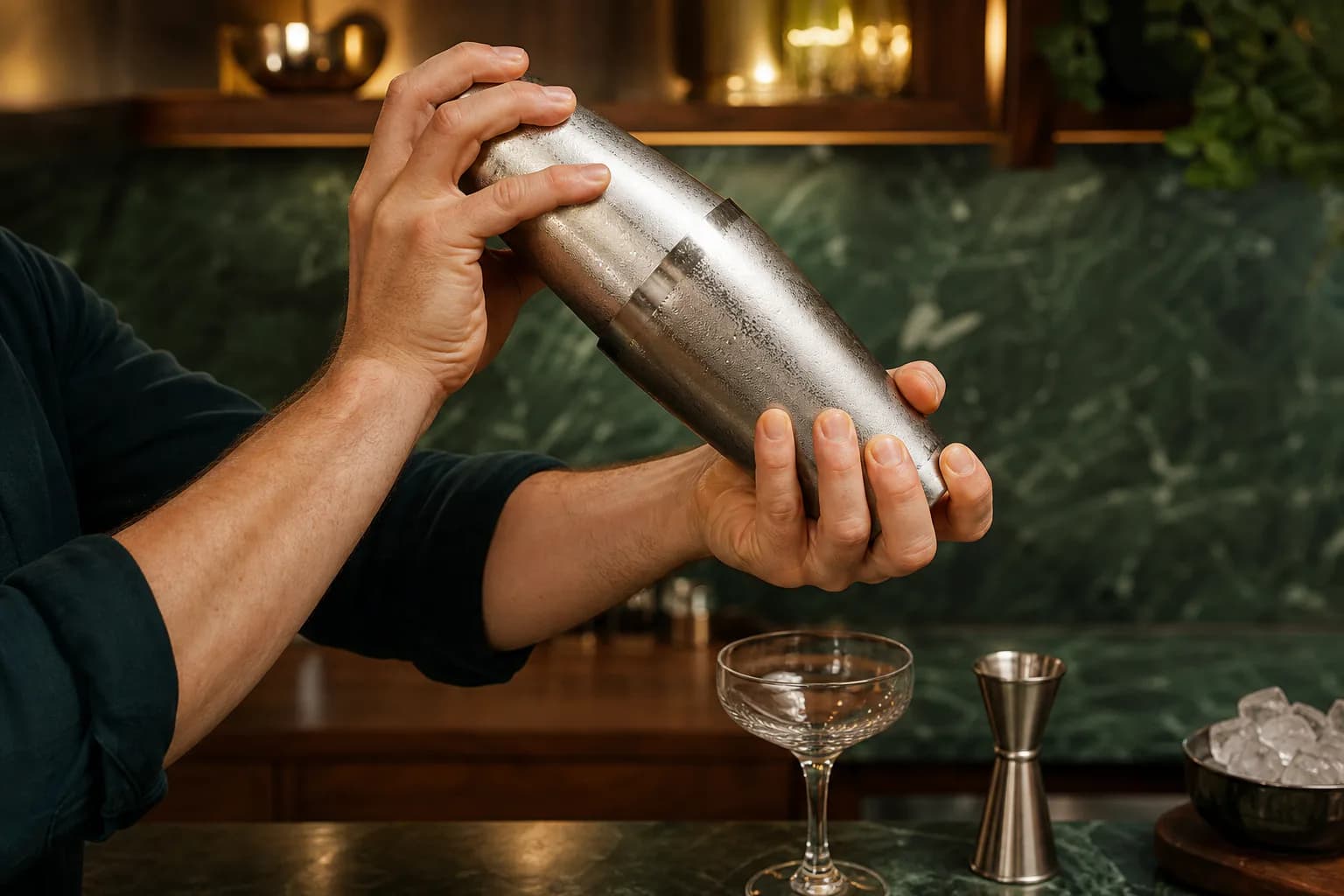
Seal and shake Seal and shake hard
- 06
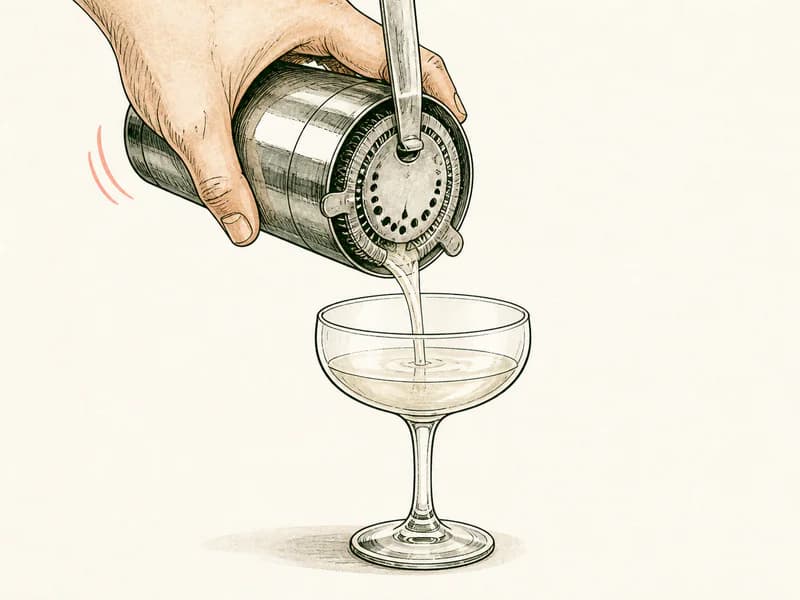
Strain cleanly Strain into a chilled glass — no ice
- 07
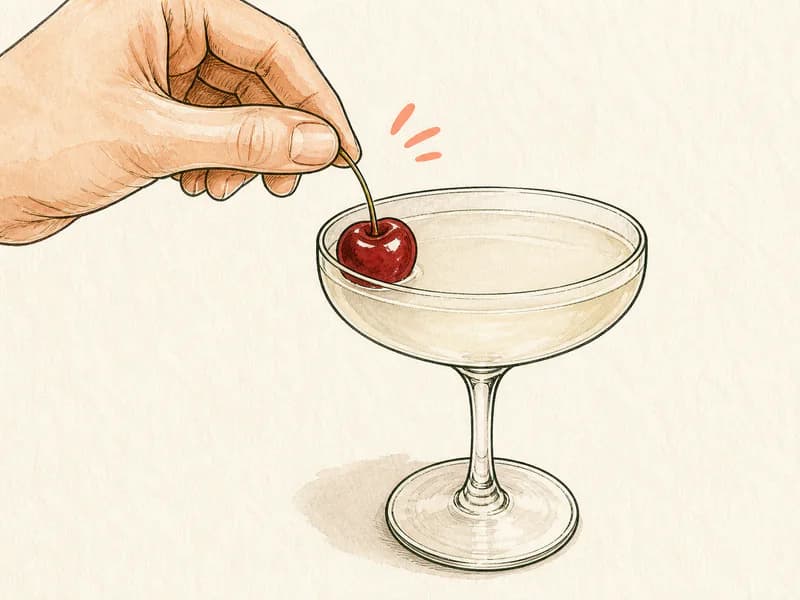
Finish the drink Finish it — add a cocktail cherry
Know your drink
About the Algonquin
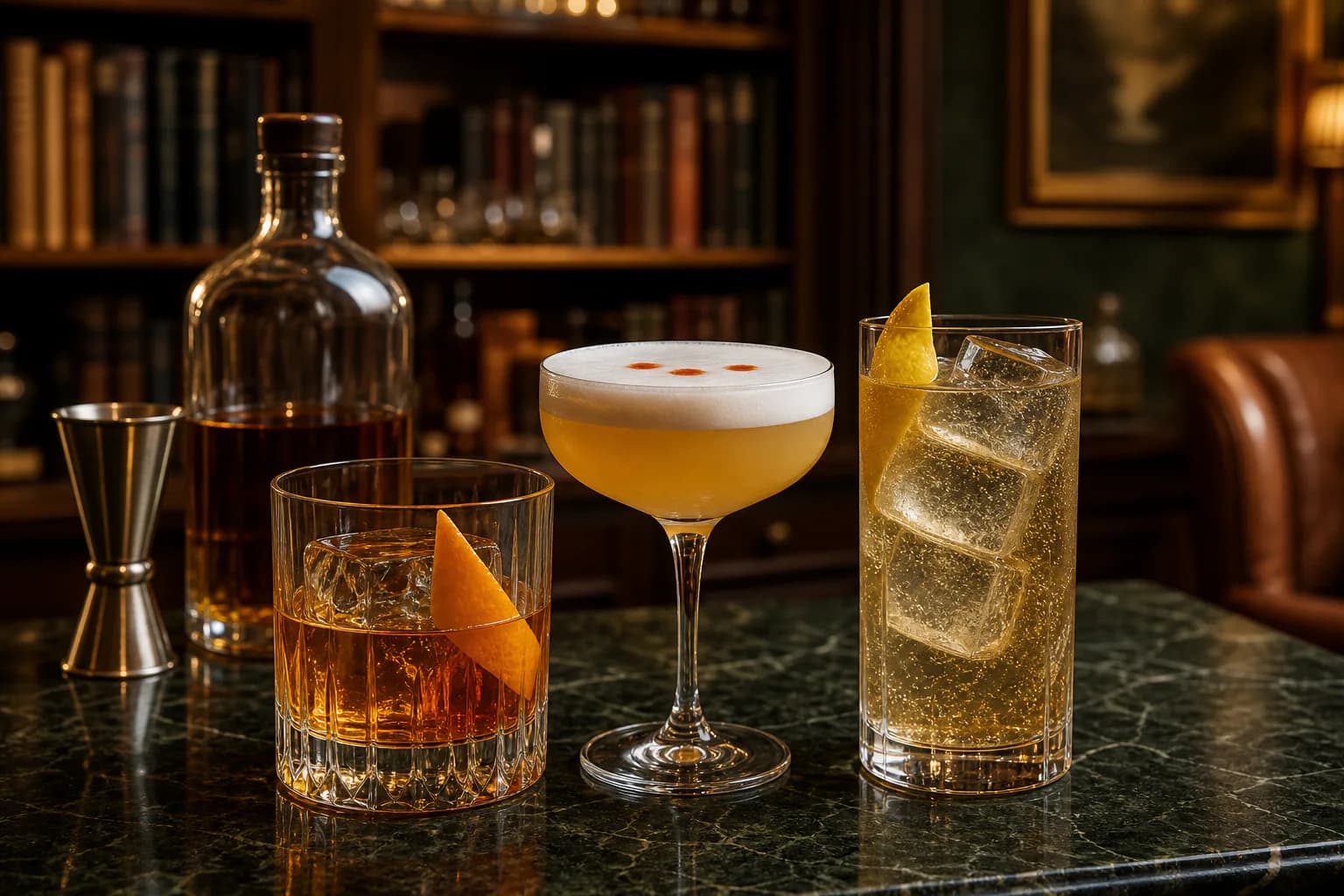
Pineapple's long bar career
Pineapple was a fixture of nineteenth-century American drinking, mostly as pineapple syrup and pineapple-infused rum, long before canned juice made it a supermarket item. Punches leaned on it constantly. By the time the Algonquin was written down, juice in a tin had made the ingredient both easy and slightly unfashionable, which is why it shows up in a rye cocktail of that period and almost nowhere afterward.
One thing to get right: the rye needs proof behind it. Against 44 ml of vermouth and juice combined, a gentle 40 percent bottle goes quiet and what is left is an odd little fruit drink. Anything from 45 percent upward keeps the pepper legible through the pineapple, which is the entire point of the combination.
Common questions
Algonquin FAQ
Why is there pineapple in a whiskey drink at all?
Acid and sugar, mostly. Nothing else in the build supplies either, and 22 ml of juice gives you both at a fraction of what a lemon-and-syrup sour would need. The tropical flavor is almost incidental. Take the pineapple out and you have a dry Manhattan with rye, which is a fine drink and a duller one.
There's foam on top. Is that supposed to happen?
Pineapple juice does that. It carries enough protein and fine pulp to whip into a light head when shaken hard, the same way it froths in a blender. The foam settles within a minute or two and harms nothing. Shake for less time if you would rather have it clear.
Which rye holds up against 22 ml of juice?
One with proof behind it. Rittenhouse Bonded at 50 percent or Wild Turkey 101 both cut through, and so does anything with real rye in the mash rather than the legal minimum. At 40 percent the whiskey turns into a background note and the pineapple ends up running a drink it was never meant to run.
Was it really named after the Algonquin Hotel?
The name points that way, and the drink appears in print in the 1930s when the hotel's Round Table was at its most famous. Nobody has produced a menu or a bartender's name to connect the two. Plenty of books state it flatly anyway. Treat it as a likely story, not a settled one.
What ingredients are in an Algonquin?
A classic Algonquin calls for 45 ml (1.5 oz) Rye whiskey, 22 ml (0.75 oz) Dry vermouth, 22 ml (0.75 oz) Pineapple juice. That single-serve spec scales cleanly — the recipe above converts it to oz and multiplies it for 2–4 drinks.
How strong is an Algonquin?
A standard Algonquin is roughly 27% ABV once mixed (before ice melt softens it further). That makes it spirit-forward — closer to a Martini than to a beer, so sip it slowly.
Is an Algonquin shaken or stirred?
An Algonquin is shaken. About 13 seconds with plenty of ice chills and dilutes it correctly.
Sharpen the technique
Skills used in this recipe
Where to go next
If you like the Algonquin, try these.
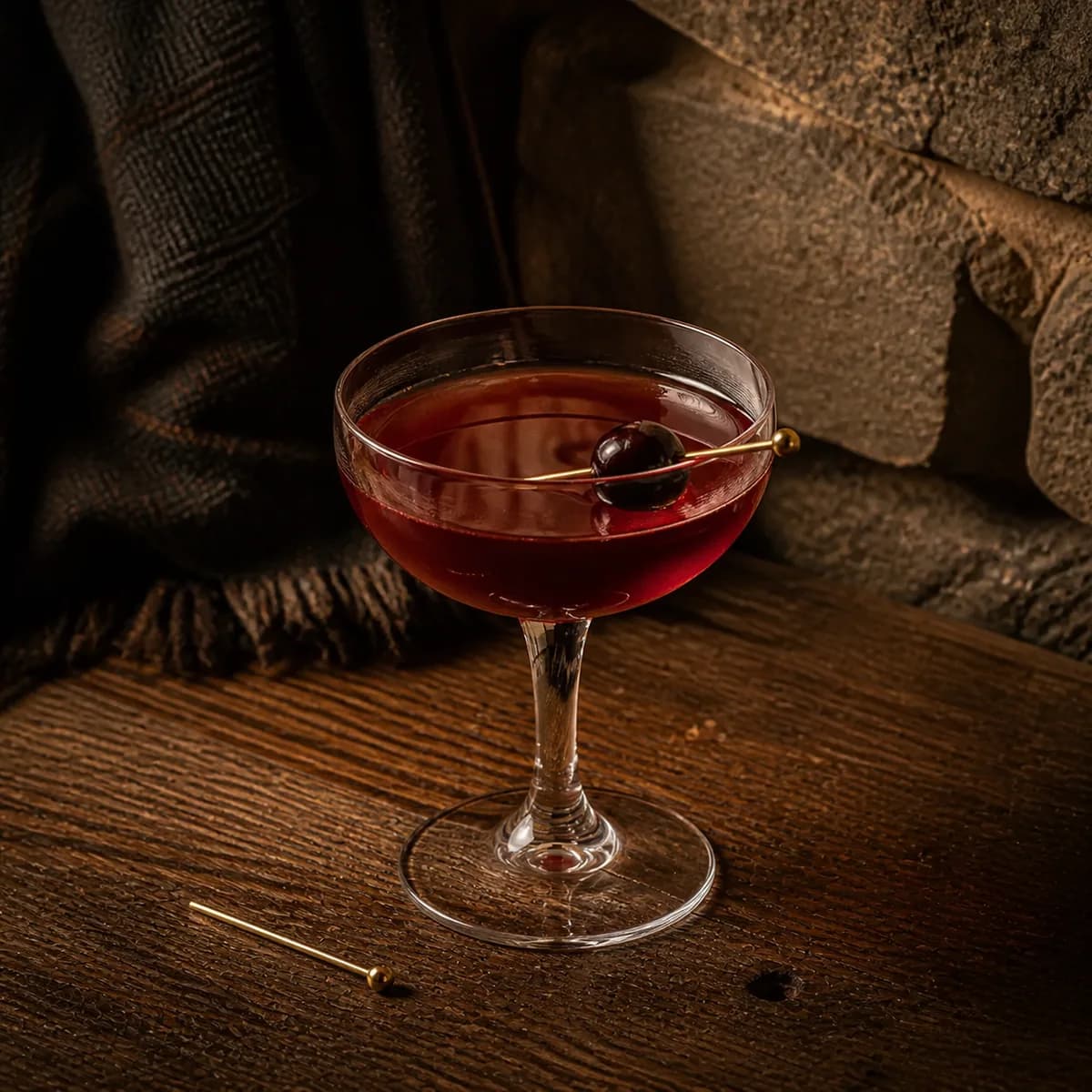
Brooklyn
A drier cousin of the Manhattan from the borough itself: rye, dry vermouth, a little maraschino and a bitter amaro. Sharp and grown-up.
View recipe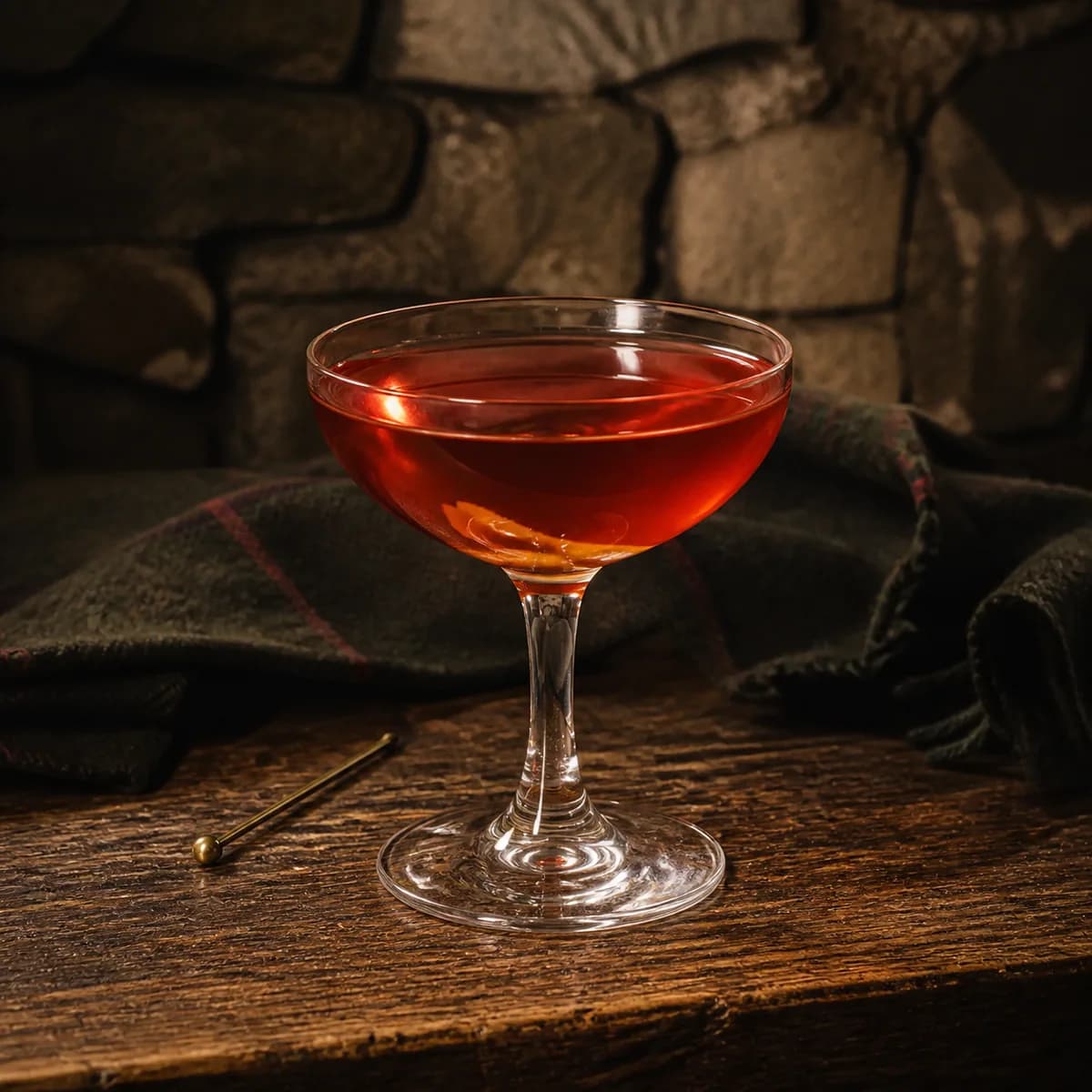
Old Pal
A drier, whiskey-based cousin of the Negroni: rye, dry vermouth and Campari in equal parts.
View recipe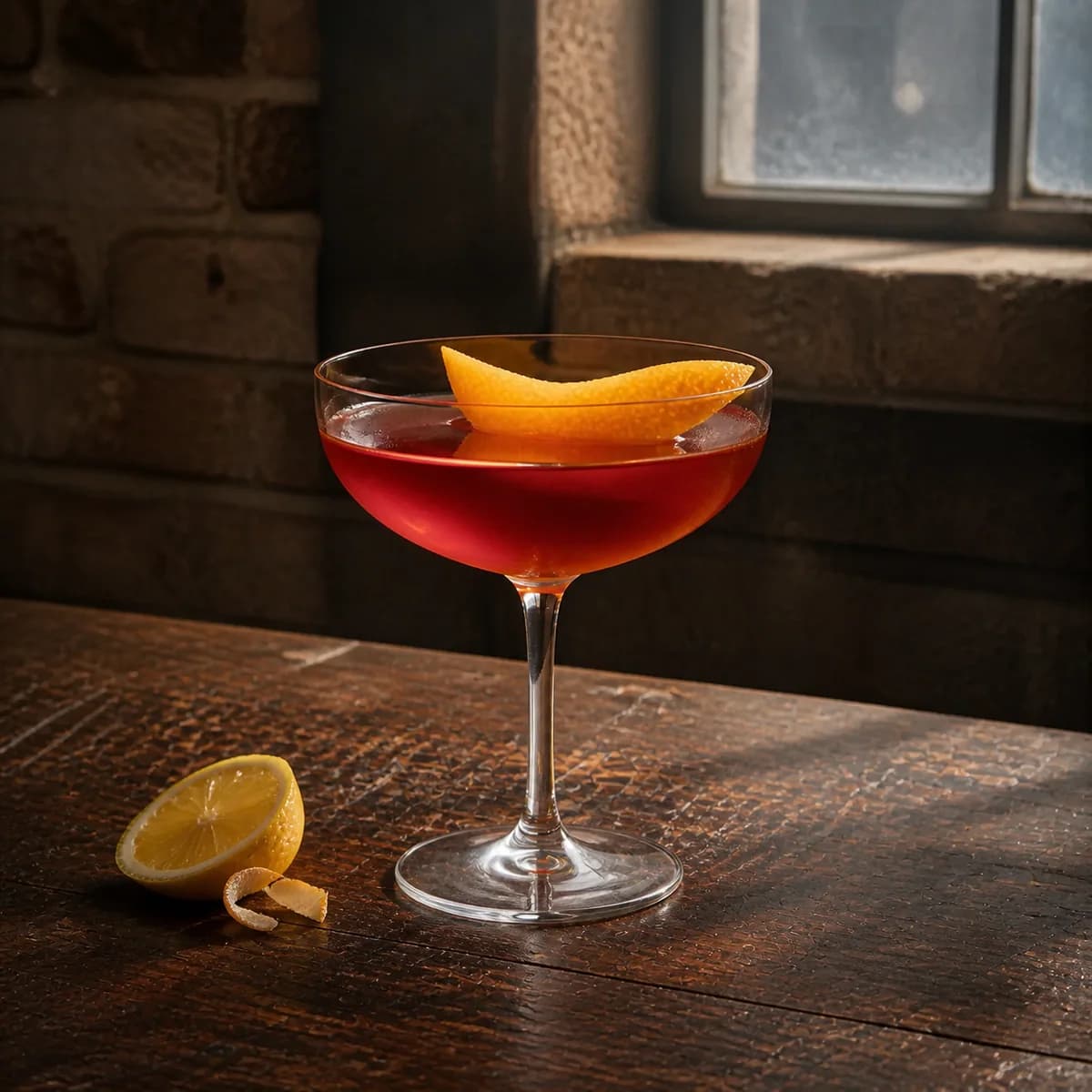
Scofflaw
Dry vermouth is the part people skip, and it's the part that makes this work. It cuts the sugar out of a whiskey sour and leaves something leaner and more savory, with grenadine there for color and a thin line of fruit rather than sweetness.
View recipe