Classic cocktail · Guided recipe
Aperol Sour
Start makingOnly 11% alcohol in the base, which is why this drinks like an aperitif rather than a sour. Lemon does most of the work, and the small pour of syrup is there to round the edges, not to sweeten anything.
In the glassAperol · Fresh lemon juice · Simple syrup
See exact amounts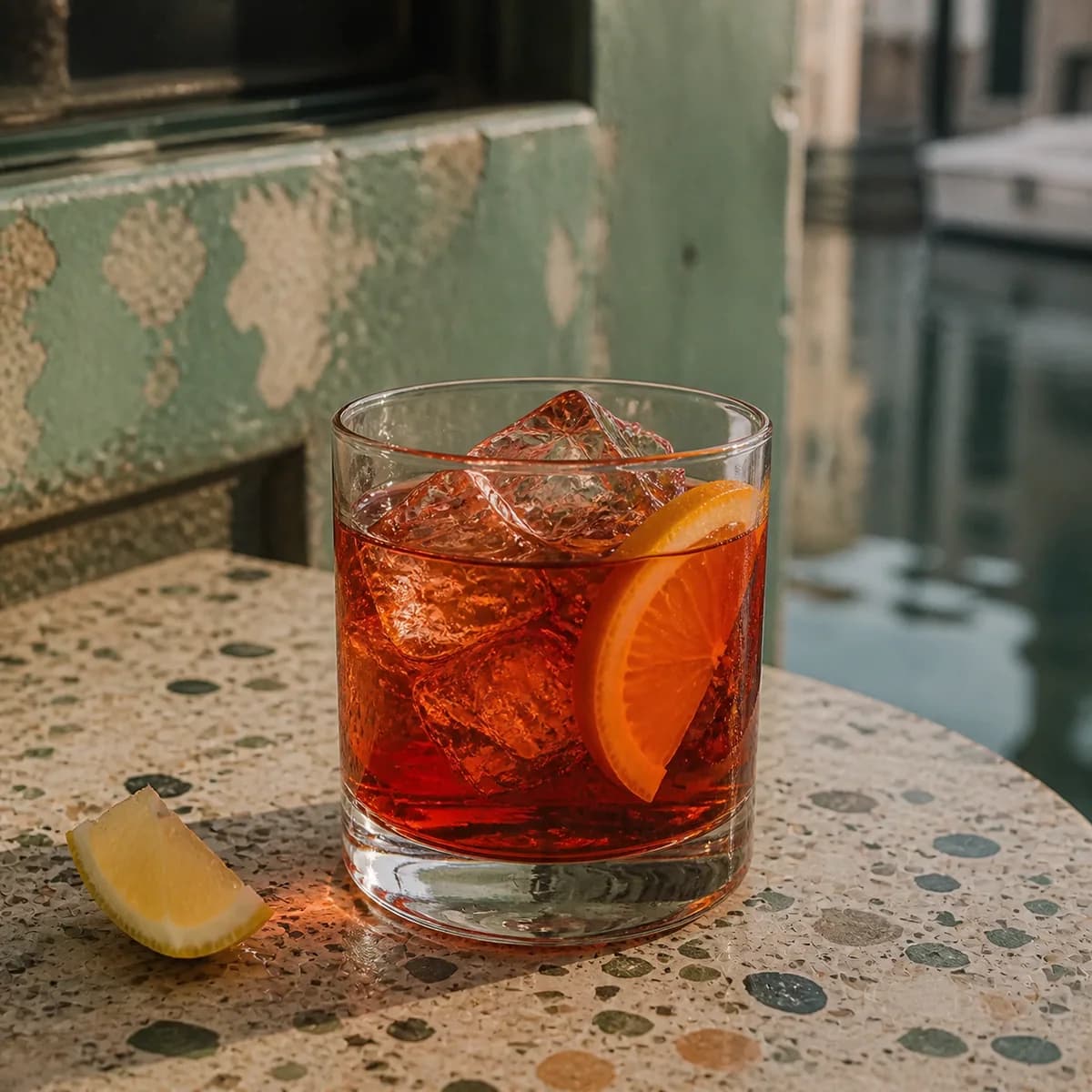
What goes in
Ingredients
Set up before you pour
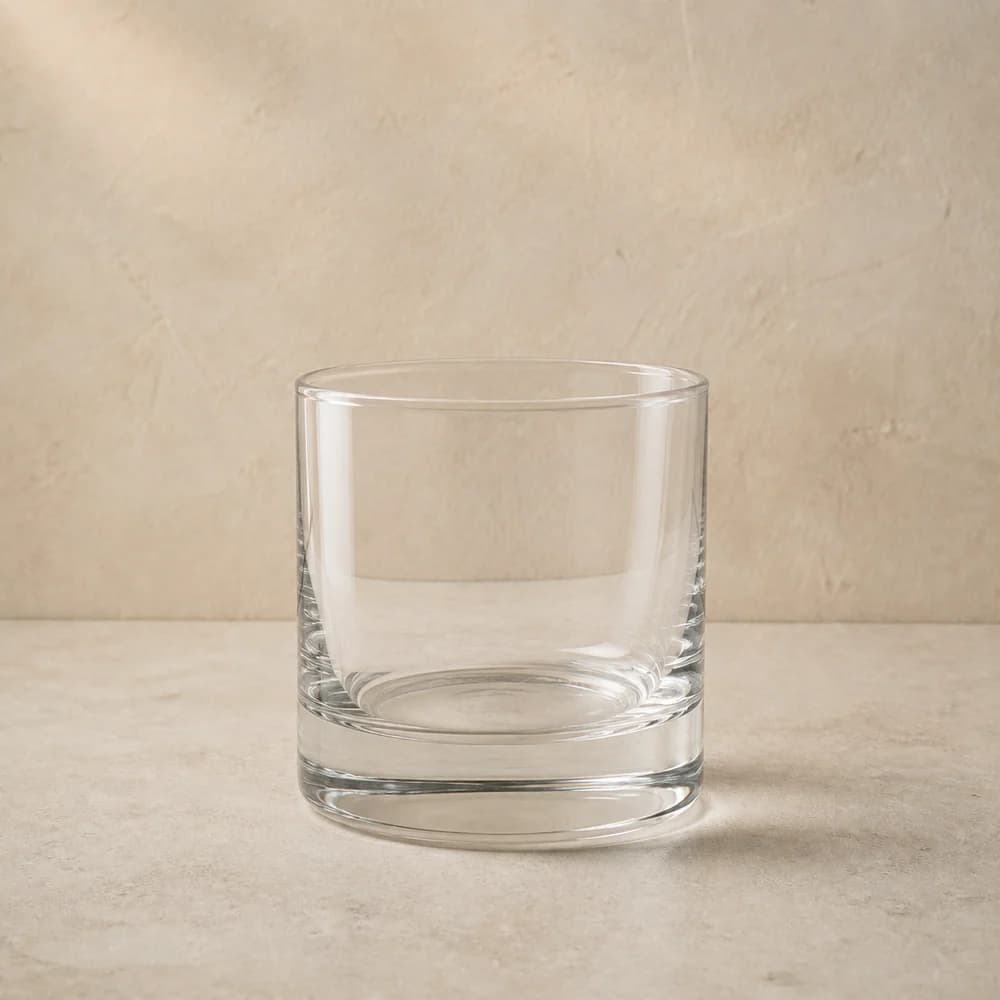
Use a rocks glass.
The low, sturdy bowl suits concentrated drinks and gives one large cube enough width.
- Standard size
- 300 ml10¼ oz
- Ice & serve
- Fill it with fresh ice cubes.
- If you don’t own one
- Use a small water tumbler with a heavy base.
- cocktail shaker
- strainer (or a small sieve)
- jigger or measuring spoon
- Aperol60 ml
- Fresh lemon juice22 ml
- Simple syrup8 ml
From bottle to glass
Method
- 01
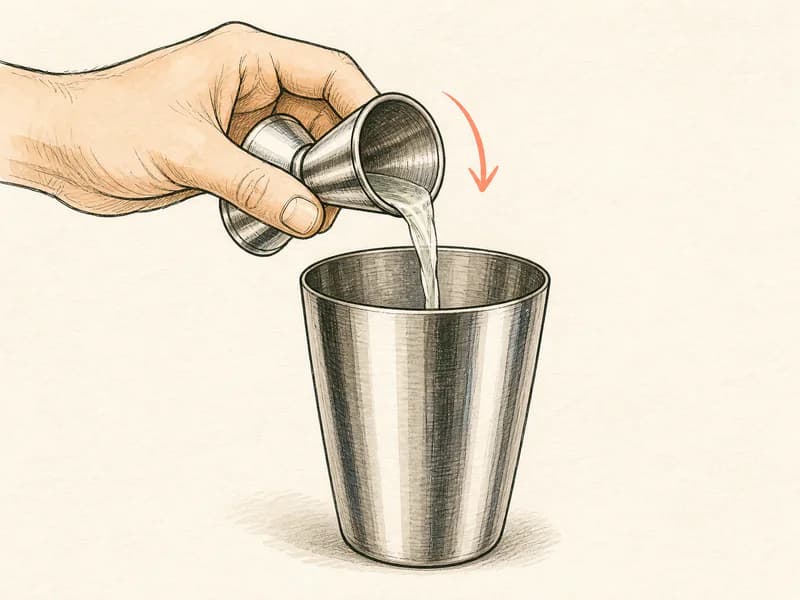
Measure into the shaker Pour 60 ml aperol into your shaker
 Aperol
- 02
Measure into the shaker Add 22 ml fresh lemon juice
 Fresh lemon juice
- 03
Measure into the shaker Add 8 ml simple syrup
 Simple syrup
- 04
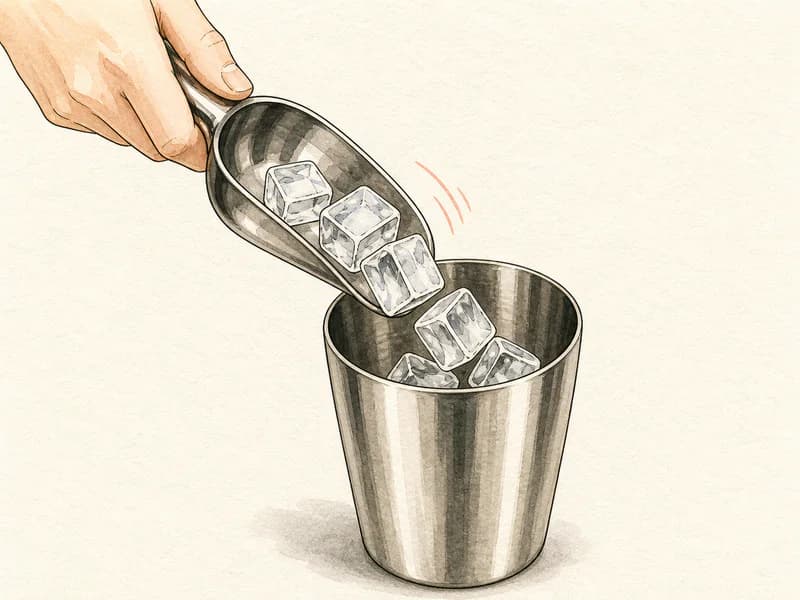
Ice the shaker Fill the shaker with ice
- 05
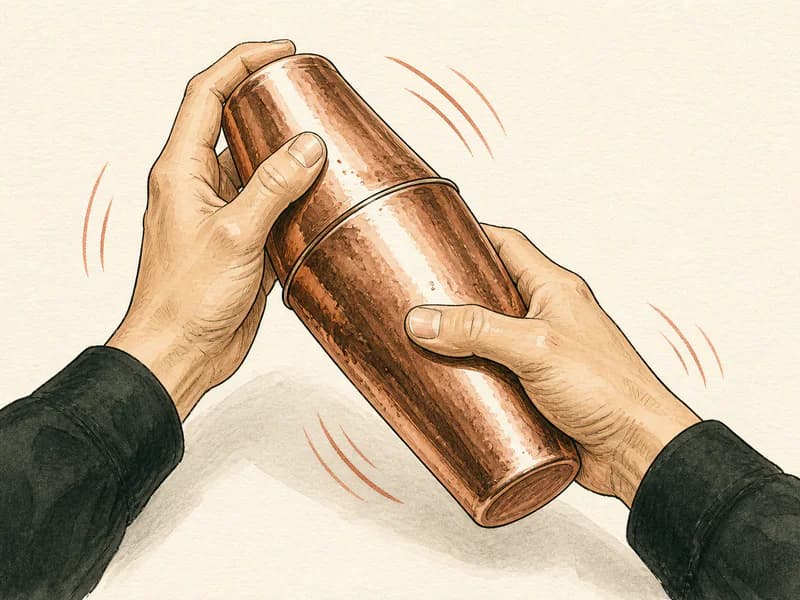
Seal and shake Seal and shake hard
- 06
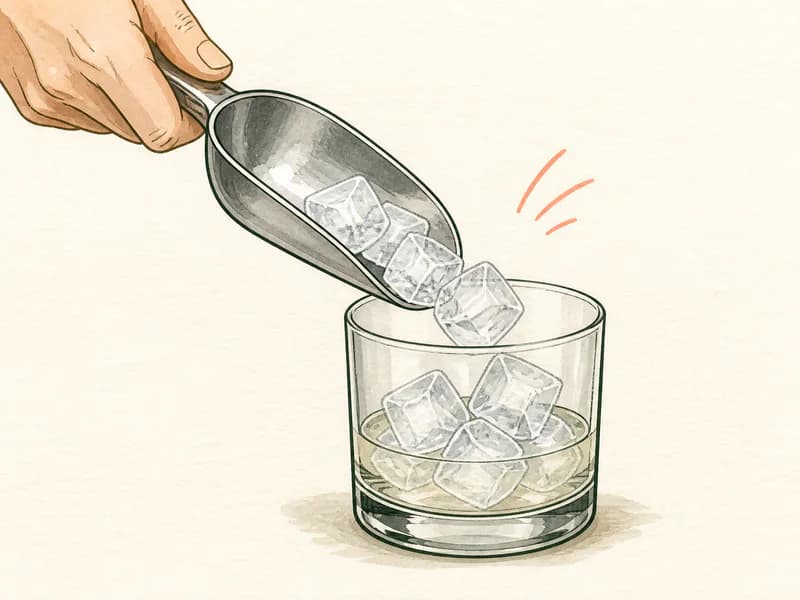
Ice the glass Fill your glass with fresh ice
- 07
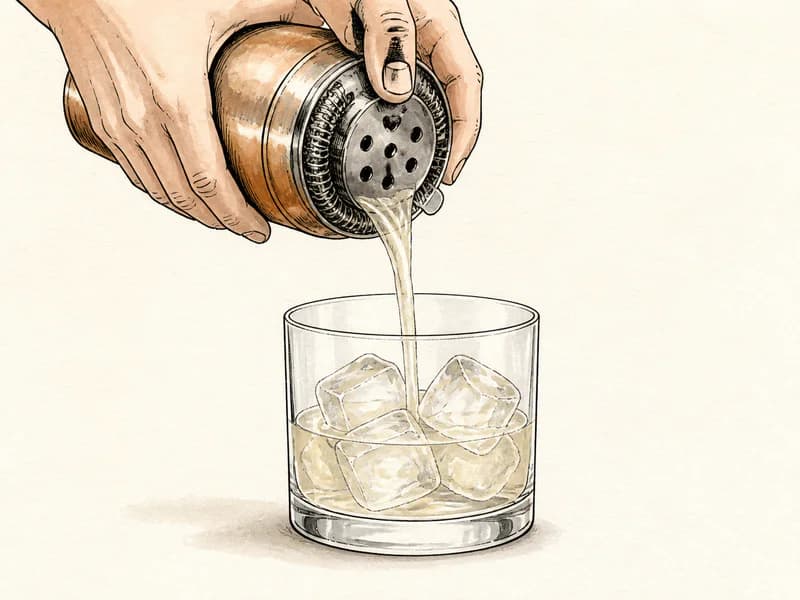
Strain cleanly Strain into your glass
- 08
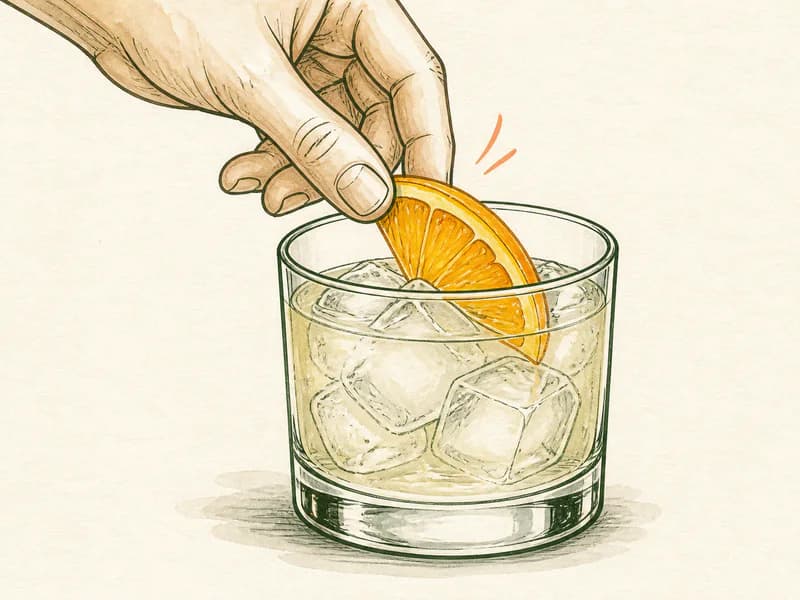
Finish the drink Finish it — add an orange slice
Know your drink
About the Aperol Sour
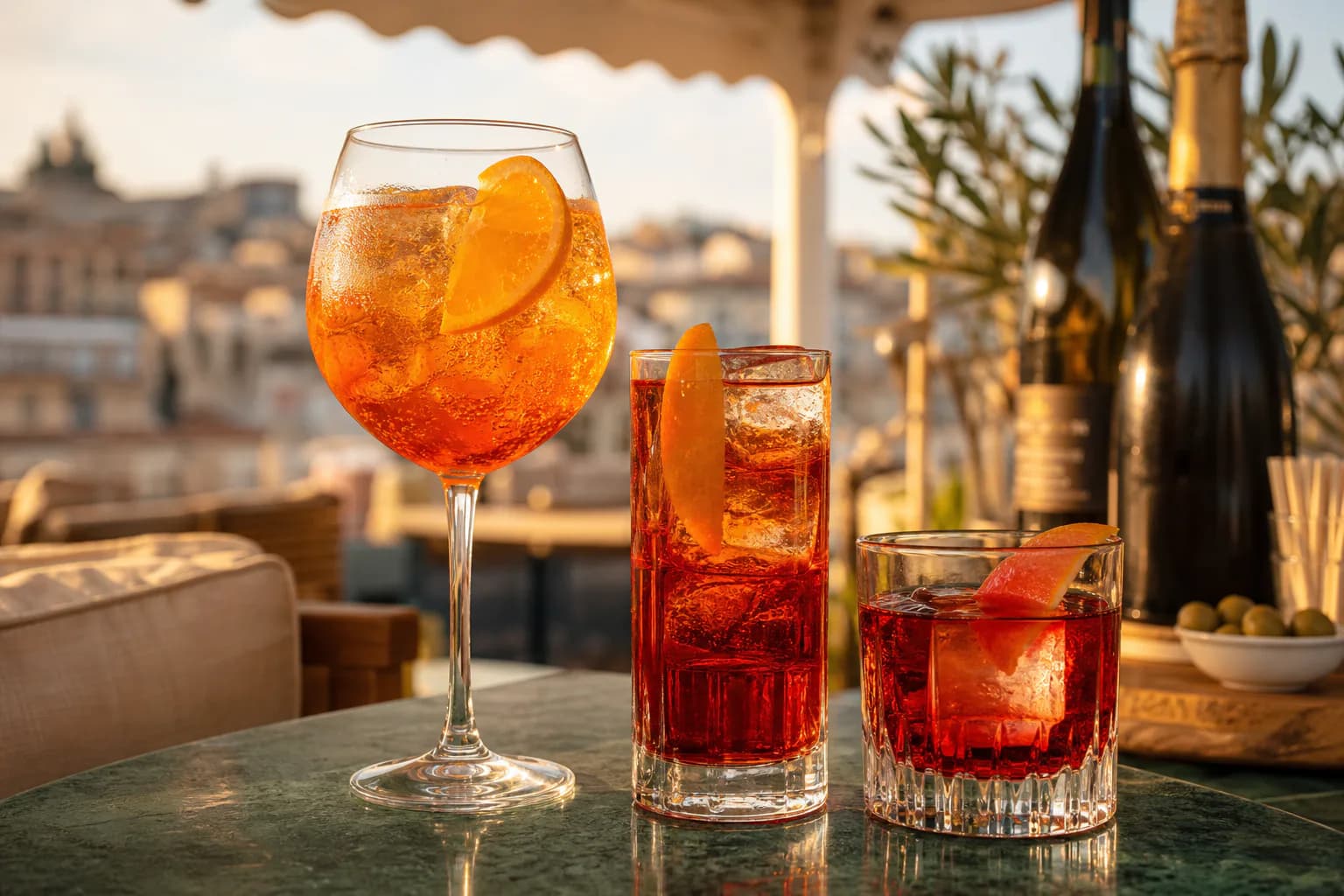
A sour that stays low
Aperol sits at 11% alcohol, roughly the strength of wine, which makes this one of the few sours you can pour a second of without consequence. That low proof is also why it can taste watery if you treat it like a whiskey sour. Shake hard and briefly, then serve it over one large cube rather than a glassful of small ones.
Common questions
Aperol Sour FAQ
Campari instead of Aperol?
You get a different drink, not a stronger version of this one. Campari is drier, considerably more bitter and over 20% alcohol, so 8 ml of syrup is nowhere near enough. Take the syrup to 15 ml and the lemon down to 20 ml and it comes back into line.
Does it need syrup at all, given how sweet Aperol already is?
Try it without and taste. Aperol brings plenty of its own sugar, so the 8 ml of syrup is a correction rather than the sweetening — it lands as body, filling out the middle of the drink. Pull it and you get something sharper and noticeably hollow at the finish.
Will it survive being mixed by the jug?
Better than most sours, since there is barely any alcohol to knock the balance around. Build it at ten times the recipe in a jug, chill it hard, and pour over a single large cube so the melt does the last of the work. Squeeze the lemon the same afternoon; it fades by evening.
Should I add more syrup if it tastes thin?
Probably not. Thin usually means over-diluted or under-chilled rather than under-sweetened. Use fewer, larger cubes and strain onto a fresh one. If it's still flat, two dashes of orange bitters and a pinch of salt will do more for it than sugar ever will.
What ingredients are in an Aperol Sour?
A classic Aperol Sour calls for 60 ml (2 oz) Aperol, 22 ml (0.75 oz) Fresh lemon juice, 8 ml (0.25 oz) Simple syrup. That single-serve spec scales cleanly — the recipe above converts it to oz and multiplies it for 2–4 drinks.
How strong is an Aperol Sour?
A standard Aperol Sour is roughly 7% ABV once mixed (before ice melt softens it further). That makes it a relatively light, sessionable drink — similar in strength to a beer.
Is an Aperol Sour shaken or stirred?
An Aperol Sour is shaken — the rule of thumb is to shake anything with citrus juice. About 13 seconds with plenty of ice chills and dilutes it correctly.
Sharpen the technique
Skills used in this recipe
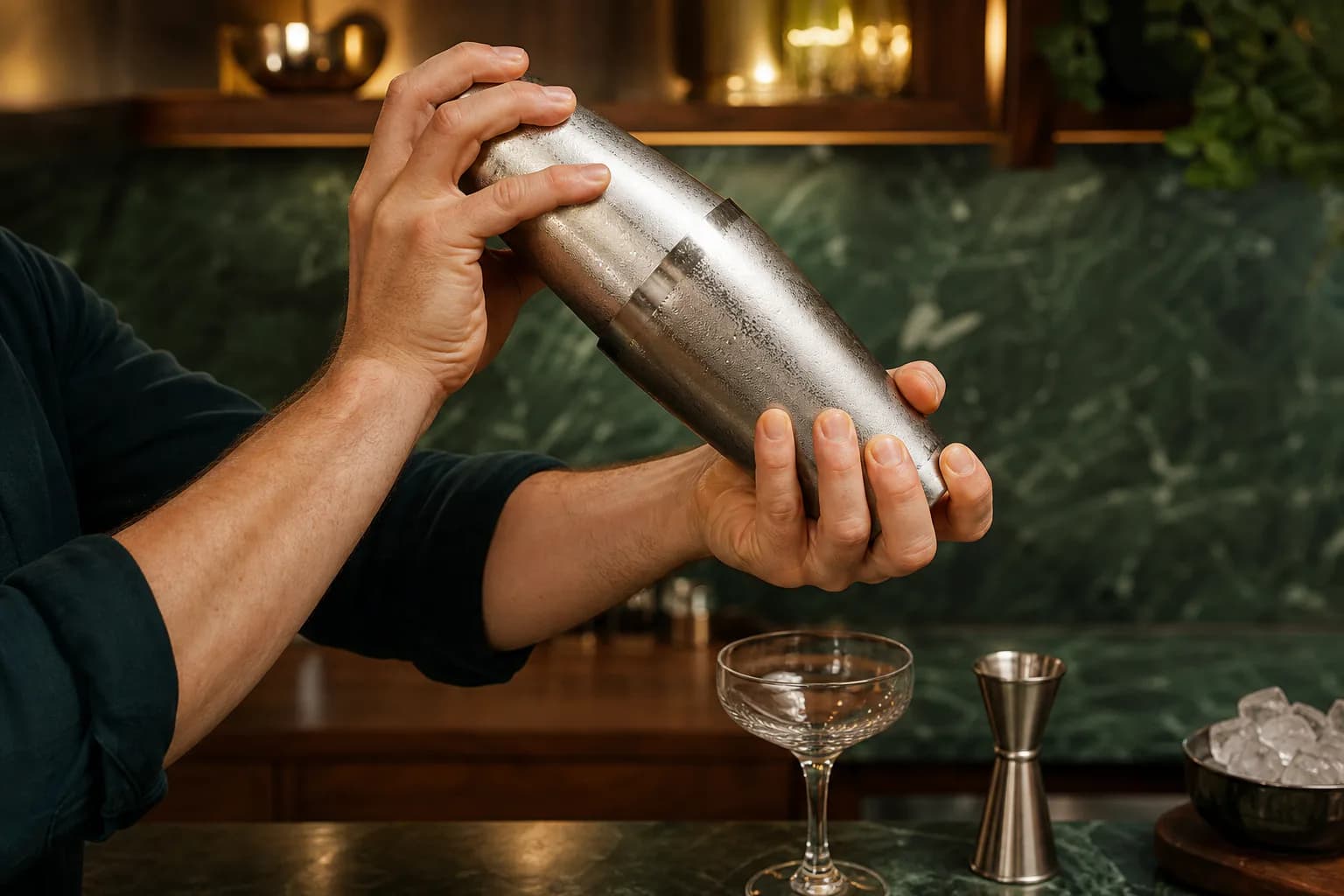
How to shake a cocktail properly
The grip, timing, ice and visual cues that make shaken drinks colder and brighter.
Read the guide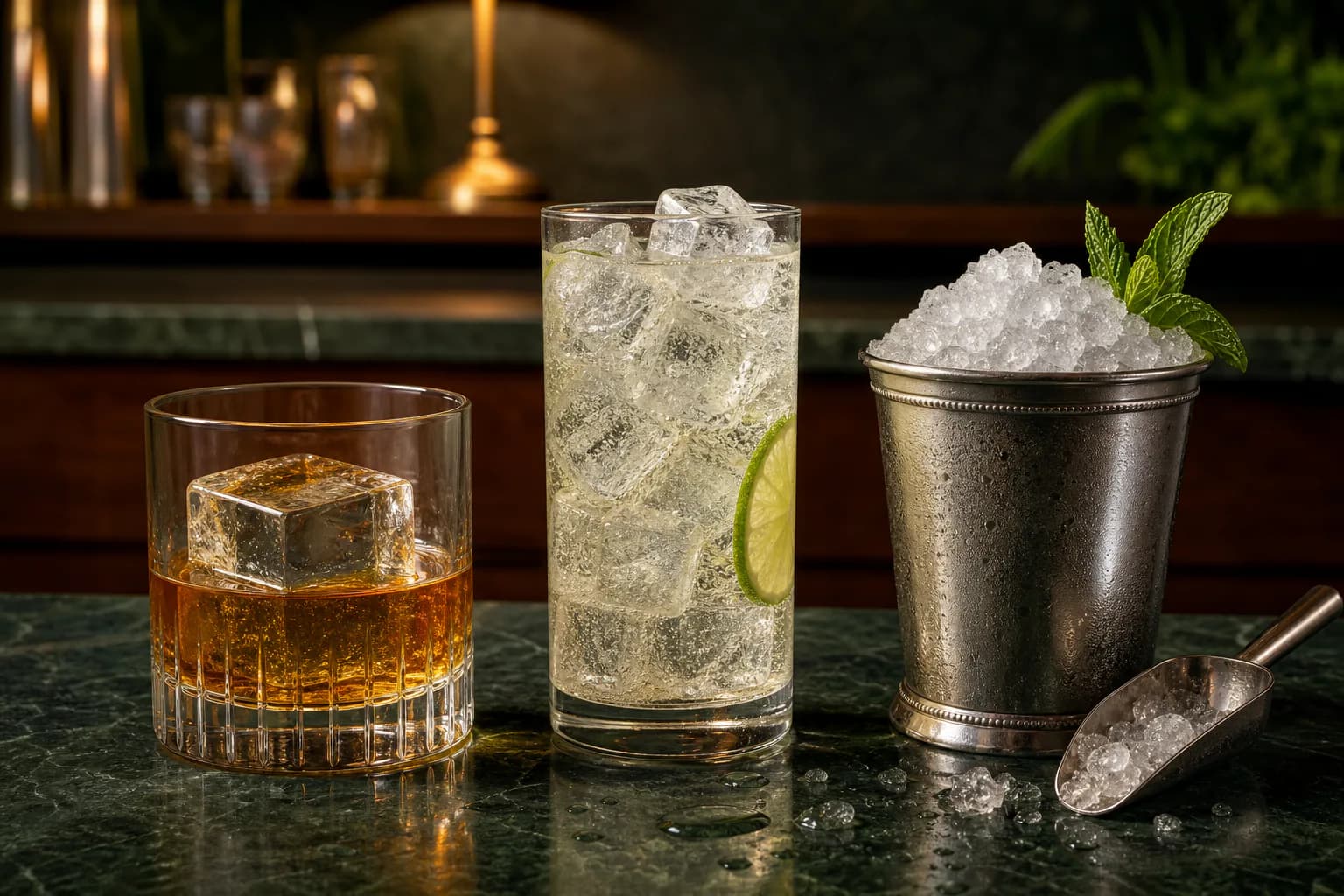
Cocktail ice: cubes, crushed ice and dilution
Understand why ice is an ingredient—and choose the right shape for every drink.
Read the guide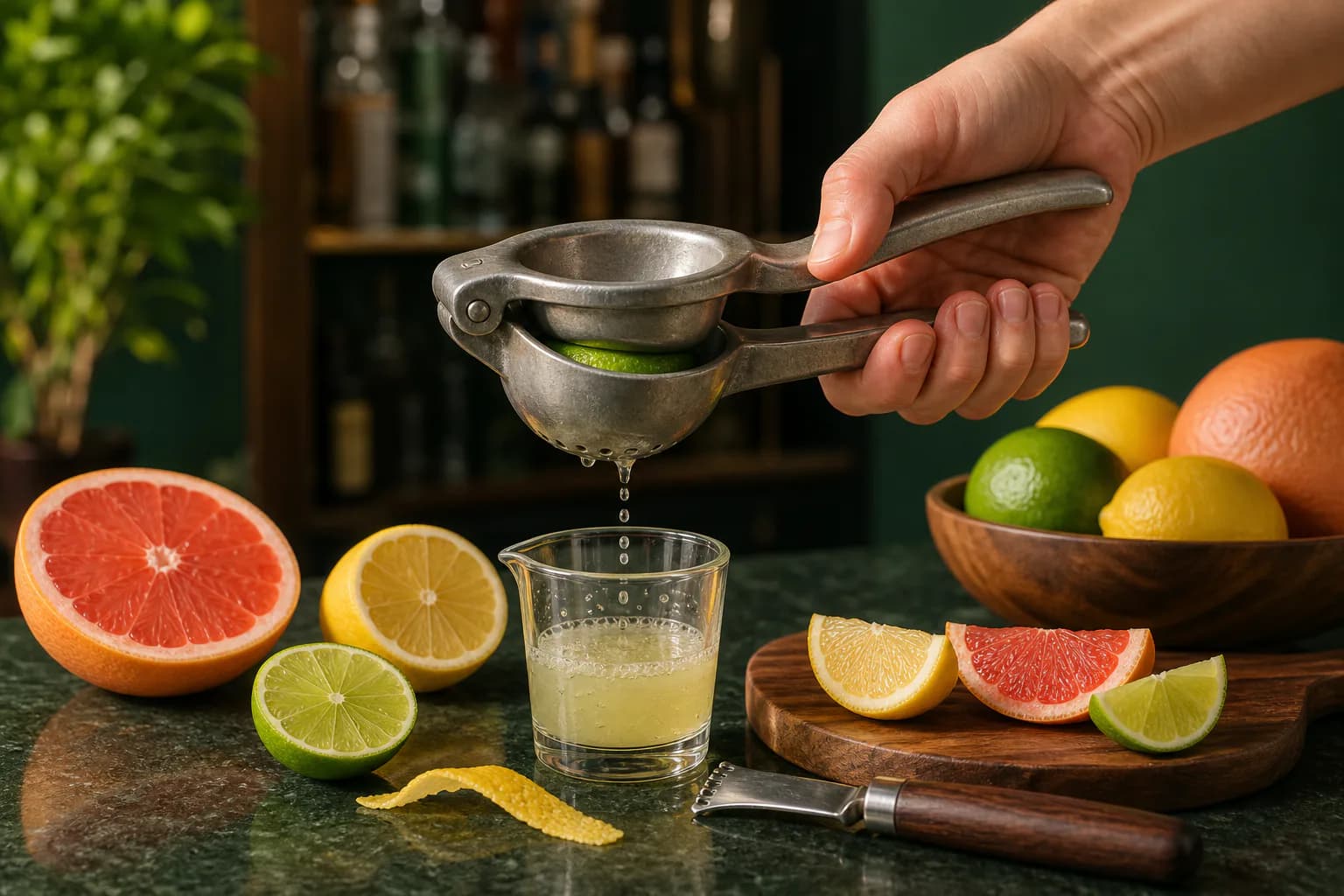
Fresh citrus for cocktails: juice, wedges and balance
Get brighter lime, lemon and grapefruit flavor with better prep and storage.
Read the guideWhere to go next
If you like the Aperol Sour, try these.
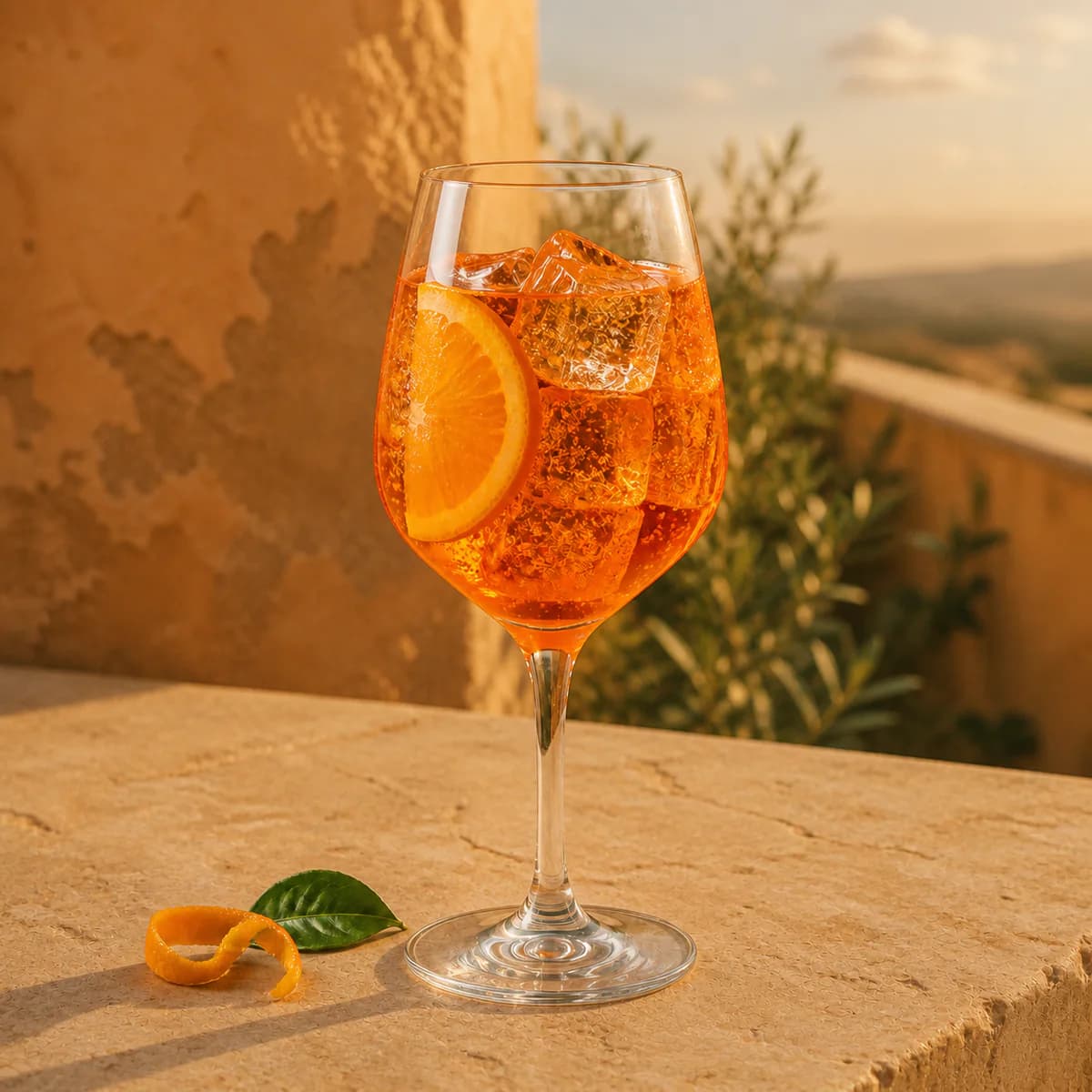
Aperol Spritz
The Aperol Spritz is the 3-2-1 cocktail: three parts prosecco, two parts Aperol, one part soda, built over ice in a big wine glass. Bright orange, lightly bitter, and the easiest way to look like you know what you are doing.
View recipe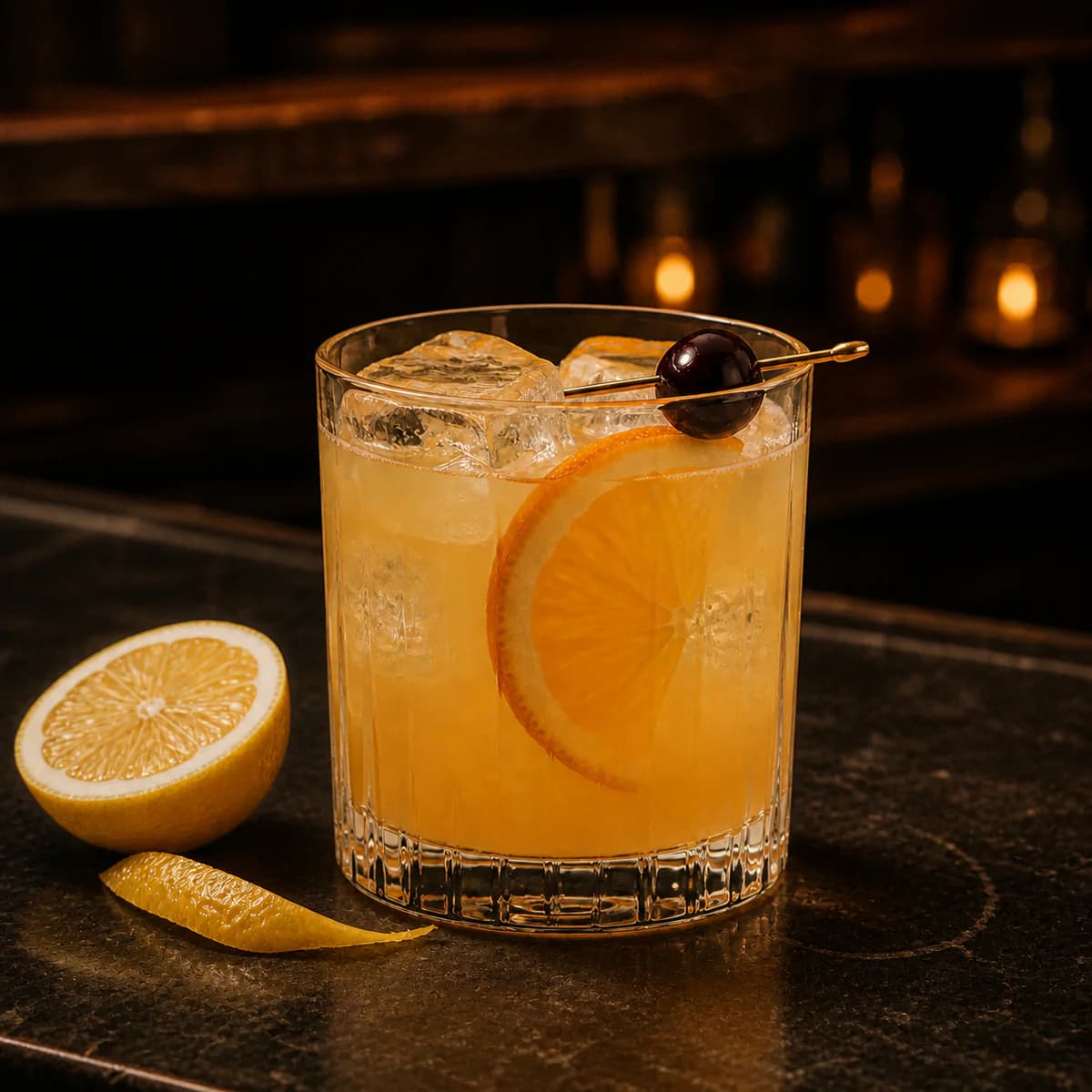
Whiskey Sour
The whiskey sour is bourbon, lemon and sugar — the template every “sour” cocktail is built on. This is the classic no-egg version: bright, balanced, and ready in two minutes.
View recipe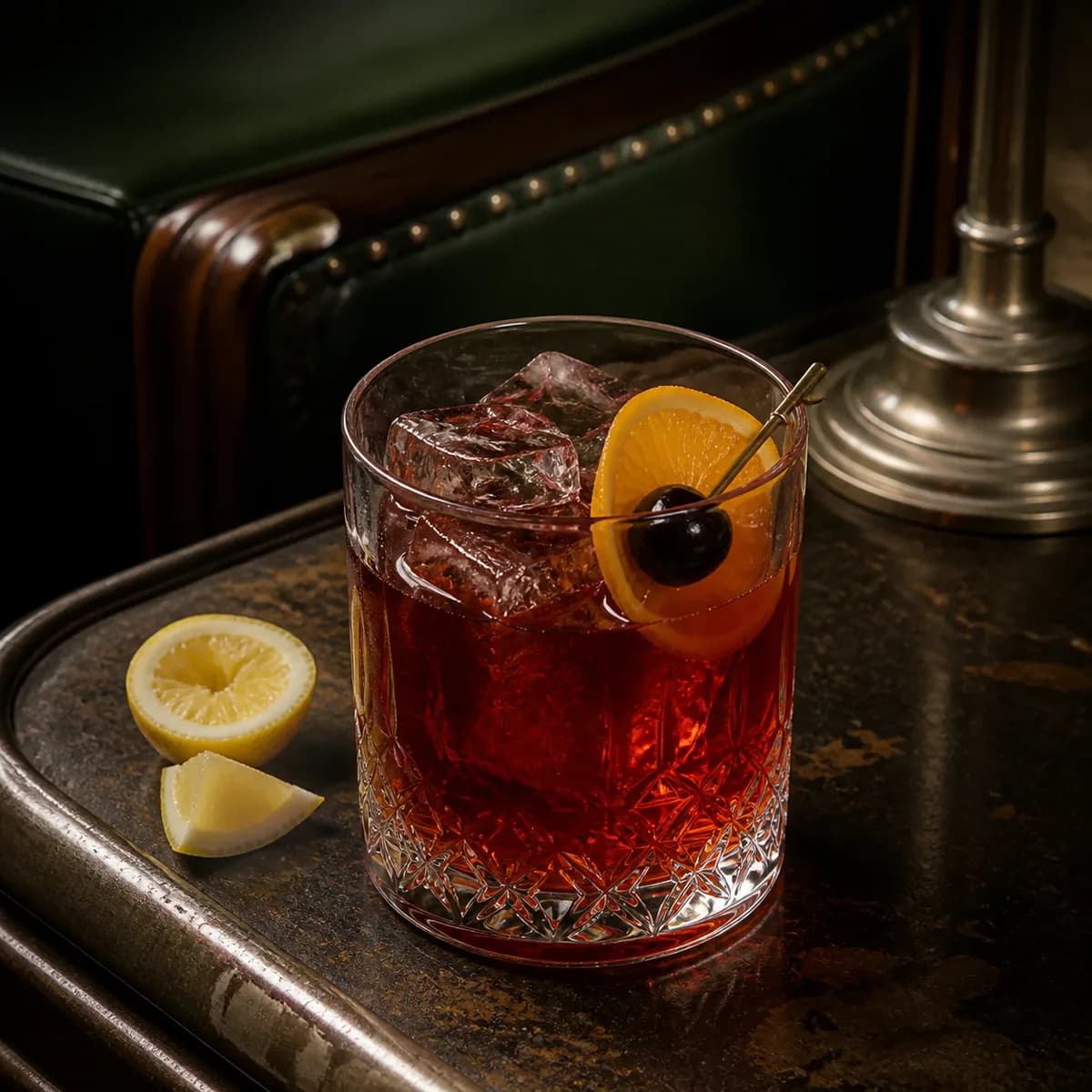
Amaretto Sour
Done right — with a shot of bourbon and egg white for backbone — the Amaretto Sour is nutty, tart and grown-up, not the syrupy version you remember.
View recipe