Classic cocktail · Guided recipe
Gin Sour
Start makingEvery sour on this site runs on the same arithmetic: 60 ml of spirit, 22 of lemon, 15 of syrup. Learn it here, where gin leaves nothing to hide behind, and you can rebuild half the classic canon from memory.
In the glassGin · Fresh lemon juice · Simple syrup
See exact amounts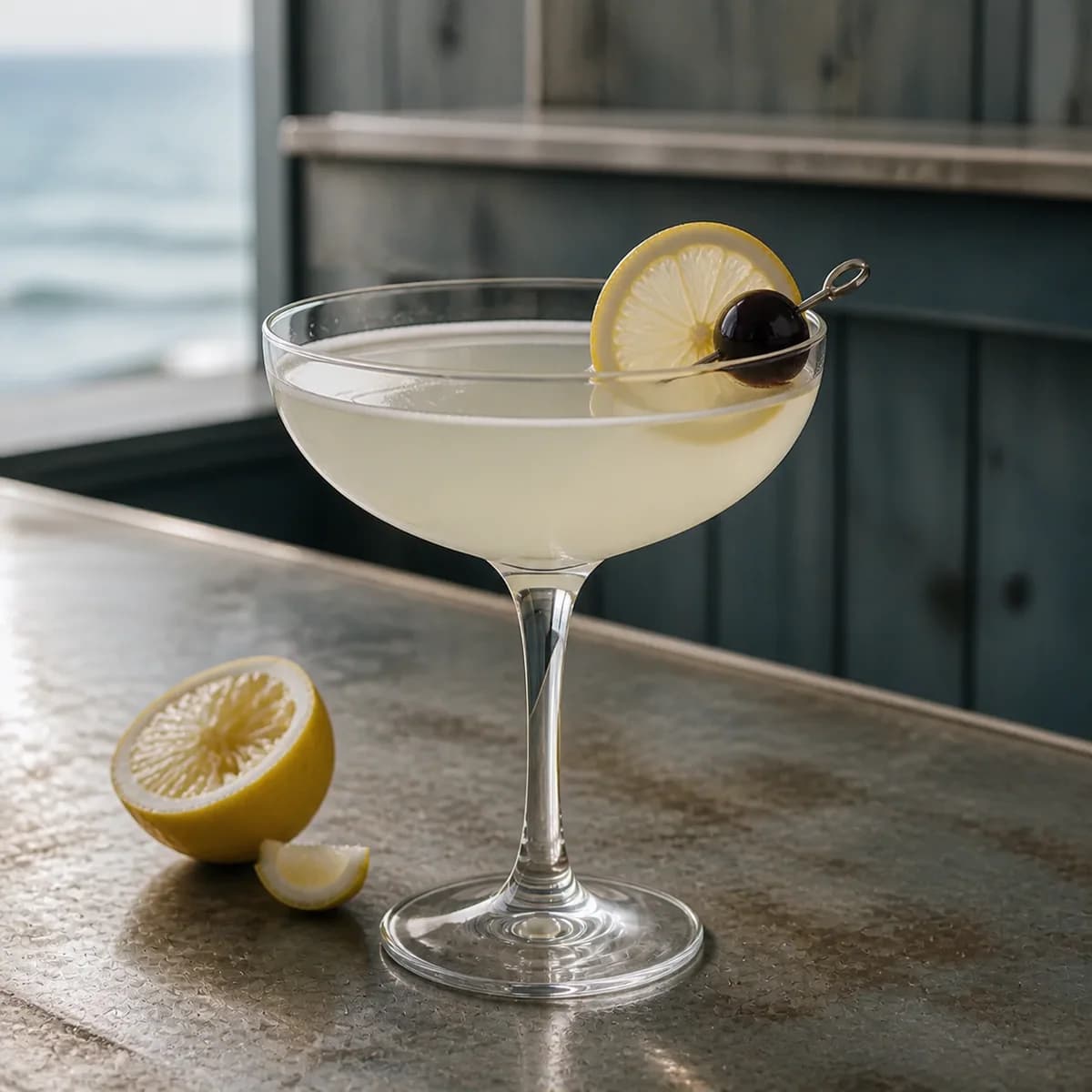
What goes in
Ingredients
Set up before you pour
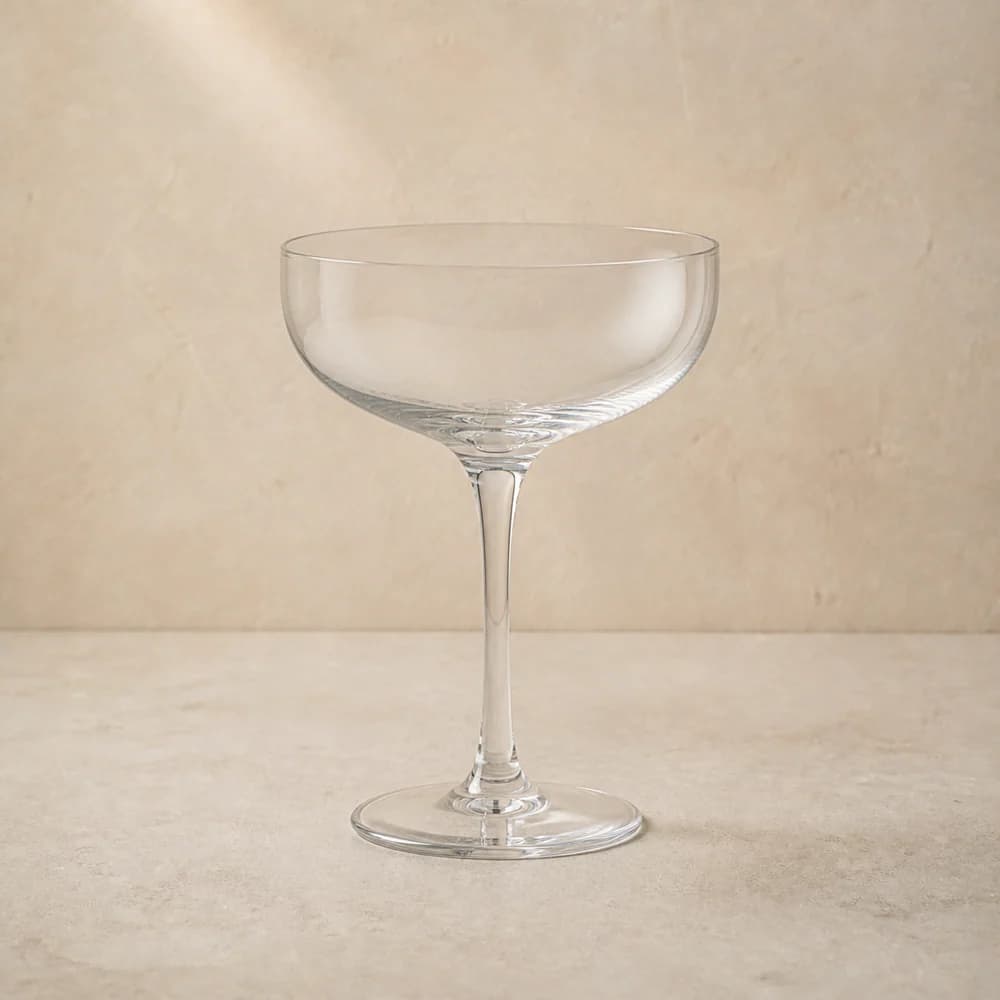
Use a coupe glass.
The stem keeps your hand away from a cold drink, while the rounded bowl makes an up serve easy to sip.
- Standard size
- 200 ml6¾ oz
- Ice & serve
- Chill it first; serve without ice.
- If you don’t own one
- Use a small martini glass or stemmed dessert glass.
- cocktail shaker
- strainer (or a small sieve)
- jigger or measuring spoon
- Gin60 ml
- Fresh lemon juice22 ml
- Simple syrup15 ml
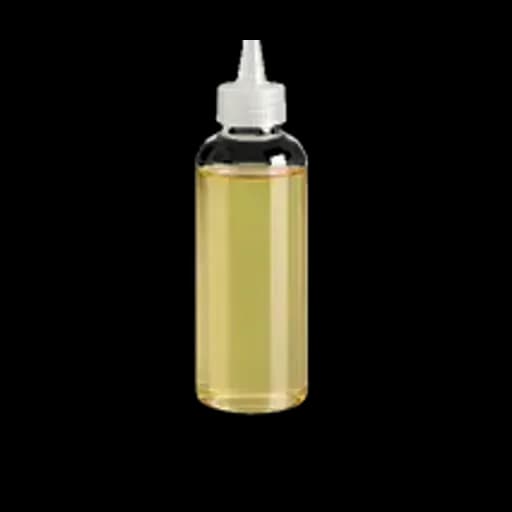
From bottle to glass
Method
- 01
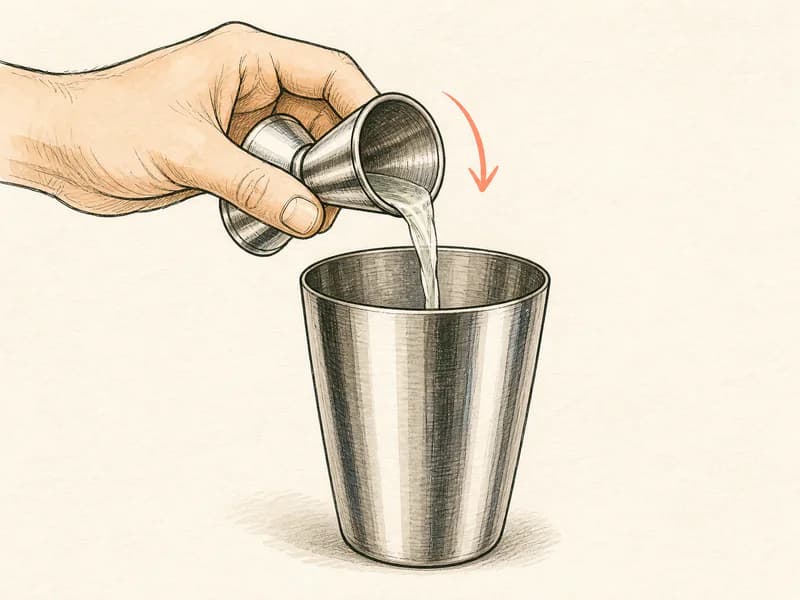
Measure into the shaker Pour 60 ml gin into your shaker
 Gin
Gin
- 02
Measure into the shaker Add 22 ml fresh lemon juice
 Fresh lemon juice
- 03
Measure into the shaker Add 15 ml simple syrup
 Simple syrup
- 04
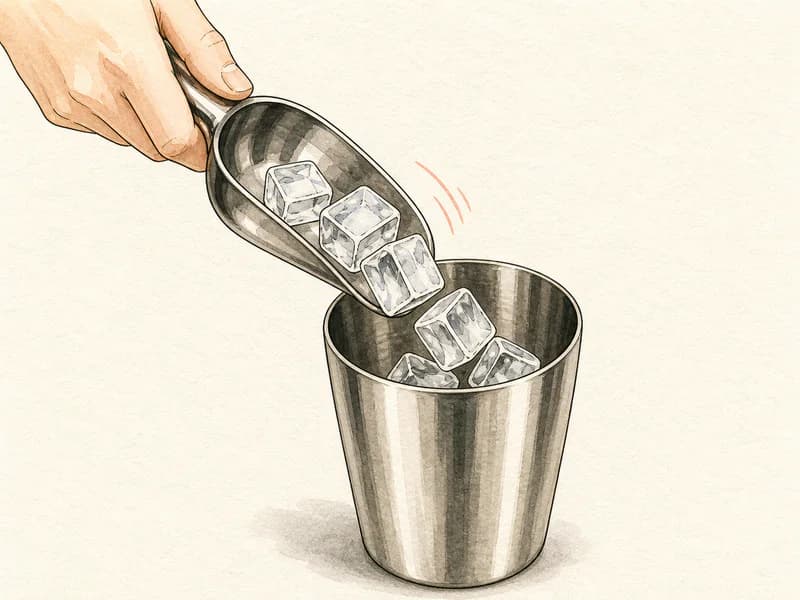
Ice the shaker Fill the shaker with ice
- 05
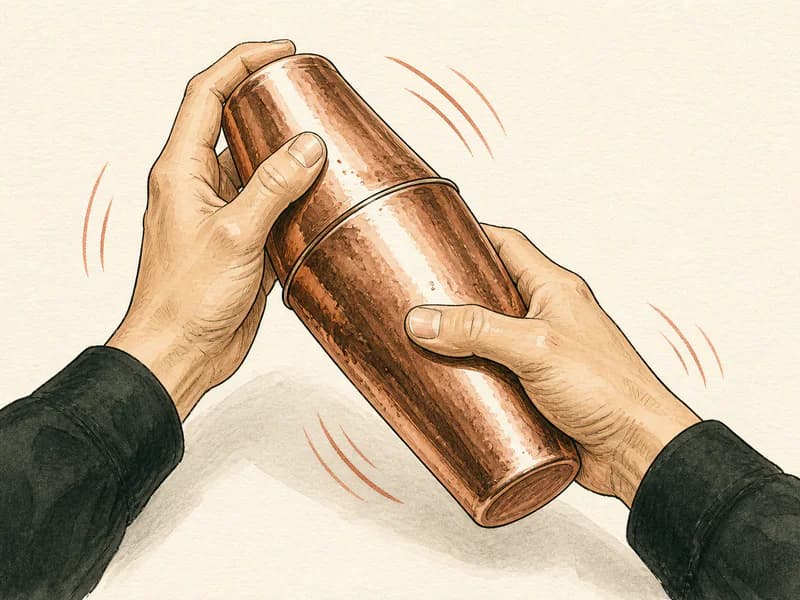
Seal and shake Seal and shake hard
- 06
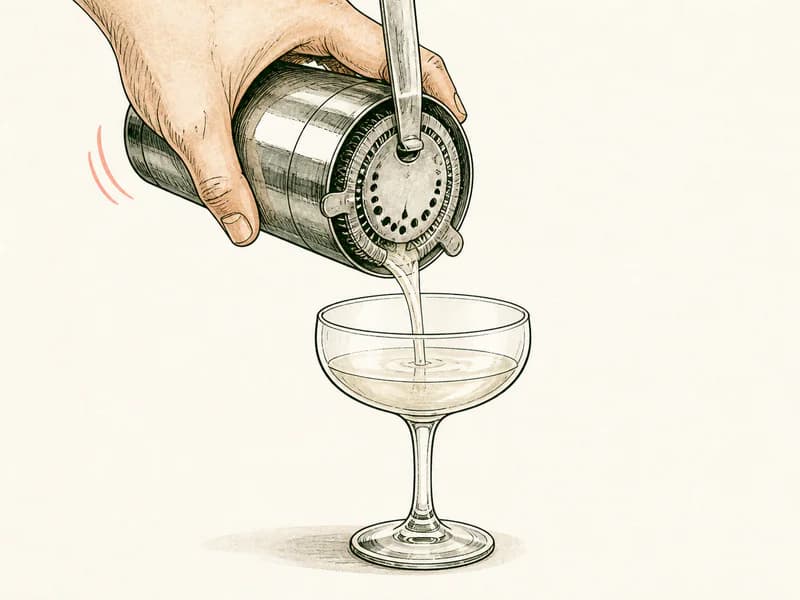
Strain cleanly Strain into a chilled glass — no ice
- 07
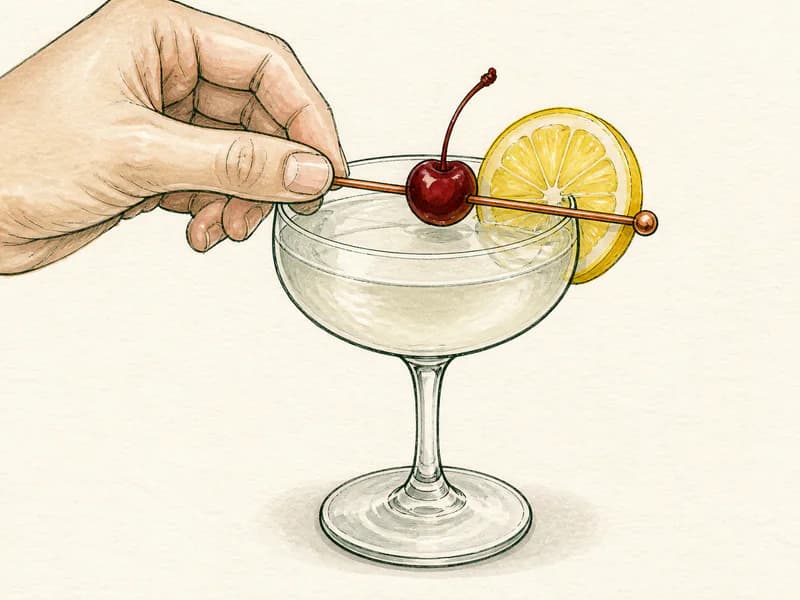
Finish the drink Finish it — add a lemon slice and a cocktail cherry
Know your drink
About the Gin Sour
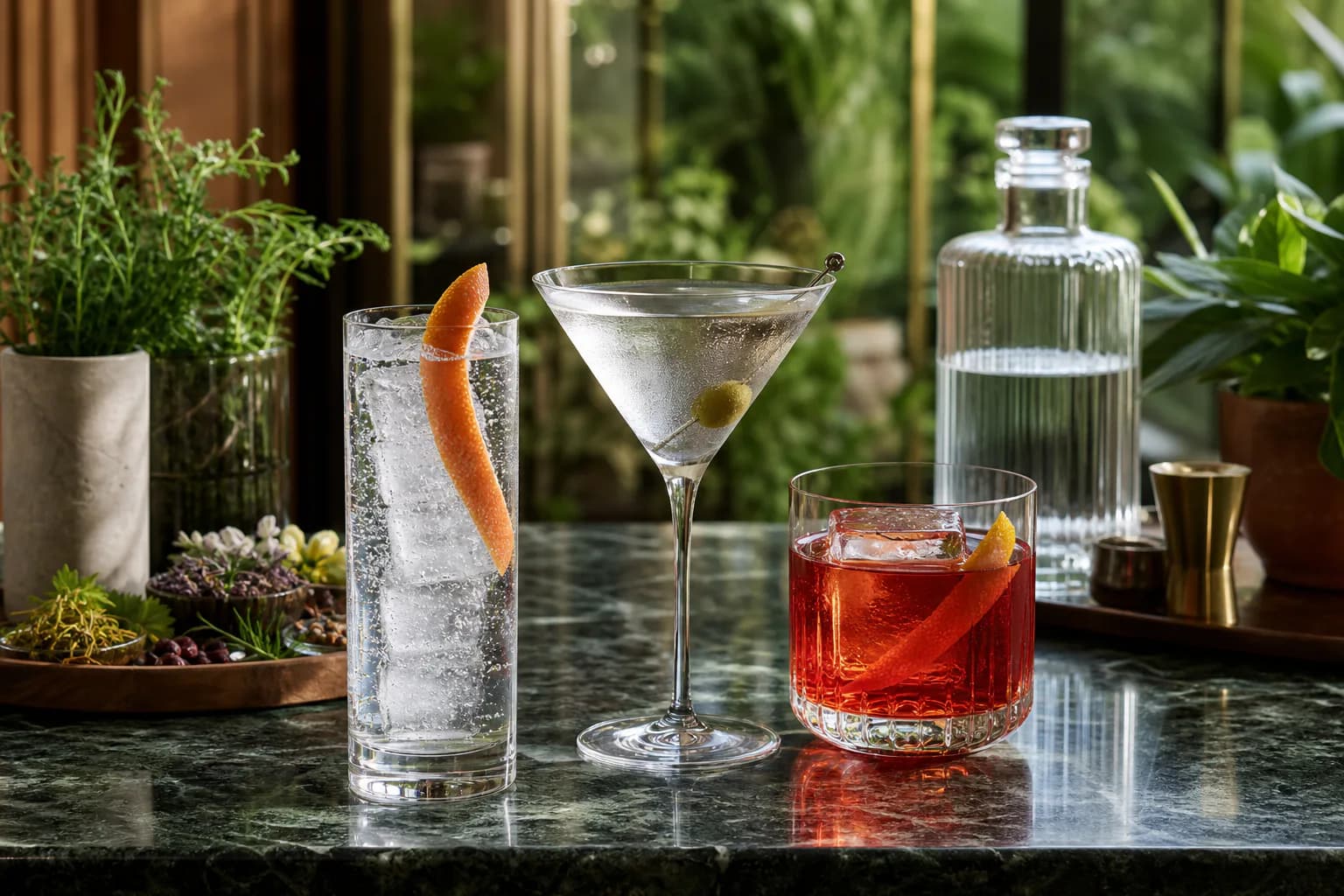
The ratio underneath everything
Spirit, citrus, sugar. That skeleton gives you the Daiquiri with rum, the Sidecar with brandy and orange liqueur standing in for the sugar, the Margarita with tequila, the Whiskey Sour with bourbon. Change one part and a different famous drink falls out. Bartenders learn the proportion once and then spend years arguing about the third decimal place.
Two-to-one-to-one is the other common way to write it, and it makes a sweeter, rounder drink than what's here. This page runs a little drier, which is where most bars have landed since the 1990s. Move it in either direction depending on your lemons and your sweet tooth. Neither version is wrong.
Common questions
Gin Sour FAQ
Is bottled lemon juice really that bad?
Yes, and this is the drink that proves it. With three ingredients there is nothing to hide behind, and the cooked, faintly metallic note in bottled juice lands in the middle of the glass. Squeezing takes thirty seconds and the juice keeps a few hours cold.
Should there be egg white in it?
Optional, and it changes the drink rather than improving it. One white per two drinks buys foam and a softer mouthfeel at the cost of some sharpness. Shake once without ice, then again with. Left out, the lemon reads brighter and cleaner.
Which gin holds up in a sour?
A juniper-forward London dry at 44 percent or above. Lower-proof gins get buried under the lemon and the softer contemporary styles go vague. Plymouth is a good middle. If your gin leans floral, pull the syrup back a few milliliters so the perfume doesn't turn candied.
How do I fix one that's too tart?
Add syrup 3 ml at a time, not 15. Lemons swing a long way in acidity across the year, so any printed ratio is a starting point. If it tastes tart and thin at once, the problem is dilution rather than sugar, and more shaking will help.
What ingredients are in a Gin Sour?
A classic Gin Sour calls for 60 ml (2 oz) Gin, 22 ml (0.75 oz) Fresh lemon juice, 15 ml (0.5 oz) Simple syrup. That single-serve spec scales cleanly — the recipe above converts it to oz and multiplies it for 2–4 drinks.
How strong is a Gin Sour?
A standard Gin Sour is roughly 25% ABV once mixed (before ice melt softens it further). That makes it spirit-forward — closer to a Martini than to a beer, so sip it slowly.
Is a Gin Sour shaken or stirred?
A Gin Sour is shaken — the rule of thumb is to shake anything with citrus juice. About 13 seconds with plenty of ice chills and dilutes it correctly.
Sharpen the technique
Skills used in this recipe
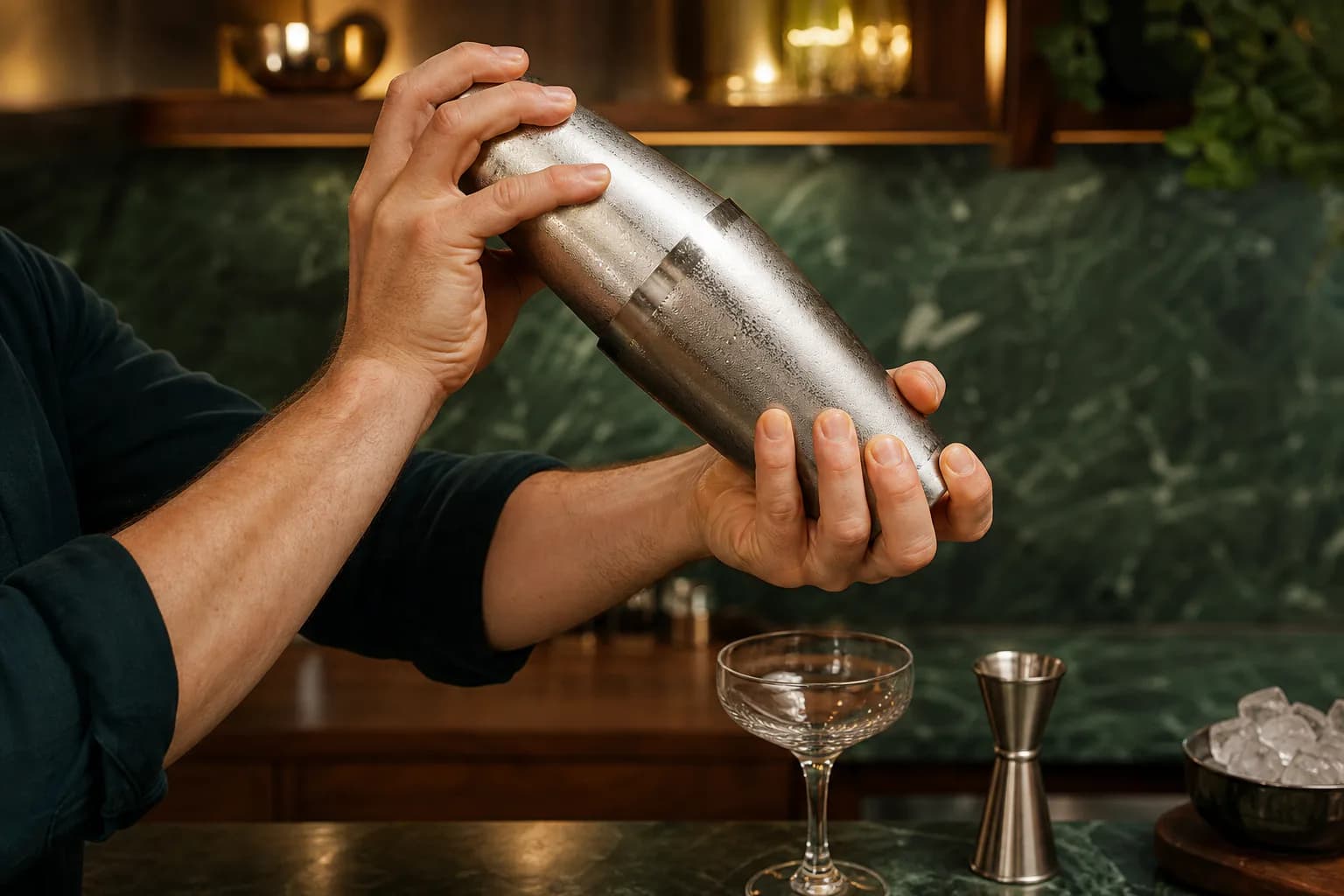
How to shake a cocktail properly
The grip, timing, ice and visual cues that make shaken drinks colder and brighter.
Read the guide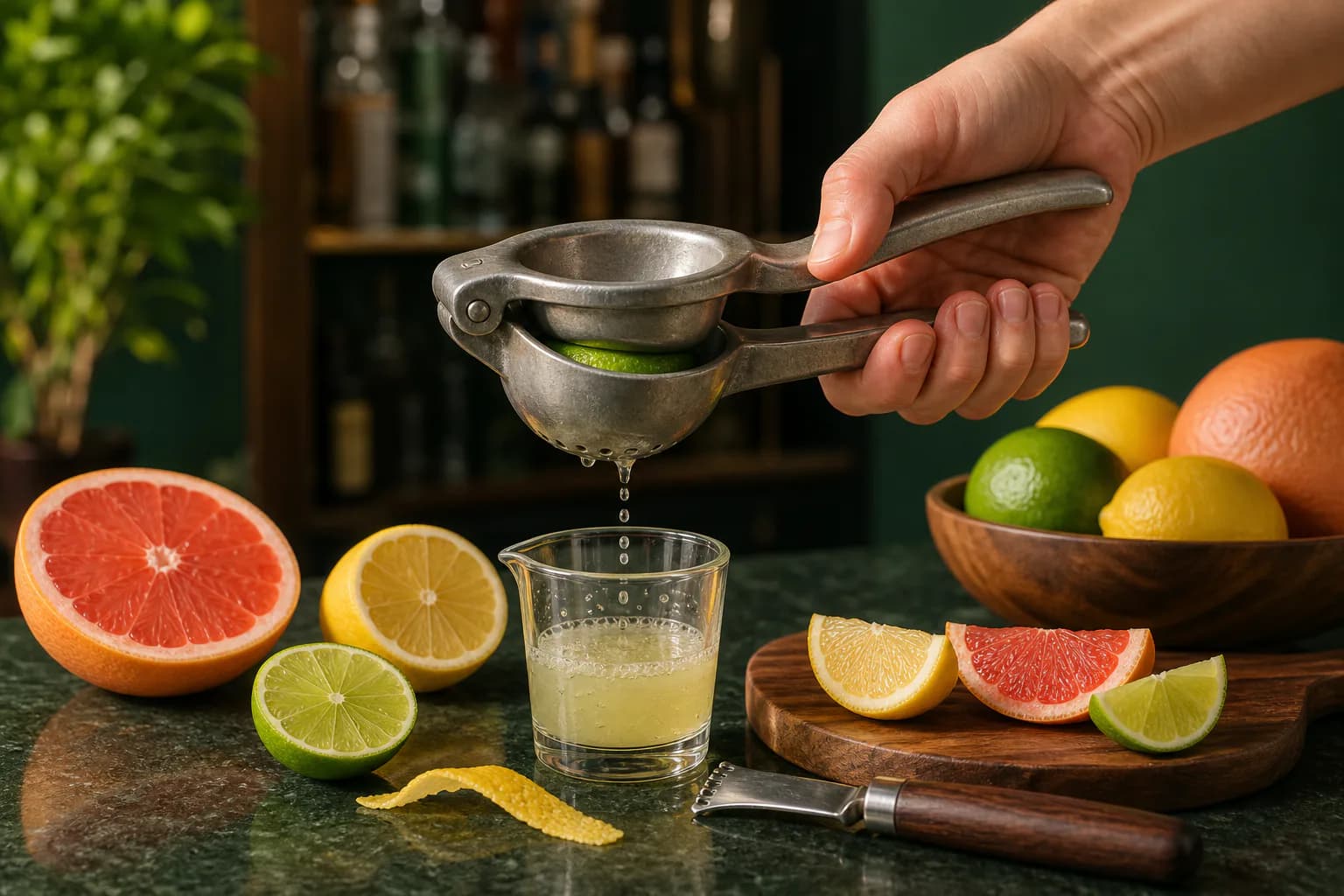
Fresh citrus for cocktails: juice, wedges and balance
Get brighter lime, lemon and grapefruit flavor with better prep and storage.
Read the guide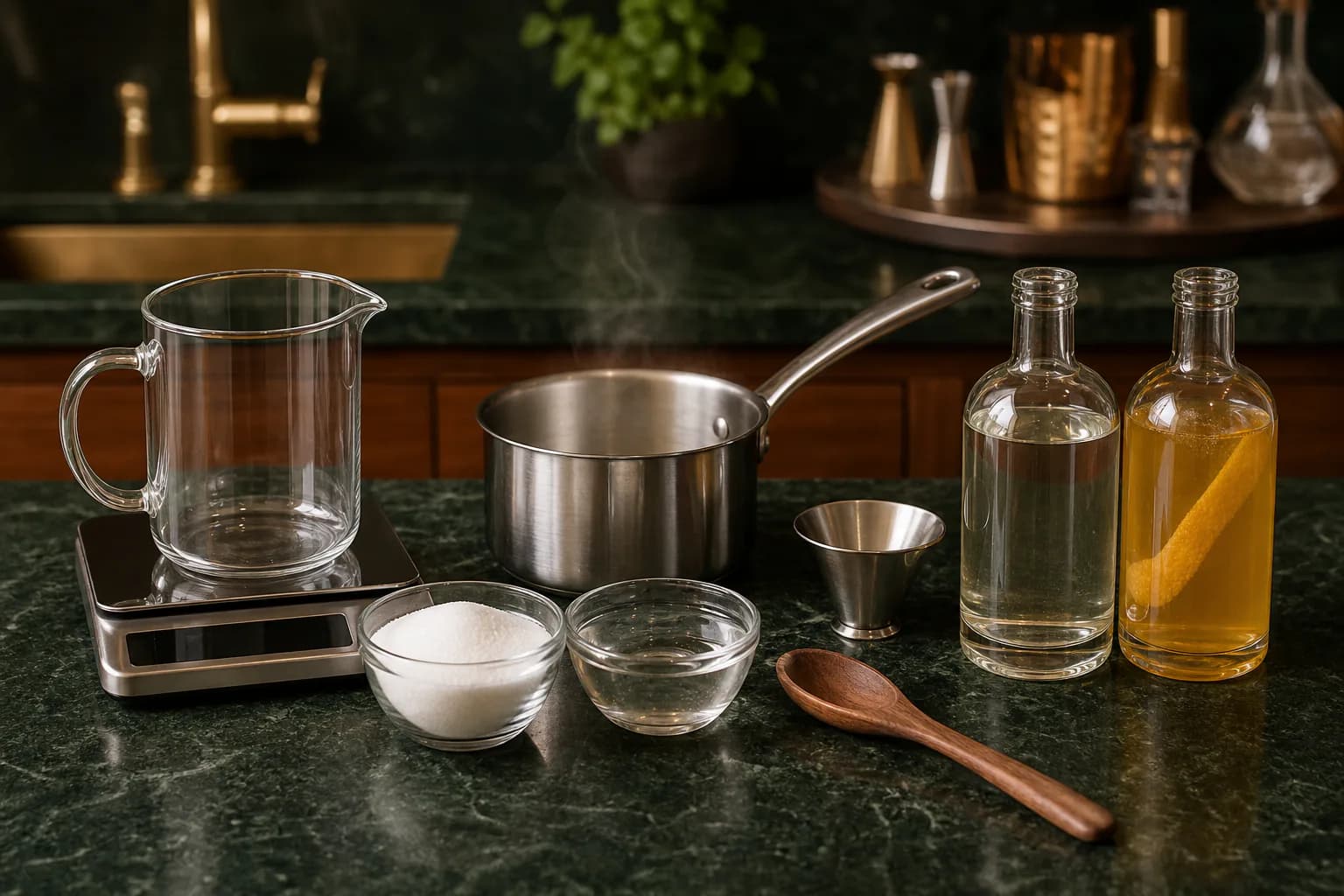
Simple syrup ratios, storage and flavor variations
Make a consistent sweetener and understand when rich syrup changes a recipe.
Read the guideWhere to go next
If you like the Gin Sour, try these.
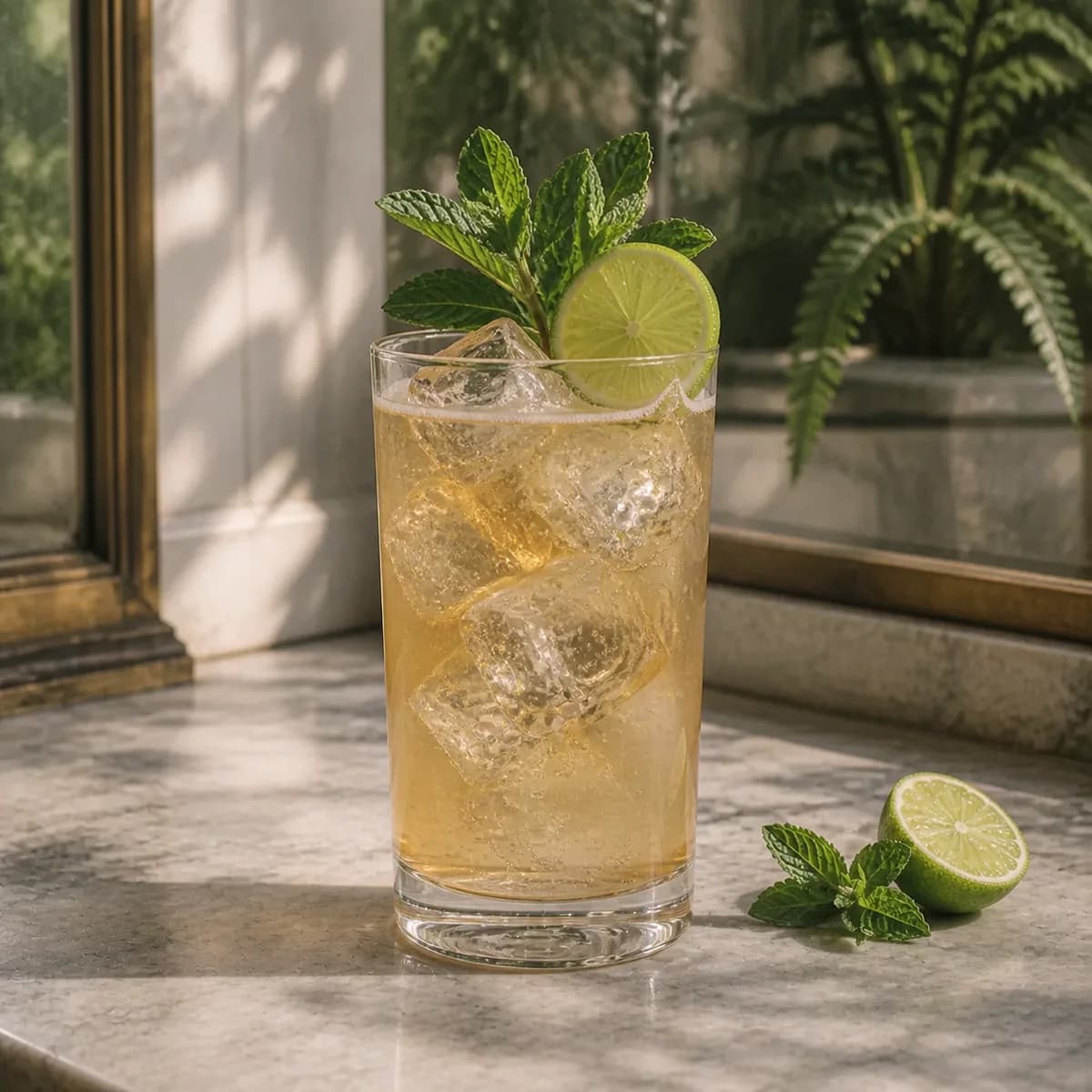
Gin-Gin Mule
Audrey Saunders’ modern classic: a mojito-mule hybrid — gin and mint muddled with lime and sugar, lengthened with ginger beer.
View recipe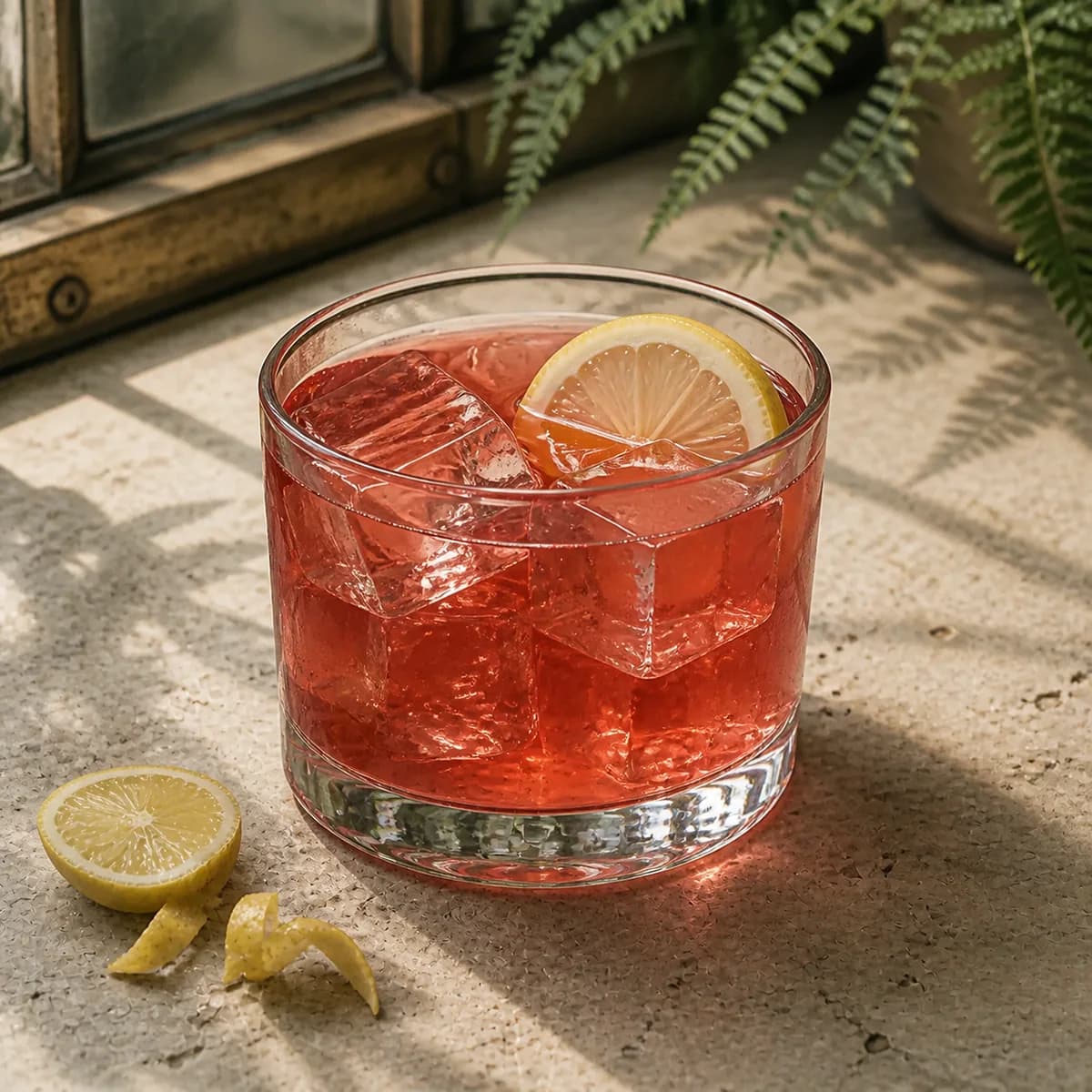
Gin Daisy
Daisies are a family rather than a single recipe: spirit, citrus, a sweetener, poured over ice. This one runs gin against lemon with grenadine doing most of the sweetening and a small pour of triple sec sharpening the edges.
View recipe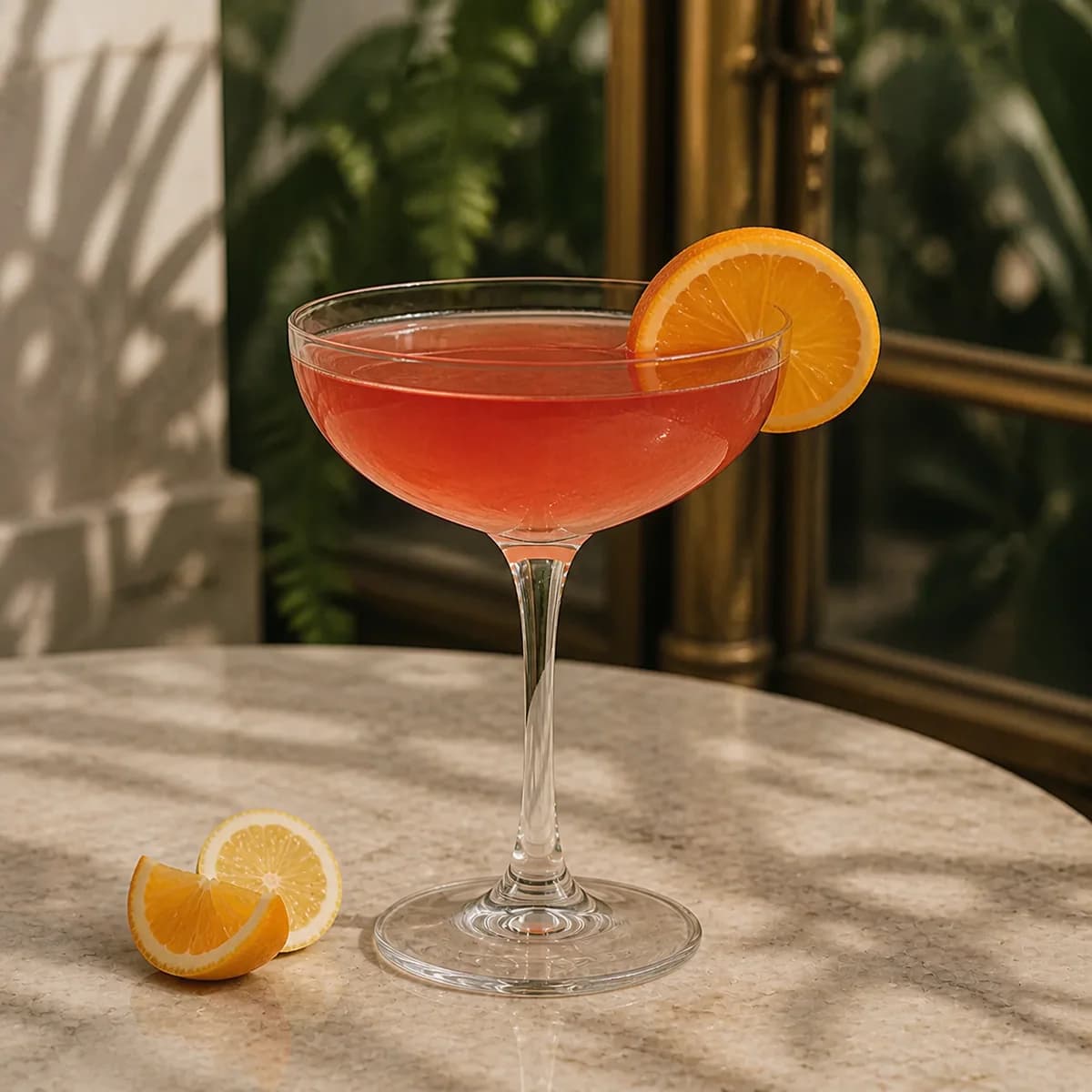
Gin and Sin
Grenadine decides this drink. Corn-syrup grenadine turns it into candy, while real pomegranate syrup keeps it tart and gives it that dusty pink color.
View recipe