Classic cocktail · Guided recipe
Bittersweet
Start makingEqual measures of sweet and dry vermouth, then bitters twice over: Angostura for spice, orange for lift. Low enough in alcohol to drink before dinner without consequence, bitter enough that you notice it going down.
In the glassSweet vermouth · Dry vermouth · Angostura bitters · Orange bitters
See exact amounts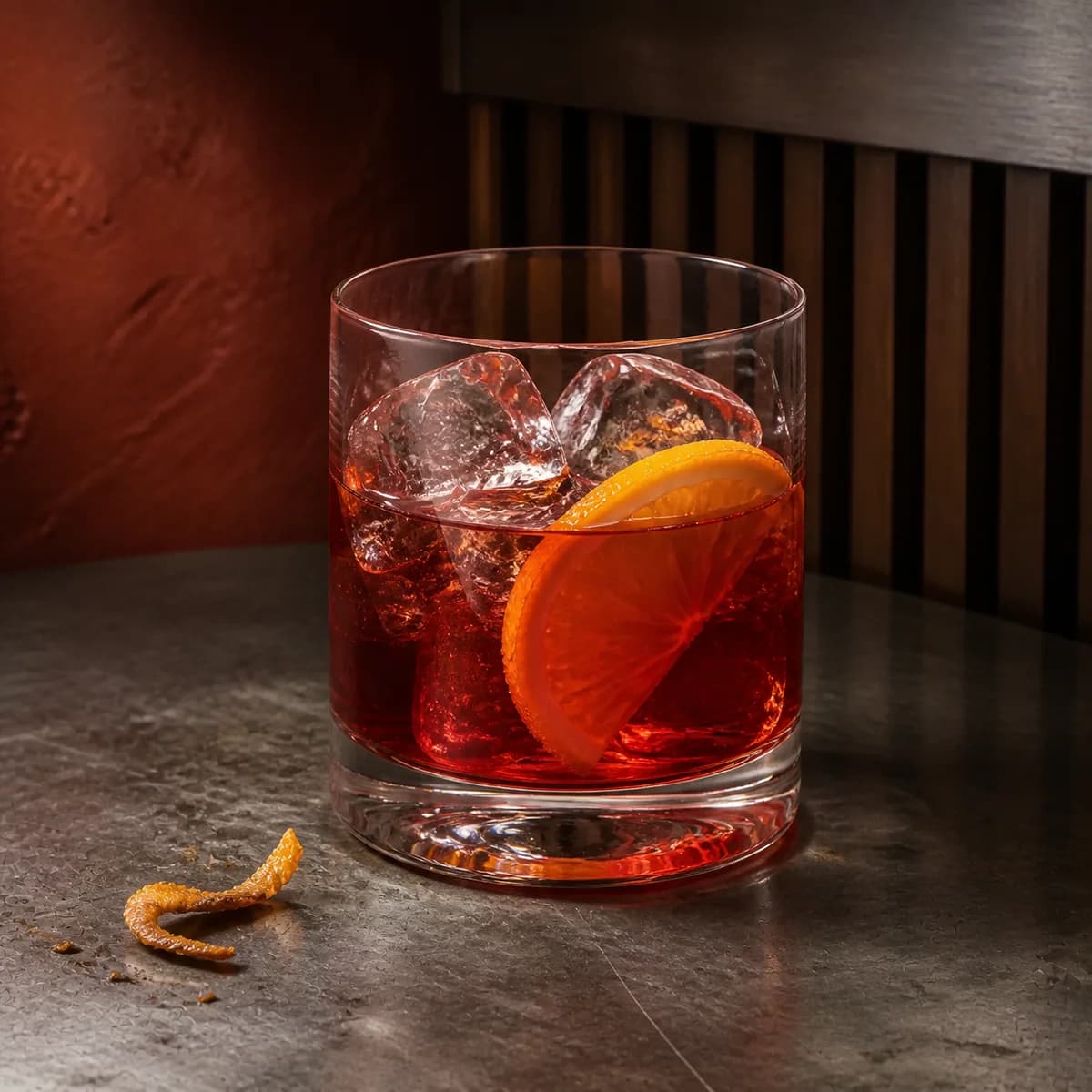
What goes in
Ingredients
Set up before you pour
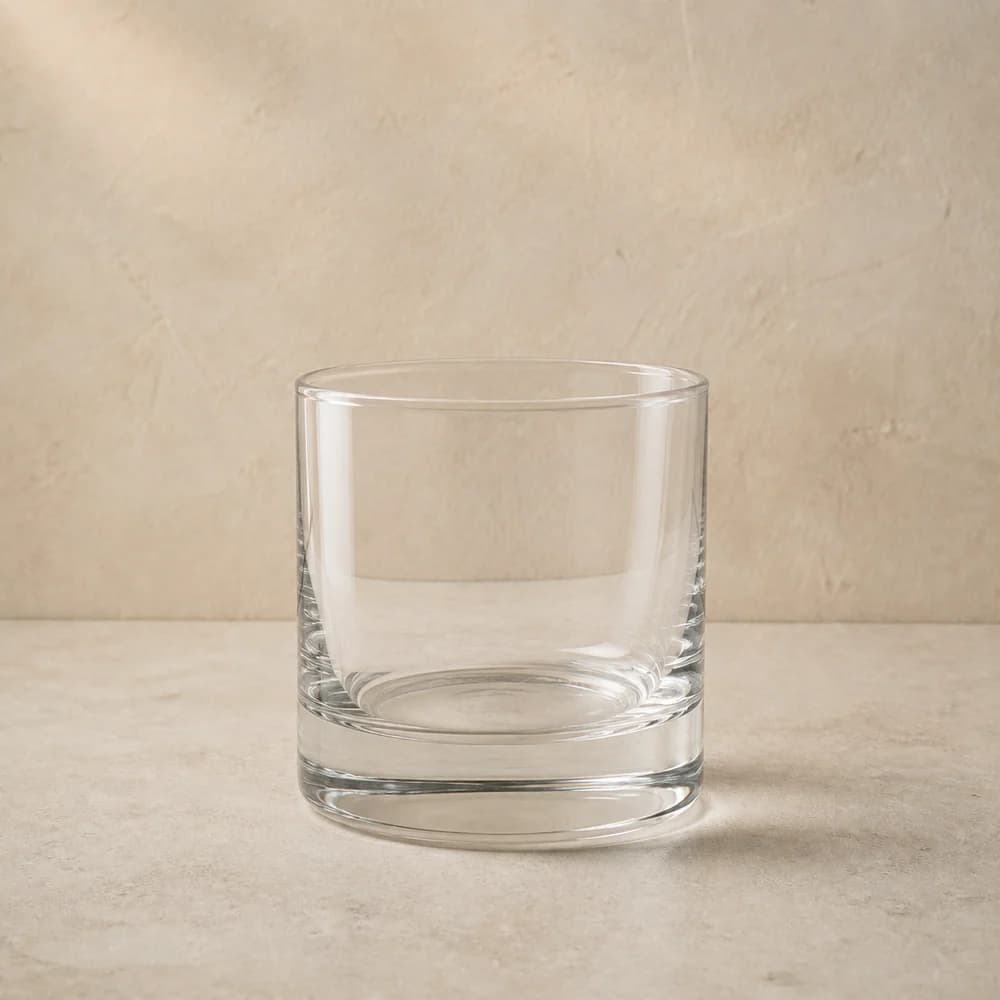
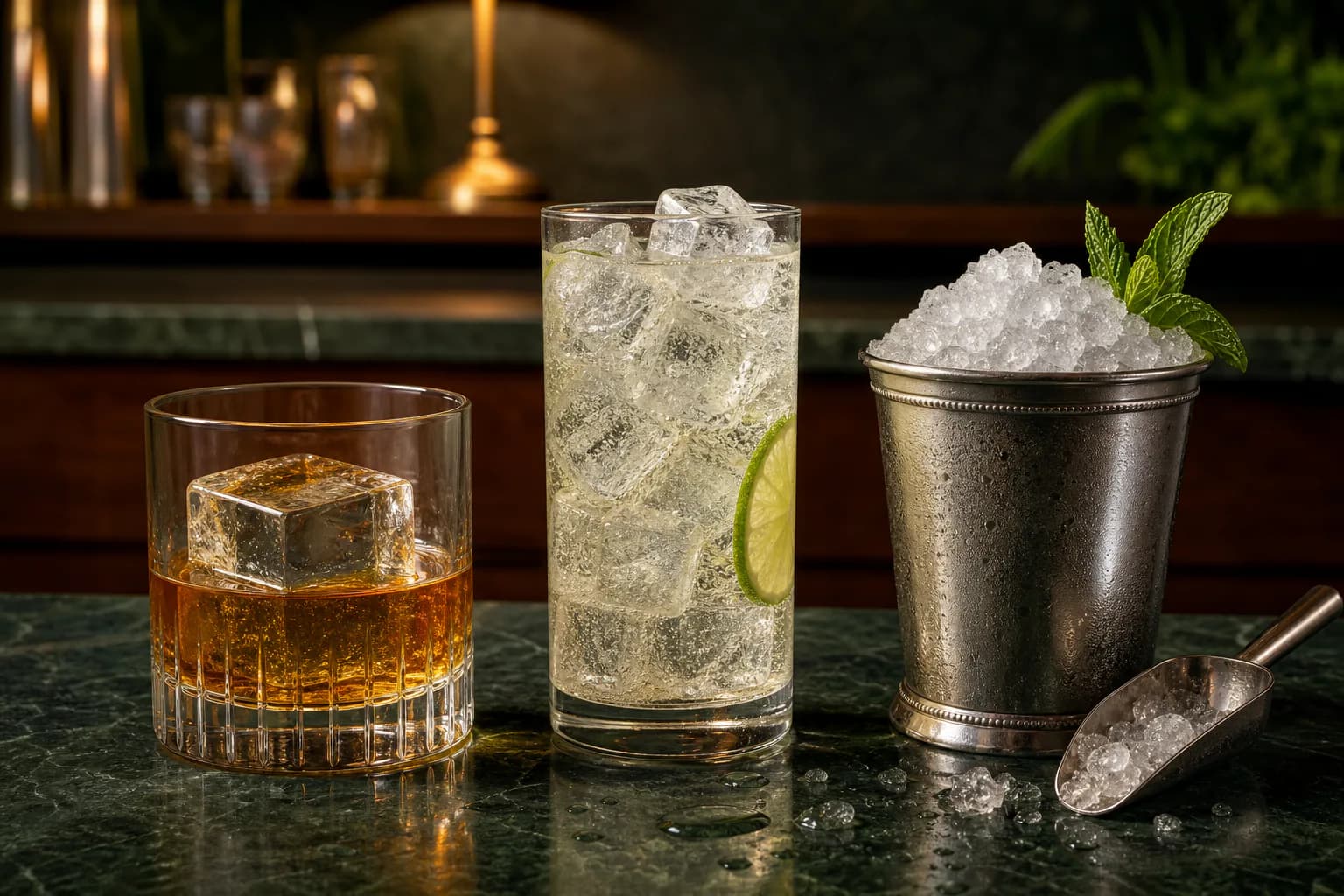
Use a rocks glass.
The low, sturdy bowl suits concentrated drinks and gives one large cube enough width.
- Standard size
- 300 ml10¼ oz
- Ice & serve
- Fill it with fresh ice cubes.
- If you don’t own one
- Use a small water tumbler with a heavy base.
- cocktail shaker
- strainer (or a small sieve)
- jigger or measuring spoon
- Sweet vermouth45 ml
- Dry vermouth45 ml
- Angostura bitters1 dash
- Orange bitters1 dash
From bottle to glass
Method
- 01
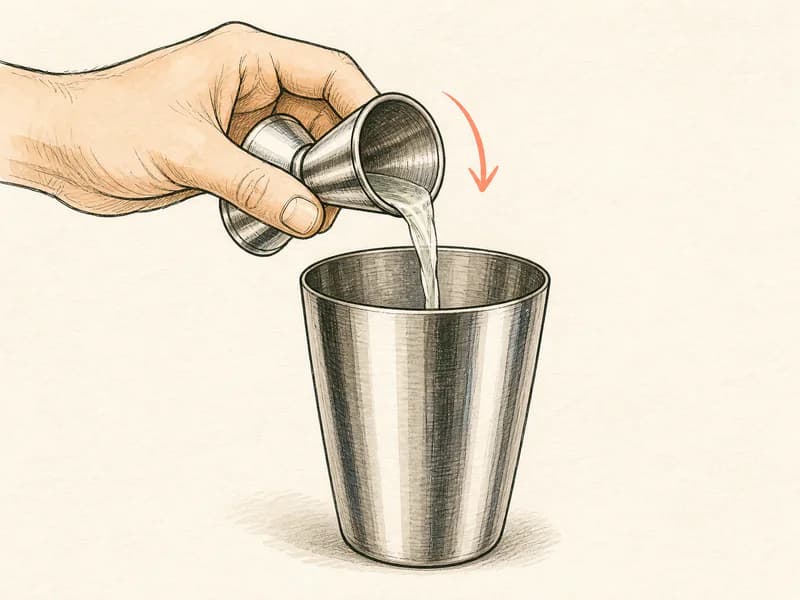
Measure into the shaker Pour 45 ml sweet vermouth into your shaker
 Sweet vermouth
- 02
Measure into the shaker Add 45 ml dry vermouth
- Dry vermouth
- 03
Measure into the shaker Add 1 dash Angostura
 Angostura bitters
- 04
Measure into the shaker Add 1 dash orange bitters
- Orange bitters
- 05
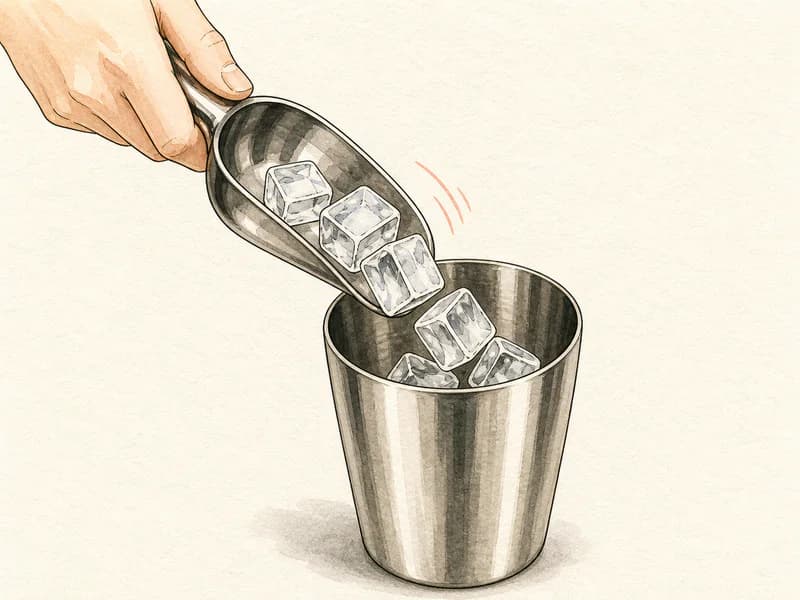
Ice the shaker Fill the shaker with ice
- 06
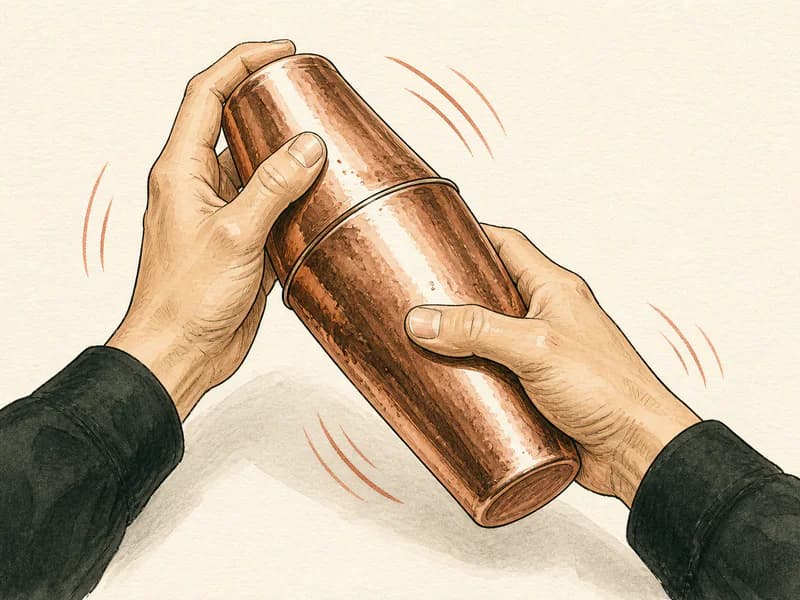
Seal and shake Seal and shake hard
- 07
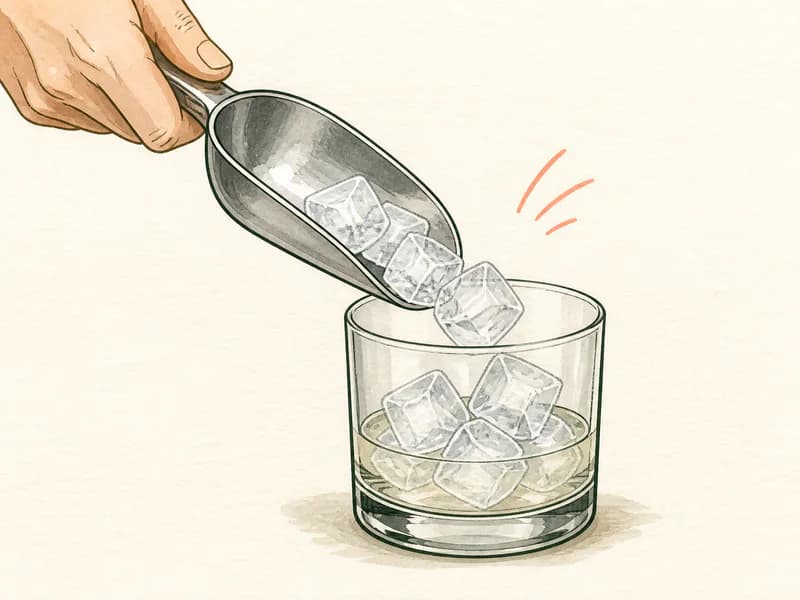
Ice the glass Fill your glass with fresh ice
- 08
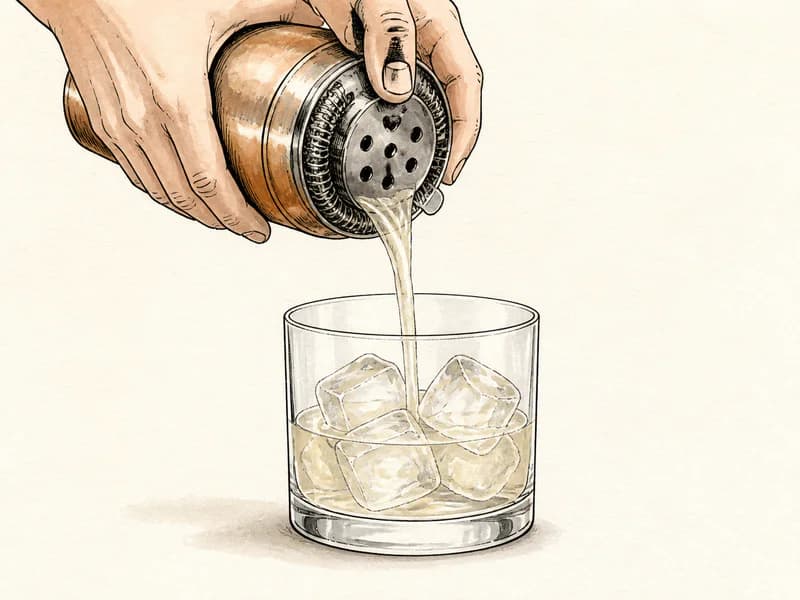
Strain cleanly Strain into your glass
- 09
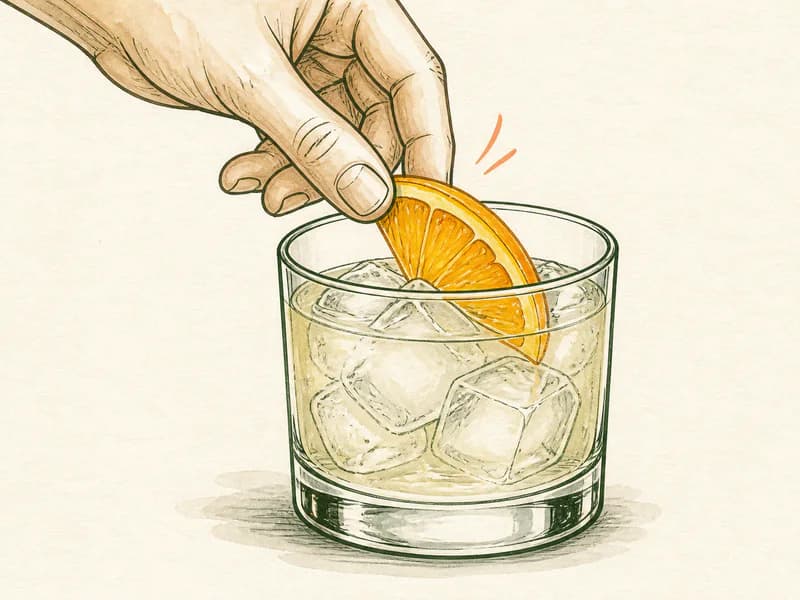
Finish the drink Finish it — add an orange slice
Know your drink
About the Bittersweet
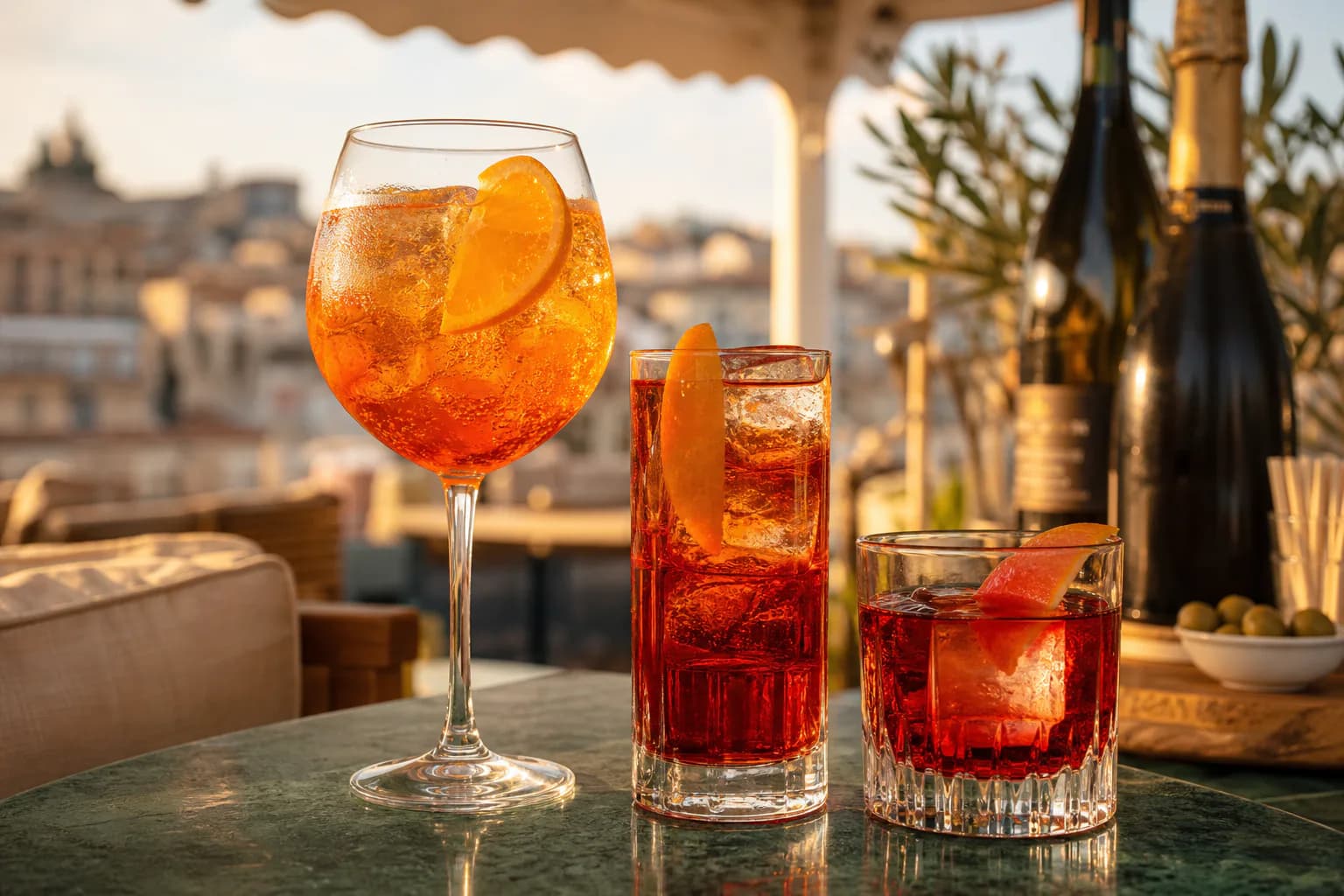
Two bitters, two vermouths
Orange bitters were standard bar equipment before Prohibition and close to extinct by the 1970s, which is why so many old recipes read oddly today. Half the seasoning is simply missing. Drinks built like this one only make sense once the bottle is back on the shelf: Angostura brings clove and cinnamon, orange bitters brings peel and a little sweetness.
Common questions
Bittersweet FAQ
Do I need both kinds of bitters?
Angostura on its own turns it darker and more medicinal. Orange bitters on its own makes it prettier and less interesting. Together they bracket the two vermouths at either end. If you only own one bottle, use Angostura and add a wide strip of orange peel to compensate.
Would a bianco vermouth work as the sweet half?
You get a paler, softer drink that leans on vanilla and elderflower rather than the bitter, spiced end of a red vermouth. It also loses the color, which is half of what makes the glass look like a drink. Fine in summer. Add a second dash of orange bitters to put some edge back.
Adding a spirit — how much before it stops being an aperitif?
Fifteen milliliters of a London dry is the line for me. Beyond that you have a Martini with both vermouths in it, and the reason for the drink evaporates: being able to have two before dinner and still cook afterwards. Keep the bitters whatever you do.
How is this different from an Addington?
Soda, mostly. An Addington takes the same two vermouths and stretches them with 60ml of soda water in a wine glass, which gives you something long and quenching. This one keeps them concentrated over ice and pulls the whole thing in a bitter direction instead.
What ingredients are in a Bittersweet?
A classic Bittersweet calls for 45 ml (1.5 oz) Sweet vermouth, 45 ml (1.5 oz) Dry vermouth, 1 dash Angostura Angostura bitters, 1 dash orange bitters Orange bitters. That single-serve spec scales cleanly — the recipe above converts it to oz and multiplies it for 2–4 drinks.
How strong is a Bittersweet?
A standard Bittersweet is roughly 17% ABV once mixed (before ice melt softens it further). That makes it about as strong as a glass of wine.
Is a Bittersweet shaken or stirred?
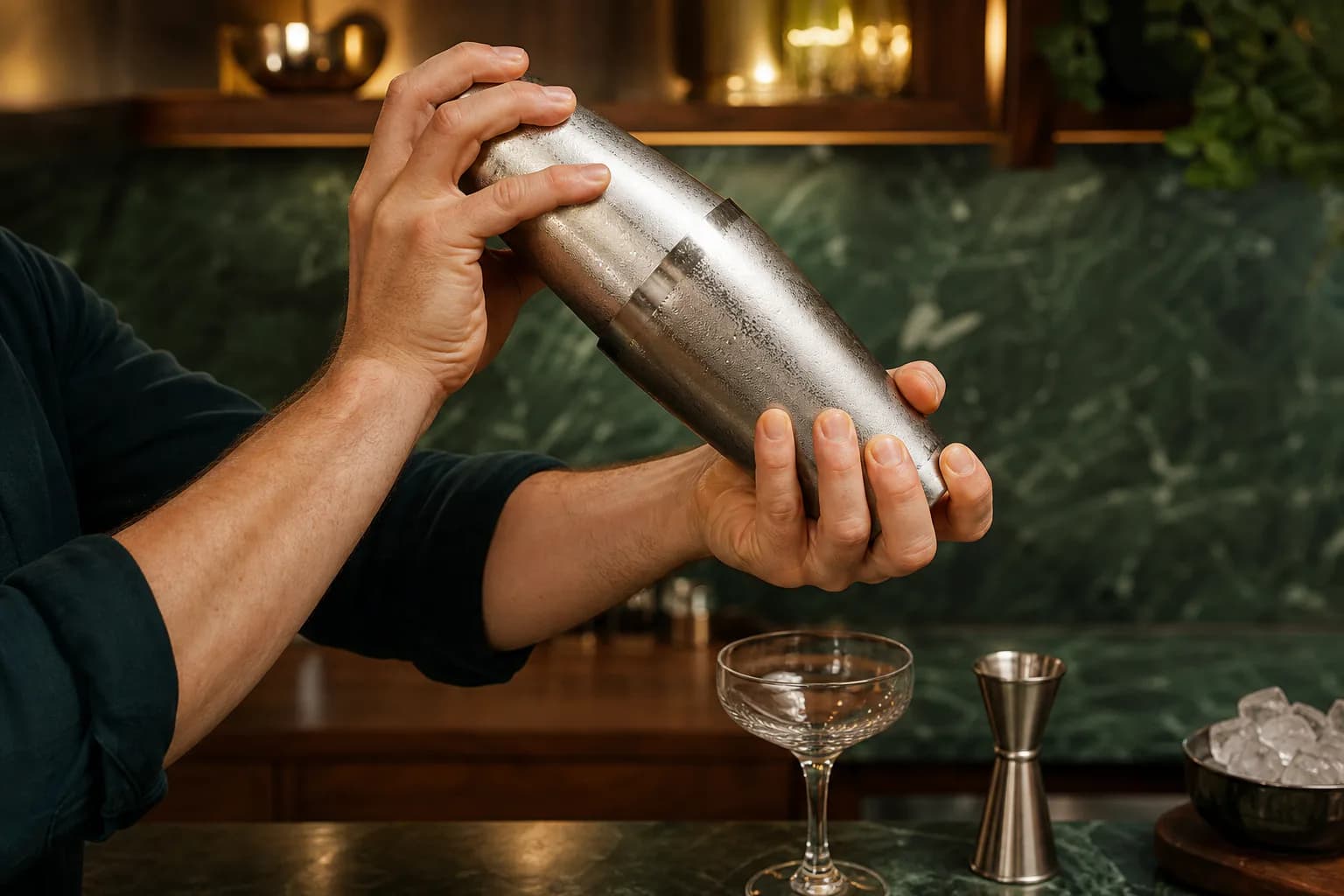
A Bittersweet is shaken. About 13 seconds with plenty of ice chills and dilutes it correctly.
Sharpen the technique
Skills used in this recipe
Where to go next
If you like the Bittersweet, try these.
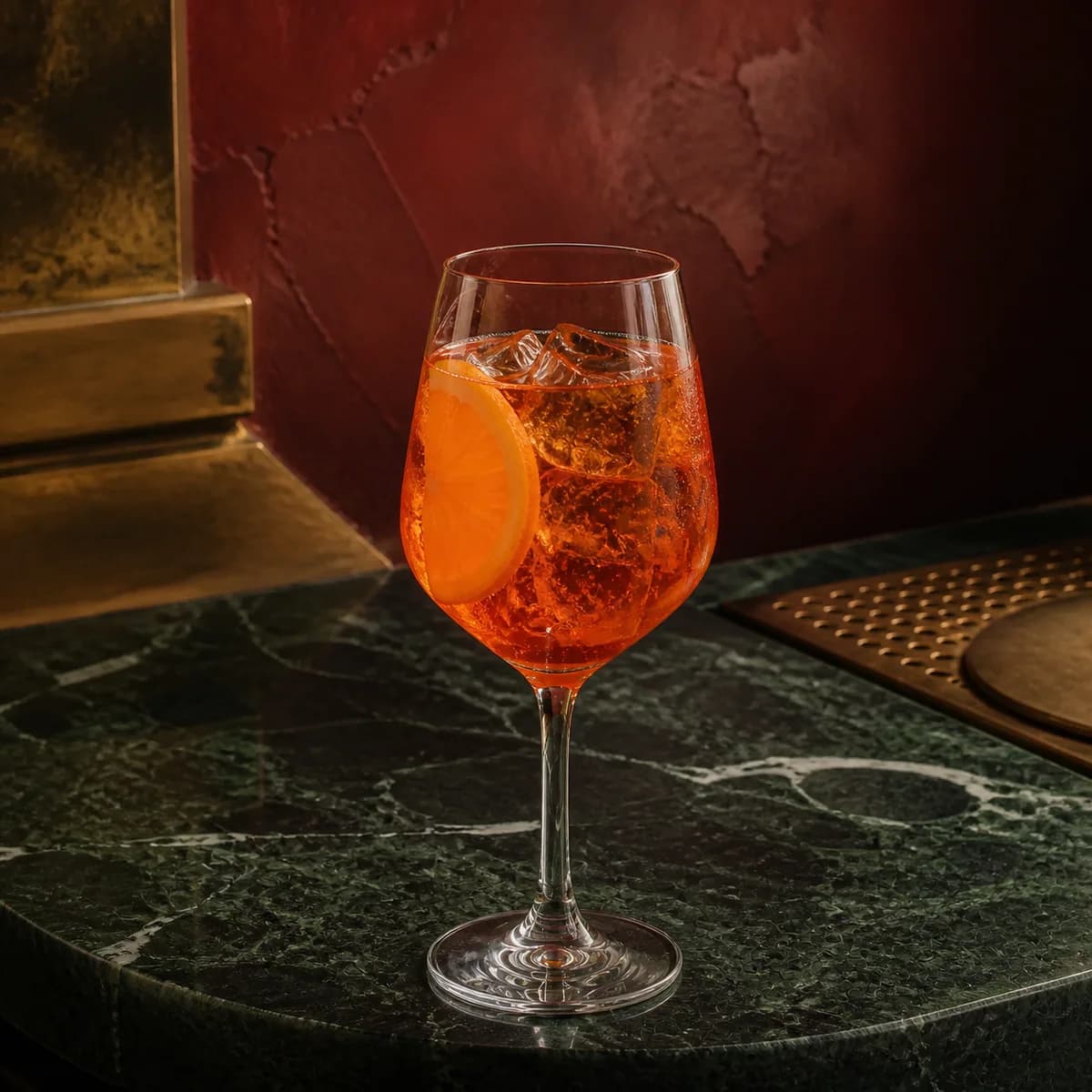
Vermouth Cocktail
Sweet vermouth is the entire drink here, poured over ice with a couple of dashes of bitters and a lemon twist. Which means the bottle you buy is the recipe. Something dusty and half empty from the back of a cupboard will taste exactly like that.
View recipe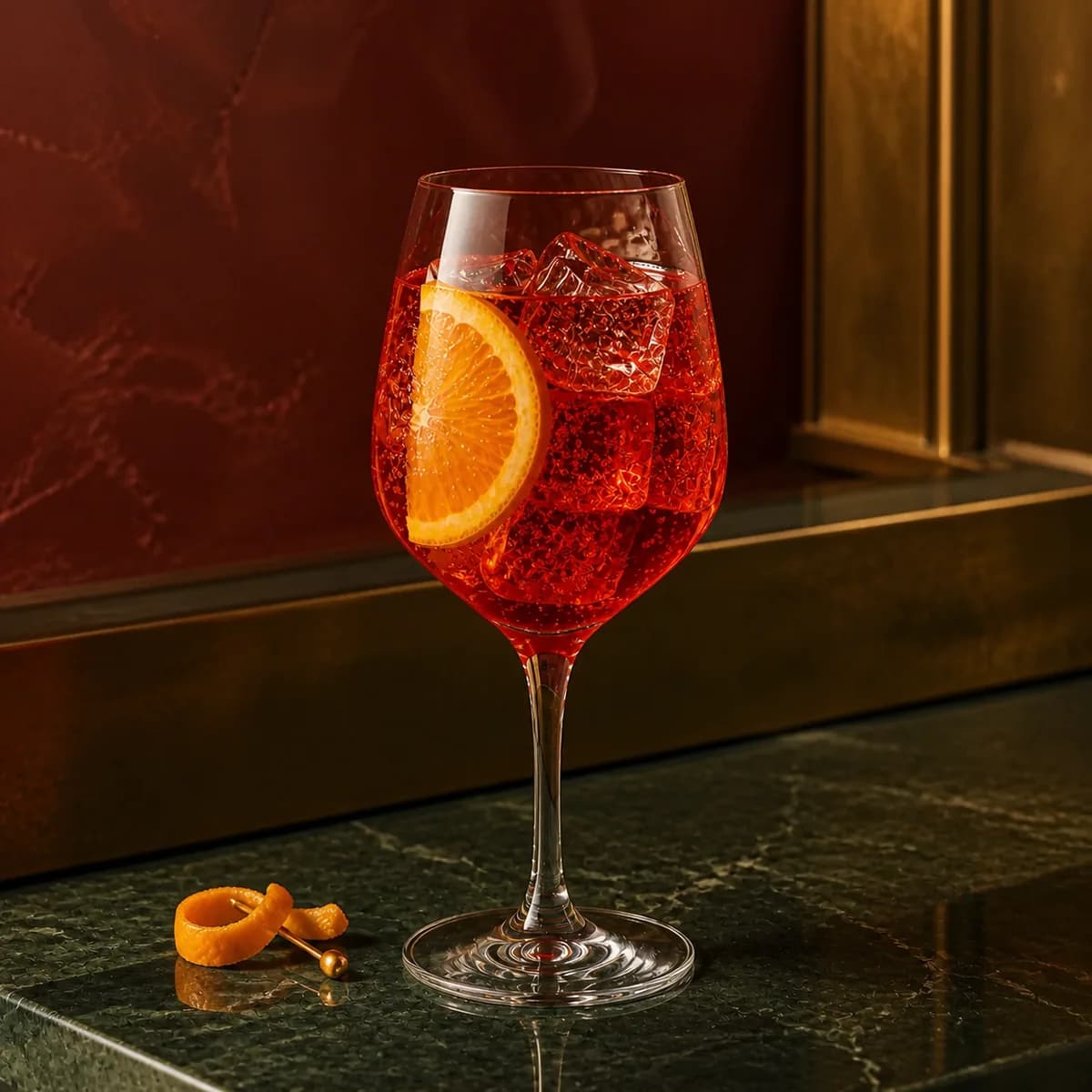
Addington
A featherlight aperitif: equal sweet and dry vermouth over ice, freshened with a little soda and an orange twist.
View recipe