Classic cocktail · Guided recipe
Addington
Start makingA featherlight aperitif: equal sweet and dry vermouth over ice, freshened with a little soda and an orange twist.
In the glassSweet vermouth · Dry vermouth · Soda water
See exact amounts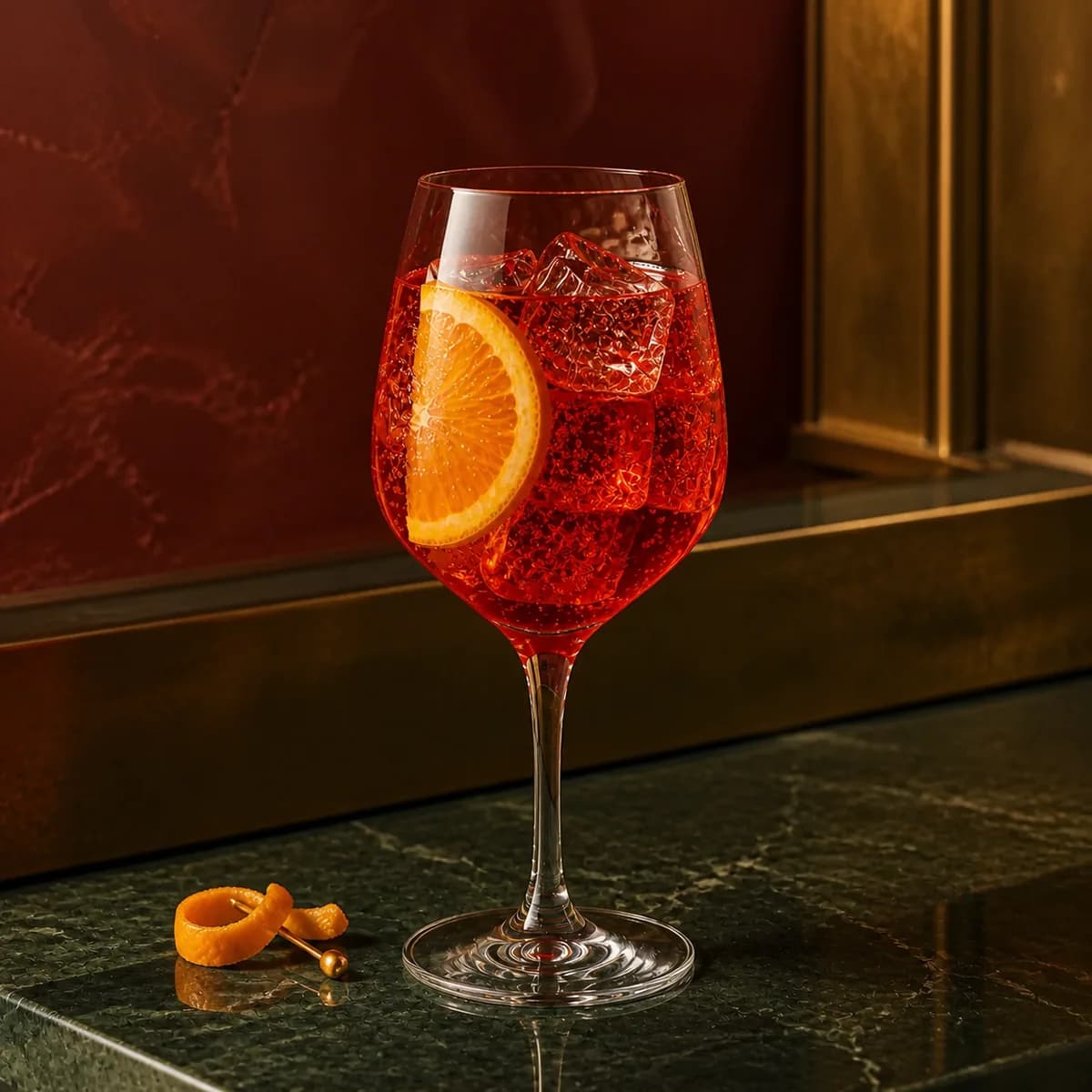
What goes in
Ingredients
Set up before you pour
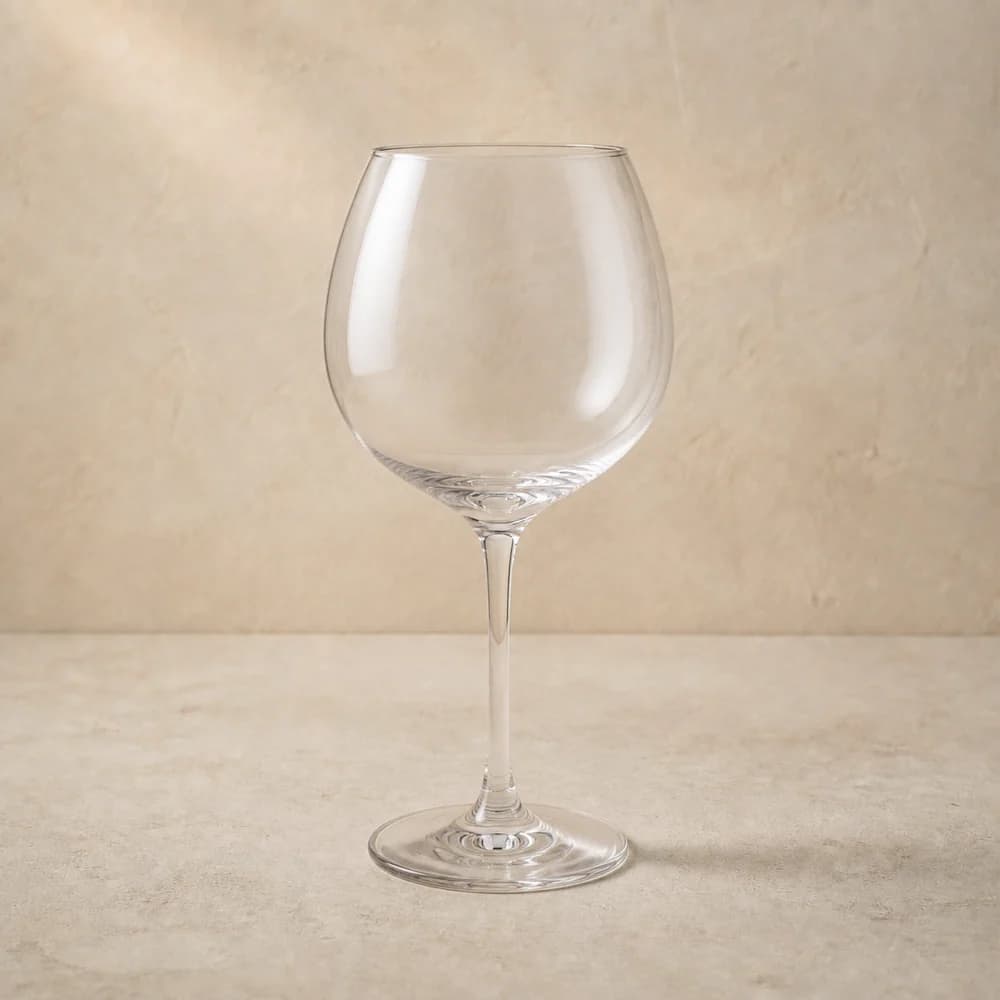
Use a large wine glass.
The generous bowl gives a spritz enough space for ice, fruit and sparkling mixer without crowding.
- Standard size
- 400 ml13½ oz
- Ice & serve
- Fill it with fresh ice cubes.
- If you don’t own one
- Use a stemless wine glass or roomy tumbler.
- jigger or measuring spoon
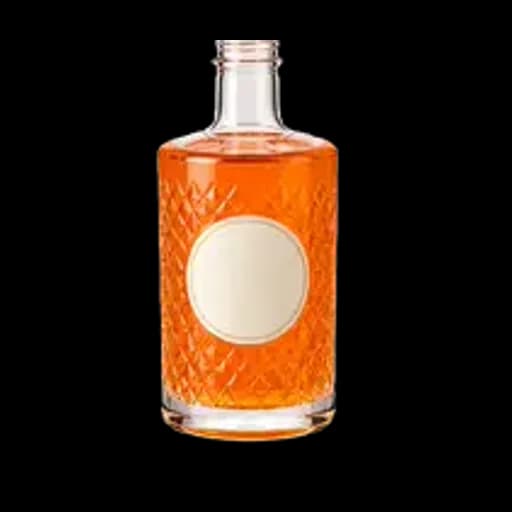
- Sweet vermouth45 ml
- Dry vermouth45 ml
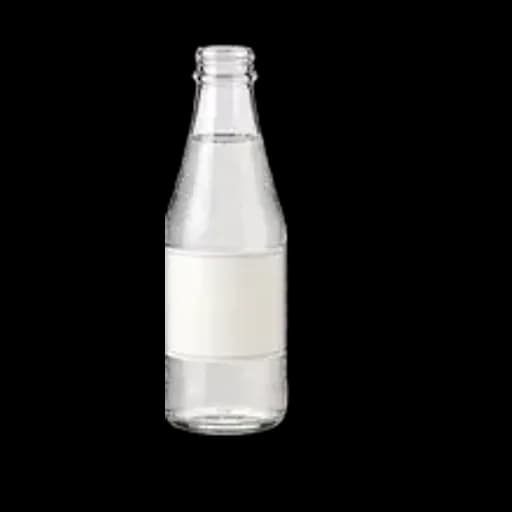
- Soda water60 ml
From bottle to glass
Method
- 01
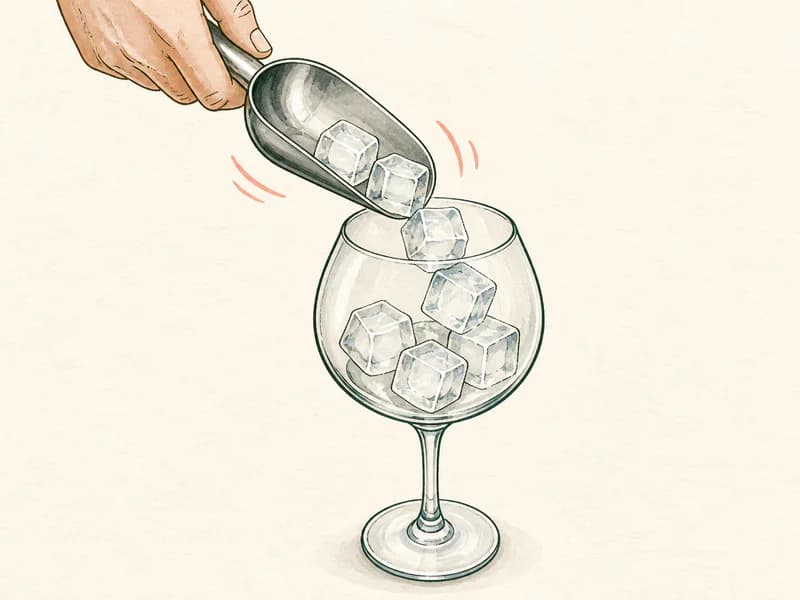
Ice the glass Fill the glass with ice
- 02
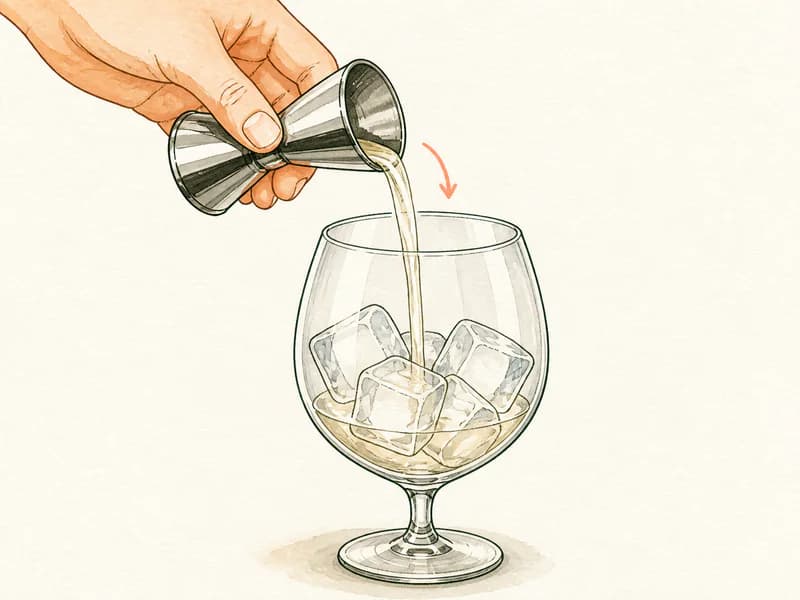
Measure and pour Pour 45 ml sweet vermouth
 Sweet vermouth
- 03
Measure and pour Add 45 ml dry vermouth
- Dry vermouth
- 04
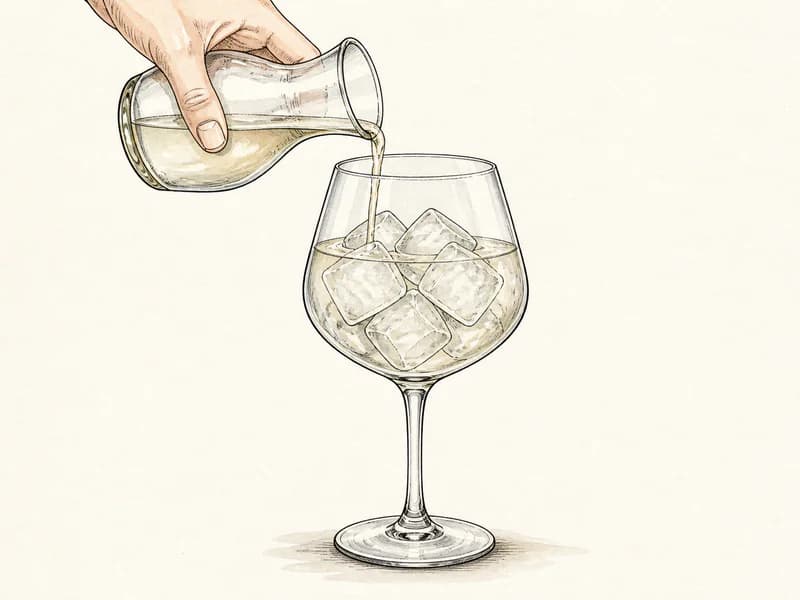
Top gently Top with 60 ml soda water
 Soda water
- 05
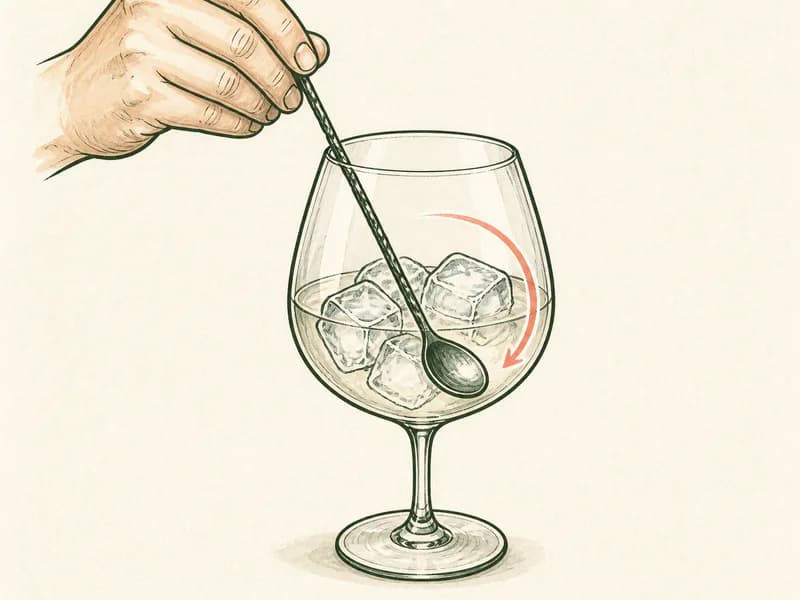
Stir around the ice Stir gently to combine
- 06
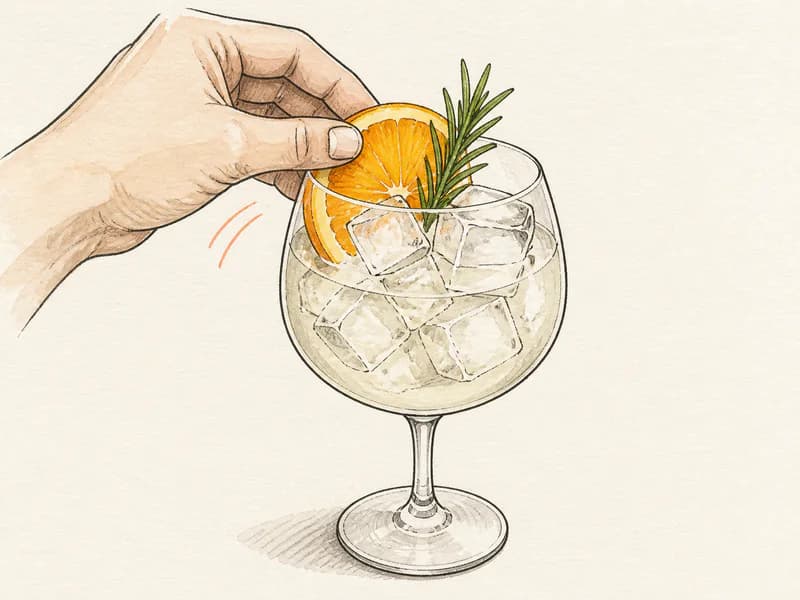
Finish the drink Finish it — add an orange slice
Know your drink
About the Addington
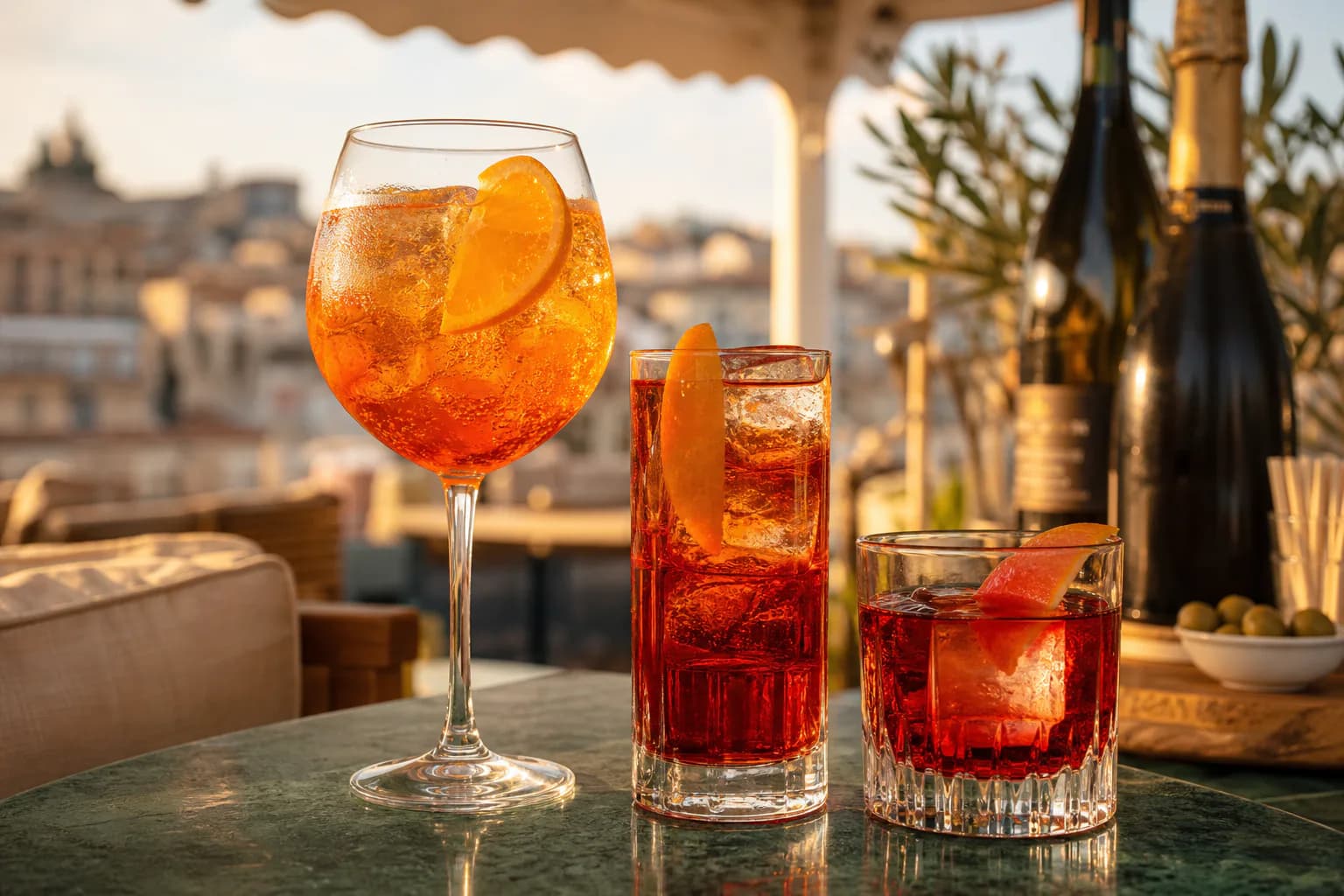
Vermouth as the drink
French and Italian vermouth in equal measure, soda water, a twist of orange. That is the whole recipe as it comes down to us from Harry Craddock's 1930 Savoy Cocktail Book, with no spirit anywhere in it. Vermouth in the 1920s was something people drank by the glass, not something kept in the fridge door for cocktails.
Sweet vermouth alone goes cloying over ice and dry vermouth alone goes thin. Together they cover each other's gaps, and the soda stops the whole thing turning sticky as the ice melts. Shift the ratio much in either direction and you lose the reason this works at that length.
Common questions
Addington FAQ
Is there enough alcohol here to call it a cocktail?
Roughly ten percent in the glass before the ice does any work, which puts it between a glass of wine and a spritz. That is the point rather than a compromise. It was built for the hours when a Martini would quietly end the rest of your afternoon.
Which two vermouths should I buy for this?
Both bottles are fully exposed, so neither can be cheap. Look for a Turin-style rosso with real bitterness and a French dry that tastes of white wine rather than of nothing. Cocchi and Dolin are the easy pair. Carpano Antica is loud enough to bury the dry half.
Would a twist of peel be better than the slice?
Sharper, certainly. A slice sits in soda and keeps sweetening the drink while you work down it, where peel gives you the oil and none of the juice, which keeps the dry half in view. Express it over the surface, then decide whether the fruit goes in as well.
Which half do I move if it drinks sweet?
Take the rosso down rather than the dry up. Thirty milliliters of rosso against 45 of dry loses the sugar without going thin, and the soda stays at 60 either way. Reaching for more soda instead just waters the drink, which is a different problem from sweetness.
What ingredients are in an Addington?
A classic Addington calls for 45 ml (1.5 oz) Sweet vermouth, 45 ml (1.5 oz) Dry vermouth, 60 ml (2 oz) Soda water. That single-serve spec scales cleanly — the recipe above converts it to oz and multiplies it for 2–4 drinks.
Is an Addington shaken or stirred?
An Addington is built directly in the glass over ice — no shaker required. Add the ingredients in order and give it a brief, gentle stir.
What glass do you serve an Addington in?
Serve an Addington in a large wine glass, over fresh ice cubes.
Sharpen the technique
Skills used in this recipe
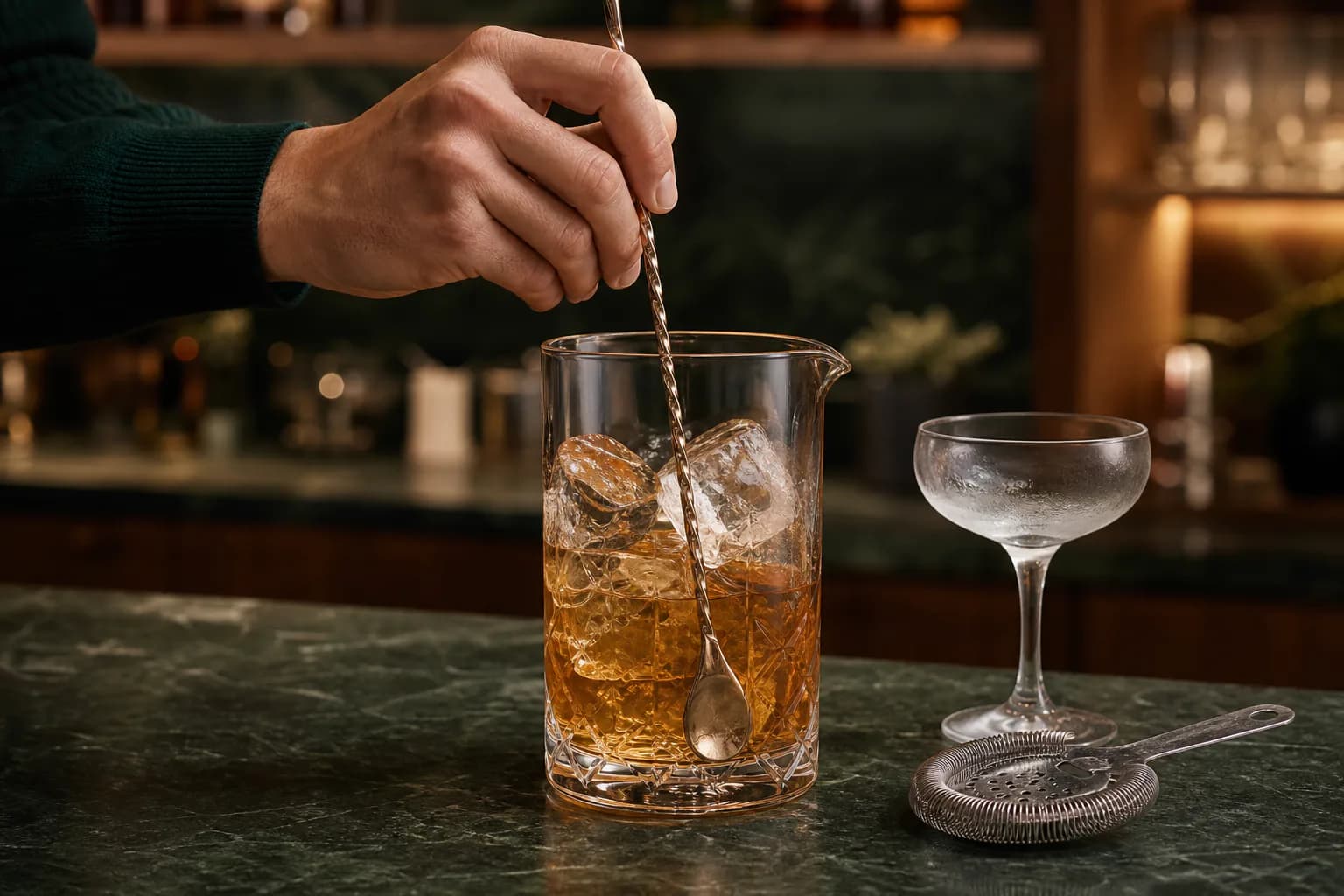
How to stir a cocktail for a silky finish
Control chilling and dilution without adding the bubbles and texture of a shake.
Read the guide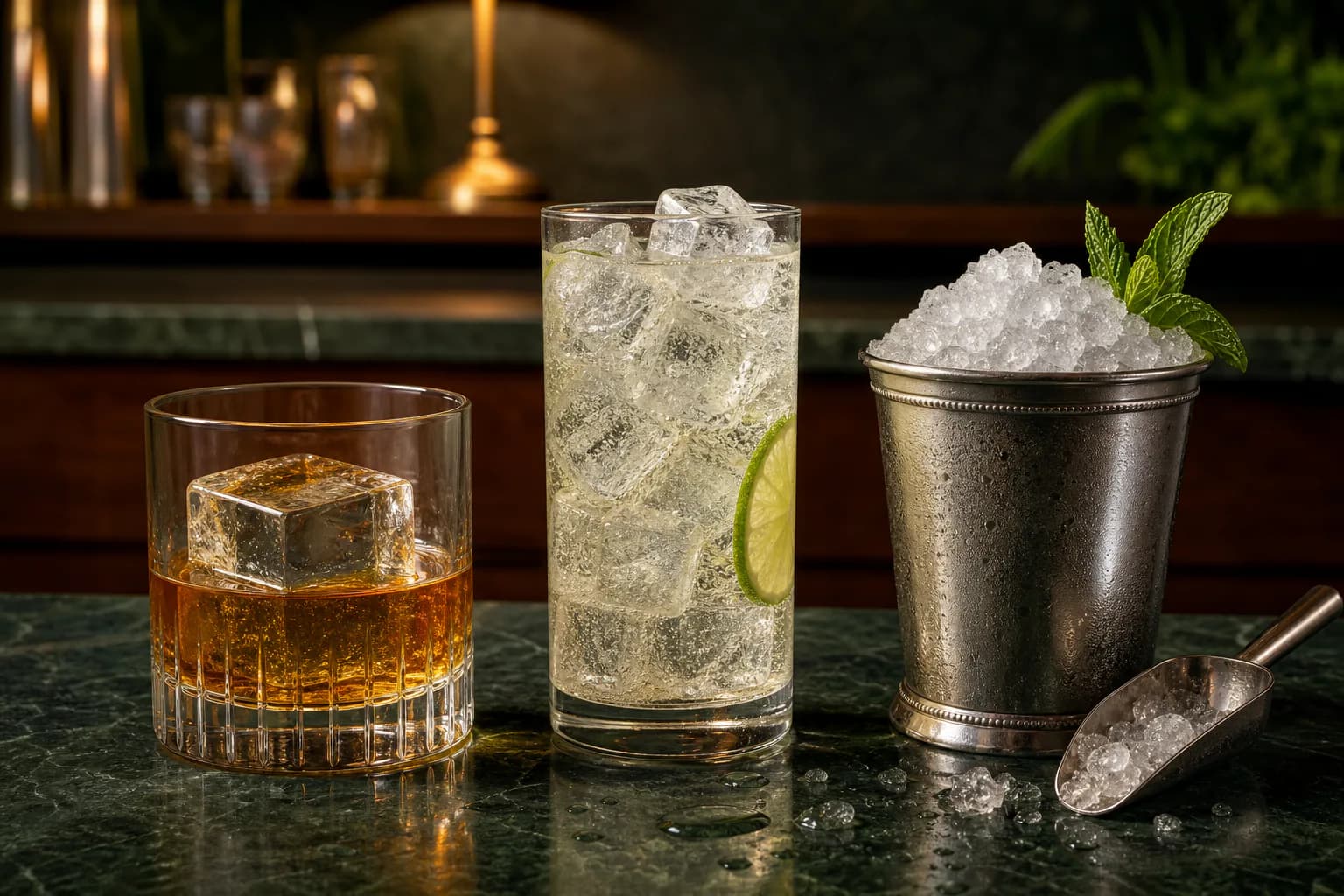
Cocktail ice: cubes, crushed ice and dilution
Understand why ice is an ingredient—and choose the right shape for every drink.
Read the guideWhere to go next
If you like the Addington, try these.
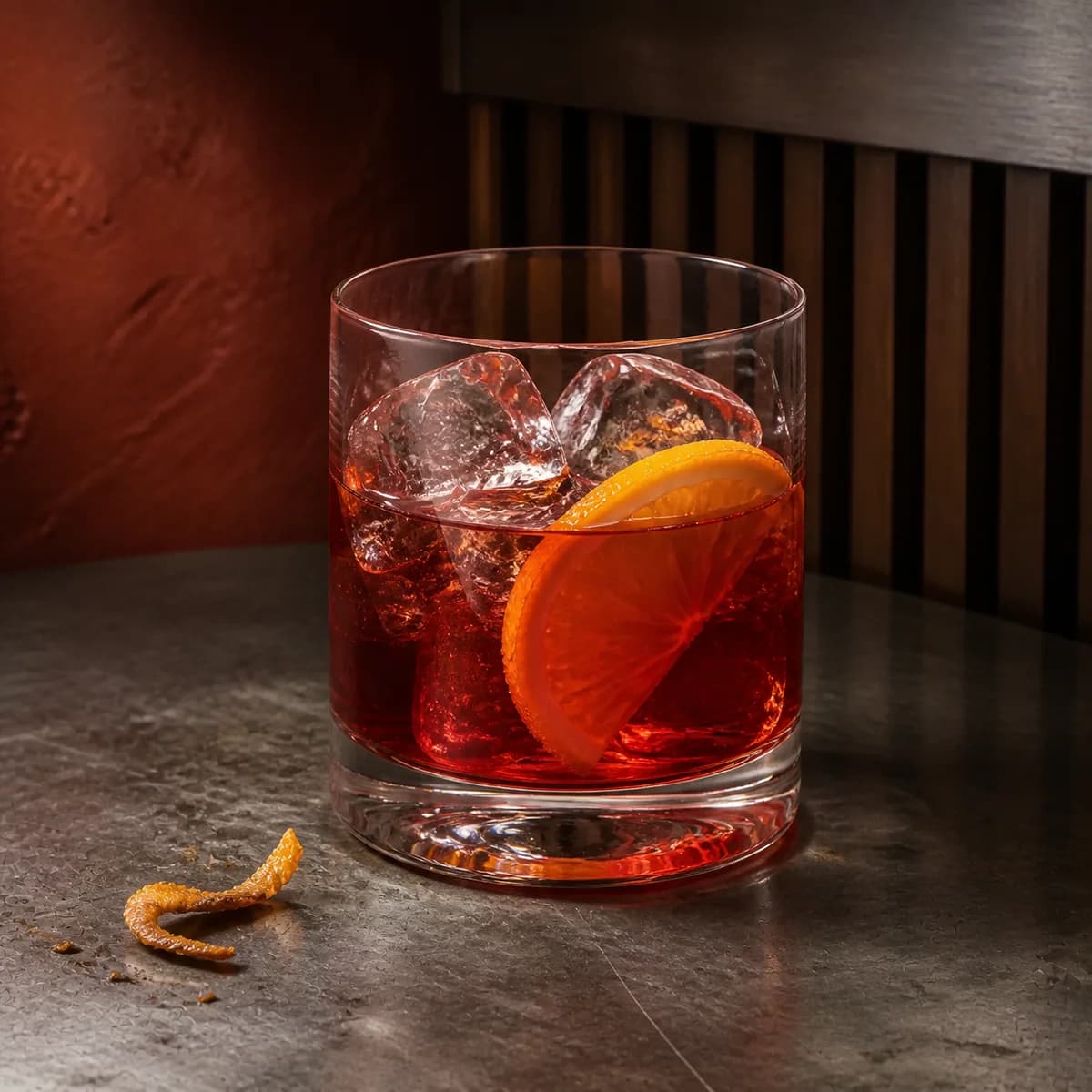
Bittersweet
Equal measures of sweet and dry vermouth, then bitters twice over: Angostura for spice, orange for lift. Low enough in alcohol to drink before dinner without consequence, bitter enough that you notice it going down.
View recipe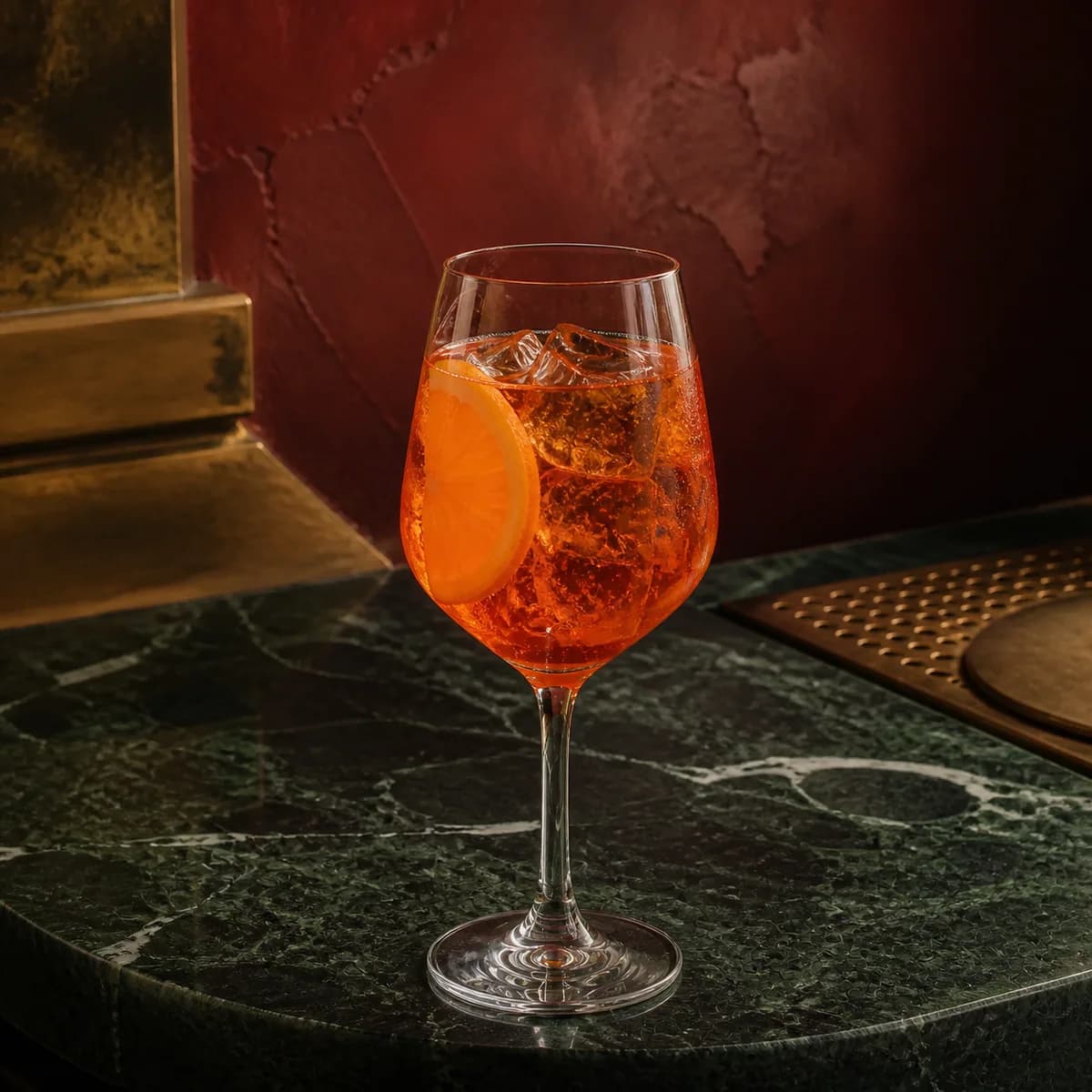
Vermouth Cocktail
Sweet vermouth is the entire drink here, poured over ice with a couple of dashes of bitters and a lemon twist. Which means the bottle you buy is the recipe. Something dusty and half empty from the back of a cupboard will taste exactly like that.
View recipe