Classic cocktail · Guided recipe
Bloody Mary
Start makingVodka, tomato juice and lemon, built over ice and seasoned to taste — brunch’s savory heavyweight. Add pepper, salt and hot sauce to your liking.
In the glassVodka · Tomato juice · Fresh lemon juice
See exact amounts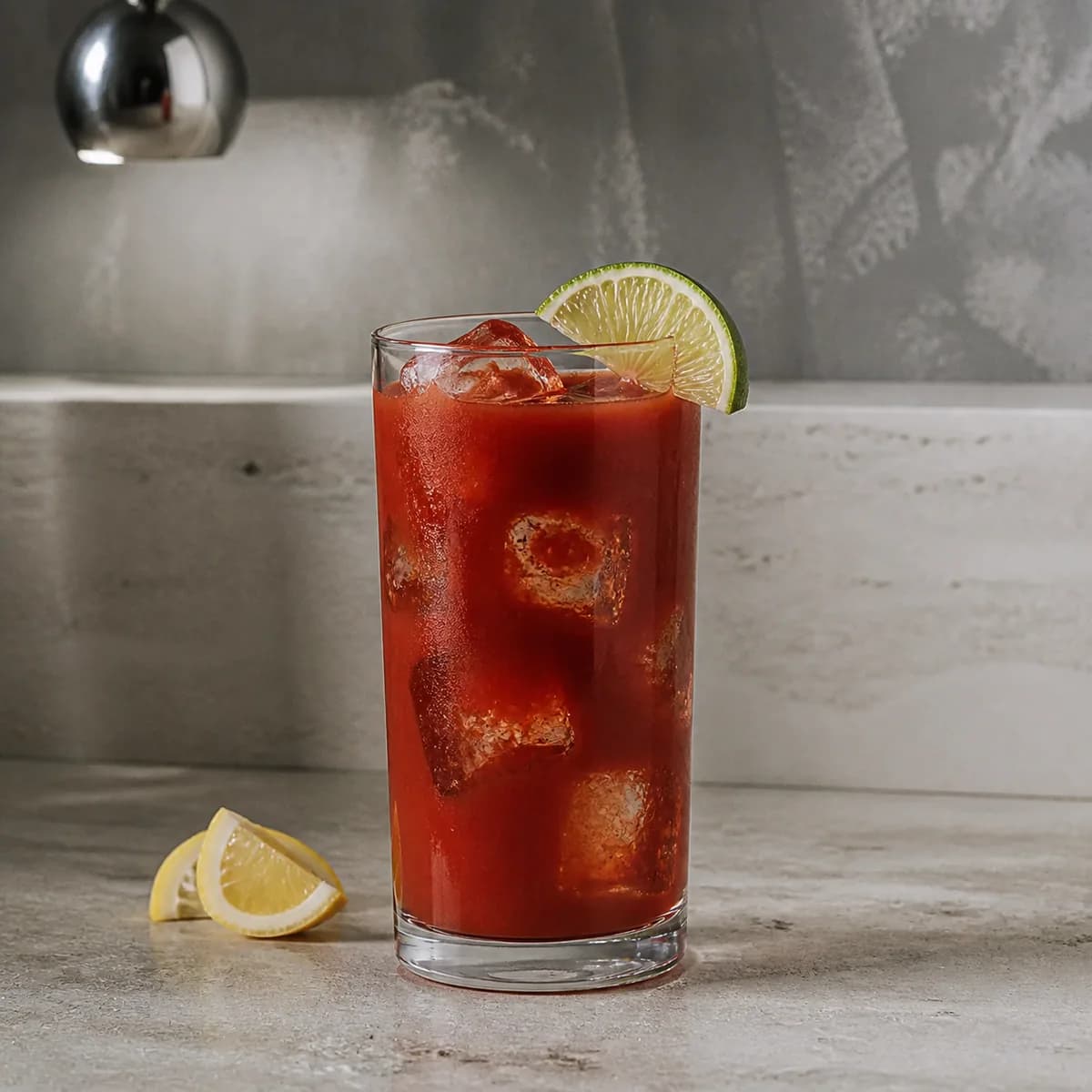
What goes in
Ingredients
Set up before you pour
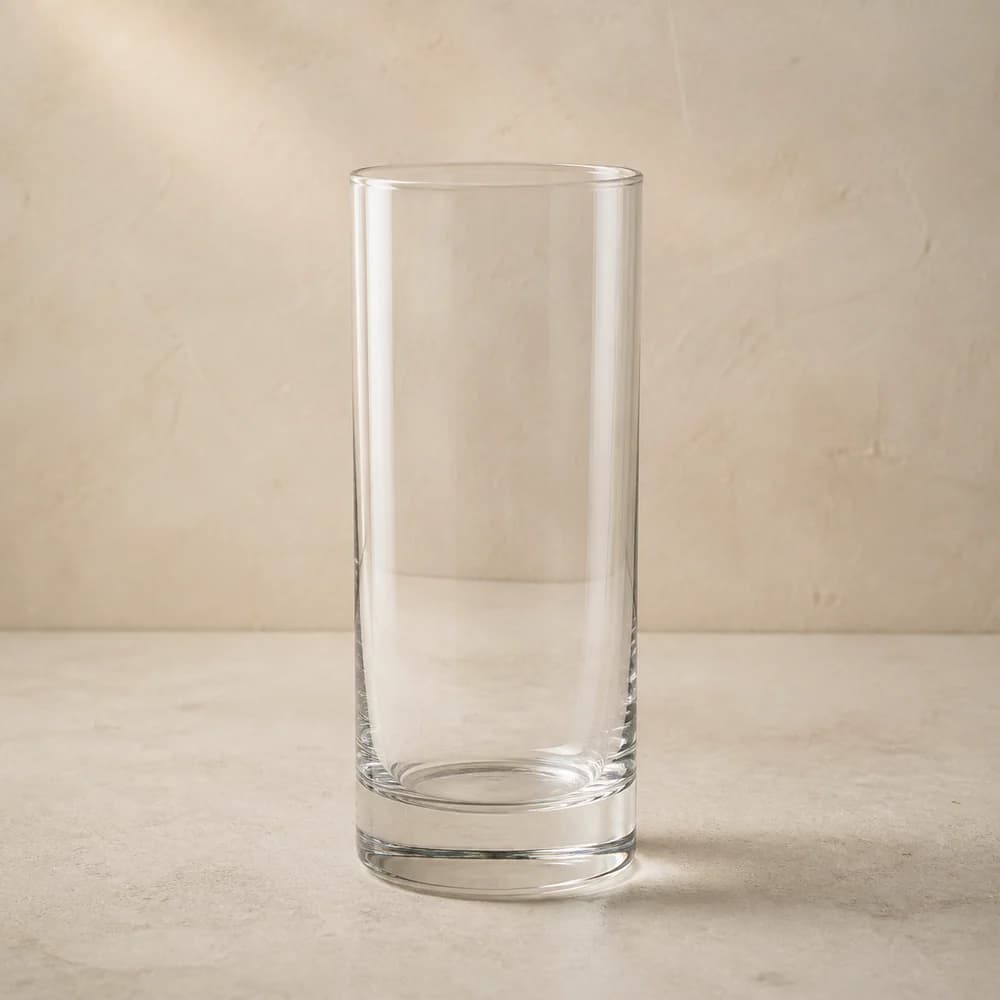
Use a highball glass.
The tall, straight shape leaves room for plenty of ice and mixer while keeping a long drink lively.
- Standard size
- 350 ml11¾ oz
- Ice & serve
- Fill it with fresh ice cubes.
- If you don’t own one
- Use a Collins glass or any tall, straight-sided tumbler.
- jigger or measuring spoon
- Vodka45 ml
- Tomato juice90 ml
- Fresh lemon juice15 ml

From bottle to glass
Method
- 01
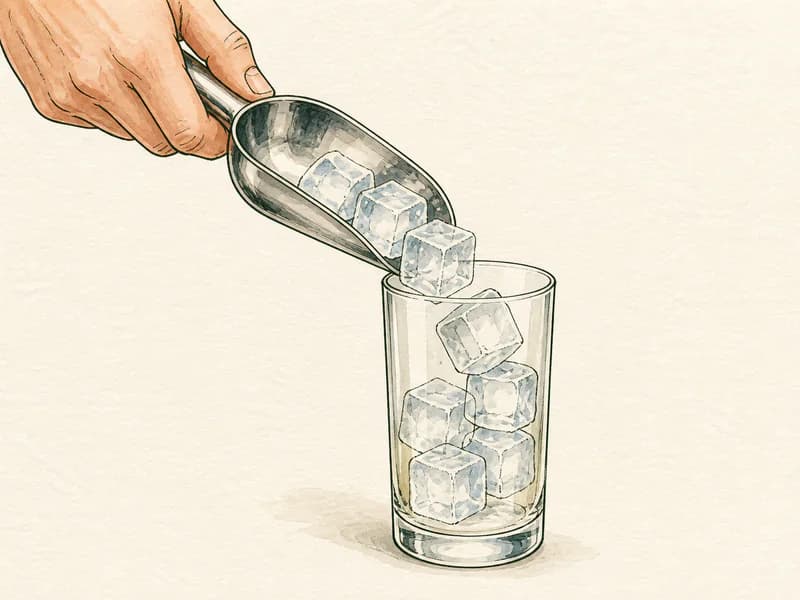
Ice the glass Fill the glass with ice
- 02
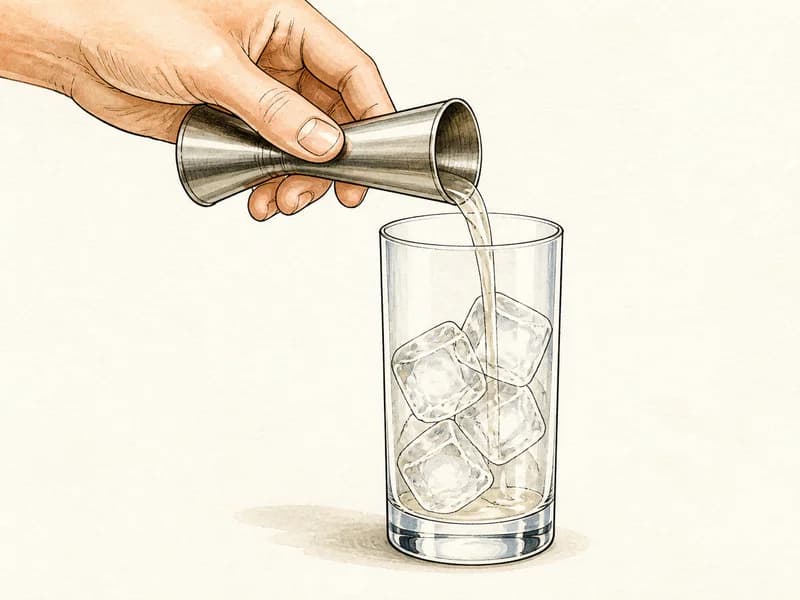
Measure and pour Pour 45 ml vodka
 Vodka
Vodka
- 03
Measure and pour Add 90 ml tomato juice
 Tomato juice
- 04
Measure and pour Add 15 ml fresh lemon juice
 Fresh lemon juice
- 05
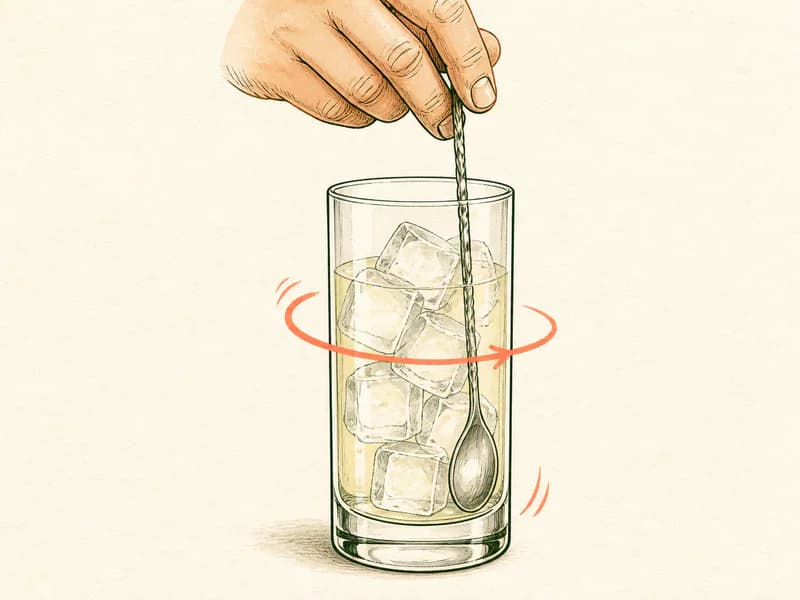
Stir around the ice Stir gently to combine
- 06
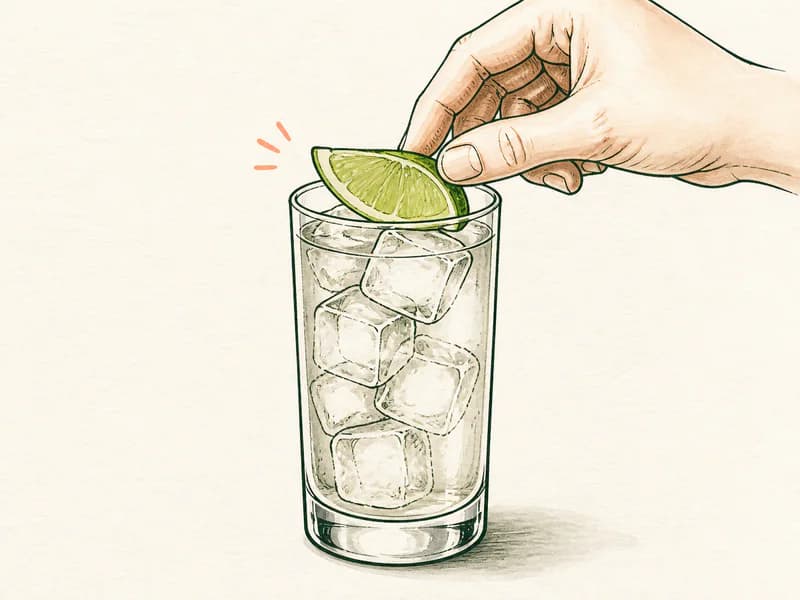
Finish the drink Finish it — add a lime wedge
Know your drink
About the Bloody Mary
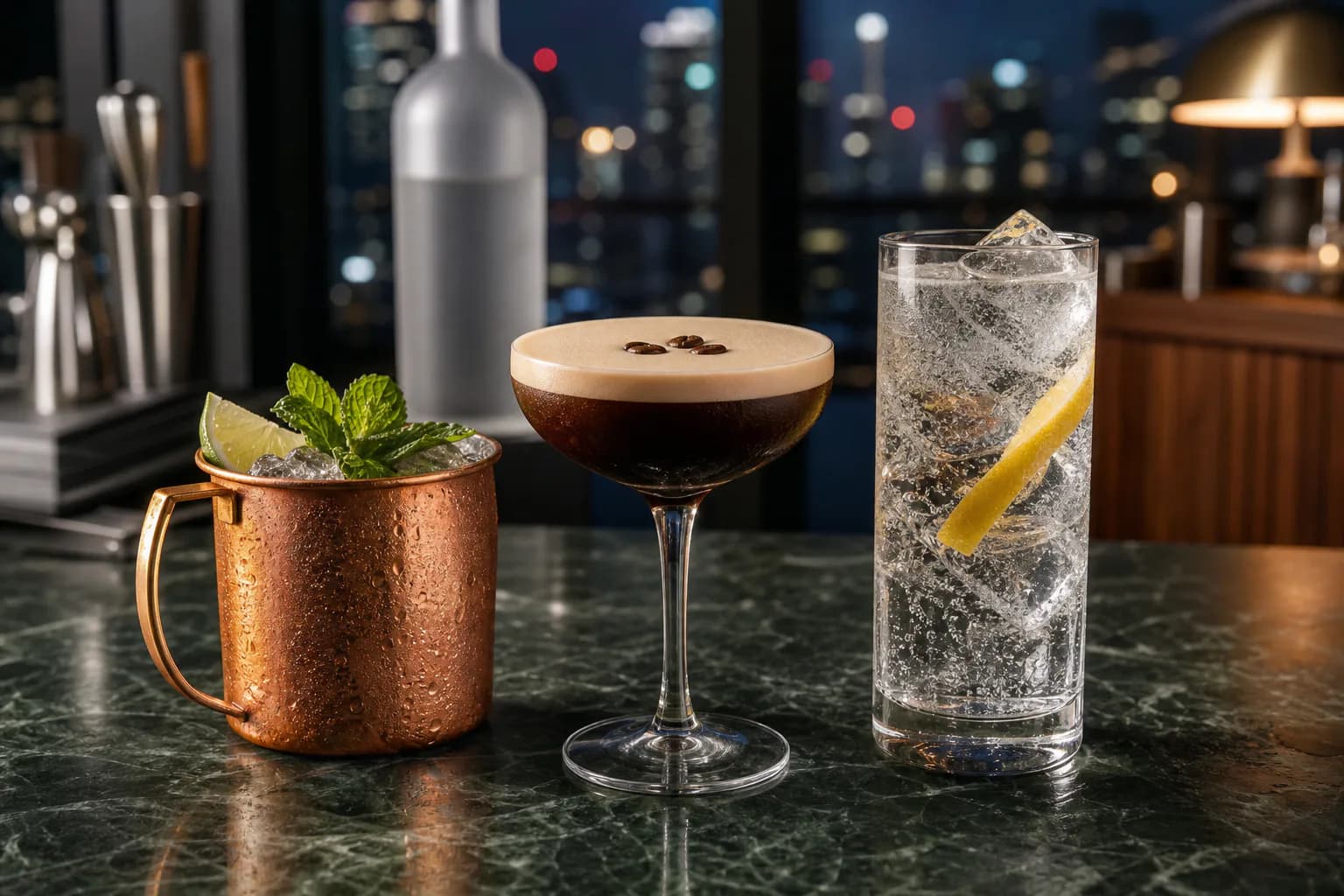
Paris invention, New York institution
Bartender Fernand "Pete" Petiot claimed he first mixed vodka and tomato juice at Harry’s New York Bar in 1920s Paris, then perfected the seasoned version at Manhattan’s St. Regis hotel — where propriety renamed it the "Red Snapper". The spice survived; the polite name didn’t.
Common questions
Bloody Mary FAQ
How spicy should a bloody mary be?
To taste — start with a few dashes of hot sauce and a pinch of black pepper, taste, and build. The best bloody marys layer flavor (Worcestershire’s umami, lemon’s acid, horseradish’s sinus heat) rather than just piling on capsaicin.
Should a bloody mary be shaken?
Never shake it — tomato juice froths into an unpleasant foam. "Roll" it instead: pour the drink back and forth between two tins a few times, gently, until mixed and chilled.
What are the classic bloody mary variations?
Tequila makes a Bloody Maria, no alcohol makes a Virgin Mary, beer chaser on the side is a classic diner move, and clam-fortified tomato juice makes the divisive-but-beloved Caesar, Canada’s national cocktail.
What ingredients are in a Bloody Mary?
A classic Bloody Mary calls for 45 ml (1.5 oz) Vodka, 90 ml (3 oz) Tomato juice, 15 ml (0.5 oz) Fresh lemon juice. That single-serve spec scales cleanly — the recipe above converts it to oz and multiplies it for 2–4 drinks.
How strong is a Bloody Mary?
A standard Bloody Mary is roughly 12% ABV once mixed (before ice melt softens it further). That makes it about as strong as a glass of wine.
What glass do you serve a Bloody Mary in?
Serve a Bloody Mary in a highball (tall) glass, over fresh ice cubes.
How many calories are in a Bloody Mary?
One Bloody Mary has approximately 120 calories, estimated from the standard spec above. Bigger pours, extra syrup or sweetened mixers raise that number quickly.
Sharpen the technique
Skills used in this recipe
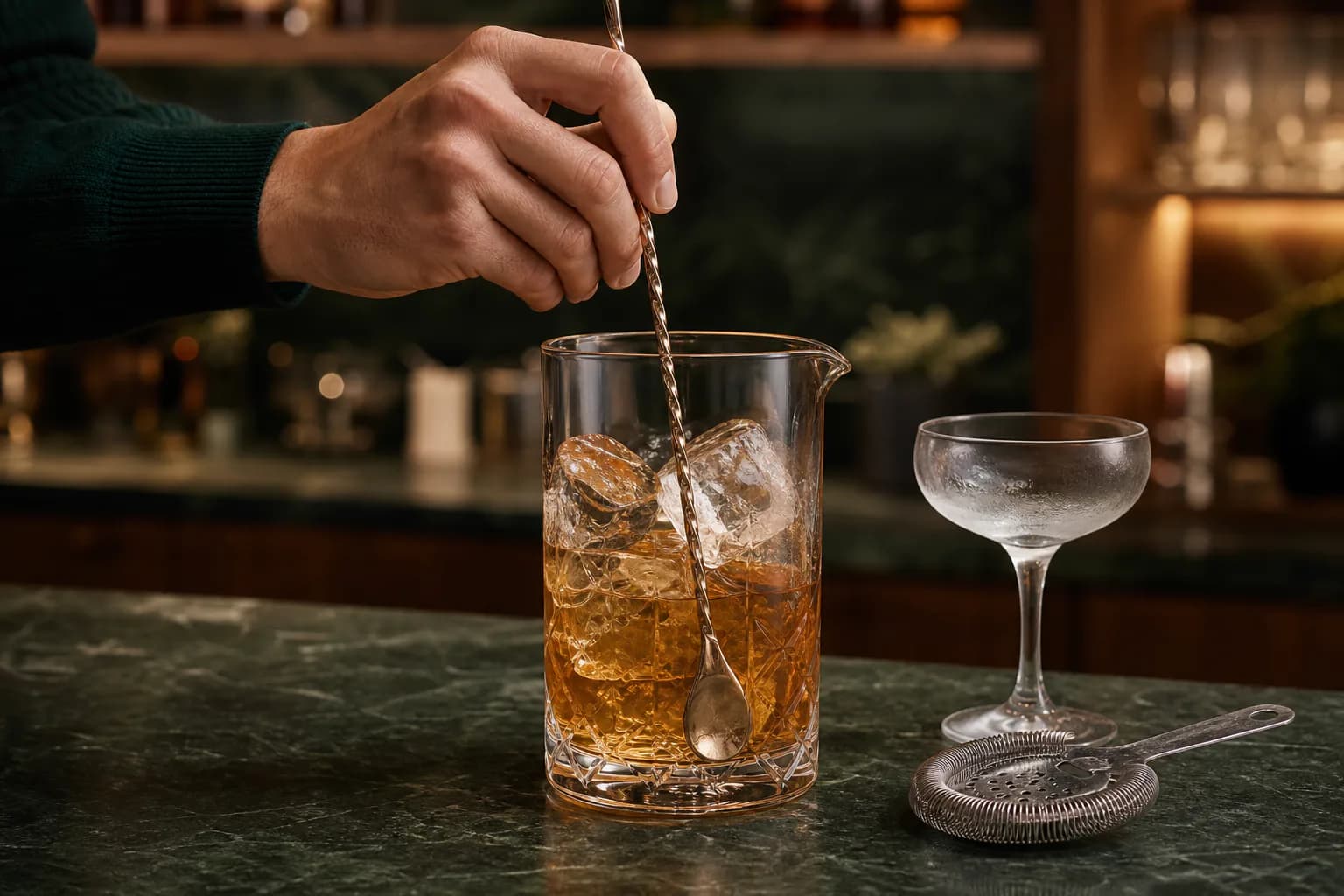
How to stir a cocktail for a silky finish
Control chilling and dilution without adding the bubbles and texture of a shake.
Read the guide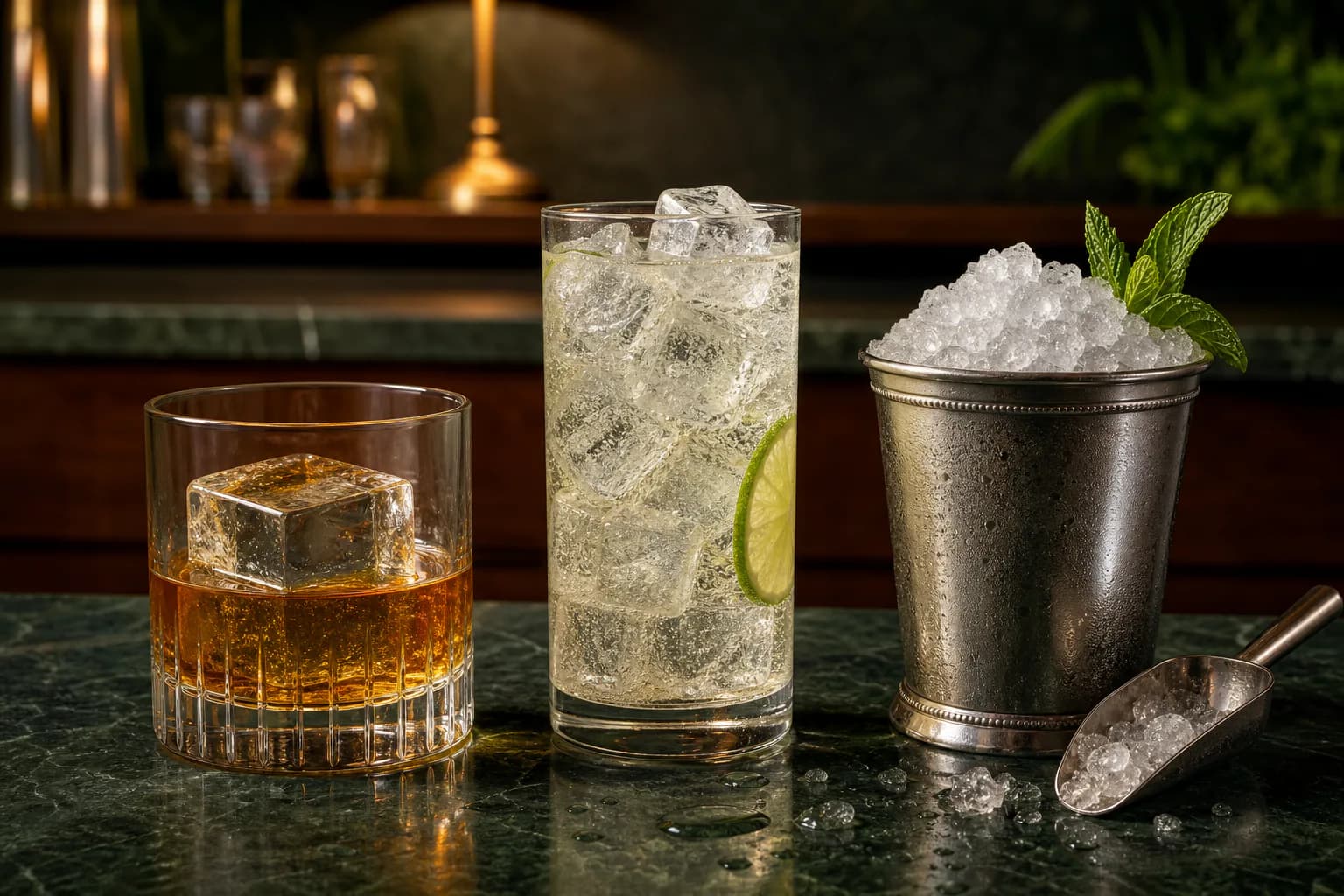
Cocktail ice: cubes, crushed ice and dilution
Understand why ice is an ingredient—and choose the right shape for every drink.
Read the guide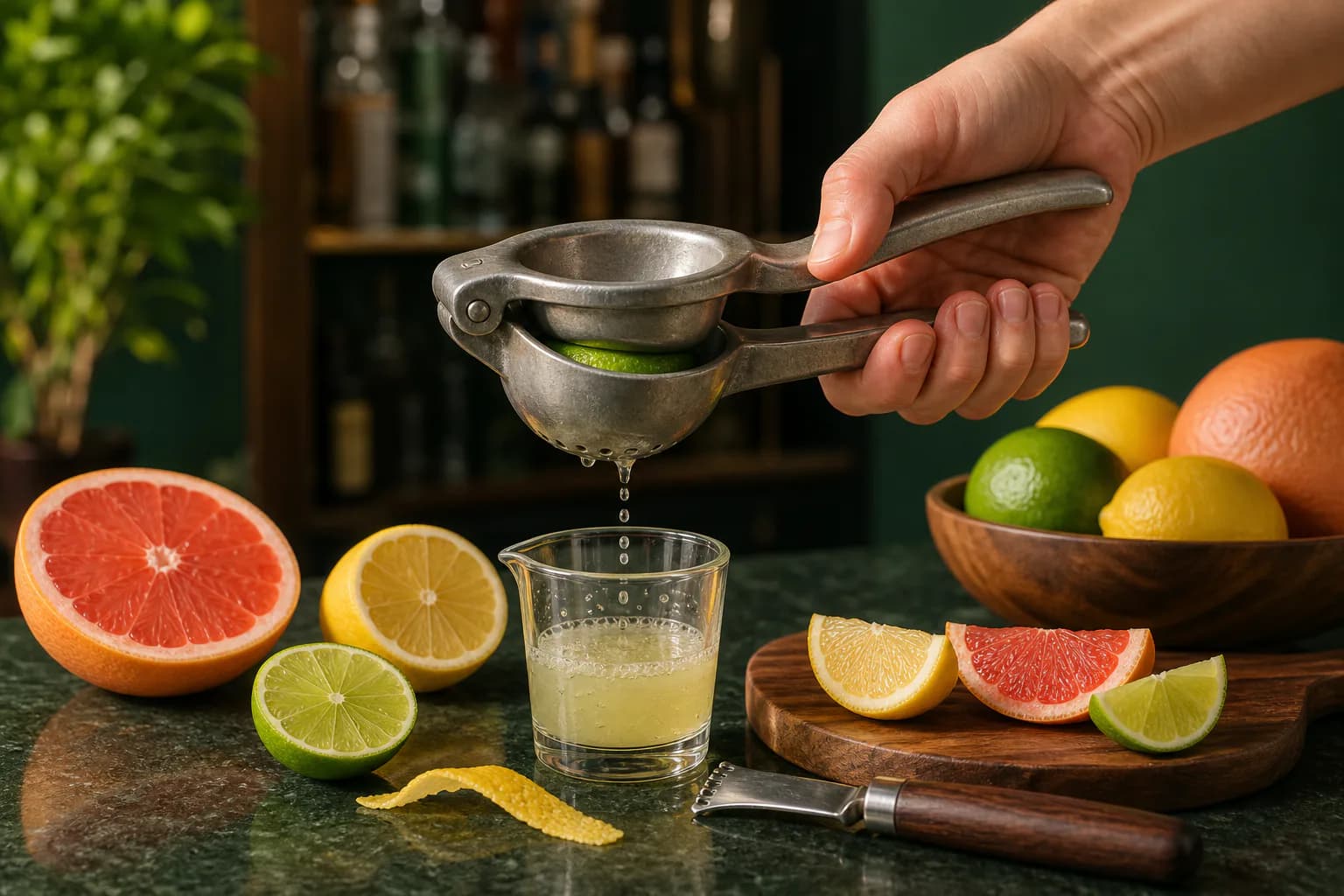
Fresh citrus for cocktails: juice, wedges and balance
Get brighter lime, lemon and grapefruit flavor with better prep and storage.
Read the guideWhere to go next
If you like the Bloody Mary, try these.
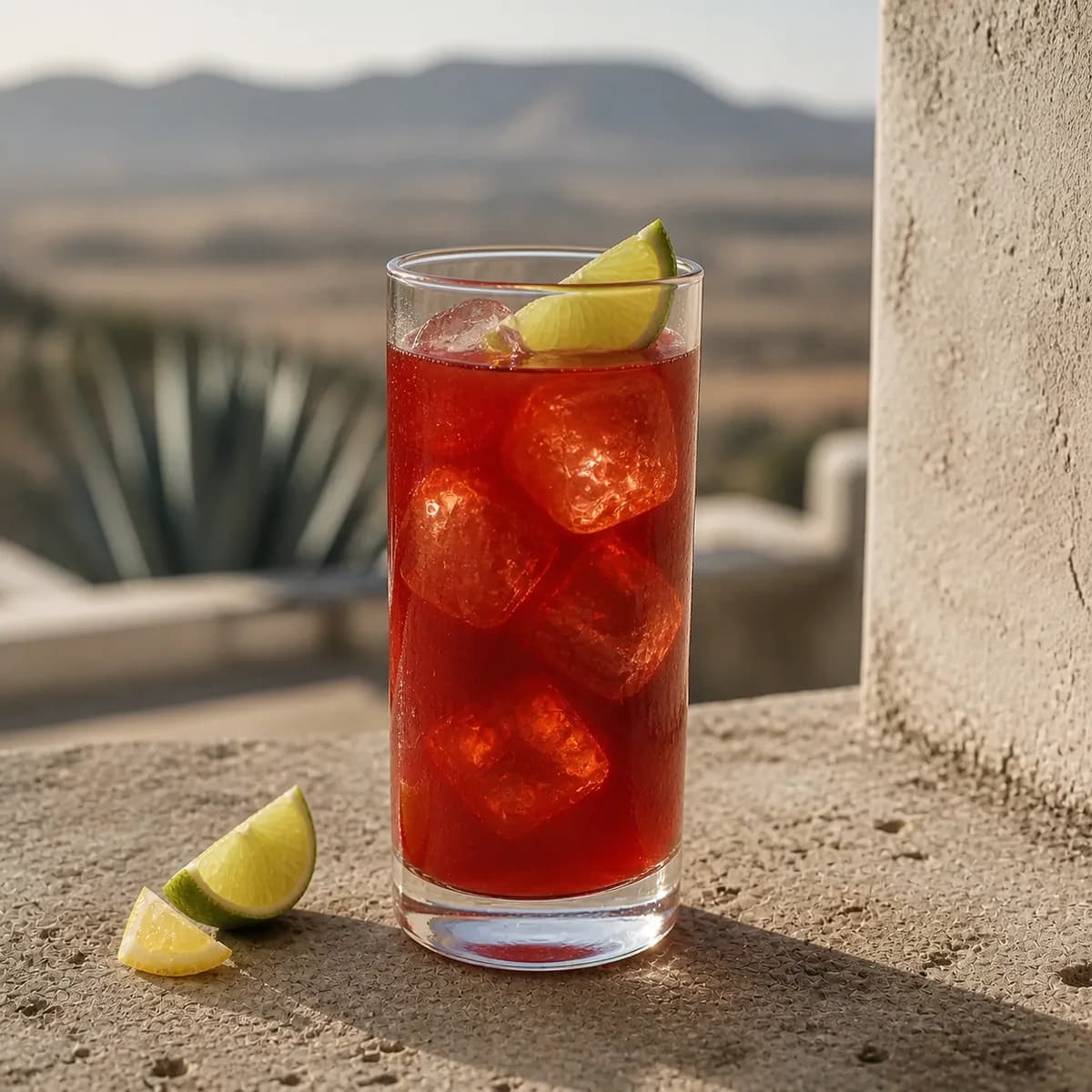
Bloody Maria
A Bloody Mary made with tequila instead of vodka — earthier and warmer, with the same savoury, spiced tomato backbone.
View recipe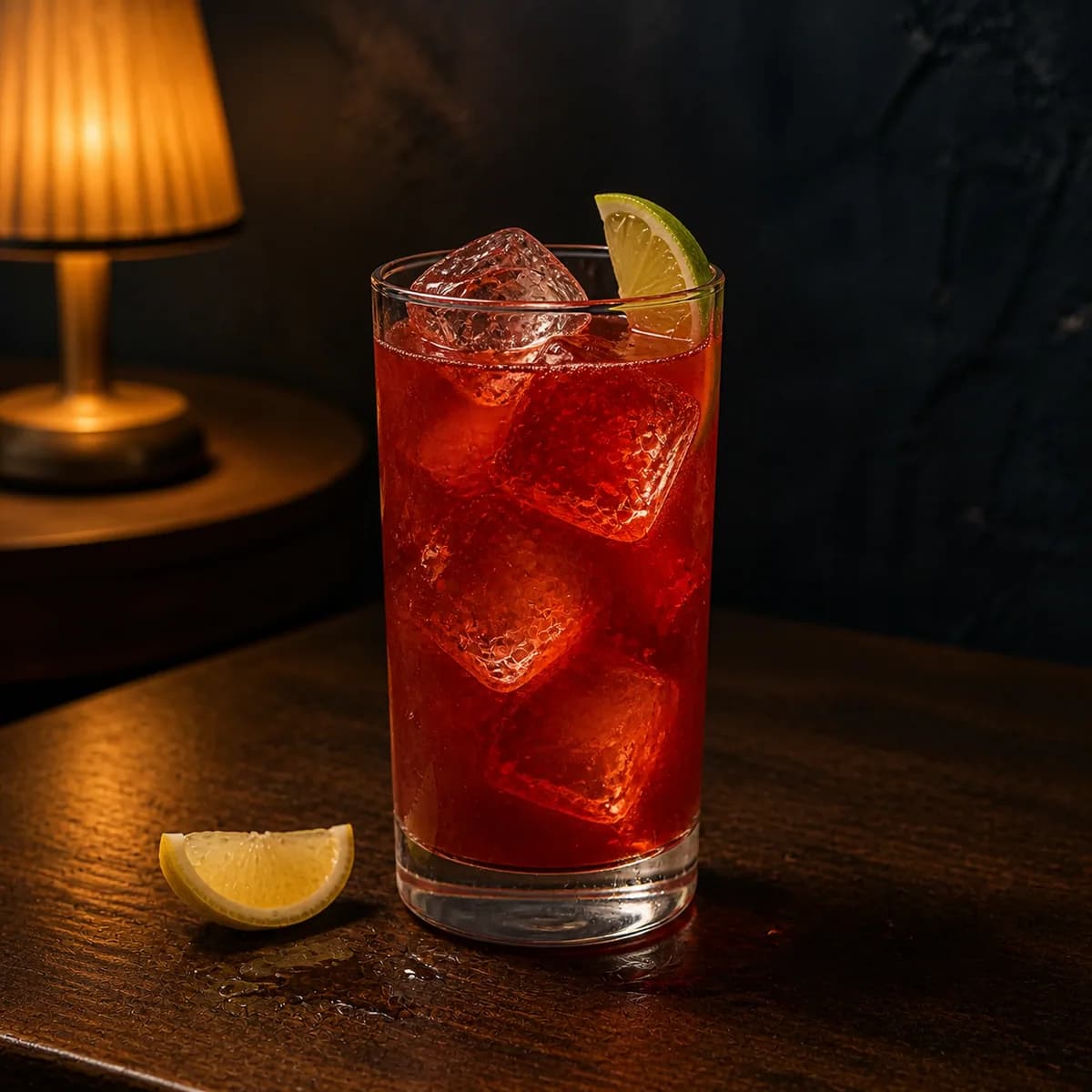
Virgin Mary
A Bloody Mary with the vodka left out — all the savoury, spiced tomato flavour, none of the alcohol. The brunch drink for everyone.
View recipe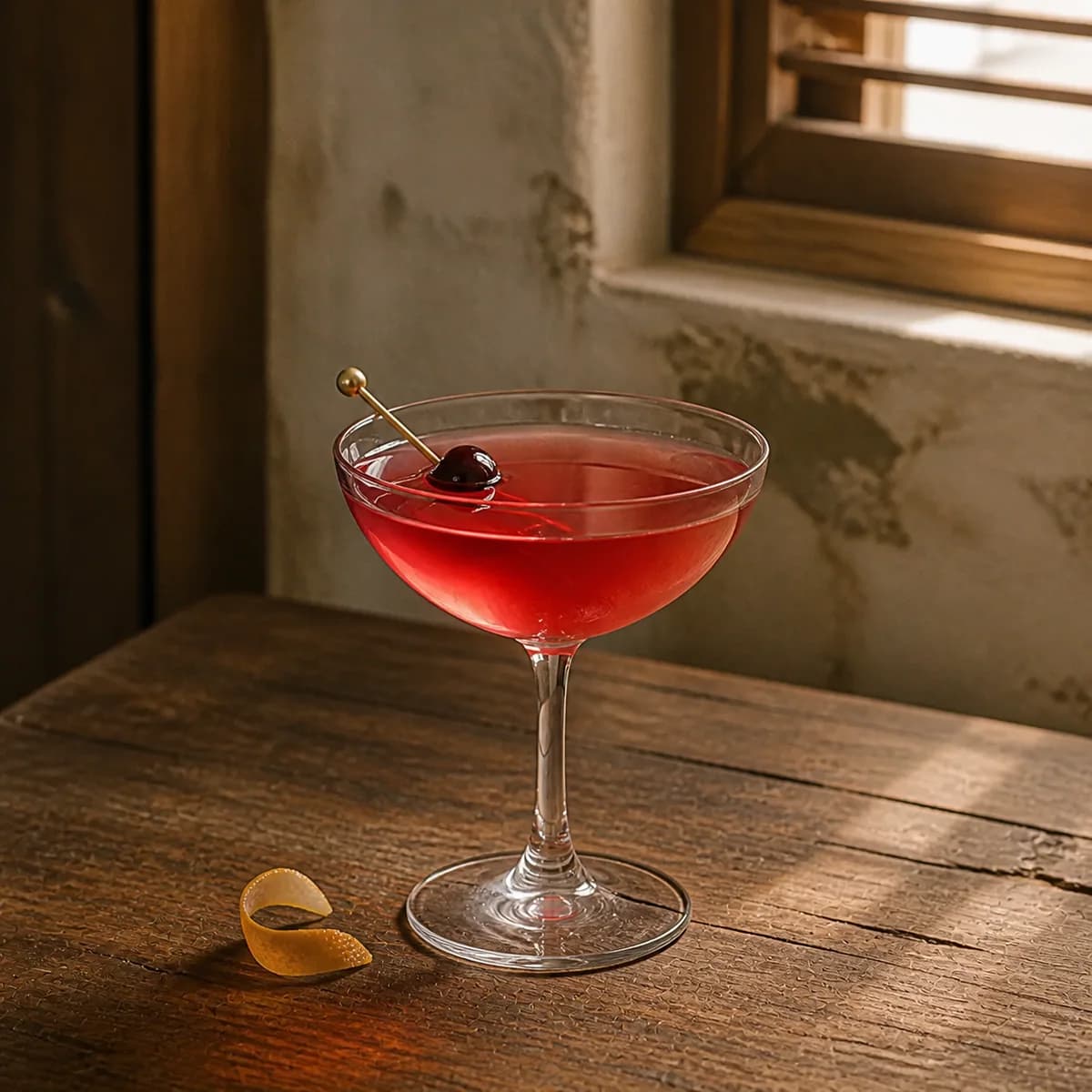
Mary Pickford
A Prohibition-era Havana drink named for the silent-film star: white rum with pineapple, grenadine and a touch of maraschino. Pink and juicy.
View recipe