Classic cocktail · Guided recipe
Blue Moon
Start makingA floral pre-Prohibition gin sour coloured with crème de violette — pale lavender, delicate and perfumed.
In the glassGin · Crème de violette · Fresh lemon juice
See exact amounts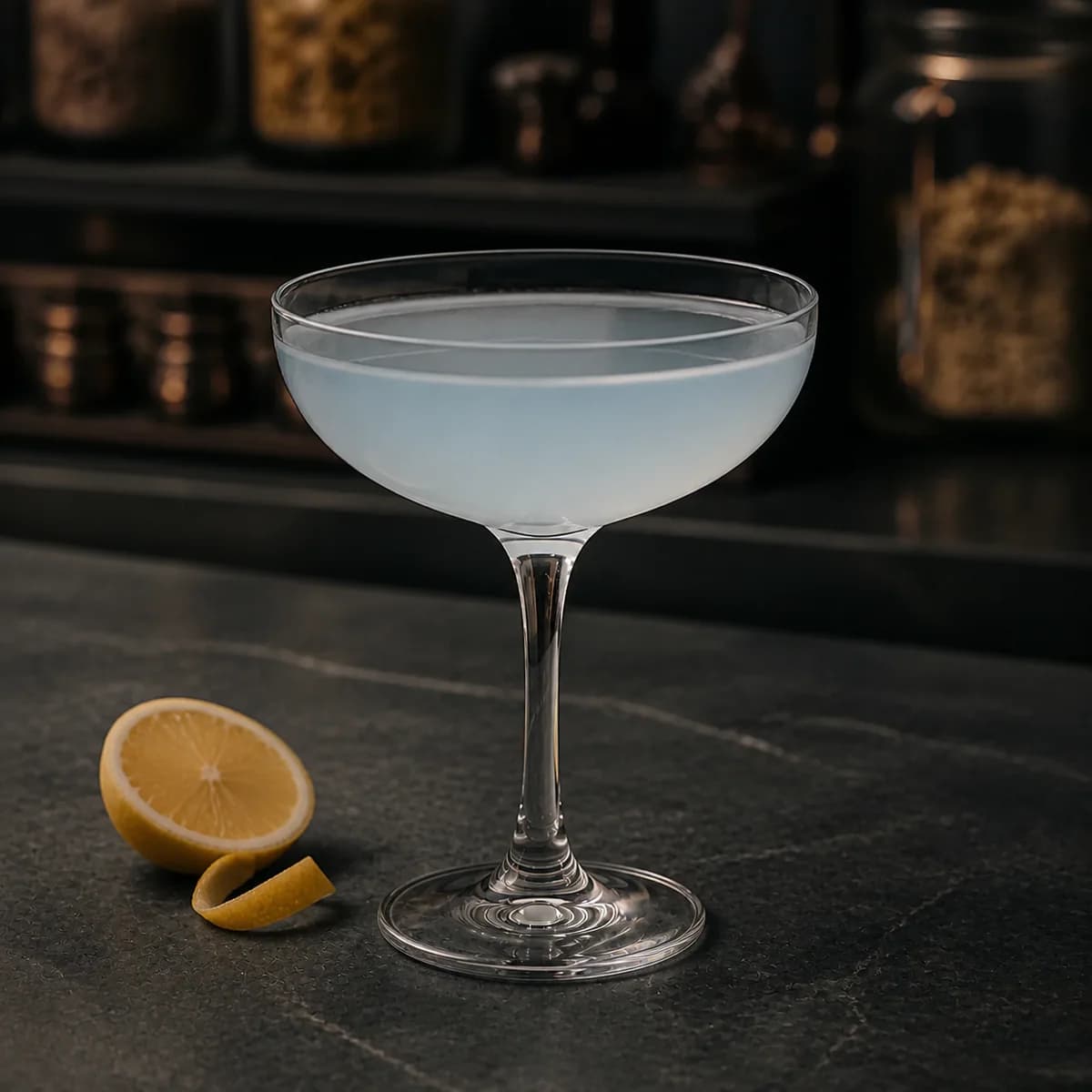
What goes in
Ingredients
Set up before you pour
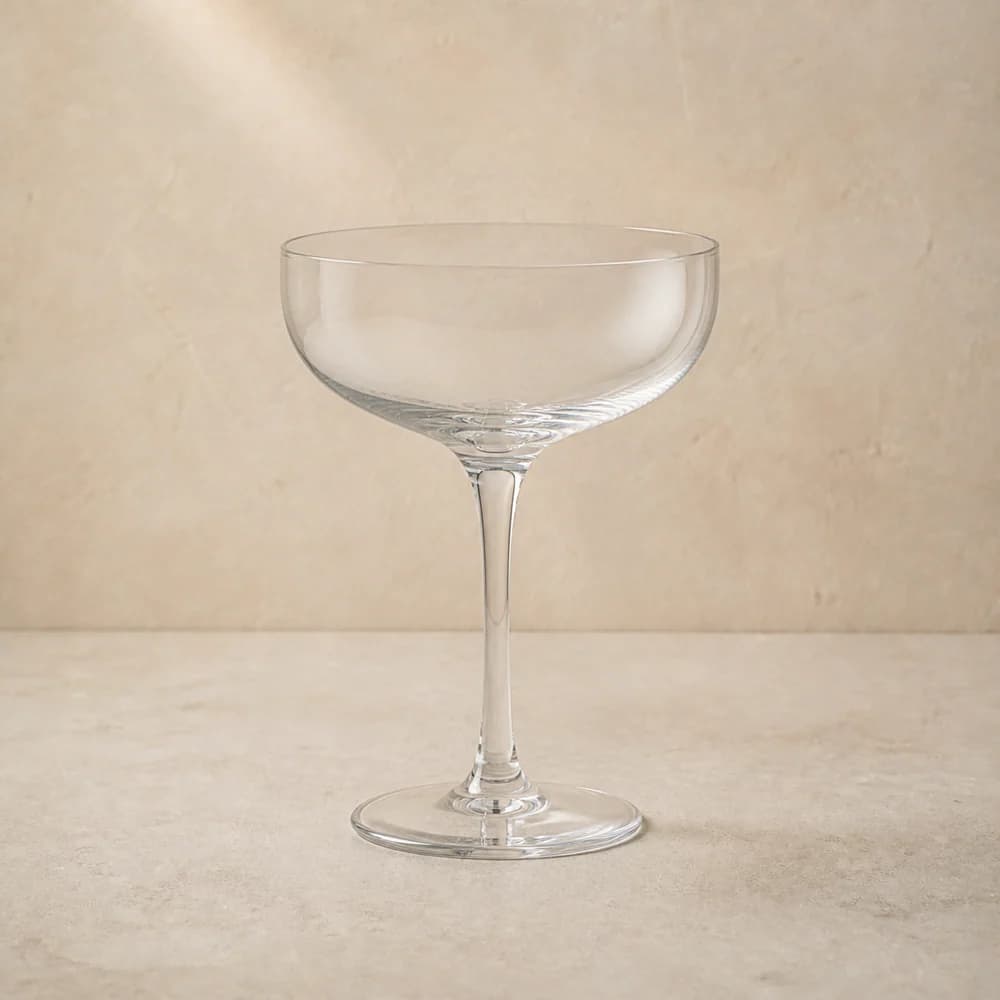
Use a coupe glass.
The stem keeps your hand away from a cold drink, while the rounded bowl makes an up serve easy to sip.
- Standard size
- 200 ml6¾ oz
- Ice & serve
- Chill it first; serve without ice.
- If you don’t own one
- Use a small martini glass or stemmed dessert glass.
- cocktail shaker
- strainer (or a small sieve)
- jigger or measuring spoon
- Gin60 ml
- Crème de violette15 ml
- Fresh lemon juice15 ml
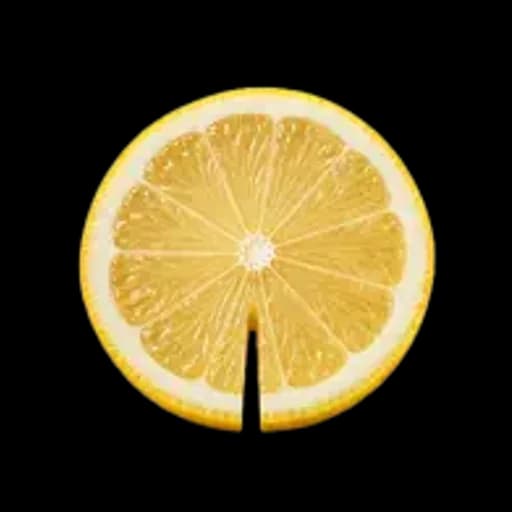
From bottle to glass
Method
- 01
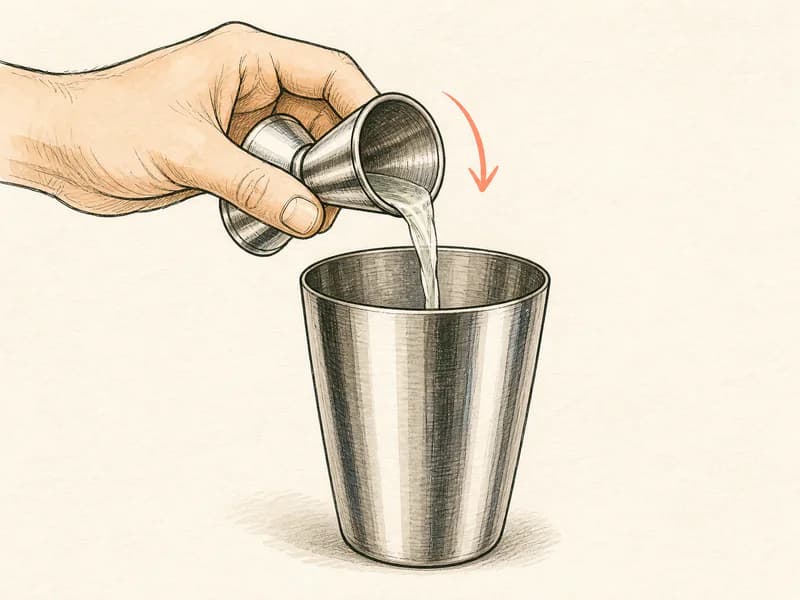
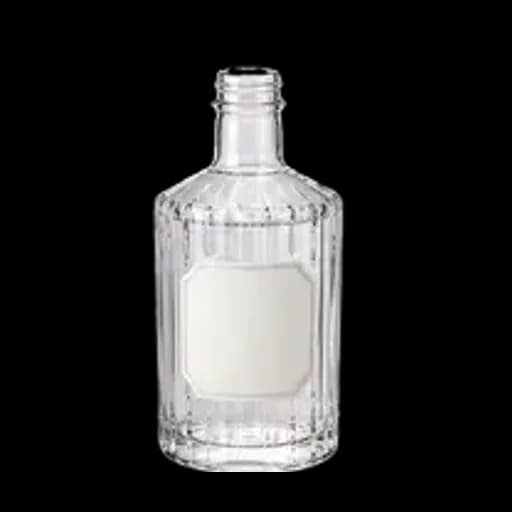
Measure into the shaker Pour 60 ml gin into your shaker
 Gin
Gin
- 02
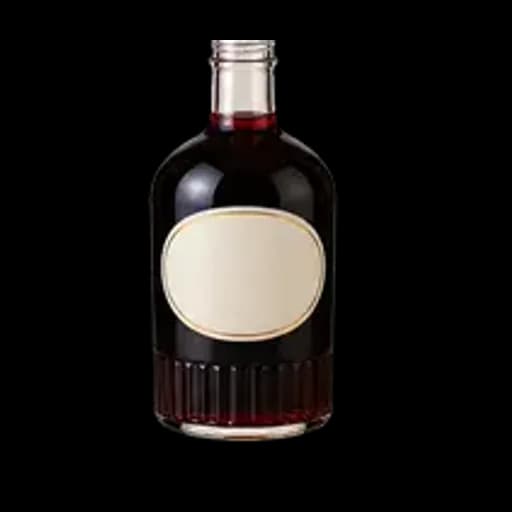
Measure into the shaker Add 15 ml crème de violette
 Crème de violette
- 03
Measure into the shaker Add 15 ml fresh lemon juice
 Fresh lemon juice
- 04
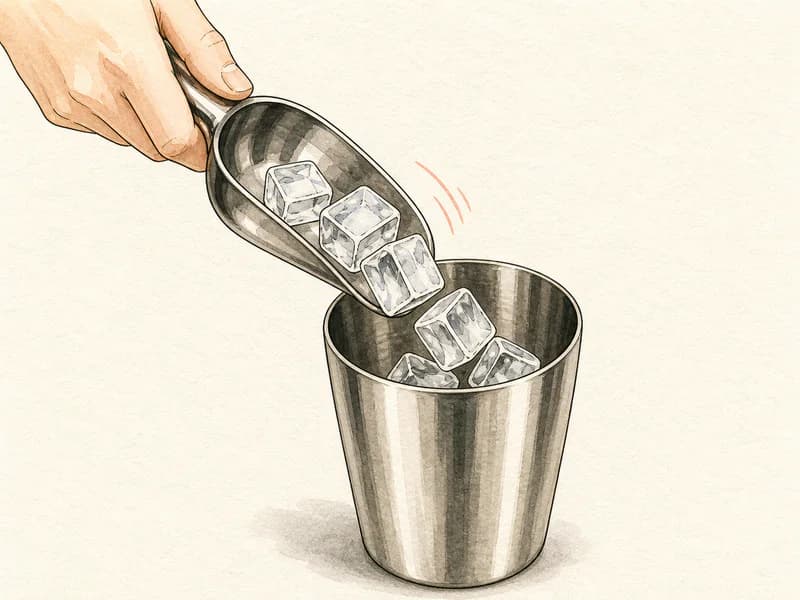
Ice the shaker Fill the shaker with ice
- 05
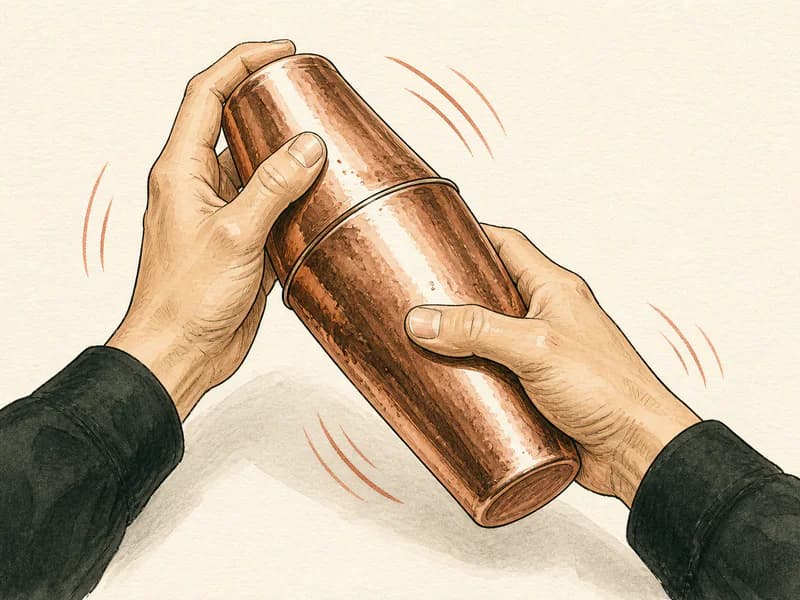
Seal and shake Seal and shake hard
- 06
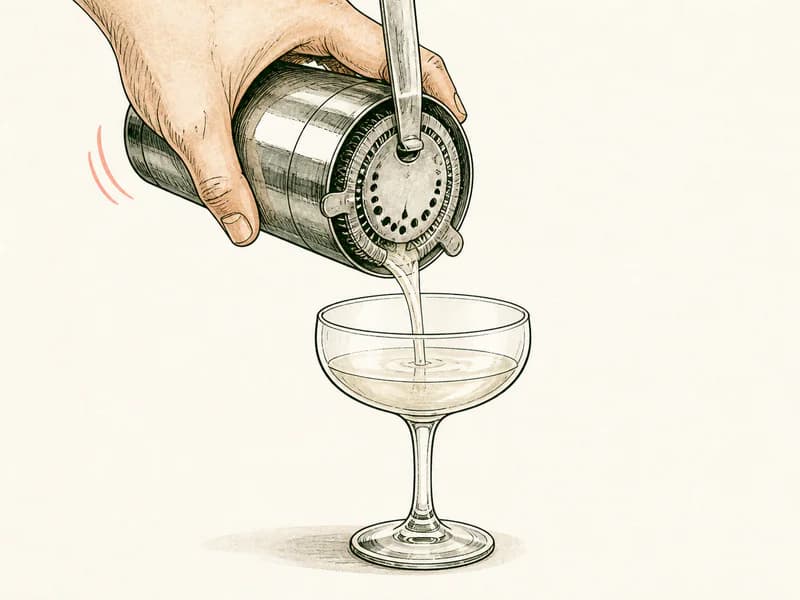
Strain cleanly Strain into a chilled glass — no ice
Know your drink
About the Blue Moon
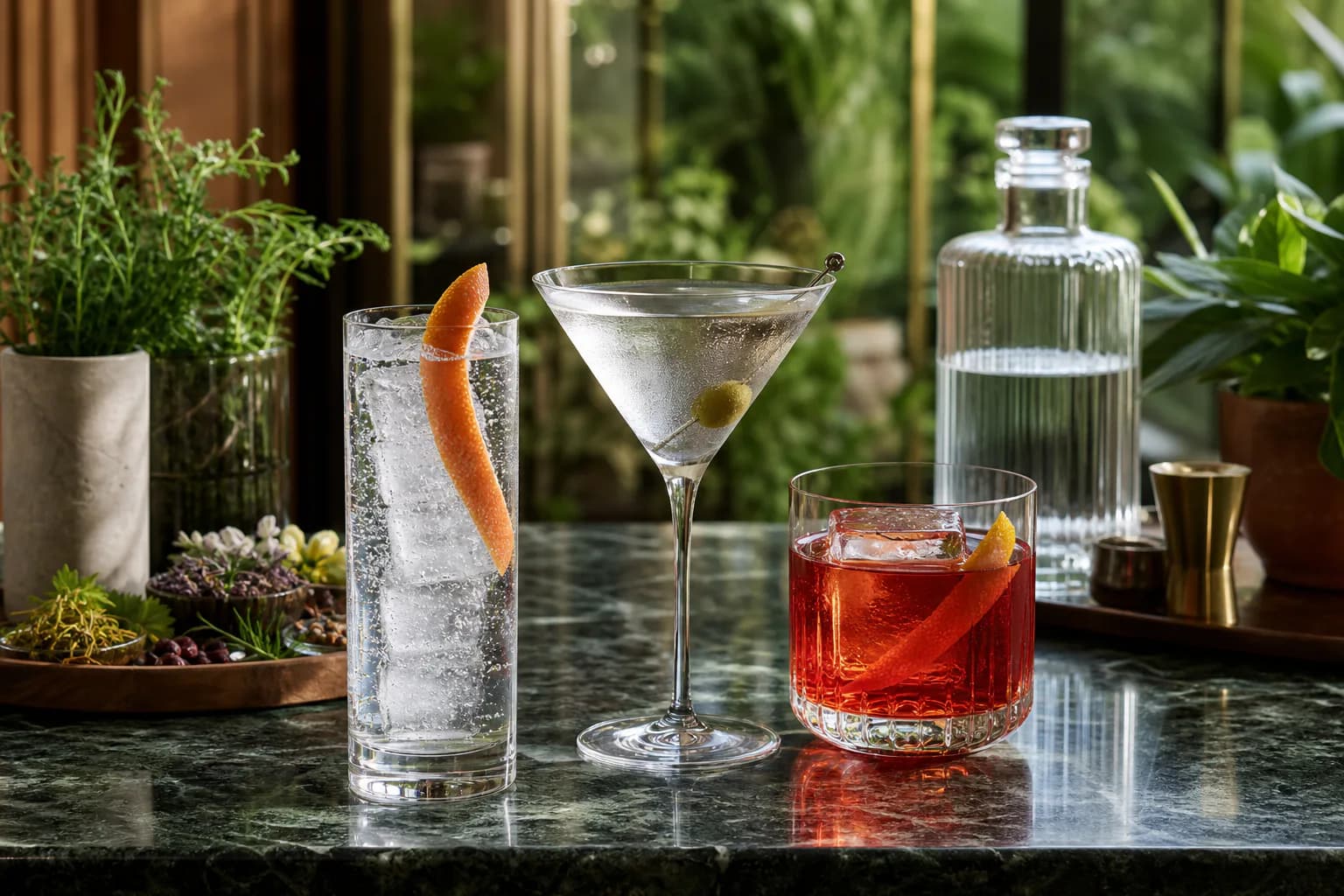
Two violet liqueurs
Crème de violette was effectively unavailable in the United States for decades, which is why so many mid-century books quietly drop it or hand the job to crème Yvette. It came back in the mid-2000s and there are now several bottlings. Giffard leans candied and sweet, Rothman & Winter is drier and more clearly floral, and the two are not interchangeable at this dose.
Measure it, don't pour it. Fifteen milliliters is already at the top of the sensible range, and past that the drink turns into soap and parma violets. If you want the color without the perfume, drop to 10 ml and add 5 ml of simple syrup so the sour still balances against the lemon.
Common questions
Blue Moon FAQ
How is this different from an Aviation?
Same violet-and-gin idea, minus the maraschino. An Aviation splits its sweetness between maraschino and violette, so it lands drier and stonier. Here the violette carries the sugar on its own, which pushes the floral side forward and rounds off the finish.
Pink instead of blue. What did I do wrong?
Nothing. Violet pigment shifts toward pink as acidity rises, so a generous pour of lemon pulls the color out of lavender and into rose. It tastes the same either way. Drop the juice to 12 ml if the color is what you're after.
Can I use crème Yvette in its place?
Yes, and older printings of this drink actually call for it. Yvette carries berry and vanilla alongside the violet, so the result comes out sweeter and less perfumed. Pull it back to about 12 ml, since it sits heavier on the tongue than a straight violette.
My violette has turned dull brown in the bottle. Still usable?
Almost certainly. Violet color fades with light and time while the flavor holds on, so a browned bottle mostly costs you the lavender tint. Keep it in a cupboard rather than on a windowsill, and buy the smallest size you can find.
What ingredients are in a Blue Moon?
A classic Blue Moon calls for 60 ml (2 oz) Gin, 15 ml (0.5 oz) Crème de violette, 15 ml (0.5 oz) Fresh lemon juice. That single-serve spec scales cleanly — the recipe above converts it to oz and multiplies it for 2–4 drinks.
How strong is a Blue Moon?
A standard Blue Moon is roughly 30% ABV once mixed (before ice melt softens it further). That makes it spirit-forward — closer to a Martini than to a beer, so sip it slowly.
Is a Blue Moon shaken or stirred?
A Blue Moon is shaken — the rule of thumb is to shake anything with citrus juice. About 13 seconds with plenty of ice chills and dilutes it correctly.
Sharpen the technique
Skills used in this recipe
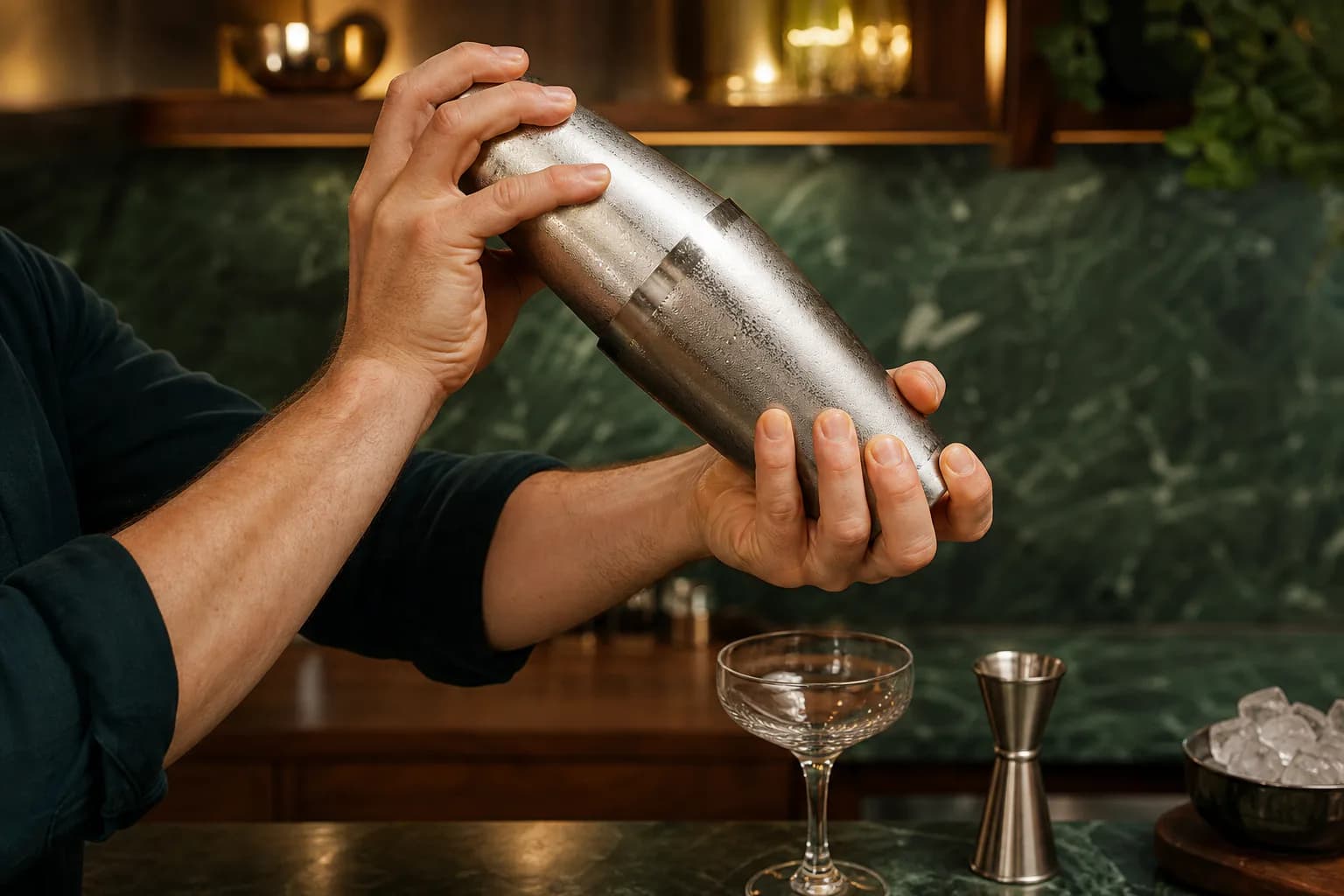
How to shake a cocktail properly
The grip, timing, ice and visual cues that make shaken drinks colder and brighter.
Read the guide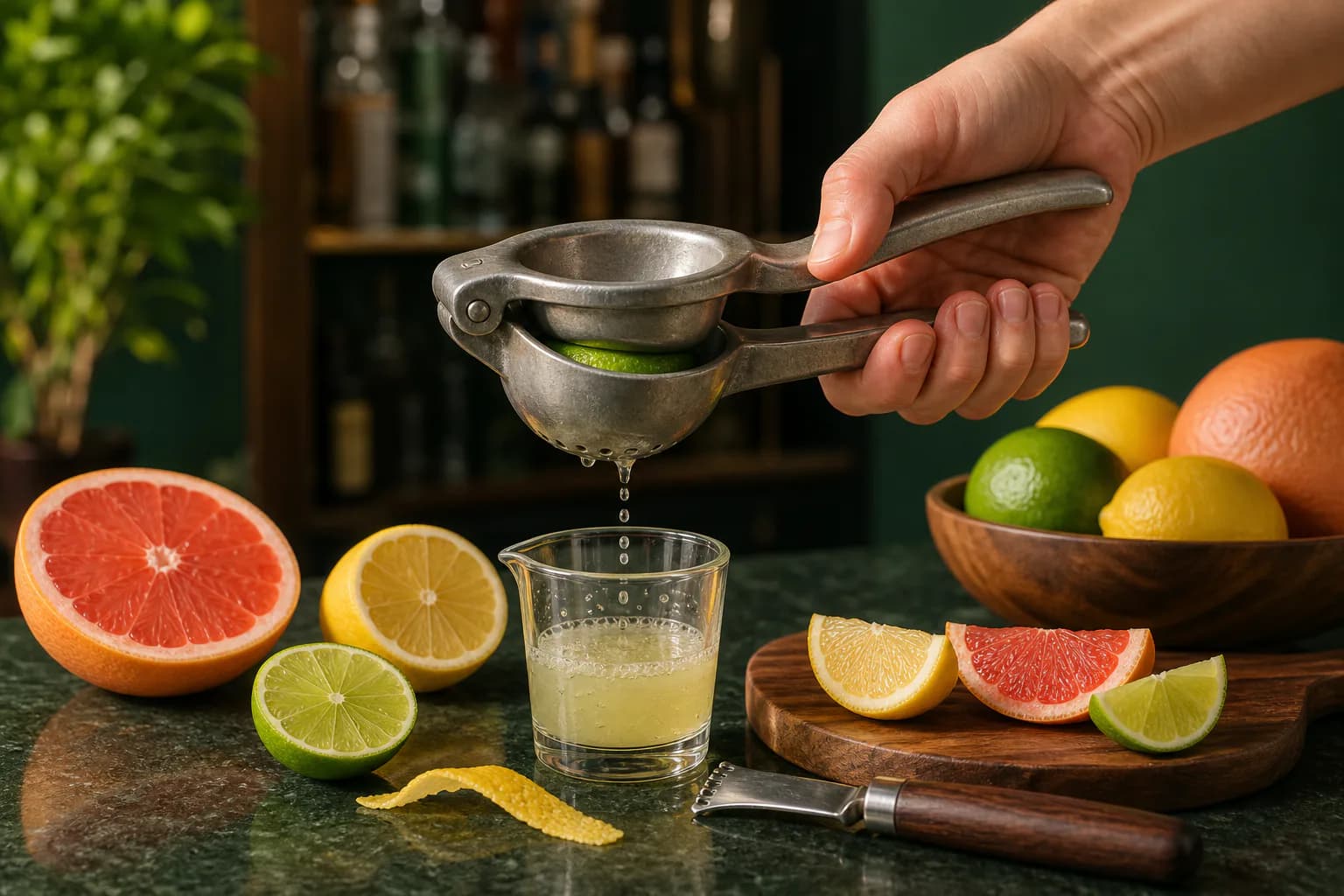
Fresh citrus for cocktails: juice, wedges and balance
Get brighter lime, lemon and grapefruit flavor with better prep and storage.
Read the guideWhere to go next
If you like the Blue Moon, try these.
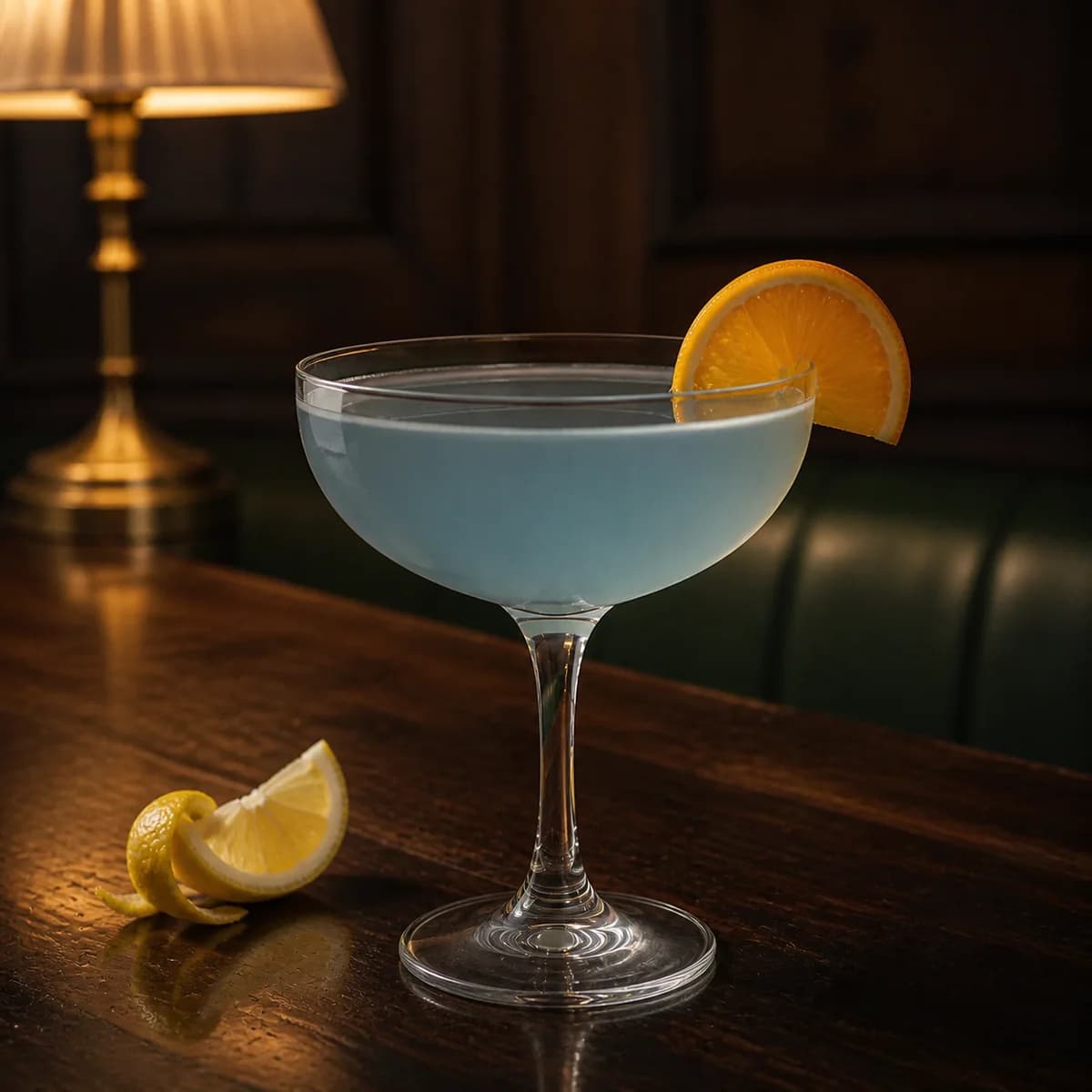
Blue Train
Eight milliliters of blue curaçao does the work of a food dye here, set against 15 of real triple sec. So it tastes like a dry gin sour with a lemon backbone and looks like a swimming pool. Buy the curaçao that actually tastes of orange.
View recipe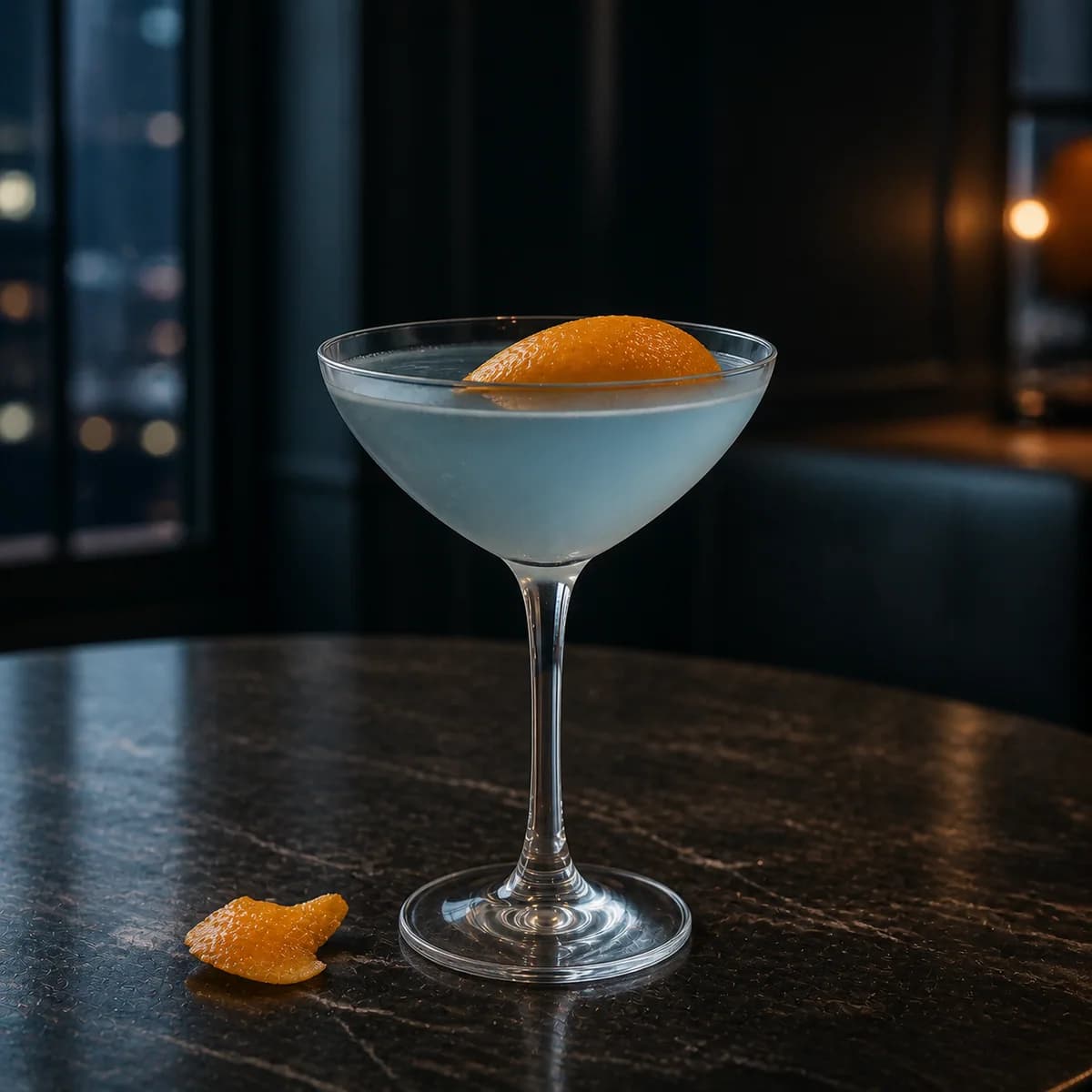
Blue Monday
Four milliliters of blue curaçao is a coloring decision, not a flavor one. Underneath the shade it is vodka with a little orange liqueur, short and considerably drier than anything that blue has a right to be.
View recipe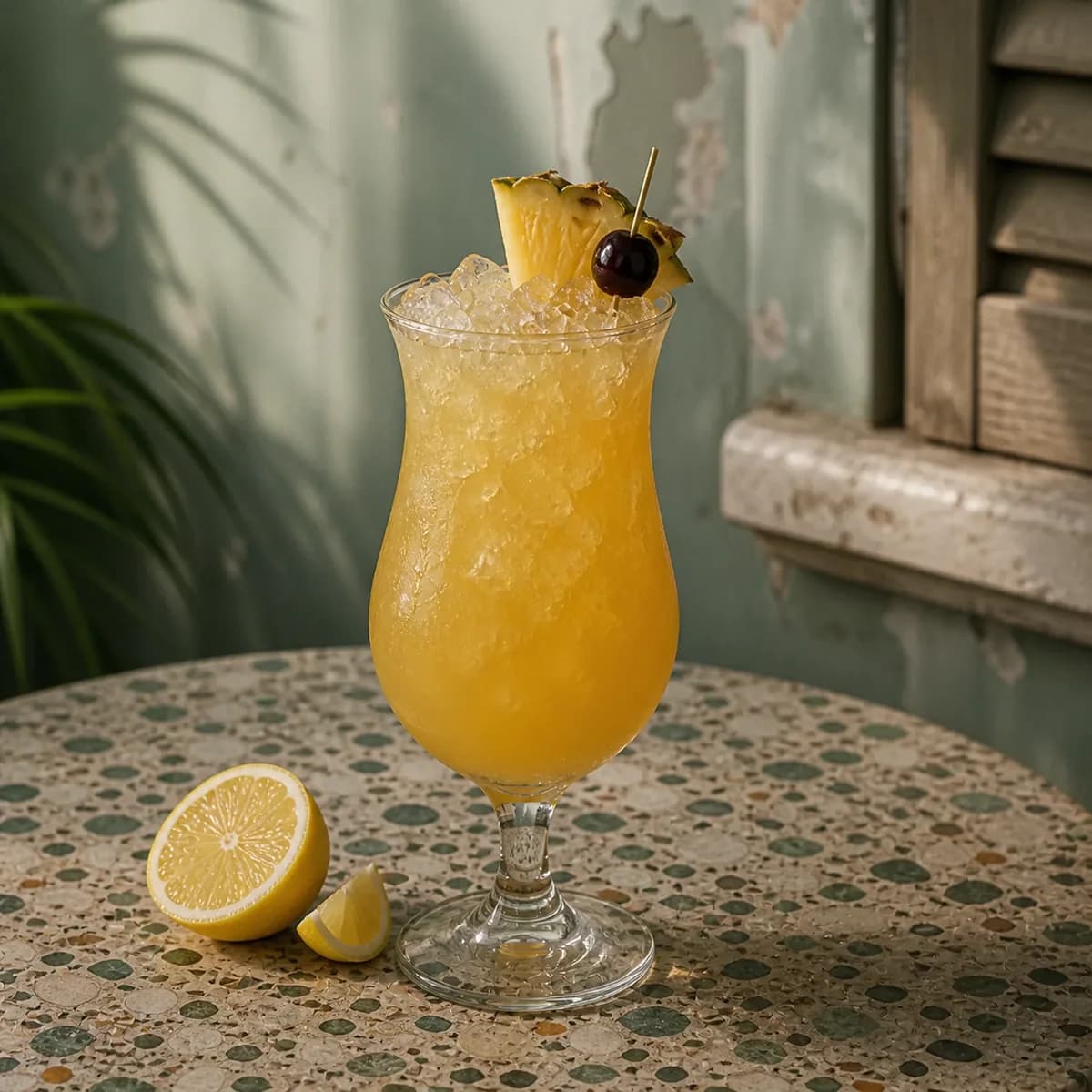
Blue Hawaii
Rum, blue curaçao and pineapple — the tiki drink the color of a Hawaiian sea. Sweet, tropical and very blue.
View recipe